

P0013 on 2013-2019 Ford Escape: Exhaust Camshaft Actuator Circuit Causes and Fixes
P0013 on a Ford Escape most commonly indicates a failed exhaust Variable Camshaft Timing (VCT) solenoid or its circuit. The first step is always to check for proper engine oil level and condition. Replacing the solenoid is a common fix, with parts costing between $25 and $75.
- P0013 on a 2013-2019 Ford Escape points to an electrical fault with the exhaust VCT solenoid or its circuit.
- Before replacing any parts, your first and most important diagnostic step is to check the engine oil level and quality. Low or dirty oil is a primary cause of VCT system problems.
- The most likely failed part is the exhaust VCT solenoid itself. It's a relatively inexpensive part and often accessible for DIY replacement.
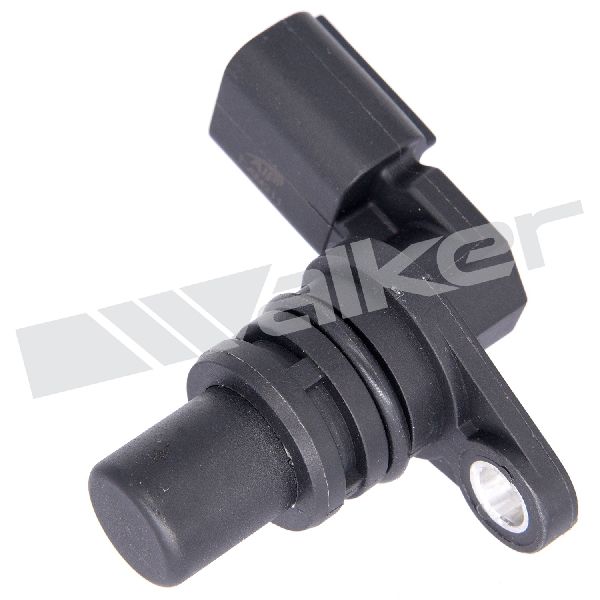
- Do not confuse the VCT solenoid (actuator) with the camshaft position sensor; replacing the sensor will not fix this code.
- Be aware that on some 2.0L EcoBoost models, the solenoid is under the valve cover, making the job more involved.
What's Unique About the 2013-2019 Ford Escape
The 2013-2019 Ford Escape uses Variable Camshaft Timing (VCT) across its engine lineup (1.6L EcoBoost, 2.0L EcoBoost, and 2.5L) to improve performance and fuel economy. This system relies on clean oil and proper oil pressure to function. The VCT solenoids are a frequent failure point, often due to contamination from infrequent oil changes. On some 2.0L EcoBoost engines, the solenoids are located under the valve cover, making replacement more labor-intensive than on other engines where they are externally accessible.
Symptoms You May Notice
- Check Engine Light is on
- Rough or uneven idle
- Poor acceleration and reduced engine power
- Decreased fuel economy (often 5-10% lower)
- Engine hesitation or stalling
- Engine is harder to start
- Replacing the Camshaft Position Sensor. P0013 is a code for the actuator solenoid *circuit*, not the position sensor that reads the camshaft's location. Replacing the sensor will not fix this code.
Most Likely Causes
- Failed Exhaust VCT Solenoid (Oil Control Valve) 🔴 High Probability The solenoids can fail electrically from an internal open circuit in the coil or become clogged with sludge and debris from engine oil, especially if oil change intervals are extended.
How to confirm: Check the solenoid's resistance with a multimeter; it should be within the manufacturer's specified range (typically 6.9-7.9 ohms). An open circuit (infinite resistance) or a short (near-zero resistance) indicates a failed solenoid. You can also apply 12V power to see if the solenoid clicks. Another diagnostic step is to swap the exhaust and intake solenoids (if accessible) and see if the trouble code changes to P0010 (for the intake solenoid circuit).
Typical fix: Replace the Bank 1 exhaust VCT solenoid.
Est. part cost: $25-$75 - Low, Dirty, or Incorrect Viscosity Engine Oil 🟡 Medium Probability The VCT system is hydraulic and highly dependent on oil pressure and cleanliness. Sludge from old oil can clog the fine mesh screens on the VCT solenoids, impeding their function and causing the code to set.
How to confirm: Check the oil level on the dipstick and inspect the oil's condition. If it is low, black, or sludgy, it needs to be changed.
Typical fix: Perform an engine oil and filter change using the correct OEM-specified oil viscosity.
Est. part cost: $40-$80 - Damaged Wiring or Electrical Connector ⚪ Low Probability The wiring harness to the solenoid can become brittle from heat cycles, or the connector pins can corrode or become contaminated with oil. Wires can also chafe against the engine block, creating an open or short circuit.
How to confirm: Visually inspect the wiring and connector for any signs of damage, fraying, or corrosion. Use a multimeter to check for continuity and proper voltage at the connector with the key on. A poor connection can mimic an open circuit.
Typical fix: Repair the damaged section of wiring or replace the pigtail connector.
Est. part cost: $15-$30
Rare But Worth Checking
- Faulty Powertrain Control Module (PCM): This is very rare. The PCM should only be considered after all other possibilities, including the solenoid and its entire circuit, have been thoroughly tested and ruled out. An internal ECM fault can prevent it from properly controlling the VCT circuit.
Diagnosis Steps
- Check the engine oil level and condition. If it's low or dirty, perform an oil change before proceeding. This is the most critical first step.
- Inspect the electrical connector and wiring going to the exhaust VCT solenoid on Bank 1 for any visible damage, corrosion, or oil contamination.
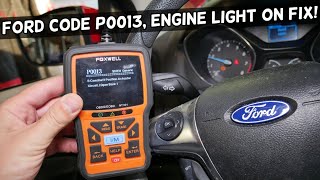
- Using a multimeter, check the resistance of the VCT solenoid. It should be between 6.9 and 7.9 ohms. An open circuit (infinite resistance) or a short (zero resistance) indicates a failed solenoid. 🎬 Watch: Quick DIY methods to test and fix P0013
- If you have two accessible solenoids (intake and exhaust), swap them. Clear the codes and drive the vehicle. If the code changes to P0010 (Intake 'A' Camshaft Position Actuator Circuit), the solenoid is confirmed to be faulty.
- If the solenoid tests good, check for power (12V) and ground at the solenoid connector with the ignition on. The PCM sends pulses to control the solenoid, so you'll be checking the integrity of the circuit.
- If all tests pass and the code persists, the issue may be a more complex wiring problem or, in very rare cases, a fault within the PCM.
Parts You'll Likely Need
- Variable Camshaft Timing (VCT) Solenoid / Oil Control Valve (Exhaust)
(OEM #CN1Z-6M280-B (for 1.5L/1.6L), CJ5Z-6M280-A (for 2.0L/2.5L))— This is the most common component to fail, either electrically or by getting clogged with debris, directly causing the P0013 circuit code.
Trusted brands: Motorcraft, Dorman, Standard Motor Products (SMP)
OEM price range: $40-$90
Aftermarket price range: $25-$60
Related Codes That Often Appear With This One
- P0014 — P0014 indicates a mechanical timing performance issue ('B' Camshaft Position - Timing Over-Advanced). An electrical fault in the solenoid circuit (P0013) can cause the solenoid to fail to operate, leading to the camshaft being stuck in a position that triggers the P0014 performance code. Fixing the P0013 issue will typically resolve P0014 as well.
- P0010 — This code is for the Intake ('A') Camshaft Position Actuator Circuit. It can appear alongside P0013 if there is a common issue affecting both solenoids, such as widespread oil contamination or a shared wiring problem.
Technical Service Bulletins (TSBs) & Recalls
- SSM 50067: While not for P0013 specifically, this TSB notes that various VCT codes on Ford engines can be caused by small debris causing the VCT solenoid to stick, advising a diagnostic cycling test before replacement.
Platform-Specific Known Issues
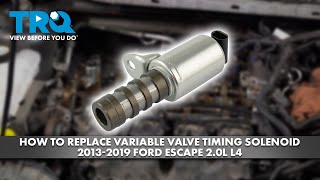
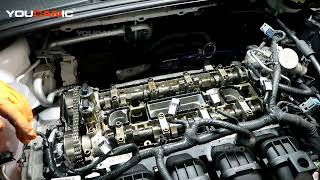
- On some 2.0L EcoBoost engines, the VCT solenoids are located under the valve cover, which significantly increases the labor time for replacement compared to engines where they are externally mounted. This requires purchasing a new valve cover gasket as well. 🎬 Watch: Step-by-step 2.0L VCT solenoid replacement walkthrough
Mechanic-Grade Diagnostic Values
- VCT Solenoid Internal Resistance — expected: 6.9 to 7.9 ohms. Failure: A reading of OL (infinite) indicates an open circuit, while a reading near 0 ohms indicates a short circuit. Either requires solenoid replacement.
- VCT Solenoid Connector Voltage (Key On, Engine Off) — expected: Battery voltage (~12V) on the power supply pin. The other pin is the control wire, which the PCM pulses to ground.. Failure: No voltage on the supply pin points to a problem upstream in the wiring, a fuse, or the power relay.
- Scan Tool PID: VCT Solenoid Duty Cycle — expected: At idle, the duty cycle commanded by the PCM should be low. During acceleration or load, the PCM will increase the duty cycle to advance timing.. Failure: A high commanded duty cycle with no corresponding change in camshaft angle (monitored via VCT_EXH_ERR PID) suggests a stuck solenoid or phaser.
Scan Tool Commands That Help
- Ford IDS (Integrated Diagnostic System): Output State Control / VCT Solenoid Pinpoint Test — This is a bidirectional control that allows a technician to manually command the VCT solenoid on and off, or to a specific duty cycle. While monitoring engine RPM or live data for camshaft position, this test directly confirms if the solenoid is physically working and if the wiring from the PCM is intact. A change in idle quality should be noticeable when the solenoid is activated at idle.
Wiring & Ground Locations
- VCT Solenoid Connector — On the top of the valve cover, connecting directly to the VCT solenoid. On some 2.0L EcoBoost engines, this connector is under the valve cover.. This is the primary point for testing voltage, ground signal, and solenoid resistance. Oil contamination in the connector is a common cause of poor connection and circuit faults.
- C175B — This is a large engine harness connector, often found near the Powertrain Control Module (PCM) in the engine compartment.. The control circuit wiring for the VCT solenoids passes through this connector. Corrosion or a backed-out pin at this location can cause an intermittent open circuit, leading to a P0013 code that is difficult to trace.
- PCM Ground — The main grounds for the PCM are typically located on the fender aprons or engine block. A common ground point designator on Fords is G104.. A poor PCM ground can cause a variety of erratic electrical issues and incorrect sensor readings. While not a direct cause of an open circuit code, a floating ground can cause the PCM driver to malfunction, mimicking a circuit fault.
Real Owner Repair Stories
- Online automotive repair forum (2015 Ford Escape 2.0L EcoBoost) — Check Engine Light with code P0013, rough idle, and hesitation on acceleration.
❌ Tried (didn't work) Replaced the exhaust VCT solenoid with a new aftermarket part., Performed an engine oil and filter change., Verified continuity of the wiring harness between the solenoid connector and the PCM connector.
✅ What actually fixed it After all other components tested good, the Powertrain Control Module (PCM) was replaced and programmed. The internal driver circuit for the VCT solenoid inside the original PCM had failed, which is a rare but possible cause. - YouTube Repair Channel Comment Section (2013 Ford Escape 1.6L EcoBoost) — Persistent P0013 code immediately returned after clearing.
❌ Tried (didn't work) Swapping the intake and exhaust solenoids (code did not move to P0010).
✅ What actually fixed it The owner had installed a new, non-OEM VCT solenoid that was defective out of the box. Replacing it a second time with a Motorcraft-branded solenoid resolved the issue. This highlights the potential for quality control issues with some aftermarket electrical parts.
OEM Part Supersession History
CN1Z-6M280-B→CN1Z-6M280-E, and later CN1Z-6M280-F— Standard part revision and improvement by the manufacturer.
Heads up: The newer revisions are backward compatible for the 1.6L engine.
Model Year Variations Within This Range
- 2013-2016: These model years used the 1.6L EcoBoost engine, which takes VCT solenoid part number CN1Z-6M280-B (or its supersessions).
- 2017-2019: For the 2017 model year, the 1.6L was replaced by a 1.5L EcoBoost engine. The VCT solenoids for the 1.5L are a different part, such as F2GZ-6M280-D or HX7Z-6M280-A, and are not interchangeable with the 1.6L parts. The 2.0L engine was also updated to a twin-scroll turbo design, but the VCT solenoid part number (CJ5Z-6M280-A) generally remained the same.
Diagnostic Flowchart
Other Known Issues on This Vehicle
Issues unrelated to this code that are worth knowing about as an owner of this generation:
- Coolant Intrusion into Cylinders (EcoBoost Engines) 🔴 High — Common on 1.5L, 1.6L, and 2.0L EcoBoost engines, particularly 2017-2019 models for the 2.0L. Can lead to misfires, rough running, and eventual catastrophic engine failure. (Ref: TSB 19-2346 (for 2.0L), TSB 19-2375 (for 1.5L))
- 6F35 Transmission Failure 🔴 High — Widespread across all 2013-2019 models. Symptoms include shuddering, harsh shifting, slipping, and complete failure, often around 100,000-150,000 miles. (Ref: Multiple TSBs exist, but no widespread recall for the core failure.)
- Faulty Door Latches 🟠 Medium — Common on 2013-2015 models. A component in the latch can break, preventing the door from closing securely or causing it to open while driving. (Ref: Recall 16S30)
- Engine Overheating and Fires (1.6L EcoBoost) 🔴 High — Primarily affects 2013-2014 models with the 1.6L engine. Insufficient coolant circulation can cause the cylinder head to crack, leading to oil leaks and potential fires. (Ref: Recall 17V398000)
- Shift Cable Bushing Detachment 🟠 Medium — Affects various model years. The bushing that attaches the shifter cable to the transmission can degrade, preventing the vehicle from being placed in the intended gear. (Ref: Recall 22V413000)
Used vs. New Parts: Buying Guide for This Vehicle
When a used part is the smart pick: A used VCT solenoid from a reputable salvage yard can be a cost-effective option, especially if it's a genuine Motorcraft part from a low-mileage, collision-damaged vehicle. Given the relatively low cost of a new aftermarket part, the savings may only be significant if you are getting a used OEM part for less than a new aftermarket one.
Donor-vehicle mileage cap: roughly under 75000 miles for the part to have meaningful remaining life.
What to inspect on the donor part:
- Inspect the fine mesh screens on the solenoid; they should be perfectly clean, free of sludge, and have no tears or holes.
- Check the electrical connector for any signs of corrosion, cracking, or oil contamination.
- Ask for the VIN of the donor vehicle to verify its year, engine, and mileage.
OEM-only on this vehicle (don't cheap out):
- Powertrain Control Module (PCM) - Due to the necessity of VIN-specific programming, a new or professionally refurbished and programmed PCM is required.
Aftermarket brands forum-validated for this vehicle:
- Dorman
- Standard Motor Products (SMP)
- NTK/NGK
Brands owners have reported issues with on this vehicle:
- No-name, unbranded parts from online marketplaces have a higher reported failure rate out of the box. While they may be cheaper, they can lead to wasted time in diagnosis if they are faulty.
Real Owner Stories
Aggregated from forums and TSBs cited above. Mileages and costs reflect what owners reported in those sources.
2015 Ford Edge 2.0L EcoBoost
Symptoms: A P0013 code (B Camshaft Position Actuator Circuit / Open Bank 1) appeared immediately after a new long block engine was installed.
What fixed it: The issue was traced back to the sensor/solenoid or its electrical connection.
Source hint: Ford Edge Forum - 'Code P0013 B Camshaft Position Actuator Circuit / Open Bank 1'
Ford Focus (Similar Engine)
Symptoms: Check engine light on with code P0013.
What fixed it: Replacing the VVT solenoid.
Source hint: YouTube - 'FORD CODE P0013 B CAMSHAFT POSITION ACTUATOR CIRCUIT OPEN BANK 1 FIX ENGINE LIGHT ON'
Related OBD-II Codes
Frequently Asked Questions
I have a 2.0L EcoBoost Ford Escape; why is the labor for P0013 more expensive on my engine?
Can I just swap parts between the intake and exhaust sides to test the solenoid on my Escape?
Is there a TSB for VCT solenoids sticking due to debris on Ford engines?
My 2013 Escape 1.6L has P0013; should I be worried about the engine overheating recall too?
What resistance should I look for when testing the VCT solenoid on my Ford Fusion or Escape?
Does the 6F35 transmission failure mentioned in the known issues cause the P0013 code?
Helpful Videos

![How to Fix P0013 Engine Code in 4 Minutes [2 DIY Methods / Only $6.63]](https://img.youtube.com/vi/t8TG_Q7QhvI/mqdefault.jpg)
We Have This Part in Stock
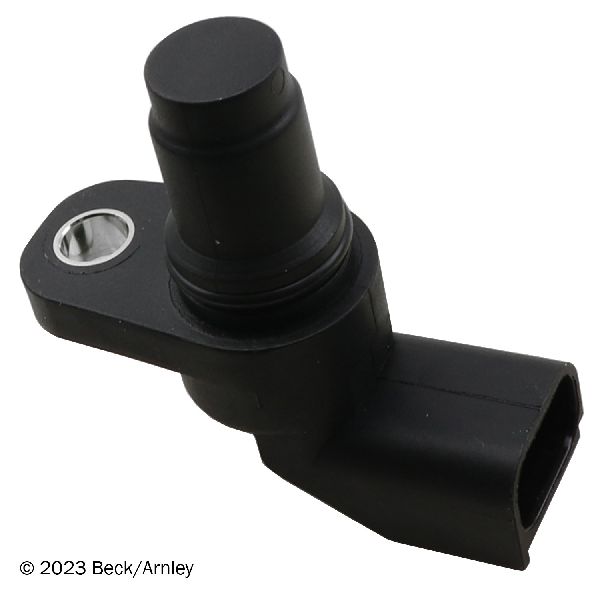
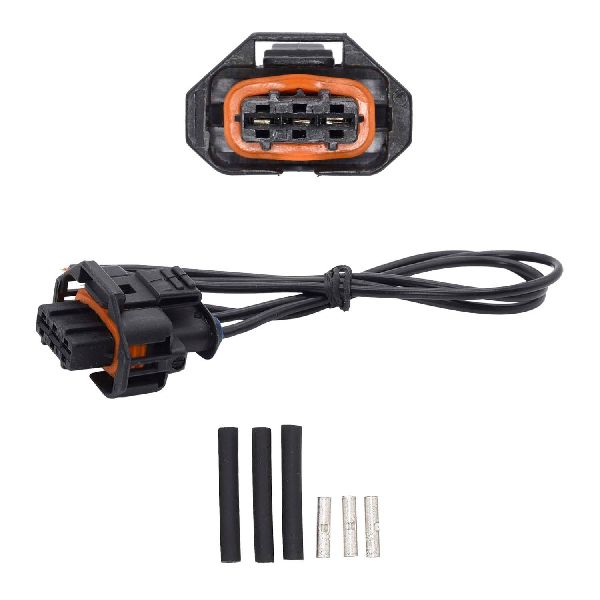
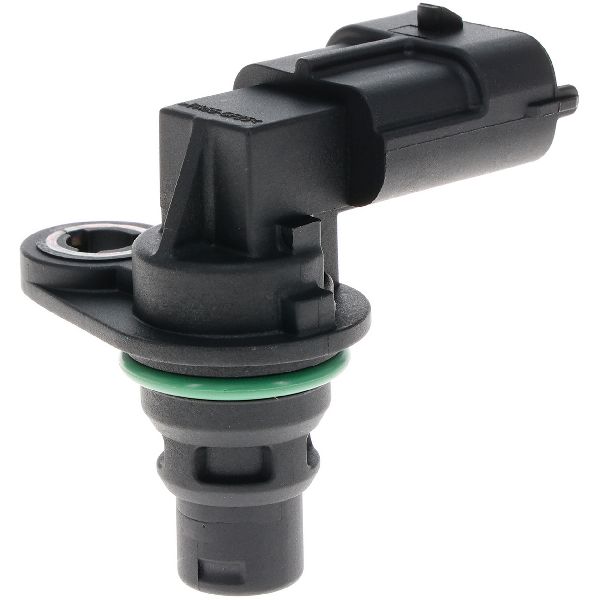
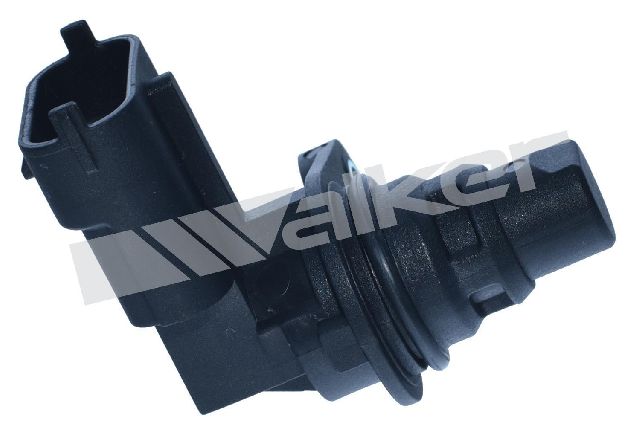

The information in this article is provided for general reference and educational purposes only. Vehicle specifications, procedures, and part compatibility can vary by production date, trim level, and region. Always consult your vehicle's factory service manual and verify part numbers before purchasing or performing repairs. Safety-critical components such as airbags, seat belts, and braking systems should be installed by a qualified professional.
- Ford Escape:
- 🧭 Diagnostic Flowchart
- 🎬 Helpful Videos
- 🛍️ Shop This Part
- What's Unique About the 2013-2019 Ford Escape
- Symptoms You May Notice
- Most Likely Causes
- Rare But Worth Checking
- Diagnosis Steps
- Parts You'll Likely Need
- Related Codes That Often Appear With This One
- Technical Service Bulletins (TSBs) & Recalls
- Platform-Specific Known Issues
- Mechanic-Grade Diagnostic Values
- Scan Tool Commands That Help
- Wiring & Ground Locations
- Real Owner Repair Stories
- OEM Part Supersession History
- Model Year Variations Within This Range
- Other Known Issues on This Vehicle
- Used vs. New Parts: Buying Guide for This Vehicle
- Real Owner Stories
- 2015 Ford Edge 2.0L EcoBoost
- Ford Focus (Similar Engine)
- Related OBD-II Codes
- Frequently Asked Questions
- 🎟️ Get 5% Off