

P0013 on 2004-2010 Ford F-150 5.4L: Causes and VCT Solenoid Fixes
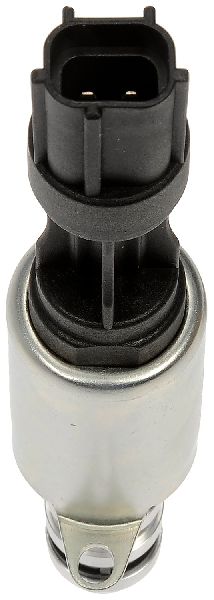
P0013 on a 5.4L Triton V8 almost always points to a faulty Variable Camshaft Timing (VCT) solenoid on the exhaust side of Bank 1. This is often caused by dirty oil, low oil pressure, or a failed solenoid. Replacing the solenoid with an updated Motorcraft part (8L3Z-6M280-B) is a common, affordable fix, costing around $30-$60 for the part.
- P0013 on this truck is specific to the exhaust VCT solenoid circuit on the passenger side (Bank 1).
- Always check your oil first. Low, dirty, or incorrect (non 5W-20) oil is a primary cause of this code.
- The most common fix is replacing the VCT solenoid. Use a Motorcraft replacement part for best results.
- Be aware of your truck's model year; 2007 and newer models require removing the valve cover for this job, making it more difficult.
- If a new solenoid and fresh oil don't solve the problem, you may have a more serious issue like a bad cam phaser or timing chain, requiring professional diagnosis.
What's Unique About the 2004-2010 Ford F-150
The 5.4L 3V Triton engine is well-known for issues within its VCT system, which are notoriously sensitive to oil pressure and maintenance. Unlike many engines where a circuit code is purely electrical, on the 5.4L Triton, P0013 is frequently a symptom of mechanical issues like sludge buildup from extended oil change intervals or using the wrong oil, which clogs the fine screens on the VCT solenoids. This makes checking oil condition and using the correct 5W-20 oil viscosity critically important before replacing any parts. Due to these oiling issues, the entire timing system (phasers, guides, tensioners) is a known weak point.
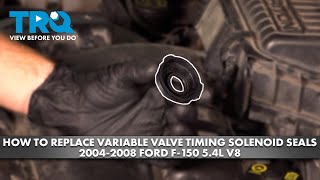
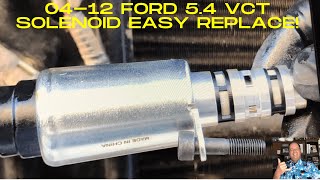
Generation note: This range covers the 11th generation (2004-2008) and the start of the 12th generation (2009-2010) F-150. Both used the 5.4L 3V Triton engine. A key difference is the VCT solenoid replacement procedure. On many 2004-2006 models, the solenoid can be replaced by removing an external seal on the valve cover. 🎬 Watch: How to replace the VCT solenoid on 04-06 models. On 2007 and newer models, the valve cover must be removed to access and replace the solenoid, making the job more involved. Engines built after October 9, 2007, featured redesigned cylinder heads and an updated VCT system, though they can still experience solenoid failures.
Symptoms You May Notice
- Check Engine Light is on
- Rough or unstable idle, sometimes described as feeling like a misfire
- Engine hesitation or stalling, especially at low RPMs or when coming to a stop
- Reduced power and acceleration
- Poor fuel economy
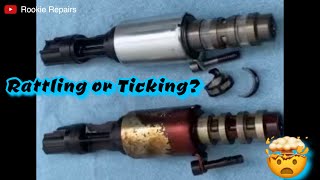
- A diesel-like rattling or tapping noise from the engine, particularly at hot idle or on startup, which may indicate a larger timing system problem
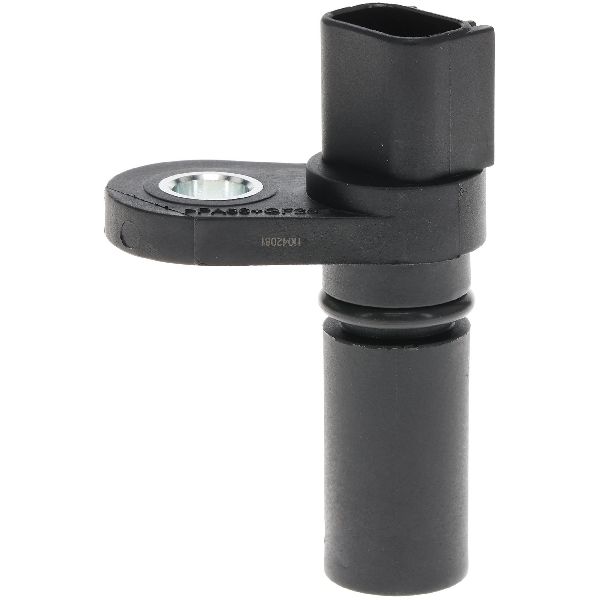
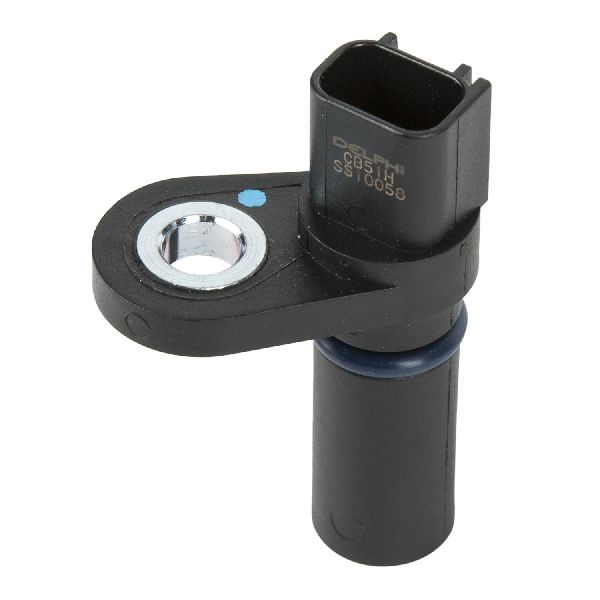
- Replacing the Camshaft Position Sensor. P0013 is a circuit code for the actuator (solenoid), not the sensor. While they work together, the sensor is rarely the cause of this specific code.
Most Likely Causes
- Dirty, low, or incorrect viscosity engine oil 🔴 High Probability The 5.4L 3V VCT system is highly sensitive to oil pressure and cleanliness. Sludge from infrequent oil changes can easily clog the small passages and screens in the VCT solenoids, causing them to stick or fail.
How to confirm: Check the oil level and condition on the dipstick. If the oil is dark, thick, or below the 'add' line, this is your first step. Many owners on forums report that issues arise when oil life monitors are followed too long, suggesting 5,000-mile intervals are safer.
Typical fix: Perform an engine oil and filter change using the manufacturer-specified 5W-20 synthetic blend or full synthetic oil and a quality oil filter (Motorcraft is highly recommended).
Est. part cost: $40-$80 - Faulty Bank 1 (Passenger Side) Exhaust VCT Solenoid 🔴 High Probability The solenoids are a known failure point. Internal components can fail electrically, or the mesh screens can get clogged with debris or break apart, causing malfunction. The updated Motorcraft part (8L3Z-6M280-B) is designed for better durability.
How to confirm: After checking oil, this is the next logical step. You can test the solenoid's resistance with a multimeter; it should be between 6.9 and 7.9 ohms at room temperature. A common DIY diagnostic is to swap it with the intake solenoid on the same bank to see if the code changes to P0011.
Typical fix: Replace the VCT solenoid on Bank 1 (passenger side). It's recommended to replace them in pairs (both intake and exhaust on Bank 1, or all four) using OEM Motorcraft parts.
Est. part cost: $30-$60 per solenoid - Damaged wiring or connector for the VCT solenoid 🟡 Medium Probability The connectors sit on top of the engine and are exposed to extreme heat and vibration, which can make the plastic brittle and cause wires to break or corrode over time.
How to confirm: Visually inspect the wiring harness and connector leading to the passenger side VCT solenoid. Look for cracked wires, corrosion in the connector pins, or a loose connection. Wiggle the connector with the engine running to see if it affects idle.
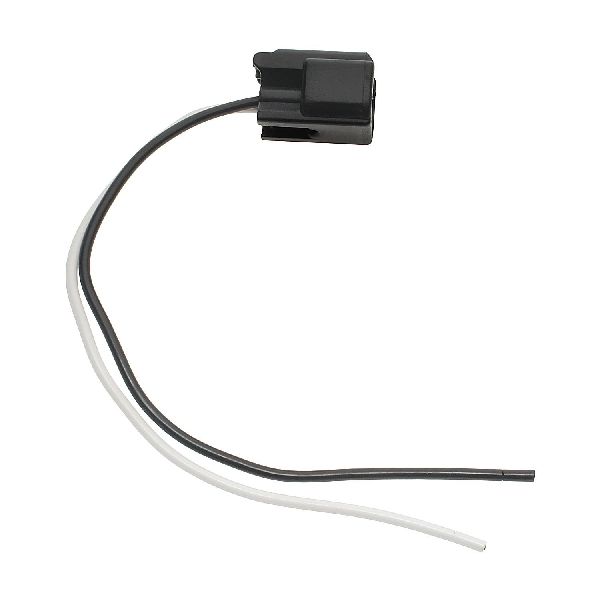
Typical fix: Repair the damaged wire or replace the connector pigtail.
Est. part cost: $10-$25
Rare But Worth Checking
- Failing Camshaft Phaser: → Shop Engine Camshaft If replacing the VCT solenoid doesn't fix the issue and you hear a loud knocking/rattling noise at hot idle, the cam phaser itself may have failed. This is a very common, more complex, and expensive repair on the 5.4L Triton.
- Low engine oil pressure: Caused by a failing oil pump or worn plastic timing chain tensioners with blown seals. This is a serious issue that starves the top end of the engine of oil, leading to VCT and phaser failure.
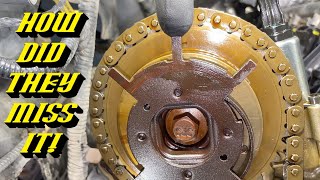
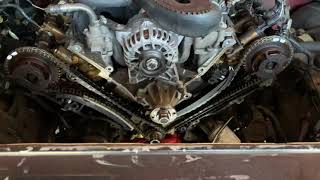
- Stretched timing chain or broken guides: → Shop Engine Timing Chain Another common issue on high-mileage 5.4L Tritons. The plastic timing chain guides can break, and the pieces can fall into the oil pan, clogging the oil pump pickup tube. This will cause correlation codes (like P0016/P0018) in addition to circuit codes and requires a full timing job to fix. 🎬 Watch: A walkthrough of the 5.4L timing chain replacement process.
- Faulty Powertrain Control Module (PCM): This is extremely rare. The PCM should only be considered after all other possibilities, including wiring shorts and all mechanical VCT components, have been exhaustively tested.
Diagnosis Steps
- Check Engine Oil: Verify the oil level is full and the oil's condition is good. If it's low, dirty, or the wrong viscosity, change the oil and filter with the correct 5W-20 oil and a Motorcraft filter.
- Inspect Wiring: Carefully inspect the electrical connector and wiring going to the exhaust VCT solenoid on the passenger side valve cover. Look for any signs of damage, corrosion, or loose connections. Check for a secure click when reconnecting.
- Test the Solenoid: Disconnect the solenoid and check its resistance using a multimeter. A good solenoid should read between 6.9 and 7.9 ohms at 68°F (20°C). A reading that is open (infinite) or has very high resistance indicates a failed solenoid.
- Swap Solenoids (Diagnostic Trick): A common DIY method is to swap the exhaust VCT solenoid (P0013) with the intake VCT solenoid on the same bank. Clear the codes and drive. If the code changes to P0011 ('A' Camshaft Position), you have confirmed the solenoid is faulty.
- Replace the VCT Solenoid: If the oil is good and the wiring is intact, the most likely culprit is the solenoid itself. Replace the Bank 1 exhaust solenoid. It is highly recommended to use the updated OEM Motorcraft part 8L3Z-6M280-B.
- Further Diagnosis: If the problem persists after replacing the solenoid, the issue may be more severe, such as a clogged oil passage in the cylinder head, a failing cam phaser, or low oil pressure from worn timing components. At this point, professional diagnosis with oil pressure testing is recommended.
Parts You'll Likely Need
- Variable Camshaft Timing (VCT) Solenoid
(OEM #8L3Z-6M280-B (Updated Motorcraft Part))— This is the most common part to fail and cause the P0013 code. The updated Motorcraft part (replaces 8L3Z-6M280-A and 3L3Z-6M280-EA) has improved durability and screen design.
Trusted brands: Motorcraft, Dorman
OEM price range: $45-$60
Aftermarket price range: $25-$45 - VCT Solenoid Seal
(OEM #3L3Z-6C535-AA)— For 2004-2006 models where the solenoid can be accessed without removing the valve cover, this seal must be replaced. It often becomes brittle and is destroyed during removal.
Trusted brands: Motorcraft, Fel-Pro
OEM price range: $10-$20
Aftermarket price range: $5-$15 - Valve Cover Gasket
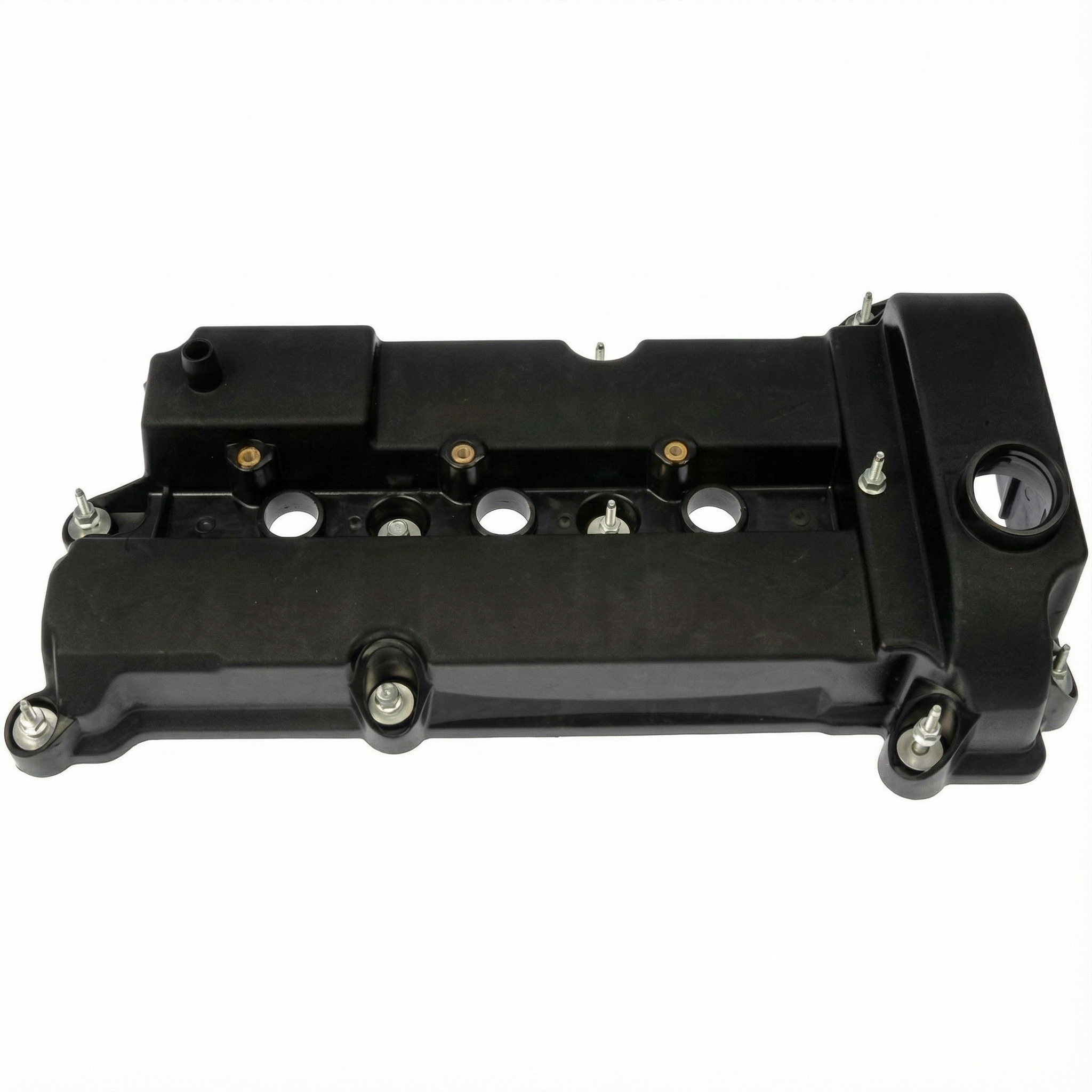
(OEM #7L1Z-6584-A (Passenger Side for 2007-2010))— Required for 2007-2010 models, as the valve cover must be removed to replace the VCT solenoid. It is best practice to replace the gasket anytime the valve cover is removed to prevent oil leaks.
Trusted brands: Motorcraft, Fel-Pro
OEM price range: $25-$40
Aftermarket price range: $15-$30
Related Codes That Often Appear With This One
- P0014 — P0014 indicates 'B' Camshaft Position - Timing Over-Advanced. It often appears with P0013 because the electrical circuit fault (P0013) can cause the mechanical performance issue (P0014).
- P0023 — This is the identical code but for Bank 2 (driver's side exhaust). It's common for both solenoids to fail around the same time, leading to codes for both banks.
- P0011 / P0012 — These codes relate to the intake camshaft on Bank 1. If you swap the intake and exhaust solenoids for diagnosis, you would expect to see P0013 change to one of these codes.
- P0340 / P0341 / P0345 / P0346 — These codes relate to the Camshaft Position Sensor circuits. While less common, underlying VCT system problems and erratic camshaft movement can sometimes trigger sensor performance codes as a side effect.
Platform-Specific Known Issues
- On 2007+ models, the VCT solenoid replacement requires removing the entire valve cover, significantly increasing labor time compared to earlier 2004-2006 models.
- The screens on original VCT solenoids are known to degrade and break apart, sending debris into the oil passages, which can lead to failure of the new solenoid if the passages are not cleaned.
Mechanic-Grade Diagnostic Values
- VCT Solenoid Internal Resistance — expected: 6.9 - 7.9 Ohms at 68°F (20°C). Some sources give a wider range of 5-15 Ohms.. Failure: A reading of 0 Ohms (short), infinity/OL (open circuit), or significantly outside the specified range indicates a failed solenoid coil.
- VCT Solenoid Connector Voltage (Key On, Engine Off) — expected: Approximately 12V (Battery Voltage) on the power supply pin (Pin 1).. Failure: Low or no voltage (e.g., under 10.5V) points to a problem in the wiring harness, a fuse, or the PCM power relay, not the solenoid itself.
- Live Data PID: VCT_EXH_ERR1 (Bank 1 Exhaust Cam Error) — expected: Should hover near 0 degrees (+/- 5 degrees) at a stable, hot idle.. Failure: Large, persistent, or erratic error values (e.g., fluctuating +/- 30-40 degrees) when the code sets indicate the camshaft is not reaching the position commanded by the PCM. This points to a mechanical issue (phaser, oil pressure) or a stuck solenoid.
- Live Data PID: VCT_EXH_DSD1 (Bank 1 Exhaust Commanded Duty Cycle) — expected: Should show a percentage value when the PCM is attempting to move the cam phaser. Should be similar to the value for Bank 2 (VCT_EXH_DSD2).. Failure: If the duty cycle is high (e.g., >50%) but the VCT_EXH_ERR1 PID shows a large error, it means the PCM is trying hard to move the phaser, but it's not responding. This suggests a mechanical or hydraulic issue rather than an electrical one.
- Engine Oil Pressure (at hot idle) — expected: Greater than 25 PSI is ideal. Ford's absolute minimum specification is 15 PSI at hot idle.. Failure: Pressure below 25 PSI can cause VCT issues. Pressure below 15 PSI indicates a severe internal problem like blown tensioner seals or a failing oil pump.
Scan Tool Commands That Help
- Ford IDS (or FORScan): Output State Control / VCT Solenoid On/Off Command — With the engine at idle, you can manually command the solenoid to activate. A functional solenoid and circuit will cause an immediate change in idle quality (roughness or stalling). If no change occurs, it confirms a problem with the solenoid, wiring, or a complete lack of oil pressure to the phaser.
- Ford IDS (or FORScan): Data Logger for VCT PIDs (VCT_EXH_ERR1, VCT_EXH_DSD1) — This is the primary method for advanced diagnosis. By graphing the commanded position vs. the actual error, a technician can determine if the fault is electrical (no command), hydraulic (command sent but no movement), or mechanical (erratic movement).
Wiring & Ground Locations
- VCT Solenoid Connector (C1043 for Bank 1 Exhaust) — On the front of the passenger side valve cover. It's a 2-pin connector.. This is the direct electrical connection for the component in question. Pin 1 is the power supply (typically a Red wire) from the PCM Power Relay. Pin 2 is the control wire (typically Brown/Orange) which the PCM pulses to ground to activate the solenoid. A P0013 'circuit open' code means the PCM is not seeing continuity through this circuit.
- Firewall Ground Strap — A braided strap located on the passenger side firewall, near the PCM. It connects from the firewall to a double-threaded stud on the back of the passenger cylinder head.. This is a main grounding point for the engine control system. While not the direct ground for the VCT solenoid (which is grounded through the PCM), a poor connection here can cause widespread electrical noise and erratic PCM behavior, leading to false codes and incorrect diagnostics. It is often left disconnected or poorly attached after major engine work.
Real Owner Repair Stories
- Ford F150 Forum (2010 F-150 5.4L with 155k miles) — Intermittent rough idle only when fully warmed up. No unusual engine noises. Codes P0012, P0013, P0341, P0346 present at various times.
❌ Tried (didn't work) The owner first tried disconnecting the VCT solenoids electrically. With them disconnected, the rough idle could not be reproduced, suggesting the phasers themselves were not mechanically locked or failed.
✅ What actually fixed it The owner used FORScan to monitor live data. They observed that at hot idle, Bank 2's cam position would fluctuate wildly (+/- 30-40 degrees) while Bank 1 remained stable. This pointed to a failing VCT solenoid on Bank 2 that was sticking intermittently when commanded, rather than a more serious phaser or timing chain issue. The diagnosis was a faulty solenoid.
OEM Part Supersession History
3L3Z-6M280-EA→8L3Z-6M280-A, and then the current 8L3Z-6M280-B— The original solenoids were prone to failure from debris clogging the screens and internal electrical faults. The updated versions feature a revised screen design and more robust internal construction to improve durability and resistance to oil contamination.
Heads up: All parts are physically interchangeable and backwards compatible. However, it is strongly recommended to only use the latest 'B' revision for repairs, as the earlier versions are known to be less reliable.
Model Year Variations Within This Range
- 2004-2006: The VCT solenoid can be replaced by removing a 2-inch round seal on the top of the valve cover. The valve cover itself does not need to be removed. This makes the job significantly faster and easier.
- 2007-2010: The valve cover was redesigned, and the VCT solenoid is located entirely underneath it. The valve cover must be removed to access and replace the solenoid, requiring a new valve cover gasket and significantly more labor.
Diagnostic Flowchart
Other Known Issues on This Vehicle
Issues unrelated to this code that are worth knowing about as an owner of this generation:
- Two-Piece Spark Plug Breakage During Removal 🔴 High — Extremely common on engines built before late 2007. Plugs seize in the head due to carbon buildup and break, requiring a special extraction tool and significantly increasing tune-up costs. (Ref: TSB 08-7-6 (supersedes earlier versions) provides a specific, multi-step procedure for removal to minimize breakage.)
- Timing Chain, Cam Phaser, and VCT System Failure 🔴 High → Shop Engine Timing Chain — Very common, especially on trucks over 100,000 miles or with poor maintenance history. Symptoms include a diesel-like rattle at hot idle, startup rattle, and eventual engine failure if ignored. (Ref: TSB 06-19-8 was issued to help technicians diagnose the source of engine noises (phasers, lifters, injectors) related to this system.)
- Fuel Pump Driver Module (FPDM) Corrosion and Failure 🟠 Medium — Common across the 2004-2008 generation. The module is mounted to the steel frame near the spare tire, where galvanic corrosion between the aluminum module body and steel frame causes it to crack and fail, leading to stalling or a no-start condition. (Ref: No TSB, but a widely known issue. Replacement modules often come with rubber standoffs to prevent direct contact with the frame.)
Used vs. New Parts: Buying Guide for This Vehicle
When a used part is the smart pick: For this specific P0013 repair, using used parts is strongly discouraged for any electronic or timing-related component. A used part might be considered for a simple bracket or a valve cover if it is clean and undamaged, but never for the solenoid, phaser, or sensors.
Donor-vehicle mileage cap: roughly under 50000 miles for the part to have meaningful remaining life.
What to inspect on the donor part:
- If considering a used valve cover, ensure it is perfectly flat and has no cracks.
- Avoid any parts from an engine that shows signs of heavy oil sludge or 'varnish', as this indicates poor maintenance and likely component failure.
- Check the date codes on any used electronic components; avoid parts that are as old as the original failed part.
OEM-only on this vehicle (don't cheap out):
- VCT Solenoid: The aftermarket is flooded with low-quality VCT solenoids that often fail out of the box or within a few months. Given the labor involved (especially on 2007+ models), the cost savings are not worth the risk. Only use genuine Motorcraft 8L3Z-6M280-B solenoids.
- Cam Phasers: Aftermarket cam phasers are a notorious source of problems on the 5.4L 3V. Many shops refuse to install non-OEM phasers. Use Motorcraft phasers only.
- Timing Components (Chains, Guides, Tensioners): OEM or a high-quality, well-regarded kit (like from FordTechMakuloco) is recommended. Cheap timing kits are a recipe for catastrophic failure.
Aftermarket brands forum-validated for this vehicle:
- For this specific repair, sticking to Ford/Motorcraft OEM parts is the most reliable path to a lasting fix. While brands like Dorman are available, forum consensus strongly advises against them for VCT system components on this engine.
Brands owners have reported issues with on this vehicle:
- Dorman (for VCT solenoids and phasers on this engine)
- Unbranded/no-name parts from online marketplaces
Real Owner Stories
Aggregated from forums and TSBs cited above. Mileages and costs reflect what owners reported in those sources.
2010 Ford F-150 5.4L 3V
Symptoms: Rough idle that felt like a misfire; owner used FORScan to diagnose the issue.
What fixed it: Replacement of the faulty VCT solenoid after diagnostic testing.
Source hint: https://www.f150forum.com/f4/help-diagnosing-rough-idle-vct-issue-2010-5-4l-543168/
2004 Ford F-150 5.4L 3V
Symptoms: Owner concerned about the severity of cam phaser problems and the infamous diesel-like rattle at hot idle.
What fixed it: Discussion focused on weighing the severity of cam phaser and spark plug problems inherent to the 2004 model year.
Source hint: https://www.f150online.com/forums/2004-2008-f-150/499801-should-i-afraid-2004-5-4l-triton.html
2004-2008 Ford F-150 5.4L 3V
Symptoms: Stalling and rough running; initially suspected VCT but found the module near the spare tire was corroded.
What fixed it: Addressing Fuel Pump Driver Module (FPDM) corrosion caused by contact with the steel frame.
Source hint: https://www.f150forum.com/f4/fuel-pump-driver-module-fpdm-my-symptoms-336243/
Related OBD-II Codes
Frequently Asked Questions
Which specific VCT solenoid part should I use for my 5.4L 3V Triton to ensure the best durability?
Is there a TSB for the engine rattling noises often associated with VCT codes on the 5.4L 3V?
How much harder is it to fix P0013 on a 2007 or newer F-150 compared to the 2004-2006 models?
I'm worried about my spark plugs while I'm under the hood; is there a guide for the 5.4L 3V breakage issue?
Can I test the Bank 1 exhaust VCT solenoid myself with a multimeter?
What oil viscosity should I use to prevent VCT system clogging on my F-150?
Helpful Videos
Used OEM Parts in Stock
New Aftermarket Parts Available


The information in this article is provided for general reference and educational purposes only. Vehicle specifications, procedures, and part compatibility can vary by production date, trim level, and region. Always consult your vehicle's factory service manual and verify part numbers before purchasing or performing repairs. Safety-critical components such as airbags, seat belts, and braking systems should be installed by a qualified professional.
- Ford F-150:
- 🧭 Diagnostic Flowchart
- 🎬 Helpful Videos
- 🛍️ Shop This Part
- What's Unique About the 2004-2010 Ford F-150
- Symptoms You May Notice
- Most Likely Causes
- Rare But Worth Checking
- Diagnosis Steps
- Parts You'll Likely Need
- Related Codes That Often Appear With This One
- Platform-Specific Known Issues
- Mechanic-Grade Diagnostic Values
- Scan Tool Commands That Help
- Wiring & Ground Locations
- Real Owner Repair Stories
- OEM Part Supersession History
- Model Year Variations Within This Range
- Other Known Issues on This Vehicle
- Used vs. New Parts: Buying Guide for This Vehicle
- Real Owner Stories
- 2010 Ford F-150 5.4L 3V
- 2004 Ford F-150 5.4L 3V
- 2004-2008 Ford F-150 5.4L 3V
- Related OBD-II Codes
- Frequently Asked Questions
- 🎟️ Get 5% Off