

P0013 on 2012-2016 Mercedes-Benz E-Class: Exhaust Camshaft Actuator Circuit Faults and Fixes
On the M276 engine, code P0013 almost always points to a faulty exhaust camshaft adjuster magnet (solenoid) on Bank 1 (passenger side). It's an affordable part, around $40-$80, and is a straightforward DIY replacement for most owners. Oil leaking into the wiring harness from the magnets or sensors is a very common related issue that can also cause this code.
- P0013 on this Mercedes points to an electrical fault with the passenger-side exhaust camshaft solenoid.
- The most likely cause is a failed camshaft adjuster magnet (solenoid), which is a common and relatively inexpensive part to replace.
- Before replacing parts, check your oil level and condition, as low or dirty oil can cause this code.
- While you have the engine cover off, inspect the connectors for all four camshaft magnets and sensors for signs of oil, which indicates a leak that needs to be fixed.
- A simple diagnostic is to swap the suspect magnet with another one on the engine; if the code follows the part, you've found the problem.
What's Unique About the 2012-2016 Mercedes-Benz E-Class
The M276 engine is well-known for issues with its VVT components, specifically the camshaft adjuster magnets (solenoids) and the camshaft position sensors. These parts are considered common failure points. A frequent and well-documented related problem is oil leaking from the sensors or magnets and wicking down the wiring harness via capillary action. This oil contamination can cause this circuit fault and potentially damage other components, including the main engine computer if not addressed. Mercedes-Benz released a service campaign and specific pigtail harnesses to mitigate this issue.
Symptoms You May Notice
- Check Engine Light is on
- Rough or uneven idle
- Reduced engine power and sluggish acceleration
- Decreased fuel economy
- Engine may be difficult to start or have long crank times
- Rattling or metallic noises from the engine, especially on startup
- Replacing the camshaft position sensor instead of the camshaft adjuster magnet (solenoid). While the sensor can also fail and is the source of oil leaks, P0013 specifically points to the actuator (magnet) circuit, making the magnet the primary suspect.
- Replacing the wrong magnet (e.g., the intake magnet or the one on the driver's side/Bank 2). Bank 1 is the passenger side; 'B' is the exhaust camshaft.
- Ignoring oil in the harness. Simply replacing the magnet without addressing the oil contamination and its source will likely lead to a quick return of the fault code.
Most Likely Causes
- Faulty Exhaust Camshaft Adjuster Magnet (Solenoid) 🔴 High Probability → Shop Engine Camshaft These solenoids are a known common failure point on the M276 engine. They can fail electrically (open/short circuit) or become clogged with oil sludge over time. The internal seals can also fail, causing oil to leak into the electrical connector.
How to confirm: Swap the Bank 1 exhaust magnet with the Bank 1 intake magnet. Clear the codes. If the code changes to P0010 ('A' Camshaft Position Actuator Circuit), the magnet is confirmed bad. You can also test its resistance with a multimeter; a good solenoid should read between 8-15 ohms.
Typical fix: Replace the Bank 1 exhaust camshaft adjuster magnet. It is held on by three E8 external Torx bolts and is accessible on the front of the passenger-side cylinder head. It is highly recommended to replace all four magnets at the same time as a preventative measure.
Est. part cost: $40-$80 - Wiring or Connector Issue (Oil Contamination) 🔴 High Probability Oil can leak from the camshaft position sensors or the adjuster magnets themselves, seeping into the electrical connector and down the wiring harness. This oil contamination disrupts the electrical signal, causing circuit codes like P0013. This is a very common and well-documented issue on the M276.
How to confirm: Unplug the connector for the Bank 1 exhaust camshaft magnet. Inspect for any signs of engine oil, corrosion, or bent/damaged pins. Trace the harness as far as possible to check for oil saturation.
Typical fix: Clean the connector and magnet pins with electrical contact cleaner. If oil is present, the source of the leak (the magnet itself or a nearby camshaft position sensor) must be replaced. To prevent future contamination of the main engine harness, install a short sacrificial pigtail harness (Part No. A2711500156 or 2711502733) between the magnet and the main harness.
Est. part cost: $15-$50 for pigtail harness, plus cost of leaking component. - Low or Dirty Engine Oil 🟡 Medium Probability The VVT system is hydraulic and relies on clean oil of the correct viscosity and pressure to function. If oil changes are neglected, sludge can build up and clog the small passages in the camshaft adjuster magnets, causing them to stick or respond slowly.
How to confirm: Check the engine oil level and condition via the dipstick or electronic sensor. If the oil is low, dark, or sludgy, it is suspect.
Typical fix: Perform an engine oil and filter change using a Mercedes-Benz approved oil (e.g., MB 229.5 spec). Clear the codes and see if the fault returns.
Est. part cost: $70-$150
Rare But Worth Checking
- Failed Engine Control Module (ECM): This is very rare. Before condemning the ECM, all other possibilities (solenoid, wiring, oil level) must be exhaustively ruled out. A faulty driver circuit within the ECM can mimic a solenoid or wiring fault. Severe oil contamination from the engine harness wicking all the way to the ECM connector is a known, albeit uncommon, cause of ECM failure.
- Stretched Timing Chain or Faulty Camshaft Adjuster (Phaser): → Shop Engine Timing Chain While more likely to cause correlation codes (like P0016/P0017) or rattling noises, severe timing chain stretch or a failed phaser could potentially contribute to this circuit code under specific conditions. This is a much more involved and expensive repair.
- Failed High Pressure Fuel Pump (HPFP): The HPFP on the M276 is driven by a camshaft lobe. While rare, a failing HPFP can cause drivability issues like long cranks and misfires. In some forum-documented cases, issues with the HPFP and its related components have occurred alongside various camshaft-related codes.
Diagnosis Steps
- Check Engine Oil: Verify the engine oil level is correct and the oil is in good condition. If low or dirty, perform an oil change with MB 229.5 spec oil first.
- Inspect the Connector: Unplug the electrical connector for the Bank 1 (passenger side) exhaust camshaft adjuster magnet. Look for engine oil inside the connector and on the magnet's pins. This is a very common finding.
- Swap Test (Recommended): The easiest way to confirm a bad magnet is to swap it. The M276 has four identical magnets. Swap the suspected bad one (Bank 1 exhaust) with a known good one (e.g., Bank 1 intake). Clear the codes and drive. If the code changes to P0010 (for the intake circuit), the magnet is faulty and needs to be replaced.
- Test Resistance (Optional): Using a multimeter, check the resistance across the two pins of the solenoid. A good solenoid should typically read between 6-12 ohms. An open circuit (infinite resistance) or a short (zero resistance) indicates a failed solenoid.
- Check for Voltage: With the key on and engine off, use a multimeter to check for voltage at the solenoid's electrical connector. You should have battery voltage on one of the pins. Note that the ECM uses a Pulse Width Modulated (PWM) signal, so a simple multimeter may show a very low voltage reading when the engine is running, while an oscilloscope would show the true system voltage.
- Inspect Wiring: If the solenoid and connector are good, trace the wiring harness back toward the ECM, looking for any signs of damage, chafing, or oil saturation. If oil is found, installing preventative pigtail harnesses is highly recommended.
- Professional Diagnosis: If the steps above do not identify the fault, the issue may be with the timing components or the ECM itself, which requires advanced diagnostics.
Parts You'll Likely Need
- Camshaft Adjuster Magnet (Solenoid)
(OEM #A2761560790 (supersedes A2761560490))— This is the most common failure part for code P0013 on the M276 engine.
Trusted brands: Mercedes-Benz (OEM), Bosch, Pierburg
OEM price range: $60-$80
Aftermarket price range: $40-$60 - Sacrificial Wiring Harness (Pigtail)
(OEM #A2711500156 or 2711502733)— A critical preventative part. This short harness is installed between the magnet and the main engine harness to 'catch' any future oil leaks, protecting the expensive main harness and ECM. It's recommended to install four, one for each magnet.
Trusted brands: Mercedes-Benz (OEM)
OEM price range: $15-$25 each
Aftermarket price range: $10-$20 each - Camshaft Position Sensor
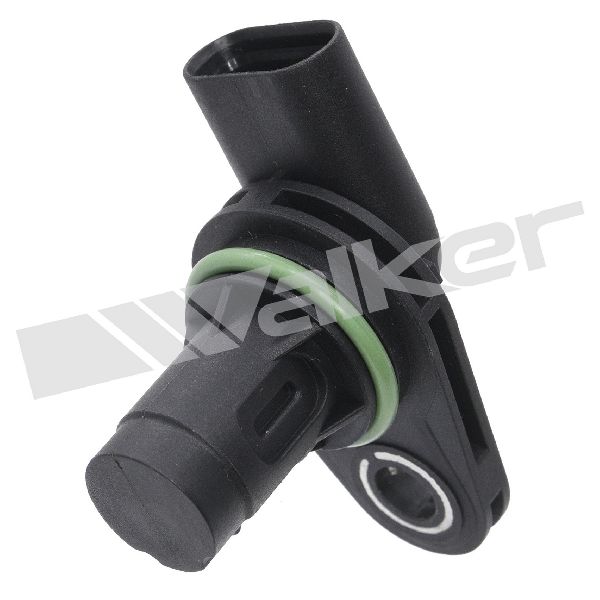
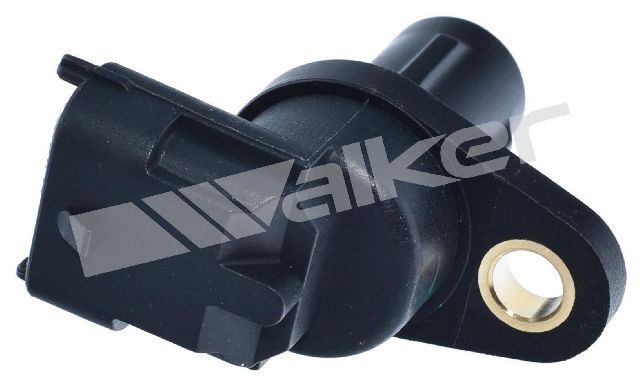
(OEM #A2769051000)— Often replaced preventatively or if it is found to be the source of an oil leak into the wiring harness. A leaking sensor can cause the P0013 code by contaminating the magnet's connector.
Trusted brands: Mercedes-Benz (OEM), Bosch, Continental
OEM price range: $50-$70
Aftermarket price range: $30-$50
Related Codes That Often Appear With This One
- P0010 — This is the equivalent code for the Intake ('A') camshaft actuator circuit on Bank 1. If oil has wicked into the harness, it can affect both solenoids on the same bank.
- P0023 — This is the equivalent code for the Exhaust ('B') camshaft actuator on Bank 2 (driver's side). Finding codes for multiple magnets can point to a systemic issue like dirty oil or widespread oil contamination in the harness.
- P0348 / P0349 / P0368 / P0369 — These codes relate to the camshaft position sensor circuits. A common cause for both sets of codes is oil contamination in the engine wiring harness originating from a leaking sensor or magnet.
Technical Service Bulletins (TSBs) & Recalls
- TSB LI05.10-P-056435: Addresses a rattling noise from the engine on startup, which is related to the VVT system. The fix involves replacing secondary chain tensioners and installing check valves to maintain oil pressure. While not directly for P0013, it highlights the sensitivity and known issues within the M276 timing system.
Platform-Specific Known Issues
- Oil Contamination of Wiring Harness: The camshaft position sensors and adjuster magnets on the M276 are notorious for developing internal leaks, allowing engine oil to travel through the wiring harness via capillary action. This can cause faults in various sensors and, if left unchecked, can travel to and damage the Engine Control Module (ECM). Mercedes acknowledged this with Service Campaign 2012070002 and the release of sacrificial pigtail harnesses (p/n A2711500156) as a fix.
Mechanic-Grade Diagnostic Values
- Camshaft Adjuster Magnet (Solenoid) Resistance — expected: 6.9 to 12 ohms. One source specifies 6.9-7.9 ohms.. Failure: A reading of infinite resistance (open circuit) or near-zero resistance (short circuit) indicates a failed magnet.
- Camshaft Adjuster Magnet Connector Voltage (Engine Running) — expected: Variable voltage based on a Pulse Width Modulated (PWM) signal. An oscilloscope should show pulses at full system voltage (e.g., ~13.9V).. Failure: A standard multimeter may show a very low, fluctuating DC voltage (e.g., 0.3V at low duty cycle), which is normal. The absence of any voltage or a constant, unchanging voltage could indicate a wiring or ECM driver issue. A scope is required for accurate diagnosis.
Hidden / Shadow Codes Worth Checking
- Stored Fault (Soft Code): On the M276, camshaft adjuster mechanical issues can cause a brief startup rattle and store a fault code in the ECM without illuminating the Check Engine Light. The fault may only become 'current' and trigger the light after the condition persists. (see via A professional Mercedes-Benz scanner like XENTRY or a high-end aftermarket scanner capable of reading manufacturer-specific codes is needed to see these stored faults.)
Scan Tool Commands That Help
- XENTRY / DAS (Mercedes Dealer Tool): Camshaft Position Actuation Test — This function allows a technician to command the camshaft adjuster magnets to advance or retard the timing while monitoring the actual position reported by the camshaft position sensors. This directly tests the functionality of the magnet, oil passages, and the mechanical adjuster (phaser).
- XENTRY / DAS (Mercedes Dealer Tool): View Camshaft Position Commanded vs. Actual — This live data parameter is crucial. While driving or at idle, the technician can compare the ECM's target camshaft angle to the actual angle. A significant deviation or a slow response from the actual value after the commanded value changes points to a problem with the magnet, oil pressure, or the adjuster itself.
Wiring & Ground Locations
- Engine-to-Chassis Ground Strap — Typically a braided cable running from the engine block or bell housing to the vehicle's chassis/frame. On the W212, one has been identified on the driver's side bellhousing connecting to the body.. A poor engine ground can cause floating voltages and erratic behavior in sensors and actuators controlled by the ECM, potentially leading to false circuit codes.
- W16/5 - Left Major Assembly Compartments Electronics Ground Point — This is a critical ground point for the engine computer (ECM), but its exact location is notoriously difficult to find, even in Mercedes' official service information (WIS). It is believed to be in the engine bay on the left (driver's) side of the vehicle.. Since the ECM is the source of the command signal and the component that detects the fault for P0013, a compromised ground at this specific point can directly cause this code.
Real Owner Repair Stories
- Synthesized from multiple forum and video reports (Various 2012-2016 Mercedes models with M276 engine) — Check Engine Light with P0013, sometimes accompanied by P0010. Rough idle and hesitation.
❌ Tried (didn't work) Replacing only the camshaft position sensor without checking the magnet., Clearing the code without fixing the underlying issue., Replacing the magnet but not cleaning the oil out of the harness connector.
✅ What actually fixed it In the vast majority of cases, the fix was a combination of two actions: 1) Replacing the faulty Bank 1 exhaust camshaft adjuster magnet and 2) Installing the short sacrificial pigtail harness (A2711502733) to prevent oil from the new magnet (or a leaking sensor) from contaminating the main engine harness in the future.
OEM Part Supersession History
A2761560490→A2761560790— Likely an internal revision to improve reliability or address the oil leaking issue.
Heads up: The new part number (A2761560790) is a direct replacement for the old one and should be used for all repairs.
Model Year Variations Within This Range
- 2012-2013: Anecdotal evidence suggests the earliest M276 engines may have had a higher incidence of timing chain tensioner issues. While not directly causing P0013, a failing tensioner can accelerate wear on the entire timing system, including the adjusters that are linked to this code.
Diagnostic Flowchart
Other Known Issues on This Vehicle
Issues unrelated to this code that are worth knowing about as an owner of this generation:
- Timing Chain Tensioner Rattle on Startup 🟠 Medium → Shop Engine Timing Chain — Common on earlier M276 engines (pre-2014). A rattling noise for 2-5 seconds after a cold start is the primary symptom. (Ref: TSB LI05.10-P-056435 details the fix, which involves installing updated secondary chain tensioners and retrofitting check valves to hold oil pressure.)
- High Pressure Fuel Pump (HPFP) Failure 🟠 Medium — Can occur as early as 30,000 miles but more common at higher mileage. Symptoms include long crank times, stuttering, hesitation, and eventual power loss.
- Oil Leaks from Front Upper Timing Covers 🟡 Low — Common issue where the sealant for the front timing covers degrades, causing oil to leak down the front of the engine, often onto the alternator ('alternator killer').
- PCV Valve / Oil Separator Failure 🟡 Low — Can cause increased oil consumption, rough idle, and a whistling noise. A sign of early failure is oil pooling in the bottom of the air filter housing.
- Direct Injection Carbon Buildup 🟡 Low — As with many direct injection engines, carbon can build up on intake valves over time, leading to rough idle and reduced performance. Typically becomes noticeable after 60,000+ miles.
- Plastic Cooling System Components Leak 🟡 Low — Plastic components like the thermostat housing and various coolant flanges can become brittle and leak at higher mileage.
Used vs. New Parts: Buying Guide for This Vehicle
When a used part is the smart pick: For this specific repair, using used parts is generally not recommended. The primary failure components (magnets, sensors) are known wear items and are relatively inexpensive to buy new.
Donor-vehicle mileage cap: roughly under 70000 miles for the part to have meaningful remaining life.
What to inspect on the donor part:
- If considering a used camshaft adjuster (phaser), verify the donor vehicle had no startup rattle.
- For any used electronic part, inspect the connector pins for any sign of oil contamination, corrosion, or damage.
OEM-only on this vehicle (don't cheap out):
- Sacrificial Wiring Harness (Pigtail): These are inexpensive and critical for protection; always buy OEM new.
- Camshaft Adjuster (Phaser): Due to the high labor cost to replace, using a new OEM phaser is the safest investment to avoid repeat repairs.
Aftermarket brands forum-validated for this vehicle:
- Camshaft Adjuster Magnet: Bosch, Pierburg (often the original OEM supplier).
Brands owners have reported issues with on this vehicle:
- Unbranded, no-name camshaft magnets from online marketplaces are a significant risk. Failure can lead to poor performance and require the job to be done again.
Real Owner Stories
Aggregated from forums and TSBs cited above. Mileages and costs reflect what owners reported in those sources.
2012-2016 Mercedes-Benz E-Class W212 M276
Symptoms: Owner confirmed the Check Engine Light was on and sought a simple way to address camshaft-related codes.
What fixed it: Replacing all four cam adjuster magnets by removing the three E-Torx screws on each, disconnecting the connectors, and wiggling the old magnets out.
Source hint: MBWorld.org Forums: Cam magnets replacement made easy
2012-2016 Mercedes-Benz E-Class W212 M276
Symptoms: Owner was proactively checking for oil leaking into the connectors for the cam phasers (magnets) and sensors to prevent harness damage.
What fixed it: Inspection of the cam phaser/magnet and sensor connectors for oil contamination.
Source hint: MBWorld.org Forums: Checking Cam Phaser/Sensor Connectors
Related OBD-II Codes
Frequently Asked Questions
Does TSB LI05.10-P-056435 apply to the rattling noise I hear on startup in my E-Class?
Is there a specific part I should install to prevent oil from ruining my engine wiring harness?
Can I test the camshaft adjuster magnet myself before buying a new one?
What specific oil should I use for my 2012-2016 E-Class to avoid VVT issues?
Is the P0013 code related to the High Pressure Fuel Pump on my M276 engine?
Did Mercedes-Benz acknowledge the oil-in-harness issue for this engine family?
Helpful Videos
![How to Fix P0013 Engine Code in 4 Minutes [2 DIY Methods / Only $6.63]](https://img.youtube.com/vi/t8TG_Q7QhvI/mqdefault.jpg)
We Have This Part in Stock


The information in this article is provided for general reference and educational purposes only. Vehicle specifications, procedures, and part compatibility can vary by production date, trim level, and region. Always consult your vehicle's factory service manual and verify part numbers before purchasing or performing repairs. Safety-critical components such as airbags, seat belts, and braking systems should be installed by a qualified professional.
- Mercedes-Benz E-Class:
- 🧭 Diagnostic Flowchart
- 🎬 Helpful Videos
- 🛍️ Shop This Part
- What's Unique About the 2012-2016 Mercedes-Benz E-Class
- Symptoms You May Notice
- Most Likely Causes
- Rare But Worth Checking
- Diagnosis Steps
- Parts You'll Likely Need
- Related Codes That Often Appear With This One
- Technical Service Bulletins (TSBs) & Recalls
- Platform-Specific Known Issues
- Mechanic-Grade Diagnostic Values
- Hidden / Shadow Codes Worth Checking
- Scan Tool Commands That Help
- Wiring & Ground Locations
- Real Owner Repair Stories
- OEM Part Supersession History
- Model Year Variations Within This Range
- Other Known Issues on This Vehicle
- Used vs. New Parts: Buying Guide for This Vehicle
- Real Owner Stories
- 2012-2016 Mercedes-Benz E-Class W212 M276
- 2012-2016 Mercedes-Benz E-Class W212 M276
- Related OBD-II Codes
- Frequently Asked Questions
- 🎟️ Get 5% Off