

P0013 on 2012-2016 Subaru Impreza: Exhaust VVT Solenoid Circuit Fault Causes and Fixes
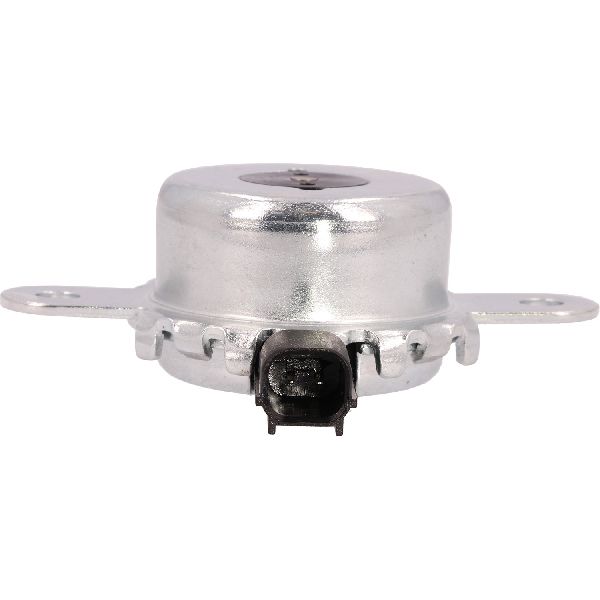
On a 2012-2016 Subaru Impreza, P0013 almost always indicates a failed exhaust Oil Control Valve (OCV), also called a VVT solenoid, on the passenger side (Bank 1). A known issue is oil leaking through the solenoid's internal seal into the wiring connector, causing the circuit fault. The most likely fix is replacing this solenoid (Part #10921AA231), which costs about $40-$150 for the part and is a simple DIY job for most owners.
- Always check your engine oil level and condition first; low or dirty oil is a frequent cause of VVT problems on Subarus, which are also known for oil consumption.
- The most likely culprit for P0013 on this Impreza is the passenger-side exhaust Oil Control Valve (OCV), part number 10921AA231.
- Before replacing the part, inspect its electrical connector for oil contamination, which is a known issue addressed by a Subaru TSB.
- Do not confuse this actuator circuit code with a camshaft position sensor code (e.g., P0365), as replacing the wrong part will not fix the issue.
What's Unique About the 2012-2016 Subaru Impreza
The FB20B engine, like other modern Subaru engines, uses the Active Valve Control System (AVCS) which is sensitive to oil condition and viscosity. A common and well-documented issue is not just the solenoid failing, but leaking oil through an internal seal directly into the wiring connector. This oil can then 'wick' up the copper wire of the engine harness, potentially contaminating other connectors or even reaching the ECM. Subaru issued Technical Service Bulletin (TSB) 02-170-17R for a redesigned Oil Control Valve to address this specific failure mode. This makes checking the OCV connector for oil contamination a critical and platform-specific first diagnostic step.
Symptoms You May Notice
- Check Engine Light is on
- Rough or uneven idle
- Reduced engine power and sluggish acceleration
- Poor fuel economy
- Engine may hesitate or stall
- Rattling noise from the engine
- Replacing the Camshaft Position Sensor. P0013 is a circuit code for the actuator (solenoid), not the position sensor. A bad sensor would typically set a different code, such as P0365.
- Replacing the Intake OCV. The code specifically points to the 'B' (exhaust) camshaft. The intake and exhaust OCVs are separate parts.
Most Likely Causes
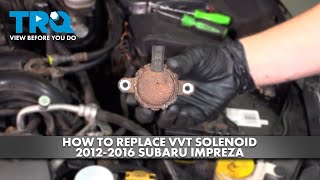
- Faulty Exhaust Oil Control Valve (OCV) / VVT Solenoid 🔴 High Probability Subaru released a redesigned OCV (part #10921AA231) 🎬 See how to upgrade the FB20 oil control valve due to a chronic internal seal issue on the original part that allowed oil to leak into the electrical connector, directly causing circuit faults. This is documented in TSB 02-170-17R.
How to confirm: Disconnect the Bank 1 (passenger side) exhaust OCV connector and inspect for oil contamination. Test the solenoid's resistance with a multimeter; a reading outside the manufacturer's specification of 6.9-7.9 Ohms at 68°F indicates failure.
Typical fix: Replace the Bank 1 (passenger side) exhaust Oil Control Valve. If oil is found in the connector, clean it thoroughly with electrical contact cleaner before installing the new part.
Est. part cost: $40-$150 - Low or Dirty Engine Oil 🟡 Medium Probability The AVCS system is hydraulically operated and highly sensitive to oil level, viscosity, and cleanliness. The FB20 engine is also known for oil consumption issues, making low oil a frequent problem. Using oil thicker than the specified 0W-20 can also cause issues.
How to confirm: Check the engine oil dipstick. If the oil is low, black, or appears sludgy, it needs to be changed.
Typical fix: Perform an engine oil and filter change using the correct 0W-20 synthetic oil.
Est. part cost: $50-$100 - Wiring or Connector Issue ⚪ Low Probability The OCV connector can become contaminated with oil due to the known leaking solenoid seal. The wiring is also located on the lower part of the engine, making it susceptible to damage from road debris or heat.
How to confirm: Visually inspect the wiring harness and connector for signs of damage, corrosion, or oil saturation. Check for continuity and voltage at the connector with a multimeter.
Typical fix: Clean the oil from the connector with electrical contact cleaner. Repair or replace any damaged wiring.
Est. part cost: $5-$50
Rare But Worth Checking
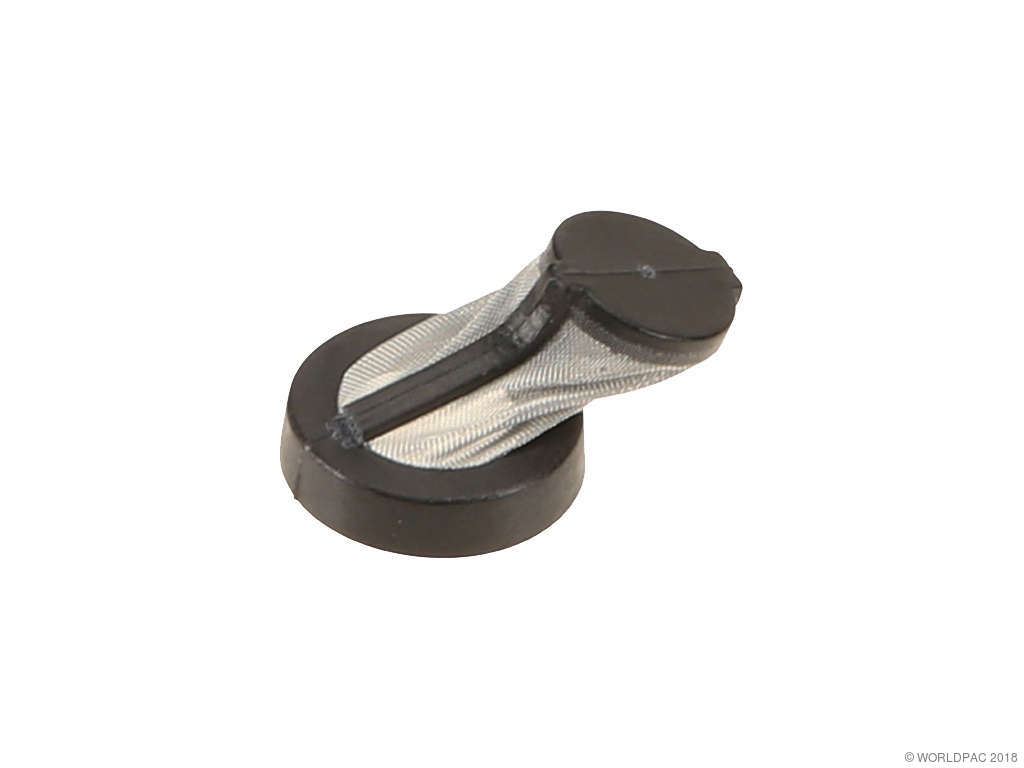
- Clogged OCV Filter Screen: Some Subaru models have a small mesh filter screen in the banjo bolt for the oil supply line to the VVT system. If this screen becomes clogged with sludge, it can starve the OCV for oil, leading to various AVCS codes. TSB 02-163-16R mentions inspecting these filters during diagnosis.
- Faulty Engine Control Module (ECM): In very rare cases, the driver circuit within the ECM that controls the OCV can fail, triggering a P0013 code. This should only be considered after all other possibilities have been exhausted.
Diagnosis Steps
- Check Engine Oil: Verify the oil level is correct and the oil is clean. If low or dirty, perform an oil and filter change with 0W-20 synthetic oil and clear the code to see if it returns.
- Inspect the OCV Connector: Locate the Bank 1 (passenger side) exhaust OCV on the lower front of the engine. Disconnect its gray 2-pin connector. Look for any engine oil inside the connector. If oil is present, the OCV has an internal leak and must be replaced.
- Test the OCV Solenoid: Use a multimeter set to Ohms (Ω). Measure the resistance between the two pins on the OCV. The reading should be between 6.9 and 7.9 Ohms at room temperature. An open circuit (infinite resistance/OL) or a reading far outside this range confirms a faulty solenoid.
- Check the Wiring: If the solenoid tests good, inspect the wiring harness leading to it for any signs of damage, fraying, or corrosion. Check for power and ground at the connector with the key on.
- Clear Codes and Test Drive: After performing any repairs, clear the DTC with a scan tool and perform a test drive to ensure the code does not return.
Parts You'll Likely Need
- Exhaust Oil Control Valve / VVT Solenoid (Bank 1)
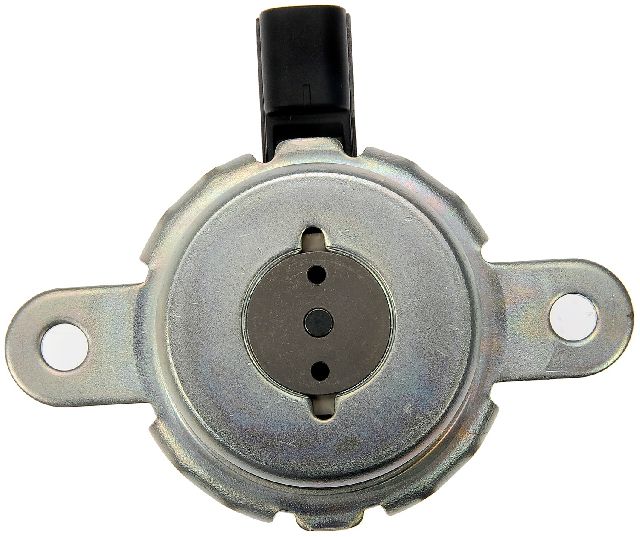
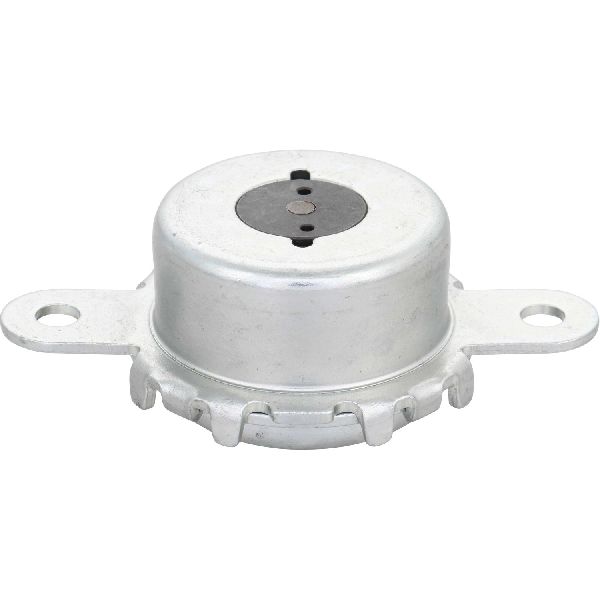
(OEM #10921AA231)— This is the most common failure point for a P0013 code, often due to an internal seal failure that contaminates the electrical connector with oil, as documented in Subaru TSB 02-170-17R. This part number supersedes previous versions 10921AA230 and 10921AA220.
Trusted brands: Subaru (OEM), Denso, Dorman
OEM price range: $100-$150
Aftermarket price range: $40-$90
Related Codes That Often Appear With This One
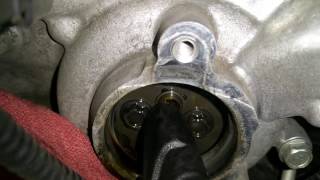
- P0014 — P0014 indicates 'B' Camshaft Position - Timing Over-Advanced. An electrical fault in the OCV circuit (P0013) can prevent the solenoid from correctly controlling oil flow, causing the camshaft timing to become stuck in an over-advanced position. 🎬 Watch: Common causes and cheap fixes for P0013 and P0014
Technical Service Bulletins (TSBs) & Recalls
- TSB 02-170-17R: Details a redesigned Oil Control Valve to prevent oil from seeping into the electrical harness connector. It notes that if the leak is left untreated, oil can wick through the wiring and damage the main engine harness or ECM.
- TSB 02-163-16R: Provides diagnostic procedures for various AVCS performance codes on FA/FB engines, emphasizing the importance of checking oil condition and banjo bolt filters.
Platform-Specific Known Issues
- TSB 02-170-17R was issued for a redesigned Oil Control Valve (part #10921AA231, superseding 10921AA230) to fix an internal seal that could leak oil into the harness connector, causing circuit codes like P0013.
Mechanic-Grade Diagnostic Values
- OCV Solenoid Resistance — expected: 6.9 - 7.9 Ohms at 68°F (20°C). Failure: A reading of OL (Open Loop/infinite resistance) or near-zero ohms indicates a failed solenoid coil.
- OCV Harness Connector - Power Pin Voltage — expected: Battery Voltage (~12V) with Key On, Engine Off (KOEO). Failure: Zero or significantly low voltage points to a wiring issue, blown fuse, or a problem with the power supply circuit.
- Scan Tool Live Data: OCV Duty Cycle at Idle — expected: Commanded near 0%. Failure: A static or unexpectedly high duty cycle command at idle can indicate an ECM issue or a response to a mechanical timing problem.
- Scan Tool Live Data: Commanded vs. Actual Camshaft Angle — expected: Actual angle should closely match the commanded angle as RPMs and load change.. Failure: A significant and persistent discrepancy between commanded and actual values after replacing a faulty OCV could point to a deeper mechanical issue like a clogged oil passage or failing phaser.
Scan Tool Commands That Help
- Subaru Select Monitor (SSM) or equivalent professional scan tool: Actuator Test / Inspection Mode — This function allows the technician to directly command the OCV solenoid to operate. If the solenoid clicks and/or the engine stumbles when the command is sent, it confirms the solenoid's mechanical and electrical integrity, pointing the diagnosis toward a wiring or ECM issue if the code persists.
Wiring & Ground Locations
- Bank 1 Exhaust OCV Connector — On the lower front of the passenger side (Bank 1) of the engine. It is a gray 2-pin connector.. This is the primary point for testing voltage, ground, and resistance for the P0013 circuit. It is also the location where oil contamination from the known TSB issue will be found.
- Main Engine Ground — The main engine-to-chassis ground strap is typically secured to the engine block via the top starter motor mounting bolt.. A loose or corroded main ground can cause a host of floating voltages and erratic electrical issues, including circuit fault codes for sensors and actuators. This ground is often missed or improperly reinstalled after major service like an engine or transmission replacement, leading to mysterious electrical codes.
Real Owner Repair Stories
- Reddit r/subaru user post (2013 Subaru Impreza) — Check Engine Light with code P0013.
❌ Tried (didn't work) Initially, the owner was unsure of the cause and researched online, fearing a large repair bill.
✅ What actually fixed it The user confirmed that replacing the passenger side (Bank 1) exhaust Oil Control Valve (OCV) resolved the P0013 code. They specifically noted the importance of addressing the issue before oil wicked up the wiring harness, which would necessitate a much more costly repair.
OEM Part Supersession History
10921AA220→10921AA230, then 10921AA231— Redesign to address an internal seal failure that allowed engine oil to leak into the electrical connector, causing circuit faults like P0013.
Model Year Variations Within This Range
- 2015-2016: A facelift was introduced in 2015, which included minor cosmetic updates and potentially some ECU software revisions. While the fundamental cause of P0013 (the OCV solenoid) remained the same, some forum discussions mention minor differences in engine gaskets and ancillary parts on 2016 models, suggesting mechanics should double-check part numbers for late-production vehicles.
Diagnostic Flowchart
Other Known Issues on This Vehicle
Issues unrelated to this code that are worth knowing about as an owner of this generation:
- Excessive Oil Consumption 🔴 High — Common across 2012-2015 models with the FB20 engine. Can manifest early in the vehicle's life. Led to a class-action lawsuit. (Ref: A class-action lawsuit resulted in an extended warranty (8 years/100,000 miles) for oil consumption repairs.)
- CVT Transmission Problems 🟠 Medium — Frequently reported issues include shuddering, hesitation from a stop, and whining noises. Problems can appear before 100,000 miles.
- Engine Valve Spring Fracture 🔴 High — Affects 2012-2014 models. A fracture can lead to engine noise, stalling, and inability to restart. (Ref: NHTSA Recall 18V727000 (Subaru recall WTY-84))
Used vs. New Parts: Buying Guide for This Vehicle
When a used part is the smart pick: For this specific repair, a used part is strongly discouraged. The failure mode of the original OCV is a design flaw with its internal seal. A used part from a junkyard is highly likely to have the same defect or be close to failing in the same way.
What to inspect on the donor part:
- Not applicable, as used parts are not recommended.
OEM-only on this vehicle (don't cheap out):
- While not strictly 'OEM-only', using the genuine Subaru part (10921AA231) or a reputable OEM supplier like Denso is highly recommended to ensure you get the redesigned part that corrects the original oil leak flaw.
Aftermarket brands forum-validated for this vehicle:
- Denso (often the OEM supplier)
- Hitachi
Brands owners have reported issues with on this vehicle:
- Generic, unbranded parts from online marketplaces should be avoided. Forum users and mechanics report a high rate of 'dead-on-arrival' or premature failure for cheap, no-name VVT solenoids. Dorman is a common aftermarket brand with mixed reviews; some users have success while others report issues.
Real Owner Stories
Aggregated from forums and TSBs cited above. Mileages and costs reflect what owners reported in those sources.
2013 Subaru Impreza 2.0L
Symptoms: Check Engine Light with code P0013.
What fixed it: Replacing the passenger side (Bank 1) exhaust Oil Control Valve. The owner noted that oil was leaking into the connector and warned that it could wick up the harness to the ECM if not addressed.
Source hint: Reddit user report mentioned in common_causes
2013 Subaru Forester with a 2016 FB20 engine — 27000 miles
Symptoms: Check engine light with code P0013, engine hesitates and jerks badly during driving, but idles smoothly.
What fixed it: The issue was resolved by discovering the wiring harness from the replacement engine had a different pinout/configuration for the valves.
Source hint: Forum SIP - Proszę o pomoc. Silnik FB20 - kod DTC P0013.
Related OBD-II Codes
Frequently Asked Questions
Does TSB 02-170-17R apply to my 2012-2016 Subaru Impreza?
Can I use 5W-30 oil in my FB20B engine to stop the P0013 code?
Is there a specific part number I should look for when replacing the OCV?
My Impreza is consuming a lot of oil; is this related to the P0013 code?
Is there a recall for the engine stalling issues on my 2012-2014 Impreza?
What happens if I don't fix the oil leak at the OCV connector immediately?
Helpful Videos


We Have This Part in Stock


The information in this article is provided for general reference and educational purposes only. Vehicle specifications, procedures, and part compatibility can vary by production date, trim level, and region. Always consult your vehicle's factory service manual and verify part numbers before purchasing or performing repairs. Safety-critical components such as airbags, seat belts, and braking systems should be installed by a qualified professional.
- Subaru Impreza:
- 🧭 Diagnostic Flowchart
- 🎬 Helpful Videos
- 🛍️ Shop This Part
- What's Unique About the 2012-2016 Subaru Impreza
- Symptoms You May Notice
- Most Likely Causes
- Rare But Worth Checking
- Diagnosis Steps
- Parts You'll Likely Need
- Related Codes That Often Appear With This One
- Technical Service Bulletins (TSBs) & Recalls
- Platform-Specific Known Issues
- Mechanic-Grade Diagnostic Values
- Scan Tool Commands That Help
- Wiring & Ground Locations
- Real Owner Repair Stories
- OEM Part Supersession History
- Model Year Variations Within This Range
- Other Known Issues on This Vehicle
- Used vs. New Parts: Buying Guide for This Vehicle
- Real Owner Stories
- 2013 Subaru Impreza 2.0L
- 2013 Subaru Forester with a 2016 FB20 engine — 27000 miles
- Related OBD-II Codes
- Frequently Asked Questions
- 🎟️ Get 5% Off