

P0013 on 2007-2017 Toyota Camry: Exhaust VVT Solenoid Causes and Fixes
On a 2007-2017 Toyota Camry, code P0013 almost always points to a faulty exhaust camshaft Oil Control Valve (OCV), also known as a VVT solenoid. It's an affordable part, typically costing $30-$80 for an aftermarket replacement, and is easy to change. Before replacing it, always check that the engine oil is clean and at the correct level, as low oil due to consumption on 2.4L engines is a very common trigger.
- P0013 on this Camry specifically points to an electrical fault with the exhaust Oil Control Valve (OCV) or its circuit.
- Before buying parts, check your engine oil. Low or dirty oil is a very common cause, especially on 2007-2011 models with the 2.4L engine known for oil consumption.
- The most likely failed part is the exhaust OCV (VVT solenoid) itself, which is inexpensive and simple to replace with basic tools.
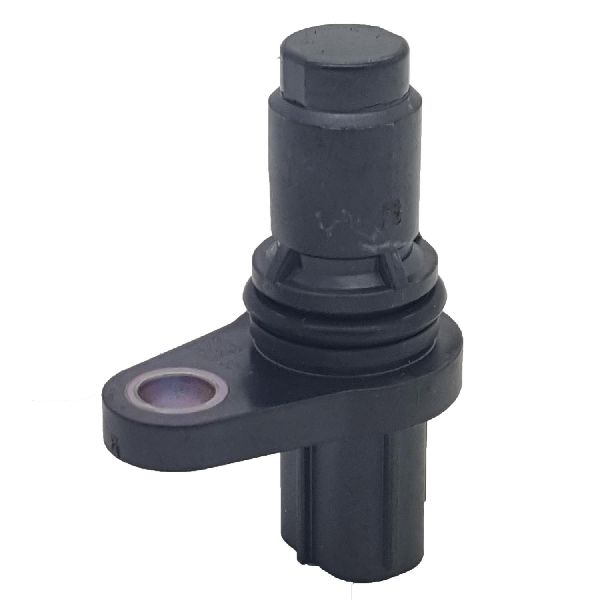
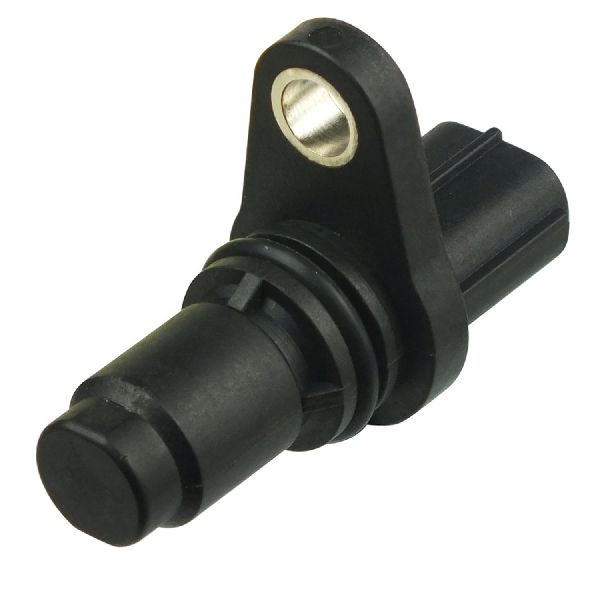
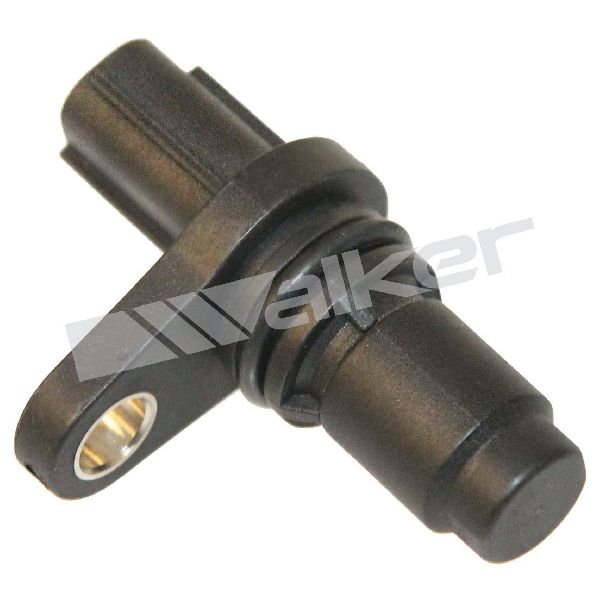
- Do not confuse the Oil Control Valve (actuator) with the Camshaft Position Sensor; they are different parts that serve different functions.
What's Unique About the 2007-2017 Toyota Camry
This guide covers two Camry generations: the XV40 (2007-2011) with the 2.4L 2AZ-FE engine and the XV50 (2012-2017) with the 2.5L 2AR-FE. The earlier 2.4L 2AZ-FE engine is widely known for excessive oil consumption due to a piston ring design flaw, addressed by TSB T-SB-0094-11. This makes it particularly susceptible to VVT-related codes like P0013 if the oil level drops too low, as the system relies on oil pressure to function. While the OCV can fail on either engine, owners of the 2.4L model should be especially vigilant about checking their oil level first.
Generation note: The 2007-2017 range covers the XV40 (2007-2011) and XV50 (2012-2017) Camry generations. The primary difference regarding this code is the engine: the XV40 used the 2.4L 2AZ-FE, and the XV50 used the 2.5L 2AR-FE. The oil control valves are not interchangeable between these two engines and have different part numbers. The 2AZ-FE is significantly more prone to oil consumption issues that can trigger this code.
Symptoms You May Notice
- Check Engine Light is on
- Rough or unstable idle
- Poor engine performance and sluggish acceleration
- Reduced fuel economy
- Engine may hesitate or stall
- Rattling noise from the engine on startup or during operation
- Replacing the Camshaft Position Sensor: P0013 is a circuit code for the Oil Control Valve (actuator), not the sensor that reads the camshaft's position. Replacing the sensor will not fix this code.
Most Likely Causes
- Failed Exhaust Oil Control Valve (OCV / VVT Solenoid) 🔴 High Probability The OCV is an electro-hydraulic part that operates constantly while driving. Over time, its internal solenoid coil can fail electrically (creating an open or short), or it can become mechanically stuck from oil sludge.
How to confirm: Check the OCV's resistance with a multimeter; it should be between 6.9 and 7.9 Ω at 68°F (20°C). You can also apply 12V power to the terminals to see if the internal plunger clicks. A common diagnostic trick is to swap the exhaust OCV with the intake OCV (if they are identical, which they often are on these engines) and see if the code changes to P0010 (Intake 'A' Camshaft Position Actuator Circuit). If the code follows the solenoid, the solenoid is bad.
Typical fix: Replace the exhaust Oil Control Valve. This is a simple repair, usually involving one 10mm bolt and an electrical connector.
Est. part cost: $30-$90 - Low or Dirty Engine Oil 🟡 Medium Probability The VVT system is operated by oil pressure. The 2.4L 2AZ-FE engine (2007-2011 models) is notorious for excessive oil consumption due to a faulty piston ring design, making it prone to running on a low oil level which starves the VVT system. Sludge from infrequent oil changes can also clog the small filter screen on the OCV itself, causing a P0013 code even if the valve is electrically good.
How to confirm: Physically check the engine oil dipstick for level and inspect the oil's condition. If it is low, black, or sludgy, this is likely a contributing factor.
Typical fix: Perform an engine oil and filter change using the manufacturer-specified oil weight. Top off the oil to the correct level and clear the code to see if it returns.
Est. part cost: $30-$70 - Damaged Wiring or Connector ⚪ Low Probability The wiring harness sits on top of the engine and is exposed to heat and vibration, which can cause wires to become brittle and break over time, often right at the connector.
How to confirm: Visually inspect the wiring harness and connector leading to the exhaust OCV for any signs of fraying, corrosion, or loose pins. Use a multimeter to check for battery voltage at the connector with the key on, engine off. A break is often found right where the wire enters the plastic connector housing.
Typical fix: Repair the damaged section of wiring or replace the connector pigtail.
Est. part cost: $10-$30
Rare But Worth Checking
- Clogged OCV Filter Screen: Some Toyota engines have a small, separate filter screen in the cylinder head oil passage below the OCV. If this screen gets clogged with sludge, it can starve the new OCV of oil pressure even after replacement. It's worth checking and cleaning if a new OCV doesn't solve the code.
- Faulty Engine Control Module (ECM): In very rare cases, the driver circuit within the ECM that controls the OCV can fail. This should only be considered after all other possibilities (valve, oil, wiring) have been definitively ruled out. This is the least likely cause.
Diagnosis Steps
- Check the engine oil level and condition. If low or dirty, perform an oil change, clear the code, and re-test. This is the most important first step, especially for the 2.4L 2AZ-FE engine.
- Inspect the electrical connector and wiring going to the exhaust Oil Control Valve (OCV) for damage, corrosion, or breaks. Pay close attention to the point where the wires enter the connector, as breaks are common here.
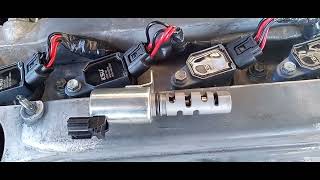
- Locate the exhaust OCV. On these engines, it is on the top of the cylinder head, held in by a single 10mm bolt. The exhaust OCV is typically the one closer to the exhaust manifold.
- Test the OCV. Disconnect the connector and measure the resistance between the two pins. It should be approximately 6.9-7.9 ohms at 68°F (20°C). If it's an open circuit (infinite resistance) or shorted (near zero resistance), the valve is bad.
- Optional: Apply 12V directly to the OCV pins and listen for a distinct click. No click means the solenoid is stuck or failed.
- Optional (Swap Test): If the intake and exhaust OCVs are identical, swap their positions. Clear the codes and run the engine. If the code changes to P0010, you have confirmed the OCV you moved is faulty.
- If the OCV tests good, perform a circuit integrity check. With the OCV and ECM disconnected, use a multimeter to check for continuity between the OCV connector pins and the corresponding ECM pins. Resistance should be below 1 Ω. Also check for a short to ground from each wire, which should read 10 kΩ or higher.
- If the OCV tests bad, replace it. Be sure to lubricate the new O-ring with fresh engine oil before installation.
- If the OCV and wiring test good, the issue may be a clogged oil passage or, rarely, the ECM. Consider removing and cleaning the small OCV filter screen located in the cylinder head beneath the valve, if present.
- After any repair, clear the trouble codes with a scanner and perform a test drive to ensure the code does not return.
Parts You'll Likely Need
- Camshaft Timing Oil Control Valve (Exhaust, 2.5L 2AR-FE)
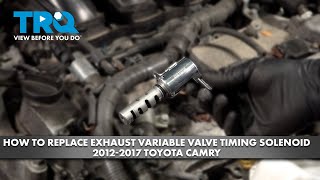
(OEM #15330-0T010 (or 15330-37010))— This is the electro-mechanical solenoid that fails most often for the XV50 Camry (2012-2017), 🎬 See how to replace the exhaust solenoid on 2012-2017 engines either electrically or by getting stuck, directly causing the P0013 circuit code.
Trusted brands: Denso (OEM supplier), Aisin
OEM price range: $80-$120
Aftermarket price range: $30-$80 - Camshaft Timing Oil Control Valve (Exhaust, 2.4L 2AZ-FE)
(OEM #15330-28020)— This is the correct OCV for the XV40 Camry (2007-2011). 🎬 Watch: Step-by-step VVT solenoid replacement for 2007-2011 models It is a very common failure point, exacerbated by the engine's tendency to consume oil.
Trusted brands: Denso (OEM supplier), Aisin
OEM price range: $70-$110
Aftermarket price range: $30-$70
Related Codes That Often Appear With This One
- P0011: 'A' Camshaft Position - Timing Over-Advanced or System Performance (Bank 1). Can appear if oil flow issues are affecting the entire VVT system.
Technical Service Bulletins (TSBs) & Recalls
- T-SB-0094-11 (related issue): While not directly for P0013, this TSB (now superseded by T-SB-0030-15) addresses the piston replacement for excessive oil consumption on the 2AZ-FE engine, a primary underlying cause for oil-pressure related VVT codes.
- T-SB-0158-14 (related issue): Details the official dealer procedure for performing an oil consumption test to determine if a 2AZ-FE engine qualifies for the warranty repair.
Platform-Specific Known Issues
- The 2.4L 2AZ-FE engine used in 2007-2011 models can suffer from excessive oil consumption due to a faulty piston ring design. This condition can lead to low oil levels, which is a primary cause of VVT system faults like P0013. Toyota issued technical service bulletins (T-SB-0094-11, T-SB-0158-14) and a warranty enhancement program for this issue.
Mechanic-Grade Diagnostic Values
- OCV Circuit Continuity (OCV to ECM) — expected: Below 1 Ω. Failure: A reading of OL (Over Limit) or infinite resistance indicates an open circuit (broken wire).
- OCV Circuit Short to Ground — expected: 10 kΩ or higher. Failure: A low resistance reading indicates a short circuit to ground.
- Techstream Active Test - OCV Commanded ON (100%) — expected: Engine idles roughly or stalls.. Failure: No change in engine idle indicates a non-responsive OCV, a clogged oil passage, or a wiring/ECM issue.
Scan Tool Commands That Help
- Toyota Techstream: Active Test: Control the VVT Exhaust Linear (Bank 1) — Use this to verify if the OCV solenoid is mechanically responding to an electrical command from the ECM. If the engine stumbles when the test is run, it confirms the solenoid, wiring, and ECM driver are likely functioning, pointing towards an intermittent issue or a problem that occurs only under specific conditions.
Wiring & Ground Locations
- Exhaust OCV Connector (2AR-FE) — On the exhaust Oil Control Valve, top of the cylinder head, typically closer to the firewall/exhaust manifold.. This is the starting point for all circuit tests. Pin 1 is OE1+ and Pin 2 is OE1-. Wires can break right at this connector due to engine vibration and heat.
- ECM Connector B30 (2AR-FE) — At the Engine Control Module (ECM).. This is the termination point for the OCV circuit. Pin 35 (OE1+) and Pin 58 (OE1-) correspond to the exhaust OCV. Testing continuity between the OCV connector and these pins verifies the integrity of the wiring harness.
- Engine Ground Strap — A braided wire typically running from the engine block or cylinder head to the chassis, often near a strut tower.. While not specific to the OCV circuit, a corroded or broken main engine ground can cause a host of electrical issues and spurious codes as various circuits seek a path to ground. It should be visually inspected for any P-code diagnosis.
Real Owner Repair Stories
- YouTube Channel: Pine Hollow Auto Diagnostics (2012 Toyota Camry, 141,000 miles) — Check Engine Light with code P0013 (current, history, and pending), lack of power.
❌ Tried (didn't work) The owner had an oil change performed, which did not resolve the code.
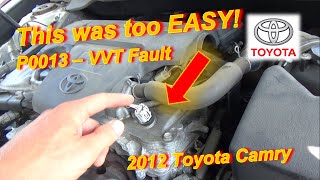
✅ What actually fixed it A broken wire directly at the OCV connector. The mechanic performed a visual inspection and immediately found one of the two wires was severed. The fix was to solder the wire back together and protect it with heat shrink tubing, requiring no new parts. - Documented Stalling Incident — In a report involving the same manufacturer, NHTSA ODI #11139909 describes a vehicle that stalled while driving, with a diagnostic scan revealing code P0013 alongside other engine performance codes.
OEM Part Supersession History
15330-37010→15330-0T010— Standard part revision and improvement by the manufacturer.
Heads up: Applies to the 2.5L 2AR-FE engine. The newer part 15330-0T010 is the correct and current replacement.15330-28010→15330-28020— Standard part revision and improvement by the manufacturer.
Heads up: Applies to the 2.4L 2AZ-FE engine. The newer part 15330-28020 is the correct and current replacement.
Model Year Variations Within This Range
- 2007-2011 (XV40): These models use the 2.4L 2AZ-FE engine. The correct exhaust OCV part is 15330-28020. These engines are highly susceptible to oil consumption issues, making 'low engine oil' a more probable cause for P0013 than on later models.
- 2012-2017 (XV50): These models use the 2.5L 2AR-FE engine. The correct exhaust OCV part is 15330-0T010 (supersedes 15330-37010). While the OCV can still fail, it is less likely to be triggered by the systemic oil consumption issues found in the earlier 2AZ-FE engine.
Diagnostic Flowchart
Other Known Issues on This Vehicle
Issues unrelated to this code that are worth knowing about as an owner of this generation:
- Excessive Oil Consumption (2.4L 2AZ-FE) 🔴 High — Very common on 2007-2009 models. Caused by defective piston ring design. Can begin as early as 60,000 miles. (Ref: T-SB-0094-11 (superseded), T-SB-0158-14 (Inspection), T-SB-0030-15 (Repair))
- Melting / Sticky Dashboard (XV40) 🟠 Medium — Extremely common on 2007-2011 models, especially in high-heat, high-humidity climates. The dashboard surface degrades, becomes shiny, and feels sticky or gooey. (Ref: Warranty Enhancement Program ZE6)
- Torque Converter Shudder (XV50 U760E) 🟠 Medium — Common on 2012-2014 models around 80,000-120,000 miles. Feels like driving over rumble strips at light throttle between 25-50 mph. (Ref: T-SB-0312-17, T-SB-0034-14)
Used vs. New Parts: Buying Guide for This Vehicle
When a used part is the smart pick: For an Oil Control Valve (OCV), buying a new part is strongly recommended due to its relatively low cost and the electro-mechanical wear it experiences. However, if on a strict budget, a used OEM part from a low-mileage, reputable salvage yard is a better choice than a new, no-name aftermarket part.
Donor-vehicle mileage cap: roughly under 80000 miles for the part to have meaningful remaining life.
What to inspect on the donor part:
- Verify the part number on the used solenoid matches the required OEM number for your engine (2AZ-FE vs 2AR-FE).
- Inspect the filter screen on the valve; it should be perfectly clean and free of metallic debris or sludge.
- Check the electrical connector for any cracks, corrosion, or bent pins.
- Ask for the donor vehicle's VIN to check its history for accidents or flood damage.
OEM-only on this vehicle (don't cheap out):
- Engine Control Module (ECM)
Aftermarket brands forum-validated for this vehicle:
- Denso (often the original OEM supplier)
- Aisin
Brands owners have reported issues with on this vehicle:
- Unbranded or 'white-box' parts from online marketplaces with no warranty or brand reputation. While tempting due to low price, they have a high failure rate.
Real Owner Stories
Aggregated from forums and TSBs cited above. Mileages and costs reflect what owners reported in those sources.
2012 Toyota Camry 2.5L
Symptoms: Check engine light on; mechanic performed a visual inspection and resistance test to confirm a circuit fault.
What fixed it: Replacement of the Oil Control Valve (OCV).
Source hint: YouTube: That was TOO EASY! (Camry P0013-VVT Fault)
2007-2011 Toyota Camry 2.4L 2AZ-FE — ~60000 miles
Symptoms: Excessive oil consumption leading to VVT system faults.
What fixed it: Piston replacement as per T-SB-0094-11 / T-SB-0030-15 to resolve the underlying oil pressure/consumption issue.
Source hint: T-SB-0094-11 / T-SB-0030-15
Manufacturer Performance Issues
Symptoms: An owner reported that their vehicle stalled while driving, which triggered several diagnostic trouble codes including P0013.
What fixed it: While specific repairs vary, circuit codes like P0013 are often linked to sudden stalling events as documented in NHTSA ODI #11139909.
Source hint: NHTSA ODI #11139909
Related OBD-II Codes
Frequently Asked Questions
My 2009 Camry 2.4L is burning a lot of oil; could this be causing my P0013 code?
Is there a simple way to test if the exhaust VVT solenoid is actually the problem on my 2012 Camry?
What should the resistance be for the Oil Control Valve on a 2.5L 2AR-FE engine?
I see a TSB for oil consumption; does it cover the repair for P0013?
Where is the exhaust Oil Control Valve located on the Camry 2.4L/2.5L engine?
Helpful Videos

We Have This Part in Stock


The information in this article is provided for general reference and educational purposes only. Vehicle specifications, procedures, and part compatibility can vary by production date, trim level, and region. Always consult your vehicle's factory service manual and verify part numbers before purchasing or performing repairs. Safety-critical components such as airbags, seat belts, and braking systems should be installed by a qualified professional.
- Toyota Camry:
- 🧭 Diagnostic Flowchart
- 🎬 Helpful Videos
- 🛍️ Shop This Part
- What's Unique About the 2007-2017 Toyota Camry
- Symptoms You May Notice
- Most Likely Causes
- Rare But Worth Checking
- Diagnosis Steps
- Parts You'll Likely Need
- Related Codes That Often Appear With This One
- Technical Service Bulletins (TSBs) & Recalls
- Platform-Specific Known Issues
- Mechanic-Grade Diagnostic Values
- Scan Tool Commands That Help
- Wiring & Ground Locations
- Real Owner Repair Stories
- OEM Part Supersession History
- Model Year Variations Within This Range
- Other Known Issues on This Vehicle
- Used vs. New Parts: Buying Guide for This Vehicle
- Real Owner Stories
- 2012 Toyota Camry 2.5L
- 2007-2011 Toyota Camry 2.4L 2AZ-FE — ~60000 miles
- Manufacturer Performance Issues
- Related OBD-II Codes
- Frequently Asked Questions
- 🎟️ Get 5% Off