

P0013 on 2014-2019 Toyota Corolla: Exhaust Cam Actuator Circuit Causes and Fixes
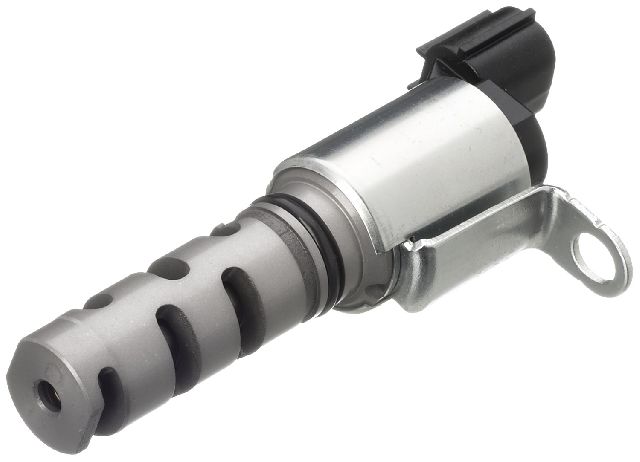
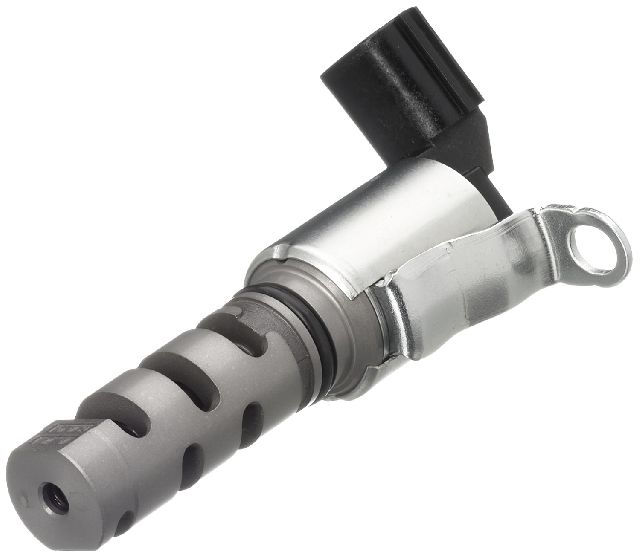
This code almost always points to a faulty exhaust Oil Control Valve (OCV), also called a VVT solenoid. It's an affordable part and easy to replace, often fixing rough idle and poor performance. Expect to pay $25-$50 for an aftermarket part or $80-$120 for an OEM Denso part.
- P0013 on this Corolla specifically points to an electrical fault in the exhaust VVT solenoid (OCV) circuit.
- The most likely cause by far is a failed exhaust OCV, which is an easy and inexpensive part to replace yourself.
- Always check your oil level and condition first, as low or dirty oil can cause VVT system issues.
- Do not confuse the OCV/solenoid with the camshaft position sensor; they are different parts that cause different codes.
- You can confirm a bad OCV in minutes with a multimeter; a good one should read between 6.9 and 7.9 ohms.
What's Unique About the 2014-2019 Toyota Corolla
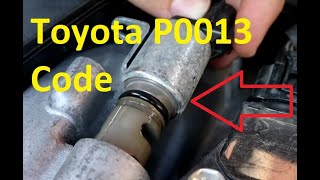
The 2ZR-FE engine in the 11th generation Corolla (2014-2019) has a very reliable VVT-i system. Failures are uncommon, and when they do occur, they are almost always isolated to the easily accessible Oil Control Valves on top of the engine. Unlike some platforms where this code can lead to complex diagnostics, on this Corolla, the cause is overwhelmingly a single 🎬 See this breakdown of P0013 causes and common fixes., simple-to-replace component: the exhaust OCV. The repair is straightforward and can be done with basic tools in under 30 minutes.
Symptoms You May Notice
- Check Engine Light is on
- Rough or unstable idle
- Decreased engine performance and sluggish acceleration
- Poor fuel economy
- Engine may hesitate or stall
- Engine may be harder to start
- Replacing the Camshaft Position Sensor. The P0013 code refers to the actuator *circuit*, not the position sensor. The position sensor has its own set of codes (e.g., P034x) and is a different part.
Most Likely Causes
- Faulty Exhaust Oil Control Valve (OCV/VVT Solenoid) 🔴 High Probability The OCV is an electro-mechanical part that operates constantly while the engine is running. Over time, the internal coil windings can fail or develop a short, creating an open or short circuit and triggering the P0013 code. This is the most common failure point for this specific code.
How to confirm: Use a multimeter to test the resistance between the two pins on the OCV. For the 2ZR-FE engine, a healthy OCV should read between 6.9 and 7.9 ohms at room temperature (68°F/20°C). A reading of infinity (OL) or significantly outside this range means the coil has failed and the part is bad.
Typical fix: Replace the exhaust Oil Control Valve. It is held in by a single 10mm bolt and is located on the top of the valve cover, towards the firewall/exhaust side.
Est. part cost: $25 - $120 - Low or Dirty Engine Oil 🟡 Medium Probability The VVT system is hydraulically operated by engine oil pressure. If the oil is low, or if it's dirty and contains sludge, it can clog the tiny passages and the integrated filter screen on the OCV, preventing it from functioning correctly and potentially causing the electrical fault. This is a very common contributing factor.
How to confirm: Check the engine oil dipstick for proper level and inspect the oil's condition. If it's low or looks like dark sludge, this could be the root cause or a contributing factor. The P0013 code is electrical, but oil issues can cause the solenoid to work harder and fail.
Typical fix: Perform an engine oil and filter change using the manufacturer-specified oil (0W-20 synthetic). Clear the code and see if it returns. If the OCV was clogged, it may still need replacement. 🎬 Watch: How dirty oil affects the VVT solenoid performance.
Est. part cost: $40 - $80 - Wiring or Connector Issue ⚪ Low Probability While less common, the wiring harness connector to the OCV can become corroded, filled with oil, or the wires can become brittle and break from engine vibration and heat cycles.
How to confirm: Visually inspect the connector for corrosion, pushed-out pins, or oil contamination. Unplug it and check for a secure fit. Gently tug on the wires leading into the connector to ensure they are secure. Check for battery voltage (approx. 12V) at the power pin of the connector with the key on, engine off.
Typical fix: Clean the connector with electrical contact cleaner or repair the damaged section of the wiring harness. The connector pigtail can be replaced if damaged; a common part number is 90980-11875.
Est. part cost: $5 - $30
Rare But Worth Checking
- Faulty Engine Control Module (ECM): This is extremely rare. The ECM's internal driver for the OCV circuit can fail, but this should only be considered after all other possibilities (solenoid, wiring, oil) have been definitively ruled out.
Diagnosis Steps
- Check Engine Oil: Before doing anything else, verify the engine oil level is correct and the oil is clean. Low or dirty oil is a common cause of VVT system problems.
- Inspect the Connector and Wiring: Locate the exhaust OCV on the valve cover (it's the one closer to the exhaust manifold/firewall). Unplug it and inspect the connector and pins for any signs of corrosion, damage, or oil saturation. Ensure the wiring is intact.
- Test the Oil Control Valve (OCV): Set a multimeter to Ohms (Ω). Measure the resistance across the two pins of the OCV itself. A good OCV for the 2ZR-FE engine should read between 6.9 and 7.9 Ohms at 68°F (20°C). If you get an open loop (OL) reading or a value far outside this range, the OCV has failed and needs replacement.
- (Optional) Active Test: If you have a capable bidirectional scan tool like Toyota Techstream, use the 'Active Test' function to command the OCV to operate. Listen for a clicking sound from the valve, confirming it is mechanically responding. A lack of clicking indicates a failed solenoid.
- Check for Voltage at the Connector: If the OCV tests good, the problem may be in the wiring. With the key on and engine off, use a multimeter to check for battery voltage (approx. 12V) at one of the pins in the harness connector. This confirms the circuit has power.
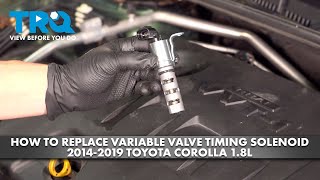
- Replace the OCV: If the OCV fails the resistance test, replace it. It is secured by one 10mm bolt. Lightly oil the O-ring on the new valve before installation. Torque the bolt to approximately 7 ft-lbs (9 Nm). 🎬 Watch: Step-by-step walkthrough for replacing the exhaust VVT solenoid.
- Clear the Code: After performing repairs, use a scan tool to clear the P0013 code and test drive the vehicle to ensure the Check Engine Light does not return.
Parts You'll Likely Need
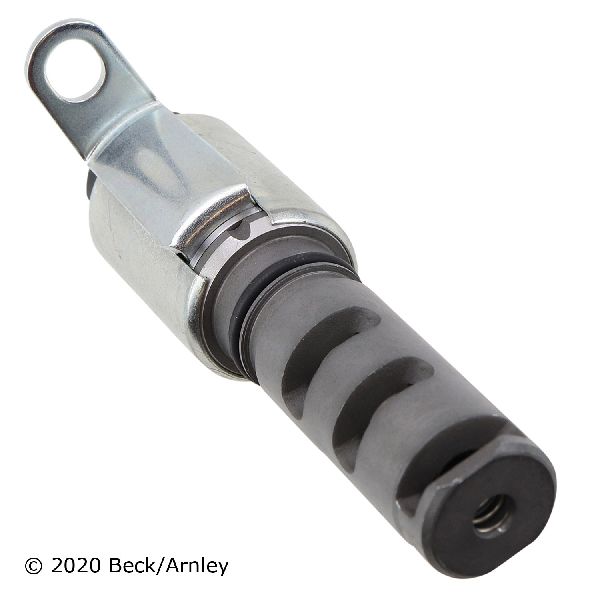
- Engine Variable Valve Timing (VVT) Solenoid / Oil Control Valve (Exhaust)
(OEM #15330-37020)— This is the most common failure point for a P0013 code. The internal coil fails, causing an open or short circuit that the ECM detects.
Trusted brands: Denso (OEM), Aisin, Dorman, Standard Motor Products (SMP)
OEM price range: $80-$120
Aftermarket price range: $25-$60
Platform-Specific Known Issues
- A user on the Toyota Nation forums (username: 98camry) with a 2014 Corolla reported getting P0013 at 105k miles. After confirming the oil level was good, they tested the OCV and found it had no resistance (open circuit). Replacing the exhaust OCV (part #15330-37020) with a new Denso unit and clearing the code permanently solved the issue. The entire job took them 15 minutes.
- On a Reddit thread in r/MechanicAdvice, a 2016 Corolla owner experienced a rough idle and P0013. They first tried swapping the intake and exhaust OCVs (as they are identical parts) to see if the code would change to P0010 (Intake side). The code did not change, suggesting a wiring issue. They found oil had wicked into the harness connector. Cleaning the connector with contact cleaner and clearing the codes resolved the problem without needing to replace the part.
Mechanic-Grade Diagnostic Values
- Exhaust Oil Control Valve (OCV) Resistance — expected: 6.9 to 7.9 Ω at 20°C (68°F). Failure: A reading of infinity (Open Loop) or significantly outside the specified range indicates a failed internal coil.
- Voltage at OCV Harness Connector — expected: Approximately 12V (Battery Voltage). Failure: No voltage indicates a problem in the power supply circuit, such as a blown fuse or broken wire.
Hidden / Shadow Codes Worth Checking
- P0013 Internal ECM Logic: The ECM sets code P0013 when its commanded duty cycle to the OCV does not match the actual monitored duty cycle for a set period. For example, if the ECM commands a duty cycle of less than 80% but detects a 100% duty cycle (indicating a short), it will trigger the fault. (see via This is not a separate code but the internal logic of the ECM. Advanced scan tools may show the target vs. actual duty cycle as live data PIDs.)
Scan Tool Commands That Help
- Toyota Techstream: Active Test: 'Control the VVT System (Bank 1)' or 'Operate Camshaft Timing Oil Control Valve' — Use this after confirming the OCV has correct resistance. Commanding the valve to operate while listening for a 'click' or monitoring engine RPM change (it should run rough or stall) will verify if the solenoid is mechanically stuck or functioning correctly.
Wiring & Ground Locations
- Engine Block Grounds (e.g., AA, AB) — Various points on the engine block and cylinder head. A key ground point is typically located on the left side of the cylinder head near the lifting eye.. The ECM and its sensors, including the VVT system, rely on clean ground connections. A corroded or loose engine ground can introduce electrical noise and resistance, potentially causing the ECM to misinterpret sensor readings or actuator circuit integrity, although it's an uncommon cause for this specific code.
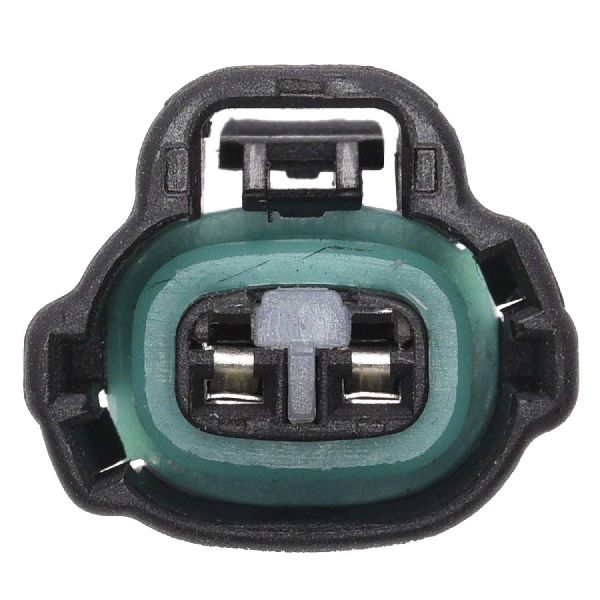
- Exhaust OCV Connector — Top of the valve cover, on the side closer to the firewall/exhaust manifold.. This 2-pin connector is the direct interface to the solenoid. One pin is the power feed (should have ~12V with key on) and the other is the duty-cycle control signal from the ECM. All electrical tests for the circuit start here.
Real Owner Repair Stories
- Reddit user post (2014 Toyota Corolla) — P0013 code appeared after a major timing chain service.
❌ Tried (didn't work) Initial diagnosis pointed towards the typical electrical fault.
✅ What actually fixed it The user discovered the mechanical timing was off by one tooth after the timing chain replacement. After correcting the timing, the P0013 code was resolved, though a P0017 (Crank/Cam correlation) code appeared, indicating further mechanical timing verification was needed. This highlights that while P0013 is an electrical code, it can be triggered by stress on the system from incorrect mechanical setup. - NHTSA ODI #11139909 — An owner reported that their vehicle stalled while driving. A diagnostic scan revealed multiple trouble codes, including P0013, P0113, P1603, and P1605.
OEM Part Supersession History
15330-37020→15330-0T020— Standard part revision and consolidation by Toyota.
Heads up: The parts are interchangeable for this application.
Model Year Variations Within This Range
- 2014-2019: The Corolla LE Eco trim uses the 2ZR-FAE engine, which features the 'Valvematic' system in addition to Dual VVT-i. This system adds variable valve *lift* to the intake side for improved efficiency. While the P0013 code diagnosis remains the same (as it pertains to the exhaust cam timing circuit), it's important to correctly identify the engine, as other engine-specific parts may differ.
Diagnostic Flowchart
Other Known Issues on This Vehicle
Issues unrelated to this code that are worth knowing about as an owner of this generation:
- CVT Shudder/Hesitation 🟠 Medium — Common on 2014-2017 models. Often presents as a jerk or hesitation on light acceleration. (Ref: Special Service Campaign (SSC) JSD was issued to update ECU software and inspect/replace a CVT solenoid valve.)
- Infotainment System Glitches/Freezing 🟡 Low — Reported across all model years. The touchscreen may become unresponsive or the unit may reboot randomly. (Ref: No specific recall, but TSBs for Bluetooth connectivity exist (e.g., T-TT-0578-19). Dealer diagnosis is often required.)
- Front Lower Control Arm Bushing Squeak 🟡 Low — Can occur at relatively low mileage when going over bumps or on sharp turns. (Ref: TSB T-SB-0068-20 addresses a squeak noise from the front lower suspension arm rear bushing.)
- Minor Oil Seep from Timing Chain Cover 🟡 Low → Shop Engine Timing Chain — Can develop at higher mileage (over 100k miles). Usually a very slow seep rather than a dangerous leak.
- Water Leaks Into Front Door Speakers 🟡 Low — Water can enter the door and corrode the speaker connector, causing the speaker to stop working.
Used vs. New Parts: Buying Guide for This Vehicle
When a used part is the smart pick: For this specific repair, buying a used Oil Control Valve (OCV) is not recommended. It is a relatively inexpensive electro-mechanical part where the internal coil windings and mechanical plunger are subject to wear and heat cycles. The remaining lifespan of a used part is unknown, making it a poor value proposition.
What to inspect on the donor part:
- Not applicable as used purchase is not advised.
OEM-only on this vehicle (don't cheap out):
- While not strictly 'OEM-only', using an OEM (Denso) or a reputable OEM-supplier like Aisin for the Oil Control Valve is strongly recommended. Electronic components like solenoids are sensitive to precise resistance and response time, and cheaper aftermarket versions can sometimes be out of spec, leading to persistent issues or premature failure.
Aftermarket brands forum-validated for this vehicle:
- Denso (OEM)
- Aisin
- NTK (NGK)
Brands owners have reported issues with on this vehicle:
- Unnamed, low-cost 'white box' brands from online marketplaces should be avoided, as their quality control and material specifications are often unverified.
Real Owner Stories
Aggregated from forums and TSBs cited above. Mileages and costs reflect what owners reported in those sources.
2014 Toyota Corolla 2ZR-FE — 105000 miles
Symptoms: Check Engine Light on; confirmed oil level was good.
What fixed it: Tested the OCV and found an open circuit (no resistance). Replaced the exhaust OCV with a new Denso unit (part #15330-37020).
Source hint: ToyotaNation Forums (username: 98camry)
2016 Toyota Corolla 2ZR-FE
Symptoms: Rough idle and P0013 code.
What fixed it: Swapped intake and exhaust OCVs but the code stayed P0013. Found oil had wicked into the harness connector. Cleaned the connector with contact cleaner and cleared codes.
Source hint: Reddit r/MechanicAdvice
2017 Toyota Corolla
Symptoms: Car stalled while driving. Diagnostic scan showed codes P0113, P0013, P1603, and P1605.
Source hint: NHTSA ODI #11139909
Related OBD-II Codes
Frequently Asked Questions
Where is the exhaust Oil Control Valve located on my 2014-2019 Corolla 1.8L?
What is the correct resistance for a healthy OCV on the 2ZR-FE engine?
Can I swap the intake and exhaust solenoids to troubleshoot the P0013 code?
What specific oil should I use to prevent VVT issues in my 2014-2019 Corolla?
Is there a specific replacement part number for the exhaust OCV?
My Corolla has a P0013 and a CVT shudder; are they related?
Helpful Videos

We Have This Part in Stock


The information in this article is provided for general reference and educational purposes only. Vehicle specifications, procedures, and part compatibility can vary by production date, trim level, and region. Always consult your vehicle's factory service manual and verify part numbers before purchasing or performing repairs. Safety-critical components such as airbags, seat belts, and braking systems should be installed by a qualified professional.
- Toyota Corolla:
- 🧭 Diagnostic Flowchart
- 🎬 Helpful Videos
- 🛍️ Shop This Part
- What's Unique About the 2014-2019 Toyota Corolla
- Symptoms You May Notice
- Most Likely Causes
- Rare But Worth Checking
- Diagnosis Steps
- Parts You'll Likely Need
- Platform-Specific Known Issues
- Mechanic-Grade Diagnostic Values
- Hidden / Shadow Codes Worth Checking
- Scan Tool Commands That Help
- Wiring & Ground Locations
- Real Owner Repair Stories
- OEM Part Supersession History
- Model Year Variations Within This Range
- Other Known Issues on This Vehicle
- Used vs. New Parts: Buying Guide for This Vehicle
- Real Owner Stories
- 2014 Toyota Corolla 2ZR-FE — 105000 miles
- 2016 Toyota Corolla 2ZR-FE
- 2017 Toyota Corolla
- Related OBD-II Codes
- Frequently Asked Questions
- 🎟️ Get 5% Off