

P0014 on 2009-2011 Chevrolet Aveo: Exhaust Cam Timing Causes and Fixes
On a 2009-2011 Chevy Aveo, code P0014 is most often caused by a faulty exhaust camshaft position actuator solenoid or low/dirty engine oil. The VVT system is highly sensitive to oil quality. Replacing the solenoid is a common fix and costs around $25-$60 for the part. Always check oil level and condition first.
- First, check your engine oil. Low or dirty oil is a very common cause for code P0014.
- The most likely failed part is the exhaust camshaft actuator solenoid, which is relatively inexpensive and easy to replace.
- A simple diagnostic trick is to swap the intake and exhaust solenoids; if the code changes to P0011, you've confirmed the solenoid is bad.
- If the Check Engine Light appeared right after an engine repair, the cause is very likely a missing or damaged plastic oil sleeve behind the camshaft actuator, as noted in TSB #PIP4543D.
What's Unique About the 2009-2011 Chevrolet AVEO
The 1.6L Ecotec engine in the Aveo and its platform mates has a specific known issue documented in GM Technical Service Bulletin #PIP4543D. After repairs involving the camshaft actuators (phasers), a small, black plastic oil sleeve can be damaged or go missing. This sleeve is critical for directing oil to the actuator, and its absence will prevent proper timing control, directly causing codes like P0014, P0011, P0016, and P0017. This is a crucial check if the code appears immediately after any engine service like a timing belt or valve cover gasket replacement.
Diagnostic Flowchart
Tap your situation to follow the diagnostic path that matches what you're seeing on this vehicle.
Symptoms You May Notice
- Check Engine Light is on
- Rough idle or stalling
- Poor acceleration and reduced engine power
- Decreased fuel economy
- Rattling or clacking noise from the engine, especially on startup.
- Engine running rough or hesitating
- Replacing the camshaft position sensor when the problem is the actuator solenoid.
- Replacing the timing belt without checking the simpler VVT solenoids or oil level first.
- Replacing the cam phaser (actuator) when the issue is the inexpensive plastic oil sleeve mentioned in TSB #PIP4543D.
Most Likely Causes
- Faulty Exhaust Camshaft Position Actuator Solenoid (VVT Solenoid) 🔴 High Probability → Shop Engine Camshaft These solenoids control oil flow to the cam phasers and can get clogged with sludge or fail electronically over time. The fine mesh screens on the solenoids are particularly susceptible to blockage from dirty oil, which is the most common failure mode.
How to confirm: Swap the exhaust solenoid with the identical intake solenoid. If the code changes to P0011 (Intake Camshaft Position), the solenoid is bad. You can also test its resistance with a multimeter (typically 5-15 Ohms) or command it with a capable scan tool to see if the engine hesitates or stalls.
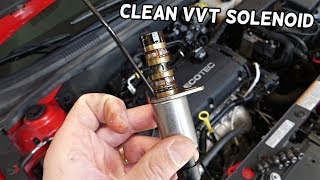
Typical fix: Replace the exhaust camshaft position actuator solenoid. 🎬 Watch this quick walkthrough on replacing the Ecotec VVT solenoid They are held in by a single 10mm bolt and are easily accessible on the top of the engine. Many owners successfully resolve the issue by simply removing the solenoid and thoroughly cleaning its screens with brake cleaner 🎬 See how to properly clean your VVT solenoid screens before reinstalling. It is often recommended to replace both intake and exhaust solenoids at the same time.
Est. part cost: $25-$60 - Low, Incorrect, or Dirty Engine Oil 🔴 High Probability The VVT system is entirely dependent on clean oil at the correct pressure to function. Sludge or the wrong oil viscosity (GM specifies 5W-30 synthetic Dexos oil) can clog the small passages in the solenoids and actuators, leading to timing deviations.
How to confirm: Check the oil level on the dipstick and inspect its condition. If it's low, dark, sludgy, or past its recommended change interval, it is the primary suspect.
Typical fix: Perform an oil and filter change using the manufacturer-recommended oil viscosity (5W-30). In many cases, a simple oil change is enough to resolve the code.
Est. part cost: $30-$70 - Missing or Damaged Camshaft Actuator Oil Sleeve 🟡 Medium Probability → Shop Engine Camshaft This is a known issue specifically cited in GM TSB #PIP4543D. The plastic sleeve can be easily lost or damaged during repairs like a valve cover gasket or timing belt change. The code will typically appear immediately after such a repair.
How to confirm: This requires removing the camshaft actuator (phaser) to visually inspect for the presence and condition of the small black plastic sleeve between the actuator and the camshaft. This should be the primary suspect if the code appeared immediately after engine work.
Typical fix: The sleeve is not sold separately and comes as part of a new camshaft actuator assembly. The actuator must be replaced.
Est. part cost: $80-$150 - Stretched Timing Belt or Timing Issue ⚪ Low Probability → Shop Engine Timing Chain The 1.6L is an interference engine with a timing belt that has a finite service life (typically recommended every 60,000-100,000 miles). If the belt stretches or jumps a tooth, it will throw off the base mechanical timing, causing correlation codes.
How to confirm: Inspect the timing belt for wear and verify that the crankshaft and camshaft timing marks are perfectly aligned. This is a more involved mechanical check.
Typical fix: Replace the timing belt, tensioner, and idler pulleys as a kit.
Est. part cost: $100-$250 (for a kit)
Rare But Worth Checking
- Faulty Camshaft Phaser (Actuator): → Shop Engine Camshaft The phaser is the mechanical gear that the solenoid controls. It can fail internally, getting stuck in an advanced position, but this is less common than a solenoid failure. This is often diagnosed after all other causes are ruled out.
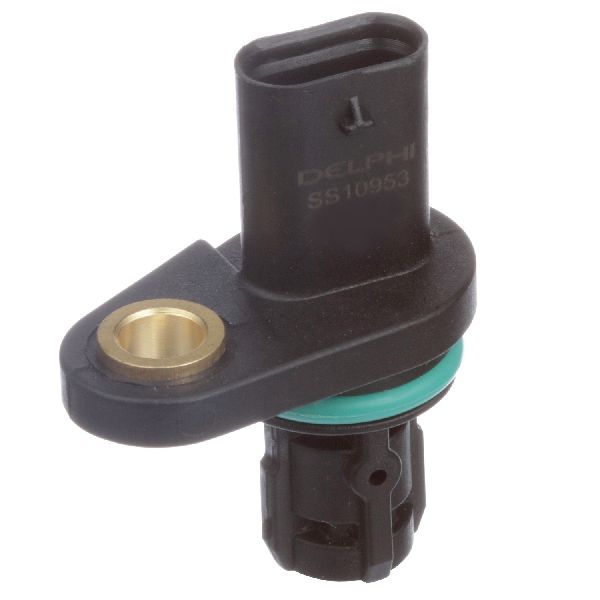
- Faulty Camshaft Position Sensor: → Shop Engine Camshaft Position Sensor While possible, a bad sensor itself usually triggers other specific sensor circuit codes (like P0340-P0344). It's an unlikely cause for a P0014 performance code.
- Clogged Oil Galley Filters: Some GM Ecotec engines have small, thimble-like filter screens in the oil passages of the cylinder head leading to the VVT solenoids. These can become clogged and are a potential, though less common, cause.
Diagnosis Steps
- Check the engine oil level and condition. Top up or change the oil and filter if necessary, using 5W-30 synthetic oil. Clear the code and see if it returns. This is the easiest and most common fix.
- Scan for any other trouble codes to get more context.
- Inspect the wiring and connector for the exhaust camshaft actuator solenoid for any damage, corrosion, or loose connections.
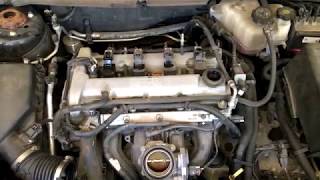
- A common DIY diagnostic is to swap the exhaust solenoid with the intake solenoid (they are identical and located next to each other on top of the valve cover). Clear the codes and run the engine. If the code changes to P0011, you have confirmed the solenoid is faulty.
- If the code P0014 returns after the swap, remove the exhaust solenoid again and inspect its small mesh screens for sludge or debris. Clean thoroughly with brake or MAF sensor cleaner. Some owners have reported success by carefully removing the screens entirely, though this is not an official repair.
- If the code appeared right after an engine repair (timing belt, valve cover, etc.), refer to TSB #PIP4543D and inspect for the missing/damaged black plastic oil sleeve behind the cam actuator.
- If all else fails, perform a full mechanical timing check to ensure the timing belt has not stretched or jumped a tooth.
Parts You'll Likely Need
- Exhaust Camshaft Position Actuator Solenoid
(OEM #55567050)— This is the most frequent failure point for VVT-related codes on this engine, often due to clogged screens.
Trusted brands: ACDelco, Delphi, Dorman
OEM price range: $45-$70
Aftermarket price range: $25-$50
Related Codes That Often Appear With This One
- P0011 — If both VVT solenoids are failing or oil is very low/dirty, you may see the code for the intake camshaft ('A') as well.
- P0016 / P0017 — These codes indicate a correlation issue between the crankshaft and camshafts. They often appear with P0014 if there is a base timing issue (like a jumped timing belt) or if the specific oil sleeve issue from TSB #PIP4543D is present.
- P0013 — This code indicates an electrical circuit fault (open, short) with the same exhaust camshaft actuator solenoid, whereas P0014 indicates a performance/timing problem. Seeing them together points strongly to a bad solenoid or wiring issue.
Technical Service Bulletins (TSBs) & Recalls
- PIP4543D: Addresses DTCs P0011, P0014, P0016, or P0017 setting after engine repairs due to a missing or damaged camshaft actuator oil sleeve. The bulletin confirms the sleeve is not sold separately from the actuator.
Platform-Specific Known Issues
- TSB #PIP4543D notes that codes P0011, P0014, P0016, or P0017 can set after a repair involving the camshaft actuators. The cause is often a missing or damaged 'unique black plastic oil sleeve' that fits between the actuator and the camshaft, which is essential for directing oil flow.
- The fine mesh screens on the VVT solenoids are known to become clogged with oil sludge, or in some cases, break apart and potentially travel into oil passages. Regular oil changes with full synthetic 5W-30 oil are critical for prevention.
Mechanic-Grade Diagnostic Values
- VVT Actuator Solenoid Resistance — expected: Approximately 7-13 Ohms. One source for a similar GM engine specifies 8-13 Ohms, while another suggests 6.9-7.9 Ohms. A reading in the kilo-ohms or OL (Open Loop) indicates a failed solenoid.. Failure: A resistance reading of 0 Ohms (short circuit) or a very high/infinite reading (open circuit).
- VVT Actuator Solenoid Voltage (Key On, Engine Off) — expected: 0 Volts. The ECM does not typically supply constant power; it sends a pulse-width modulated (PWM) signal to the solenoid only when commanding a timing change while the engine is running.. Failure: Constant voltage at the connector with the engine off could indicate a wiring short or a failed ECM driver.
- Camshaft Position Sensor (CMP) Pin Voltages (Key On, Engine Off) — expected: A 3-wire sensor with: Pin 1: ~12V (Battery Voltage), Pin 2: Ground, Pin 3: ~5V reference signal from the ECM.. Failure: Missing any of these voltages points to a wiring or ECM issue, not necessarily a bad sensor.
Scan Tool Commands That Help
- GDS2 / Tech2 (or equivalent professional scan tool): Camshaft Position Actuator Test or Camshaft Position Solenoid Test — This bidirectional control allows a technician to command the solenoid on and off, or to a specific percentage, while monitoring the actual camshaft angle PID. If the solenoid is commanded but the cam angle doesn't change, it confirms a fault in the solenoid, actuator (phaser), or oil pressure delivery. This is used to verify solenoid function without removing it from the vehicle.
Wiring & Ground Locations
- G104 — On the engine block, next to the starter motor.. This is a primary engine ground. A poor connection at G104 can cause erratic behavior and incorrect readings from various engine sensors and actuators, including the VVT system, leading to false trouble codes.
- ECM Connector X2, Pin 26 — At the Engine Control Module (ECM).. This pin carries the signal from the Camshaft Position Sensor (L-BU/BK wire). While a P0014 is a performance code, not a sensor circuit code, verifying a clean signal here is part of a comprehensive diagnosis to rule out sensor data corruption.
Real Owner Repair Stories
- aveoforum.com user 'HeavyDuty' (2009 Aveo5) — P0014 code, poor fuel mileage, dieseling/running-on after shutdown.
❌ Tried (didn't work) The user noted that the solenoid screens did not appear visibly clogged with sludge, and high-quality synthetic oil was always used.
✅ What actually fixed it The user removed the exhaust camshaft actuator solenoid and physically removed the small filter screens from it. After reinstalling the modified solenoid, the dieseling stopped, the car ran correctly, and the P0014 code did not return.
OEM Part Supersession History
12992408→55567050— Standard part revision and update by the manufacturer.
Heads up: The new part number (55567050) is the correct replacement for the original.
Model Year Variations Within This Range
- 2009-2011: The 2009 model year marked the introduction of the 1.6L Gen 3 Ecotec engine with Variable Valve Timing (VVT) for the Aveo. Earlier models (pre-2009) used a different engine without VVT and would not experience this specific code. The 2010 and 2011 models are mechanically identical to the 2009 regarding the VVT system.
Helpful Videos

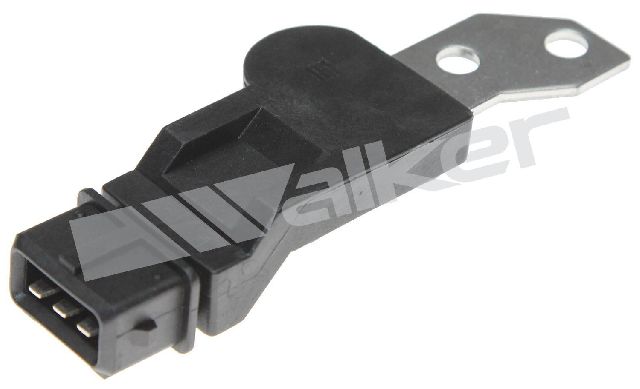
We Have This Part in Stock


The information in this article is provided for general reference and educational purposes only. Vehicle specifications, procedures, and part compatibility can vary by production date, trim level, and region. Always consult your vehicle's factory service manual and verify part numbers before purchasing or performing repairs. Safety-critical components such as airbags, seat belts, and braking systems should be installed by a qualified professional.
- Chevrolet AVEO:
- 🧭 Diagnostic Flowchart
- 🎬 Helpful Videos
- 🛍️ Shop This Part
- What's Unique About the 2009-2011 Chevrolet AVEO
- Symptoms You May Notice
- Most Likely Causes
- Rare But Worth Checking
- Diagnosis Steps
- Parts You'll Likely Need
- Related Codes That Often Appear With This One
- Technical Service Bulletins (TSBs) & Recalls
- Platform-Specific Known Issues
- Mechanic-Grade Diagnostic Values
- Scan Tool Commands That Help
- Wiring & Ground Locations
- Real Owner Repair Stories
- OEM Part Supersession History
- Model Year Variations Within This Range
- 🎟️ Get 5% Off