

P0014 on 2012-2015 Chevrolet Captiva: Exhaust Cam Timing Fixes
On a 2012-2015 Chevrolet Captiva, code P0014 is most often caused by low or dirty engine oil, or a failing exhaust camshaft position actuator solenoid. The 2.4L Ecotec engine is also known for oil consumption issues that can lead to low oil levels, triggering this code. An oil change or replacing the solenoid (around $25-$78 for the part) is the most common fix.
- Code P0014 on a Captiva means the exhaust camshaft timing is too far advanced.
- The most likely cause is low/dirty engine oil or a faulty exhaust VVT solenoid.
- Always start your diagnosis by checking the oil level and condition. An oil change is a simple and often effective first step.
- Replacing the exhaust VVT solenoid is a common, relatively easy, and affordable DIY repair.
- If simple fixes don't work, the issue could be a more serious mechanical problem like a stretched timing chain, which requires professional diagnosis.
What's Unique About the 2012-2015 Chevrolet CAPTIVA

The 2012-2015 Chevrolet Captiva Sport sold in the U.S. was a rebadged Saturn Vue and often equipped with either a 2.4L Ecotec I4 or a 3.0L SIDI V6 engine. On these GM engines, VVT system faults are very common and frequently traced back to oil maintenance. The 2.4L Ecotec engine, in particular, is known for excessive oil consumption which can starve the VVT system of the oil pressure it needs, leading to codes like P0014. The camshaft position actuator solenoids are a known weak point, becoming clogged with sludge or failing electronically over time. A GM Technical Service Bulletin (TSB PIP5096C) also exists that mentions this code, directing technicians to inspect the engine's EUN sticker for an 'A' and, if present, use an updated 'service' solenoid part on certain engines.
Diagnostic Flowchart

Tap your situation to follow the diagnostic path that matches what you're seeing on this vehicle.
Symptoms You May Notice
- Check Engine Light is on
- Rough idle or engine shaking
- Engine stalling, especially at low speeds
- Poor acceleration and reduced engine performance
- Decreased fuel economy
- Rattling, knocking, or chattering noise from the engine, especially on a cold start
- Replacing the camshaft position sensor when the actual problem is the actuator solenoid or an oil issue.
- Replacing the timing chain when the issue is just a simple, clogged VVT solenoid. One owner on Reddit reported a P0014 code returned even after a timing chain replacement, suggesting the initial problem may have been misdiagnosed.
- Assuming the timing chain is good because it was recently replaced. Improper installation or failure to replace related components like tensioners or phasers can cause the code to return.
Most Likely Causes

- Low or Dirty Engine Oil 🔴 High Probability The VVT system is highly sensitive to oil pressure and cleanliness. The 2.4L Ecotec engine is particularly known for excessive oil consumption, which can cause the oil level to drop unexpectedly between changes, leading to this code. Sludge from infrequent oil changes can clog the small passages in the actuator solenoids.
How to confirm: Check the engine oil level on the dipstick and inspect its color and consistency. If it's low, black, or thick, it needs to be changed. Be aware that the oil light may not come on even if the level is critically low for VVT operation.
Typical fix: Perform an engine oil and filter change using the manufacturer-recommended oil viscosity (typically 5W-30 synthetic). Clear the code and monitor oil levels closely.
Est. part cost: $30-$70 - Faulty Exhaust Camshaft Position Actuator Solenoid (VVT Solenoid) 🔴 High Probability → Shop Engine Camshaft These solenoids are a very common failure point on GM engines of this era. They can get clogged with debris or fail electronically. TSB PIP5096C specifically addresses this issue, suggesting some original solenoids had tolerance issues from the factory and should be replaced with an updated 'service' part if the engine's EUN sticker has an 'A' prefix.
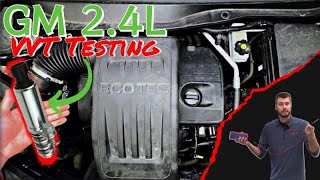
How to confirm: Swap the exhaust solenoid with the intake solenoid (they are identical parts on the 2.4L engine). Clear the codes and drive the vehicle. If the code changes to P0011 (Intake Camshaft Position), the solenoid you moved to the intake side is bad and needs to be replaced. You can also test the solenoid's resistance with a multimeter; the specification is typically between 8 and 13 Ohms. 🎬 See this walkthrough on testing VVT solenoids
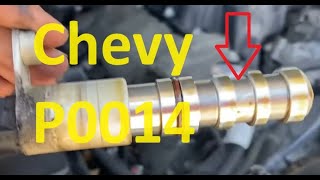
Typical fix: Replace the Bank 1 exhaust camshaft position actuator solenoid. It is usually held in by a single 8mm or 10mm bolt and is accessible on top of the engine after removing the engine cover. 🎬 Watch: How to replace the exhaust camshaft solenoid
Est. part cost: $25-$78 - Stretched Timing Chain or Faulty Tensioner 🟡 Medium Probability → Shop Engine Timing Chain The 2.4L Ecotec engine is notorious for timing chain issues, including stretching chains and failing plastic guides, especially after 100,000 miles. A stretched chain causes a mismatch between the camshaft and crankshaft positions that the ECM detects as a P0014 code. In severe cases, the chain can slap against the valve cover.
How to confirm: This is an advanced diagnosis. A key symptom is a loud rattling or slapping noise from the side of the engine, especially on cold starts. Confirmation requires removing the valve cover to inspect the chain for slack and verifying the timing marks on the cams and crank align perfectly. A mechanic may be needed.
Typical fix: Replace the timing chain, guides, and tensioners. This is a labor-intensive job often costing over $1000. 🎬 Watch: Diagnosing timing chain codes and the fix It is often recommended to replace the water pump and VVT phasers at the same time.
Est. part cost: $150-$400 - Faulty Camshaft Phaser (Actuator) ⚪ Low Probability → Shop Engine Camshaft The phaser is the mechanical gear that actually adjusts the cam timing. While less common than a solenoid failure, it can get stuck in the advanced position due to internal wear, oil sludge, or failure of its internal locking pin. This is more likely on higher mileage engines.
How to confirm: This is difficult to confirm without ruling out the solenoid and timing chain first. A scan tool that can graph desired vs. actual cam angle may show the actuator is not responding to commands. A physical inspection may reveal the phaser is loose or fails to lock.
Typical fix: Replace the camshaft phaser. This requires removing the timing chain, so it's often done as part of a timing chain job.
Est. part cost: $50-$150
Rare But Worth Checking
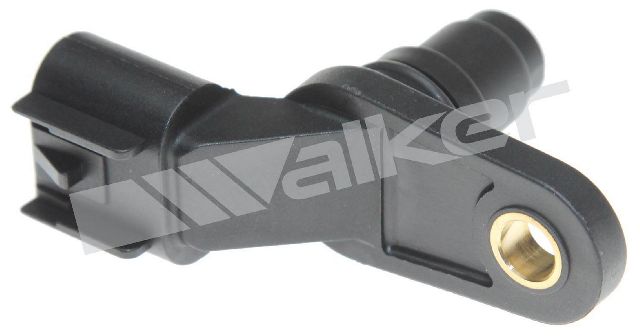
- Faulty Camshaft Position Sensor: → Shop Engine Camshaft Position Sensor This is rare because a failing sensor usually triggers its own specific codes (e.g., P0365-P0369), but it can sometimes send incorrect data that leads to a P0014 code.
- Wiring or Connector Issue: Damage or corrosion on the wiring or connector for the VVT solenoid can mimic a failed solenoid. Always inspect the harness before replacing parts.
Diagnosis Steps
- Check the engine oil level and condition. Due to the 2.4L engine's oil consumption tendency, this is the most critical first step. If low or dirty, change the oil and filter, clear the code, and re-test.
- Scan for any other trouble codes to see if P0014 is appearing with others like P0011, P0013, or P0016, which can help narrow the diagnosis.
- Inspect the wiring and connector for the Bank 1 exhaust camshaft position actuator solenoid for any visible damage or corrosion.
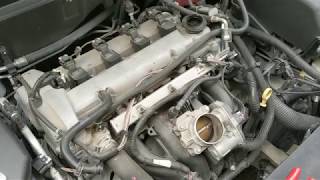
- Locate the intake and exhaust VVT solenoids on top of the valve cover. If they are the same part number (they are on the 2.4L), swap them. Clear the codes and drive the vehicle. If the code changes to P0011, the solenoid you moved to the intake side is bad and needs to be replaced.
- If the code does not change, remove the exhaust solenoid and test its resistance with a multimeter. The reading should be between 8 and 13 Ohms. An out-of-spec or fluctuating reading indicates a faulty solenoid.
- If the solenoid and oil are good, listen carefully for a rattling or chain-slap noise from the engine, especially on cold starts. This noise is a strong indicator of a stretched timing chain or guide failure.
- If a timing chain issue is suspected, the next step is a more in-depth inspection of the timing chain for stretching and verifying the timing marks, which may require professional help.
Parts You'll Likely Need
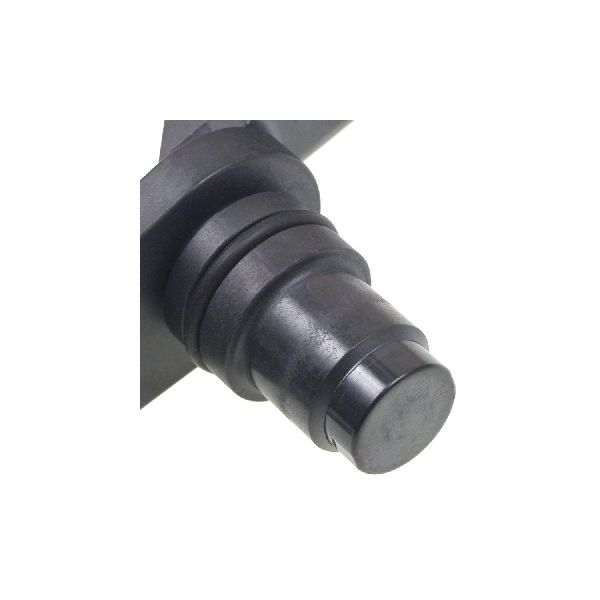
- Exhaust Camshaft Position Actuator Solenoid
(OEM #12679100 (Supersedes 12655421, 12628348, 12646784))— This is the most common part to fail or become clogged, directly causing the P0014 code. It is a well-documented failure item on this platform.
Trusted brands: ACDelco (GM Genuine), Delphi, Dorman
OEM price range: $40-$78
Aftermarket price range: $25-$50 - Engine Oil and Filter — Correct, clean engine oil is critical for the VVT system to function. An oil change is the first and cheapest step in diagnosis and repair, especially given the 2.4L engine's oil consumption issues.
Trusted brands: ACDelco, Mobil 1, Pennzoil
OEM price range: $50-$90
Aftermarket price range: $30-$70
Related Codes That Often Appear With This One
- P0011 — Intake Camshaft Position Timing Over-Advanced. If both P0011 and P0014 are present, it could point to a more systemic issue like low oil pressure or a timing chain problem affecting both camshafts.
- P0013 — Exhaust Camshaft Position Actuator Solenoid Control Circuit. This code points specifically to an electrical problem with the solenoid circuit (like an open or short), whereas P0014 points to the mechanical timing result.
- P0016 — Crankshaft Position - Camshaft Position Correlation. This code strongly suggests a base timing issue, such as a stretched or jumped timing chain, as the crank and cam sensors do not agree.
Technical Service Bulletins (TSBs) & Recalls
- PIP5096C: Addresses DTCs P0011, P0014, P0021, and/or P0024. Advises replacing the VVT solenoid with a new service part on specific engines identified by an 'A' on the EUN sticker, rather than swapping intake/exhaust solenoids for diagnosis.
Platform-Specific Known Issues
- Excessive Oil Consumption on 2.4L Ecotec: Many owners of Captivas and platform mates with the 2.4L engine report excessive oil consumption, sometimes as much as a quart every 1,000-1,500 miles. This leads to a low oil condition that triggers VVT codes like P0014 long before the scheduled oil change interval. Regular oil level checks are essential.
- Technical Service Bulletin PIP5096C: This TSB was issued for 2012-2015 models (among others) for codes P0011, P0014, P0021, or P0024 setting without other drivability concerns. It instructs technicians to check the engine's EUN sticker. If an 'A' is present before the sequence number, the original VVT solenoid should be replaced with an updated 'service' part and not simply swapped with the other solenoid for diagnosis. This suggests a known manufacturing tolerance issue with the original solenoids.
Mechanic-Grade Diagnostic Values
- Camshaft Position Actuator Solenoid Resistance (2.4L Ecotec) — expected: 8 to 13 Ohms. Failure: A reading outside this range, or a fluctuating/unstable reading, indicates a faulty solenoid. An open circuit (infinite resistance) or short circuit (zero resistance) also indicates failure.
- Scan Tool Live Data: Desired vs. Actual Camshaft Position Angle — expected: The 'Actual' value should closely follow the 'Desired' value as engine RPM changes.. Failure: If the 'Actual' value is stuck, slow to respond, or consistently deviates from the 'Desired' value, it points to a problem with the solenoid, phaser, or oil flow.
Scan Tool Commands That Help
- GDS2 / Tech2 (or equivalent professional scanner): Camshaft Position Actuator Control — This bidirectional command allows a technician to manually command the VVT solenoid to advance or retard the camshaft timing while the engine is running. It's used to verify if the solenoid is responding to ECM commands and if the phaser is mechanically able to move. If the desired and actual angles change as commanded, the electrical circuit and solenoid are likely working.
Wiring & Ground Locations
- G105 / G108 / G109 — On the 2.4L engine, G108 is on the cylinder block. On both engines, G109 is located on the center of the bulkhead. G105 is located at the left front of the engine compartment.. The Engine Control Module (ECM) and its related sensors rely on solid ground connections to function correctly. A poor ground at one of these locations can cause erratic sensor readings or improper solenoid operation, potentially leading to a P0014 code.
- VVT Solenoid Connector — On top of the engine's valve cover, connecting to the camshaft actuator solenoids. The exhaust solenoid is typically the one closer to the firewall.. This 2-pin connector and its wiring are exposed to heat and vibration. The pins can lose tension or the wiring can become brittle and break, causing an open or intermittent circuit that mimics a failed solenoid. The connector for the exhaust solenoid is often black and purple.
Real Owner Repair Stories
- Reddit user @gaspuh (2012 Chevy Equinox 2.4L with 156k miles (shares engine with Captiva)) — Check Engine Light with code P0014, rough startup.
❌ Tried (didn't work) Initially suspected a timing chain issue due to the engine's reputation.
✅ What actually fixed it The problem was confirmed to be the exhaust camshaft position actuator solenoid. The user updated the post stating, 'Yup it was the solenoid.' - Reddit user on r/MechanicAdvice (2014 Chevy Captiva with ~148k miles) — P0014 code and engine noises returned shortly after a timing chain replacement.
❌ Tried (didn't work) Replacing the timing chain in April.
✅ What actually fixed it The user was still diagnosing, but the story highlights a common misdiagnosis where the timing chain is replaced, but the P0014 code returns, suggesting the root cause was likely something else, such as the VVT solenoid or phaser, which may not have been replaced during the timing job.
OEM Part Supersession History
12655421, 12628348, 12646784, 12578518→12679100— This is the GM Genuine part number for the exhaust VVT solenoid. Supersessions often involve improvements in materials, design, or manufacturing to increase reliability and address known failure modes like screen clogging or electronic failure.
Heads up: TSB PIP5096C suggests that for certain engines identified by an 'A' on the EUN sticker, only the new 'service' valve (the latest part number) should be used to correct a tolerance issue, and swapping with an identical used part will not fix the problem.
Model Year Variations Within This Range
- 2012-2015: While the core engine architecture remained the same, TSB PIP5096C applies to the entire 2012-2015 range for the Captiva Sport, indicating that the potential for out-of-tolerance VVT solenoids from the factory existed across these years. Additionally, some later models may have benefited from flex-fuel (E85) capability being added to the 2.4L engine, though this did not fundamentally change the VVT system.
Helpful Videos


We Have This Part in Stock


The information in this article is provided for general reference and educational purposes only. Vehicle specifications, procedures, and part compatibility can vary by production date, trim level, and region. Always consult your vehicle's factory service manual and verify part numbers before purchasing or performing repairs. Safety-critical components such as airbags, seat belts, and braking systems should be installed by a qualified professional.
- Chevrolet CAPTIVA:
- 🧭 Diagnostic Flowchart
- 🎬 Helpful Videos
- 🛍️ Shop This Part
- What's Unique About the 2012-2015 Chevrolet CAPTIVA
- Symptoms You May Notice
- Most Likely Causes
- Rare But Worth Checking
- Diagnosis Steps
- Parts You'll Likely Need
- Related Codes That Often Appear With This One
- Technical Service Bulletins (TSBs) & Recalls
- Platform-Specific Known Issues
- Mechanic-Grade Diagnostic Values
- Scan Tool Commands That Help
- Wiring & Ground Locations
- Real Owner Repair Stories
- OEM Part Supersession History
- Model Year Variations Within This Range
- 🎟️ Get 5% Off