

P0014 on 2009-2010 Chevrolet Cobalt: Exhaust Cam Timing Causes and Fixes
On a 2009-2010 Cobalt, code P0014 is most often caused by a faulty exhaust camshaft position actuator solenoid, typically due to contamination from old or low engine oil. This is an easy, 15-minute DIY fix. Before replacing any parts, always check that the engine oil is full, clean, and of the correct 5W-30 viscosity, as this is the number one cause of VVT system issues.
- P0014 points to the exhaust camshaft timing being too far advanced.
- First, check your oil. Low or dirty oil is a very common cause and the easiest thing to fix.
- The most likely failed part is the exhaust camshaft position actuator solenoid, located on the valve cover near the firewall.
- Replacing the solenoid is a beginner-level DIY task that takes about 15 minutes with a 10mm socket.
- If you hear a rattling noise from the engine when you start it, the problem could be a more serious timing chain issue.
What's Unique About the 2009-2010 Chevrolet COBALT
The Ecotec engines used in the 2009-2010 Cobalt are well-known for issues with their variable valve timing (VVT) systems. The camshaft actuator solenoids are a very common failure point, often getting clogged by oil sludge or debris on their fine mesh screens. This sensitivity to oil condition is a primary design characteristic. Additionally, these engines can be prone to stretched timing chains, which can also trigger this code, often accompanied by a rattling noise at startup as noted in GM Technical Service Bulletin #PIP4716F.
Diagnostic Flowchart
Tap your situation to follow the diagnostic path that matches what you're seeing on this vehicle.
Symptoms You May Notice
- Check Engine Light is illuminated
- Rough or unstable idle
- Engine may be hard to start
- Stalling, especially when the engine is warm or at low speeds
- Poor acceleration and sluggish performance
- Decreased fuel economy
- A sharp, short rattle or knocking from the engine on startup
- Engine makes a strange sound, like a VTEC engine, over 4500 RPM
- Replacing the camshaft position *sensor* when the fault is with the camshaft position *actuator solenoid*. The sensor reads the cam's position, while the solenoid controls oil flow to move it. P0014 almost always points to a control (solenoid) or mechanical (phaser, chain, oil) issue, not a sensor reading issue.
Most Likely Causes
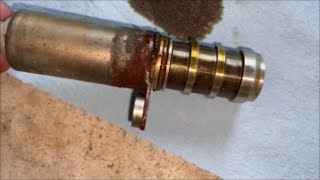
- Faulty Exhaust Camshaft Position Actuator Solenoid 🔴 High Probability → Shop Engine Camshaft These solenoids have fine mesh screens that are easily clogged by oil sludge or debris, a common issue in Ecotec engines if oil changes are neglected. They are a known high-failure item.
How to confirm: The simplest method is to swap the exhaust solenoid (rear, near firewall) with the identical intake solenoid (front). Clear the codes. If the code changes to P0011 (the intake equivalent), the solenoid is confirmed bad. Alternatively, test the solenoid's resistance with a multimeter; it should be between 8-13 ohms. A reading outside this range indicates a faulty solenoid.
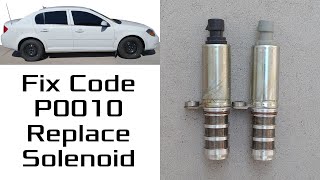
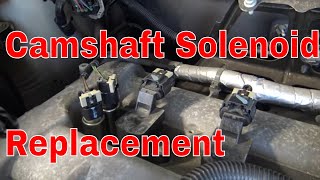
Typical fix: Replace the exhaust camshaft position actuator solenoid. It is located on the top of the engine toward the firewall, held by a single 10mm bolt. 🎬 Watch: See the exact location and replacement of the exhaust solenoid. Lube the new solenoid's O-rings with clean engine oil before installation.
Est. part cost: $20-$50 - Low or Dirty Engine Oil 🔴 High Probability The VVT system is hydraulic and highly sensitive to oil pressure and cleanliness. The GM Oil Life Monitor (OLM) can be optimistic; many owners on forums report issues when following it strictly instead of performing more frequent changes. Using oil of the incorrect viscosity can also cause this code.
How to confirm: Check the oil level on the dipstick and inspect its color and consistency. If it's low, dark, or sludgy, it needs to be changed. This should always be the first check.
Typical fix: Perform an oil and filter change using the correct full synthetic 5W-30 oil. Some owners recommend using an engine flush product like Liqui Moly before the oil change to help clean out sludge from VVT passages. Clear the codes and see if P0014 returns.
Est. part cost: $30-$70 - Stretched Timing Chain or Failed Tensioner 🟡 Medium Probability → Shop Engine Timing Chain The Ecotec engines in this platform are known for premature timing chain wear, which causes slack and incorrect cam/crank correlation.
How to confirm: A key symptom is a distinct rattling noise from the passenger side of the engine for 2-5 seconds on a cold start. If this code appears alongside P0016 or P0017, it strongly points to a timing chain issue. Visual inspection by removing the valve cover is the definitive way to check for chain slack or a broken guide.
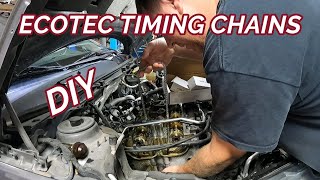
Typical fix: Replace the timing chain, tensioner, guides, and often the water pump and VVT sprockets (phasers) at the same time. This is a significant, labor-intensive repair. 🎬 See this walkthrough for replacing the Ecotec timing chain and phasers.
Est. part cost: $150-$400
Rare But Worth Checking
- Failed Camshaft Phaser (Actuator): → Shop Engine Camshaft The mechanical actuator (phaser/sprocket) on the camshaft itself can get stuck due to internal debris or failure. This is less common than a solenoid failure but is a potential cause if solenoids and oil are good.
- Wiring Harness Damage: The wiring or connector for the solenoid can become damaged, corroded, or have an open/short circuit. This will often trigger the circuit code P0013 alongside the performance code P0014, strongly pointing to an electrical issue.
Diagnosis Steps
- Check Engine Oil: Verify the oil level is full and the oil is clean and of the correct 5W-30 viscosity. If low, dirty, or overdue for a change, perform an oil and filter change first. This resolves the issue in many cases.
- Inspect Solenoid Wiring: Check the electrical connector and wiring going to the exhaust camshaft actuator solenoid (the one closer to the firewall/rear of the engine) for any visible damage, corrosion, or loose connection.
- Swap the Solenoids: The intake and exhaust solenoids are identical and interchangeable. Label them, then swap their positions. Clear the codes and drive the car. If the code returns as P0011 (for the intake cam), you have confirmed the solenoid you moved is faulty. This is the most effective DIY diagnostic step.
- Test the Solenoid: Unplug the suspect solenoid and measure the resistance between its two pins with a multimeter. A healthy solenoid should read between 8 and 13 ohms. You can also apply 12V to the pins to see if the internal plunger clicks open and closed.
- Clean the Solenoids: Before buying new ones, you can try cleaning them. Remove the solenoid, spray the screens and internal passages with brake cleaner or throttle body cleaner, and apply 12V to cycle the plunger while cleaning. 🎬 Watch: A quick guide on the cheapest way to fix VVT solenoids. If the screens have metal debris, it indicates a more serious internal engine issue.
- Listen for Timing Chain Noise: On a cold start, listen carefully for a 2-5 second rattle from the passenger side of the engine. If this noise is present, a stretched timing chain is a strong possibility.
- Professional Diagnosis: If the oil is good, the solenoid tests fine (or was replaced), and the code returns without any timing chain noise, the issue may be a faulty cam phaser (actuator sprocket) or a more complex wiring problem, which requires more in-depth mechanical diagnosis.
Parts You'll Likely Need
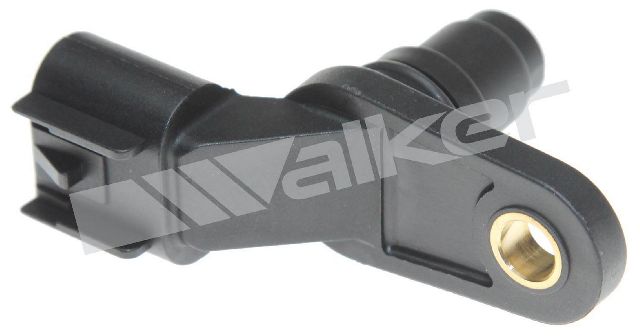
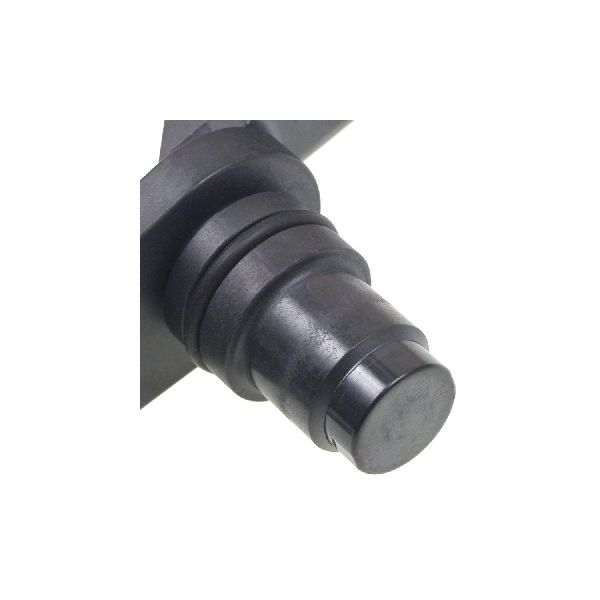
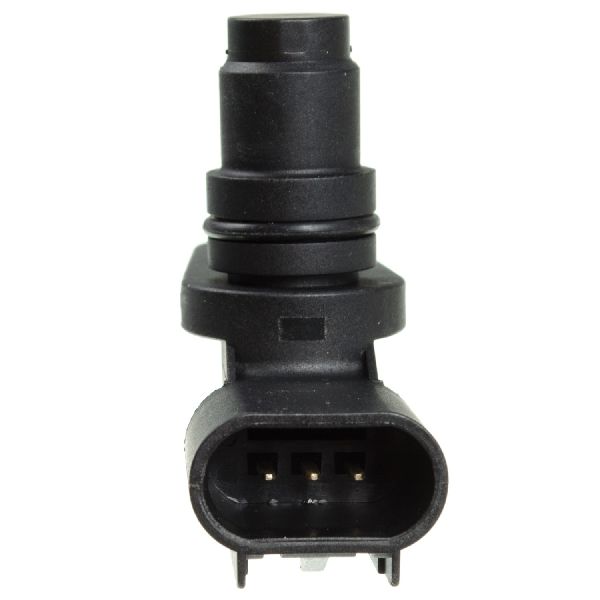
- Exhaust Camshaft Position Actuator Solenoid
(OEM #12655421 (May be superseded by 12679100))— This is the most frequent failure item for code P0014 on this vehicle. It gets clogged with oil debris and fails to control camshaft timing correctly. The intake solenoid is part number 12655420.
Trusted brands: ACDelco (OEM), Delphi, Dorman
OEM price range: $40-$60
Aftermarket price range: $20-$40
Related Codes That Often Appear With This One
- P0013 — This code indicates an electrical circuit fault (open, short) with the same exhaust camshaft actuator solenoid. Seeing P0013 and P0014 together strongly points to a bad solenoid or its wiring connector.
- P0011 — This is the equivalent 'over-advanced' code for the intake camshaft. If you see both, it could indicate a widespread oiling problem (low/dirty oil), or a timing chain issue affecting both cams. It can also appear if you swap a bad exhaust solenoid to the intake side for diagnosis.
- P0016 / P0017 — These are crank-to-cam correlation codes. If P0014 appears with these, it significantly increases the likelihood of a stretched timing chain or a jumped tooth on the timing gear being the root cause.
Technical Service Bulletins (TSBs) & Recalls
- PIP4716F: Mentions a rattle noise at startup that can be associated with code P0014, pointing to issues with the VVT system or engine belt.
Platform-Specific Known Issues
- TSB #PIP4716F: This Technical Service Bulletin addresses a short, sharp rattle from the front of the engine at startup, which may be accompanied by DTCs P0011, P0014, P0016, or P0017. This points to a known issue with the VVT system and timing components on these engines. The bulletin guides technicians to inspect related components, confirming the link between the noise and these codes.
Mechanic-Grade Diagnostic Values
- Camshaft Position Actuator Solenoid Resistance — expected: 8 to 13 Ohms. Failure: A reading outside this range, an open circuit (infinite resistance), or a reading that fluctuates when wiggling the connector indicates a faulty solenoid.
- Scan Tool: Desired vs. Actual Camshaft Angle — expected: The 'Actual' angle PID should closely follow the 'Desired' angle PID as engine RPM and load change.. Failure: If the ECM commands a change and the actual angle does not respond, it points to a stuck phaser, a clogged/failed solenoid, or a low oil pressure condition. The ECM may set the code when the difference exceeds 8-9 degrees for a set period.
Scan Tool Commands That Help
- GDS2 / Tech2: Camshaft Position Actuator Solenoid Control — This bidirectional control allows a technician to command the exhaust solenoid ON and OFF (or to a specific duty cycle) while monitoring the live data for 'Actual Camshaft Angle'. This directly tests the solenoid's ability to function and the phaser's mechanical response, helping to isolate a failed solenoid from a wiring issue or a mechanically stuck phaser without removing parts.
Wiring & Ground Locations
- Exhaust Camshaft Position Actuator Solenoid Connector — On top of the engine, towards the firewall (rear of the engine). The connector is typically black.. This is the direct electrical connection for the component controlled by P0014. The two pins are for the control circuit from the ECM and a low reference (ground). A damaged connector or wiring here is a primary cause for P0013 and can contribute to P0014.
- G107 — On the upper front, right side of the engine, near the exhaust manifold.. This is a critical engine ground point. While not directly for the actuator solenoid, a poor connection here can introduce electrical noise and voltage issues that may affect the ECM and its sensor readings, potentially contributing to false or intermittent codes.
- Ground on Transmission — A ground stud located on the top of the transmission case, where several black ground wires connect.. This is a major ground point for the engine and chassis harness. Corrosion or broken wires at this location are a known issue on Cobalts and can cause a wide range of seemingly unrelated electrical problems, including communication errors with control modules.
Real Owner Repair Stories
- CobaltSS.net forum user (2009 Chevy Cobalt) — Check Engine Light with code P0014.
❌ Tried (didn't work) Initially ignoring the code while the GM Oil Life Monitor showed 60% life remaining.
✅ What actually fixed it The user realized their synthetic oil had been in the engine for 12 months, despite the oil life monitor. Performing an oil and filter change resolved the P0014 code.
OEM Part Supersession History
12655421→12679100— Standard part number update by the manufacturer.
Heads up: The new part number is a direct replacement for the original.12655420 (Intake Solenoid)→12679099— Standard part number update by the manufacturer.
Heads up: The new part number is a direct replacement for the original. The intake and exhaust solenoids are identical and can be swapped for diagnosis.
Model Year Variations Within This Range
- 2009-2010: For the 2009 model year, the 2.2L Ecotec engine was updated to the LAP version, which included Variable Valve Timing (VVT). Earlier 2.2L L61 engines (pre-2009) did not have VVT. The 2.4L LE5 engine had VVT for its entire production run. Therefore, this P0014 code is applicable to all 2.4L Cobalts and 2009-2010 2.2L Cobalts, but not earlier 2.2L models.
Helpful Videos

We Have This Part in Stock



The information in this article is provided for general reference and educational purposes only. Vehicle specifications, procedures, and part compatibility can vary by production date, trim level, and region. Always consult your vehicle's factory service manual and verify part numbers before purchasing or performing repairs. Safety-critical components such as airbags, seat belts, and braking systems should be installed by a qualified professional.
- Chevrolet COBALT:
- 🧭 Diagnostic Flowchart
- 🎬 Helpful Videos
- 🛍️ Shop This Part
- What's Unique About the 2009-2010 Chevrolet COBALT
- Symptoms You May Notice
- Most Likely Causes
- Rare But Worth Checking
- Diagnosis Steps
- Parts You'll Likely Need
- Related Codes That Often Appear With This One
- Technical Service Bulletins (TSBs) & Recalls
- Platform-Specific Known Issues
- Mechanic-Grade Diagnostic Values
- Scan Tool Commands That Help
- Wiring & Ground Locations
- Real Owner Repair Stories
- OEM Part Supersession History
- Model Year Variations Within This Range
- 🎟️ Get 5% Off