

P0014 on 2009-2010 Chevrolet HHR: Exhaust Camshaft Timing Causes and Fixes
On a 2009-2010 Chevy HHR, code P0014 almost always points to a faulty exhaust camshaft actuator solenoid, often caused by dirty oil. Replacing the solenoid is a simple, 30-minute DIY fix, and the part costs between $25 for aftermarket and $75 for an OEM ACDelco part. Using OEM parts is highly recommended by owners to avoid premature failure of the replacement part.
- P0014 on your HHR almost always means there's a problem with the exhaust camshaft actuator solenoid.
- Before buying any parts, check your engine oil. Low or dirty oil is a common cause and an easy fix.
- Replacing the exhaust solenoid is a simple, 30-minute DIY job that only requires basic tools.
- Always use a high-quality replacement part, preferably ACDelco (OEM), as aftermarket solenoids for this vehicle are known to be unreliable.
- If replacing the solenoid doesn't fix the code, especially if you also have codes P0016 or P0017, you may have a more serious stretched timing chain issue.
What's Unique About the 2009-2010 Chevrolet HHR
The Ecotec engines in the 2009-2010 HHR are well-known for having issues with the camshaft actuator solenoids. This is such a common failure that most owners and mechanics will immediately suspect a bad exhaust solenoid when P0014 appears. The VVT system is highly dependent on clean oil, and these solenoids have fine mesh screens that can easily get clogged by sludge or debris from infrequent oil changes, causing them to stick. While a stretched timing chain can also cause this code, the solenoids are a much more frequent and less expensive point of failure.
Diagnostic Flowchart
Tap your situation to follow the diagnostic path that matches what you're seeing on this vehicle.
Symptoms You May Notice
- Check Engine Light is on
- Rough or erratic idle
- Engine stalling
- Hard starting
- Reduced engine power and poor acceleration
- Worse fuel economy
- A rattling or ticking noise from the engine, especially at startup, as noted in TSB #PIP4716F.
- Harsh or violent transmission shifting.
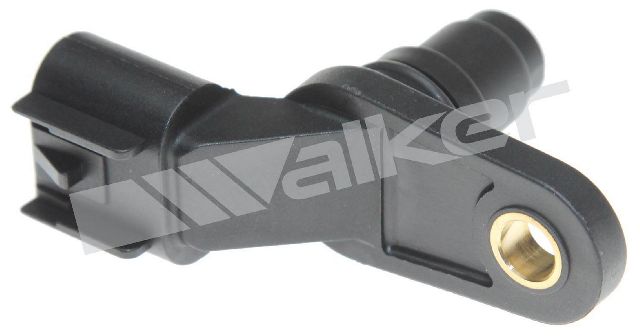
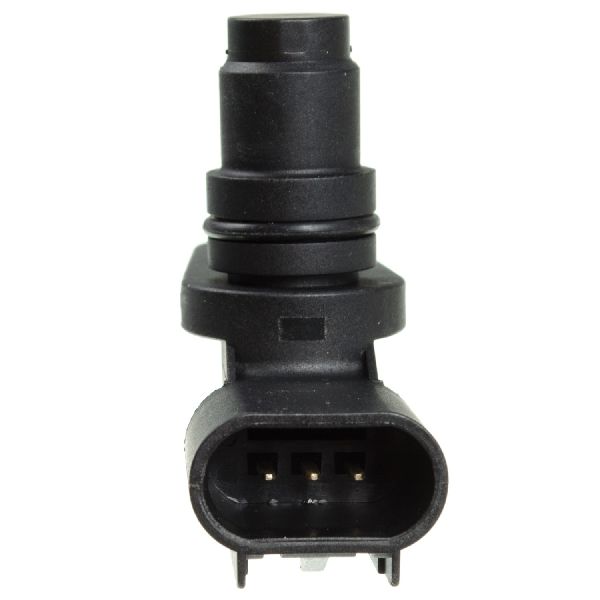
- Replacing the camshaft position *sensor* instead of the camshaft position actuator *solenoid*. The sensor reads the camshaft's position, while the solenoid controls its movement. For code P0014, the solenoid is the much more likely culprit. This is a very common mistake noted in forums.
Most Likely Causes
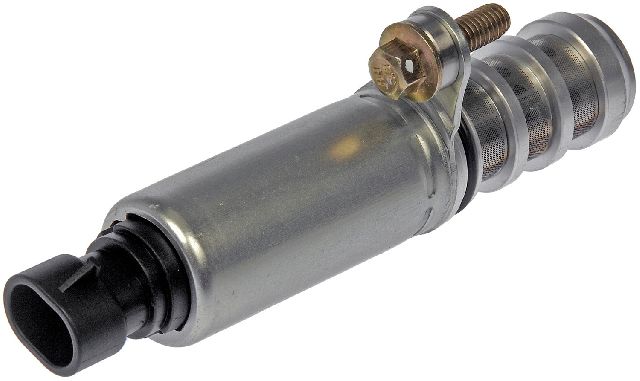
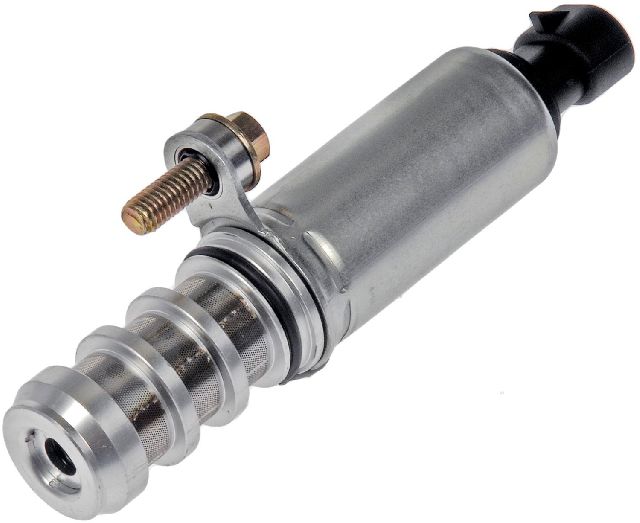
- Faulty Exhaust Camshaft Position Actuator Solenoid 🔴 High Probability → Shop Engine Camshaft This is a very common failure item on the 2.2L and 2.4L Ecotec engines due to clogging from oil debris or simple electronic failure. Forum users strongly recommend using genuine ACDelco parts, as aftermarket solenoids (like those from NAPA or Dorman) are frequently reported to be defective or fail quickly.
How to confirm: After checking oil, this is the next logical step. You can test the solenoid's resistance with a multimeter (should be 8-12 ohms). 🎬 Watch: How to test the solenoid's resistance with a multimeter. Swapping the intake and exhaust solenoids and seeing if the code changes to P0011 is another common diagnostic trick. A reading that is erratic or shows an open circuit (megaohms) indicates a failed solenoid.
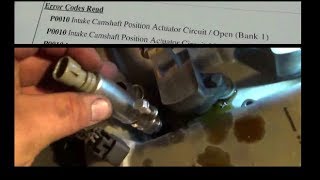
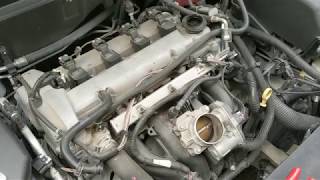
Typical fix: Replace the exhaust VVT solenoid. It is located on the top of the valve cover (the rear one, closer to the firewall, with a black connector) and held in by a single 10mm bolt. 🎬 See this step-by-step walkthrough for replacing the HHR solenoids. Many owners choose to replace both the intake and exhaust solenoids at the same time as a preventative measure.
Est. part cost: $25-$75 - Low, Old, or Dirty Engine Oil 🔴 High Probability The VVT system is hydraulic and requires the correct oil viscosity and pressure to function. Sludge and contaminants can easily clog the small passages and screens in the VVT solenoids, causing them to stick open or closed.
How to confirm: Check the oil level on the dipstick and inspect its condition. If it's low, dark, or sludgy, it needs to be changed. Owners on forums report that even if the oil life monitor says the oil is good, changing it can sometimes resolve the code.
Typical fix: Perform an engine oil and filter change using the manufacturer-recommended oil viscosity (typically 5W-30). Clear codes and see if P0014 returns.
Est. part cost: $40-$80 - Stretched Timing Chain or Failed Tensioner/Guide 🟡 Medium Probability → Shop Engine Timing Chain The timing chains on Ecotec engines can stretch over time, especially with high mileage (typically over 100k-125k miles). A cheap aftermarket timing chain kit may also fail prematurely.
How to confirm: This is a more involved diagnosis. A mechanic can remove the valve cover to inspect for chain slack. This issue often appears with other codes like P0016 or P0017, which are stronger indicators of a timing correlation problem. A rattling noise is also a strong symptom.
Typical fix: Replace the timing chain, tensioners, and guides. This is a significant repair that is often best left to a professional. 🎬 See how a mechanic replaces a stretched HHR timing chain. Cloyes is a well-regarded brand for timing kits.
Est. part cost: $150-$400 for a kit
Rare But Worth Checking
- Failed Camshaft Phaser: → Shop Engine Camshaft The phaser is the gear at the end of the camshaft that the solenoid controls. It can fail mechanically, but this is much less common than a solenoid failure.
- Damaged Wiring to VVT Solenoid: Check the connector and wiring harness for any signs of damage, corrosion, or rodent activity before replacing parts. A user on Reddit noted their P0014 issue was related to a previously repaired wiring harness.
Diagnosis Steps
- Check Engine Oil: Verify the oil level is correct and the oil is clean. If it's low or past its change interval, perform an oil and filter change first, clear the code, and see if it returns.
- Inspect Solenoid Wiring: Check the electrical connector and wiring going to the exhaust VVT solenoid for any damage or loose connections. The connector clip can be tricky to remove; some suggest using the nozzle from a can of WD-40 to help release it.
- Replace Exhaust VVT Solenoid: If the oil is good, the next step is to replace the exhaust camshaft actuator solenoid. This is the most common fix. It is located on the top of the engine under the plastic cover (the rear solenoid) and is held by one 10mm bolt.
- Consider Replacing Both Solenoids: Since the solenoids are inexpensive and easy to access, it is often recommended to replace both the intake and exhaust solenoids at the same time using OEM ACDelco parts.
- Inspect Timing System: If the code persists after replacing the solenoid(s) with quality parts, the timing chain must be inspected for stretching or damage. This is a more advanced step and may require a professional mechanic.
Parts You'll Likely Need
- Exhaust Camshaft Position Actuator Solenoid (VVT Solenoid)
(OEM #12679100)— This is the most common part to fail and cause code P0014 on the HHR's Ecotec engines. The current GM part number 12679100 supersedes older numbers like 12655421, 12628348, and 12578518.
Trusted brands: ACDelco (GM Genuine Parts), Delphi, NTK
OEM price range: $40-$75
Aftermarket price range: $25-$50 - Intake Camshaft Position Actuator Solenoid (VVT Solenoid)
(OEM #12679099)— Often replaced as a pair with the exhaust solenoid for preventative maintenance, as it is subjected to the same conditions and is of the same age. The current GM part number 12679099 supersedes older numbers like 12655420.
Trusted brands: ACDelco (GM Genuine Parts), Delphi, NTK
OEM price range: $40-$75
Aftermarket price range: $25-$50
Related Codes That Often Appear With This One
- P0013 — This code indicates an electrical circuit problem (open, short, high resistance) with the same exhaust camshaft actuator solenoid. Seeing them together strongly points to a failed solenoid or its connector.
- P0011 — This is the equivalent code for the intake ('A') camshaft. If both P0011 and P0014 are present, it could indicate a systemic issue like low/dirty oil or that both solenoids are failing.
- P0016 / P0017 — These codes indicate a correlation problem between the crankshaft and camshaft positions. When seen with P0014, it is a strong indicator of a stretched timing chain that has likely jumped a tooth. If you see these codes, stop driving the vehicle to prevent engine damage.
Technical Service Bulletins (TSBs) & Recalls
- PIP4716F: Mentions that a short, sharp rattle from the front of the engine at startup can be accompanied by DTC P0014 (along with P0011, P0016, or P0017).
Platform-Specific Known Issues
- The camshaft position actuator solenoids are a known weak point on these Ecotec engines, with failures being widely documented by owners on forums like ChevyHHR.net.
- Using aftermarket solenoids can be a gamble; some owners report they fail quickly or are defective out of the box. A user on ChevyHHR.net reported replacing faulty NAPA solenoids with ACDelco parts to finally resolve the code. Using OEM ACDelco parts is highly recommended for a lasting repair.
- TSB #PIP4716F notes that P0014 can be associated with a rattle noise at startup, which can point towards timing chain or VVT system issues.
- A common point of confusion is the difference between the Camshaft Position *Sensor* and the Camshaft Position Actuator *Solenoid*. For P0014, the solenoid is the part that needs to be replaced, not the sensor.
Mechanic-Grade Diagnostic Values
- VVT Actuator Solenoid Resistance — expected: 8 to 12 Ohms. Failure: A reading outside this range, or a reading that is erratic and jumps around when wiggling the connector, indicates a faulty solenoid. An open circuit (reading in megaohms) is a definitive failure.
- VVT Actuator Solenoid Voltage (KOEO) — expected: Battery voltage on the power supply pin of the connector with the key on, engine off.. Failure: No voltage indicates a problem with the wiring or the main engine relay providing power.
Scan Tool Commands That Help
- Tech2 / GDS2 or equivalent professional scan tool: VVT Solenoid Actuator Test / Camshaft Position Actuator Control — This bidirectional command allows a technician to manually command the solenoid on and off while the engine is running. If the solenoid is functional, activating it should cause the engine to hesitate or stall. If there is no change in engine operation, it confirms a problem with the solenoid, its oil passages, or the phaser itself.
Wiring & Ground Locations
- G107 — On the front left corner of the transmission.. This is a primary ground for the Engine Control Module (ECM). A poor connection here can cause erratic behavior and various engine codes, including those related to sensor and actuator performance.
- G105 — On the left front of the engine block.. This ground point is also critical for the ECM and other engine components. Ensuring it is clean and tight is a fundamental step in diagnosing any electronic engine issue.
- Solenoid Connector — On top of the valve cover. The exhaust solenoid has a black connector and is located toward the firewall. The intake solenoid has a gray connector and is located toward the front.. The wiring and connector itself can be a point of failure. Check for damaged wires, corrosion in the pins, or a loose connection before replacing the solenoid. The plastic locking tabs can become brittle and break.
Real Owner Repair Stories
- Chevy HHR Network user 'CDawg' (2011 HHR, 125,000 miles) — P0014 code returned 6 months after initial replacement.
❌ Tried (didn't work) Replacing both VVT solenoids with parts from NAPA., Performing an oil change.
✅ What actually fixed it The shop confirmed the timing chain was not stretched. The problem was resolved by replacing the aftermarket NAPA solenoids with genuine AC/Delco solenoids. The NAPA parts were concluded to be defective or failed prematurely. - Chevy HHR Network user 'Agpullen' (2011 HHR 2LT 2.4L) — P0014 code, no initial driveability issues.
❌ Tried (didn't work) Replaced both intake and exhaust solenoids with aftermarket parts, which then caused a new, loud ticking/clicking noise that increased with throttle.
✅ What actually fixed it The user was advised by forum members that the aftermarket solenoids were likely faulty out of the box and that the new noise combined with the code could point to a more serious timing chain issue. The final resolution was not posted, but the immediate negative result after installing aftermarket parts serves as a cautionary tale.
OEM Part Supersession History
12655421, 12628348, 12578518→12679100— Part has been updated by GM over the years to improve reliability.
Heads up: These are all for the exhaust ('B') camshaft solenoid. While older numbers may still be found, using the latest part number (12679100) is recommended.12655420, 12628347, 12578517→12679099— Part has been updated by GM over the years to improve reliability.
Heads up: These are all for the intake ('A') camshaft solenoid. Often replaced as a pair with the exhaust solenoid.
Model Year Variations Within This Range
- 2009-2011: Starting in the 2009 model year, the 2.2L Ecotec engine (LAP) was updated to include Variable Valve Timing (VVT), which was previously only on the 2.4L engine. This means 2009 and later 2.2L HHRs are susceptible to VVT-related codes like P0014, whereas 2006-2008 2.2L models (L61) are not.
Helpful Videos

We Have This Part in Stock



The information in this article is provided for general reference and educational purposes only. Vehicle specifications, procedures, and part compatibility can vary by production date, trim level, and region. Always consult your vehicle's factory service manual and verify part numbers before purchasing or performing repairs. Safety-critical components such as airbags, seat belts, and braking systems should be installed by a qualified professional.
- Chevrolet HHR:
- 🧭 Diagnostic Flowchart
- 🎬 Helpful Videos
- 🛍️ Shop This Part
- What's Unique About the 2009-2010 Chevrolet HHR
- Symptoms You May Notice
- Most Likely Causes
- Rare But Worth Checking
- Diagnosis Steps
- Parts You'll Likely Need
- Related Codes That Often Appear With This One
- Technical Service Bulletins (TSBs) & Recalls
- Platform-Specific Known Issues
- Mechanic-Grade Diagnostic Values
- Scan Tool Commands That Help
- Wiring & Ground Locations
- Real Owner Repair Stories
- OEM Part Supersession History
- Model Year Variations Within This Range
- 🎟️ Get 5% Off