

P0014 on 2012-2015 Chevrolet Impala: Causes and Fixes for Exhaust Camshaft Timing
On 2012-2015 Impalas, especially with the 3.6L V6, P0014 is most often caused by a faulty exhaust camshaft position actuator solenoid on Bank 1. This is often due to dirty oil or simple failure. Replacing the solenoid is a common, affordable DIY fix that resolves the issue in the majority of cases.
- P0014 on a 2012-2015 Impala almost always points to an issue with the Bank 1 exhaust camshaft actuator solenoid, especially on the 3.6L V6.
- Before buying any parts, check your engine oil level and quality. Low or dirty oil is a common cause for this code.
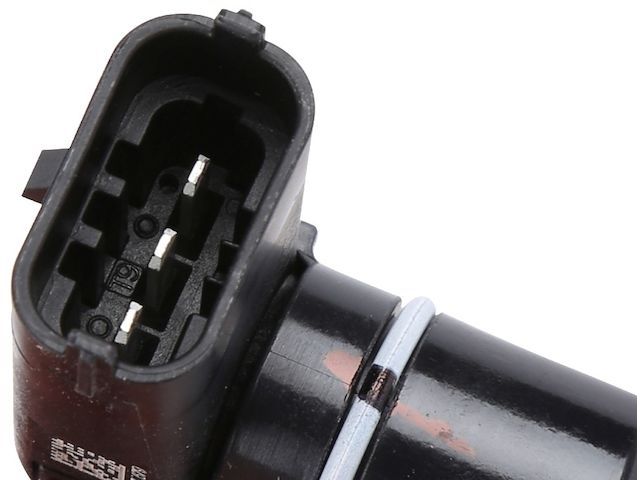
- The most likely required part is the exhaust camshaft actuator solenoid (GM Part #12655421). It's an affordable and accessible part for DIY replacement.
- Do not confuse the actuator solenoid with the camshaft position sensor; they are different parts, and the solenoid is the much more common failure.
- If you own a 2014 model with the 3.6L engine, check with a GM dealer to see if your vehicle falls under the Special Coverage #16115 for this issue.
What's Unique About the 2012-2015 Chevrolet IMPALA

The 2012-2015 Impala spans two generations, but the 3.6L LFX V6 engine, common in both, is particularly noted for this issue. GM issued several Technical Service Bulletins (TSBs) acknowledging problems with camshaft actuator solenoids and even provided special warranty coverage for sticking actuators on some 2014 models. This indicates a known pattern of failure with the VVT system components on this specific powertrain, making a faulty solenoid a higher-than-average probability compared to other potential causes like timing chain or phaser issues.
Diagnostic Flowchart

Tap your situation to follow the diagnostic path that matches what you're seeing on this vehicle.
Generation note: The 2012-2013 models are part of the ninth generation, which continued as the 'Impala Limited' from 2014-2016. These models primarily used the 3.6L LFX V6 engine. The tenth generation began in 2014 and offered the 3.6L LFX V6 alongside a 2.5L LCV I4 engine. 🎬 Watch: How to fix P0014 on the 2.5L Impala engine. This guide applies to all engines, but the 3.6L V6 is most commonly associated with code P0014.
Symptoms You May Notice
- Check Engine Light is on
- Rough engine idle
- Engine stalling or hard starting
- Reduced engine power and poor acceleration
- Decreased fuel economy
- Rattling or knocking noises from the engine
- Replacing the camshaft position *sensor* instead of the camshaft position actuator *solenoid*. The sensor reads the position, but the solenoid controls the oil flow that moves the phaser. The TSBs and overwhelming community experience point to the solenoid as the primary culprit.
Most Likely Causes


- Low or Dirty Engine Oil 🔴 High Probability The VVT system is hydraulically operated by engine oil. If the oil is low, dirty, or the wrong viscosity (GM recommends Dexos-approved 5W-30), it cannot properly pressurize the system to adjust cam timing. Several owners have reported the code appearing when oil life is low or an oil change is due.
How to confirm: Check the engine oil dipstick for level and inspect the oil's condition. If it is dark, gritty, or below the 'add' line, this is a likely contributor.
Typical fix: Perform an oil and filter change using the manufacturer-specified oil. In some cases, this alone can resolve the code.
Est. part cost: $30-$80 - Faulty Exhaust Camshaft Position Actuator Solenoid (Bank 1) 🔴 High Probability → Shop Engine Camshaft This is the most common failure part for this code on GM vehicles. TSBs #PIP5167, #PIP5162, and Special Coverage #16115 directly reference issues with these solenoids getting clogged with debris or sticking. The solenoids control oil flow to the phasers and are a frequent point of failure.
How to confirm: Inspect the solenoid's screens for debris. You can also test its resistance (should be 8-12 ohms). A definitive test is to swap it with the intake solenoid (if identical) or the corresponding exhaust solenoid from Bank 2. Clear the codes and run the engine. If the code changes to P0011 (Bank 1 Intake) or P0024 (Bank 2 Exhaust), the solenoid is confirmed bad.
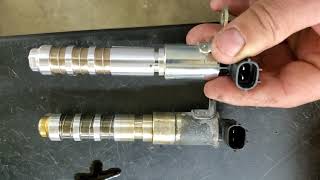
Typical fix: Remove, clean, and inspect the solenoid. If debris is present, cleaning may be a temporary fix. Replacement is the most reliable solution and is a 15-30 minute job for a DIYer. 🎬 Watch: Step-by-step guide to replacing the variable timing solenoid.
Est. part cost: $25-$60 - Sticking Camshaft Phaser / Actuator 🟡 Medium Probability → Shop Engine Camshaft TSB #GCUS-9-3286 specifically mentions a sticking exhaust camshaft position actuator as a cause for P0014 on these vehicles. The phaser is a mechanical gear that can get stuck if oil passages are blocked or if it fails internally.
How to confirm: This is a more advanced diagnosis. If a new solenoid and clean oil do not resolve the code, the phaser itself is the next likely mechanical fault. This requires a more in-depth teardown to inspect.
Typical fix: Replacement of the camshaft phaser, which is a more involved repair requiring removal of the valve cover and potentially the timing cover.
Est. part cost: $50-$150 - Stretched Timing Chain ⚪ Low Probability → Shop Engine Timing Chain While the 3.6L LFX engine had improvements over its predecessor (the LLT), timing chains can still stretch at higher mileage (typically over 100,000 miles), causing timing correlation codes. This is usually a last resort after other components are checked.
How to confirm: Requires checking timing marks, which is a labor-intensive process. Often, a stretched chain will also set codes like P0008 and P0009 before P0014 appears alone.
Typical fix: Replacement of the timing chains, guides, and tensioners.
Est. part cost: $200-$500
Rare But Worth Checking
- Wiring Harness Damage: Check the wiring and connector to the solenoid for any signs of damage, oil contamination, or loose pins before replacing parts. A wiggle test on the harness while checking resistance can sometimes reveal an intermittent open or short.
- Faulty ECM: This is extremely rare. The Powertrain Control Module should only be considered as the cause after all other mechanical and electrical possibilities have been exhausted.
Diagnosis Steps
- Verify engine oil level and condition. If low or dirty, perform an oil change with 5W-30 full synthetic oil meeting Dexos1 specifications and clear the code to see if it returns.
- Scan for any other trouble codes. Codes seen with P0014 can help pinpoint the root cause.
- Locate the Bank 1 exhaust camshaft actuator solenoid. On the 3.6L V6, Bank 1 is the cylinder head against the firewall. The exhaust solenoid is the lower of the two solenoids on that bank.
- Inspect the wiring and connector for damage or oil saturation.
- Remove the 10mm bolt holding the solenoid. Carefully pull and twist the solenoid to remove it. Be prepared for minor oil spillage; have a rag ready.
- Inspect the screens on the solenoid for metallic debris or sludge. TSBs #PIP5167 and #PIP5162 specifically call out this inspection.
- If the screen is dirty, you can try cleaning it with brake cleaner, but replacement is highly recommended for a permanent fix.
- To confirm a faulty solenoid, you can swap it with the Bank 1 intake (upper) solenoid. Clear the codes and run the engine. If the code changes to P0011 (Intake Cam Performance), the solenoid is bad.
- When installing the new solenoid, apply a light coat of clean engine oil to the O-rings. Torque the retaining bolt to 89 lb-in (about 7.4 lb-ft).
- If the code P0014 returns after a new solenoid and oil change, the problem lies deeper within the engine, likely with the camshaft phaser or timing chain, and may require professional diagnosis.
Parts You'll Likely Need
- Exhaust Camshaft Position Actuator Solenoid
(OEM #12655421 (Superseded by 12679100, 12687953))— This is the most frequent point of failure for code P0014 on this vehicle, as confirmed by multiple TSBs and extensive owner reports. The original part is known to fail, and GM has released updated versions.
Trusted brands: ACDelco (OEM), Delphi, Dorman
OEM price range: $40-$70
Aftermarket price range: $25-$50
Related Codes That Often Appear With This One
- P0011 — Intake Camshaft Position Timing for Bank 1. Often appears if there's a systemic oil pressure/quality issue affecting both solenoids on Bank 1, or if the solenoids are swapped for diagnosis.
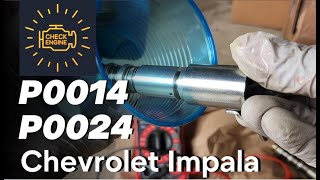
- P0024 — Exhaust Camshaft Position Timing for Bank 2. TSB #GCUS-9-3286 lists P0014 and P0024 together, indicating a common failure pattern that can affect both exhaust actuators. 🎬 See how to diagnose P0014 and P0024 exhaust cam codes.
- P0300 — Random/Multiple Misfire Detected. TSB #PIP5167 notes that P0014 can be accompanied by P0300 because incorrect cam timing can disrupt combustion and cause misfires.
Technical Service Bulletins (TSBs) & Recalls
- PIP5096C: Mentions codes P0011, P0014, P0021, P0024 and advises inspecting the engine EUN sticker and potentially replacing the OCV/Cam Actuator Solenoid Valve.
- GCUS-9-3286 (Special Coverage 16115): Addresses P0014/P0024 caused by a sticking exhaust camshaft position actuator.
- PIP5167: Links DTC P0300 (misfire) with P0011/P0014 and directs technicians to inspect camshaft solenoid screens for debris.
- PIP5162: Addresses MIL with P0011/P0014 and instructs technicians to remove and clean debris from camshaft solenoid screens.
Platform-Specific Known Issues
- Special Coverage #16115 was issued for some 2014 Impalas with the 3.6L LFX engine, extending the warranty for a sticking exhaust camshaft position actuator solenoid valve to 10 years or 120,000 miles.
- TSB #PIP5096C suggests that on vehicles with codes P0011, P0014, P0021, or P0024 and no other drivability issues, technicians should inspect the Engine Unique Number (EUN) sticker. If an 'A' is NOT present, replacing the solenoid with an updated part from a different supplier is the recommended fix.
Mechanic-Grade Diagnostic Values
- Camshaft Position Actuator (VVT) Solenoid Resistance — expected: 8 to 12 Ohms. Failure: A reading outside this range, such as 7.6 Ohms or 15 Ohms, indicates a faulty solenoid. An open circuit (infinite resistance) or a direct short (zero resistance) also confirms failure.
- Scan Tool: Desired vs. Actual Camshaft Position Angle — expected: The 'Actual' value should closely follow the 'Desired' value, typically within +/- 1-2 degrees during operation.. Failure: A significant, persistent deviation between the desired and actual angles (e.g., more than 10 degrees) indicates a system performance issue. A lagging response from the actual angle when the desired angle changes points to a sticking actuator or oil flow problem.
Scan Tool Commands That Help
- GDS2 (GM Dealer Scan Tool) or equivalent professional scanner: Camshaft Position Actuator Solenoid Test / Actuator Test — This bidirectional control allows the technician to command the solenoid to activate while the engine is running. If the engine hesitates or stalls when the Bank 1 exhaust solenoid is commanded, it confirms the solenoid and phaser are mechanically responding to the command, suggesting the issue may be intermittent or related to the sensor/wiring. If there is no change in engine operation, the solenoid is likely faulty or oil flow is blocked.
- N/A - Manual Procedure: VVT Adaptive Values Relearn Drive Cycle — After replacing a VVT solenoid, phaser, or disconnecting the battery, the ECM's learned values are reset. Performing a specific drive cycle helps the ECM relearn the VVT system's operational parameters more quickly. This typically involves idling, steady-state cruising (45-60 mph), and a series of moderate accelerations and decelerations.
Wiring & Ground Locations
- G103 — On the front of the passenger side (Bank 1) cylinder head on the 3.6L LFX engine.. This is a primary engine ground. A loose or corroded connection at G103 can cause erratic signals for all sensors on Bank 1, including the camshaft position sensor and actuator solenoid, leading to false or intermittent codes.
- Camshaft Position Actuator Solenoid Connector — Plugs directly into the top of the VVT solenoid on the cylinder head. It is a 2-pin connector.. The connector or its wiring can become damaged or contaminated with oil. One wire provides 12V power with the ignition on, and the other is the control wire that the ECM uses to pulse the ground. A poor connection here will cause codes P0013 (circuit fault) and P0014 (performance fault).
Real Owner Repair Stories
- Reddit user in r/Impala (2012 Impala LTZ with 180,000 miles) — Persistent P0014 Check Engine Light after having transmission rebuilt.
❌ Tried (didn't work) Replacing all camshaft sensors prior to the transmission work.
✅ What actually fixed it The user was diagnosed by a second mechanic as having a stretched timing chain. Due to the high cost of repair ($4,000 quote), the user was advised it might not be worth fixing on a high-mileage vehicle. This highlights that at high mileage, P0014 can be a mechanical timing chain issue rather than a simple solenoid failure. - YouTube channel 'Little About A Lot' (2014 Chevy Impala 2.5L with 96,155 miles) — Check Engine Light with codes P0013 and P0014.
❌ Tried (didn't work) Directly proceeded to the fix.
✅ What actually fixed it The owner replaced both the intake and exhaust VVT solenoids. After replacement, the codes were cleared and did not return after a test drive, indicating the solenoids were the cause.
OEM Part Supersession History
12655421→12679100— GM often supersedes parts to improve reliability, change suppliers, or consolidate part numbers. TSB PIP5096C specifically mentions that the replacement 'service' valve is from a different supplier to make up for clearance differences that can cause these codes.
Heads up: The new part number is a direct replacement for the old one. It is critical to use the updated part, especially if the vehicle's EUN sticker diagnosis from TSB PIP5096C applies.
Model Year Variations Within This Range
- 2012-2015: Per TSB #PIP5096C, engines may have been built with cam actuators from different suppliers. If codes P0011/P0014/P0021/P0024 are present with no other symptoms, the technician must check the Engine Unique Number (EUN) sticker on the cylinder head. If the sticker does NOT have an 'A' before the sequence number, the fix is to replace the solenoid with an updated service part from a different supplier. The TSB explicitly states NOT to swap solenoids from other locations on the engine for diagnosis in this specific case.
Helpful Videos

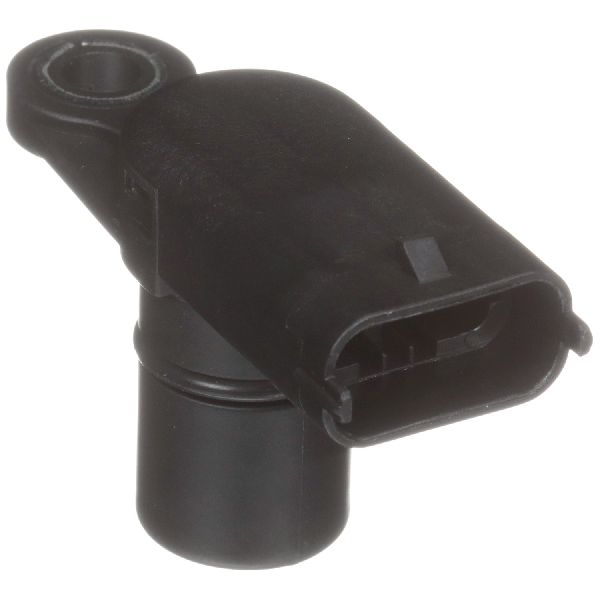
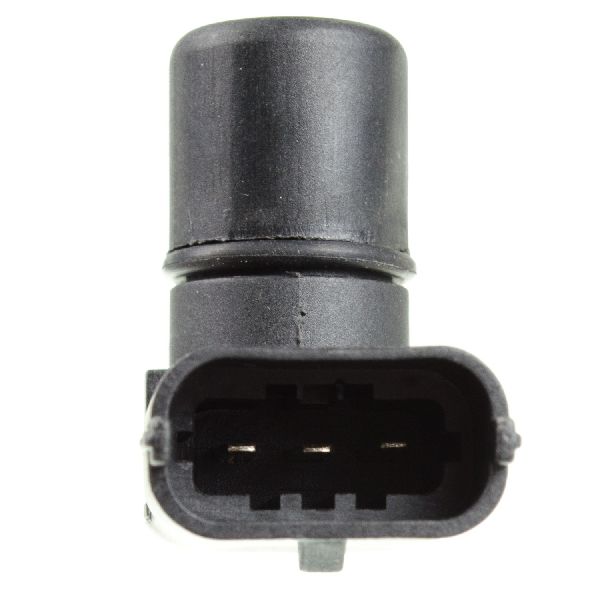
We Have This Part in Stock


The information in this article is provided for general reference and educational purposes only. Vehicle specifications, procedures, and part compatibility can vary by production date, trim level, and region. Always consult your vehicle's factory service manual and verify part numbers before purchasing or performing repairs. Safety-critical components such as airbags, seat belts, and braking systems should be installed by a qualified professional.
- Chevrolet IMPALA:
- 🧭 Diagnostic Flowchart
- 🎬 Helpful Videos
- 🛍️ Shop This Part
- What's Unique About the 2012-2015 Chevrolet IMPALA
- Symptoms You May Notice
- Most Likely Causes
- Rare But Worth Checking
- Diagnosis Steps
- Parts You'll Likely Need
- Related Codes That Often Appear With This One
- Technical Service Bulletins (TSBs) & Recalls
- Platform-Specific Known Issues
- Mechanic-Grade Diagnostic Values
- Scan Tool Commands That Help
- Wiring & Ground Locations
- Real Owner Repair Stories
- OEM Part Supersession History
- Model Year Variations Within This Range
- 🎟️ Get 5% Off