

P0014 on 2009-2010 Dodge Journey 2.4L: Exhaust Cam Timing Over-Advanced Causes and Fixes
On a 2009-2010 Dodge Journey with the 2.4L engine, code P0014 is most often caused by low or dirty engine oil, or a failing exhaust VVT solenoid. Start by checking your oil; if it's clean and full, the next likely fix is replacing the exhaust VVT solenoid, which costs about $30-$80 for an aftermarket part and is a straightforward DIY repair. An oil level that is too low to register on the dipstick has been reported by owners as a direct cause.
- First, check your oil. P0014 on the 2.4L Journey is very often caused by low, old, or incorrect viscosity oil.
- The second most likely culprit is a faulty exhaust VVT solenoid, located on the rear side of the engine.
- Replacing the exhaust VVT solenoid is a simple, 15-minute job with a single 10mm bolt, making it an easy DIY fix.
- Do not immediately assume a major engine problem. The issue is almost always related to oil or the solenoid, not the timing chain itself.
- Ignoring the code can lead to poor performance, bad fuel economy, and stalling.
What's Unique About the 2009-2010 Dodge Journey
The 2.4L 'World Engine' used in the Dodge Journey is equipped with Dual Variable Valve Timing (DVVT), using oil pressure to adjust both the intake and exhaust camshafts independently. This system is known to be sensitive to oil quality and level. For the P0014 code, the issue is almost always related to the oil-actuated components on the exhaust side, making oil changes and VVT solenoid health particularly critical on this specific platform. This same engine and VVT system are shared with the Jeep Compass/Patriot and Dodge Avenger/Caliber, which all exhibit the same sensitivity and failure patterns for this code.
Symptoms You May Notice
- Check Engine Light is on.
- Rough or unstable idle.
- Engine stalling, especially at low speeds.
- Reduced engine power and sluggish acceleration.
- Noticeably worse fuel economy.
- Rattling or ticking noise from the engine, especially on startup.
- Hard starting.
- Replacing the camshaft position sensor when the actual problem is the VVT solenoid or an oil-related issue. The sensor reports the problem; it doesn't usually cause the timing to be over-advanced.
- Replacing the cam phaser (an expensive, labor-intensive job) before thoroughly diagnosing the much more common and cheaper oil and VVT solenoid issues.
Most Likely Causes
- Low, Dirty, or Incorrect Viscosity Engine Oil 🔴 High Probability The VVT system relies on clean oil at the correct pressure to function. Sludge or low oil levels can clog the small passages in the VVT solenoids and cam phasers, preventing proper operation. Owners have reported this code appearing when the oil level was so low it did not register on the dipstick.
How to confirm: Check the engine oil dipstick. The oil should be at the full mark and appear clean (not black and sludgy). Verify you are using the manufacturer-recommended oil viscosity (5W-20 for this engine).
Typical fix: Change the engine oil and filter using a quality oil of the correct viscosity. This is the first and most critical step. 🎬 See this video for the cheapest ways to fix P0014 codes.
Est. part cost: $30-$70 - Failing Exhaust VVT Solenoid (Oil Control Valve) 🔴 High Probability This solenoid is an electromechanical valve that directs oil flow to the cam phaser. It can get clogged with debris from dirty oil or fail electrically, causing it to stick in one position.
How to confirm: Remove the solenoid (on the exhaust side, near the firewall). You can try cleaning it with brake cleaner and testing it by applying 12V power to see if the internal plunger clicks. A multimeter can also be used to check for proper resistance, which should be between 6.9-7.9 ohms.
Typical fix: Replace the exhaust camshaft VVT solenoid. This is often the definitive fix if an oil change doesn't resolve the code.
Est. part cost: $30-$80 - Faulty Exhaust Camshaft Position Sensor ⚪ Low Probability → Shop Engine Camshaft Position Sensor The sensor that reads the camshaft's position can fail, sending incorrect data to the ECM. While possible, it's less common for this code than the solenoid or oil issues.
How to confirm: Diagnosis can be tricky without an oscilloscope. Swapping the exhaust sensor with the intake sensor (if they are identical parts) is a common DIY diagnostic trick; if the code changes to P0011 (intake side), the sensor is bad.
Typical fix: Replace the exhaust camshaft position sensor.
Est. part cost: $25-$60 - Improperly Installed or Clogged Oil Filter ⚪ Low Probability → Shop Engine Oil Filter Adapter An oil filter that is not seated correctly, is the wrong type, or is excessively clogged can restrict oil flow or cause a loss of oil pressure to the top of the engine, starving the VVT system.
How to confirm: This is often discovered after a recent oil change. Check for oil leaks around the filter housing. If the code appeared immediately after service, inspect the filter and its installation.
Typical fix: Replace the oil filter with a quality, correct part, ensuring it is installed properly. Top off engine oil to the correct level.
Est. part cost: $10-$20
Rare But Worth Checking
- Stretched Timing Chain or Failed Cam Phaser: → Shop Engine Timing Chain If the engine has high mileage or a poor maintenance history, the timing chain can stretch, or the cam phaser (the gear at the end of the camshaft) can fail mechanically. This is a much more serious and expensive repair. A rattling noise on startup is a key symptom.
- Clogged Oil Passages: In severe cases of engine sludge, the oil passages within the cylinder head or engine block can become restricted, starving the VVT system of oil pressure. This usually requires extensive engine cleaning or repair.
- PCM or Wiring Issues: Rarely, the issue can be with the Powertrain Control Module (PCM) itself or damaged wiring/loose connections between the PCM and the VVT solenoid.
Diagnosis Steps
- Check Engine Oil: Verify the oil level is full and the oil is clean. If it's low, top it off, clear the code, and see if it returns. If it's old or dirty, perform a full oil and filter change with the correct 5W-20 viscosity oil. This is the most common fix.
- Inspect VVT Solenoid Wiring: Check the electrical connector and wiring going to the exhaust VVT solenoid for any visible damage, corrosion, or loose connections.
- Clean and Test the Solenoid: Remove the 10mm bolt holding the exhaust VVT solenoid. Carefully pull it out, clean it thoroughly with brake 🎬 Watch: How to clean your VVT solenoid to fix a rough idle. or mass air flow sensor cleaner, and reinstall.
- Test Solenoid (Optional): While the solenoid is out, you can apply 12V from the battery to its terminals. A healthy solenoid will make an audible 'click' as the internal plunger moves. You can also test its resistance with a multimeter; it should be between 6.9 and 7.9 ohms. 🎬 Watch: A mechanic's guide to testing and fixing the P0014 code.
- Replace the VVT Solenoid: If the code persists after an oil change and cleaning the solenoid, the solenoid itself has likely failed internally and needs to be replaced. This is the second most common fix.
- Test/Replace Camshaft Position Sensor: If a new solenoid does not fix the issue, consider testing or replacing the exhaust camshaft position sensor.
- Seek Professional Diagnosis: If all the above steps fail, the problem is likely mechanical (timing chain, phaser). This requires a professional mechanic for diagnosis and repair.
Parts You'll Likely Need
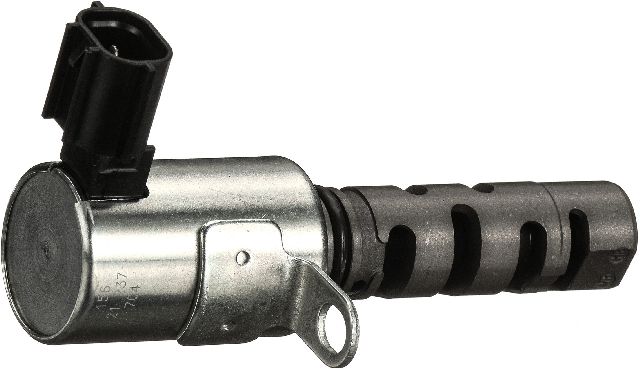
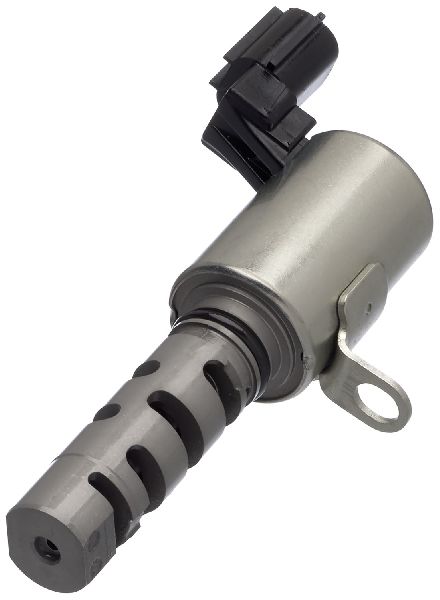
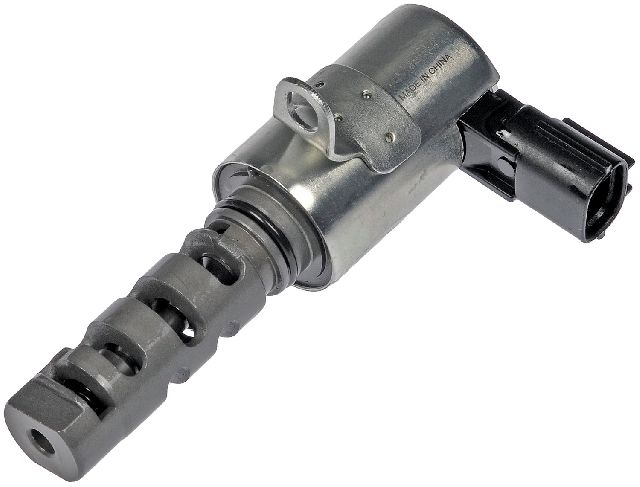
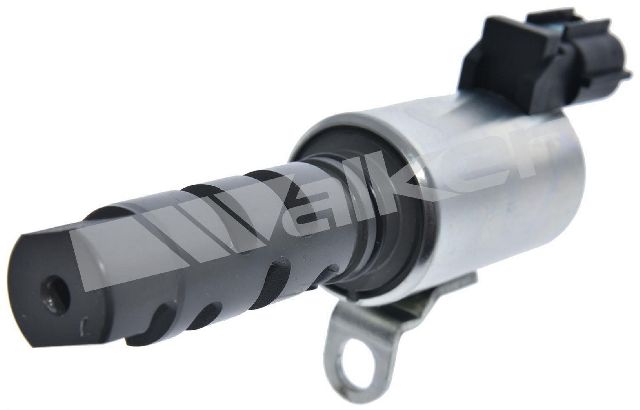
- Exhaust Variable Valve Timing (VVT) Solenoid
(OEM #04884483AC)— This is the most common part to fail and directly causes the P0014 code when it gets stuck or clogged.
Trusted brands: Dorman (917-290), Mopar, SKP, Walker Products
OEM price range: $60-$100
Aftermarket price range: $30-$80 - Engine Oil and Filter — Low or dirty oil is a primary cause of all VVT-related fault codes. An oil change is the first and most important troubleshooting step.
Trusted brands: Pennzoil, Mobil 1, Valvoline
OEM price range: $50-$90
Aftermarket price range: $30-$70
Related Codes That Often Appear With This One
- P0013 — P0013 indicates an electrical circuit fault with the same exhaust VVT solenoid. If you see both, it strongly points to a bad solenoid or a wiring issue.
- P0011 — This is the equivalent code for the intake camshaft ('A' Camshaft). Seeing both P0011 and P0014 together could indicate a systemic problem like severe oil sludge or a failing timing chain affecting both cams.
Mechanic-Grade Diagnostic Values
- Exhaust VVT Solenoid (Oil Control Valve) Internal Resistance — expected: 6.9 - 7.9 Ohms at 68°F (20°C). Failure: A reading outside this range, or an open circuit (infinite resistance), indicates a failed solenoid coil.
- VVT Solenoid Power Supply Voltage — expected: Battery voltage (approx. 12V) with key on, engine off.. Failure: No voltage indicates a problem with the power feed from the TIPM/fuse box or the ASD relay.
- VVT Solenoid Control Signal — expected: Pulse Width Modulated (PWM) signal from the PCM when the engine is running (typically above idle). This requires an oscilloscope to view.. Failure: A flat line or no signal when commanded indicates a wiring or PCM driver issue.
Scan Tool Commands That Help
- Witech (OEM Chrysler/Dodge/Jeep Tool) or equivalent high-end bidirectional scanner: VVT Solenoid Actuator Test or Oil Control Valve Cleaning — This command allows a technician to manually cycle the VVT solenoid with the engine running or off. It is used to verify if the solenoid is mechanically sticking or if it's responding to commands from the PCM. Listening for a click or observing changes in live cam angle data during the test confirms solenoid operation.
Wiring & Ground Locations
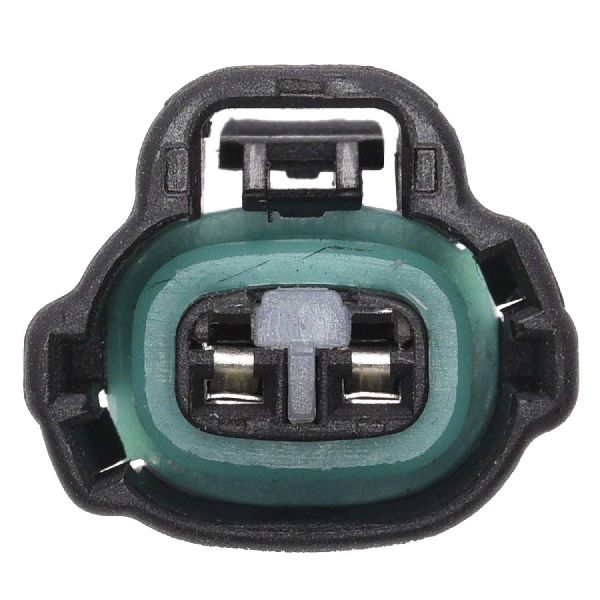
- Exhaust VVT Solenoid Connector — On the 2.4L engine, the exhaust VVT solenoid is located on the front of the engine (radiator side), on the right (passenger side) of the valve cover.. This is the primary connector to inspect for damage, corrosion, or oil contamination. Pin 1 (Dark Blue/Dark Green wire) is the control signal from PCM Connector C2, Pin 30. Pin 2 (Red/Yellow wire) is the power feed from the TIPM.
- Engine Ground Stud — The main battery negative cable connects to a ground stud on the driver's side strut tower. From this stud, a 4-gauge cable connects to the engine block.. A poor engine ground can cause a variety of electrical issues and erratic sensor readings. Ensuring this connection is clean and tight is a crucial step in diagnosing any electronic fault code.
Real Owner Repair Stories
- AliExpress Product Wiki/Review (2011 Dodge Journey 2.4L) — Check engine light with codes P0011 and P0014, misfires on cold starts, stumbling at idle.
❌ Tried (didn't work) Replacing spark plugs twice, Cleaning the throttle body
✅ What actually fixed it Replacing the VVT solenoid (specifically part number 4884483AC) resolved both codes permanently.
OEM Part Supersession History
04884483AA, 04884483AB→04884483AC— Part revision and improvement by the manufacturer.
Heads up: 04884483AC is the correct and current part for this application. Using older stock is not recommended. The intake solenoid is a different part (04884695AB) and they are not interchangeable.
Diagnostic Flowchart
Other Known Issues on This Vehicle
Issues unrelated to this code that are worth knowing about as an owner of this generation:
- Premature Brake and Rotor Wear 🔴 High — Very common on 2009-2012 models, sometimes requiring replacement as early as 30,000 miles. Owners report needing frequent brake jobs.
- Electronic Throttle Body Failure 🟠 Medium — A known failure point on the 2.4L engine, causing stalling, limp mode, and codes like P2110/P2111. Can occur at various mileages.
- Alternator Failure 🟠 Medium — Failures are commonly reported, leading to a dead battery, dimming/flickering lights, and stalling. The decoupler pulley can also fail, causing noise.
- Interior Water Leaks 🟡 Low — Often reported in early model years, with water entering the cabin through sunroof drains, A-pillars, or the firewall, leading to wet carpets.
- Electrical Faults (WIN Module / Wiring) 🟠 Medium — Problems with the Wireless Ignition Node (WIN) can cause no-start conditions. Broken wires in the door and liftgate harnesses are also common, causing various electrical failures.
Used vs. New Parts: Buying Guide for This Vehicle
When a used part is the smart pick: For this repair, buying a used VVT solenoid from a junkyard is NOT recommended. The cost of a new, quality aftermarket solenoid is very low (often $30-$50), and the part is a common failure item due to internal wear and sludge contamination. The risk of getting a bad used part and having to do the labor twice outweighs the minimal cost savings.
Donor-vehicle mileage cap: roughly under 80000 miles for the part to have meaningful remaining life.
What to inspect on the donor part:
- If considering a used part against advice, inspect the mesh screens for tears or heavy, caked-on sludge.
- Check the electrical connector for corrosion or damage.
- Ask for the donor vehicle's mileage; a low-mileage donor is always preferable.
OEM-only on this vehicle (don't cheap out):
- While not strictly OEM-only, using a Mopar VVT solenoid is the safest bet for guaranteed compatibility. If going aftermarket, stick to reputable brands.
Aftermarket brands forum-validated for this vehicle:
- Dorman (specifically part 917-290)
- SKP
- Walker Products
- NTK/NGK
Brands owners have reported issues with on this vehicle:
- Unnamed or 'white-box' brands from online marketplaces are a gamble, as they often have poor quality control for the internal valve and coil windings, leading to premature failure.
Real Owner Stories
Aggregated from forums and TSBs cited above. Mileages and costs reflect what owners reported in those sources.
2011 Dodge Journey 2.4L
Symptoms: Experienced P0011 and P0014 codes that persisted after other initial fixes failed.
What fixed it: Permanently resolved the issue by replacing the VVT solenoid (part number 4884483AC).
Source hint: AliExpress Product Wiki/Review
2009 Dodge Journey 2.4L
Symptoms: Reported a P000b code, which is a related cam position performance code, and investigated the VVT system.
What fixed it: Replaced the camshaft sensor.
Source hint: Dodge Journey Forum
2009-2010 Dodge Journey 2.4L (Representative)
Symptoms: Timing issues and codes started after discovering the engine oil was so low it didn't register on the dipstick.
What fixed it: Topping up the oil was the first step in the diagnosis to address oil sensitivity.
Source hint: Reddit (r/MechanicAdvice)
Related OBD-II Codes
Frequently Asked Questions
What is the recommended oil viscosity for my 2009 Dodge Journey 2.4L to prevent P0014?
Can a bad oil filter cause the P0014 code on my Journey?
I'm getting P0014; what are the specific resistance specs for the exhaust VVT solenoid?
Is there a DIY trick to confirm if the Camshaft Position Sensor is causing my P0014?
Where is the exhaust VVT solenoid located on the 2.4L engine?
What is the first thing I should check if my 2010 Journey 2.4L starts stalling and shows P0014?
Helpful Videos
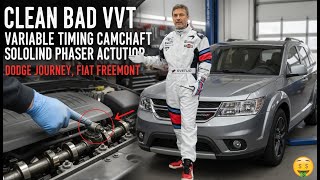
![How to Fix P0014 Engine Code in 4 Minutes [2 DIY Methods / Only $6.74]](https://img.youtube.com/vi/olrC8UYw9cQ/mqdefault.jpg)


We Have This Part in Stock


The information in this article is provided for general reference and educational purposes only. Vehicle specifications, procedures, and part compatibility can vary by production date, trim level, and region. Always consult your vehicle's factory service manual and verify part numbers before purchasing or performing repairs. Safety-critical components such as airbags, seat belts, and braking systems should be installed by a qualified professional.
- Dodge Journey:
- 🧭 Diagnostic Flowchart
- 🎬 Helpful Videos
- 🛍️ Shop This Part
- What's Unique About the 2009-2010 Dodge Journey
- Symptoms You May Notice
- Most Likely Causes
- Rare But Worth Checking
- Diagnosis Steps
- Parts You'll Likely Need
- Related Codes That Often Appear With This One
- Mechanic-Grade Diagnostic Values
- Scan Tool Commands That Help
- Wiring & Ground Locations
- Real Owner Repair Stories
- OEM Part Supersession History
- Other Known Issues on This Vehicle
- Used vs. New Parts: Buying Guide for This Vehicle
- Real Owner Stories
- 2011 Dodge Journey 2.4L
- 2009 Dodge Journey 2.4L
- 2009-2010 Dodge Journey 2.4L (Representative)
- Related OBD-II Codes
- Frequently Asked Questions
- 🎟️ Get 5% Off