

P0014 on 2018-2021 Ford EcoSport: Causes and Fixes for Exhaust Cam Timing
On a 2018-2021 Ford EcoSport, code P0014 is most often caused by low/dirty engine oil or a faulty Variable Camshaft Timing (VCT) solenoid. An oil change and solenoid replacement are the most common fixes, with a DIY cost around $70-$150. This is a well-documented issue across many Ford vehicles of this era.
- Always check your engine oil first. Low, old, or dirty oil is the most common trigger for code P0014 on the EcoSport.
- The most frequently replaced part for this code is the exhaust VCT solenoid, which gets clogged with debris.
- This code indicates a problem that can affect drivability, including stalling and reduced power, so it should be addressed promptly.
- For a DIYer, changing the oil and replacing the VCT solenoid are very manageable repairs that often solve the problem.
- Ford is aware of this issue and has published service bulletins pointing directly to sticking VCT solenoids.
What's Unique About the 2018-2021 Ford ECOSPORT
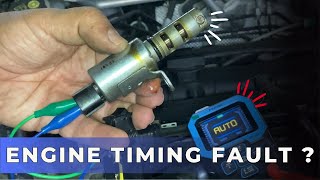
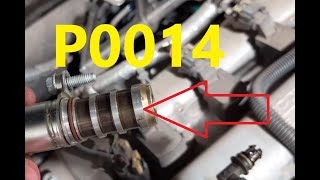
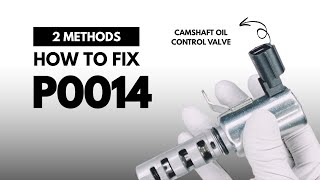
The Ford EcoSport engines from this era are sensitive to oil quality and maintenance schedules. Ford itself has issued Technical Service Bulletins (SSM 48423 and SSM 50067) acknowledging that small debris in the engine oil can cause the VCT solenoids to stick, leading directly to codes like P0014. The official TSB procedure advises technicians to first use a diagnostic tool to cycle the solenoid 10 times 🎬 Watch: Ford VCT solenoid diagnostic and operation explained. to try and clear the debris before replacing the part. This highlights how common a debris-related issue is, making regular, high-quality oil changes especially critical on this platform to prevent this failure point.
Diagnostic Flowchart
Tap your situation to follow the diagnostic path that matches what you're seeing on this vehicle.
Symptoms You May Notice
- Check Engine Light is on
- Reduced engine power or sluggish acceleration
- Rough idle
- Engine stalling, especially at low speeds
- Poor fuel economy
- Hard starting
- Mechanical noise, rattling, or whirring from the engine
- Replacing the camshaft position sensor when the root cause is a sticking VCT solenoid or dirty engine oil. The sensor is often correctly reporting the timing fault, not causing it.
- Replacing the cam phaser before thoroughly diagnosing the VCT solenoid and oil system.
- Assuming a major timing chain failure before checking the simple, high-probability causes like oil and the VCT solenoid.
Most Likely Causes
- Low or Dirty Engine Oil 🔴 High Probability The VCT system is hydraulically operated and highly sensitive to oil pressure and cleanliness. Ford TSBs confirm that debris in the oil is a primary cause of VCT solenoid failure. Using the incorrect oil viscosity or a non-spec oil filter can also cause this issue.
How to confirm: Check the engine oil level on the dipstick and inspect its color and consistency. If the level is low or the oil is dark, gritty, or sludgy, it needs to be changed. An extremely low oil level that doesn't register on the dipstick has been reported by owners as a direct cause.
Typical fix: Perform an engine oil and filter change using the manufacturer-specified oil viscosity (e.g., SAE 5W-20 for the 2.0L). Clear the codes and test drive.
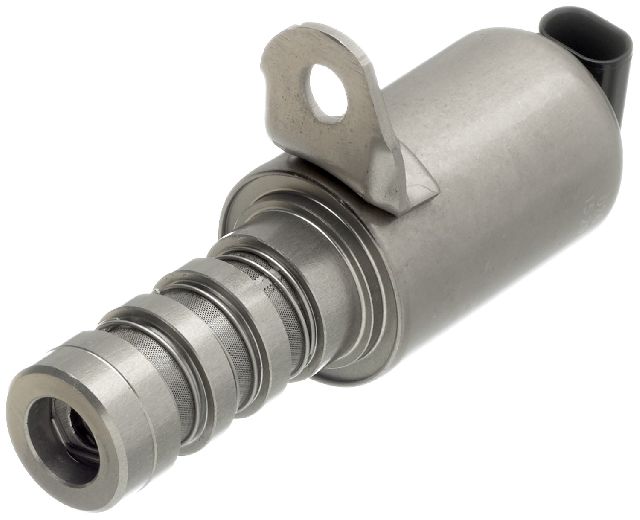
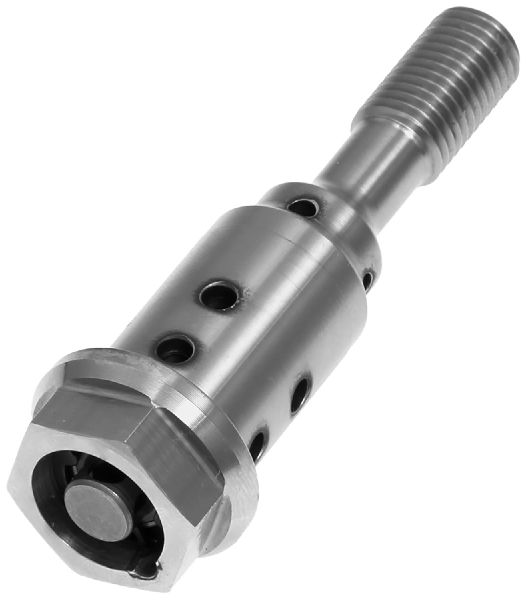
Est. part cost: $40-$80 - Failed Exhaust VCT Solenoid 🔴 High Probability → Shop Engine Variable Valve Timing (VVT) Solenoid As stated in Ford TSBs SSM 48423 and SSM 50067, these solenoids are prone to sticking due to small debris in the oil, preventing them from correctly regulating oil flow to the cam phaser. This is a very common failure part on many Ford models with these engines.
How to confirm: Remove the solenoid and inspect for debris, sludge, or damaged screens. You can test it by applying 12V to see if it actuates (it should make a clicking sound). A common diagnostic trick is to swap the intake and exhaust VCT solenoids (if they are identical) and see if the trouble code changes to P0011 (Intake Cam Over-Advanced). If it does, the solenoid is faulty. You can also test the solenoid's internal resistance with a multimeter, which should typically be between 6-12 ohms.
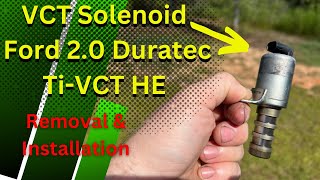
Typical fix: Replace the Bank 1 exhaust VCT solenoid. It's recommended to apply clean engine oil to the 🎬 See this walkthrough for removing and installing the solenoid. new solenoid's O-rings before installation.
Est. part cost: $30-$100 - Faulty Camshaft Position Sensor ⚪ Low Probability → Shop Engine Camshaft Position Sensor
How to confirm: Test the sensor's output with a multimeter to ensure it's sending a correct signal to the PCM. This is typically done after confirming the oil and VCT solenoid are good. A P0340 code may appear alongside P0014 if the sensor circuit is malfunctioning.
Typical fix: Replace the camshaft position sensor.
Est. part cost: $25-$70
Rare But Worth Checking
- Stretched Timing Chain or Failed Cam Phaser: → Shop Engine Timing Chain This is a significant mechanical failure. If the VCT solenoid and oil are fine, but the timing is still incorrect, the issue could be with the timing chain, tensioners, or the cam phaser itself. This repair is much more complex and expensive.
- Wiring or Connector Issue: Damage to the wiring harness or a loose/corroded connector at the VCT solenoid can interrupt the signal from the PCM, causing the code. A visual inspection and wiggle test of the harness is a good diagnostic step.
- Clogged VCT Solenoid Filter: → Shop Engine Variable Valve Timing (VVT) Solenoid Some engines have a small mesh filter in the oil passage leading to the VCT solenoid. This filter can become clogged with sludge and debris, starving the solenoid of oil pressure. If a new solenoid doesn't fix the issue, this filter should be inspected and cleaned or replaced.
Diagnosis Steps
- Verify engine oil level and condition. If low, dirty, or the wrong viscosity, replace the oil and filter first using OEM-spec products.
- Clear the code and test drive the vehicle to see if the code returns.
- If the code returns, inspect the wiring and connector for the exhaust VCT solenoid (Bank 1) for any damage, corrosion, or loose connections.
- Test the VCT solenoid. The easiest way is to swap the intake and exhaust solenoids (if they are identical parts). Clear the codes and run the engine. If the code changes to P0011, the solenoid you moved to the intake side is bad.
- Alternatively, remove the solenoid, clean it with brake or contact cleaner, and test its operation by applying 12V power. It should click. Check its resistance with a multimeter (typically 6-12 ohms).
- Per Ford TSB SSM 50067, a technician with a Ford diagnostic tool can attempt to cycle the solenoid 10 times to clear internal debris before resorting to replacement.
- If the solenoid tests good or is replaced and the code persists, test the camshaft position sensor and its circuit.
- If all electrical components and sensors are functioning correctly, the problem may be mechanical, such as a stretched timing chain, a faulty cam phaser, or a clogged oil passage/filter. This level of diagnosis is more complex and may require a professional.
Parts You'll Likely Need
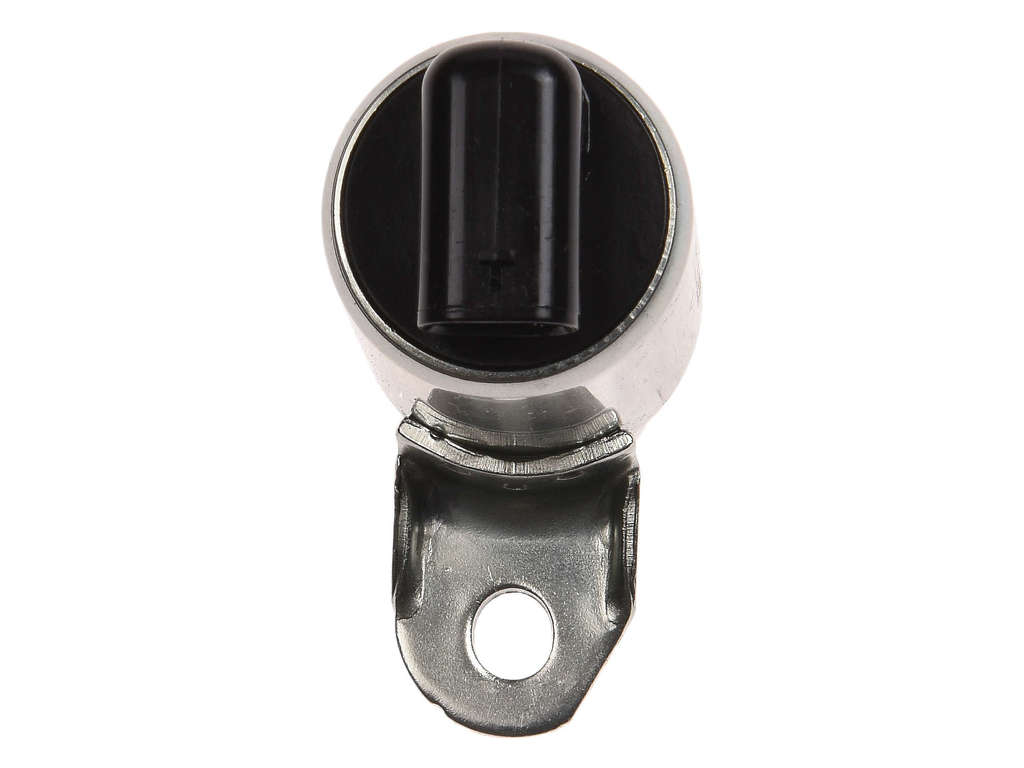
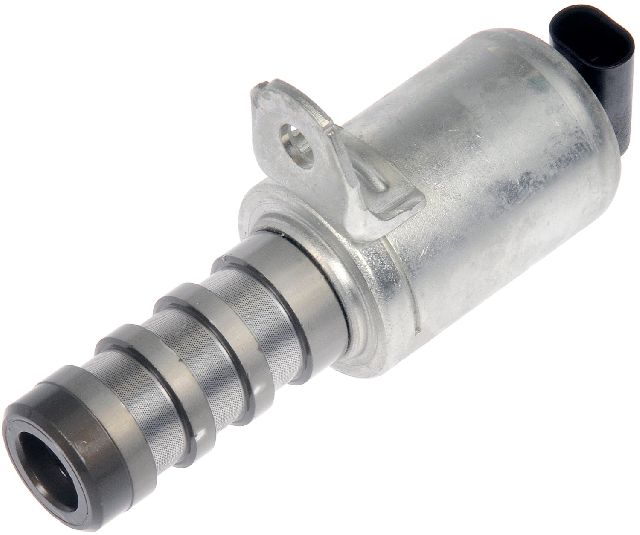
- Engine Variable Valve Timing (VCT) Solenoid
(OEM #CM5Z6M280C)— This is the most common point of failure according to Ford's own service bulletins, where it gets stuck due to oil debris. This part number is confirmed for the 2.0L engine and replaces the previous version CM5Z-6M280-A.
Trusted brands: Motorcraft, Dorman, NGK, TRQ
OEM price range: $50-$90
Aftermarket price range: $30-$60 - Engine Oil and Filter — Clean, correct-viscosity oil is essential for the VCT system to function. Dirty, low, or incorrect oil is a primary cause of this code.
Trusted brands: Motorcraft, Mobil 1, Castrol
OEM price range: $50-$80
Aftermarket price range: $40-$60
Related Codes That Often Appear With This One
- P0012 — ('A' Camshaft Position Timing Over-Retarded) Seen in NHTSA complaint #11531784, its presence alongside P0014 suggests a more widespread VCT system issue on Bank 1, often pointing strongly to an oil pressure or quality problem affecting both intake and exhaust solenoids.
- P0340 — ('Camshaft Position Sensor 'A' Circuit') Seen in NHTSA complaint #11606356, this code indicates a potential fault in the sensor circuit itself, which could be the cause of the incorrect timing reading. A forum user reported this code appearing after cleaning the VCT solenoid to fix a P0014.
- P0299 — ('Turbocharger/Supercharger Underboost') Seen in NHTSA complaint #11606356 on a 1.0L EcoBoost model, incorrect cam timing can affect exhaust flow and, consequently, the turbocharger's ability to build boost.
Technical Service Bulletins (TSBs) & Recalls
- SSM 48423: Notes that various P00xx timing codes can be caused by debris causing the VCT solenoid to stick.
- SSM 50067: An updated version of the previous TSB, covering more model years (up to 2021) and reiterating that debris in the VCT solenoid is a likely cause. It specifically recommends a diagnostic routine to cycle the solenoid to attempt to clear it before replacement.
Platform-Specific Known Issues
- Ford Technical Service Bulletins SSM 48423 and SSM 50067 directly address this code on 2015-2021 Ford vehicles. They state that P0014 (and other related codes) may be caused by small debris causing the VCT solenoid to stick. The recommended first step is a diagnostic test (Pinpoint Test HK12) to cycle the solenoid 10 times before replacement.
- NHTSA Owner Complaint #11531784 for a 2021 EcoSport reported codes P0012 and P0014 were present along with metal contamination found in the oil, leading to a stall.
- NHTSA Owner Complaint #11606356 for a 2020 EcoSport showed P0014 along with other codes, resulting in a 'Powertrain Malfunction / Reduced Power' warning.
Mechanic-Grade Diagnostic Values
- VCT Solenoid Internal Resistance — expected: 7 to 14 Ohms. Failure: A reading outside this range, or an open/short circuit, indicates a faulty solenoid.
- VCT Solenoid Connector Voltage (KOEO) — expected: Battery Voltage (~12V). Failure: No voltage indicates a problem with the power supply circuit, fuse, or PCM power relay.
- VCT Advance Error PID (VCTADVERR) at idle — expected: Should be close to 0 degrees. Failure: A significant deviation from 0 degrees at idle indicates the camshaft is not at its commanded base position, pointing to a sticking solenoid, phaser, or oil pressure issue.
Scan Tool Commands That Help
- Ford IDS (Integrated Diagnostic System): VCT Solenoid Duty Cycle Command / Pinpoint Test HK12 — As per TSBs 48423 and 50067, this function is used to cycle the VCT solenoid multiple times to attempt to dislodge small debris before replacing the part.
- 12V Power Source (e.g., car battery): Manual Solenoid Actuation — When the solenoid is removed from the engine, you can apply 12V and a ground to its pins to verify its mechanical function. A healthy solenoid will produce an audible 'click' as its internal plunger moves.
Wiring & Ground Locations
- Main Engine Ground — On the engine block itself, not the gearbox.. A poor main engine ground can cause a variety of electrical issues, including no-spark or no-crank conditions, and can lead to erratic sensor readings for the PCM.
- Intake Manifold Ground — A ground point located behind the intake manifold.. This ground is critical for spark and other engine functions. A loose or corroded connection here can cause widespread electrical problems that could mimic sensor or actuator failures.
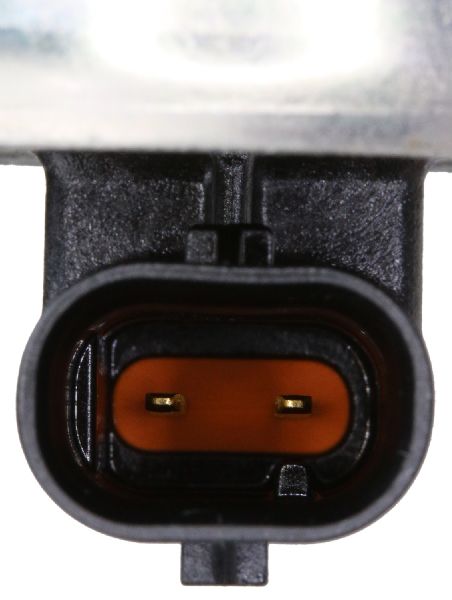
- VCT Solenoid Connector — On the VCT solenoid, typically on the front/top of the valve cover.. The connector has two pins: one is a power supply (often shared with other components like injectors) and the other is a ground-side control wire from the PCM. Testing for power at this connector is a key diagnostic step.
OEM Part Supersession History
CM5Z-6M280-A→CM5Z-6M280-C— Part revision and improvement by the manufacturer.
Heads up: Applies to the 2.0L Ti-VCT I4 engine. The new part is a direct replacement for the old one.CM5Z-6M280-D→CM5Z-6M280-G— Part revision and improvement by the manufacturer.
Heads up: These part numbers are specified for the 1.0L EcoBoost I3 engine and should not be confused with the parts for the 2.0L engine.
Model Year Variations Within This Range
- 2018-2021: The 1.0L EcoBoost I3 engine uses a timing belt, while the 2.0L Ti-VCT I4 engine uses a timing chain. This is a fundamental mechanical difference that affects diagnosis if a base timing issue is suspected.
- 2018-2021: The VCT solenoids are different between the two engines. The 2.0L engine uses part number CM5Z-6M280-C, while the 1.0L engine uses CM5Z-6M280-D (later superseded by -G). The parts are not interchangeable.
Helpful Videos
We Have This Part in Stock


The information in this article is provided for general reference and educational purposes only. Vehicle specifications, procedures, and part compatibility can vary by production date, trim level, and region. Always consult your vehicle's factory service manual and verify part numbers before purchasing or performing repairs. Safety-critical components such as airbags, seat belts, and braking systems should be installed by a qualified professional.
- Ford ECOSPORT:
- 🧭 Diagnostic Flowchart
- 🎬 Helpful Videos
- 🛍️ Shop This Part
- What's Unique About the 2018-2021 Ford ECOSPORT
- Symptoms You May Notice
- Most Likely Causes
- Rare But Worth Checking
- Diagnosis Steps
- Parts You'll Likely Need
- Related Codes That Often Appear With This One
- Technical Service Bulletins (TSBs) & Recalls
- Platform-Specific Known Issues
- Mechanic-Grade Diagnostic Values
- Scan Tool Commands That Help
- Wiring & Ground Locations
- OEM Part Supersession History
- Model Year Variations Within This Range
- 🎟️ Get 5% Off