

P0014 on 2020-2021 Ford Transit: Causes and Fixes for Camshaft Timing Issues
On a 2020-2021 Ford Transit, P0014 is most often caused by a Powertrain Control Module (PCM) software issue or low/dirty engine oil. Before replacing parts, check for available software updates per TSB 21-2224 and verify the oil is clean and at the correct level. If those are fine, the next most likely cause is a faulty VCT solenoid, a common failure point in these engines.
- For a 2020-2021 Transit, first check if your vehicle needs a PCM software update as specified in TSB 21-2224.
- The second step should always be to check the engine oil level and condition. A simple oil change is a very common and inexpensive fix.
- Do not immediately replace expensive timing components like phasers or chains; the VCT solenoid is a much more likely and cheaper part to fail.
- P0014 indicates an issue with the exhaust camshaft on Bank 1, which is the cylinder bank located near the firewall.
What's Unique About the 2020-2021 Ford TRANSIT
For the 2020-2021 Ford Transit specifically, a key issue is a known software glitch. Ford issued Technical Service Bulletin (TSB) 21-2224 because the original PCM software can incorrectly trigger code P0014, among others, on vehicles built before July 1, 2021. This makes a software update a primary diagnostic step, which is unique compared to older models where mechanical faults are almost always the first suspect. These vans use Ford's 10-speed automatic transmission and updated 3.5L V6 engines (both naturally aspirated and EcoBoost), which are sensitive to both software calibration and oil condition.
Diagnostic Flowchart
Tap your situation to follow the diagnostic path that matches what you're seeing on this vehicle.
Symptoms You May Notice
- Check Engine Light is on
- Rough or unstable idle, sometimes only when the engine is hot
- Engine is hard to start
- Poor acceleration or sluggish performance
- Reduced fuel economy
- Engine stalling
- Rattling noise from the engine
- Replacing the camshaft phaser when only the VCT solenoid is faulty. The solenoid is much cheaper and easier to replace and is the more common failure point.
- Replacing the camshaft position sensor before checking the engine oil condition and level, which is the most common cause.
- Performing expensive mechanical repairs before checking for the PCM software update specified in TSB 21-2224 for this specific vehicle and year range.
Most Likely Causes
- Powertrain Control Module (PCM) Software Issue 🔴 High Probability Ford TSB 21-2224 directly states that for vehicles built on or before July 1, 2021, DTC P0014 can be caused by a software error in the PCM. This is a well-documented first step for this specific model year range.
How to confirm: A Ford dealership or a qualified shop with access to Ford's diagnostic software (FDRS) can check if the vehicle's PCM calibration is up to date by checking against the TSB.
Typical fix: Reprogram the PCM to the latest available software calibration. 🎬 Watch: How a Ford PCM software reflash is performed. This is a dealer-level or specialized shop repair.
Est. part cost: $0 - Low, Dirty, or Incorrect Viscosity Engine Oil 🔴 High Probability The VCT system is hydraulic and highly dependent on clean oil at the correct pressure. Ford's V6 engines, particularly the 3.5L EcoBoost, are known to be sensitive to oil condition, and sludge or contaminants can clog the small passages and screens in the VCT solenoids. Many owners on forums report the code appears when an oil change is due and is resolved immediately after.
How to confirm: Check the engine oil level on the dipstick and inspect its color and consistency. If it is dark, thick, or below the minimum level, it needs to be changed. Check service history for the last oil change interval.
Typical fix: Perform an engine oil and filter change using the manufacturer-specified full synthetic oil (e.g., SAE 5W-30 for the 3.5L engines) and a high-quality filter. Some owners have had success with an engine flush to clear sludge, but this should be done with caution.
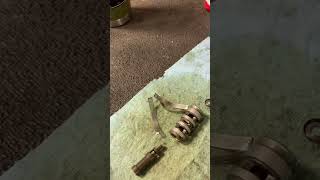
Est. part cost: $50-$100 - Failed VCT Oil Control Solenoid 🟡 Medium Probability → Shop Engine Camshaft Debris in the oil can cause the solenoid to get stuck in the open (advanced) position or for its internal screens to become clogged. This is a common failure point across many Ford vehicles with VCT systems, as noted in multiple TSBs and is a frequent topic in owner forums. 🎬 See why these 3.5L EcoBoost VCT solenoids often fail.
How to confirm: A diagnostic scan tool can command the solenoid on and off to check for response (listen for a click). Another definitive method is to swap the Bank 1 exhaust solenoid with the Bank 2 exhaust solenoid. If the code changes to P0024 (the equivalent code for Bank 2), the solenoid is faulty. Visual inspection upon removal may show clogged or torn screens.
Typical fix: Replace the Bank 1 exhaust VCT solenoid. It is often recommended to replace them in pairs (intake and exhaust) or all four on V6 engines, especially if mileage is high or oil was dirty. This requires removing the valve cover.
Est. part cost: $40-$120
Rare But Worth Checking
- Worn Timing Components (Phaser, Chain, Tensioner): While less common on lower-mileage vehicles, a stretched timing chain or a failing camshaft phaser can cause timing correlation codes. This is a known, albeit more severe, issue on the 3.5L EcoBoost platform, often accompanied by a rattling noise on startup. This is a much more expensive and labor-intensive repair, so the more common causes should be ruled out first.
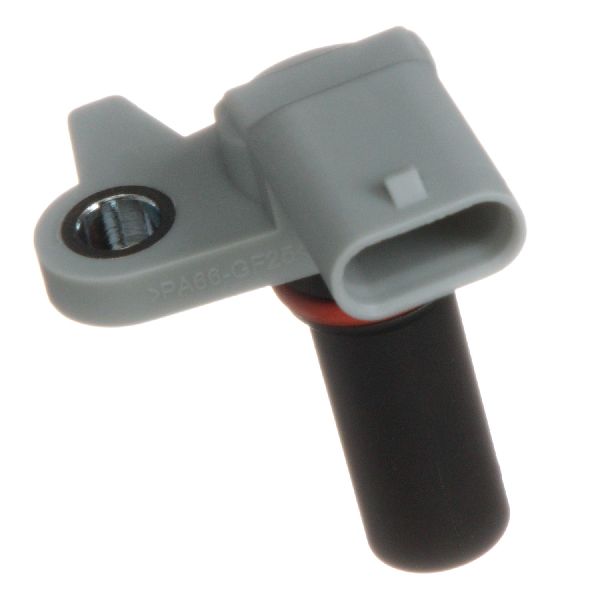
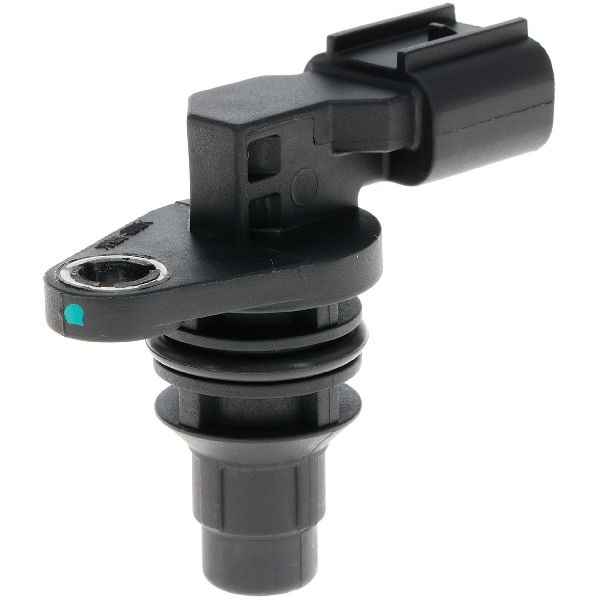
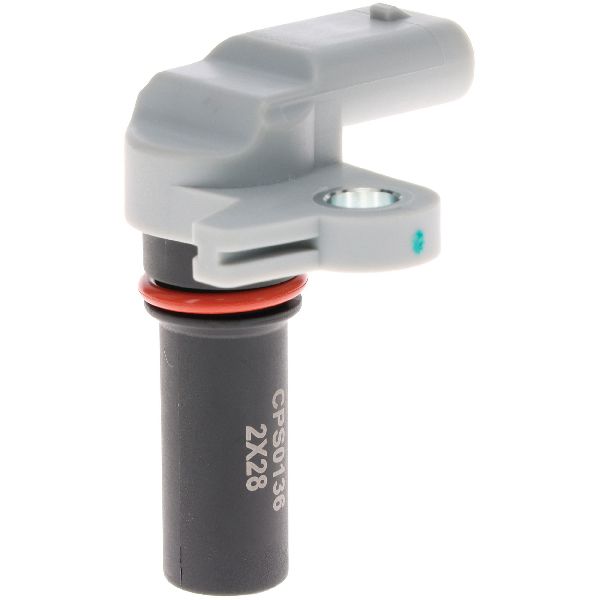
- Faulty Camshaft Position Sensor: → Shop Engine Camshaft Position Sensor The sensor itself can fail, but it will often trigger its own specific diagnostic code (e.g., a circuit code) in addition to a correlation code like P0014. It's less likely to be the sole cause of this specific code.
- Wiring or Connector Issue: The wiring harness to the VCT solenoid can become damaged, or the connector can become loose or contaminated with oil, leading to an intermittent signal. A visual inspection of the harness and connector is a wise step during diagnosis.
Diagnosis Steps
- Check for Technical Service Bulletins (TSBs). Specifically, check if TSB 21-2224 applies to your vehicle's VIN and build date (on or before July 1, 2021). If so, a PCM reflash should be the first step.
- Inspect Engine Oil. Check the oil level and condition. If it is low, dirty, or the wrong viscosity, perform an oil and filter change with the correct Ford-specified oil. Many owners report this alone solves the problem. Clear the code and see if it returns.
- Scan and Analyze Live Data. Use an OBD-II scanner (like FORScan for Fords) to monitor the desired vs. actual camshaft position PIDs for Bank 1 Exhaust (B1 Exhaust). A large, persistent discrepancy confirms the issue is active.
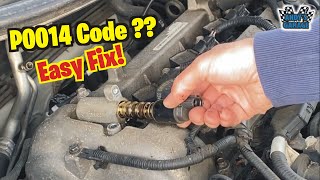
- Test the VCT Solenoid. Use a capable scan tool to command the Bank 1 exhaust VCT solenoid on and off (an actuator test). Listen for a clicking sound indicating mechanical operation. 🎬 Watch: How to test and fix the P0014 fault code. The lack of a click points to a failed solenoid or wiring issue.
- Swap VCT Solenoids. As a definitive test, swap the Bank 1 exhaust VCT solenoid with the Bank 2 exhaust solenoid. This requires removing both valve covers. Clear the codes and drive the vehicle. If the trouble code changes to P0024, the solenoid you moved is faulty and must be replaced.
- Inspect Wiring. Check the wiring and connector for the Bank 1 exhaust VCT solenoid for any damage, corrosion, or loose connections. Test for power at the solenoid connector with the ignition on.
- Advanced Mechanical Checks. If all the above steps fail to resolve the issue, the problem may be with the camshaft phaser, a stretched timing chain, or a failed tensioner. This requires more in-depth mechanical diagnosis and is best left to a professional.
Parts You'll Likely Need
- Engine Oil and Filter — The VCT system is highly sensitive to oil quality and pressure. A simple oil change is the most common and cheapest first step.
Trusted brands: Motorcraft, Mobil 1, Castrol
OEM price range: $60-$100
Aftermarket price range: $40-$70 - Variable Camshaft Timing (VCT) Solenoid
(OEM #HL3Z-6M280-A (Verify with VIN, supersedes older versions))— This solenoid controls oil flow to the cam phaser and is the most common mechanical part to fail, usually by getting stuck with debris from dirty oil. The part number has been updated over the years.
Trusted brands: Motorcraft, Dorman, Delphi
OEM price range: $45-$80
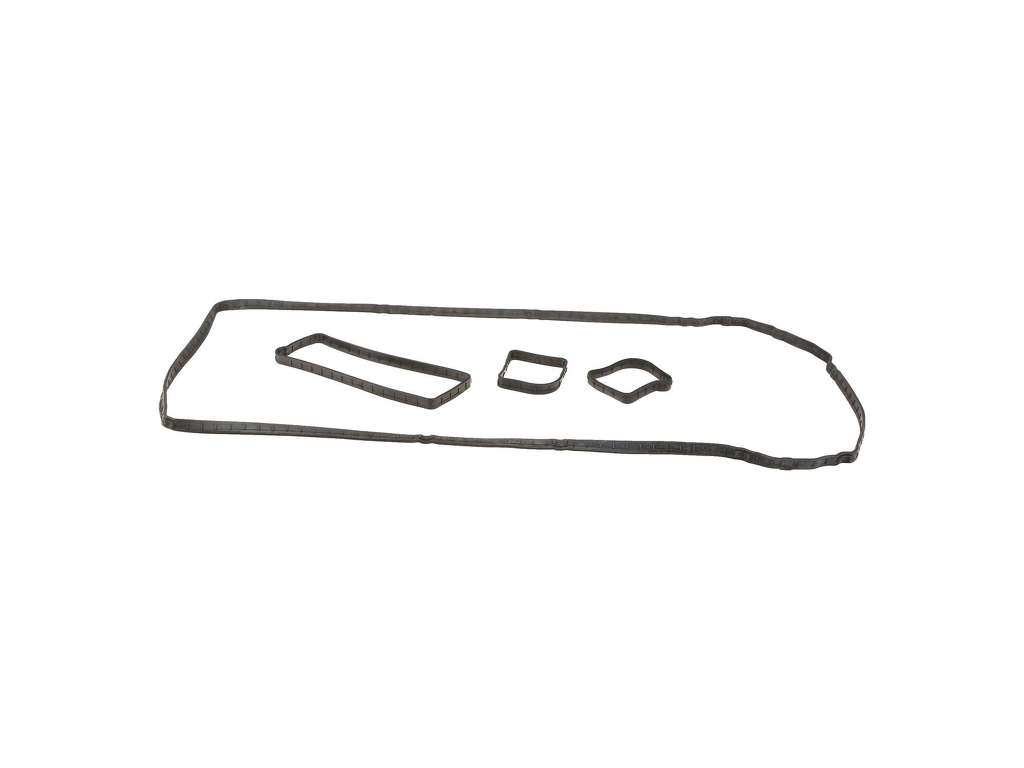
Aftermarket price range: $30-$60 - Valve Cover Gasket
(OEM #ML3Z-6584-G (Example for 3.5L, verify with VIN))— Required when replacing the VCT solenoids, as they are located under the valve covers on the 3.5L V6 engines. It is critical to replace this to prevent oil leaks after the repair.
Trusted brands: Motorcraft, Fel-Pro
OEM price range: $50-$90
Aftermarket price range: $30-$60
Related Codes That Often Appear With This One
- P0011 — Intake camshaft timing over-advanced on the same bank (Bank 1). Both can be triggered by the same underlying oil pressure, VCT solenoid, or software issues.
- P0024 — The equivalent code (Exhaust Camshaft Over-Advanced) for Bank 2. If both P0014 and P0024 are present, it strongly points to a systemic issue like old oil, low oil pressure, or a PCM software problem affecting both banks.
- P054C — Cold Start 'B' Camshaft Position Timing Over-Advanced Bank 1. This code appearing with P0014 strongly suggests a mechanical or hydraulic issue (solenoid, phaser) rather than just an intermittent glitch.
Technical Service Bulletins (TSBs) & Recalls
- TSB 21-2224: Addresses an illuminated MIL with various DTCs, including P0014, due to a PCM software issue on vehicles built on or before 01-Jul-2021.
- SSM 54366: Notes that various 2015-2021 Ford vehicles may exhibit P0014 and other VCT codes, referencing a specific pinpoint test in the service manual.
Platform-Specific Known Issues
- TSB 21-2224: Some vehicles built on or before July 1, 2021, may exhibit this code due to a PCM software issue. The fix is a software update. This is the most important first check for a 2020-2021 model.
- SSM 54366: A broader bulletin for 2015-2021 Ford vehicles that acknowledges a range of VCT codes including P0014 and directs technicians to specific diagnostic tests, indicating this is a well-documented issue across the Ford lineup.
- Oil Sensitivity: The 3.5L engines, especially the EcoBoost variant, are known to be very sensitive to oil change intervals and oil quality. Extending oil changes can lead to sludge that quickly clogs VCT solenoid screens.
Mechanic-Grade Diagnostic Values
- VCT Solenoid Internal Resistance — expected: 5 to 15 Ohms. Some sources state a tighter range of 6.9 to 7.9 Ohms.. Failure: A reading of 0 Ohms (short), infinite/OL (open), or outside the specified range indicates a faulty solenoid coil.
- VCT Solenoid Connector Voltage — expected: Battery voltage (~12V or >10.5V) on one pin with Key On, Engine Off.. Failure: No voltage or significantly low voltage points to a wiring issue, a blown fuse, or a problem with the PCM power relay.
- Engine Oil Pressure (at operating temperature) — expected: Minimum of 15 PSI at idle, and a minimum of 20 PSI at 1500 RPM.. Failure: Pressure below these minimums can cause the VCT system to malfunction and set timing codes due to insufficient hydraulic force.
- FORScan Live Data PID: VCT_EXH_ERR1 — expected: Should be near 0 degrees at a stable hot idle.. Failure: A large, persistent error value (e.g., stuck at 15-20 degrees) or a value that is slow to respond to RPM changes indicates a sticking solenoid or a mechanical phaser issue.
Scan Tool Commands That Help
- FORScan / Ford IDS: VCT Solenoid On/Off Actuator Test — This is a bidirectional control used to verify if a VCT solenoid is mechanically functioning. With the engine running at idle, commanding the solenoid on should cause the engine to stumble or stall. With the engine off, an audible click should be heard. A lack of response points to a stuck/failed solenoid or a wiring issue.
- FORScan / Ford IDS: PCM - Reset All Adaptations — This function should be performed after replacing VCT system components (solenoids, phasers). It clears the learned values from the PCM, forcing it to relearn the positions and response rates of the new parts, which can prevent the code from returning after a successful repair.
Wiring & Ground Locations
- G104 — On the passenger side inner fender, near the battery junction box.. This is a major engine and chassis ground point. A corroded or loose connection here can cause electrical noise or voltage drops in the engine control system, potentially affecting the VCT solenoid and sensor readings, leading to false or intermittent timing codes.
- C139 — A grey bulkhead connector located on the back of the passenger-side valve cover.. This connector serves as the junction between the VCT solenoid harness and the main engine harness for Bank 1. It is a potential point of failure (corrosion, loose pins) for the entire VCT circuit on that bank.
Helpful Videos

We Have This Part in Stock


The information in this article is provided for general reference and educational purposes only. Vehicle specifications, procedures, and part compatibility can vary by production date, trim level, and region. Always consult your vehicle's factory service manual and verify part numbers before purchasing or performing repairs. Safety-critical components such as airbags, seat belts, and braking systems should be installed by a qualified professional.
- Ford TRANSIT:
- 🧭 Diagnostic Flowchart
- 🎬 Helpful Videos
- 🛍️ Shop This Part
- What's Unique About the 2020-2021 Ford TRANSIT
- Symptoms You May Notice
- Most Likely Causes
- Rare But Worth Checking
- Diagnosis Steps
- Parts You'll Likely Need
- Related Codes That Often Appear With This One
- Technical Service Bulletins (TSBs) & Recalls
- Platform-Specific Known Issues
- Mechanic-Grade Diagnostic Values
- Scan Tool Commands That Help
- Wiring & Ground Locations
- 🎟️ Get 5% Off