

P0014 on 2020-2025 Hyundai Palisade 3.8L V6: Exhaust Cam Timing Causes and Fixes
P0014 on your Palisade 3.8L V6 indicates the exhaust camshaft timing on Bank 1 (rear) is over-advanced. The most common causes are low or dirty engine oil. If an oil change doesn't fix it, the next likely cause is a faulty Oil Control Valve (OCV), which is a labor-intensive repair on this engine as it's located under the valve cover.
- Always check your engine oil level and condition first; a simple oil change with a quality filter can often fix this code.
- The most likely failed part is the Bank 1 (rear) exhaust Oil Control Valve (OCV).
- Be aware that replacing this specific OCV is a difficult job because it is located under the rear valve cover, significantly increasing labor time and cost.
- Do not replace the camshaft position sensor; it is correctly reporting the timing fault.
- If you have codes for both Bank 1 and Bank 2 (P0014 and P0024), the problem is almost certainly systemic, like low oil pressure, not two failed parts.
What's Unique About the 2020-2025 Hyundai Palisade
On the Palisade's Lambda II 3.8L V6, the design presents a significant diagnostic and repair challenge. While the intake OCVs (VVT solenoids) are externally mounted and easy to access, the exhaust OCVs are located *inside* the valve covers. This means replacing the Bank 1 exhaust OCV, a common fix for P0014, requires removing the rear valve cover, a much more labor-intensive job that increases repair costs and DIY difficulty significantly compared to many other vehicles. This design is shared with its platform mate, the Kia Telluride.
Symptoms You May Notice
- Check Engine Light is on
- Rough or unstable idle
- Engine hesitation or stalling at low speeds
- Reduced engine power and acceleration
- Poor fuel economy
- Shaking or vibrating when accelerating
- Engine noise or rattling
- Replacing the Camshaft Position Sensor: The sensor reads the camshaft's position, it does not control it. A P0014 code means the sensor is working correctly and reporting a timing problem; replacing it will not fix the issue.
- Assuming the OCV is an easy fix: Many technicians and DIYers may assume the exhaust OCV is external like the intake one. Failing to realize it's under the valve cover will lead to incorrect time and cost estimates.
Most Likely Causes
- Low or Dirty Engine Oil 🔴 High Probability The CVVT system is hydraulic and highly sensitive to oil pressure and cleanliness. Sludge or low levels can prevent the cam phasers from operating correctly. This is the most common cause for P0014 across all vehicles.
How to confirm: Check the oil level on the dipstick. Inspect the oil's color and consistency. If it's low, dark black, or thick, it needs to be changed.
Typical fix: Top up or perform a complete oil and filter change using a full synthetic 5W-30 oil and a high-quality OEM or equivalent oil filter.
Est. part cost: $50-$100 - Faulty Bank 1 Exhaust Oil Control Valve (OCV) 🟡 Medium Probability → Shop Engine Variable Valve Timing (VVT) Solenoid The OCV is an electronic solenoid that can fail electrically or become clogged with debris, causing it to stick in a position that over-advances the timing.
How to confirm: Confirming this is difficult for a DIYer due to its location. A professional would remove the valve cover to access and test the solenoid's resistance (spec is approx. 6.7-7.7 ohms) or perform a voltage test. A diagnostic swap with the Bank 2 solenoid would require removing both valve covers. An intermittent failure may be temporarily fixed by an oil change, only for the code to return.
Typical fix: Replace the Bank 1 (rear) exhaust Oil Control Valve. This requires removing the rear valve cover and replacing the associated gasket.
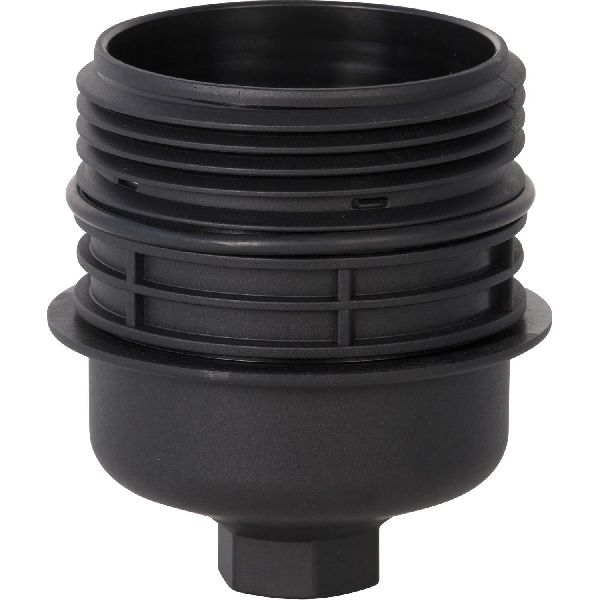
Est. part cost: $80-$150 - Incorrect or Failed Oil Filter ⚪ Low Probability → Shop Engine Oil Filter Adapter The Lambda II engine uses a cartridge-style filter. An incorrect, cheap, or improperly installed filter can collapse or have a missing center pin, causing a severe drop in oil pressure to the cylinder heads. An incident on a similar 3.3L Lambda engine showed a P0024 code appeared immediately after an oil change due to an incorrectly installed OEM filter.
How to confirm: Inspect the oil filter and housing during an oil change. Ensure it is an OEM or high-quality equivalent and that all components, including the center pin in the housing, are intact and correctly installed.
Typical fix: Replace the incorrect or damaged filter with a genuine Hyundai or equivalent high-quality filter.
Est. part cost: $15-$30
Rare But Worth Checking
- Stretched Timing Chain or Failing Tensioner: → Shop Engine Timing Chain While less common on a newer vehicle, a stretched timing chain can cause the camshaft timing to be out of sync with the crankshaft, triggering this code. In one documented case for a similar Hyundai V6, after replacing solenoids and sensors with no luck, a timing chain replacement was the ultimate fix for the P0014 code. This is a major mechanical repair. NHTSA ODI #11155108 describes a similar situation where an owner retrieved code P0014 and, upon removing the valve cover and front cover, inspected the timing chain.
- Failing Camshaft Phaser (CVVT Actuator): → Shop Engine Camshaft The mechanical gear on the end of the camshaft can fail, getting stuck in an advanced position. This is a more complex and expensive repair than the OCV. In a related manufacturer case, NHTSA ODI #11548744 notes that a dealership duplicated a P0014 issue and ultimately replaced the camshaft assembly and other components.
- Clogged Oil Passages: In cases of severe engine sludge, the small oil passages feeding the CVVT system in the cylinder head can become blocked, starving the components of oil pressure. Some owners have noted a fine mesh filter screen between the block and head that can clog.
Diagnosis Steps
- Check Engine Oil Level and Condition: This is the first and most important step. If the oil is low, top it up. If it is old, dirty, or overdue for a change, perform a full oil and filter change using high-quality 5W-30 synthetic oil and an OEM filter.
- Clear Codes and Test Drive: After addressing the oil, clear the code with a scanner and drive the vehicle to see if the code returns.
- Inspect OCV Wiring: Visually inspect the electrical connector and wiring going to the rear valve cover for the Bank 1 exhaust OCV. Ensure the connection is secure and there is no damage.
- Professional Diagnosis: If the code returns, professional service is likely needed. Due to the OCV's location under the valve cover, further diagnosis is labor-intensive. A technician may recommend swapping the Bank 1 and Bank 2 exhaust OCVs to confirm the failure, which involves removing both valve covers.
- OCV Replacement: A technician will remove the rear valve cover to access and replace the Bank 1 exhaust OCV and valve cover gasket.
- Inspect Timing Components: If a new OCV does not resolve the issue, the problem is likely mechanical. A technician will need to inspect the timing chain, tensioners, and the camshaft phaser itself for wear or failure.
Parts You'll Likely Need
- Exhaust Oil Control Valve (OCV), Bank 1 (Rear)
(OEM #24360-3CAB2)— This solenoid is the most common component to fail or clog, directly causing the P0014 code. It controls oil flow to the exhaust cam phaser on the rear bank.
Trusted brands: Hyundai (OEM), Kia (OEM)
OEM price range: $80-$150
Aftermarket price range: $50-$100 - Valve Cover Gasket (Bank 1 / Rear)
(OEM #22441-3L101)— This gasket must be replaced anytime the valve cover is removed, which is required to access the exhaust OCV. Reusing the old gasket will cause oil leaks.
Trusted brands: Hyundai (OEM), Fel-Pro, Mahle
OEM price range: $25-$40
Aftermarket price range: $15-$30 - Engine Oil Filter
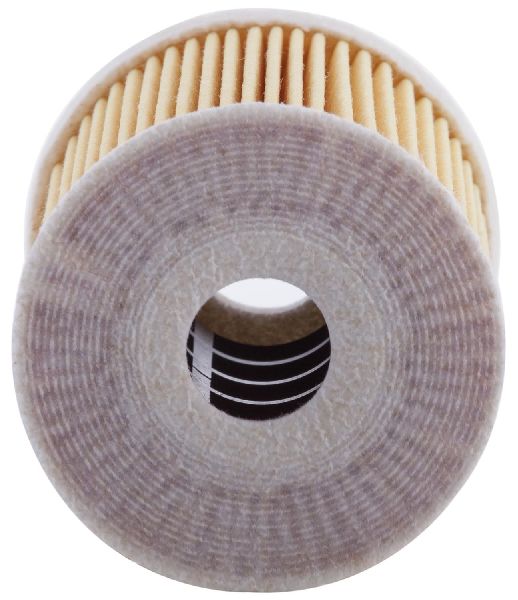
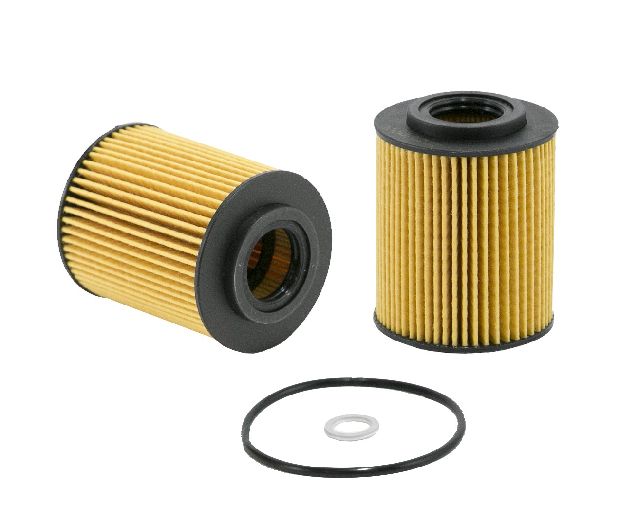
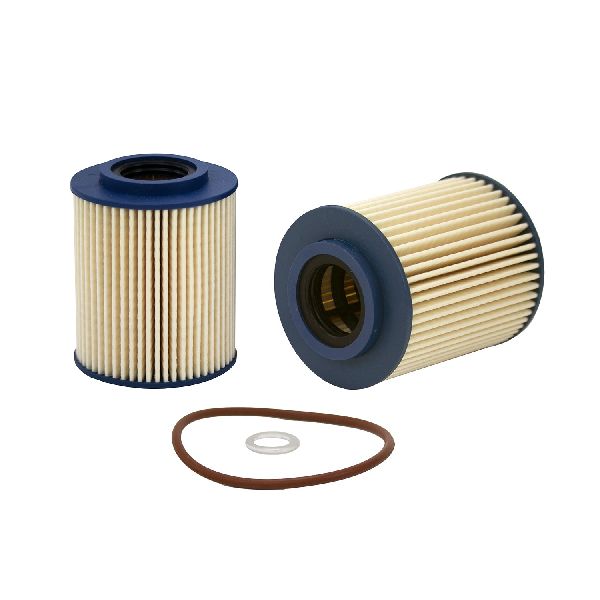
(OEM #26320-3N000 (or supersession))— Using a high-quality OEM filter is critical for proper oil pressure in the CVVT system. A cheap or incorrect filter is a known cause of this code.
Trusted brands: Hyundai (OEM)
OEM price range: $15-$25
Aftermarket price range: $10-$20
Related Codes That Often Appear With This One
- P0011 — Intake camshaft timing over-advanced on the same bank (Bank 1). If seen together, it could point to a more significant oil pressure issue on that entire cylinder head. NHTSA ODI #11453941 reports a case where P0011 and P0014 appeared together alongside a loud engine knock.
- P0024 — Exhaust camshaft timing over-advanced on the opposite bank (Bank 2). If P0014 and P0024 appear together, it strongly suggests a systemic oil pressure problem like low oil level, a bad oil pump, or an oil filter issue, rather than two failed solenoids. NHTSA ODI #11063653 describes a vehicle displaying both P0014 and P0024, which a mechanic diagnosed as needing engine timing solenoids and camshaft timing repairs.
Platform-Specific Known Issues
- The primary issue for this code on the Palisade 3.8L V6 is the location of the exhaust Oil Control Valves (OCVs) under the valve covers, whereas the intake OCVs are external. This makes diagnosis and repair of P0014 (exhaust) significantly more difficult and costly than for intake-related timing codes. Forum users with similar Hyundai/Kia V6 engines confirm this frustrating design choice.
Mechanic-Grade Diagnostic Values
- Exhaust Oil Control Valve (OCV) Coil Resistance — expected: 6.7 - 7.7 Ohms at 68°F (20°C). Failure: A reading of infinity (open circuit), near-zero (short circuit), or outside the specified range indicates a faulty solenoid.
- Scan Tool Live Data: CVVT Actual vs. Desired Position — expected: The 'Current Position of Exhaust Camshaft' should closely follow the 'Control Camshaft Position Setpoint Exhaust'.. Failure: A deviation greater than 5-20 degrees between the actual and desired (setpoint) angles will trigger the P0014 code. The PCM sets the code when the accumulated deviation becomes too high.
Scan Tool Commands That Help
- Hyundai GDS (Global Diagnostic System): CVVT Actuator Test / OCV Drive Test — This bidirectional function allows a technician to command the OCV solenoid on and off with the engine running to verify its mechanical response. Applying 12V directly to the OCV terminals should cause the internal plunger to move, confirming mechanical operation.
- Hyundai GDS (Global Diagnostic System): Resetting Adaptive Values — After replacing a CVVT component like an OCV or phaser, it is recommended to use the GDS to reset the engine's learned adaptive values to ensure the ECU relearns the new component's performance characteristics from a clean slate.
Wiring & Ground Locations
- Bank 1 Exhaust OCV Connector — The connector is located on the rear (Bank 1) valve cover, providing the electrical connection to the OCV which is mounted internally.. This is the primary point for electrical testing. A technician would test for battery voltage on one pin and a pulsed ground signal from the PCM on the other pin with the engine running. Damage to this external connector or its wiring can mimic a failed internal OCV.
OEM Part Supersession History
24360-3CAB1→24360-3CAB2— Standard part revision and improvement by the manufacturer.
Heads up: Both parts are functionally identical and interchangeable for this application, but ordering the latest part number (24360-3CAB2) is best practice.
Model Year Variations Within This Range
- 2020-2025: The Hyundai Palisade received a significant facelift for the 2023 model year, including new styling and interior technology. However, the core powertrain, the 3.8L Lambda II V6 engine and 8-speed automatic transmission, remained unchanged. Therefore, the causes, diagnostic procedures, and parts for a P0014 code are identical across the entire 2020-2025 model range.
Diagnostic Flowchart
Other Known Issues on This Vehicle
Issues unrelated to this code that are worth knowing about as an owner of this generation:
- Tow Hitch Wiring Harness Fire Risk 🔴 High — Widespread on 2020-2022 models, leading to a major recall. (Ref: NHTSA Recall 22V-633 / Hyundai Recall 235. Debris and moisture can cause an electrical short in the tow hitch wiring harness module, increasing fire risk even when parked.)
- Spontaneous or Easy Windshield Cracking 🟠 Medium — Common complaint on 2020-2021 models. Multiple class-action lawsuits filed. (Ref: No recall, but a widely known issue. Owners report windshields are fragile and can crack from minor impacts or spontaneously, leading to expensive replacements often not covered by warranty.)
- Foul Interior Odor ('Bad Smell') 🟡 Low — Primarily affected early 2020 models with Nappa leather interiors (Limited/Calligraphy trims). (Ref: Hyundai identified the cause as a manufacturing flaw in the headrest upholstery and issued procedures for dealers to neutralize the odor or replace the headrests.)
- Excessive Oil Consumption 🔴 High — Reported by some owners, though less widespread than other issues. Can occur at various mileages. (Ref: No specific recall, but some owners report needing to add oil frequently between changes, with some cases leading to engine damage or replacement if unchecked.)
Used vs. New Parts: Buying Guide for This Vehicle
When a used part is the smart pick: Given the high labor cost to access the exhaust OCV, using a used part is generally not recommended. The risk of a premature failure of a used solenoid outweighs the part cost savings. If the engine itself is being replaced with a used unit, ensuring the donor vehicle had low mileage and a clean service history is crucial.
Donor-vehicle mileage cap: roughly under 60000 miles for the part to have meaningful remaining life.
What to inspect on the donor part:
- Check for evidence of heavy oil sludge under the oil cap of the donor engine.
- Ask for the VIN to check the donor vehicle's service history for regular oil changes.
- Inspect the OCV connector for any signs of brittleness, cracking, or oil contamination.
OEM-only on this vehicle (don't cheap out):
- Oil Control Valve (OCV): Due to the labor-intensive replacement, using a new OEM part is the most reliable choice to avoid repeat repairs.
- Valve Cover Gasket: Always use a new, high-quality gasket to prevent oil leaks after the repair.
- Oil Filter: Stick with the Hyundai OEM cartridge filter (26320-3N000 or supersession) to ensure correct oil pressure and filtration.
Aftermarket brands forum-validated for this vehicle:
- For gaskets, Fel-Pro and Mahle are reputable OEM-equivalent brands.
Brands owners have reported issues with on this vehicle:
- Avoid unbranded, 'white-box' OCV solenoids and oil filters from online marketplaces. These parts have a high failure rate and can cause a repeat of the P0014 code or introduce new oil pressure problems.
Real Owner Stories
Aggregated from forums and TSBs cited above. Mileages and costs reflect what owners reported in those sources.
Hyundai V6 (Lambda II)
Symptoms: The owner experienced a P0014 code and attempted to fix it by replacing various sensors.
What fixed it: The ultimate cause was determined to be a stretched timing chain.
Source hint: r/Hyundai - P0014 Issue
Hyundai V6 (Lambda II)
Symptoms: The vehicle triggered both P0024 and P0014 codes simultaneously.
What fixed it: The dual codes indicated an oil pressure problem rather than individual solenoid failures.
Source hint: r/Hyundai - Code P0024 and Code P0014
Hyundai Lambda 3.3L (Similar Engine Architecture)
Symptoms: A P0024 code (related to P0014) appeared immediately following an oil change.
What fixed it: The issue was caused by an incorrectly installed OEM cartridge oil filter.
Source hint: vehicle_specific_issues - Incorrect or Failed Oil Filter section
Hyundai Sonata
Symptoms: An owner reported the check engine light illuminated with error code P0014.
What fixed it: According to NHTSA ODI #11350294, the exhaust solenoid had to be replaced along with other components.
Documented NHTSA Reports
Additional reports from the manufacturer's fleet provide further context on this code. NHTSA ODI #11453941 describes a situation where an engine developed a loud knock and produced codes P0011 and P0014, leading to a VVT or oil control valve replacement. Another report, NHTSA ODI #11063653, involved a vehicle that made a loud clunking noise while displaying codes P0014 and P0024, which were diagnosed as failing engine timing solenoids and camshaft timing issues.
Related OBD-II Codes
Frequently Asked Questions
Why is the P0014 repair more expensive on my Palisade 3.8L V6 compared to other cars?
Could my Palisade's P0014 code be caused by the oil filter I used during my last oil change?
Is there a specific oil type I should use to prevent CVVT issues on my 2020-2025 Palisade?
I have both P0014 and P0024 codes appearing at the same time; does this mean I have two bad sensors?
Are there any recalls for the 2020-2022 Palisade I should be aware of while fixing this?
Can a stretched timing chain cause the P0014 code on this engine family?
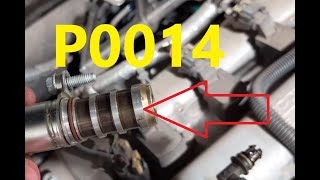
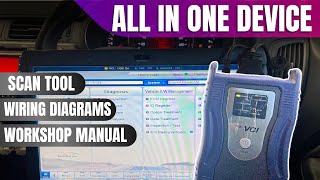
Helpful Videos
Used OEM Parts in Stock
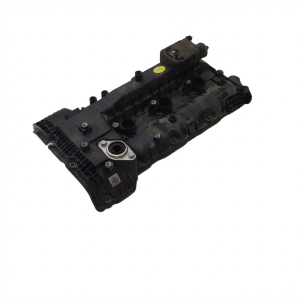
New Aftermarket Parts Available

The information in this article is provided for general reference and educational purposes only. Vehicle specifications, procedures, and part compatibility can vary by production date, trim level, and region. Always consult your vehicle's factory service manual and verify part numbers before purchasing or performing repairs. Safety-critical components such as airbags, seat belts, and braking systems should be installed by a qualified professional.
- Hyundai Palisade:
- 🧭 Diagnostic Flowchart
- 🎬 Helpful Videos
- 🛍️ Shop This Part
- What's Unique About the 2020-2025 Hyundai Palisade
- Symptoms You May Notice
- Most Likely Causes
- Rare But Worth Checking
- Diagnosis Steps
- Parts You'll Likely Need
- Related Codes That Often Appear With This One
- Platform-Specific Known Issues
- Mechanic-Grade Diagnostic Values
- Scan Tool Commands That Help
- Wiring & Ground Locations
- OEM Part Supersession History
- Model Year Variations Within This Range
- Other Known Issues on This Vehicle
- Used vs. New Parts: Buying Guide for This Vehicle
- Real Owner Stories
- Hyundai V6 (Lambda II)
- Hyundai V6 (Lambda II)
- Hyundai Lambda 3.3L (Similar Engine Architecture)
- Hyundai Sonata
- Documented NHTSA Reports
- Related OBD-II Codes
- Frequently Asked Questions
- 🎟️ Get 5% Off