

P0014 on 2015-2019 Lincoln MKC: Exhaust Cam Timing Causes and Fixes
P0014 on a Lincoln MKC almost always points to a problem with the exhaust VCT (Variable Camshaft Timing) solenoid, often caused by dirty, low, or incorrect viscosity engine oil. The most common fix is to perform an oil change and replace the exhaust VCT solenoid, which is prone to sticking.
- P0014 on a 2015-2019 Lincoln MKC means the exhaust camshaft timing is over-advanced.
- The most common cause is a sticking exhaust VCT solenoid, often due to dirty or low engine oil.
- Start your diagnosis by checking the engine oil. An oil and filter change is the first and most crucial step.
- Swapping the intake and exhaust VCT solenoids is a reliable DIY method to confirm a faulty solenoid.
- Before replacing parts, consider the TSB recommendation to use a scan tool to cycle the solenoid to dislodge potential debris.
What's Unique About the 2015-2019 Lincoln MKC
The EcoBoost engines in the Lincoln MKC use a precise Twin Independent Variable Camshaft Timing (Ti-VCT) system that is highly dependent on clean engine oil and correct oil pressure to function. This system uses oil pressure, controlled by VCT solenoids, to adjust the position of the camshafts independently, optimizing power and efficiency. Ford has issued multiple Technical Service Bulletins (TSBs) for this platform, noting that small debris in the oil can cause the VCT solenoids to stick, directly leading to codes like P0014. This makes regular, high-quality oil changes especially critical for these engines to prevent sludge and debris from clogging the narrow passages in the solenoids.
Diagnostic Flowchart
Tap your situation to follow the diagnostic path that matches what you're seeing on this vehicle.
Symptoms You May Notice
- Check Engine Light is on
- Rough or shaky idle
- Engine may stall at low speeds
- Poor acceleration or sluggish performance
- Reduced fuel economy
- Rattling or ticking noise from the engine
- Hard starting
- Replacing the camshaft position sensor before checking the oil and VCT solenoid.
- Replacing the timing chain or phasers without first diagnosing the much more common and cheaper VCT solenoid failure.
Most Likely Causes
- Low, Dirty, or Incorrect Viscosity Engine Oil 🔴 High Probability The VCT system is hydraulically operated by engine oil. The TSBs for this vehicle (SSM 48423, SSM 47170) specifically mention that debris in the oil can cause VCT solenoids to stick, making this the most common trigger. Extended oil change intervals can lead to sludge buildup that clogs the solenoid screens.
How to confirm: Check the oil level on the dipstick and inspect its condition. If it's low, dark, sludgy, or past its recommended change interval, it's the most likely culprit.
Typical fix: Perform a complete engine oil and filter change using the manufacturer-specified full synthetic oil viscosity (SAE 5W-30 for EcoBoost engines) and a high-quality filter.
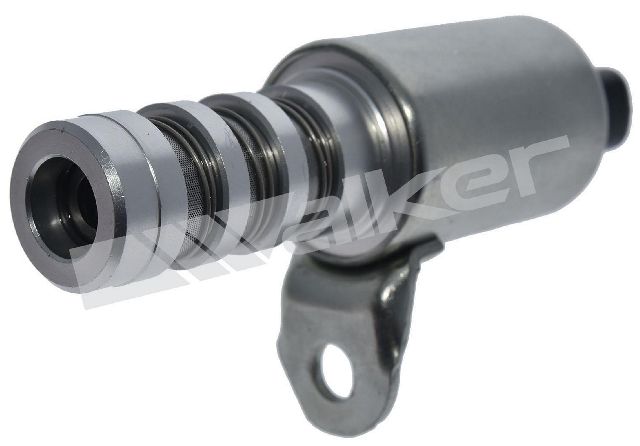
Est. part cost: $40-$80 - Sticking or Failed Exhaust VCT Solenoid 🔴 High Probability → Shop Engine Variable Valve Timing (VVT) Solenoid This is the specific component identified in multiple manufacturer TSBs (SSM 48423, SSM 47170) as being prone to sticking due to debris. It is the part that directly controls oil flow to the cam phaser, and its failure is the most common mechanical cause of P0014.
How to confirm: After an oil change, if the code returns, the solenoid is the next logical part. A mechanic can command the solenoid with a scan tool or test its resistance (typically should be 5-15 Ω). A common DIY method is to swap the exhaust and intake VCT solenoids; if the code changes to P0011 (Intake Camshaft), the solenoid is confirmed bad.
Typical fix: Replace the Bank 1 exhaust VCT solenoid. Some owners have had success cleaning the solenoid with mass air flow sensor cleaner or brake cleaner as a temporary fix.
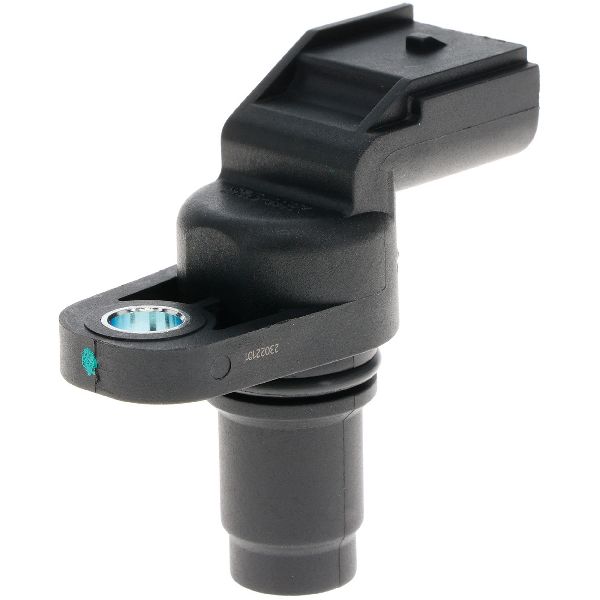
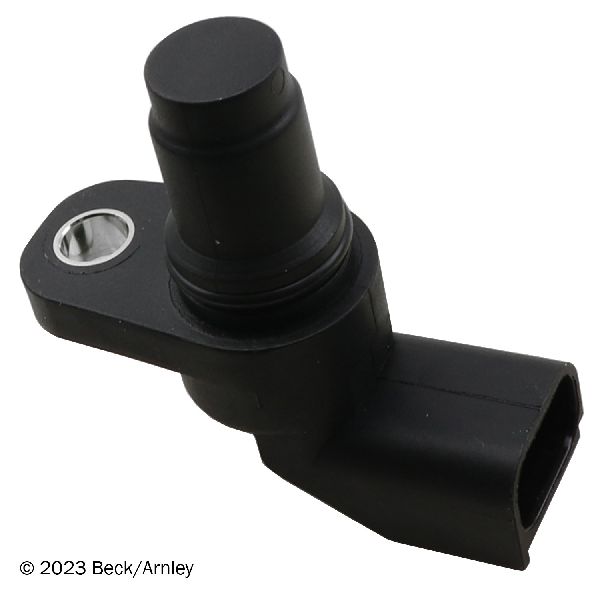
Est. part cost: $35-$75 - Faulty Camshaft Position Sensor ⚪ Low Probability → Shop Engine Camshaft Position Sensor
How to confirm: If a new VCT solenoid doesn't fix the issue, the sensor that reads the camshaft's position could be sending incorrect data to the PCM. This can be tested by checking its signal with an oscilloscope or swapping it with the intake sensor if they are identical.
Typical fix: Replace the exhaust camshaft position sensor for Bank 1.
Est. part cost: $25-$60
Rare But Worth Checking
- Worn Timing Components (Chain, Guides, Phaser): If the engine has high mileage or a poor maintenance history, a stretched timing chain, failed tensioner, or a failing camshaft phaser (actuator) can cause timing deviations that trigger this code. This is a much more involved and expensive repair and should be considered after all other causes are ruled out.
- Wiring Harness Damage: Damage or corrosion in the wiring or connector for the VCT solenoid or camshaft position sensor can interrupt the signal, leading to the code. This is worth inspecting before replacing more expensive parts.
- Debris from Other Failed Components: In some rare cases, debris from another failing part can enter the oiling system and cause VCT issues. One forum user on a similar engine reported that a failing brake vacuum pump shed plastic pieces into the valve cover area, which then led to P0014 and P0017 codes.
Diagnosis Steps
- Check engine oil level and condition. If low or dirty, perform an oil and filter change with the correct full synthetic SAE 5W-30 oil and clear the code.
- If the code returns, use a scan tool to monitor the desired vs. actual exhaust camshaft position angles.
- Inspect the wiring and connector for the exhaust VCT solenoid and camshaft position sensor for any visible damage or corrosion.
- Swap the exhaust VCT solenoid with the intake VCT solenoid. They are located on the top of the valve cover. Clear the codes and drive the vehicle. If the code changes to P0011, the solenoid you moved is faulty and must be replaced.
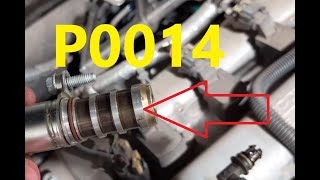
- If the code does not change, test the original solenoid's resistance with a multimeter. It should be within 5-15 Ohms. You can also briefly apply 12V to check if it clicks (actuates). 🎬 See this guide on how to test and fix the solenoid
- If the solenoid and oil are good, the next step is to test the camshaft position sensor.
- If all electronic components test good, the issue may be mechanical. TSB SSM 48423 suggests performing pinpoint test HK11, which cycles the solenoid 10 times with a scan tool to try and dislodge debris before component replacement.
- If the code persists, a deeper mechanical inspection of the timing chain, tensioners, and camshaft phaser is required.
Parts You'll Likely Need
- Engine Variable Valve Timing (VVT) Solenoid
(OEM #CJ5Z-6M280-A (May be superseded by CM5Z-6M280-D or newer))— This is the most frequent point of failure for code P0014 on this platform, as confirmed by multiple TSBs. It gets clogged with debris from engine oil and sticks.
Trusted brands: Motorcraft, Dorman, NTK, Standard Motor Products (SMP), Walker
OEM price range: $40-$80
Aftermarket price range: $25-$60 - Camshaft Position Sensor
(OEM #BR3Z-6B288-A)— Though less common than the solenoid, a failing sensor can send incorrect position data to the PCM, triggering the code. It's a logical next replacement if a new solenoid and oil change don't resolve the issue.
Trusted brands: Motorcraft, Bosch, NTK
OEM price range: $30-$50
Aftermarket price range: $20-$40 - Engine Oil and Filter — Dirty, old, or incorrect viscosity oil is the root cause of VCT solenoid failure and can trigger the code on its own.
Trusted brands: Motorcraft (Synthetic Blend or Full Synthetic), Mobil 1, Castrol EDGE
OEM price range: $50-$90
Aftermarket price range: $40-$70
Related Codes That Often Appear With This One
- P0011 — Intake Camshaft Position Timing - Over-Advanced. If both P0011 and P0014 appear, it could point to a systemic issue like very low/dirty oil affecting both VCT solenoids, or a base timing issue.
- P0016 — Crankshaft Position - Camshaft Position Correlation. This code indicates a more serious timing mismatch between the crank and cam, possibly pointing toward a jumped or stretched timing chain.
- P0017 — Crankshaft Position - Camshaft Position Correlation (Exhaust). Similar to P0016, this points to a correlation issue specifically with the exhaust cam, often appearing alongside P0014 when a mechanical timing problem exists.
Technical Service Bulletins (TSBs) & Recalls
- SSM 48423: Notes that various VCT DTCs including P0014 may be due to small debris causing the VCT solenoid to stick. Recommends running a diagnostic routine (pinpoint test HK11) to cycle the solenoid before replacement.
- SSM 54366: Mentions P0014 and advises following specific diagnostic procedures for VCT codes.
- SSM 47170: An earlier bulletin also stating that debris can cause the VCT solenoid to stick, triggering codes like P0014.
Platform-Specific Known Issues
- TSB SSM 48423 and SSM 47170 note that P0014 (among other VCT codes) may be caused by small debris causing the VCT solenoid to stick. The bulletins advise against immediate component replacement, instead directing technicians to first perform pinpoint test HK11 to cycle the solenoid with a scan tool in an attempt to clear the debris.
- TSB SSM 54366 also lists P0014 and directs technicians to follow specific pinpoint tests in the official service manual to diagnose the VCT system.
- A Reddit user with a similar GM engine reported getting P0014 and P0017 after a vacuum pump failed and dropped debris into the valvetrain, highlighting the VCT system's sensitivity to any foreign particles in the oil.
Mechanic-Grade Diagnostic Values
- VCT Solenoid Internal Resistance — expected: 5 to 15 Ohms. Failure: A reading of 0 Ohms (short circuit) or infinite/OL (open circuit) indicates a failed solenoid.
- VCT Solenoid Connector Voltage — expected: Approximately 12V (Battery Voltage). Failure: Significantly lower or no voltage suggests a wiring or PCM power relay issue.
Scan Tool Commands That Help
- Ford IDS, FORScan, or equivalent professional scanner: VCT Solenoid Control (e.g., VCT_EXH_DSD) — To manually command the solenoid's duty cycle (e.g., 0%, 50%, 100%) with the engine running to see if it impacts idle quality or to listen for a click with the engine off. This directly tests solenoid and circuit function.
- Ford IDS, FORScan, or equivalent professional scanner: Reset All Adaptations / VVT Adaptation Reset — After replacing a VCT solenoid or other timing components, this function clears the PCM's learned values and forces it to relearn the new component's operational characteristics.
Wiring & Ground Locations
- VCT Solenoid Connector — On top of the valve cover, plugging into the VCT solenoid.. This 2-pin connector provides power and control to the solenoid. Pin 1 is typically a 12V power supply from the PCM power relay via a fuse, while Pin 2 is the ground-side control wire that the PCM pulses to actuate the solenoid. Damage or corrosion here will cause a loss of control.
Real Owner Repair Stories
- Ford F150 Forum user 'TCK' (2013 F-150 3.5L EcoBoost (similar VCT system)) — Check engine light with codes P0012, P0014, P0022, and P0024 all at once.
❌ Tried (didn't work) Initial diagnosis pointed towards timing chain issues, which is an expensive repair.
✅ What actually fixed it The problem was oil sludging that clogged the variable timing phaser oil screens. A Ford technician performed an engine flush by running ATF (Automatic Transmission Fluid) in the engine to operating temperature, then drained it and performed a standard oil change. This cleared the sludge and resolved all codes. The owner now performs oil changes every 4,000 miles.
OEM Part Supersession History
CJ5Z-6M280-A→CM5Z-6M280-D— Part revision and improvement by the manufacturer.CM5Z-6M280-D→CM5Z-6M280-G— Further part revision by the manufacturer.
Heads up: CM5Z-6M280-F is also listed as a superseded part number in this chain.
Model Year Variations Within This Range
- 2015-2019: No significant variations in the Ti-VCT system, VCT solenoids, or the diagnostic procedure for P0014 have been identified for the 2.0L and 2.3L EcoBoost engines within this model year range. The diagnosis is consistent across all years.
Helpful Videos

We Have This Part in Stock


The information in this article is provided for general reference and educational purposes only. Vehicle specifications, procedures, and part compatibility can vary by production date, trim level, and region. Always consult your vehicle's factory service manual and verify part numbers before purchasing or performing repairs. Safety-critical components such as airbags, seat belts, and braking systems should be installed by a qualified professional.
- Lincoln MKC:
- 🧭 Diagnostic Flowchart
- 🎬 Helpful Videos
- 🛍️ Shop This Part
- What's Unique About the 2015-2019 Lincoln MKC
- Symptoms You May Notice
- Most Likely Causes
- Rare But Worth Checking
- Diagnosis Steps
- Parts You'll Likely Need
- Related Codes That Often Appear With This One
- Technical Service Bulletins (TSBs) & Recalls
- Platform-Specific Known Issues
- Mechanic-Grade Diagnostic Values
- Scan Tool Commands That Help
- Wiring & Ground Locations
- Real Owner Repair Stories
- OEM Part Supersession History
- Model Year Variations Within This Range
- 🎟️ Get 5% Off