

P0014 on 2015-2021 Lincoln Navigator: Causes and Fixes for Over-Advanced Camshaft Timing
On a 2015-2021 Lincoln Navigator, code P0014 usually points to a sticking exhaust VCT (Variable Camshaft Timing) solenoid on Bank 1, often caused by oil contamination or debris. The most common fix is replacing the VCT solenoid and changing the engine oil and filter. Bank 1 is the passenger side of the engine.
- P0014 on your Navigator means the exhaust camshaft timing on the passenger side is too far advanced.
- Before buying any parts, check your engine oil level and condition. A simple oil and filter change might fix the problem.
- The most likely failed part is the Bank 1 exhaust VCT solenoid, which gets stuck due to oil debris. This is a known issue backed by Ford/Lincoln TSBs.
- Replacing the VCT solenoid is a DIY-friendly job for many, with the part located on the passenger-side valve cover.
What's Unique About the 2015-2021 Lincoln NAVIGATOR
The 3.5L EcoBoost V6 engine in this generation of Navigators is known for its complex Variable Camshaft Timing (VCT) system. Manufacturer Technical Service Bulletins (TSBs) for this exact vehicle range specifically mention that small debris can cause the VCT solenoids to stick, leading to codes like P0014. This makes checking oil condition and the VCT solenoids a top priority, as it's a documented weakness. 🎬 Watch: See how these VCT solenoids fail on the 3.5L EcoBoost. The issue is so common that it affects platform mates like the Ford F-150 and Expedition with the same engine.
Diagnostic Flowchart
Tap your situation to follow the diagnostic path that matches what you're seeing on this vehicle.
Generation note: This range covers two Navigator generations: the facelifted third generation (2015-2017) and the fourth generation (2018-2021). Both use a 3.5L EcoBoost V6, but the fourth generation features a higher-output version with a more advanced dual port-and-direct injection system and redesigned turbochargers. The P0014 issue and its common causes are relevant to both generations, as confirmed by TSBs covering the entire 2015-2021 model year span.
Symptoms You May Notice
- Check Engine Light is on
- Rough or unstable idle
- Engine stalling, especially at low speeds
- Hard starting
- Reduced engine power and acceleration
- Worse fuel economy
- Rattling, knocking, or diesel-like noises from the engine.
- Replacing the camshaft position sensor before checking oil level and VCT solenoid condition.
- Replacing the cam phaser (a very expensive repair) before ruling out the much cheaper and more common VCT solenoid failure.
- Assuming a timing chain replacement is needed immediately, before performing an oil change and testing/replacing the VCT solenoid.
Most Likely Causes
- Low, Dirty, or Incorrect Viscosity Engine Oil 🔴 High Probability The VCT system is entirely dependent on clean oil at the correct pressure. The TSBs for these vehicles point to debris causing solenoid issues, which is often related to oil quality and maintenance intervals. Forum users on F150Forum.com have reported that sludge buildup was the root cause of multiple VCT codes, which was resolved with an engine flush and more frequent oil changes.
How to confirm: Check the engine oil level on the dipstick and inspect its color and consistency. If it's low, dark black, or sludgy, it needs to be changed. Some owners report the issue appearing when oil change intervals are extended past 5,000 miles.
Typical fix: Perform an engine oil and filter change using the manufacturer-specified grade of full synthetic oil (e.g., 5W-30 meeting Ford specification WSS-M2C946-A). In cases of sludge, a professional engine flush may be necessary.
Est. part cost: $60-$100 - Sticking or Failed VCT Solenoid 🔴 High Probability → Shop Engine Variable Valve Timing (VVT) Solenoid Multiple manufacturer TSBs (SSM 47170, SSM 48423) directly state that debris can cause the VCT solenoid to stick, triggering this code on 2015-2021 Navigators. The Bank 1 exhaust solenoid is located on the passenger side valve cover, towards the firewall.
How to confirm: A mechanic can use a scan tool to command the solenoid to activate and observe the camshaft position change. The solenoid can also be removed and tested for resistance with a multimeter (typically 6-12 ohms) or inspected for sludge and debris. TSB SSM 47170 suggests cycling the solenoid 10 times with a scan tool to try and clear debris before replacement.
Typical fix: Replace the Bank 1 exhaust VCT solenoid. Cleaning is possible but replacement is often the more reliable long-term solution.
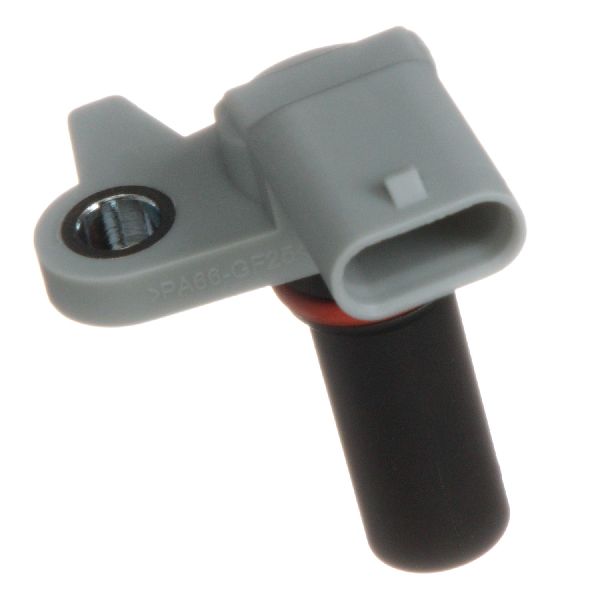
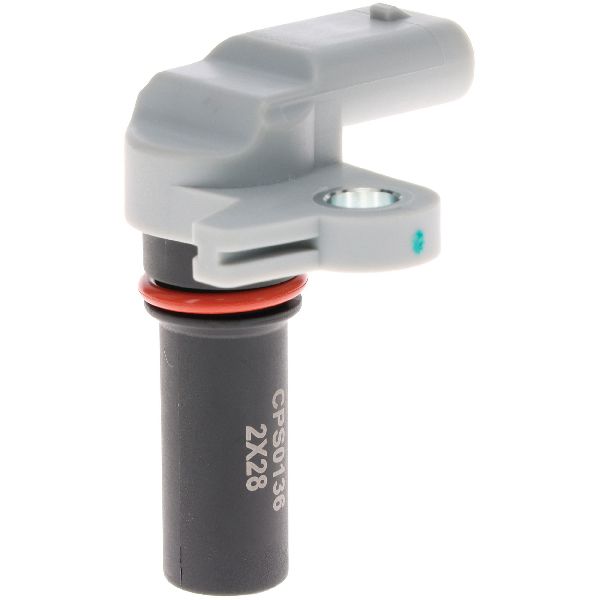
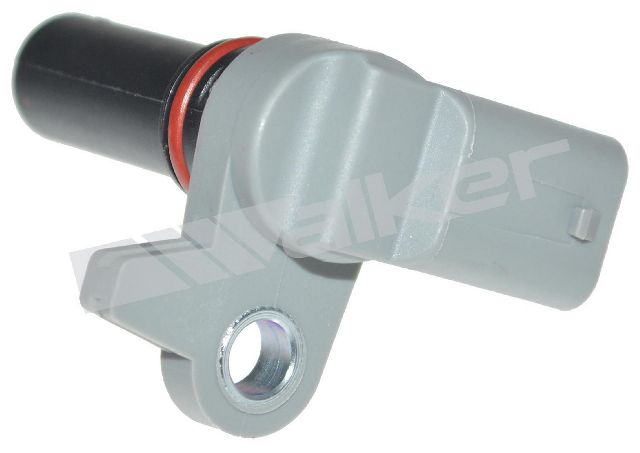
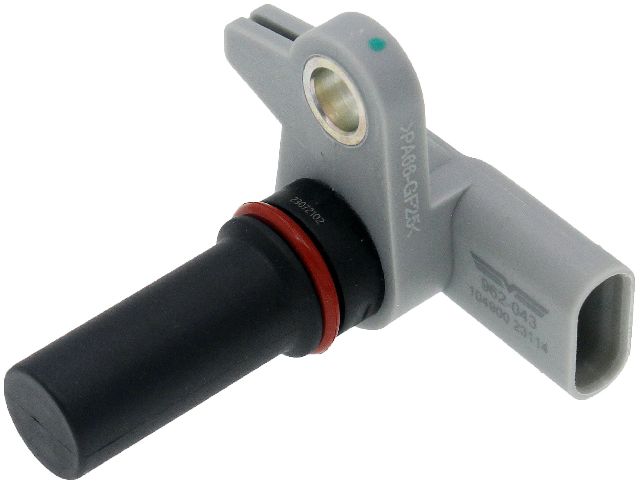
Est. part cost: $50-$150 - Faulty Camshaft Position Sensor 🟡 Medium Probability → Shop Engine Camshaft Position Sensor
How to confirm: The sensor's signal can be monitored with an oscilloscope. Often, if the sensor is failing, it will set its own specific trouble code in addition to P0014. It is a less likely cause than oil or solenoid issues.
Typical fix: Replace the Bank 1 exhaust camshaft position sensor.
Est. part cost: $30-$80
Rare But Worth Checking
- Stretched Timing Chain or Failed Cam Phaser: → Shop Engine Timing Chain While less common than oil or solenoid issues, timing chain problems are a known, more serious issue on some 3.5L EcoBoost engines. Symptoms often include a distinct startup rattle. If an oil change and solenoid replacement don't fix the code, this becomes a primary suspect. This is a much more involved and expensive repair, as noted by owners on Reddit and F-150 forums who have had the full timing job done.
- Wiring Harness Damage: Check the wiring leading to the VCT solenoid and camshaft position sensor for any signs of fraying, melting, or corrosion, especially near hot engine components. A visual inspection of the connectors and harness is a key diagnostic step. A recall for fire risk on some 2021 models involved the engine wiring harness, highlighting its potential for issues.
- Clogged Oil Passages: In cases of severe sludge from neglected oil changes, the narrow oil passages in the cylinder head that feed the VCT system can become blocked. This can starve the phasers and solenoids of oil pressure even if the rest of the engine has adequate pressure. This is a very difficult and costly repair, often requiring cylinder head removal.
Diagnosis Steps
- Check the engine oil level and condition. If it is low or dirty, perform an oil and filter change with the correct Ford-spec oil, clear the codes, and re-test. This is the cheapest and easiest first step.
- Use an OBD-II scanner to check for any other pending or active trouble codes.
- Inspect the wiring and connector for the Bank 1 (passenger side) exhaust VCT solenoid and camshaft position sensor for damage or loose connections.
- Using a capable scan tool, command the Bank 1 exhaust VCT solenoid to activate and monitor the camshaft position sensor data to see if it responds correctly. TSB SSM 47170 recommends cycling it 10 times to attempt to clear debris.
- If the solenoid doesn't respond, remove it and inspect it for sludge or debris. The Bank 1 exhaust solenoid is on the passenger side valve cover. You can try cleaning it with electrical contact cleaner, but replacement is often the best long-term solution.
- Test the resistance of the VCT solenoid with a multimeter. It should typically read between 6-12 ohms. An out-of-spec reading confirms a failed solenoid.
- If the solenoid and oil are good, the next step is to test the camshaft position sensor.
- If all of the above components test good, the issue may be more severe, such as a failing cam phaser or a stretched timing chain, which requires more in-depth mechanical inspection and is a significantly more expensive repair.
Parts You'll Likely Need
- Variable Camshaft Timing (VCT) Solenoid
(OEM #BL3Z-6M280-B (or superseding part number))— This is the most common point of failure for this code on this engine, as documented by multiple TSBs. It gets stuck due to debris or internal failure. The OEM part is often referred to by its base number 6M280.
Trusted brands: Motorcraft, Dorman, Duralast, NTK
OEM price range: $80-$150
Aftermarket price range: $50-$100 - Engine Oil and Filter — Clean, correct-viscosity oil is critical for the VCT system's operation. Dirty or low oil is a primary cause of VCT solenoid issues. Using a full synthetic 5W-30 oil that meets Ford specification WSS-M2C946-A is recommended.
Trusted brands: Motorcraft, Mobil 1, Pennzoil
OEM price range: $70-$120
Aftermarket price range: $60-$100
Related Codes That Often Appear With This One
- P0011 — Intake ('A') camshaft timing over-advanced on the same bank. This can indicate a more widespread oil pressure or delivery issue affecting both cams on Bank 1.
- P0012 — Intake ('A') camshaft timing over-retarded on the same bank. Seeing multiple VCT codes together often points towards an oil pressure/sludge problem.
- P0024 — This is the same issue as P0014 (Exhaust 'B' Cam Over-Advanced) but for Bank 2 (driver's side). If both codes are present, it strongly suggests a systemic problem like low/dirty oil or low oil pressure, as discussed by owners on F-150 forums.
- P054A — Cold Start 'B' Camshaft Position Timing Over-Advanced Bank 1. This code specifically points to the timing issue occurring during cold starts, which is often a precursor or companion to P0014 and can be related to timing chain stretch or phaser issues.
Technical Service Bulletins (TSBs) & Recalls
- SSM 54366
- SSM 47170
- SSM 48423
- 21B10
Platform-Specific Known Issues
- Technical Service Bulletin SSM 54366 notes that 2015-2021 models can exhibit a group of VCT-related codes, including P0014.
- Technical Service Bulletins SSM 47170 and SSM 48423 specifically state that P0014 (and other related codes) may be caused by small debris causing the VCT solenoid to stick. The recommended procedure is to use a scan tool to cycle the solenoid 10 times to attempt to clear it before replacement.
- Customer Satisfaction Program 21B10 was issued for some 3.5L EcoBoost engines for a PCM reprogram to address cam phaser rattle, a related but more severe timing system issue.
Mechanic-Grade Diagnostic Values
- VCT Solenoid Resistance — expected: 6 to 12 ohms. Failure: A reading outside this range, or an open circuit, indicates a failed solenoid.
- VCT Solenoid Power Supply (at connector) — expected: Battery voltage (approx. 12V) on one pin with key on, engine off.. Failure: No voltage indicates a wiring or fuse issue upstream from the solenoid.
- VCT Solenoid Control Signal (at connector) — expected: The PCM provides a ground signal to this pin to activate the solenoid.. Failure: An open or short on this wire will prevent the PCM from controlling the solenoid.
- Live Data PID: VCT_ADV_ERR (VCT Advance Error) — expected: Should hover around 0°, with an allowable variance of +/- 5° for short periods.. Failure: A consistent, large error value on Bank 1 indicates the camshaft is not reaching its commanded position.
Scan Tool Commands That Help
- Ford IDS (Integrated Diagnostic System) or equivalent: VCT Solenoid On/Off State or Duty Cycle Command — This bidirectional control is used to manually activate the VCT solenoid while monitoring engine performance or camshaft position PIDs. If commanding the solenoid on causes the idle to change or stumble, it confirms the solenoid is mechanically functioning. TSBs for this vehicle also recommend cycling the solenoid multiple times with this function to attempt to dislodge debris.
Wiring & Ground Locations
- Bank 1 Exhaust VCT Solenoid Connector — On the passenger side (Bank 1) valve cover, typically towards the rear of the engine.. This is the direct electrical connection for the component most likely to cause P0014. The two pins are for power and the PCM ground signal. Checking for voltage, ground, and physical integrity here is a key step.
- Engine Ground Points — Various points on the engine block and chassis. A factory repair manual provides specific ground location charts (e.g., G104, G105).. A poor engine ground can cause erratic behavior in sensors and actuators, including the VCT solenoids and camshaft position sensors, leading to intermittent or false codes.
Real Owner Repair Stories
- F150Forum.com user 'TCK' (2013 F-150 3.5L EcoBoost (similar engine and VCT system)) — Check engine light with codes P0012, P0014, P0022, and P0024 all at once.
❌ Tried (didn't work) Initial diagnosis was uncertain due to all four VCT codes appearing simultaneously.
✅ What actually fixed it The problem was identified as oil sludging, which clogged the VCT phaser oil screens. A Ford technician performed an engine flush using ATF, followed by a standard oil and filter change. This cleared the codes. The owner now changes oil every 4,000 miles to prevent recurrence. - Reddit user 'dutycycle_' (2013 F-150 3.5L EcoBoost) — Codes P0014, P054A (cold start timing over-advanced), and P0151 (O2 sensor), along with timing chain rattle on startup.
❌ Tried (didn't work) A full timing chain kit replacement was performed for $2900. This resolved the P0014 code and the startup rattle initially.
✅ What actually fixed it The timing chain replacement fixed the P0014 code, indicating the root cause was a mechanical timing issue (likely stretched chain), not just a solenoid. However, other codes returned, suggesting multiple underlying problems or incomplete diagnosis.
OEM Part Supersession History
3L3Z-6M280-EA→8L3Z-6M280-A, then 8L3Z-6M280-B— Part revision and improvement by the manufacturer. This specific part number is for the 3-valve V8 engines but shows a common supersession path for Ford VCT solenoids.
Heads up: While the part number listed in Pass 2 (BL3Z-6M280-B) is correct for the 3.5L EcoBoost, it's crucial to always verify the latest part number with a dealer using the vehicle's VIN, as revisions can occur. Using an incorrect revision may lead to improper operation.
Model Year Variations Within This Range
- 2017-2021: Starting in the 2017 model year for the F-150 and 2018 for the Navigator, the 3.5L EcoBoost was updated to the 'Gen 2' version. This engine features a more complex dual-injection system (port and direct injection) and redesigned turbochargers. While the fundamental VCT system operation is similar, the associated components and engine management strategy are more advanced than the 2015-2016 models.
- 2018+: A TSB regarding long block replacement on 2018 models indicates that early production vehicles used a two-piece oil pan, which was later superseded by a one-piece design. This change required modifications to the engine harness and transmission cooler lines during engine replacement, highlighting a mid-generation production change.
Helpful Videos
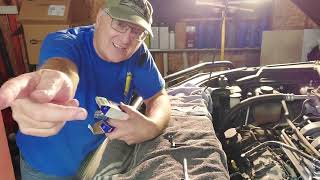
![How to Fix P0014 Engine Code in 4 Minutes [2 DIY Methods / Only $6.74]](https://img.youtube.com/vi/olrC8UYw9cQ/mqdefault.jpg)
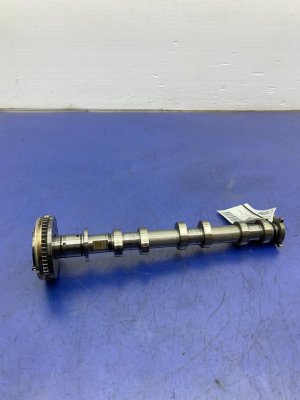
Used OEM Parts in Stock
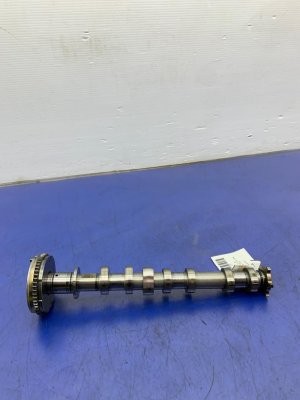
New Aftermarket Parts Available


The information in this article is provided for general reference and educational purposes only. Vehicle specifications, procedures, and part compatibility can vary by production date, trim level, and region. Always consult your vehicle's factory service manual and verify part numbers before purchasing or performing repairs. Safety-critical components such as airbags, seat belts, and braking systems should be installed by a qualified professional.
- Lincoln NAVIGATOR:
- 🧭 Diagnostic Flowchart
- 🎬 Helpful Videos
- 🛍️ Shop This Part
- What's Unique About the 2015-2021 Lincoln NAVIGATOR
- Symptoms You May Notice
- Most Likely Causes
- Rare But Worth Checking
- Diagnosis Steps
- Parts You'll Likely Need
- Related Codes That Often Appear With This One
- Technical Service Bulletins (TSBs) & Recalls
- Platform-Specific Known Issues
- Mechanic-Grade Diagnostic Values
- Scan Tool Commands That Help
- Wiring & Ground Locations
- Real Owner Repair Stories
- OEM Part Supersession History
- Model Year Variations Within This Range
- 🎟️ Get 5% Off