

P0014 on 1999-2004 Oldsmobile Alero 3.4L: The VVT Code on a Non-VVT Engine
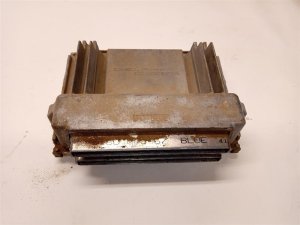
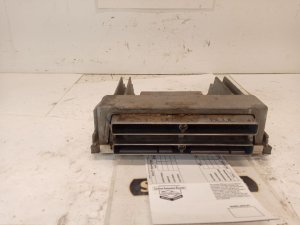
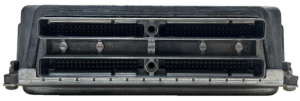
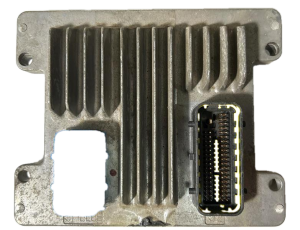
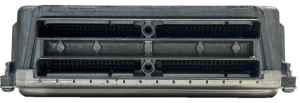
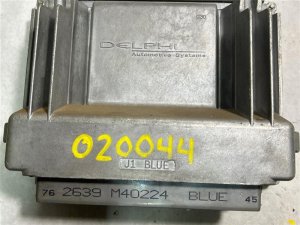
P0014 on an Alero 3.4L is almost always a software glitch in the engine computer (PCM), not a mechanical failure. The engine lacks the Variable Valve Timing (VVT) parts this code normally points to. The most common and correct fix is a PCM software update from a GM dealer or qualified shop, not replacing parts.
- Do NOT replace any VVT-related parts like solenoids or phasers; your engine does not have them.
- The most likely cause of P0014 on this car is a software bug in the engine computer (PCM).
- The primary fix is to have a GM dealer or qualified shop check for and apply a PCM software update before replacing any parts.
- If the code persists after a software update, the next part to investigate is the Camshaft Position Sensor (P/N 12567650) and its wiring, not the Crankshaft Position Sensor.
What's Unique About the 1999-2004 Oldsmobile Alero
The Oldsmobile Alero's 3.4L V6 is a conventional engine where the camshaft timing is fixed by a timing chain; it cannot be adjusted while running. The fact that it can generate a P0014 code, which is specific to advanced VVT systems, is a known platform anomaly. A 2003 technical document for transmission specialists specifically notes that P0014 can appear on this vehicle and the Pontiac Grand Am due to PCM calibration problems, for which GM released a software update. This makes the diagnostic approach completely different from other cars with this code, shifting the focus from mechanical parts to computer software.
Symptoms You May Notice
- Check Engine Light is on
- Possibly no other symptoms
- Rough idle
- Engine stalling
- Hard starting
- Poor acceleration or lack of power
- Replacing the VVT solenoid (also called oil control valve). This part does not exist on the LA1 3.4L V6 engine.
- Replacing the camshaft phaser. This part does not exist on the LA1 3.4L V6 engine.
- Replacing the Crankshaft Position Sensor (P/N 10456555) instead of the Camshaft Position Sensor due to part number confusion.
Most Likely Causes
- Powertrain Control Module (PCM) Calibration Error 🔴 High Probability A known software issue can cause the PCM to falsely report a P0014 code on this non-VVT engine. This is confirmed in technical manuals and by professional mechanics.
How to confirm: A GM dealer or a shop with a J2534 pass-through device and a subscription to GM's Technical Delivery System (TDS) can check the current PCM software version against available updates for your VIN.
Typical fix: Reprogramming (reflashing) the PCM with the updated software calibration from GM.
Est. part cost: $40-$250. A single-VIN subscription for DIY flashing costs about $40-$45 (plus the cost of a J2534 tool), while a dealer or independent shop typically charges between $100 and $250 for the service. - Faulty Camshaft Position Sensor (CMP) 🟡 Medium Probability → Shop Engine Camshaft Position Sensor The CMP sensor provides camshaft data to the PCM. An erratic signal from a failing sensor could be misinterpreted by the faulty PCM logic, triggering the P0014 code.
How to confirm: Test the sensor's voltage output with a multimeter or use a scan tool to observe its readings. The sensor is located under the power steering pump.
Typical fix: Replace the camshaft position sensor.
Est. part cost: $25-$70 - Damaged Wiring to Camshaft Position Sensor ⚪ Low Probability → Shop Engine Camshaft Position Sensor
How to confirm: Visually inspect the wiring harness leading to the CMP sensor for any signs of chafing, melting, or corrosion. Perform a continuity test on the wires.
Typical fix: Repair or replace the damaged section of the wiring harness.
Est. part cost: $5-$50
Rare But Worth Checking
- Stretched Timing Chain or Worn Timing Gears: → Shop Engine Timing Chain While rare to cause only P0014, excessive slack in the timing chain can alter the physical cam-to-crank timing enough to be detected. This is a serious mechanical issue that would likely be accompanied by rattling noises, severe running problems, and multiple other codes (like P0300).
- Failing Powertrain Control Module (PCM): If a software reflash doesn't fix the issue and all sensors/wiring are good, the PCM itself may have an internal hardware fault, though this is uncommon.
Diagnosis Steps
- Confirm the P0014 code is present using an OBD-II scanner.
- Crucial First Step: Contact a GM dealership or a qualified repair shop to inquire about PCM calibration updates for your vehicle's VIN regarding a false P0014 code. This is the most likely solution and should be checked before replacing any parts.
- If a PCM update is performed but the code returns, or if no update is available, proceed to test the Camshaft Position Sensor (CMP).
- Locate the CMP sensor, which is typically found under the power steering pump on the 3.4L LA1 engine.
- Inspect the sensor's connector and wiring for damage, corrosion, or oil contamination.
- Using a multimeter, check the sensor for proper voltage and signal according to the vehicle's service manual.
- If the sensor or wiring fails testing, replace the faulty component.
- If the code persists after a reflash and sensor check, the issue may be a more significant mechanical problem like a stretched timing chain, which would require checking for slack by removing the timing cover.
Parts You'll Likely Need
- PCM Reflash/Update — This is not a physical part, but a software service. It is the most likely fix, correcting the logic error that causes the false code.
Trusted brands: GM Service (dealer or via ACDelco TDS)
OEM price range: $100-$250
Aftermarket price range: N/A - Camshaft Position Sensor
(OEM #12567650)— If the cause is not the PCM software, a failing camshaft position sensor is the next most likely hardware culprit. Note: This is often confused with the Crankshaft Position Sensor (P/N 10456555).
Trusted brands: ACDelco (213-951), Delphi, Standard Motor Products
OEM price range: $50-$90
Aftermarket price range: $25-$70
Related Codes That Often Appear With This One
- P0341 — This code indicates a problem with the Camshaft Position Sensor 'A' Circuit Range/Performance. It is directly related to the sensor that could be sending faulty data and triggering the P0014.
- P0300 — If the camshaft timing is genuinely off due to a sensor or timing chain issue, it can lead to random misfires across the cylinders.
Technical Service Bulletins (TSBs) & Recalls
- ATRA 2003 Technical Seminar Manual: This document for transmission professionals explicitly notes that on 2003 Alero and Grand Am models with the 3.4L engine, a P0014 code can be caused by a PCM calibration problem and that GM released an updated calibration to fix it.
Platform-Specific Known Issues
- The Powertrain Control Module (PCM) has a known software issue where it can erroneously set a P0014 'Cam Phaser Performance' code, despite the engine not having cam phasers.
- This issue is also prevalent on the Pontiac Grand Am with the same 3.4L V6 engine.
Mechanic-Grade Diagnostic Values
- Camshaft Position Sensor (CMP) Signal Voltage — expected: With the sensor connected and ignition ON (engine OFF), back-probing the signal wire should show a voltage of approximately 4.8V to 5.0V.. Failure: When a piece of metal (like a wrench) is passed in front of the sensor tip, the voltage should drop to near 0V. If the voltage does not switch, or is stuck high or low, the sensor is likely faulty.
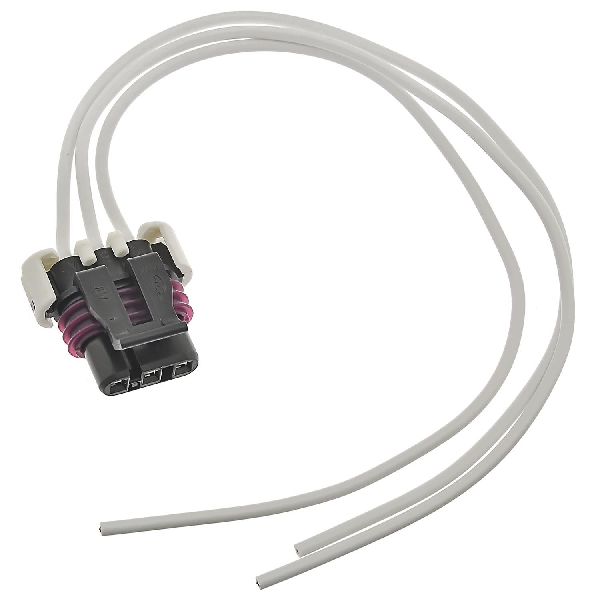
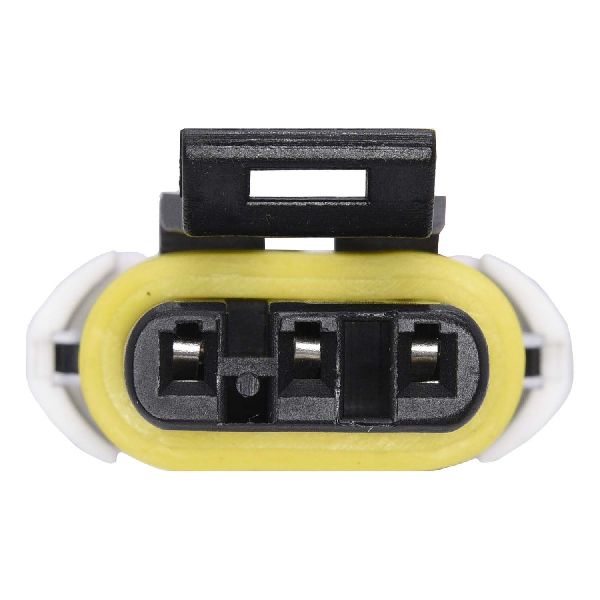
- Camshaft Position Sensor (CMP) Connector Pinout — expected: The 3-pin oval connector typically has a Pink wire for 12V ignition power (B+), a Black or Black/White wire for ground, and a third wire (often Yellow or another color) for the signal to the PCM.. Failure: Missing power or ground at the connector indicates a wiring or PCM issue, not a failed sensor.
Scan Tool Commands That Help
- Tech 2 / GDS2 or equivalent professional scan tool: Crankshaft Position Variation Learn (CASE Relearn) — This procedure is mandatory after replacing the Powertrain Control Module (PCM) or the Crankshaft Position Sensor (CKP). Failure to perform the relearn can result in a persistent P1336 code and potential misfire detection issues, which could be confused with the symptoms of P0014. The procedure calibrates the PCM to the precise position of the crankshaft reluctor wheel. To perform, use the scan tool to initiate the function, then accelerate the engine to the specified RPM (approx. 4000 RPM for V6) until fuel cut-off occurs.
Wiring & Ground Locations
- G103 — A critical ground point. On 2002 models, it can be located on the left side of the engine on a transmission stud, or on the right rear of the engine. Another source describes it for gas engines as being on the right front side of the engine near the thermostat housing. Its exact location can vary slightly, but it is a primary engine ground.. A GM document specifically notes that a loose G103 connection on 2002 Alero/Grand Am models with the 3.4L engine can cause intermittent driveability issues and set various DTCs. A poor ground can cause erratic voltage signals and incorrect PCM calculations, potentially leading to a false P0014.
- G114 — Located on the lower left rear of the engine, often on a transaxle stud.. This is another primary engine block ground point. A poor connection here can affect the reference ground for multiple sensors, including the Camshaft and Crankshaft position sensors, leading to noisy or incorrect signals.
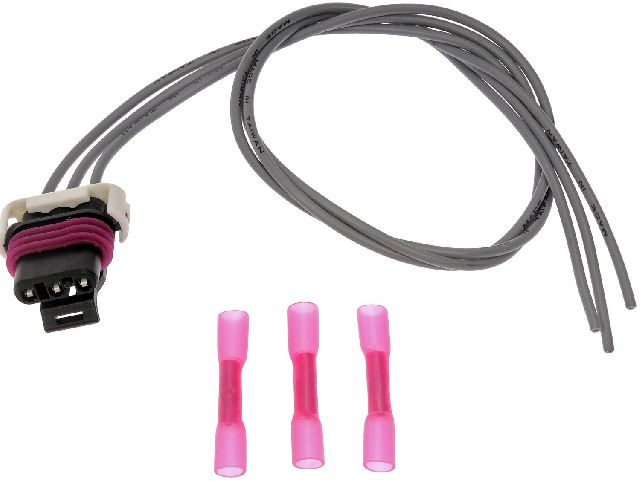
- CMP Sensor Connector — Connects to the Camshaft Position Sensor, which is located under the power steering pump.. This is a 3-pin, black, oval-shaped female connector. Damage, corrosion, or oil saturation in this connector can directly cause a loss of signal from the CMP sensor, triggering codes P0341 or being misinterpreted by the PCM as a P0014 fault.
Model Year Variations Within This Range
- 2002: A technical document specifically highlights 2002 Alero and Grand Am models with the 3.4L engine as being prone to intermittent driveability issues and DTCs caused by a loose G103 ground connection.
- 2003: The ATRA Technical Seminar Manual from 2003 specifically called out that year's Alero and Grand Am models as having a PCM calibration problem causing a false P0014, for which GM released a software update.
Diagnostic Flowchart
Real Owner Stories
Aggregated from forums and TSBs cited above. Mileages and costs reflect what owners reported in those sources.
GM 3.4L V6 (LA1)
Symptoms: Technician suspected a failed cam actuator due to the P0014 code, highlighting how the code's description can mislead professionals since the engine does not actually have VVT components.
What fixed it: Recognizing the software bug rather than replacing mechanical VVT parts.
Source hint: iATN (International Automotive Technicians Network) - 2014 Thread
GM 3.4L V6 (LA1)
Symptoms: Vehicle presented with a P0014 code, but physical inspection confirmed the engine timing was completely correct, pointing away from mechanical failure.
What fixed it: Diagnosed as a non-mechanical cause, pointing towards the known PCM software anomaly.
Source hint: iATN (International Automotive Technicians Network) - 2010 Thread
Related OBD-II Codes
Frequently Asked Questions
Why am I getting a P0014 'Cam Phaser Performance' code on my 3.4L Alero when it doesn't have cam phasers?
How much does it cost to fix the false P0014 code on my 1999-2004 Alero?
Where is the camshaft position sensor located on the 3.4L LA1 engine?
Does the ATRA 2003 Technical Seminar Manual mention the P0014 code for the Alero?
Should I replace the camshaft position sensor right away if my Alero shows P0014?
What other vehicles share this P0014 PCM glitch with the Oldsmobile Alero?
Used OEM Parts in Stock
New Aftermarket Parts Available


The information in this article is provided for general reference and educational purposes only. Vehicle specifications, procedures, and part compatibility can vary by production date, trim level, and region. Always consult your vehicle's factory service manual and verify part numbers before purchasing or performing repairs. Safety-critical components such as airbags, seat belts, and braking systems should be installed by a qualified professional.
- Oldsmobile Alero:
- 🧭 Diagnostic Flowchart
- 🛍️ Shop This Part
- What's Unique About the 1999-2004 Oldsmobile Alero
- Symptoms You May Notice
- Most Likely Causes
- Rare But Worth Checking
- Diagnosis Steps
- Parts You'll Likely Need
- Related Codes That Often Appear With This One
- Technical Service Bulletins (TSBs) & Recalls
- Platform-Specific Known Issues
- Mechanic-Grade Diagnostic Values
- Scan Tool Commands That Help
- Wiring & Ground Locations
- Model Year Variations Within This Range
- Real Owner Stories
- GM 3.4L V6 (LA1)
- GM 3.4L V6 (LA1)
- Related OBD-II Codes
- Frequently Asked Questions
- 🎟️ Get 5% Off