

P0014 on 2006-2007 Saturn Ion 2.4L: Exhaust Cam Timing Over-Advanced Causes and Fixes
On a 2006-2007 Saturn Ion with the 2.4L Ecotec engine, code P0014 is almost always caused by a faulty exhaust camshaft position actuator solenoid. Before replacing any parts, check that the engine oil is clean, full, and of the correct 5W-30 viscosity, as low or dirty oil is the next most common cause. The solenoid is an easy DIY replacement, located on top of the valve cover, and costs about $25-$50 for an aftermarket part, though OEM (ACDelco) parts are recommended for longevity.
- P0014 on your Saturn Ion almost always points to the exhaust VVT solenoid or the engine oil.
- Always check your engine oil level and condition before buying any parts. An oil change might fix the issue.
- The easiest way to confirm a bad solenoid is to swap it with the intake solenoid and see if the trouble code changes to P0011.
- Replacing the VVT solenoids is a beginner-friendly DIY job that takes less than an hour with basic tools.
- It is strongly recommended to replace both the intake and exhaust solenoids at the same time.
What's Unique About the 2006-2007 Saturn Ion
The 2.4L LE5 Ecotec engine in your Saturn Ion and its platform mates (like the Chevy Cobalt, HHR, and Pontiac G6) is well-known for issues with its camshaft position actuator solenoids. These components are extremely sensitive to oil quality and pressure. They frequently get clogged with sludge from extended oil change intervals or fail electrically, especially after 100,000 miles. Because this failure is so common, many owners and technicians consider the solenoids a routine maintenance item. They are readily available and simple to replace with basic tools.
Symptoms You May Notice
- Check Engine Light is on
- Rough or unstable idle
- Engine stalling, especially when stopped
- Hesitation or lack of power during acceleration
- Poor fuel economy
- Rattling noise from the top of the engine, especially on cold starts
- Hard starting
- Replacing the camshaft position *sensor* when the camshaft position *actuator solenoid* is the actual faulty component.
- Replacing the timing chain when the issue is just a simple, inexpensive solenoid or dirty oil.
- Replacing only the solenoid when a startup rattle is present, indicating the underlying issue is a stretched timing chain.
Most Likely Causes
- Faulty Exhaust Camshaft Position Actuator Solenoid 🔴 High Probability → Shop Engine Camshaft These solenoids on the Ecotec engine are a very common failure point. The fine mesh screens on the solenoids can get clogged with oil sludge or break, and internal electrical connections can become intermittent, causing the solenoid to stick in the advanced position.
How to confirm: Swap the exhaust solenoid (rear, black connector) with the intake solenoid (front, gray connector). They are identical parts held by a single 10mm bolt. Clear the codes and drive. If the code changes to P0011 (Intake), the solenoid is bad. You can also test the solenoid's resistance with a multimeter; it should be between 8 to 13 ohms. A bad solenoid often shows erratic, fluctuating resistance when tested, while a good one gives a stable reading.
Typical fix: Replace the exhaust camshaft position actuator solenoid. It is highly recommended to replace both the intake and exhaust solenoids at the same time as a preventative measure. Using an OEM ACDelco part is often suggested by owners to avoid premature failure sometimes seen with aftermarket brands.
Est. part cost: $25-$75 - Low or Dirty Engine Oil 🔴 High Probability The VVT system is entirely hydraulic and relies on clean engine oil at the correct pressure. Ecotec engines can consume oil between changes, and if the level drops too low or the oil is old and sludgy, the solenoids cannot operate correctly. Some owners report the code appearing even when the oil life monitor shows significant life remaining, if the oil has been in use for a long time (e.g., 12 months).
How to confirm: Check the engine oil dipstick on level ground. The oil level should be within the full range and the oil should appear clean (not black, thick, or gritty). This should always be the first check.
Typical fix: Perform an oil and filter change using a quality full synthetic 5W-30 oil that meets GM's dexos specification. If the oil was low, top it off and monitor for consumption, as this can be a separate issue with these engines.
Est. part cost: $30-$70 - Stretched Timing Chain ⚪ Low Probability → Shop Engine Timing Chain While less common than solenoid failure for an isolated P0014 code, the timing chains on higher-mileage Ecotec engines can stretch. This is often accelerated by poor lubrication from infrequent oil changes or chronic low oil levels. A stretched chain creates a timing correlation error that the VVT system cannot correct.
How to confirm: A key symptom is a rattling or slapping noise from the side of the engine, especially on cold startup. A mechanic can use a scan tool to view live data for cam/crank correlation PIDs. If P0016 or P0017 are also present, a timing chain issue is much more likely. Definitive confirmation requires removing the valve cover to inspect for chain slack against the guides.
Typical fix: Requires a full timing chain, guide, and tensioner replacement. This is a significant and costly repair, often including replacement of the water pump and VVT phasers as well.
Est. part cost: $200-$500
Rare But Worth Checking
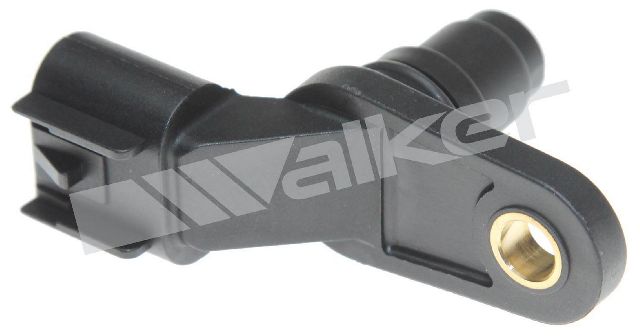
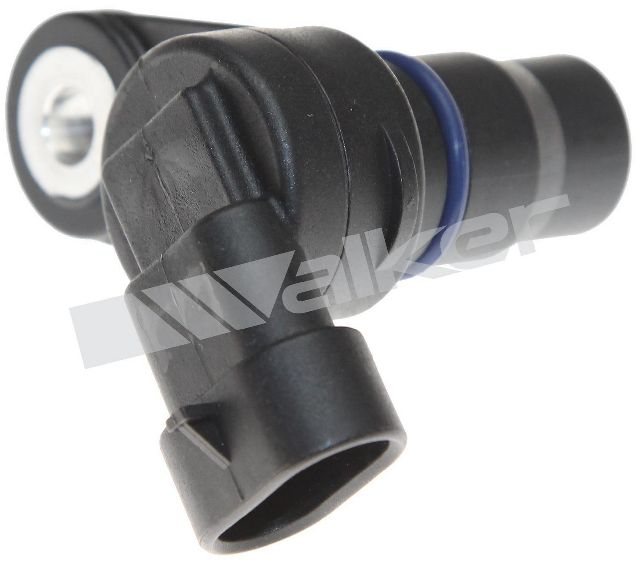
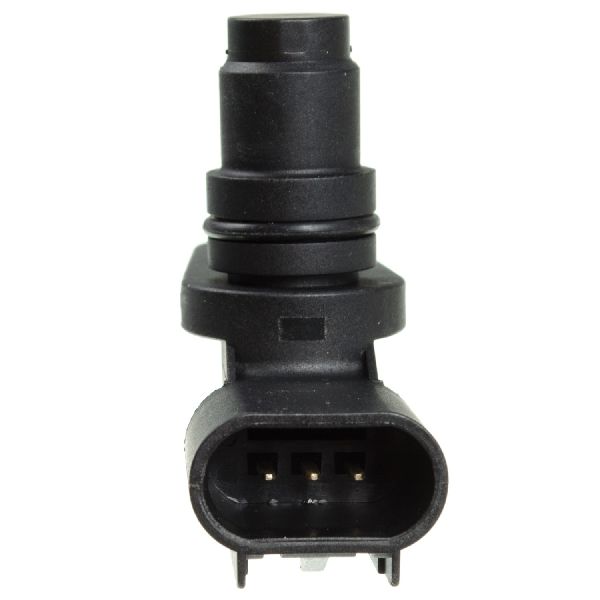
- Faulty Camshaft Position Sensor: → Shop Engine Camshaft Position Sensor The sensor's job is to report the camshaft's position. While it can fail, it's more likely that the actuator (solenoid) is the problem. The sensor is misdiagnosed more often than it fails for this code.
- Damaged Wiring or Connector: Check the wiring harness and connector going to the exhaust VVT solenoid for any signs of damage, corrosion, or loose pins. This is especially important if code P0013 (solenoid circuit fault) is also present. In some cases, the connectors for the intake and exhaust solenoids can be accidentally swapped after other service, leading to these codes.
- Failed Camshaft Phaser (Actuator Gear): → Shop Engine Camshaft The phaser is the mechanical gear on the end of the camshaft that is controlled by the solenoid. It can fail internally or get clogged with sludge, but this is much less common than a solenoid failure and is typically replaced during a timing chain job. TSB Bulletin #PIP4543D notes that a unique black plastic oil sleeve located between the camshaft actuators can also be a factor in correlation codes like P0014.
Diagnosis Steps
- Check the engine oil level and condition. If it is low, dirty, or overdue for a change, correct this first. Use a full synthetic 5W-30 oil. Clear the codes and see if the problem returns.
- Scan for any other DTCs. Codes like P0013, P0016, or P0017 can help guide the diagnosis toward an electrical or timing chain issue, respectively.
- Inspect the electrical connector and wiring for the exhaust VVT solenoid (located at the rear of the valve cover, firewall side) for any visible damage, corrosion, or oil contamination.
- For a definitive and free diagnosis, swap the exhaust solenoid with the intake solenoid (at the front of the valve cover). They are identical parts, each held by a single 10mm bolt.
- Clear the codes and run the engine. If the code returns as P0011 (Intake), you have confirmed the solenoid you moved is faulty and needs replacement.
- If the code P0014 returns after the swap, the problem is not the solenoid. Further diagnosis of the timing chain, phaser, or wiring is needed, which may require a professional.
- Listen for a rattling or chain-slapping noise from the engine, especially on a cold start, which would point towards a timing chain issue.
Parts You'll Likely Need
- Exhaust Camshaft Position Actuator Solenoid
(OEM #12655421)— This is the most common part to fail and cause code P0014 on this engine. The original part number may be superseded by newer versions.
Trusted brands: ACDelco (OEM), Dorman, Delphi
OEM price range: $40-$75
Aftermarket price range: $25-$45 - Intake Camshaft Position Actuator Solenoid
(OEM #12655420)— Since both solenoids are the same age and operate under the same conditions, it is highly recommended to replace them as a pair to prevent future issues. The original 🎬 See this walkthrough for fixing rough idles and P0014 errors. part number may be superseded by newer versions.
Trusted brands: ACDelco (OEM), Dorman, Delphi
OEM price range: $40-$75
Aftermarket price range: $25-$45
Related Codes That Often Appear With This One
- P0013 — This code indicates an electrical circuit problem (open/short) with the same exhaust camshaft actuator solenoid. Seeing P0013 and P0014 together strongly points to a failed solenoid or a wiring issue.
- P0011 — This is the equivalent code for the intake camshaft. It may appear if the intake solenoid is also failing, or if a technician swaps the solenoids for diagnosis and the problem moves from the exhaust to the intake side.
- P0016 / P0017 — These codes indicate a correlation problem between the crankshaft and one of the camshafts. If you see these along with P0014, it significantly increases the likelihood of a stretched timing chain or other base timing issue.
Technical Service Bulletins (TSBs) & Recalls
- GM TSB #17NA098: While for slightly later models (2010-2012), this bulletin identifies camshaft position actuator solenoid valve failure as a direct cause for DTCs including P0014, leading to symptoms like rough running, hesitation, and stalling. This confirms the manufacturer is aware of the solenoid failure pattern.
- GM TSB #PIP4716F: This bulletin links P0014 and related codes to a sharp rattle noise from the engine at startup, pointing technicians toward a potential timing chain issue as the cause, rather than just the solenoid.
- TSB Bulletin #PIP4543D: This communication addresses concerns with codes P0011, P0014, P0016, or P0017 appearing in the engine control module following repairs involving the camshaft actuators.
Platform-Specific Known Issues
- Aftermarket Solenoid Quality: Multiple owner forums for HHR and Cobalt models with the same engine mention that aftermarket VVT solenoids can be unreliable or fail quickly. For this reason, many recommend spending slightly more for the OEM ACDelco part to ensure a lasting repair.
- Oil Life Monitor vs. Actual Oil Condition: A known owner experience on a platform-mate vehicle (Chevy Cobalt) showed a P0014 code being triggered by old oil, even though the oil life monitor showed significant life remaining. This can happen if the oil has been in service for a long time (e.g., 12+ months) but with low mileage.
Mechanic-Grade Diagnostic Values
- VVT Solenoid Resistance — expected: 8 to 13 Ohms. Failure: A reading of OL (open circuit), near zero (short circuit), or a resistance value that fluctuates wildly when tapping on the solenoid.
- VVT Solenoid Ground Check — expected: No continuity (OL). Failure: Any resistance reading between either pin on the solenoid connector and the solenoid's metal body indicates an internal short to ground, and the solenoid is faulty.
- Live Data: Desired vs. Actual Camshaft Position Angle — expected: The 'Actual' position should closely track the 'Desired' position commanded by the ECM, with a variance of only a few degrees at idle and under load.. Failure: A large, persistent deviation (e.g., >10-15 degrees) between the desired and actual angles, or an actual angle that is stuck and does not respond to changes in RPM, indicates a problem. The P0014 code is typically set when the ECM sees the actual position advanced more than 20 degrees from the desired position.
Scan Tool Commands That Help
- Tech2 / GDS2 / High-End Bidirectional Scanner: Camshaft Position Actuator Solenoid Control (or similar name) — This command allows the technician to directly activate the exhaust VVT solenoid while the engine is running at idle. When activated, the engine should stumble or run rough, indicating the solenoid is functioning and oil pressure is being correctly applied to the phaser. If activating the solenoid causes no change in engine operation, it points to a failed solenoid, a clogged oil passage, or a wiring issue.
Wiring & Ground Locations
- G101 — Behind the left front headlamp assembly.. This is a primary ground for the Engine Control Module (ECM). A poor connection here could cause erratic sensor readings and incorrect control of components like the VVT solenoids.
- G109 — At the left rear side of the engine compartment, often on the strut tower or inner fender.. This is another critical engine-related ground point. Verifying it is clean and tight is a crucial step in diagnosing any electronic engine control issues.
- VVT Solenoid Connector — On top of the valve cover. The exhaust solenoid is at the rear (firewall side) and typically has a black connector. The intake is at the front with a gray connector.. This is the direct connection point for testing voltage, resistance, and inspecting for damage. The two pins are for the 12V power supply (from the main relay) and the ground-side control signal from the ECM.
Real Owner Repair Stories
- YouTube video from 'GoTech' (Vehicle with a GM 2.4L Ecotec engine (e.g., Chevy HHR, Cobalt, Saturn Ion)) — Check Engine Light with codes P0013 and P0014.
❌ Tried (didn't work) The video focuses directly on diagnosis, not on previously failed attempts.
✅ What actually fixed it The video demonstrates testing the VVT solenoids with a multimeter. The exhaust solenoid showed wildly fluctuating resistance readings, indicating an internal failure. A known-good solenoid showed a stable 10 ohms. The diagnosis concluded the vehicle needed both VVT solenoids replaced due to the intermittent failure detected in the faulty one and the high likelihood the other would also fail.
OEM Part Supersession History
12628348, 12646784→12655421 (Exhaust)— Improved design for durability and resistance to oil contamination.12628347, 12646783→12655420 (Intake)— Improved design for durability and resistance to oil contamination.
Model Year Variations Within This Range
- 2007: The 2.2L and 2.4L Ecotec engines in the 2007 Ion received minor power increases and were fitted with an updated ECU compared to the 2006 models. While this doesn't change the fundamental cause of P0014, it's a known difference in the engine management system for that year.
- Pre-July 2007: Engines manufactured before July 2007 used GKN-forged connecting rods, while later engines used C70 forged rods. This does not affect the P0014 diagnosis but is a known internal engine variation within the model years.
Diagnostic Flowchart
Real Owner Stories
Aggregated from forums and TSBs cited above. Mileages and costs reflect what owners reported in those sources.
2011 Chevrolet HHR 2.4L
Symptoms: Check Engine Light illuminated with code P0014.
What fixed it: Diagnosed as a faulty exhaust actuator solenoid and replaced. The repair was covered under the powertrain warranty for this newer vehicle.
Source hint: Chevy HHR Network - 'CEL and Code P0014'
2009 Chevrolet Cobalt 2.4L
Symptoms: Vehicle threw both P0013 and P0014 codes simultaneously.
What fixed it: Checked the engine oil level as the first diagnostic step, confirming a very common failure pattern for the CMP actuators on these cars.
Source hint: Reddit r/MechanicAdvice - '09 chevy cobalt p0013 and p0014 codes- serious problem?'
Chevrolet HHR 2.4L
Symptoms: Premature failure of replacement VVT solenoids after a previous repair.
What fixed it: Replaced the failed aftermarket Dorman solenoids with OEM ACDelco parts due to the high failure rate of the aftermarket units.
Source hint: Chevy HHR Network - 'CEL and Code P0014' (secondary thread discussion)
Related OBD-II Codes
Frequently Asked Questions
Does GM TSB #17NA098 apply to my 2006-2007 Saturn Ion 2.4L?
Should I use an aftermarket VVT solenoid to fix the P0014 code on my Ion?
My oil life monitor says I have plenty of life left, but I still got a P0014 code. Could it still be the oil?
How can I test if the exhaust solenoid is actually the problem on my 2.4L Ecotec?
I have a P0014 code and hear a sharp rattling noise on cold starts. What does this mean?
Helpful Videos
We Have This Part in Stock


The information in this article is provided for general reference and educational purposes only. Vehicle specifications, procedures, and part compatibility can vary by production date, trim level, and region. Always consult your vehicle's factory service manual and verify part numbers before purchasing or performing repairs. Safety-critical components such as airbags, seat belts, and braking systems should be installed by a qualified professional.
- Saturn Ion:
- 🧭 Diagnostic Flowchart
- 🎬 Helpful Videos
- 🛍️ Shop This Part
- What's Unique About the 2006-2007 Saturn Ion
- Symptoms You May Notice
- Most Likely Causes
- Rare But Worth Checking
- Diagnosis Steps
- Parts You'll Likely Need
- Related Codes That Often Appear With This One
- Technical Service Bulletins (TSBs) & Recalls
- Platform-Specific Known Issues
- Mechanic-Grade Diagnostic Values
- Scan Tool Commands That Help
- Wiring & Ground Locations
- Real Owner Repair Stories
- OEM Part Supersession History
- Model Year Variations Within This Range
- Real Owner Stories
- 2011 Chevrolet HHR 2.4L
- 2009 Chevrolet Cobalt 2.4L
- Chevrolet HHR 2.4L
- Related OBD-II Codes
- Frequently Asked Questions
- 🎟️ Get 5% Off