

P0014 on 2008-2010 Saturn Vue 2.4L: Exhaust Cam Timing Causes and Fixes
On a 2008-2010 Saturn Vue with the 2.4L engine, P0014 is almost always caused by low/dirty engine oil or a faulty exhaust camshaft actuator solenoid. First, check your oil level, as this engine is known to consume oil. If the oil is fine, replacing the exhaust solenoid is a common, easy DIY fix with a quality ACDelco part costing around $40-$60.
- First, check your oil. Low or dirty oil is the most common and cheapest fix for P0014 on this engine, which is known to consume oil.
- The most likely failed part is the exhaust camshaft actuator solenoid, a relatively inexpensive and easy part to replace yourself. Stick to OEM (ACDelco) parts for reliability.
- A simple DIY diagnostic is to swap the intake and exhaust solenoids. If the code changes to P0011, you've confirmed the solenoid is bad.
- If you hear a rattling noise from the engine, especially at startup, stop driving and seek professional help as it could be a serious timing chain issue.
What's Unique About the 2008-2010 Saturn Vue
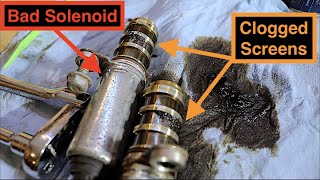
The 2.4L Ecotec engine (RPO code LE5) used in the second-generation Saturn Vue is well-known for having issues with the camshaft position actuator solenoids. These components have fine mesh screens that are prone to clogging from oil sludge or debris, causing them to stick. Additionally, these engines are notorious for consuming oil, and low oil levels are a primary trigger for this code, as the VVT system is hydraulic and relies on adequate oil pressure to function correctly. The intake and exhaust solenoids are interchangeable, which provides a simple, no-cost diagnostic test by swapping them.
Symptoms You May Notice
- Check Engine Light is on
- Rough idle
- Poor acceleration and engine performance
- Reduced fuel economy
- Engine stalling at low speeds
- Rattling noise from the engine on startup
- Harsh automatic transmission shifting
- Replacing the camshaft position sensor. The sensor's job is to read the camshaft's position, while the actuator solenoid's job is to move it. P0014 is a performance code indicating a mechanical/hydraulic problem (timing is incorrect), not a sensor reading problem.
Most Likely Causes
- Low or Dirty Engine Oil 🔴 High Probability The 2.4L Ecotec engine is known for significant oil consumption due to piston ring design, which can lead to low oil levels that starve the VVT system of the pressure it needs to operate. Sludgy or incorrect viscosity oil can also clog the solenoid screens.
How to confirm: Check the engine oil dipstick before starting the engine. The oil level should be in the safe range, and the oil should be relatively clean (not black and sludgy). This should always be the first step.
Typical fix: Perform an oil and filter change using a full synthetic 5W-30 oil that meets the GM Dexos specification. Reset the code and see if it returns.
Est. part cost: $30-$70 - Faulty Exhaust Camshaft Position Actuator Solenoid 🔴 High Probability → Shop Engine Camshaft The solenoid's internal passages and filter screens are prone to getting clogged with oil sludge and debris, causing the valve to stick in the advanced position. Aftermarket solenoids for this application are known to have high failure rates.
How to confirm: A common diagnostic technique is to swap the exhaust solenoid (rear position, often with a black connector) with the intake solenoid (front position, often with a grey connector). Clear the codes. If the code changes to P0011 (Intake Camshaft Position Timing), the solenoid is definitively bad. You can also test the solenoid's resistance, which should be between 8-13 ohms.
Typical fix: Replace the exhaust camshaft position actuator solenoid. It is often recommended to replace both the intake and exhaust solenoids at the same time with high-quality OEM (ACDelco) parts to ensure reliability.
Est. part cost: $25-$60
Rare But Worth Checking
- Stretched Timing Chain or Failed Tensioner: → Shop Engine Timing Chain While less common than a solenoid failure, this is a serious and expensive issue. A key symptom is a rattling noise from the engine, especially on a cold start. If an oil change and solenoid replacement do not fix the code, and you hear a rattle, this is the likely cause and requires professional diagnosis. The presence of codes P0016 or P0017 alongside P0014 strongly points to a timing chain problem.
- Faulty Camshaft Phaser (Actuator): → Shop Engine Camshaft The phaser is the mechanical gear on the end of the camshaft that the solenoid controls. It can fail mechanically by getting stuck, but this is much less common than a solenoid failure. A user on a Chevy Equinox forum with the same engine experienced a P0014 where the phaser was stuck at 0 degrees on startup but would begin working after 20 minutes of driving, pointing to a failing phaser rather than the solenoid. This is typically diagnosed after all other possibilities have been ruled out.
Diagnosis Steps
- Check Engine Oil: Verify the oil level is full and the oil is clean. If low or dirty, perform an oil and filter change with 5W-30 synthetic oil, clear the code, and drive the vehicle to see if the code returns.
- Inspect Solenoid Wiring: Check the wiring harness and connector for the exhaust VVT solenoid (rear of the cylinder head) for any visible damage, corrosion, or loose connections. A Reddit user reported their P0014 issue persisted because of a bad wiring repair from a previous owner.
- Swap Solenoids: A simple and effective test is to swap the exhaust (rear) and intake (front) VVT solenoids. They are identical parts held by a single 10mm bolt each. Clear the codes and drive the vehicle. If the code changes to P0011, the solenoid you moved to the intake position is faulty and must be replaced.
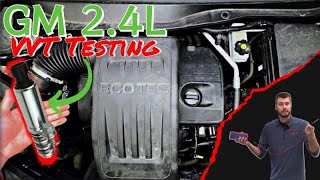
- Test Solenoid: If you don't swap them, you can remove the exhaust solenoid and test its resistance with a multimeter. 🎬 Watch: How to test the VVT solenoid with a multimeter. It should be between 8 and 13 ohms. You can also briefly apply 12V to it to see if the internal plunger actuates. Visually inspect the screens for metallic debris or sludge.
- Listen for Noise: If the above steps don't resolve the issue, listen carefully for a rattling noise from the right side of the engine, especially on cold starts. A rattle strongly suggests a problem with the timing chain system, which requires professional attention. Manufacturer Bulletin #PIP4716F notes that technicians may find P0014 alongside a short, sharp rattle noise from the front of the engine at start up.
Parts You'll Likely Need
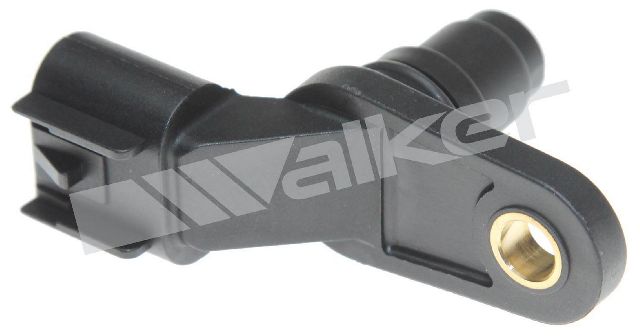
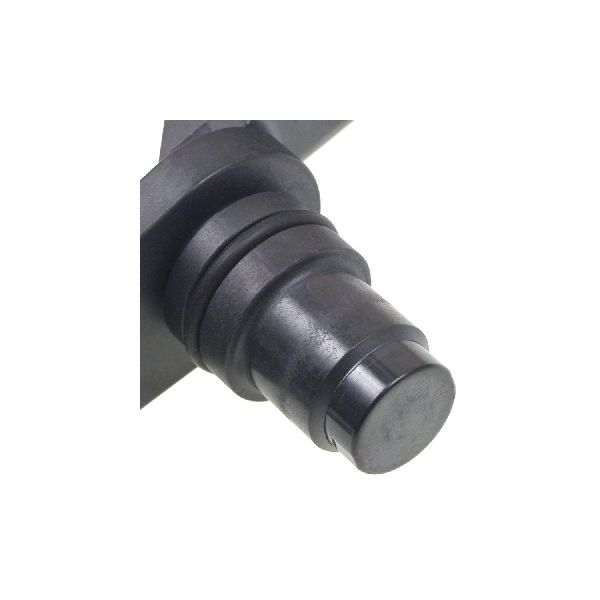
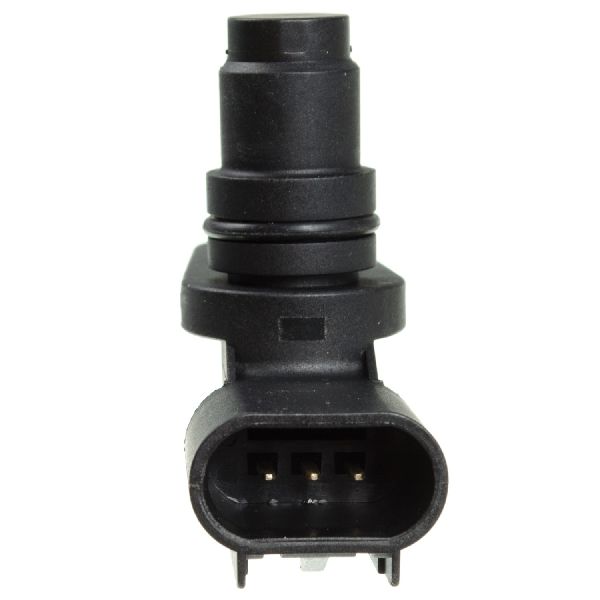
- Exhaust Camshaft Position Actuator Solenoid
(OEM #12679100 (supersedes 12655421, 12646784, 12628348, 12578518))— This is the most common part to fail, causing the P0014 code. It gets stuck or clogged, preventing proper control of the exhaust cam timing. Owner forums strongly recommend using the OEM ACDelco part, as aftermarket versions (like Dorman 917-216) are reported to have a much higher premature failure rate.
Trusted brands: ACDelco (OEM - Recommended), Delphi, Dorman
OEM price range: $40-$60
Aftermarket price range: $25-$45 - Intake Camshaft Position Actuator Solenoid
(OEM #12679099 (supersedes 12655420))— Often replaced as a pair with the exhaust solenoid, as it is subjected to the same conditions and has a similar lifespan. This is considered preventative maintenance.
Trusted brands: ACDelco (OEM - Recommended), Delphi, Dorman
OEM price range: $40-$60
Aftermarket price range: $25-$45
Related Codes That Often Appear With This One
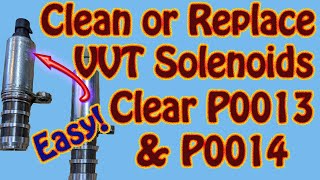
- P0013 — P0013 is an electrical circuit code for the same exhaust solenoid. Seeing them together strongly points to a failed solenoid or a wiring issue to it.
- P0011 — This is the equivalent code for the intake camshaft. If both appear, it could indicate a widespread oil pressure or quality issue affecting the entire VVT system, or that both solenoids are failing.
- P0016 / P0017 — These codes indicate a correlation problem between the crankshaft and camshaft, often pointing to a more serious timing chain issue.
Technical Service Bulletins (TSBs) & Recalls
- TSB #PIP4716F: Addresses a short, sharp rattle at startup accompanied by codes like P0011, P0014, P0016, or P0017. It suggests the cause could be the cam actuators not parking correctly or debris in the VVT solenoids, and may require actuator replacement. According to Bulletin #PIP4716F, if the vehicle is equipped with hydraulic power steering, the technician will also need to inspect the engine belt.
- TSB #12-06-01-009E / 01-06-01-011: While for other GM models, these bulletins detail the official oil consumption test procedure for Ecotec engines, defining excessive consumption as more than 1 quart per 2,000 miles. This is relevant context for the primary cause of P0014.
Platform-Specific Known Issues
- The 2.4L Ecotec engine has a known tendency to consume oil. This makes regular oil level checks critical, as low oil is a primary cause of VVT-related codes like P0014.
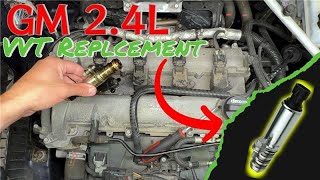
- The VVT solenoids are located on top of the valve cover and are extremely easy to access, held in by a single 10mm bolt each, making replacement a very beginner-friendly DIY job. 🎬 See this quick walkthrough for replacing the VVT solenoids.
Mechanic-Grade Diagnostic Values
- Camshaft Position Actuator Solenoid Resistance — expected: 8 to 13 Ohms at ~68°F (20°C). Some sources cite a tighter range of 6.9-7.9 Ohms. A new ACDelco part often measures around 10-12.8 Ohms.. Failure: An open circuit (infinite resistance), a short (near 0 ohms), or a reading that fluctuates wildly when wiggling the connector pins indicates a failed solenoid.
- Scan Tool: Desired vs. Actual Camshaft Position Angle — expected: At warm idle, both 'Desired' and 'Actual' cam position angles should be at or near 0 degrees. The 'Actual' value should closely follow the 'Desired' value as engine RPM and load change.. Failure: If the 'Actual' value is stuck, slow to respond, or consistently deviates from the 'Desired' value, it confirms a fault in the VVT system (solenoid, phaser, or oil pressure).
- Solenoid Connector Voltage (Key On, Engine Off) — expected: One of the two pins in the harness connector should show battery voltage (approximately 12.6V).. Failure: No voltage indicates a problem upstream of the solenoid, such as a blown fuse or a break in the power wire from the ECM.
Scan Tool Commands That Help
- GDS2 / Tech 2: Camshaft Position (CMP) Actuator Control — This bidirectional command allows a technician to manually command the VVT solenoid on and off or to a specific percentage while the engine is idling. A corresponding change in engine RPM or a stumble confirms the solenoid is receiving the command and the phaser is mechanically capable of moving. If the engine sound doesn't change, it points directly to a bad solenoid, clogged oil passage, or a wiring issue.
Wiring & Ground Locations
- Exhaust VVT Solenoid Connector — Top of the valve cover, toward the rear of the engine (firewall side). It is typically the black connector, while the intake is grey.. This is the primary connector to test for power, ground, and resistance. It is exposed to high heat and vibration, making it a potential point of failure.
- G107 — At the rear of the engine.. This is a primary engine ground. A loose or corroded G107 can cause a variety of engine control issues, including erratic sensor readings and actuator problems.
- Engine Control Module (ECM) — For the 2.4L engine, the ECM is located in the left rear of the engine compartment.. The ECM provides the power and control signal to the VVT solenoid. If the solenoid and its direct wiring test good, the issue could be with the ECM driver circuit or the wiring between the connector and the ECM.
Real Owner Repair Stories
- Reddit user on r/Saturn_Cars (2008 Saturn Vue 3.6L V6 (Note: V6, but demonstrates a relevant wiring failure mode)) — Misfires on cylinders 1,3,5 and open circuit codes after replacing valve cover gaskets.
❌ Tried (didn't work) Initial checks of fusible links.
✅ What actually fixed it Found a broken ignition coil ground wire near the power steering pump reservoir. The wire had become brittle with age and broke during the previous repair. Splicing the ground wire resolved the issue.
OEM Part Supersession History
12578518→12628348 -> 12646784 -> 12655421 -> 12679100— GM has updated the VVT solenoid design multiple times across the Ecotec platform to improve reliability and resistance to oil contamination.
Heads up: All listed part numbers for the exhaust solenoid are interchangeable. However, using the latest part number (12679100) is highly recommended to get the most recent design improvements.12655420→12679099— Similar to the exhaust side, the intake solenoid has been updated for reliability.
Heads up: The intake (12679099) and exhaust (12679100) solenoids are physically identical and can be swapped for diagnostic purposes, but they have different part numbers and should be installed in their correct locations for permanent repair.
Diagnostic Flowchart
Other Known Issues on This Vehicle
Issues unrelated to this code that are worth knowing about as an owner of this generation:
- Transmission 3-5-R Wave Plate Failure 🔴 High — A very common issue on models with the 6T70/6T75 6-speed automatic transmission, often occurring just outside of warranty. Can lead to loss of 3rd, 5th, and Reverse gears. (Ref: Special Coverage Adjustment #14404B extended warranty to 10 years/120,000 miles for this specific failure.)
- Excessive Oil Consumption 🟠 Medium — The 2.4L Ecotec engine family is notorious for consuming oil, often 1 quart per 1,000-2,000 miles, due to piston ring design. This is a primary contributor to VVT-related codes like P0014. (Ref: Multiple TSBs exist for later Ecotec versions (e.g., 15285C, N192291100) addressing piston ring wear, though not specifically for the 2008-2010 Vue, the underlying issue is similar.)
- Stretched Timing Chain & Worn Guides 🔴 High → Shop Engine Timing Chain — While not as common as solenoid failure, the timing chains on these engines can stretch over time, especially if oil levels are not maintained. This is a major repair.
- Power Steering Failure 🔴 High — Multiple recalls and owner complaints exist regarding a loss of power steering, which can make the vehicle difficult to control. (Ref: NHTSA Recalls #08V470000, #08V616000)
- Loose or Faulty Gas Cap 🟡 Low — A very common and simple issue where a faulty gas cap fails to seal properly, triggering an evaporative emissions-related Check Engine Light.
Used vs. New Parts: Buying Guide for This Vehicle
When a used part is the smart pick: A used part is almost never a smart choice for this repair. The VVT solenoids are a known high-failure item with a limited lifespan. The cost savings of a junkyard part (approx. $10-$20) are minimal compared to a new aftermarket or OEM part, and the risk of receiving a part that is already failing or will fail shortly is very high.
Donor-vehicle mileage cap: roughly under 50000 miles for the part to have meaningful remaining life.
What to inspect on the donor part:
- Inspect the mesh screens for any tears, clogging, or metallic debris. Any visible contamination is a red flag.
- Test the resistance with a multimeter before purchase. It must be stable and within the 8-13 Ohm range.
- Check for any cracks in the plastic connector or signs of corrosion on the pins.
OEM-only on this vehicle (don't cheap out):
- Camshaft Position Actuator Solenoid
Aftermarket brands forum-validated for this vehicle:
- Delphi (often an OEM supplier to GM)
Brands owners have reported issues with on this vehicle:
- Dorman (specifically P/N 917-216) is frequently cited in forums for high rates of premature failure or being dead-on-arrival, often causing the code to return shortly after replacement.
Real Owner Stories
Aggregated from forums and TSBs cited above. Mileages and costs reflect what owners reported in those sources.
2006 Pontiac G6 2.4L
Symptoms: The owner was quoted $900 by a dealer to 'tear apart the engine' to diagnose the P0014 code.
What fixed it: Replacing the VVT solenoid as advised by a forum expert, rather than performing the extensive engine teardown suggested by the dealer.
Source hint: 2carpros.com - '2006 Pontiac G6 P0014 Code'
2009 Chevy HHR 2.4L
Symptoms: The P0014 issue persisted even after the owner replaced the solenoid and changed the engine oil.
What fixed it: Repairing the solenoid wiring harness; the discussion revealed a previous owner had poorly cut and reconnected the wires.
Source hint: reddit.com/r/MechanicAdvice - '2009 Chevy HHR P0014'
2006-2011 Chevrolet HHR 2.4L
Symptoms: The owner incorrectly replaced the camshaft position sensor to try and clear the P0014 code.
What fixed it: Replacing the camshaft actuator solenoid instead of the sensor, as the code specifically points to the actuator performance.
Source hint: chevyhhr.net - Thread 'Code P0014- cam position performance'
2006-2011 Chevrolet HHR 2.4L
Symptoms: The vehicle originally had a P0013 code. After the owner replaced the exhaust solenoid, a P0014 code appeared.
What fixed it: The source highlights that a faulty new part or one issue masking another can cause the P0014 to appear after initial repairs.
Source hint: chevyhhr.net - Thread 'p0013 and p0014'
Related OBD-II Codes
Frequently Asked Questions
I have a rattle at startup on my 2008 Saturn Vue 2.4L along with code P0014. Is there an official bulletin for this?
My Saturn Vue is shifting harshly into gears; could this be related to the P0014 code?
Is there a specific oil I should use for the 2.4L Ecotec to prevent VVT issues?
I've heard about transmission failures in these Vues. Is that related to the engine code?
Can I test the VVT solenoids myself before buying new ones?
How much oil consumption is considered 'normal' for the Saturn Vue 2.4L Ecotec engine?
Helpful Videos

We Have This Part in Stock


The information in this article is provided for general reference and educational purposes only. Vehicle specifications, procedures, and part compatibility can vary by production date, trim level, and region. Always consult your vehicle's factory service manual and verify part numbers before purchasing or performing repairs. Safety-critical components such as airbags, seat belts, and braking systems should be installed by a qualified professional.
- Saturn Vue:
- 🧭 Diagnostic Flowchart
- 🎬 Helpful Videos
- 🛍️ Shop This Part
- What's Unique About the 2008-2010 Saturn Vue
- Symptoms You May Notice
- Most Likely Causes
- Rare But Worth Checking
- Diagnosis Steps
- Parts You'll Likely Need
- Related Codes That Often Appear With This One
- Technical Service Bulletins (TSBs) & Recalls
- Platform-Specific Known Issues
- Mechanic-Grade Diagnostic Values
- Scan Tool Commands That Help
- Wiring & Ground Locations
- Real Owner Repair Stories
- OEM Part Supersession History
- Other Known Issues on This Vehicle
- Used vs. New Parts: Buying Guide for This Vehicle
- Real Owner Stories
- 2006 Pontiac G6 2.4L
- 2009 Chevy HHR 2.4L
- 2006-2011 Chevrolet HHR 2.4L
- 2006-2011 Chevrolet HHR 2.4L
- Related OBD-II Codes
- Frequently Asked Questions
- 🎟️ Get 5% Off