

P0014 on 2011-2018 Subaru Forester 2.5L: Exhaust Cam Timing Causes and Fixes
On a 2011-2018 Subaru Forester, code P0014 is most often caused by low or dirty engine oil, or a failing exhaust Oil Control Valve (OCV) on the passenger side. Start with an oil and filter change using full synthetic 0W-20. If that doesn't work, the OCV (Part No. 10921AA231 or superseded 10921AA23B) is the next likely part to replace, costing around $70-$150.
- First, check your engine oil. This code is very often caused by a low oil level or oil that is past its service life.
- Use the correct oil: This engine requires full synthetic 0W-20 oil for the AVCS system to work correctly.
- If an oil change doesn't fix it, the passenger-side exhaust Oil Control Valve (OCV) is the most likely failed part.
- Do not immediately replace the camshaft position sensor; it is rarely the cause of this code.
- This is a DIY-friendly repair for the most common causes (oil change, OCV replacement).
What's Unique About the 2011-2018 Subaru Forester
The Subaru FB25B engine's variable valve timing system (AVCS) is hydraulic and highly sensitive to engine oil level, viscosity, and cleanliness. Many P0014 codes on this platform are triggered simply by overdue oil changes or low oil levels, causing the Oil Control Valve (OCV) to respond slowly or stick. Subaru has also issued technical service bulletins acknowledging that contamination from oil sludge can clog the OCV or the camshaft sprocket mechanism on this engine family.
Generation note: This range covers the end of the third generation (SH; 2011-2013) and the full fourth generation (SJ; 2014-2018) of the Subaru Forester. The FB25B engine and the common causes for P0014 are consistent across both generations in this range.
Symptoms You May Notice
- Check Engine Light is on
- Rough or unstable idle
- Reduced engine power and acceleration
- Poor fuel economy
- Engine stalling at low speeds
- Hard starting
- Rattling noise from the engine
- Replacing the Camshaft Position Sensor. The code P0014 indicates a mechanical timing performance issue ('actual' timing doesn't match 'commanded' timing), not an electrical fault with the sensor itself. While a sensor can fail, it is a rare cause for this specific code compared to oil quality or OCV problems.
Most Likely Causes
- Low, Dirty, or Incorrect Viscosity Engine Oil 🔴 High Probability The AVCS system is entirely dependent on clean oil at the correct pressure to function. Sludge from old oil is a very common cause of this code on Subarus, as it can clog the small passages in the OCV solenoid.
How to confirm: Check the oil dipstick for level and clarity. If the oil is dark, gritty, or below the 'low' mark, it needs to be changed. This is the first and most crucial step.
Typical fix: Perform an engine oil and filter change using the manufacturer-specified full synthetic 0W-20 oil. Clear the code and perform a drive cycle.
Est. part cost: $50-$90 - Faulty Bank 1 Exhaust Oil Control Valve (OCV) 🟡 Medium Probability → Shop Engine Variable Valve Timing (VVT) Solenoid The OCV can become clogged with sludge or fail electrically, causing it to stick. This is a known issue addressed in Subaru TSB 02-132-12R, which notes contamination as a primary cause for AVCS-related DTCs. The Bank 1 exhaust OCV is located on the passenger side of the engine, on the front of the cylinder head, held by a single 10mm bolt. 🎬 See this walkthrough for diagnosing and replacing the oil control valve.
How to confirm: After an oil change, if the code returns, the OCV is the next suspect. A mechanic can test it electronically, or you can swap the passenger-side exhaust OCV with the driver-side one. If the code changes to P0024 (Bank 2), the OCV is confirmed faulty.
Typical fix: Replace the Bank 1 (passenger side) exhaust Oil Control Valve and its gasket. Cleaning the old one is sometimes possible but often a temporary fix.
Est. part cost: $70-$150 - Stretched Timing Chain or Failed Tensioner ⚪ Low Probability → Shop Engine Timing Chain While the FB25B uses a timing chain designed to last the life of the engine, severe neglect (infrequent oil changes) or very high mileage (over 200k+ miles) can lead to chain stretch or tensioner failure, causing cam timing to be physically incorrect. This is not a common failure mode if the engine has been maintained.
How to confirm: This is a complex diagnosis requiring removal of the timing cover to physically inspect the chain, guides, and tensioner for slack or damage. A rattling noise on startup can be an indicator. This is typically done by a professional.
Typical fix: Replace the timing chain, tensioners, and guides. This is a labor-intensive job with parts costing several hundred dollars.
Est. part cost: $400-$800
Rare But Worth Checking
- Failed Camshaft Phaser (AVCS Actuator): → Shop Engine Camshaft The actuator gear on the end of the camshaft can fail mechanically or become clogged internally, but this is much less common than an OCV or oil issue.
- Oil Wicking into OCV Wiring Harness: Subaru TSB 02-170-17R details how oil can leak past the OCV's connector seal and travel up the wiring harness via capillary action, causing electrical shorts and incorrect signals. Inspect the OCV electrical connector and the engine harness loom for any signs of oil saturation.
- Clogged Banjo Bolt Filter: Some Subaru engines have small mesh filters inside the banjo bolts that supply oil to the AVCS system. While more notorious on the older EJ engines, debris can still clog oil passages on the FB engine, restricting flow to the OCV. TSB 02-132-12R mentions contamination in the oil passages as a potential cause.
Diagnosis Steps
- Check Engine Oil: Verify the oil level is full and the oil's condition is clean. If low, dirty, or overdue for a change, perform an oil and filter change with full synthetic 0W-20 oil. Clear the code and drive to see if it returns.
- Inspect the Oil Control Valve (OCV): Locate the exhaust OCV on the passenger side (Bank 1) front of the engine. Unplug the electrical connector and inspect for oil contamination inside the connector or harness, which points to a leaking OCV as described in TSB 02-170-17R.
- Test the OCV: You can test the solenoid's resistance with a multimeter (should be around 6.9-7.9 ohms at room temperature). A more definitive DIY test is to swap the passenger-side exhaust OCV with the driver-side exhaust OCV. Clear the codes and drive. If the code changes to P0024 (the equivalent code for Bank 2), the OCV is faulty and needs replacement.
- Replace the OCV: If the OCV is confirmed to be faulty, replace it along with its gasket. The OEM part is 10921AA231, which has been superseded by 10921AA23B.
- Advanced Diagnosis: If the code persists after the above steps, the issue may be mechanical (timing chain/phaser) or a more complex wiring issue. A professional should inspect the timing chain for stretch and the camshaft phaser for proper operation. This requires specialized tools and knowledge.
Parts You'll Likely Need
- Oil Control Valve (VVT Solenoid)
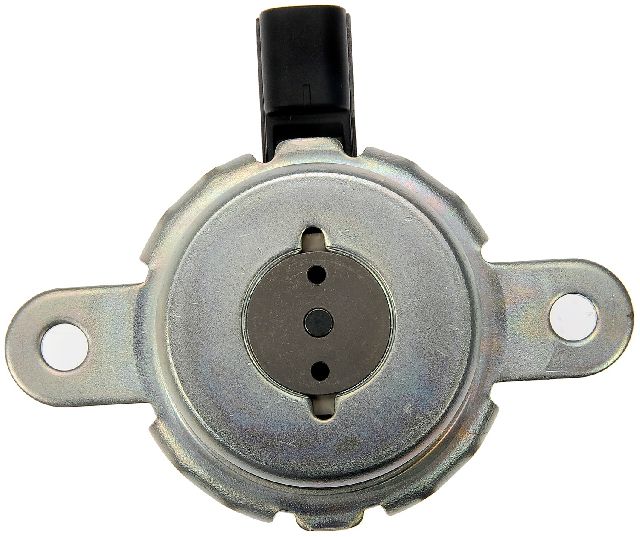
(OEM #10921AA231 (superseded by 10921AA23A, now 10921AA23B))— This solenoid controls oil flow to the cam phaser and is the most common component to fail or clog, causing the P0014 code.
Trusted brands: Subaru (OEM), Denso (often the OEM manufacturer), Dorman, Standard Motor Products (SMP)
OEM price range: $110-$160
Aftermarket price range: $60-$100 - Engine Oil and Filter
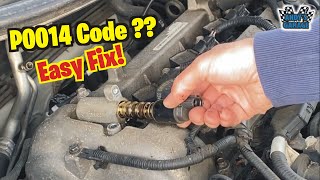
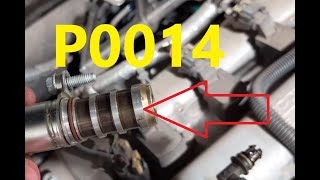
(OEM #Oil: SOA427V1315, Filter: 15208AA15A)— Low or dirty oil is the leading cause of this code. An oil change with the correct 0W-20 synthetic oil is the first and most important diagnostic and repair step. 🎬 Watch: A helpful breakdown of common P0014 causes and fixes.
Trusted brands: Idemitsu (OEM supplier for Subaru oil), Mobil 1, Pennzoil, Subaru (OEM Filter)
OEM price range: $60-$90
Aftermarket price range: $50-$75
Technical Service Bulletins (TSBs) & Recalls
- 02-132-12R: Diagnosis and Repair for AVCS-Related DTCs P0011, P0014, etc.
- 02-170-17R: Information Regarding Oil Seepage/Wicking from VVT Oil Control Solenoid Valve Connector.
- 02-157-14R: Related to excessive oil consumption, which can lead to low oil levels that trigger P0014.
Platform-Specific Known Issues
- Subaru issued Technical Service Bulletin (TSB) 02-132-12R for 2011+ Foresters, which provides a diagnostic flowchart for P0014 and other AVCS codes. It acknowledges that contamination within the camshaft sprocket or OCV is a possible cause.
- A separate TSB, 02-170-17R, addresses a condition where engine oil can wick past the OCV connector into the wiring harness, causing electrical faults that can trigger various AVCS codes. It advises checking the harness connector for oil.
Mechanic-Grade Diagnostic Values
- Oil Control Valve (OCV) Solenoid Resistance — expected: 6.9 - 7.9 Ohms at 68°F (20°C). Failure: No reading (open circuit) or a reading outside this specific range indicates a faulty solenoid coil.
- OCV Power Supply Voltage — expected: Battery voltage (approx. 12V) at the supply pin of the OCV connector with the ignition on, engine off.. Failure: No voltage indicates a problem with the power supply circuit, such as a blown fuse or broken wire.
- Live Scan Data: Camshaft Advance Angle (Bank 1 Exhaust) — expected: Should be near 0 degrees at idle and change according to engine load and RPM when driving. The ECM commands changes and expects to see them reflected by the cam position sensor.. Failure: A value that is stuck high (e.g., > 5-10 degrees at idle) or does not respond to commanded changes points to a stuck phaser or faulty OCV.
Scan Tool Commands That Help
- Professional Scan Tool (e.g., Subaru Select Monitor): AVCS Actuator Test / OCV Duty Cycle Control — This bidirectional command allows a technician to manually activate the Bank 1 exhaust OCV while the engine is running. If the solenoid and oil passages are working correctly, forcing the solenoid open should cause the engine to hesitate or stall. If there is no change in engine operation, it confirms a fault in the OCV, oil supply, or the cam phaser itself.
Wiring & Ground Locations
- OCV Connector — Plugged into the Oil Control Valve on the front of the passenger-side (Bank 1) cylinder head.. This is the primary electrical connection for the component that controls cam timing. Per TSB 02-170-17R, it must be inspected for oil wicking from a leaking OCV, which can travel up the harness and cause shorts or poor connections. The connector is a 2-wire plug.
- Engine Block Ground — Typically a heavy gauge wire from the engine block to the chassis, often on the passenger side below the battery tray area on Foresters.. While not a direct cause, a poor engine ground can create a floating voltage reference for all engine sensors, including the camshaft and crankshaft position sensors. This can lead to noisy or incorrect signals, potentially confusing the ECM's timing calculations. Ensuring this ground is clean and tight is a fundamental step in any electrical diagnosis.
Real Owner Repair Stories
- subaruforester.org forum user (2011 Subaru Forester 2.5X, 150,000 miles) — P0014 code, rough idle, stalling.
❌ Tried (didn't work) Oil and filter change, Replaced both Bank 1 OCVs (intake and exhaust), Swapped Camshaft Position Sensors
✅ What actually fixed it The timing chain had stretched and the tensioner was failing. The chain had enough slack to cause the cam timing to be off by several degrees, triggering the code. A full timing chain, guide, and tensioner replacement was required to resolve the issue.
OEM Part Supersession History
10921AA231→10921AA23A, then 10921AA23B— The original OCVs were prone to internal oil seal failure, leading to oil leaking into the electrical connector and wicking up the harness (per TSB 02-170-17R). The newer revisions feature an improved internal seal to prevent this.
Heads up: All revisions are physically and electrically compatible. However, according to Subaru TSB 02-170-17R, new OCVs can be identified by a lot number stamped on the solenoid face. Parts with a date stamp starting with '17159' or higher (159th day of 2017) are the improved design. It is highly recommended to use the latest 'B' revision to prevent recurrence of the oil wicking issue.
Model Year Variations Within This Range
- 2014-2018: For the 2014 model year, the FB25B engine received updates including new pistons, a higher compression ratio (10.3:1), redesigned cylinder head intake ports, and a lighter exhaust system. While the fundamental AVCS system and P0014 causes remain the same, these internal changes mean some hard parts like pistons are not interchangeable with 2011-2013 models.
- 2011-2013: The first iteration of the FB25B engine in the Forester. These earlier models are noted in TSB 02-157-14R for potential oil consumption issues, which can indirectly lead to P0014 if the oil level is not monitored closely and falls too low.
Diagnostic Flowchart
Other Known Issues on This Vehicle
Issues unrelated to this code that are worth knowing about as an owner of this generation:
- Excessive Oil Consumption 🔴 High — Most prevalent in 2011-2015 models. Caused by issues with piston rings, leading to a class-action lawsuit. Subaru extended warranties and issued TSB 02-157-14R, sometimes resulting in short block replacement. (Ref: TSB 02-157-14R)
- CVT Transmission Failure/Issues 🟠 Medium — Sufficiently common for Subaru to extend the CVT warranty to 10 years/100,000 miles for many models, including the 2014-2018 Forester. Symptoms include shuddering, jerking, or hesitation. (Ref: Warranty Extension Program (TSB 16-107-17R))
- Failing Rear Suspension Springs 🟡 Low — Some owners report premature failure or breakage of the rear coil springs, particularly in the 2014 model year. A recall was issued for this problem. (Ref: Recall)
- Catalytic Converter Failure (P0420) 🟠 Medium — Premature failure of the catalytic converter, setting a P0420 code, is a noted problem. This can sometimes be a consequence of the excessive oil consumption issue, as oil contaminates the catalyst.
Used vs. New Parts: Buying Guide for This Vehicle
When a used part is the smart pick: Given the low cost of new aftermarket Oil Control Valves and the high failure rate of used ones due to sludge, buying a used OCV is not recommended. A used part may carry the same sludge or wear that caused the original failure. A used part only makes sense for major components like a complete cylinder head or timing cover if damaged during a separate repair.
Donor-vehicle mileage cap: roughly under 60000 miles for the part to have meaningful remaining life.
What to inspect on the donor part:
- For any used engine part, verify the donor vehicle had a history of regular oil changes if possible.
- Inspect any oil passages for signs of thick, black sludge.
- Avoid parts from engines that show signs of severe overheating (discolored metal).
- When buying a used OCV, check the electrical connector for any signs of oil seepage, which indicates a failing internal seal.
OEM-only on this vehicle (don't cheap out):
- Timing Chain Tensioner
- Camshaft Phaser (AVCS Actuator)
Aftermarket brands forum-validated for this vehicle:
- Denso (often the OEM supplier for solenoids)
- Standard Motor Products (SMP)
Brands owners have reported issues with on this vehicle:
- Dorman parts for this application have a mixed reputation in forums; some users report success while others experience premature failure. Unbranded, 'white-box' parts from online marketplaces are a significant gamble and often fail quickly.
Real Owner Stories
Aggregated from forums and TSBs cited above. Mileages and costs reflect what owners reported in those sources.
2011-2018 Subaru Forester FB25B
Symptoms: The owner experienced a P0014 code and attempted an oil change, but the light remained on.
What fixed it: Replacing the Bank 1 exhaust OCV solenoid resolved the issue.
Source hint: subaruforester.org: P0014, P0011, P0021, P0024 - How to fix it.
2010 Subaru Legacy GT 2.5T
Symptoms: Vehicle threw P0017 and P0014 codes simultaneously.
What fixed it: Diagnosis pointed toward clogs in the oil feed lines or banjo bolts rather than the sensors themselves.
Source hint: Reddit r/subaru: 2010 legacy GT 2.5T P0017 and P0014 Codes
2011-2018 Subaru Forester FB25B
Symptoms: Vehicle had a P0014 code and the VVT solenoid was heavily sludged.
What fixed it: A simple oil and filter change combined with cleaning the sludged-up VVT solenoid (OCV) completely resolved the issue.
Source hint: YouTube: Fixing A P0014 Code (Andy's Garage: Episode - 447)
2011-2018 Subaru Forester FB25B — ~200000 miles
Symptoms: Rattling noise from the engine and physically incorrect cam timing.
What fixed it: Replacement of the timing chain, tensioners, and guides due to chain stretch from high mileage and infrequent oil changes.
Source hint: Common Causes section citing
Related OBD-II Codes
Frequently Asked Questions
Is there a Subaru TSB for P0014 on my 2011+ Forester?
Can low oil levels from the FB25B's known oil consumption issue cause this code?
I see oil inside the electrical connector for my OCV; is this a known problem?
What is the specific replacement part number for the Bank 1 exhaust OCV?
Can I just clean the Oil Control Valve instead of replacing it?
How can I be sure the OCV is the problem before buying a new one?
Helpful Videos

We Have This Part in Stock


The information in this article is provided for general reference and educational purposes only. Vehicle specifications, procedures, and part compatibility can vary by production date, trim level, and region. Always consult your vehicle's factory service manual and verify part numbers before purchasing or performing repairs. Safety-critical components such as airbags, seat belts, and braking systems should be installed by a qualified professional.
- Subaru Forester:
- 🧭 Diagnostic Flowchart
- 🎬 Helpful Videos
- 🛍️ Shop This Part
- What's Unique About the 2011-2018 Subaru Forester
- Symptoms You May Notice
- Most Likely Causes
- Rare But Worth Checking
- Diagnosis Steps
- Parts You'll Likely Need
- Technical Service Bulletins (TSBs) & Recalls
- Platform-Specific Known Issues
- Mechanic-Grade Diagnostic Values
- Scan Tool Commands That Help
- Wiring & Ground Locations
- Real Owner Repair Stories
- OEM Part Supersession History
- Model Year Variations Within This Range
- Other Known Issues on This Vehicle
- Used vs. New Parts: Buying Guide for This Vehicle
- Real Owner Stories
- 2011-2018 Subaru Forester FB25B
- 2010 Subaru Legacy GT 2.5T
- 2011-2018 Subaru Forester FB25B
- 2011-2018 Subaru Forester FB25B — ~200000 miles
- Related OBD-II Codes
- Frequently Asked Questions
- 🎟️ Get 5% Off