

OBD-II Code P0015: Exhaust Camshaft Position Timing - Over-Retarded
What P0015 means, why it triggers, and how to fix it
- Check your engine oil level and condition immediately; low or dirty oil causes over 60% of P0015 codes by starving the hydraulic VVT system.
- Replace the Bank 1 exhaust VVT solenoid (a $150-$300 DIY repair) if your oil is full and clean, as this is the most frequent component failure.
- Stop driving immediately if the P0015 code is accompanied by a rattling noise, as this signals a failing timing chain that causes catastrophic engine damage.
- Perform a mechanical oil pressure test before replacing expensive cam phasers or timing chains to ensure a worn oil pump isn't the actual root cause.
What Does P0015 Mean?
The P0015 code means your Engine Control Module (ECM) detects the exhaust camshaft for engine Bank 1 is lagging ('retarded') behind its target position. Modern engines use Variable Valve Timing (VVT) to adjust camshafts for performance. This code indicates the VVT system cannot advance the exhaust camshaft correctly, disrupting valve and piston synchronization.
Technical definition: The SAE/ISO definition is "'B' Camshaft Position - Timing Over-Retarded (Bank 1)". This specifies the exhaust camshaft ('B') on the side of the engine with cylinder #1 (Bank 1) is delayed beyond the ECM's commanded position.
🎬 Watch: A complete breakdown of P0015 causes and fixes.Can I Drive With P0015?
Yes, But With Caution. Yes, for short trips under 100 miles, but fix it immediately. Ignoring P0015 causes poor fuel economy, stalling, and unburnt fuel dumping into the exhaust, which destroys the catalytic converter (an $800-$2,500 repair). If you hear rattling noises, stop driving immediately. This signals a failing timing chain; continued operation causes pistons to collide with valves, destroying the engine.
Common Causes
- Low, Dirty, or Incorrect Viscosity Engine Oil (Very Common) — The VVT system is hydraulic and requires clean oil with correct pressure and viscosity. Sludge, low oil levels, or the wrong oil type prevents the system from adjusting cam timing.
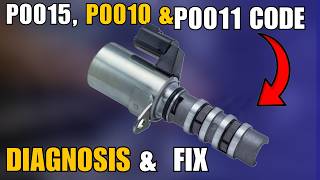
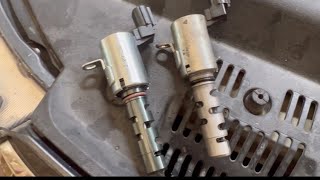
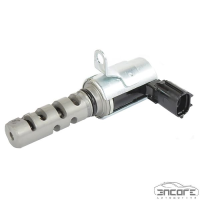
- Faulty VVT Solenoid (Oil Control Valve) (Very Common) — This electronic valve directs oil flow to the cam phaser. It clogs with sludge or fails electrically, sticking in a position that retards timing. This is the most frequently replaced part for P0015. 🎬 See how to replace a VVT solenoid on a Toyota.
- Clogged VVT Oil Passages or Screens (Common) — Small filter screens located in the engine block before the VVT solenoids clog with debris, starving the VVT system of oil pressure even if the solenoid and oil pump work perfectly.
- Failing Camshaft Phaser (Actuator) (Common) — The mechanical gear on the camshaft clogs with debris, suffers internal seal failure, or breaks its locking pin, preventing it from reaching the commanded timing position.
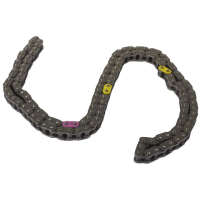
- Stretched Timing Chain or Worn Guides (Less Common) — Timing chains stretch over time, and plastic guides wear out. This creates slack, causing the camshaft's mechanical timing to fall out of sync with the crankshaft.
- Incorrect or Crushed Oil Filter (Rare) — Low-quality aftermarket oil filters or improperly installed cartridge filters (common on Toyota/Lexus) restrict oil flow, dropping oil pressure to the VVT components.
- Faulty Camshaft Position Sensor (Rare) — This sensor reports camshaft position. While it fails, it usually triggers circuit codes (like P0390). It is frequently replaced by mistake when the real issue is oil-related.
- Wiring or ECM Issues (Rare) — Damaged wires leading to the VVT solenoid interrupt the signal. Rarely, the ECM suffers a faulty driver circuit, causing it to misinterpret cam position.
Symptoms
- Check Engine Light is On — Illuminates as soon as the computer detects the timing fault for a set number of drive cycles.
- Rough Idle or Stalling — The engine shakes, runs unevenly, or stalls completely when stopped because incorrect valve timing disrupts low-RPM operation.
- Reduced Engine Power and Hesitation — The car feels sluggish and slow to respond to the gas pedal because the engine cannot breathe efficiently.
- Decreased Fuel Economy — Gas mileage drops significantly because the engine burns fuel inefficiently.
- Rattling or Ticking Noise from Engine — A rattling sound, especially on startup, indicates a worn timing chain or a failing cam phaser failing to lock into its base position.
Diagnostic Flowchart
Tap your situation to follow the diagnostic path that matches what you're seeing on this code.
Common Fixes & Costs
- Engine Oil and Filter Change — Parts: $40-$80, Labor: $50-$100, ~0.5 hr book time (DIY)
- Replace VVT Solenoid (Oil Control Valve)
— Parts: $50-$150, Labor: $100-$250, ~1.2 hr book time
(DIY)
: OEM 11367585425 (Alt: Dorman 917-241, Standard Motor Products VVS173)
: OEM 12679100 (Alt: ACDelco 12679100, Dorman 917-216)
: OEM BR3Z-6M280-D (Alt: Dorman 917-250, Standard Motor Products VCT104) - Replace Camshaft Position Sensor
— Parts: $40-$100, Labor: $80-$150, ~0.9 hr book time
(DIY)
: OEM 13627525014 (Alt: VDO S119445001Z, Bosch 0232103064)
: OEM 12591720 (Alt: ACDelco 213-3826, Delphi SS11005)
: OEM BR3Z-6B288-B (Alt: Motorcraft DU-87, Standard Motor Products PC916) - Replace Camshaft Phaser
— Parts: $200-$800, Labor: $800-$2,500, ~11.5 hr book time
(Professional)
: OEM 11367583208 (Alt: Often sold in timing kits.)
: OEM 12621505 (Alt: Cloyes S835, Dorman 917-271)
: OEM M-6004-A50R (Alt: Dorman 917-255, Cloyes S878) - Replace Timing Chain and Components
— Parts: $400-$1,200, Labor: $1,500-$4,000, ~14 hr book time
(Professional)
: OEM 11318648732 (Alt: INA 559015910, FAI Autoparts TCK138)
: OEM 12680750 (Alt: Cloyes 9-4201SAVVT1, Melling 3-4201SX)
: OEM JL3Z-6D256-A (Alt: Cloyes 9-0753S, Melling 3-753S)
DIY vs Professional
- Engine Oil and Filter Change 🟢 Beginner
Tools: ['Wrench/socket for drain plug', 'Oil filter wrench', 'Drain pan', 'Funnel'] - Replace VVT Solenoid 🟢 Beginner
Tools: ['Socket set', 'Torx sockets', 'Pliers', 'Torque wrench'] - Replace Camshaft Position Sensor 🟢 Beginner
Tools: ['Socket set', 'Pliers'] - Replace Camshaft Phaser 🟢 Beginner
Tools: ['Extensive socket set', 'Timing chain holding tools', 'Cam phaser locking tool', 'Harmonic balancer puller', 'Torque wrench'] - Replace Timing Chain and Components 🟢 Beginner
Tools: ['All cam phaser tools', 'Engine support bar', 'Gasket scrapers', 'Crankshaft holding tool']
Used vs. New Parts: Buying Guide
When a used part is worth it: Buy used VVT solenoids or sensors from salvage yards only for older, high-mileage vehicles where new OEM parts are cost-prohibitive and the part is easily accessible.
Donor-vehicle mileage cap: roughly under 80000 miles for the part to have meaningful remaining life.
Donor quality checklist:
- Verify exact part numbers.
- Ensure the donor engine has no history of sludge or internal failure.
- Inspect filter screens for tears or debris.
Decision logic:
- If The part is a high-failure item and easily accessible (e.g., VVT solenoid) → Buy a new aftermarket part with a warranty.
- If The vehicle has over 150,000 miles and budget is strict → Buy a used OEM part, accepting the risk of premature failure.
- If The part requires significant labor to replace (e.g., cam phaser, timing chain) → Always buy new OEM parts. Repeat labor costs dwarf part savings.
Warranty tradeoff: Used parts offer 30-90 day part-only warranties. New aftermarket parts offer 1-year to lifetime warranties. New OEM parts carry 1-2 year warranties covering labor if dealer-installed.
Worst-case if a used part fails: 300-600
What Happens If You Wait — Timeline
- 0-2 weeks: Check Engine Light illuminates. Minor hesitation during acceleration, but often no severe symptoms. (MPG impact: 0-5%% · Added cost: $0-$20 in wasted fuel)
- 2 weeks - 3 months: Hesitation worsens, engine stalls at idle, and fuel economy drops. Unburnt fuel enters the exhaust. (MPG impact: 5-15%% · Added cost: $50-$150 in wasted fuel)
- 3-8 months: Sustained incorrect timing stresses components. Unburnt fuel overheats and destroys the catalytic converter. (MPG impact: 10-20%% · Added cost: $800-$2,500 (catalytic converter replacement))
- 8+ months: A stretched timing chain jumps a tooth or breaks. Valves collide with pistons, destroying the engine. (MPG impact: N/A% · Added cost: $4,000-$10,000 (engine replacement))
Cost of Not Fixing It
- 0-1 month: Decreased fuel economy (5-15%), rough idle, and engine hesitation. (Added cost: 25-75)
- 1-6 months: Unburnt fuel overheats and destroys the catalytic converter. (Added cost: 1200-2800)
- 6+ months: A stretched timing chain jumps a tooth or breaks, causing pistons to collide with valves and destroying the engine. (Added cost: 4000-10000)
Diagnosis Steps
- Check Engine Oil Level and Condition
Pull the dipstick. If the oil is low, black, thick, or gritty, change it immediately. Low or dirty oil is the #1 cause of this code.
Tools: ['Dipstick', 'Clean rag'] - Scan for Other Trouble Codes
Check for accompanying codes. P0014, P0012, P0017, or P0524 (Low Oil Pressure) provide critical clues that narrow down the root cause.
Tools: ['OBD-II Scanner'] - Inspect VVT Solenoid Wiring
Locate the exhaust VVT solenoid on Bank 1. Visually inspect the electrical connector and wires for damage, corrosion, or oil contamination. Ensure it is plugged in securely.
Tools: ['Flashlight'] - Swap the VVT Solenoids (If Applicable)
If intake and exhaust VVT solenoids are identical, swap them. Clear codes and drive. If the code changes to P0012 (Intake Over-Retarded), the solenoid is definitively faulty.
Tools: ['Socket set', 'Ratchet'] - [PRO TIP] Analyze Live Data
Monitor 'Bank 1 Exhaust Camshaft Position - Desired' vs 'Actual'. At idle, they match (near 0). Raise RPM to 2500. If 'Actual' lags more than 5 degrees behind 'Desired', you have a hydraulic or mechanical issue.
Tools: ['Advanced OBD-II Scan Tool'] - Test the VVT Solenoid
Remove the solenoid and apply 12V power to its terminals. The internal plunger must click sharply. If it is silent or sluggish, replace it.
Tools: ['Multimeter', '12V power source', 'Jumper wires'] - [ADVANCED] Test Engine Oil Pressure
Connect a mechanical gauge. Minimum specs are typically 20-25 PSI at hot idle and 45-65 PSI at 3,000 RPM. Low pressure proves the VVT system cannot function due to a worn oil pump or internal leak.
Tools: ['Mechanical oil pressure gauge', 'Socket set'] (Advanced) - [ADVANCED] Test Cam Sensor Voltage
Back-probe the 3-wire Hall-effect sensor (key on, engine off). Verify 5V power, 0V ground, and 5V signal. Place metal near the sensor tip; signal voltage must drop to 0V. If not, the sensor is bad.
Tools: ['Multimeter', 'Back-probe kit'] (Advanced) - [PRO TIP] Analyze Cam Sensor with Oscilloscope
Connect an oscilloscope to the signal wire. A good sensor produces a clean, square digital waveform. Comparing this to the crankshaft waveform reveals timing chain stretch without engine disassembly.
Tools: ['Oscilloscope', 'Back-probe kit'] - Check Mechanical Timing
Remove the valve cover to inspect the timing chain for slack and verify camshaft/crankshaft timing marks align perfectly. Misalignment confirms a stretched chain or failed tensioner.
Tools: ['Socket set', 'Wrenches', 'Service manual']
When This Code Triggers (Freeze-Frame Conditions)
- Engine Coolant Temp: 180-200°F (The engine is fully warmed up. The VVT system remains inactive until engine oil reaches operating temperature.)
- RPM: 1500-3000 RPM (The code sets during steady-state cruising or light acceleration when the ECM commands a change in cam timing.)
- Engine Load: 20-50% (Normal driving conditions where the VVT system actively adjusts timing for fuel economy.)
- Vehicle Speed: 40-65 mph (Highway speeds where the engine operates in a range requiring camshaft phasing.)
Related Codes
- P0014 — The opposite code: 'Timing Over-Advanced' on Bank 1 Exhaust. Shares identical causes, but the cam is stuck too far ahead instead of behind.
- P0012 — 'Timing Over-Retarded' for the intake camshaft on Bank 1. Seeing P0012 and P0015 together proves a systemic issue like low oil pressure or a slipped timing chain.
- P0017 — 'Crank-Cam Correlation' error. If paired with P0015, it confirms a base mechanical timing issue (stretched chain, jumped tooth) rather than a simple solenoid failure.
- P0390 — Circuit malfunction for the Bank 2 exhaust cam sensor. P0390 means the sensor/wiring is dead. P0015 means the sensor works, but the mechanical timing it reads is wrong.
Climate & Environmental Factors
- Cold Weather: Cold temperatures thicken engine oil. Thick oil flows slowly, delaying hydraulic VVT response and triggering P0015 on cold starts. The code often clears once the engine warms up.
- High Altitude: Alters engine load calculations slightly, making borderline VVT systems more likely to set a fault code, though rarely the primary cause.
How to Talk to a Mechanic About This Code
Say this: "I have a check engine light with a P0015 code. I'd like to authorize one hour of diagnostic time. Please check the engine oil level and condition first, then inspect and test the Bank 1 exhaust VVT solenoid."
Directs the mechanic to the cheapest, most common causes (oil and solenoid), preventing them from jumping straight to a $2,000 timing chain replacement.
Avoid saying:
- My check engine light is on, can you just fix it?
- I think I need a new timing chain.
- Just do whatever it takes to get the light off.
Questions to ask before authorizing the repair:
- What was the condition and level of the engine oil?
- Did you test the VVT solenoid? Can it be swapped with the intake solenoid to confirm the fault?
- What were the live data readings for desired vs. actual camshaft position?
- If recommending a timing chain, what specific tests confirmed that over a solenoid or oil pressure issue?
Where to Take It: Dealer vs Independent vs Chain
- Dealer:
Recommended for complex cases or known manufacturer defects requiring special tools.
Best for: Vehicles under warranty., Complex manufacturer-specific issues (VW/Audi tensioners, BMW VANOS)., When independent shops fail to diagnose the issue.
Downsides: Highest labor rates (1.5-2x independent shops)., May recommend complete timing jobs when smaller component fixes are possible. (Typical cost: +50% vs. baseline) - Independent Shop:
Best first choice. An experienced independent mechanic efficiently handles common P0015 causes at a fair price.
Best for: Out-of-warranty vehicles., Initial diagnosis and common fixes (oil changes, solenoids).
Downsides: Quality varies; look for ASE certifications., May lack brand-specific tools for major timing jobs. (Typical cost: +0% vs. baseline) - Chain Shop:
Avoid for diagnosing P0015. The risk of misdiagnosis and unnecessary parts replacement is high.
Best for: An oil and filter change.
Downsides: High pressure to upsell services., Lack advanced diagnostic tools for complex timing issues. (Typical cost: -10% vs. baseline)
When to Walk Away From the Repair
If the estimated repair cost exceeds 50% of the car's private-party value, seriously consider selling or trading it in.
- Car worth $5000, fix is $450: Fix it. This is a VVT solenoid replacement and well below the threshold.
- Car worth $4000, fix is $2200: Walk away. A timing chain job exceeds 50% of the car's value.
- Car worth $12000, fix is $2500: Fix it. A timing chain replacement on a higher-value vehicle restores significant reliability.
What Scan Tool You Need for This Code
Minimum: A scanner that graphs live data streams, specifically 'Desired' and 'Actual' camshaft position PIDs. Basic code readers are insufficient.
A $20 reader only shows the P0015 code exists. It cannot show the live data proving *why* the code sets (e.g., the cam angle isn't changing).
Budget: BlueDriver Pro (~$100) — Connects via Bluetooth to display live data streams, allowing you to compare desired vs. actual cam timing.
Mid-range: Foxwell NT510 Elite (~$180) — Offers bidirectional control to manually command the VVT solenoid on and off, definitively confirming a faulty solenoid.
Professional: Autel MaxiCOM MK808 (~$500) — Provides OE-level diagnostics, advanced bidirectional controls, and access to manufacturer-specific procedures.
Rent vs buy: Auto parts stores offer loaner scanners. You must specifically request a scanner that displays 'live data' to diagnose P0015.
How to Clear the Code After You Fix It
- Use an OBD-II scan tool to clear the diagnostic trouble codes (DTCs).
- Perform a complete drive cycle to allow the ECU to re-run internal tests.
Drive cycle (~30 minutes): Cold start and idle for 3 minutes. Drive in stop-and-go traffic (20-30 mph). Accelerate to 55-60 mph and hold for 5 minutes. Decelerate to 20 mph without braking, then stop.
Readiness monitors affected: Catalyst (CAT) Monitor, Oxygen (O2) Sensor Monitor, Evaporative (EVAP) System Monitor
Before emissions retest: drive at least 100 miles to fully set monitors.
Watch out for:
- Clearing the code without fixing the issue guarantees it returns within 50 miles.
- Disconnecting the battery resets all readiness monitors to 'Not Ready', causing an automatic emissions failure.
Will This Fail Emissions / State Inspection?
Yes — this code typically fails an OBD-II emissions inspection.
- California: Automatic failure if the Check Engine Light is on. A complete OBD-II drive cycle must set all monitors to 'Ready' before re-testing.
- New York: An active P0015 code causes immediate OBD-II scan failure.
- Texas: Fails inspection in the 17 emissions-testing counties if the Malfunction Indicator Lamp is commanded on.
Most Commonly Affected Vehicles
- BMW 3-Series, 5-Series, X3, X5 (2006-2017) — Caused by failing VANOS solenoids or sludge. Intake and exhaust solenoids are identical and can be swapped for diagnosis. A broken center cage on the oil filter cap is a known trigger.
- Ford F-150, Expedition, Edge (EcoBoost & 5.0L V8) (2011-2021) — Highly sensitive to oil condition. VCT solenoids fail frequently. For 2018+ 5.0L engines, TSB 18-2354 addresses a rattle requiring a PCM reflash.
- Chevrolet / GM Equinox, Silverado, Traverse (2.4L & 3.6L) (2007-2017) — High oil consumption on the 2.4L leads to low oil levels, triggering the code. On the 3.6L V6, GM issued Special Coverage #14492 for premature timing chain wear.
- Toyota Camry, Sienna, RAV4 (2.4L & 3.5L) (2007-2017) — VVT-i systems are reliable but sensitive to sludge. Frequently caused by a clogged oil control valve or a crushed aftermarket cartridge oil filter.
- Subaru Outback, Forester, Legacy (2.5L) (2006-2018) — Caused by failing AVLS oil control solenoids. Low oil levels due to heavy consumption on the FB25 engine frequently trigger this code.
- Nissan / Infiniti Altima, Murano, Maxima, G35 (VQ35DE) (2005-2015) — The exhaust valve timing control magnet retarder (VVT solenoid) sticks or fails electrically. Clogged catalytic converters also cause this via excess backpressure.
- Volkswagen / Audi GTI, Jetta, A3, A4 (2.0T TSI) (2008-2015) — Treat with extreme urgency. P0015 indicates a failing timing chain tensioner (subject to a class-action lawsuit). Failure to fix leads to catastrophic engine damage.
- Mini Cooper (1.6L N12/N14/N18) (2007-2015) — The exhaust VANOS solenoid fails frequently. High oil consumption is common, meaning low oil levels routinely cause this code.
Manufacturer-Specific Notes
- Ford: TSBs recommend using a scan tool to cycle the VCT solenoid multiple times to dislodge debris before replacement. 2018+ 5.0L F-150s with a deceleration rattle require a PCM software update (TSB 18-2354).
- BMW: An oil filter housing cap with a broken center cage allows unfiltered oil to bypass the filter, instantly clogging the VANOS solenoids and triggering P0015.
- Toyota: P0015 is almost exclusively linked to oil. Either the level is low, the oil is sludged, the oil control valve screen is torn, or the cartridge oil filter is crushed.
- Hyundai / Kia: High oil consumption on 2.4L GDI engines leads to critically low oil levels that trigger this code. Always check the dipstick first.
- Volkswagen / Audi: On 2.0T TSI engines (2008-2015), P0015 is a severe warning of a failing timing chain tensioner. VW issued a 10-year/100,000-mile extended warranty for this defect.
- Mercedes-Benz: On M274 engines, P0015 links directly to low base engine oil pressure (TSB 20-072). These engines require 30-45 psi at idle for VVT to function.
Real Owner Stories
2012 Chevy Equinox 2.4L at 138K miles - The Simple Fix
Car shut off while pulling out of a parking spot, then restarted with shaking and a Check Engine Light.
What they tried:
- Took it to a Chevy dealership for a $200 diagnostic.
- Dealership diagnosed a failed camshaft solenoid and quoted $532 for replacement.
Outcome: The owner replaced the solenoid, resolving the issue. This is the most common fix for the 2.4L Equinox, often triggered by oil consumption leading to low oil levels.
Lesson: On engines known for high oil consumption, check the oil level immediately when P0015 appears. A simple oil top-off often resolves the issue before paying for diagnostics.
2007 BMW 335i at 134K miles - The Misdiagnosis Chase
An intermittent P0015 code appeared with limp mode and a terrible knocking noise.
What they tried:
- Replaced the exhaust VANOS solenoid.
- Replaced the exhaust camshaft position sensor.
- Swapped solenoids to see if the code moved banks (it did not).
Outcome: Replacing the two most common parts failed to fix the code or the noise. The severe noise pointed to a failed VANOS actuator (phaser) or timing chain.
Lesson: If replacing the VVT solenoid fails, and you hear mechanical rattling or knocking, stop driving. Suspect a deep mechanical problem like a cam phaser or timing chain.
2013 Toyota Avalon at 130K miles - The Unusual Root Cause
Check Engine Light came on at 75 mph with a P0015 code immediately after an oil change.
What they tried:
- Dealer performed an active test on the VVT solenoid, which functioned correctly.
- Cleared codes, but they returned at highway speeds.
Outcome: The root cause was an incorrect, crushed oil filter cartridge installed during the recent oil change. Replacing it with the correct OEM filter restored oil pressure and resolved the code.
Lesson: If P0015 appears immediately after an oil change, suspect an improperly installed or crushed cartridge filter restricting oil flow to the VVT system.
How to Prevent This Code From Triggering
- Perform regular oil changes with manufacturer-specified oil. (Every 3,000-5,000 miles.) — Clean, correct-viscosity oil prevents sludge buildup that clogs VVT solenoids, passages, and phasers.
- Use high-quality OEM or equivalent oil filters. (With every oil change.) — Prevents debris circulation. Cheap or crushed cartridge filters directly cause P0015 by restricting oil flow.
- Avoid excessive short trips and extended idling. (Daily habit.) — Short trips prevent oil from reaching operating temperature, accelerating moisture buildup and sludge formation.
- Clean or inspect VVT solenoid screens. (Every 30,000-50,000 miles.) — Cleaning the mesh screens with brake cleaner prevents oil starvation to the phasers and delays solenoid failure.
- Use Top Tier gasoline. (Every fill-up.) — Detergents keep the combustion chamber clean, reducing blow-by contaminants that degrade engine oil.
Frequently Asked Questions
Can I fix P0015 myself?
Yes, if the cause is simple. Checking the oil or replacing the VVT solenoid are common DIY fixes that resolve the code. However, diagnosing a stretched timing chain or failed cam phaser requires professional tools and expertise.
What are the most common misdiagnosis mistakes for P0015?
The most common mistake is replacing the camshaft position sensor without checking oil level and quality first. Another pitfall is replacing the VVT solenoid without testing it or swapping it with the intake solenoid to confirm the failure. Finally, technicians sometimes replace VVT components when the root cause is actually low base engine oil pressure.
My P0015 code appeared right after an oil change. What happened?
Using the wrong oil viscosity directly impairs the hydraulic VVT system. An oil change also dislodges sludge that travels and clogs the fine screen on the VVT solenoid. On engines with cartridge filters, an improperly installed or crushed filter restricts oil flow and triggers the code.
Why is checking engine oil pressure so important for diagnosing P0015?
The VVT system is hydraulic and requires a specific oil pressure range to adjust the camshafts. If base oil pressure is low due to a worn pump or clogged pickup tube, the cam phasers cannot function. Verifying pressure with a mechanical gauge prevents wasting money on replacing perfectly good VVT components.
Will my car fail an emissions test with a P0015 code?
Yes, your vehicle automatically fails an emissions test if the Check Engine Light is on. Furthermore, incorrect valve timing directly reduces combustion efficiency, increasing harmful tailpipe emissions. You must fix the issue and complete a drive cycle before retesting.
I replaced the VVT solenoid, but the P0015 code came back. What now?
If a new solenoid fails to fix P0015, the problem requires deeper mechanical diagnosis. Perform an engine oil pressure test to rule out a failing oil pump. If pressure is normal, suspect a clogged oil passage, a failing camshaft phaser, or a stretched timing chain.
Can I just clean a VVT solenoid instead of replacing it?
Cleaning a clogged VVT solenoid with brake cleaner sometimes works as a temporary fix to dislodge debris. However, internal electrical components wear out, and clogging indicates severe oil sludge. Given the labor required to access the part, replacement ensures a reliable, long-term repair.
Key Takeaways
- Check your engine oil level and condition immediately; low or dirty oil causes over 60% of P0015 codes by starving the hydraulic VVT system.
- Replace the Bank 1 exhaust VVT solenoid (a $150-$300 DIY repair) if your oil is full and clean, as this is the most frequent component failure.
- Stop driving immediately if the P0015 code is accompanied by a rattling noise, as this signals a failing timing chain that causes catastrophic engine damage.
- Perform a mechanical oil pressure test before replacing expensive cam phasers or timing chains to ensure a worn oil pump isn't the actual root cause.
Helpful Videos


Shop the Parts Behind P0015
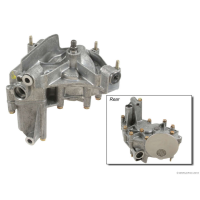
Below are the parts most often responsible for code P0015, ranked by how frequently each one is the actual culprit (per the diagnosis above). Tap any to see what we have for your vehicle.
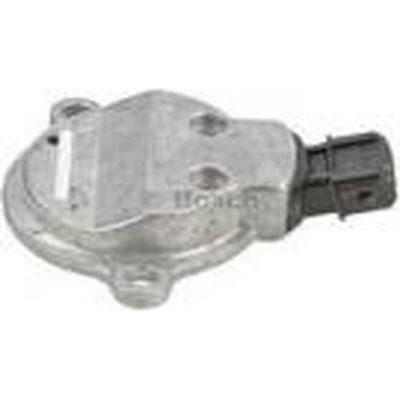
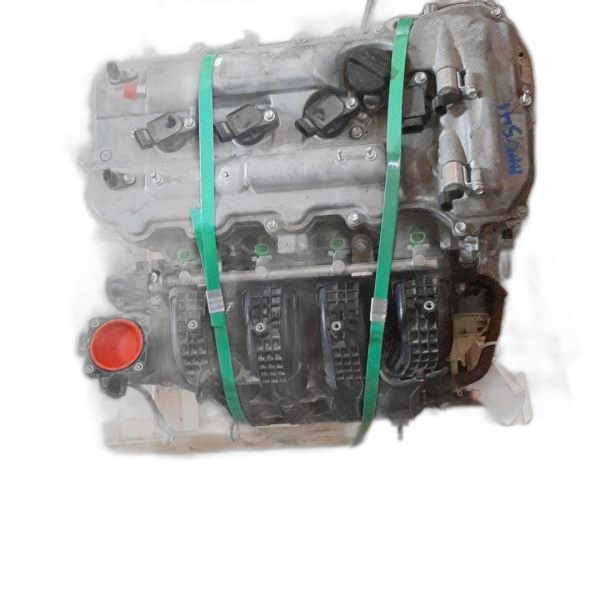


The information in this article is provided for general reference and educational purposes only. Vehicle specifications, procedures, and part compatibility can vary by production date, trim level, and region. Always consult your vehicle's factory service manual and verify part numbers before purchasing or performing repairs. Safety-critical components such as airbags, seat belts, and braking systems should be installed by a qualified professional.
- 🧭 Diagnostic Flowchart
- 🎬 Helpful Videos
- 🛍️ Shop This Part
- What Does P0015 Mean?
- Can I Drive With P0015?
- Common Causes
- Symptoms
- Common Fixes & Costs
- DIY vs Professional
- Used vs. New Parts: Buying Guide
- What Happens If You Wait — Timeline
- Cost of Not Fixing It
- Diagnosis Steps
- When This Code Triggers (Freeze-Frame Conditions)
- Related Codes
- Climate & Environmental Factors
- How to Talk to a Mechanic About This Code
- Where to Take It: Dealer vs Independent vs Chain
- When to Walk Away From the Repair
- What Scan Tool You Need for This Code
- How to Clear the Code After You Fix It
- Will This Fail Emissions / State Inspection?
- Most Commonly Affected Vehicles
- Manufacturer-Specific Notes
- Real Owner Stories
- 2012 Chevy Equinox 2.4L at 138K miles - The Simple Fix
- 2007 BMW 335i at 134K miles - The Misdiagnosis Chase
- 2013 Toyota Avalon at 130K miles - The Unusual Root Cause
- How to Prevent This Code From Triggering
- Frequently Asked Questions
- Can I fix P0015 myself?
- What are the most common misdiagnosis mistakes for P0015?
- My P0015 code appeared right after an oil change. What happened?
- Why is checking engine oil pressure so important for diagnosing P0015?
- Will my car fail an emissions test with a P0015 code?
- I replaced the VVT solenoid, but the P0015 code came back. What now?
- Can I just clean a VVT solenoid instead of replacing it?
- Key Takeaways
- 🎟️ Get 5% Off