

P0015 on 2015-2017 Ford Expedition 3.5L EcoBoost: Causes and Fixes for Over-Retarded Cam Timing
On a 2015-2017 Expedition with the 3.5L EcoBoost, P0015 most often means the passenger-side exhaust VCT solenoid is sticking due to dirty oil. Start by checking your oil level and condition. An oil change with 5W-30 full synthetic oil is the first step. Replacing the solenoid is the most common fix and costs about $40-$90 for the part.
- P0015 on your Expedition means the passenger-side exhaust camshaft timing is delayed.
- Always check your engine oil level and condition first. A simple oil change with the correct 5W-30 full synthetic oil can sometimes fix the issue.
- The most likely failed part is the Bank 1 (passenger side) exhaust VCT solenoid, which gets stuck from oil debris.
- If you hear a rattling noise on cold starts, especially with code P0017 also present, the problem is likely a more serious and expensive timing chain issue.
What's Unique About the 2015-2017 Ford Expedition
The 3.5L EcoBoost engine is known for being particularly sensitive to engine oil condition and quality. Ford has issued multiple Technical Service Bulletins (TSBs) acknowledging that VCT codes like P0015 are frequently caused by small debris in the oil that causes the VCT solenoids to stick. This makes a sticking solenoid a much more probable cause on this engine compared to a major mechanical failure like a stretched timing chain, especially on lower-mileage vehicles. The solenoids are located under the valve covers, making replacement more labor-intensive than on many other engines.
Symptoms You May Notice
- Illuminated Check Engine Light
- Rough or irregular idle
- Poor acceleration and loss of power
- Decreased fuel economy
- Engine hesitation or stalling
- Rattling noise from the engine, especially on cold starts, which may indicate a timing chain issue
- Strong smell of fuel from the exhaust due to inefficient combustion
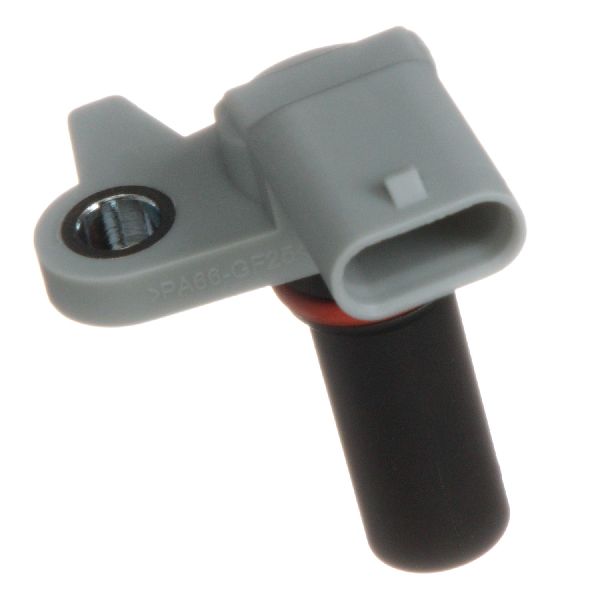
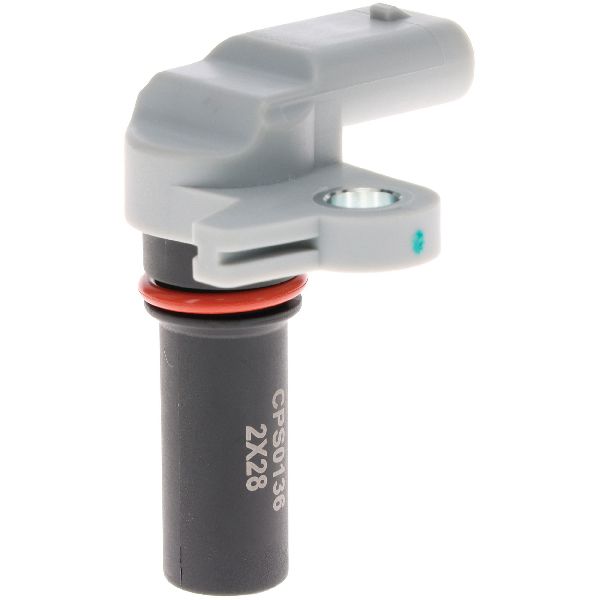
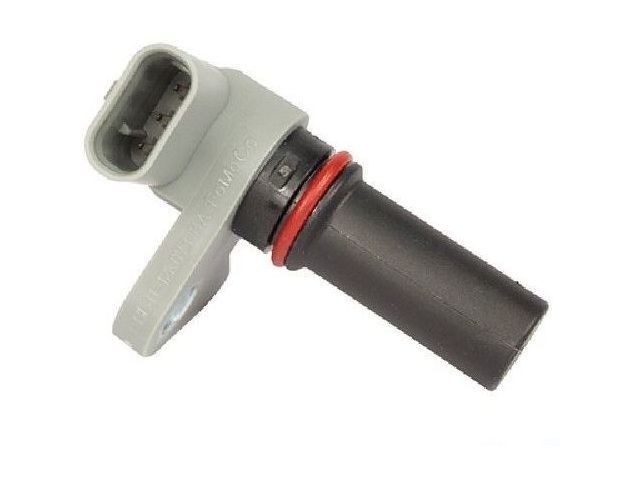
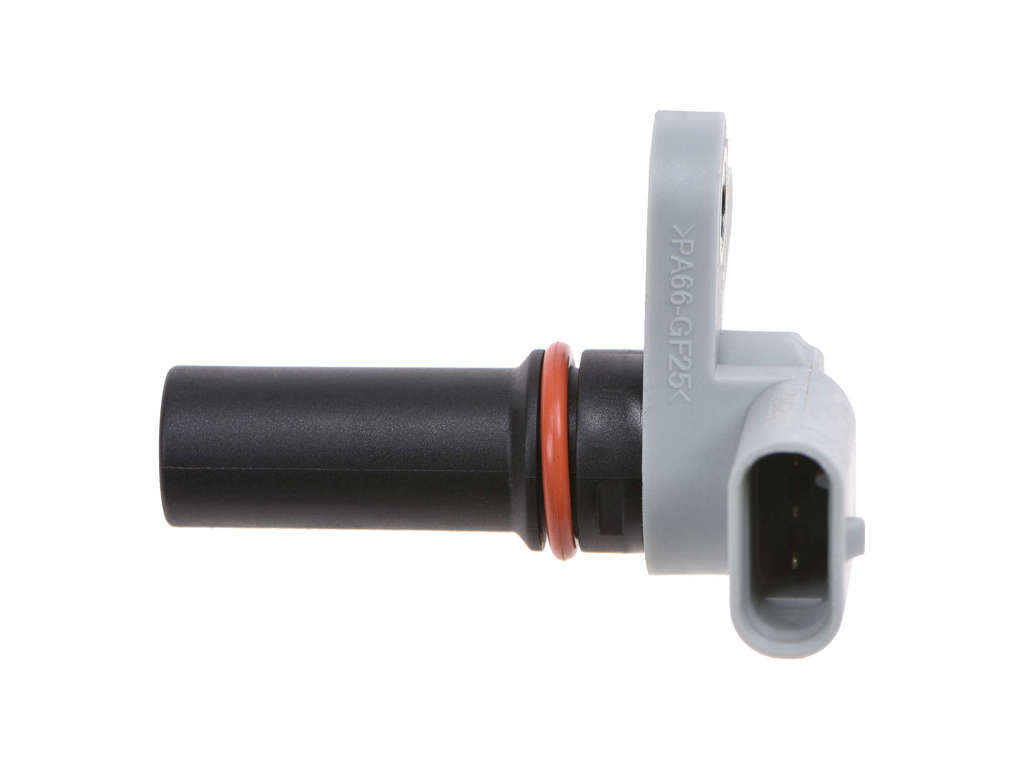
- Replacing the camshaft position sensor. The sensor is usually functioning correctly by reporting the timing error; the problem is mechanical or hydraulic (solenoid, oil pressure, or chain), not the sensor itself.
Most Likely Causes
- Dirty or Sticking VCT Solenoid 🔴 High Probability → Shop Engine Variable Valve Timing (VVT) Solenoid The 3.5L EcoBoost's VCT system is sensitive to oil contamination. Multiple Ford TSBs (like SSM 48423) confirm that small debris can cause the solenoids to stick, making this the most common cause.
How to confirm: Use a scan tool to command the Bank 1 exhaust VCT solenoid (Pinpoint Test HK11); listen for a click and watch for a change in timing data. Alternatively, swap the Bank 1 exhaust and intake solenoids; if the code changes to P0011 (intake over-advanced), the solenoid is bad. The Bank 1 solenoids are on the passenger side, under the valve cover. 🎬 Watch: Diagnosing a failed 3.5L EcoBoost VCT solenoid The exhaust solenoid is the one closer to the rear of the engine.
Typical fix: Replace the Bank 1 (passenger side) exhaust VCT solenoid. It is located under the valve cover, requiring removal of the valve cover and its gasket.
Est. part cost: $40-$90 - Low or Dirty Engine Oil 🟡 Medium Probability The VCT system is hydraulic and relies on clean oil at the correct pressure. Infrequent oil changes lead to sludge that can clog the small passages in the VCT solenoids and phasers. Many owners and mechanics recommend 5,000-mile intervals with full synthetic oil to prevent this.
How to confirm: Check the engine oil level on the dipstick and inspect its color and consistency. If the oil is low, black, or sludgy, it needs to be changed.
Typical fix: Perform an engine oil and filter change using a high-quality full synthetic 5W-30 oil and a new filter. Clear the codes and see if the issue persists.
Est. part cost: $50-$100 - Worn Timing Chain or Cam Phaser ⚪ Low Probability → Shop Engine Timing Chain While a known issue on higher-mileage 3.5L EcoBoost engines (typically over 100,000 miles), it's less common than a solenoid failure for an isolated P0015 code. Poor maintenance accelerates wear.
How to confirm: This is often accompanied by a loud startup rattle ('cold start rattle') and other timing codes like P0017 (Crank/Cam Correlation). Diagnosis is confirmed by measuring chain stretch or via visual inspection during teardown.
Typical fix: This is a major repair involving the replacement of the timing chain, tensioners, guides, and often the cam phasers. It is a professional-level job costing thousands of dollars.
Est. part cost: $500-$1500
Diagnosis Steps
- Check the engine oil level and condition. If it is low or dirty, perform an oil and filter change with 5W-30 full synthetic oil, clear the code, and see if it returns.
- Scan for other DTCs. Additional codes like P0017 can point towards a more serious mechanical timing issue.
- Inspect the wiring harness and connector for the Bank 1 exhaust VCT solenoid for any damage or corrosion.
- Using a capable scan tool (like FORScan or a professional IDS), run the VCT solenoid test routine as described in TSB SSM 48423. This cycles the solenoid 10 times to dislodge debris. If the code disappears, the issue was likely debris.
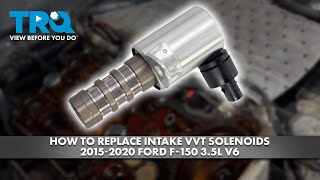
- A common DIY diagnostic step is to swap the Bank 1 exhaust solenoid with the Bank 1 intake solenoid. This requires removing the passenger side valve cover. 🎬 Watch: Step-by-step guide to replacing the solenoids Clear the codes and drive the vehicle. If the code changes to P0011, you have confirmed the solenoid is faulty.
- If the solenoid tests good and the oil is clean, listen carefully for a cold start rattle. If present, the issue is likely a failing cam phaser or a stretched timing chain, which requires professional diagnosis and repair.
Parts You'll Likely Need
- Variable Camshaft Timing (VCT) Solenoid
(OEM #BL3Z-6M280-B)— This is the most common failure point for code P0015 on this engine, often getting stuck due to oil debris. This part number is for the exhaust solenoid on Bank 1 (passenger side).
Trusted brands: Motorcraft, Dorman, Delphi
OEM price range: $50-$90
Aftermarket price range: $30-$60 - Valve Cover Gasket
(OEM #DL3Z-6584-C)— Required for replacing the VCT solenoid on the 3.5L EcoBoost, as the solenoid is located under the passenger side valve cover.
Trusted brands: Motorcraft, Fel-Pro
OEM price range: $30-$50
Aftermarket price range: $20-$40
Related Codes That Often Appear With This One
- P0017 — Stands for 'Crankshaft Position - Camshaft Position Correlation (Bank 1 Sensor B)'. If P0017 appears with P0015, it significantly increases the likelihood of a base timing issue like a stretched timing chain. The PCM is not only seeing the cam in the wrong position (P0015) but also seeing it out of sync with the crankshaft itself (P0017), pointing to a mechanical misalignment rather than just a stuck control solenoid.
Technical Service Bulletins (TSBs) & Recalls
- TSB 16-0093: Notes P0015 on low-mileage (under 2,000 miles) 3.5L GTDI engines and recommends replacing the affected solenoid.
- SSM 47170: Mentions that P0015 may be caused by small debris causing the VCT solenoid to stick.
- SSM 48423: Recommends cycling the solenoid with a scan tool (Pinpoint Test HK11) to attempt to clear debris before replacement on 2015-2020 vehicles.
Platform-Specific Known Issues
- Ford has issued multiple Technical Service Bulletins (TSBs) regarding VCT solenoids sticking due to oil debris, confirming this is a known issue. TSBs include SSM 47170, SSM 48423, and TSB 16-0093.
- TSB 16-0093 specifically addresses this code appearing on low-mileage (under 2,000 miles) 2016 models, recommending solenoid replacement as the fix for what was likely debris from manufacturing.
- SSM 48423 is a key bulletin for DIY diagnosis, as it recommends using a scan tool to cycle the solenoid 10 times to attempt to clear debris before proceeding with replacement.
Mechanic-Grade Diagnostic Values
- VCT Solenoid Internal Resistance — expected: 6.9 to 7.9 Ohms at 68°F (20°C). A general acceptable range is 5-15 Ohms.. Failure: An open circuit (infinite resistance) or a short (near zero ohms) indicates a failed solenoid.
- VCT Solenoid Connector Voltage (Key On, Engine Off) — expected: Approximately 12V (Battery Voltage) on the power supply pin (Pin 1).. Failure: No voltage or significantly low voltage points to a problem in the power supply circuit, like a blown fuse or wiring break.
- Scan Tool PID: VCT_ADV_ERR (VCT Advance Error) — expected: Should hover around 0 degrees (+/- 5 degrees) at idle and during steady-state operation.. Failure: A large, persistent error value indicates the PCM cannot achieve the commanded timing, pointing to a stuck solenoid, phaser, or low oil pressure.
- Engine Oil Pressure at Hot Idle — expected: Minimum of 15 PSI.. Failure: Pressure below 15 PSI at hot idle can cause the VCT system to malfunction and set codes, indicating a potential oil pump or engine wear issue.
Hidden / Shadow Codes Worth Checking
- Mode $06, TID $51-$54: This is not a shadow code but a diagnostic function that shows results from non-continuous monitor tests. For Ford, Test IDs (TID) in the $5x range often relate to the VCT system and display the last measured camshaft angle error in degrees. This can reveal if the timing is borderline failing even before a DTC is set. (see via A professional scan tool or an advanced DIY tool like FORScan with Mode $06 capabilities is required.)
Scan Tool Commands That Help
- Ford IDS / FORScan: VCT Solenoid On/Off Command (part of Pinpoint Test HK) — This bidirectional control allows a technician to manually command the solenoid to actuate. It's used to verify if the solenoid is electrically functional (you should hear a click) and if it's mechanically stuck. Cycling it multiple times can sometimes dislodge debris, as recommended in TSB SSM 48423.
- Ford IDS / FORScan: Power Balance Test — While not a direct VCT test, if a shuttering or misfire is felt, this test can help determine if the issue is isolated to a specific cylinder. A VCT problem can sometimes manifest as a misfire, and this test helps differentiate it from an ignition or fuel issue.
Wiring & Ground Locations
- Bank 1 VCT Solenoid Connector — Under the passenger side valve cover. The exhaust solenoid is the rearmost of the two solenoids on that bank.. This is the primary electrical connection for the component that controls cam timing. The connector itself is a 2-pin connector. Pin 1 is the 12V power supply from the fuse box, and Pin 2 is the ground-side control wire from the PCM. Damage or oil contamination here will cause a circuit fault.
- Engine Ground Points (General) — Key grounds for the 3.5L EcoBoost are typically located on the cylinder heads, engine block, and chassis near the battery. Specific locations like G104 and G105 are often found on the front of the engine or near the starter.. A poor engine ground can cause a host of electrical issues, including erratic sensor readings and improper actuator function. While not a direct cause of P0015, verifying clean and tight grounds is a fundamental step in any electrical diagnosis.
Real Owner Repair Stories
- YouTube channel 'LETMELIVE' (2015 Ford F-150 3.5L EcoBoost (mechanically similar to Expedition)) — Rough idle, strong fuel smell, Check Engine Light with codes P0015 and P0017.
❌ Tried (didn't work) The owner was advised by a shop that it was likely a timing chain/phaser issue requiring a major teardown.
✅ What actually fixed it Before authorizing major repairs, the owner disconnected the VCT solenoid electrical connectors and used jumper wires to manually apply 12V power, cycling the solenoids. This action successfully unstuck the sticking solenoid, the rough idle smoothed out, and the codes were cleared and did not return. This demonstrates that debris was the cause, and the solenoid itself was not permanently failed. - YouTube channel 'Truck Lab' (2019 Ford F-150 3.5L EcoBoost) — Check Engine Light with P0018 and P0021 (Bank 2 codes, but same principle), occasional power loss, and a cold start rattle.
❌ Tried (didn't work) Initial diagnosis pointed towards failing cam phasers due to the cold start rattle.
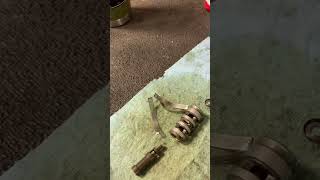
✅ What actually fixed it Upon disassembly, it was found that a small piece of the plastic oil control ring inside one of the VCT solenoids had broken off. This debris was jamming the internal spool valve, causing the timing errors and rattle. Replacing all four VCT solenoids resolved all symptoms, including the cold start rattle that was initially blamed on the phasers.
OEM Part Supersession History
BL3Z-6M280-A→BL3Z-6M280-B— Likely internal improvements to materials or design to improve resistance to sticking from debris.
Diagnostic Flowchart
Other Known Issues on This Vehicle
Issues unrelated to this code that are worth knowing about as an owner of this generation:
- Timing Chain Stretch and Cold Start Rattle 🔴 High → Shop Engine Timing Chain — Common on engines over 80,000-100,000 miles, especially with extended oil change intervals. The rattle on startup is a key symptom. (Ref: Related to numerous VCT/timing TSBs, though not a specific recall for this issue.)
- Electronic Throttle Body Failure 🔴 High — Can occur without warning at various mileages (reports from 50k-100k+ miles), causing the vehicle to enter 'limp mode' with sudden loss of power. (Ref: TSB SSM 46085 revises diagnostic procedures, but no recall exists for this specific model range.)
- Turbocharger Coolant Line Leaks 🟠 Medium — The O-rings in the 'jiffy-tite' connectors for the turbo coolant lines degrade over time, causing coolant leaks. This is a common issue as the vehicles age.
- Intake Valve Carbon Buildup 🟠 Medium — A long-term consequence of direct injection engines. Becomes noticeable after 60,000-100,000 miles, potentially causing rough idle, hesitation, or misfires.
Used vs. New Parts: Buying Guide for This Vehicle
When a used part is the smart pick: For this specific repair, using a used VCT solenoid is strongly discouraged. The failure mode is often contamination or internal wear, which is impossible to assess from a used part. The labor to access the part is significant, making the risk of a faulty used part not worth the small cost savings.
Donor-vehicle mileage cap: roughly under 1 miles for the part to have meaningful remaining life.
What to inspect on the donor part:
- Not applicable, as used solenoids are not recommended.
OEM-only on this vehicle (don't cheap out):
- VCT Solenoids: While some aftermarket brands are available, Motorcraft (OEM) solenoids are highly recommended by forum veterans and technicians due to the sensitivity of the VCT system. The cost difference is often minimal compared to the risk of a repeat failure.
- Cam Phasers: If the issue escalates to a timing job, using OEM Ford cam phasers is critical. Aftermarket phasers for this engine have a poor reputation and are a common source of repeat failures.
Brands owners have reported issues with on this vehicle:
- Unbranded/white-box VCT solenoids and cam phasers from online marketplaces are a significant gamble and frequently lead to immediate or premature failure.
Real Owner Stories
Aggregated from forums and TSBs cited above. Mileages and costs reflect what owners reported in those sources.
2015 Ford F-150 3.5L EcoBoost
Symptoms: The vehicle had a rough idle and was throwing codes P0015 and P0017.
What fixed it: The owner disconnected the VCT solenoid connectors and manually applied 12V to cycle them, which successfully unstuck the solenoid and cleared the codes.
Source hint: YouTube - LETMELIVE channel - "2015 F150 3.5 ecoboost VVT solenoid P0015 P0017 DO THIS FIRST"
2016 Ford Expedition 3.5L EcoBoost — ~1500 miles
Symptoms: P0015 code appeared on a very low-mileage engine, likely due to manufacturing debris.
What fixed it: Replacement of the affected VCT solenoid as per manufacturer recommendations for low-mileage failures.
Source hint: TSB 16-0093
2015-2017 Ford Expedition 3.5L EcoBoost — ~100000 miles
Symptoms: P0015 code accompanied by a loud rattle specifically during cold starts.
What fixed it: A full timing job involving the replacement of the timing chain, tensioners, guides, and cam phasers.
Cost: $500-$1500
Source hint: expeditionforum.com
Related OBD-II Codes
Frequently Asked Questions
Does TSB 16-0093 apply to my 2016 Ford Expedition if it has very low mileage?
What does SSM 48423 recommend I do before replacing parts on my 2015 Expedition?
Where is the Bank 1 exhaust VCT solenoid located on the 3.5L EcoBoost engine?
Can I use any engine oil to fix the P0015 code on my Ford Expedition?
Is a rattling noise on a cold start related to the P0015 code?
Can I test the VCT solenoid myself without buying a new one?
Helpful Videos
We Have This Part in Stock


The information in this article is provided for general reference and educational purposes only. Vehicle specifications, procedures, and part compatibility can vary by production date, trim level, and region. Always consult your vehicle's factory service manual and verify part numbers before purchasing or performing repairs. Safety-critical components such as airbags, seat belts, and braking systems should be installed by a qualified professional.
- Ford Expedition:
- 🧭 Diagnostic Flowchart
- 🎬 Helpful Videos
- 🛍️ Shop This Part
- What's Unique About the 2015-2017 Ford Expedition
- Symptoms You May Notice
- Most Likely Causes
- Diagnosis Steps
- Parts You'll Likely Need
- Related Codes That Often Appear With This One
- Technical Service Bulletins (TSBs) & Recalls
- Platform-Specific Known Issues
- Mechanic-Grade Diagnostic Values
- Hidden / Shadow Codes Worth Checking
- Scan Tool Commands That Help
- Wiring & Ground Locations
- Real Owner Repair Stories
- OEM Part Supersession History
- Other Known Issues on This Vehicle
- Used vs. New Parts: Buying Guide for This Vehicle
- Real Owner Stories
- 2015 Ford F-150 3.5L EcoBoost
- 2016 Ford Expedition 3.5L EcoBoost — ~1500 miles
- 2015-2017 Ford Expedition 3.5L EcoBoost — ~100000 miles
- Related OBD-II Codes
- Frequently Asked Questions
- 🎟️ Get 5% Off