

P0015 on 2015-2018 Ford Focus: Exhaust Camshaft Timing Over-Retarded Causes and Fixes
On a 2015-2018 Ford Focus, code P0015 is most often caused by a sticking exhaust VCT (Variable Camshaft Timing) solenoid or low/dirty engine oil. An oil change and replacing the exhaust VCT solenoid (OEM Part for 2.0L: CM5Z-6M280-B, for 1.0L: CM5Z-6M280-G) is the most common fix, costing around $40-$80 for the part.
- P0015 means the exhaust camshaft timing is lagging (over-retarded).
- The most likely cause on a 2015-2018 Focus is low/dirty oil or a faulty exhaust VCT solenoid.
- Always check your oil level and condition first. An oil change is the cheapest and easiest potential fix.
- Replacing the exhaust VCT solenoid is a common, DIY-friendly repair that often solves the problem.
- Do not immediately replace the camshaft position sensor; it is rarely the cause of this specific code.
What's Unique About the 2015-2018 Ford FOCUS

The 2015-2018 Ford Focus, particularly with the common 2.0L Ti-VCT engine, is susceptible to this code due to the VCT system's sensitivity to oil quality and debris. Ford has issued multiple Technical Service Bulletins (TSBs) acknowledging that small debris in the engine oil can cause the VCT solenoids to stick, leading to timing-related codes like P0015. 🎬 Watch: Understanding the causes and fixes for the P0015 code. This makes checking oil level and condition the most critical first step before replacing any parts. Owner forums are filled with accounts where this exact scenario plays out, confirming the direct link between oil maintenance and VCT system health on this platform.
Diagnostic Flowchart

Tap your situation to follow the diagnostic path that matches what you're seeing on this vehicle.
Symptoms You May Notice
- Check Engine Light is on
- Rough or unstable idle
- Engine stalling, especially at stops
- Poor acceleration and loss of power
- Reduced fuel economy
- Rattling or tapping noise from the engine
- Replacing the Camshaft Position Sensor. The sensor is usually doing its job correctly by reporting the timing error. The P0015 code indicates the timing *is* off, not that the sensor reporting it has failed.
Most Likely Causes

- Low, Dirty, or Incorrect Viscosity Engine Oil 🔴 High Probability The VCT system is operated by oil pressure. Ford TSBs SSM 48423 and SSM 47170 directly state that debris in the oil can cause the VCT solenoid to stick, which is the root of this code. Numerous owner experiences confirm that neglecting oil changes is a primary trigger for this code.
How to confirm: Check the engine oil dipstick for low level and poor condition (dark, gritty, or sludgy). Review service records to see if an oil change is overdue.
Typical fix: Perform an engine oil and filter change using the manufacturer-specified oil viscosity (e.g., SAE 5W-20 for the 2.0L Ti-VCT). Using an aftermarket oil filter that restricts flow can also cause this code.
Est. part cost: $30-$70 - Failing Exhaust VCT Solenoid (Oil Control Valve) 🔴 High Probability → Shop Engine Variable Valve Timing (VVT) Solenoid As noted in multiple Ford TSBs (SSM 54366, SSM 48423, SSM 47170), these solenoids are prone to sticking due to small debris in the oil. They are the most commonly replaced part for this code after an oil change fails to resolve it.
How to confirm: After confirming oil is clean and full, this is the next logical step. A diagnostic scan tool can command the solenoid to cycle to check for response. A common DIY method is to swap the exhaust solenoid (closer to the firewall) with the intake solenoid (closer to the front) and see if the code changes to P0012 (Intake Cam Over-Retarded). If the code follows the solenoid, the solenoid is faulty.
Typical fix: Replace the Bank 1 exhaust VCT solenoid. The retaining bolt should be torqued to 8 Nm (71 in-lbs). Some sources mention a torque-plus-angle spec (8 Nm + 30 degrees), but 71 in-lbs is a safe and common value for this small M6 bolt.
Est. part cost: $40-$80 - Worn Timing Chain or Failing Tensioner ⚪ Low Probability → Shop Engine Timing Chain While less common than oil or solenoid issues, timing chain stretch can occur at higher mileage (typically over 100k-120k miles), causing the camshaft's physical position to lag behind the crankshaft's, triggering the code. This is a mechanical timing error, not a hydraulic control error.
How to confirm: This is a more involved diagnosis. It may involve listening for chain rattle on startup or physically inspecting the chain and tensioners, which requires significant engine disassembly. A mechanic can also use an oscilloscope to compare crank and cam sensor signals to detect a timing lag.
Typical fix: Replace the timing chain, guides, and tensioner.
Est. part cost: $200-$500
Rare But Worth Checking
- Failing Camshaft Phaser: → Shop Engine Camshaft The phaser is the mechanical gear on the end of the camshaft that the solenoid controls. It can get stuck or fail internally due to debris or wear, but this is much less common than a solenoid failure.
- Clogged Oil Passages: In cases of severe engine sludge from long-term neglect, the oil passages leading to the VCT solenoid and phaser can become blocked, starving them of the oil pressure needed to operate.
Diagnosis Steps
- Check Engine Oil: Verify the oil level is full and the oil is clean. If low or dirty, perform an oil and filter change with the correct viscosity oil (SAE 5W-20 for 2.0L) and clear the code. Drive the vehicle to see if the code returns. This is the cheapest and easiest first step.
- Scan for Other Codes: Check for any other related DTCs, especially P0017, which can help confirm a VCT system issue.
- Inspect VCT Solenoid Wiring: Check the electrical connector and wiring going to the exhaust VCT solenoid for any damage, corrosion, or oil contamination.
- Test the VCT Solenoid: This is the most common failure point. On the 2.0L engine, the two VCT solenoids are on top of the valve cover. The exhaust solenoid is the one closer to the firewall/driver's side. Swap the exhaust VCT solenoid with the intake VCT solenoid. Clear the codes and run the engine. If the code changes to P0012, the solenoid you moved is faulty and needs to be replaced.
- Advanced Diagnostics: If the steps above do not resolve the issue, the problem may be more mechanical. This could involve checking engine oil pressure with a gauge or inspecting the timing chain, tensioners, and camshaft phaser for wear or damage. This step may require a professional mechanic.
Parts You'll Likely Need

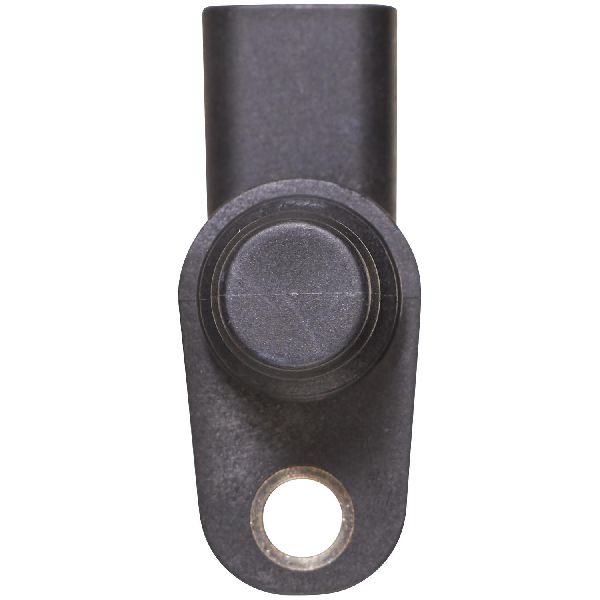
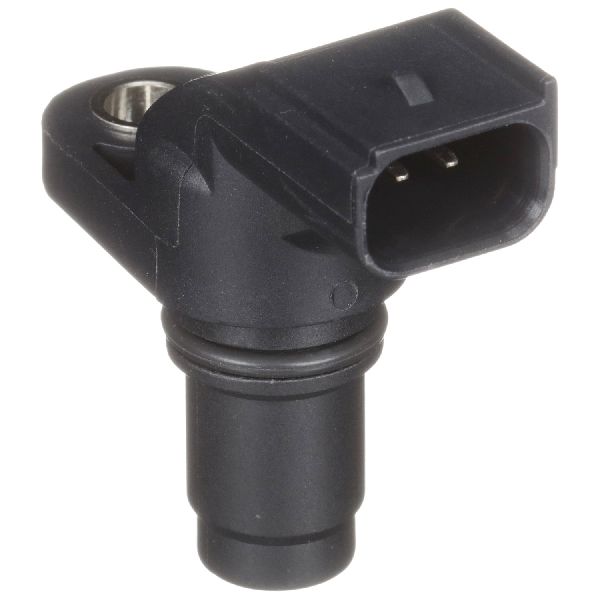
- Exhaust Variable Camshaft Timing (VCT) Solenoid
(OEM #For 2.0L Ti-VCT: CM5Z-6M280-B (or older CM5Z-6M280-A). For 1.0L EcoBoost: CM5Z-6M280-G.)— This is the most frequent cause of P0015 on this vehicle, often due to sticking from oil debris, as confirmed by multiple Ford TSBs and countless owner reports.
Trusted brands: Motorcraft (OEM), Dorman (e.g., 917-196), Delphi, Spectra Premium (e.g., VTS1089)
OEM price range: $60-$100
Aftermarket price range: $40-$80 - Engine Oil and Filter
(OEM #Oil: Motorcraft XO-5W20-QFS (for 5W-20). Filter: Motorcraft FL-910S.)— Low, old, or incorrect viscosity oil is a primary trigger for VCT system faults. An oil change is a crucial first step and can sometimes fix the problem on its own.
Trusted brands: Motorcraft (Synthetic Blend), Mobil 1, Castrol, Pennzoil
OEM price range: $50-$80
Aftermarket price range: $30-$60
Related Codes That Often Appear With This One
- P0017 — Crankshaft Position - Camshaft Position Correlation (Bank 1, Sensor B). This code often appears with P0015 because if the exhaust cam timing is retarded, it will also be out of sync with the crankshaft position. TSB 16-0010 specifically notes these two codes can appear together, pointing to a faulty exhaust VCT solenoid.
Technical Service Bulletins (TSBs) & Recalls
- SSM 54366: General VCT code diagnostic procedure.
- SSM 48423: Notes that P0015 can be caused by small debris causing the VCT solenoid to stick.
- SSM 47170: Similar to SSM 48423, points to debris causing a sticky VCT solenoid.
- TSB 16-0010: For some 2016 models, advises replacing the exhaust VCT solenoid if P0015 and P0017 are present together.
Platform-Specific Known Issues
- Ford has issued multiple Technical Service Bulletins (TSBs) that apply to this issue. TSBs SSM 48423 and SSM 47170 note that DTCs including P0015 may be caused by small debris causing the VCT solenoid to stick. They recommend attempting to cycle the solenoid with a scan tool before replacement.
- TSB SSM 54366 also lists P0015 among a group of VCT-related codes and refers technicians to a specific pinpoint test in the service manual.
- TSB 16-0010 notes that on some 2016 models with low mileage, P0015 paired with P0017 specifically points to replacing the exhaust VCT solenoid.
Mechanic-Grade Diagnostic Values
- VCT Solenoid Internal Resistance — expected: 6.9 to 12 Ohms. A common range cited is 7.0-8.0 Ohms.. Failure: A reading of 0 Ohms (short circuit) or infinite/OL (open circuit) indicates a failed solenoid.
- Engine Oil Pressure (at hot idle) — expected: Minimum of 15 PSI (103 kPa).. Failure: Pressure below the minimum specification, especially when a drivability issue is present, indicates a base oiling problem that must be fixed before diagnosing VCT components.
- Mode $06 VCT Advance Error (TID $81, CID $12) — expected: Should be near 0 degrees. A small variance of +/- 5 degrees is typically allowed.. Failure: A consistently high value that exceeds the PCM's calibrated limit will trigger the P0015 DTC. This shows the measured error between commanded and actual cam position.
Scan Tool Commands That Help
- Ford IDS (Integrated Diagnostic System): Powertrain > Active Commands > Variable Camshaft Timing (VCT) Control — This bidirectional control allows a technician to manually command the VCT solenoid duty cycle (e.g., from 0% to 50%) while monitoring the camshaft position PIDs (RCAM, CAMERR). This directly tests if the solenoid and phaser are responding to PCM commands, helping to isolate a sticky solenoid or faulty phaser from an electrical issue.
- FORScan: Monitor PIDs: VCT_EXH_CMD (Commanded Duty Cycle), VCT_EXH_ACT (Actual Position), VCT_EXH_ERR (Error in degrees) — While driving or at idle, graphing these PIDs can show a lazy or non-responsive exhaust camshaft. A large and persistent VCT_EXH_ERR value when the commanded value changes is a strong indication of a mechanical or hydraulic fault in the VCT system.
Wiring & Ground Locations
- Exhaust VCT Solenoid Connector — On top of the valve cover, the solenoid closer to the firewall/driver's side on the 2.0L engine.. This is the primary component to test. The connector can become contaminated with oil or the wiring can be damaged, causing an open or short in the circuit.
- PCM Connector C175B, Pin 35 — This is one of the main connectors at the Powertrain Control Module (PCM).. For the 2.0L GDI, the control wire (typically Violet/Grey) for the exhaust VCT solenoid runs to this pin. Testing for continuity from the solenoid connector to this pin can rule out a broken wire.
- Fuse F32 (15A) - Battery Junction Box — In the underhood fuse box (Battery Junction Box).. This fuse provides power to the VCT solenoids via the PCM Power Relay. While a failure is unlikely to only affect one solenoid, it's a critical part of the circuit to check for power supply issues.
- Ground G104 — On the left side of the engine compartment, near the airbox/battery area.. This is a primary engine ground point. A poor ground connection here can cause a variety of erratic electrical issues for engine sensors and actuators, including the VCT system.
Real Owner Repair Stories
- FocusFanatics.com forum user (2016 Ford Focus) — Check engine light with codes P0015 and P0017.
❌ Tried (didn't work) Replaced the exhaust VCT solenoid., Replaced the timing chain, tensioner, and guides.
✅ What actually fixed it The final repair was replacing the exhaust camshaft phaser itself, which had failed internally and was stuck, preventing it from responding to the new solenoid and correct timing chain. - Reddit r/MechanicAdvice (2015 Ford Focus 1.0L EcoBoost) — P0015, exhaust cam timing -45 degrees off at idle, but correct at 3,000 RPM.
❌ Tried (didn't work) Swapping VCT solenoids (actuators) made no difference.
✅ What actually fixed it The root cause was a failed oil pump belt tensioner, which caused the oil pump belt to lose teeth. This resulted in low oil pressure at idle, preventing the VCT system from operating correctly. The fix required replacing the oil pump belt and tensioner and re-timing the engine.
OEM Part Supersession History
CM5Z-6M280-A→CM5Z-6M280-B, which was later superseded by CM5Z-6M280-C and CM5Z-6M280-D.— Internal design and material improvements to increase reliability and resistance to sticking from oil debris.
Heads up: All revisions (A, B, C, D) are physically and functionally interchangeable for the 2.0L Ti-VCT engine, but it is always recommended to install the latest available revision.CM5Z-6M280-D / F→CM5Z-6M280-G— Part revision for the 1.0L EcoBoost engine.
Heads up: This part is specific to the 1.0L engine and is not interchangeable with the 2.0L engine's VCT solenoid.
Model Year Variations Within This Range
- 2015-2018: The 2.0L Ti-VCT GDI engine and its VCT system remained fundamentally unchanged during this period for the North American market. Diagnosis and common parts are consistent across these years. The main variation is the 1.0L EcoBoost engine, which uses a different VCT solenoid part number (CM5Z-6M280-G).
Helpful Videos

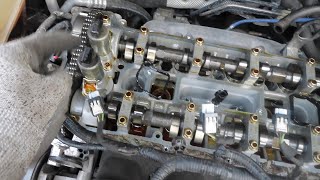

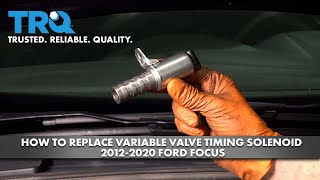
We Have This Part in Stock

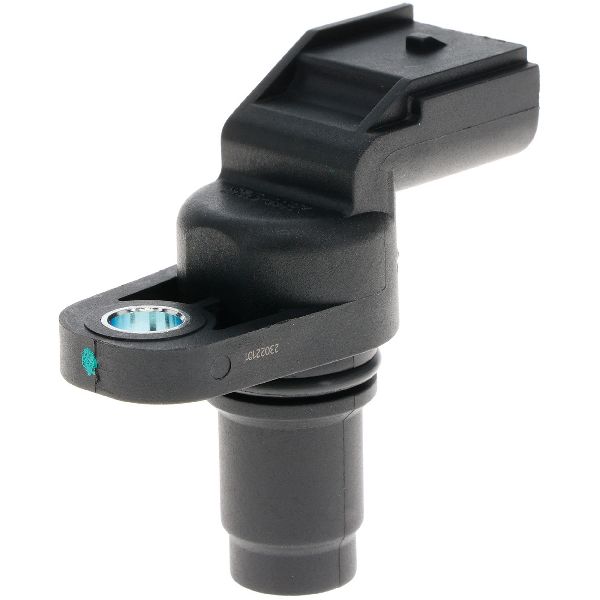
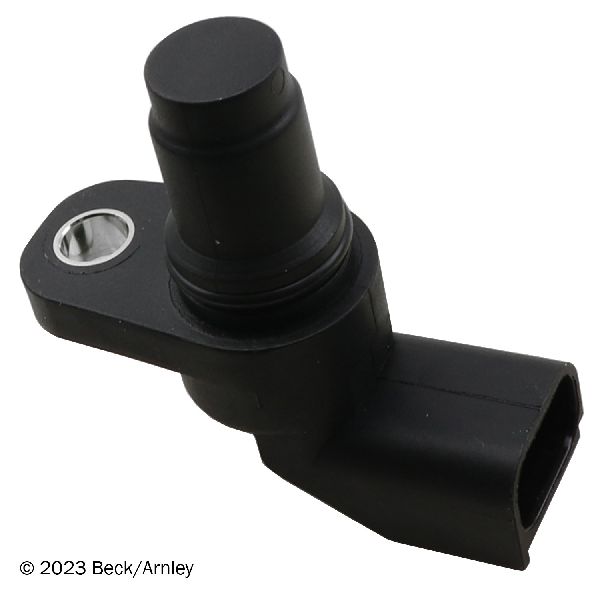

The information in this article is provided for general reference and educational purposes only. Vehicle specifications, procedures, and part compatibility can vary by production date, trim level, and region. Always consult your vehicle's factory service manual and verify part numbers before purchasing or performing repairs. Safety-critical components such as airbags, seat belts, and braking systems should be installed by a qualified professional.
- Ford FOCUS:
- 🧭 Diagnostic Flowchart
- 🎬 Helpful Videos
- 🛍️ Shop This Part
- What's Unique About the 2015-2018 Ford FOCUS
- Symptoms You May Notice
- Most Likely Causes
- Rare But Worth Checking
- Diagnosis Steps
- Parts You'll Likely Need
- Related Codes That Often Appear With This One
- Technical Service Bulletins (TSBs) & Recalls
- Platform-Specific Known Issues
- Mechanic-Grade Diagnostic Values
- Scan Tool Commands That Help
- Wiring & Ground Locations
- Real Owner Repair Stories
- OEM Part Supersession History
- Model Year Variations Within This Range
- 🎟️ Get 5% Off