

P0015 on 2015-2019 Lincoln MKC: Exhaust Cam Timing Over-Retarded Causes and Fixes
For a 2015-2019 Lincoln MKC, code P0015 usually points to a sticking exhaust VCT solenoid on Bank 1, often due to low or dirty oil. Start by checking your oil; if the level and quality are good, the next most likely fix is replacing the Bank 1 exhaust VCT solenoid, a known issue acknowledged by Ford in service bulletins.
- P0015 on your MKC means the exhaust camshaft timing is lagging.
- The most likely cause is either low/dirty engine oil or a failing exhaust VCT solenoid on Bank 1.
- Always check your oil level and condition first; a simple oil change might fix the problem.
- Replacing the VCT solenoid is a common, relatively inexpensive repair for this code.
- Ignoring this code can lead to poor performance, bad fuel economy, and potential engine damage over time.
What's Unique About the 2015-2019 Lincoln MKC
The EcoBoost engines in the Lincoln MKC rely heavily on clean, correct-viscosity engine oil for the Variable Camshaft Timing (VCT) system to function properly. Ford and Lincoln have issued multiple Technical Service Bulletins (TSBs) acknowledging that this code, along with others, can be caused by small debris in the oil causing the VCT solenoids to stick. [SSM 48423, SSM 47170] This makes regular, high-quality oil changes especially critical on these vehicles to prevent this specific issue. Using the wrong oil viscosity can also cause this code to appear.
Diagnostic Flowchart
Tap your situation to follow the diagnostic path that matches what you're seeing on this vehicle.
Symptoms You May Notice
- Check Engine Light is on
- Rough or erratic idle
- Poor acceleration or engine hesitation
- Reduced fuel economy
- Engine stalling
- Rattling or tapping noise from the engine
- Hard starting
- Replacing the camshaft position sensor when the actual problem is a sticking VCT solenoid or dirty oil.
- Replacing the cam phaser when the issue is just a faulty solenoid or an oil flow problem.
- Assuming a major timing chain issue before ruling out the much more common and simpler fixes like oil change and VCT solenoid replacement.
Most Likely Causes
- Low or Dirty Engine Oil 🔴 High Probability The VCT system is hydraulic and highly sensitive to oil pressure, cleanliness, and viscosity. Sludge, low oil levels, or using the wrong oil type can prevent the phasers from moving as commanded.
How to confirm: Check the oil level on the dipstick and inspect its color and consistency. If it's low, dark, or sludgy, it needs to be changed. Ensure the correct oil viscosity (e.g., 5W-30 for most EcoBoost applications) is being used, as incorrect viscosity can trigger this code.
Typical fix: Perform an oil and filter change using the manufacturer-specified grade of oil (Motorcraft Synthetic Blend or equivalent).
Est. part cost: $40-$80 - Failing Exhaust VCT Solenoid (Bank 1) 🔴 High Probability → Shop Engine Variable Valve Timing (VVT) Solenoid TSBs SSM 48423 and SSM 47170 specifically state that debris can cause the VCT solenoid to stick, leading to this code. TSB 16-0010 also points to this part as the solution if P0015 and P0017 appear together on 2016 models.
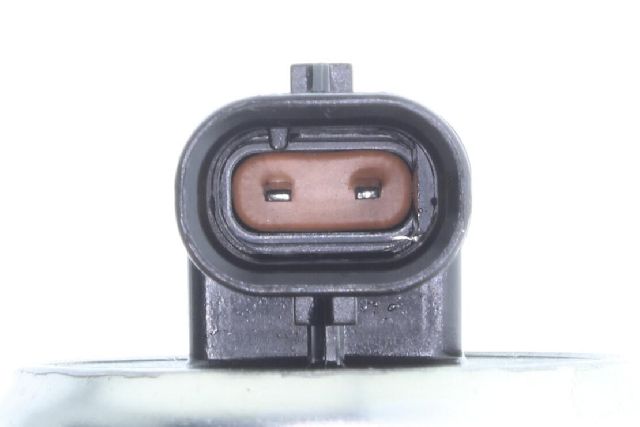
How to confirm: A mechanic can use a scan tool to command the solenoid on and off to check for response. It can also be removed, cleaned, and tested for resistance with a multimeter; a typical reading is between 6.9 and 7.9 ohms. Visually inspect the connector for oil contamination.
Typical fix: Replace the Bank 1 exhaust VCT solenoid. The OEM part number is CJ5Z-6M280-A. It is often recommended to replace the valve cover gasket (BB5Z-6584-A) and solenoid seal (BR3Z-6C535-B) at the same time.
Est. part cost: $42-$70 - Faulty Camshaft Position Sensor 🟡 Medium Probability → Shop Engine Camshaft Position Sensor The sensor provides the position data to the PCM. If it sends incorrect signals, the PCM may set a timing code even if the mechanical timing is correct. Oil can sometimes leak into the wiring harness, disrupting the signal.
How to confirm: Inspect the sensor and its wiring for damage or oil contamination. A diagnostic scan tool can monitor the sensor's output for erratic readings.
Typical fix: Replace the Bank 1 exhaust camshaft position sensor.
Est. part cost: $25-$50
Rare But Worth Checking
- Worn Timing Chain or Cam Phaser: → Shop Engine Timing Chain While less common, a stretched timing chain or a failing (stuck) cam phaser can cause the actual camshaft timing to be off from what is commanded, triggering the code. This is a more serious and expensive repair that often presents with a rattling noise on startup.
- Clogged Oil Passages: Severe engine sludge can block the small oil passages that feed the VCT solenoids and cam phasers, preventing them from operating correctly even if the parts themselves are good. This often requires a more intensive engine cleaning or flush.
- PCM Fault: In very rare cases, the Powertrain Control Module itself can be the source of the problem, either by sending incorrect commands or misinterpreting sensor data. This should only be considered after all other possibilities are exhausted.
Diagnosis Steps
- Check Engine Oil: Verify the oil level is correct and the oil is clean and of the proper viscosity (typically 5W-30). If low, dirty, or incorrect, perform an oil and filter change, clear the code, and see if it returns. 🎬 Watch: Two quick DIY methods to clear the P0015 code. This is the simplest and most common fix.
- Scan for Other Codes: Use an OBD-II scanner to check for other related codes that could provide more clues (e.g., P0017, which strongly points to the solenoid per TSB 16-0010).
- Inspect Wiring: Visually inspect the wiring harness and connector for the Bank 1 exhaust VCT solenoid and camshaft position sensor. Look for any signs of damage, corrosion, oil intrusion, or loose connections.
- Test the VCT Solenoid: Using a capable scan tool, command the exhaust VCT solenoid for Bank 1 on and off to see if the engine's idle changes. If there's no change, the solenoid is likely stuck. You can also remove it and check its resistance with a multimeter, looking for a reading between 6.9-7.9 ohms.
- Test the Camshaft Position Sensor: Monitor the live data from the camshaft position sensor with a scan tool to ensure it is providing a stable and logical signal.
- Inspect Mechanical Timing: If all else fails, a more in-depth diagnosis is needed to check for a stretched timing chain, worn guides, or a faulty cam phaser. This is typically a job for a professional and may involve removing the valve cover.
Parts You'll Likely Need
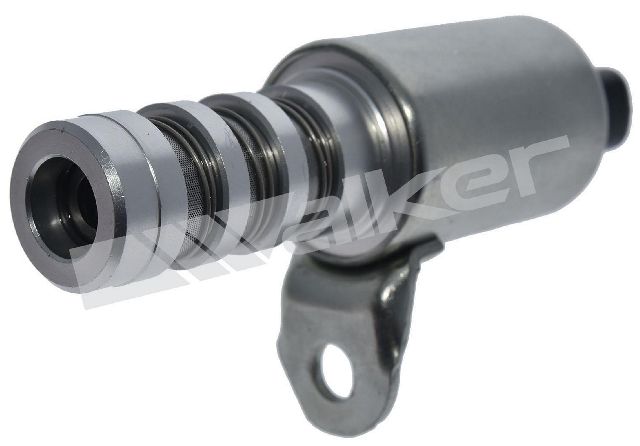
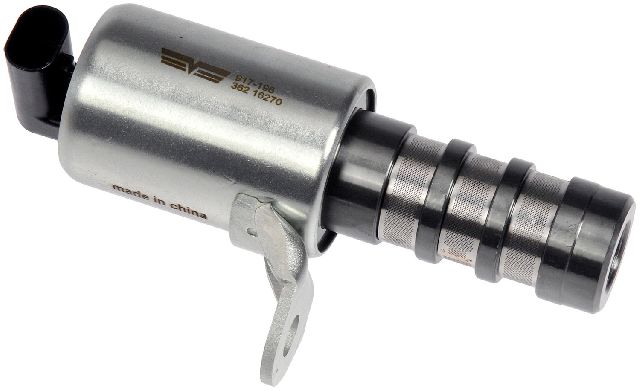
- Engine Variable Valve Timing (VVT) Solenoid
(OEM #CJ5Z-6M280-A)— This is the most common point of failure for code P0015 on this vehicle, as identified by multiple TSBs. It gets stuck due to oil contamination or internal failure. [SSM 48423, TSB 16-0010].
Trusted brands: Motorcraft, Dorman, Standard Motor Products, NGK
OEM price range: $50-$70
Aftermarket price range: $30-$60 - Engine Oil and Filter
(OEM #Motorcraft FL-910S (Filter))— Low or contaminated oil is a primary cause of VCT system faults. An oil change is a critical first diagnostic step and may resolve the issue on its own.
Trusted brands: Motorcraft, Mobil 1, Castrol
OEM price range: $50-$90
Aftermarket price range: $40-$80
Related Codes That Often Appear With This One
- P0014 — This code is for 'B' Camshaft Position - Timing Over-Advanced (Bank 1). It relates to the same camshaft and control system, and erratic solenoid behavior can cause both over-retarded and over-advanced conditions.
- P0017 — This code indicates 'Camshaft Position - Crankshaft Position Correlation (Bank 1, Sensor B)'. If the exhaust cam is over-retarded (P0015), it will also be out of sync with the crankshaft, potentially triggering P0017. TSB 16-0010 specifically notes that if P0015 and P0017 appear together on some 2016 models with less than 2,000 miles, the exhaust VCT solenoid should be replaced.
Technical Service Bulletins (TSBs) & Recalls
- SSM 48423: Notes that P0015 may be caused by small debris causing the VCT solenoid to stick.
- SSM 54366: Mentions P0015 and refers technicians to a specific pinpoint test in the service manual.
- SSM 47170: An earlier TSB that also points to a sticking VCT solenoid from debris as a potential cause for P0015.
- TSB 16-0010: Advises replacing the exhaust VCT solenoid on certain 2016 models with low mileage if P0015 and P0017 are found together.
Platform-Specific Known Issues
- Sticking VCT Solenoids from Debris: → Shop Engine Variable Valve Timing (VVT) Solenoid TSB SSM 48423 and SSM 47170 note that various 2015-2020 Ford and Lincoln vehicles may set P0015 (and other VCT codes) due to small debris causing the VCT solenoid to stick. The recommended action is to follow specific diagnostic procedures before replacing parts.
- Paired DTCs on Low-Mileage 2016 Models: TSB 16-0010 is very specific: for 2016 MKC models with either the 2.0L or 2.3L GTDI engine with less than 2,000 miles, if DTCs P0015 and P0017 are present together, the bulletin advises replacing the exhaust VCT solenoid (Part No. CJ5Z-6M280-A).
Mechanic-Grade Diagnostic Values
- VCT Solenoid Resistance — expected: Between 6.9 and 7.9 ohms at 68°F (20°C). Some service data allows for a broader range of 5 to 14 ohms.. Failure: A reading outside the specified range, or an open circuit (infinite resistance), indicates a faulty solenoid coil.
- VCT Solenoid Control Circuit Voltage (Key On, Engine Off) — expected: Greater than 10.5 Volts at the harness connector.. Failure: Voltage below 10.5V indicates an open or high-resistance in the power supply circuit to the solenoid.
- VCT Solenoid Control Circuit to Ground Resistance — expected: Greater than 10,000 ohms.. Failure: Resistance less than 10,000 ohms indicates a short to ground in the wiring.
Scan Tool Commands That Help
- Ford IDS (Integrated Diagnostic System) or equivalent: VCT Solenoid On/Off Test (part of Pinpoint Test HK) — This bidirectional control is used to command the VCT solenoid to open and close while the engine is running. A change in engine idle (running rough, stalling) indicates the solenoid is mechanically responding to the command. No change suggests the solenoid is stuck.
Wiring & Ground Locations
- G104 — Typically located on the passenger side rear of the engine block/cylinder head, near the firewall.. This is a major engine ground point. While not directly for the VCT solenoid itself, poor grounding at G104 can cause erratic behavior in various engine sensors and modules that share this ground path, potentially leading to incorrect diagnostic codes. On some Ford platforms, this ground serves the Vehicle Control Module and other critical components.
- VCT Solenoid Connector — On the top of the valve cover, one for the intake camshaft and one for the exhaust camshaft. The exhaust solenoid is typically the one closer to the exhaust manifold (rear of the engine).. This 2-pin connector is the direct electrical interface for the VCT solenoid. It should be inspected for oil contamination (which can wick from a leaking solenoid seal), corrosion, or loose pins. Aftermarket pigtail connectors are available if the original is damaged.
Real Owner Repair Stories
- 1A Auto YouTube Channel (2013 Ford Escape 2.0L L4 (shares platform and engine with 2015-2019 Lincoln MKC)) — Check engine light, rough running, sputtering, reduced fuel efficiency.
❌ Tried (didn't work) The video proceeds directly to the solenoid replacement as the likely cause.
✅ What actually fixed it Replacement of the variable valve timing solenoids. The video demonstrates the complete process, which involves removing the engine cover, air intake components, and then accessing and replacing both the intake and exhaust solenoids on the valve cover.
OEM Part Supersession History
CJ5Z-6M280-A→No direct supersession found for this specific part number, it appears to be the current and correct part.— N/A
Heads up: While CJ5Z-6M280-A is the specified part, always verify with a VIN as there can be running changes. Be cautious of aftermarket parts that may not meet the precise flow and response rates of the OEM solenoid, which can cause the code to return.
Model Year Variations Within This Range
- 2019: For the 2019 model year, the Lincoln MKC's base 2.0L EcoBoost engine was updated, resulting in a power increase to 250 horsepower for the version used in the succeeding Lincoln Corsair. While the fundamental design is the same, this revision could involve minor changes to engine components or PCM software. The 2.3L engine remained largely unchanged.
- 2016-2017: For the 2016 model year, the MyLincoln Touch infotainment system was replaced with SYNC 3. For 2017, Apple CarPlay and Android Auto were added. While not directly related to the engine code, these system changes mean the vehicle's electronic architecture is different, which can be relevant when diagnosing complex electrical issues.
Helpful Videos
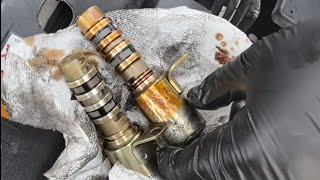
![How to Fix P0015 Engine Code in 4 Minutes [2 DIY Methods / Only $6.62]](https://img.youtube.com/vi/kO0eG5jKmzg/mqdefault.jpg)

We Have This Part in Stock


The information in this article is provided for general reference and educational purposes only. Vehicle specifications, procedures, and part compatibility can vary by production date, trim level, and region. Always consult your vehicle's factory service manual and verify part numbers before purchasing or performing repairs. Safety-critical components such as airbags, seat belts, and braking systems should be installed by a qualified professional.
- Lincoln MKC:
- 🧭 Diagnostic Flowchart
- 🎬 Helpful Videos
- 🛍️ Shop This Part
- What's Unique About the 2015-2019 Lincoln MKC
- Symptoms You May Notice
- Most Likely Causes
- Rare But Worth Checking
- Diagnosis Steps
- Parts You'll Likely Need
- Related Codes That Often Appear With This One
- Technical Service Bulletins (TSBs) & Recalls
- Platform-Specific Known Issues
- Mechanic-Grade Diagnostic Values
- Scan Tool Commands That Help
- Wiring & Ground Locations
- Real Owner Repair Stories
- OEM Part Supersession History
- Model Year Variations Within This Range
- 🎟️ Get 5% Off