

P0015 on 2015-2016 Lincoln MKS: Exhaust Cam Timing Over-Retarded Causes & Fixes
On a 2015-2016 Lincoln MKS, code P0015 is most often caused by a sticking exhaust Variable Camshaft Timing (VCT) solenoid on Bank 1. This is frequently due to dirty engine oil or debris. An oil change with the correct 5W-30 spec oil and a new Motorcraft VCT solenoid (Part No. AT4Z-6M280-B or its successor) typically resolves the issue.
- P0015 on your MKS means the exhaust camshaft on the firewall-side cylinder bank is out of position.
- The most likely cause is a sticking VCT solenoid or dirty/low engine oil.
- Always start diagnosis with an oil and filter change using Ford-spec 5W-30 oil.
- The most common repair is replacing the Bank 1 exhaust VCT solenoid (Motorcraft AT4Z-6M280-B).
- This repair is more labor-intensive than on other vehicles because the intake manifold and valve cover must be removed to access the part.
- If you hear a rattling noise, the problem could be a more serious timing chain or phaser issue.
What's Unique About the 2015-2016 Lincoln MKS
The Ford 3.5L and 3.7L V6 engines use a Twin Independent Variable Camshaft Timing (Ti-VCT) system that is highly dependent on clean, correct-viscosity engine oil to function. Ford has issued multiple Technical Service Bulletins (TSBs), such as SSM 48423, acknowledging that these systems are susceptible to small debris in the oil causing the VCT solenoids to stick. This makes oil condition a primary suspect for this code on the MKS. The location of Bank 1 at the firewall means VCT solenoid replacement requires removal of the upper intake manifold, adding significant labor time compared to the same job on Bank 2.
🎬 See this walkthrough for accessing and replacing the VCT solenoids.Diagnostic Flowchart
Tap your situation to follow the diagnostic path that matches what you're seeing on this vehicle.
Symptoms You May Notice
- Check Engine Light is on
- Rough or uneven engine idle
- Poor acceleration and loss of power
- Decreased fuel economy
- Engine may hesitate or stall
- Rattling or ticking noise from the engine on startup (less common, but indicates a more serious issue)
- Replacing the camshaft position sensor when the actual fault is the VCT solenoid. The sensor is reporting the timing issue correctly; it is not the cause of it. 🎬 Watch: Why you shouldn't just replace the sensor first.
- Replacing the cam phaser when the issue is simply a stuck VCT solenoid or dirty oil.
- Using cheap, unbranded aftermarket VCT solenoids. Owner forums frequently advise against this due to high failure rates, which would require repeating the labor-intensive repair.
Most Likely Causes
- Sticking or Failed VCT Solenoid (Bank 1 Exhaust) 🔴 High Probability → Shop Engine Variable Valve Timing (VVT) Solenoid As noted in manufacturer TSBs (SSM 48423), small debris in the engine oil can cause these solenoids to stick. The solenoids have fine mesh screens that are easily clogged by sludge or contaminants.
How to confirm: After checking oil, the easiest way to confirm is to swap the Bank 1 exhaust VCT solenoid with the Bank 1 intake VCT solenoid, as they are the same part. Clear the codes and drive the vehicle. If the code changes to P0011 or P0012, the solenoid is faulty. A professional scan tool can also perform the 'HK11' pinpoint test from TSB 48423 to cycle the solenoid and attempt to clear debris.
Typical fix: Replace the Bank 1 exhaust VCT solenoid and perform an engine oil and filter change. Since accessing Bank 1 requires removing the valve cover, it is highly recommended to replace the valve cover gasket and both the intake and exhaust VCT solenoids at the same time to save on future labor.
Est. part cost: $40-$90 - Low or Dirty Engine Oil 🔴 High Probability The VCT system is operated by oil pressure. Incorrect oil level or viscosity, or oil that is dirty and contains sludge or debris, will impede the function of the VCT solenoids and phasers. This is the most common root cause of VCT-related codes.
How to confirm: Visually inspect the engine oil dipstick for level and condition. Oil should be at the full mark and not appear black, sludgy, or gritty.
Typical fix: Perform an engine oil and filter change using the manufacturer-specified grade of oil (Ford-specified SAE 5W-30 synthetic blend or full synthetic) and a quality filter like the Motorcraft FL-500S. This simple step may resolve the code on its own.
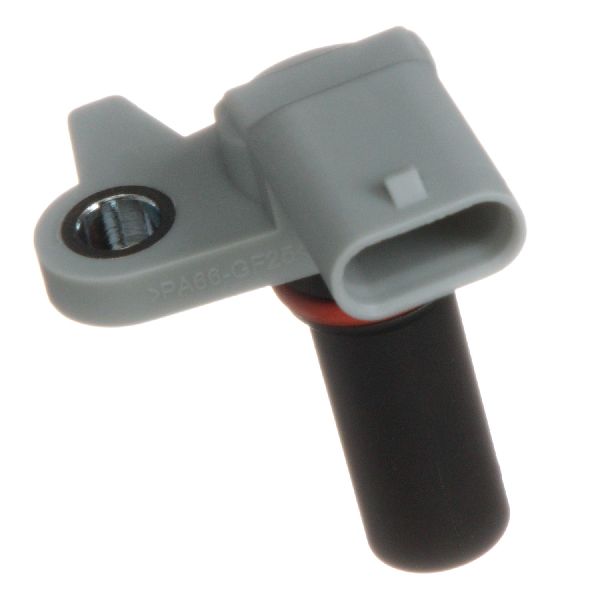
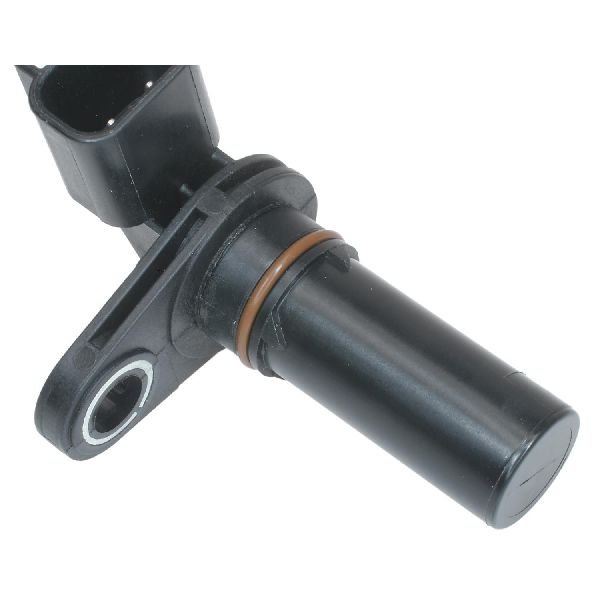
Est. part cost: $50-$100 - Failed Camshaft Position Sensor (Bank 1 Exhaust) ⚪ Low Probability → Shop Engine Camshaft Position Sensor
How to confirm: Use a scan tool to monitor the live data from the sensor. If the reading is erratic or does not change as engine RPMs change, the sensor may be faulty. You can also test the sensor's resistance with a multimeter against factory specifications.
Typical fix: Replace the Bank 1 exhaust camshaft position sensor.
Est. part cost: $30-$70
Rare But Worth Checking
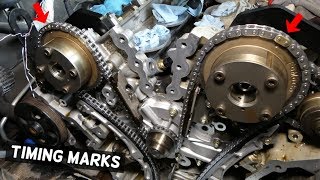
- Stretched Timing Chain or Failed Cam Phaser: → Shop Engine Timing Chain This is a more serious mechanical issue. It should be suspected if the P0015 code is accompanied by a rattling noise from the engine, especially on cold starts, or if it appears alongside correlation codes like P0017. In some documented cases for the 3.5L engine family, replacing the solenoids did not fix the code, and the ultimate solution was a full timing job including phasers and chains. 🎬 Watch: How to align timing chain marks for this engine.
- Clogged Oil Passages: Severe engine sludge can block the small oil passages that feed the VCT system. This usually indicates a history of neglected oil changes and may require significant engine cleaning or repair.
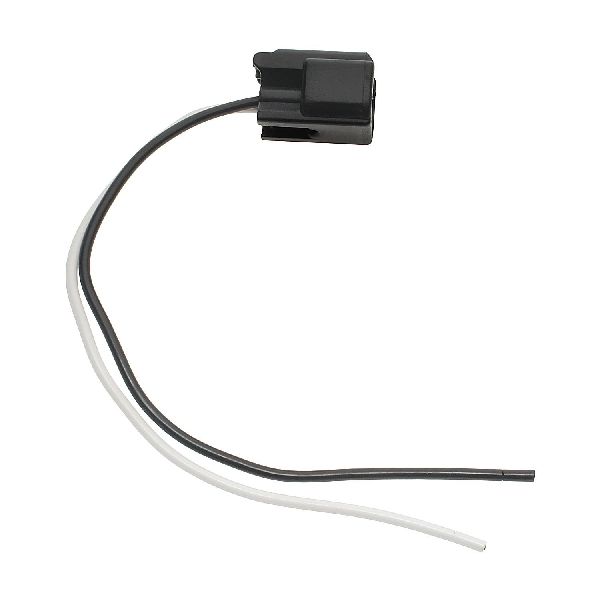
- Wiring or Connector Issue: Damage to the wiring or connector for the VCT solenoid or camshaft position sensor can cause an intermittent signal, triggering the code. Check for corrosion, loose pins, oil intrusion, or frayed wires.
Diagnosis Steps
- Check the engine oil level and condition. If low or dirty, perform an oil and filter change with Ford-specified 5W-30 oil and a Motorcraft filter. Clear the codes and test drive; this alone may fix the issue.
- Connect an OBD-II scanner and check for any other stored trouble codes, especially correlation codes like P0017 or codes for other banks like P0025.
- Using a scan tool with live data, monitor the commanded vs. actual camshaft position for the Bank 1 exhaust cam. A significant lag confirms a problem.
- Inspect the wiring and connector for the Bank 1 exhaust VCT solenoid for damage or oil contamination.
- If you have a bi-directional scanner, use the procedure from TSB 48423 (Pinpoint Test HK11) to command the solenoid to cycle 10 times, which may clear debris.
- Locate the VCT solenoids on Bank 1 (firewall side). Swap the exhaust solenoid with the intake solenoid. This requires removing the upper intake manifold and valve cover.
- Clear the codes, start the engine, and go for a test drive. If the code returns as P0011 or P0012, the solenoid you moved is confirmed to be faulty and needs replacement.
- If the code P0015 returns, the problem is not the solenoid. The issue is likely mechanical (phaser, timing chain) or a wiring/PCM fault. At this stage, professional diagnosis is recommended.
Parts You'll Likely Need
- Variable Camshaft Timing (VCT) Solenoid
(OEM #AT4Z-6M280-B (supersedes 7T4Z-6M280-B))— This is the most common failure point for P0015, as confirmed by TSBs and common experience. It gets stuck due to oil debris, preventing proper cam timing adjustment. The intake and exhaust solenoids are the same part.
Trusted brands: Motorcraft, Dorman, Delphi
OEM price range: $60-$100
Aftermarket price range: $40-$90 - Valve Cover Gasket — The valve cover must be removed to access the VCT solenoids on this engine. The gasket is a single-use item and must be replaced to prevent oil leaks.
Trusted brands: Motorcraft, Fel-Pro, Mahle
OEM price range: $40-$70
Aftermarket price range: $25-$50
Related Codes That Often Appear With This One
- P0017 — This code indicates a correlation problem between the crankshaft and the Bank 1 exhaust camshaft. Seeing it with P0015 increases the likelihood of a mechanical timing issue like a stretched chain. However, TSB 16-0010 for related platforms notes that P0015 and P0017 together on a low-mileage vehicle can also point directly to a failed VCT solenoid.
- P0025 — This is the identical 'over-retarded' code but for Bank 2. If both P0015 and P0025 are present, it strongly points to a systemic problem affecting the whole engine, such as low oil pressure or severe oil contamination affecting both banks.
Technical Service Bulletins (TSBs) & Recalls
- SSM 54366: Notes that 2015-2021 Ford and Lincoln vehicles may exhibit an illuminated MIL with DTCs including P0015 and refers technicians to a specific pinpoint test.
- SSM 48423: States that for 2015-2020 models, P0015 may be due to small debris causing the VCT solenoid to stick and advises diagnosis (cycling the solenoid) before replacement.
- TSB 16-0093: For 2016 models with 3.5L engines and low mileage, this bulletin recommends replacing the VCT solenoid for a list of timing codes that includes P0015.
Platform-Specific Known Issues
- Ford/Lincoln has issued TSBs SSM 54366 and SSM 48423 which apply to this vehicle. They state that DTCs like P0015 may be caused by small debris causing the VCT solenoid to stick. This officially acknowledges the common failure point.
- TSB 48423 specifically recommends a diagnostic step (Pinpoint Test HK11) where a scan tool is used to cycle the solenoid 10 times to attempt to clear the debris before replacing the part.
- TSB 16-0093, which applies to the 2016 model year with the 3.5L engine, advises replacing the affected VCT solenoid if certain timing codes, including P0015, are present on a low-mileage vehicle.
Mechanic-Grade Diagnostic Values
- VCT Solenoid Internal Resistance — expected: 5 - 14 Ohms. Failure: A reading outside this range, or infinite resistance (open circuit), indicates a failed solenoid.
- VCT Solenoid Connector Voltage (Pin 1, VPWR) — expected: Battery Voltage (>10.5V) with Key On, Engine Off. Failure: Voltage below 10.5V points to an open circuit or issue in the power supply from the PCM relay/fuse.
- Camshaft Position (CMP) Sensor Resistance (2-wire VR type) — expected: 586 - 2,033 Ohms. Failure: Resistance outside this range indicates a faulty sensor.
- Camshaft Position (CMP) Sensor Power Supply (3-wire Hall-effect) — expected: 4.8 - 5.2 Volts DC (Key On, Engine Off). Failure: Voltage outside this range suggests a wiring or PCM fault.
- Engine Oil Pressure at Hot Idle — expected: At least 15-25 PSI. Failure: Pressure below this range indicates oil starvation, which will cause VCT system failure.
Hidden / Shadow Codes Worth Checking
- Mode $06, VCT PIDs: While not a hidden code, Mode $06 provides raw data from the PCM's self-tests. A technician can view the test values for camshaft position deviation (e.g., VCT_EXH_DIF) to see exactly how far off the timing is, even before it consistently crosses the threshold to trigger a code. A deviation over 20 degrees can trigger the fault. (see via A professional scan tool with Mode $06 and Ford-specific PID support (like FORScan or Ford IDS).)
Scan Tool Commands That Help
- Ford IDS, FORScan: Pinpoint Test HK11 / HK12 (VCT Solenoid On/Off or OSC) — As recommended by Ford TSBs SSM 48423 and SSM 46450, this command cycles the suspect VCT solenoid on and off 10 times. It is used to dislodge small debris that may be causing the solenoid to stick. If running this test temporarily resolves the issue, it confirms the solenoid is the problem.
Wiring & Ground Locations
- VCT Solenoid Connector (C1665 for Bank 1 Exhaust) — On the top of the Bank 1 (firewall side) valve cover. It is a 2-pin connector.. This connector is the direct electrical interface to the faulty component. Pin 1 is the power supply wire (VPWR) and should have battery voltage with the key on. Pin 2 is the control wire, which the PCM provides a ground to when commanding the solenoid. Testing voltage and continuity here is a primary electrical diagnostic step.
Real Owner Repair Stories
- Ford F150 Forum (2013 Ford F-150 3.5L EcoBoost) — Started as a no-crank issue, then progressed to a running state with loud knocking/rattling, rough idle, and a desire to stall. Code P0015 was present.
❌ Tried (didn't work) Initial diagnosis focused on starter and battery systems due to the no-crank symptom. Cleaning grounds did not resolve the underlying issue.
✅ What actually fixed it The combination of P0015 with audible engine rattle pointed to a severe mechanical timing failure, not just a solenoid. The final repair was a complete timing job, including replacing the timing chains, cam phasers, tensioners, and guides using the Ford service kit (BL3Z-6D256-C).
When the Usual Fixes Don't Work
- While a sticking VCT solenoid is the most common cause, it is critical to listen for accompanying symptoms. As seen in owner experiences, if P0015 is present with a distinct engine rattle, especially on startup, the root cause is very likely a more serious mechanical issue like a stretched timing chain or failed cam phasers. In these cases, simply replacing the solenoid will not fix the problem, and the code will return. This indicates the need for a full timing system service, which is a significantly more expensive and labor-intensive repair.
OEM Part Supersession History
7T4Z-6M280-B, AT4Z-6M280-A→AT4Z-6M280-B— Part has been updated by the manufacturer over time for improved reliability or manufacturing changes.
Heads up: AT4Z-6M280-B is the correct and current part for this application and is backward compatible. Using older stock is not recommended.
Model Year Variations Within This Range
- 2015-2016: There are no significant mechanical or electrical differences reported between the 2015 and 2016 Lincoln MKS models that would affect the diagnosis or repair of a P0015 code. Both are considered carryover models from 2014.
Helpful Videos
![How to Fix P0015 Engine Code in 4 Minutes [2 DIY Methods / Only $6.62]](https://img.youtube.com/vi/kO0eG5jKmzg/mqdefault.jpg)

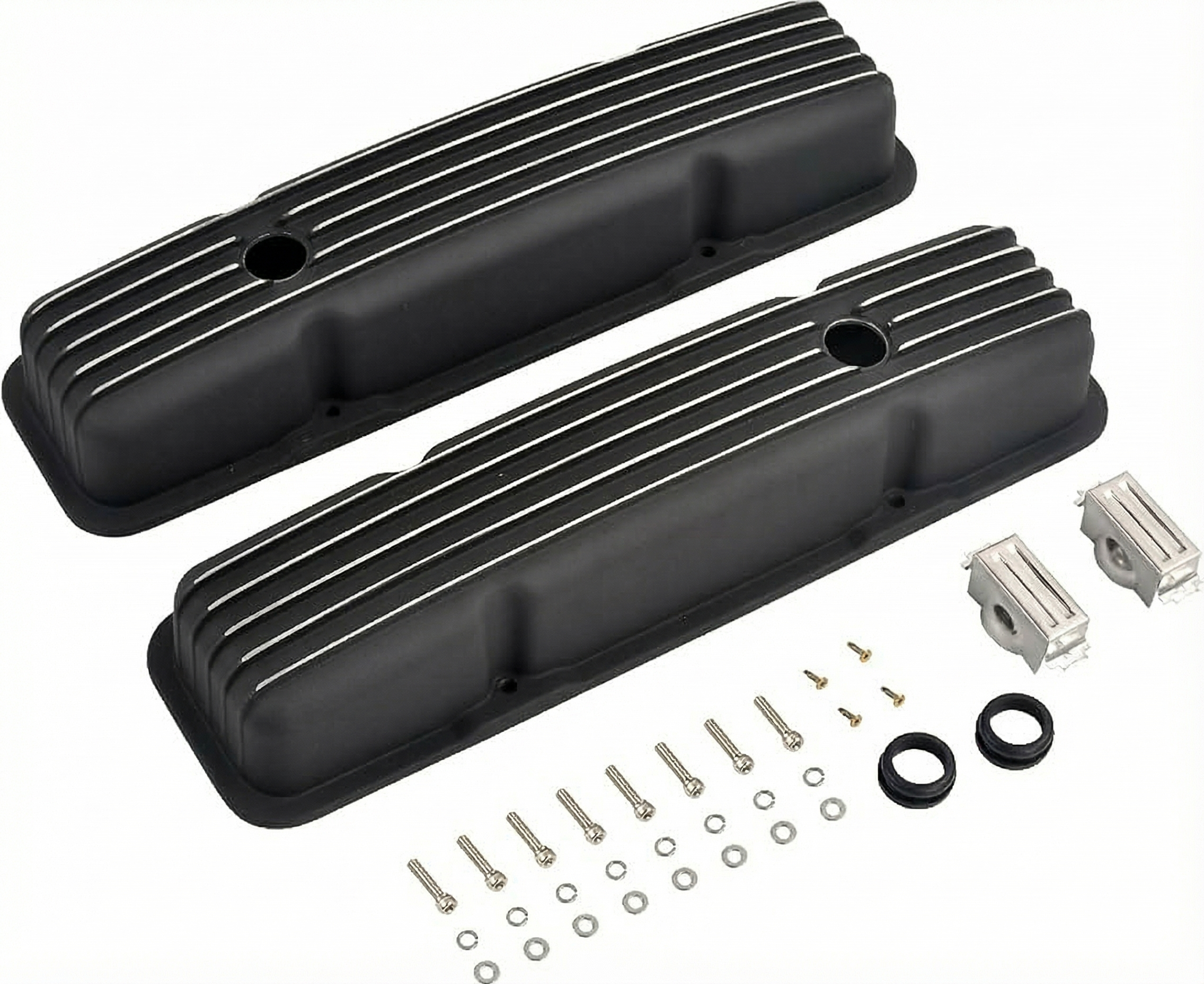
Used OEM Parts in Stock
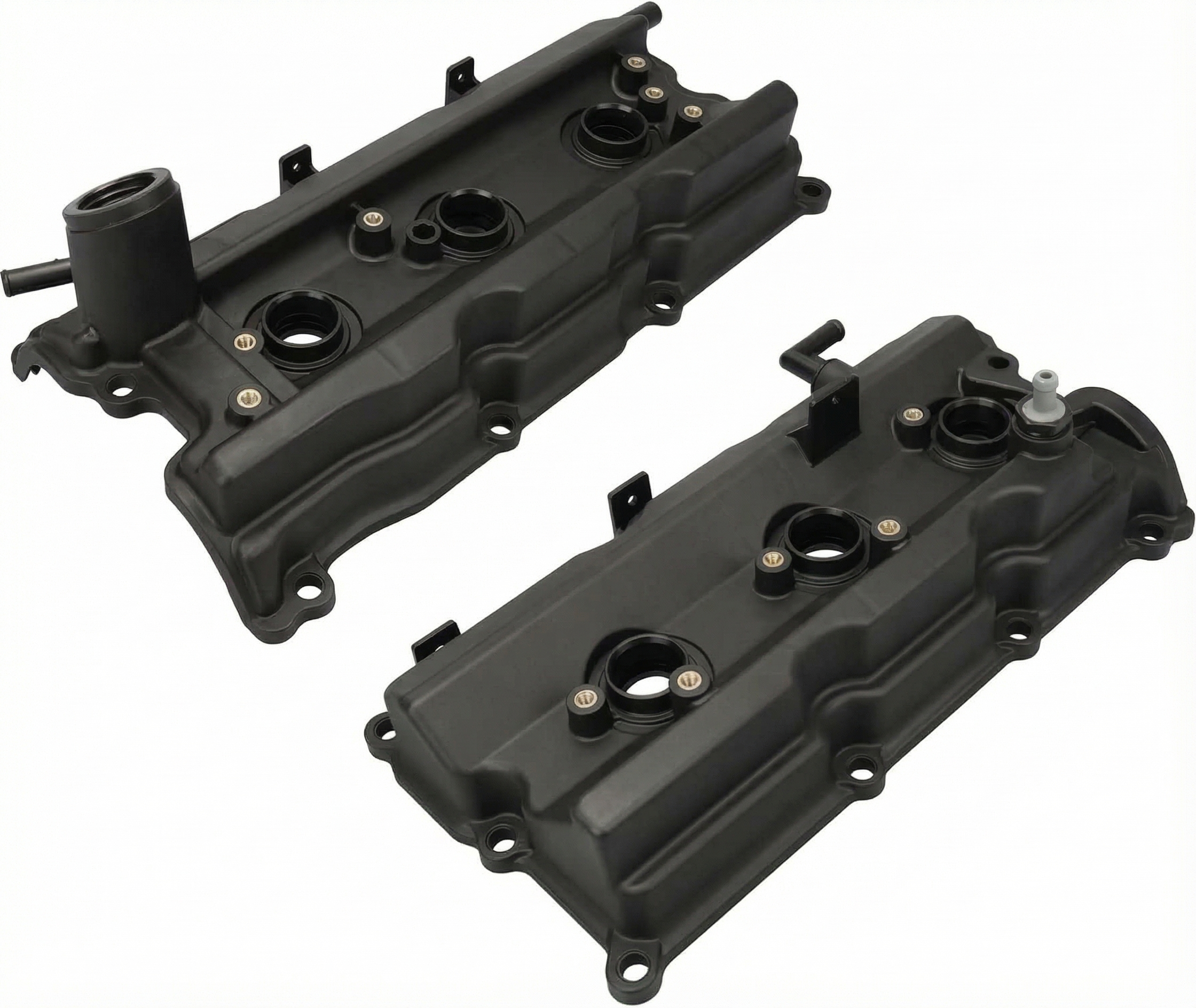
New Aftermarket Parts Available


The information in this article is provided for general reference and educational purposes only. Vehicle specifications, procedures, and part compatibility can vary by production date, trim level, and region. Always consult your vehicle's factory service manual and verify part numbers before purchasing or performing repairs. Safety-critical components such as airbags, seat belts, and braking systems should be installed by a qualified professional.
- Lincoln MKS:
- 🧭 Diagnostic Flowchart
- 🎬 Helpful Videos
- 🛍️ Shop This Part
- What's Unique About the 2015-2016 Lincoln MKS
- Symptoms You May Notice
- Most Likely Causes
- Rare But Worth Checking
- Diagnosis Steps
- Parts You'll Likely Need
- Related Codes That Often Appear With This One
- Technical Service Bulletins (TSBs) & Recalls
- Platform-Specific Known Issues
- Mechanic-Grade Diagnostic Values
- Hidden / Shadow Codes Worth Checking
- Scan Tool Commands That Help
- Wiring & Ground Locations
- Real Owner Repair Stories
- When the Usual Fixes Don't Work
- OEM Part Supersession History
- Model Year Variations Within This Range
- 🎟️ Get 5% Off