

P0015 on 2015-2020 Lincoln MKZ: Causes and Fixes for Exhaust Cam Timing
On a 2015-2020 Lincoln MKZ, code P0015 is most often caused by a sticking exhaust Variable Camshaft Timing (VCT) solenoid on Bank 1, frequently due to dirty or low engine oil. Replacing the solenoid is a common fix, costing around $40-$90 for the part. An oil and filter change is a critical first step.
- Always check your engine oil level and condition first; low or dirty oil is a very common cause.
- The most likely part to have failed is the Bank 1 exhaust VCT solenoid, which gets stuck.
- Do not replace the camshaft position sensor; it is almost never the cause of this code.
- An oil and filter change along with a new VCT solenoid will resolve this issue in the majority of cases.
- Use a quality full-synthetic oil to help keep the VCT system clean and prevent the issue from recurring.
What's Unique About the 2015-2020 Lincoln MKZ
For this generation of Lincoln MKZ and related Ford vehicles, the manufacturer has issued multiple Technical Service Bulletins (TSBs). These bulletins state that codes like P0015 can be caused by small debris in the engine oil, which leads to the Variable Camshaft Timing (VCT) solenoid sticking. This makes checking your oil condition and the VCT solenoid itself the primary focus for diagnosis, rather than immediately suspecting more complex timing chain or phaser issues. TSB SSM 47170 even recommends a specific diagnostic procedure (pinpoint test HK11) to cycle the solenoid multiple times to try and clear debris before replacement.
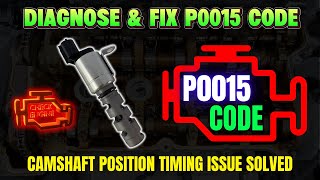
🎬 Watch: Two quick DIY methods to fix the P0015 code.Diagnostic Flowchart
Tap your situation to follow the diagnostic path that matches what you're seeing on this vehicle.
Generation note: The 2015-2020 year range covers the second generation of the Lincoln MKZ, which includes the 2013-2016 pre-facelift and the 2017-2020 facelift models. Engine options include the 2.0L I4, 3.7L V6 (until 2016), and the 3.0L V6 (2017+). The provided TSBs cover this entire model range, indicating the VCT solenoid issue is common across these engines.
Symptoms You May Notice
- Check Engine Light is on
- Rough or unstable idle
- Poor acceleration and loss of power
- Decreased fuel economy
- Engine hesitation or stalling
- Rattling or knocking noise from the engine
- Replacing the camshaft position sensor. The sensor is accurately reporting the timing problem; it is not the cause of the incorrect timing. The code indicates a correlation issue, not a sensor circuit failure.
Most Likely Causes
- Low or Dirty Engine Oil 🔴 High Probability The VCT system is hydraulic and highly sensitive to oil pressure and cleanliness. The manufacturer TSBs (SSM 47170, SSM 48423) specifically mention debris in the oil as a cause for VCT solenoid issues. Old or incorrect viscosity oil can clog the fine mesh screens on the solenoids, impeding their function.
How to confirm: Check the engine oil level on the dipstick and examine its color and consistency. If the oil is low, black, or sludgy, it needs to be changed.
Typical fix: Perform an engine oil and filter change using the manufacturer-recommended oil viscosity (e.g., SAE 5W-30 for many of these engines, but always check your owner's manual).
Est. part cost: $40-$80 - Failing Variable Camshaft Timing (VCT) Solenoid 🔴 High Probability → Shop Engine Camshaft TSBs SSM 47170 and SSM 48423 directly state that small debris can cause the VCT solenoid to stick, which is a well-documented issue on these Ford/Lincoln engines. These solenoids are electromagnetic and control oil flow; internal failure or clogging is the most common reason for this code.
How to confirm: Use a scan tool to command the solenoid on and off while monitoring cam position data. You can also swap the exhaust solenoid with the intake solenoid on the same bank (if they are identical parts) and see if the code changes to P0012 (Intake Over-Retarded). Resistance can be checked with a multimeter, typically reading between 5-15 ohms.
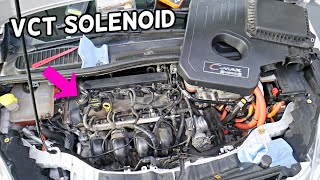
Typical fix: Replace the Bank 1 exhaust VCT solenoid. On V6 models, the Bank 1 (rear) solenoids are under the valve cover and require removing the upper intake manifold for access.
Est. part cost: $40-$90 - Worn Timing Chain or Tensioner ⚪ Low Probability → Shop Engine Timing Chain While less common than VCT issues, the 3.7L Cyclone V6 is known for having an internal water pump that, if it fails, can contaminate the oil with coolant and accelerate timing chain wear. A stretched chain or weak tensioner can cause cam/crank correlation codes like P0015.
How to confirm: This is an involved diagnosis. It often presents with a rattling noise on startup. A mechanic would need to inspect the timing components for slack, which requires significant engine disassembly.
Typical fix: Replace the timing chain, guides, and tensioners. If the water pump has failed on a 3.7L, it must be replaced as well.
Est. part cost: $300-$700 - Faulty Camshaft Phaser (VCT Actuator) ⚪ Low Probability → Shop Engine Camshaft Early 2.0L EcoBoost engines had some issues noted in TSB 16-0010 for low-mileage vehicles, which could require phaser replacement. Generally, phaser failure is less common than solenoid failure and is usually considered after solenoids are ruled out.
How to confirm: If a new VCT solenoid and clean oil do not resolve the code, the phaser is the next likely mechanical component. Diagnosis requires checking for physical damage or sludge within the phaser, which involves removing the valve cover.
Typical fix: Replace the camshaft phaser on the Bank 1 exhaust camshaft.
Est. part cost: $100-$250
Rare But Worth Checking
- Clogged Oil Passages: Severe oil sludge can block the small passages that feed the VCT system. This usually indicates a larger engine health problem due to lack of maintenance and may require an engine flush or more significant cleaning.
- Faulty Powertrain Control Module (PCM): This is extremely rare. The PCM should only be considered after all other mechanical and electrical possibilities have been exhaustively ruled out. A YouTube user with multiple timing-related codes on an MKZ Hybrid found the ultimate cause to be a blown PCM fuse.
Diagnosis Steps
- Check the engine oil level and condition. If it's low or dirty, perform an oil and filter change with the correct viscosity oil, clear the code, and see if it returns. This is the simplest and most common fix.
- Connect an OBD-II scanner to view live data. Monitor the commanded vs. actual camshaft position for Bank 1 Exhaust (B1 Exhaust). A significant lag between the two values confirms the issue.
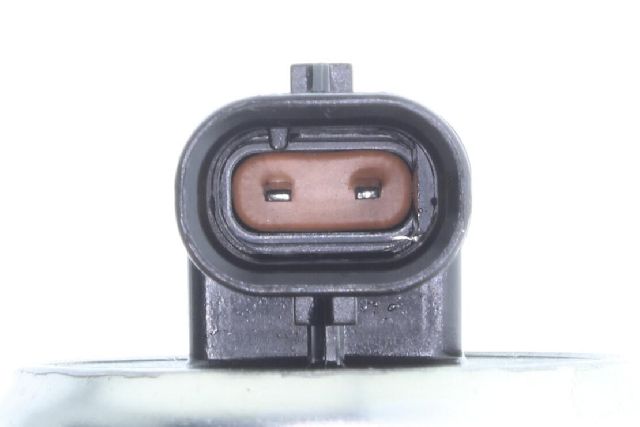
- Inspect the wiring and connector for the Bank 1 exhaust VCT solenoid for any damage, corrosion, or oil contamination. On V6 engines, Bank 1 is the rear bank (firewall side).
- Using a capable scan tool, perform a VCT solenoid control test as suggested in TSB SSM 47170. Cycling the solenoid may dislodge debris and temporarily fix the issue, confirming the solenoid is the problem.
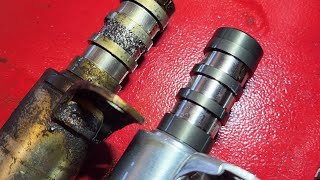
- If the solenoid is suspected, remove it and inspect its screens for debris or sludge. You can test its resistance with a multimeter (typically 5-15 ohms, but check service info for your specific engine).
- If possible, swap the exhaust VCT solenoid with the intake solenoid on the same bank (confirm part numbers are identical). Clear the codes and drive the vehicle. If the code changes to P0012 (Intake Over-Retarded), the solenoid is confirmed faulty.
- If the solenoid and wiring are good, the issue may be mechanical. Investigate the camshaft phaser for being stuck and check the timing chain for excessive slack or damage. This is a more advanced step and may require a professional.
Parts You'll Likely Need
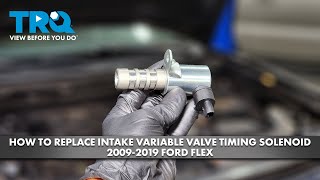
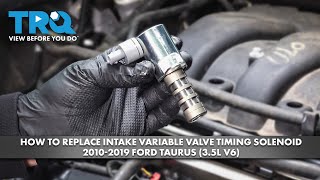
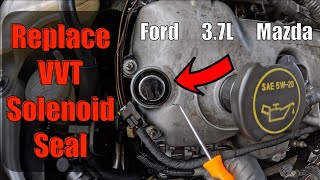
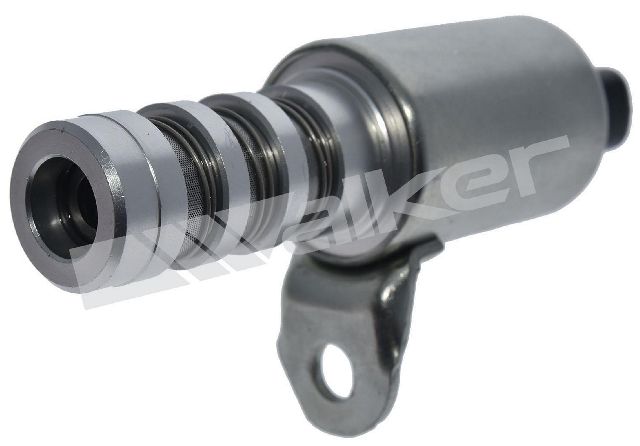
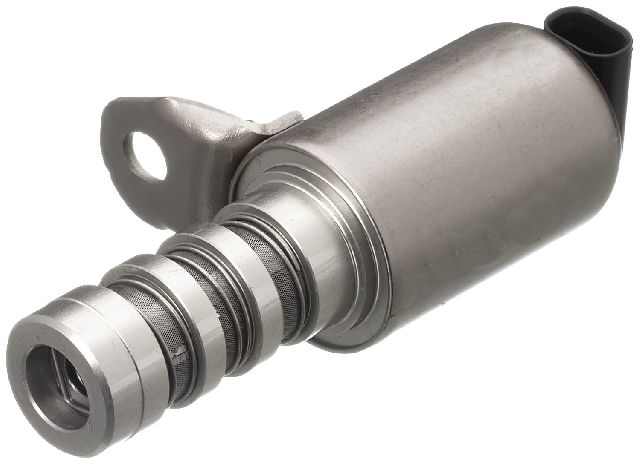
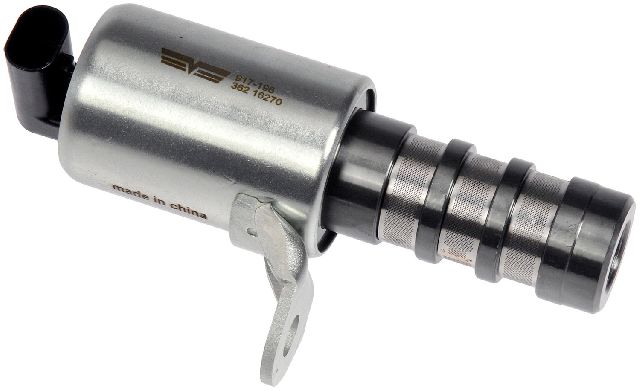
- Engine Variable Valve Timing (VVT) Solenoid
(OEM #CJ5Z-6M280-A (For 2.0L EcoBoost) or AT4Z-6M280-B / AT4Z-6M280-A (For 3.7L V6))— This is the most frequent point of failure for code P0015 on this vehicle, as confirmed by multiple manufacturer TSBs (SSM 47170, SSM 48423). It gets stuck due to oil debris.
Trusted brands: Motorcraft, Dorman, Standard Motor Products (SMP), NGK
OEM price range: $60-$90
Aftermarket price range: $30-$70
Related Codes That Often Appear With This One
- P0014 — This code is for 'B' Camshaft Position - Timing Over-Advanced. It relates to the same component but indicates the opposite timing error. Seeing both could suggest an erratic VCT solenoid or a wiring issue.
- P0011, P0012 — These are codes for the intake camshaft on the same bank (Bank 1). If they appear with P0015, it could point to a systemic issue like low oil pressure or a problem affecting the entire bank, such as a clogged oil passage.
- P0025 — This is the same over-retarded code but for Bank 2. If both P0015 and P0025 are present, it strongly suggests a common cause like engine oil condition or pressure affecting both banks of the engine.
- P0017 — This code indicates a correlation problem between the Crankshaft Position and the Exhaust Camshaft Position on Bank 1. If seen with P0015, it can point more strongly toward a mechanical timing issue like a stretched timing chain or a jumped tooth.
Technical Service Bulletins (TSBs) & Recalls
- SSM 47170: Notes that VCT codes including P0015 may be caused by small debris making the VCT solenoid stick. Recommends using scan tool to cycle the solenoid 10 times to attempt to clear it before replacement.
- SSM 54366: References a group of VCT codes including P0015 and points to specific diagnostic tests in the Powertrain Control/Emissions Diagnosis (PC/ED) manual.
- SSM 48423: Repeats the information from SSM 47170, confirming that debris causing a stuck VCT solenoid is a known issue.
- TSB 16-0010: For some low-mileage 2016 2.0L/2.3L GTDI engines, this TSB addresses P0015 and P0017 by recommending replacement of the exhaust VCT solenoid.
Platform-Specific Known Issues
- TSB #SSM 47170 and #SSM 48423 note that some vehicles may exhibit P0015 (among other VCT codes) due to 'small debris causing the VCT solenoid to stick.' The TSB advises attempting to clear the debris by cycling the solenoid with a scan tool before replacement.
- TSB #SSM 54366 also lists P0015 and directs technicians to a specific pinpoint test in the service manual, indicating this is a known issue requiring a standardized diagnostic procedure.
- TSB #16-0010 was issued for some 2016 MKZ models with the 2.0L or 2.3L GTDI engine and low mileage, which could exhibit P0015 along with P0017. In this specific case, the TSB recommended replacing the exhaust VCT solenoid.
- On the 3.7L V6 engine, the VCT solenoids are located under the valve covers. Replacing the Bank 1 (rear) solenoids is labor-intensive as it requires the removal of the upper intake manifold.
Helpful Videos
![How to Fix P0015 Engine Code in 4 Minutes [2 DIY Methods / Only $6.62]](https://img.youtube.com/vi/kO0eG5jKmzg/mqdefault.jpg)

We Have This Part in Stock


The information in this article is provided for general reference and educational purposes only. Vehicle specifications, procedures, and part compatibility can vary by production date, trim level, and region. Always consult your vehicle's factory service manual and verify part numbers before purchasing or performing repairs. Safety-critical components such as airbags, seat belts, and braking systems should be installed by a qualified professional.
- Lincoln MKZ:
- 🧭 Diagnostic Flowchart
- 🎬 Helpful Videos
- 🛍️ Shop This Part
- What's Unique About the 2015-2020 Lincoln MKZ
- Symptoms You May Notice
- Most Likely Causes
- Rare But Worth Checking
- Diagnosis Steps
- Parts You'll Likely Need
- Related Codes That Often Appear With This One
- Technical Service Bulletins (TSBs) & Recalls
- Platform-Specific Known Issues
- 🎟️ Get 5% Off