

P0015 on 2015-2021 Lincoln Navigator: Causes and Fixes for Exhaust Cam Timing
P0015 on a 2015-2021 Navigator most often indicates a faulty or sticking 'B' (Exhaust) Variable Camshaft Timing (VCT) solenoid on Bank 1 (passenger side), frequently caused by oil contamination. Replacing the single solenoid is a common and relatively inexpensive fix, with the part costing between $40 and $100. Before replacement, Ford recommends attempting to clear debris by cycling the solenoid with a diagnostic tool.
- P0015 on your Navigator means the exhaust camshaft on the passenger side (Bank 1) is out of sync.
- The most likely cause is a sticking VCT solenoid, a known issue for this engine confirmed by Ford/Lincoln TSBs.
- Always check your engine oil level and condition first; low or dirty oil is a common cause of VCT system problems.
- A simple diagnostic is to swap the exhaust and intake VCT solenoids on Bank 1 to see if the code changes, which would confirm a bad solenoid.
- If you hear a loud rattle from the engine for a few seconds on a cold start, suspect a more serious timing chain issue and seek professional diagnosis.
What's Unique About the 2015-2021 Lincoln NAVIGATOR
The 3.5L EcoBoost V6 engine used in this generation of Lincoln Navigators has a well-documented sensitivity in its Variable Camshaft Timing (VCT) system. Ford and Lincoln have issued multiple Technical Service Bulletins (TSBs) acknowledging that this code, among other related timing codes, can be triggered by small debris causing the VCT solenoids to stick. TSB SSM 48423 specifically advises technicians to use a scan tool to cycle the affected solenoid 10 times to attempt to clear the debris before replacing any parts. This makes a sticking solenoid a much more likely cause on this platform than a random component failure.
Diagnostic Flowchart
Tap your situation to follow the diagnostic path that matches what you're seeing on this vehicle.
Generation note: This range covers the end of the third generation (2015-2017, U326) and the start of the fourth generation (2018-2021, U554). Both use a 3.5L EcoBoost V6, but the engine was significantly updated for 2018. However, the VCT system design and the common causes for P0015 (sticking solenoids, timing chain stretch) are largely consistent across both versions and their platform mates.
Symptoms You May Notice
- Check Engine Light is on
- Rough or unstable idle
- Engine hesitation or stumbling on acceleration
- Reduced engine power
- Decreased fuel economy
- Rattling or knocking noise from the engine, especially on a cold start (often called 'cold start rattle')
- Engine may stall at stops
- Strong smell of unburnt fuel from the exhaust
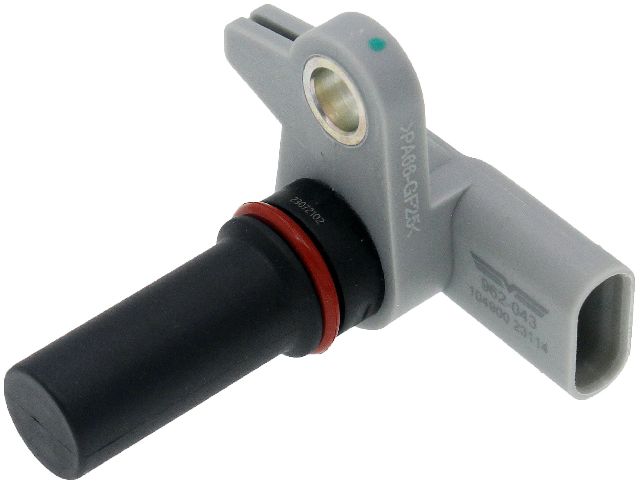
- Replacing the camshaft position sensor. 🎬 Watch: Why you should check the solenoid before the sensor. The sensor is usually accurately reporting the timing error; it is not the cause of the error. The code indicates a mechanical timing issue or a fault in its control system (the VCT solenoid), not a sensor electrical fault.
Most Likely Causes
- Sticking or Failed VCT Solenoid (Bank 1 Exhaust) 🔴 High Probability → Shop Engine Variable Valve Timing (VVT) Solenoid Manufacturer TSBs SSM 48423 and SSM 47170 directly state that small debris in the oil can cause the VCT solenoid to stick, which is a known issue for this engine family. This is the most frequently cited fix in owner forums for an isolated P0015 code.
How to confirm: Swap the Bank 1 exhaust solenoid with another one (e.g., the intake solenoid on the same bank or the exhaust solenoid from Bank 2). If the trouble code follows the solenoid's new position (e.g., changes to P0012 or P0025), the solenoid is faulty. Alternatively, as described by one owner, you can apply a 12V source to the solenoid's pins to listen for a 'click'; a lack of a click or a weak sound indicates it's stuck.
Typical fix: Replace the Bank 1 exhaust VCT solenoid. Before replacement, follow the TSB SSM 48423 procedure: use a diagnostic scan tool to command the solenoid on and off 10 times to try and dislodge debris. Some owners have successfully cleared the code this way.
Est. part cost: $40-$100 - Low or Dirty Engine Oil 🟡 Medium Probability The VCT system is hydraulic and relies entirely on clean engine oil at the correct pressure to function. The 3.5L EcoBoost is known to be sensitive to oil condition, and infrequent changes can lead to sludge that clogs the small passages in the VCT solenoids.
How to confirm: Check the engine oil level on the dipstick and inspect its condition. If the oil is very dark, gritty, or below the 'add' line, this could be the cause. An owner on the Ford Expedition Forum noted multiple VCT codes appeared after discovering the oil was two quarts low.
Typical fix: Perform an oil and filter change using the manufacturer-specified grade of oil (e.g., Motorcraft) and a high-quality filter. Clear the code and see if it returns.
Est. part cost: $50-$90 - Stretched Timing Chain or Worn Timing Components ⚪ Low Probability → Shop Engine Timing Chain While less common than a solenoid failure for an isolated P0015, the 3.5L EcoBoost engines can suffer from timing chain stretch, especially with higher mileage or poor maintenance history. This is a widely discussed issue on platform-mate forums. The 1st generation (2015-2017) was more prone to timing chain stretch, while the 2nd generation (2018-2021) is more known for phaser rattle.
How to confirm: A distinct rattling noise on cold startups that lasts for a few seconds is a strong indicator. This code, especially when paired with a correlation code like P0017, strongly points to a mechanical timing issue rather than just a solenoid. Definitive diagnosis requires measuring timing chain slack, which is an invasive and labor-intensive process.
Typical fix: Replace the timing chain, guides, tensioners, and often the cam phasers as a complete kit. This is a major repair.
Est. part cost: $400-$800
Rare But Worth Checking
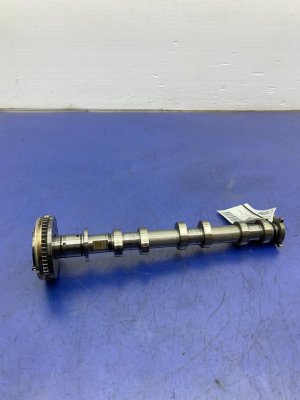
- Failed Camshaft Phaser: → Shop Engine Camshaft The phaser is the mechanical gear that the solenoid controls. It can fail mechanically, but it's more common for the controlling solenoid to be the issue. Phasers are typically replaced during a full timing chain service.
- Clogged Oil Passages: Severe engine sludge can block the small oil passages that feed the VCT solenoids and phasers, preventing them from operating correctly. This usually indicates a history of severely neglected oil changes.
- PCM Software Issue: While not the most common cause, outdated Powertrain Control Module (PCM) software can sometimes lead to incorrect diagnostic logic or control of the VCT system. Ford has issued TSBs for other engine issues on this platform that are resolved with a PCM reprogram.
Diagnosis Steps
- Verify the code with a reliable OBD-II scanner.
- Check the engine oil level and condition. If low or dirty, perform an oil and filter change, clear the code, and drive the vehicle to see if the code returns.
- Listen for a rattling noise from the front of the engine on a cold start. A 2-5 second rattle strongly suggests a timing chain/phaser issue.
- Inspect the electrical connector and wiring for the Bank 1 exhaust VCT solenoid for any damage or corrosion. Bank 1 is the passenger side of the engine.
- Use a diagnostic scan tool with bidirectional controls to command the Bank 1 exhaust VCT solenoid on and off. Listen for a clicking sound. Per TSB SSM 48423, cycling it 10 times may clear debris and resolve the issue.
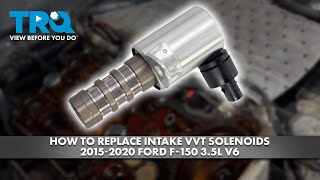
- The most effective DIY diagnostic step 🎬 Watch this step-by-step guide to replacing the solenoids. is to swap the Bank 1 exhaust VCT solenoid with the Bank 1 intake VCT solenoid. Clear the codes and run the engine. If the code changes to P0012 ('A' Camshaft Position - Timing Over-Retarded), the solenoid is confirmed to be faulty and needs replacement.
- If the code remains P0015 after swapping the solenoid, the problem is likely deeper in the mechanical timing system, such as a failing cam phaser or a stretched timing chain, and requires professional diagnosis.
Parts You'll Likely Need
- Variable Camshaft Timing (VCT) Solenoid
(OEM #HL3Z-6M280-A)— This is the most common failure point for P0015, as identified by multiple manufacturer TSBs and countless owner reports. It controls oil flow to the cam phaser and is prone to sticking from debris.
Trusted brands: Motorcraft, Dorman
OEM price range: $50-$100
Aftermarket price range: $30-$70 - Timing Chain Kit
(OEM #BL3Z-6D256-C (Service kit for 2011-2016, verify by VIN))— If the timing chain has stretched or the guides/tensioners have failed, a complete kit is required to restore proper engine timing. This is a much more involved and expensive repair, often triggered by a persistent cold-start rattle.
Trusted brands: Motorcraft, Cloyes
OEM price range: $400-$800
Aftermarket price range: $250-$500
Related Codes That Often Appear With This One
- P0017 — Crankshaft Position - Camshaft Position Correlation (Bank 1, Sensor B). This code often appears with P0015 and reinforces that a mechanical timing issue exists. Seeing both together makes a stretched timing chain more likely than just a faulty solenoid.
- P0011 — Intake camshaft timing over-advanced on Bank 1. Often appears with other VCT codes as the system's timing is compromised.
- P0014 — Exhaust camshaft timing over-advanced on Bank 1. This can indicate the VCT solenoid is sticking intermittently in either direction.
- P0016 — Crankshaft/Camshaft Position Correlation Error on Bank 1 Sensor 'A' (Intake). This indicates a more significant timing misalignment, often pointing towards a stretched timing chain.
- P0021, P0022, P0024, P0025 — These are the equivalent timing codes for Bank 2 (driver's side). It is not uncommon for issues to develop on both banks, as noted in several TSBs.
Technical Service Bulletins (TSBs) & Recalls
- SSM 54366: Notes that various VCT codes including P0015 may occur and refers to a specific pinpoint test.
- SSM 48423: States that P0015 may be due to small debris causing the VCT solenoid to stick and recommends cycling the solenoid to clear it.
- TSB-16-0093: Mentions P0015 can occur in engines with less than 2,000 miles and recommends solenoid replacement.
- TSB160038: Also references P0015 on low-mileage 3.5L GTDI engines and specifies which solenoid to replace based on the code combination.
- SSM 47170: Repeats the warning from SSM 48423 about debris causing the VCT solenoid to stick.
Platform-Specific Known Issues
- TSB #SSM 48423 specifically mentions that P0015 and other VCT codes on 2015-2020 Ford and Lincoln vehicles can be caused by small debris making the VCT solenoid stick. The recommended procedure before replacement is to use a diagnostic tool (like Ford's IDS) to run pinpoint test HK11, which cycles the solenoid 10 times to attempt to clear the debris.
- TSB #TSB-16-0093 notes this code can appear on very low mileage engines (under 2,000 miles), suggesting potential for early life failures or debris from manufacturing.
Mechanic-Grade Diagnostic Values
- VCT Solenoid Internal Resistance — expected: 8 to 12 Ohms. Failure: A reading outside this range, or an open circuit (OL), indicates a failed solenoid coil.
- Voltage at VCT Solenoid Connector — expected: ~8.6V (Key On, Engine Off). Failure: Significantly lower voltage or 0V indicates a wiring or PCM driver issue, not a faulty solenoid.
- Mode 6 Test Data — expected: Test results should be within the minimum and maximum limits set by the manufacturer.. Failure: A test result that is on the borderline of the acceptable range can explain why a code is intermittent or sets without obvious symptoms.
Scan Tool Commands That Help
- Ford IDS (or equivalent like FORScan): Pinpoint Test HK12 — As per Ford TSB SSM 54366, this test should be run before replacing a VCT solenoid. It commands the solenoid to cycle 10 times, which can dislodge small debris causing it to stick, potentially fixing the issue without replacing parts.
- Ford IDS (or equivalent like FORScan): VCT Solenoid On/Off Command (Bidirectional Control) — Used to manually test the solenoid's mechanical function. While commanding it on and off with 12V, a technician should listen for an audible 'click' from the solenoid. A weak or absent click indicates it is stuck or has failed.
Wiring & Ground Locations
- VCT Solenoid Connector — On the front of each valve cover, one for intake and one for exhaust on each bank. Bank 1 is the passenger side.. This is the primary connection point for testing voltage and resistance of the solenoid. The connector for 2018+ models is noted as being interchangeable with service part WPT-1214.
Real Owner Repair Stories
- YouTube comment on video '2015 F150 3.5 ecoboost VVT solenoid P0015 P0017' (2015 Ford F-150 3.5L EcoBoost) — Codes P0015 and P0016.
❌ Tried (didn't work) A Ford dealer diagnosed the issue as needing a complete primary timing chain overhaul for $5900.
✅ What actually fixed it The owner activated the Bank 1 intake solenoid and replaced all four camshaft position sensors. The total cost was $110, and the issue was resolved, avoiding the expensive timing job. - Reddit user in /r/f150 (2013 Ford F-150 3.5L EcoBoost) — Cold start rattle.
❌ Tried (didn't work) The owner paid a mechanic for a complete timing job, including new phasers, using a $1400 Cloyes timing kit.
✅ What actually fixed it The timing job made the truck run smoother, but the cold start rattle was NOT fixed and persisted after the repair. This indicates the rattle can be caused by something other than worn timing components, such as oil pressure bleed-down. - YouTube video by Ford Boss Me (Ford F-150 / Expedition with 3.5L EcoBoost (including a 2018 model)) — Loud cold start rattle from cam phasers.
❌ Tried (didn't work) Standard engine start.
✅ What actually fixed it A workaround procedure prevents the rattle. By holding the accelerator pedal to the floor and cranking the engine (clear flood mode), the engine turns over without starting, allowing oil pressure to build in the VCT system. After a few seconds of cranking, releasing the pedal allows the engine to start normally with no rattle. This suggests the root cause is oil pressure bleed-down while the vehicle sits.
When the Usual Fixes Don't Work
- In one documented case, a vehicle owner performed a complete timing service, including replacing the timing chain and cam phasers, on a 3.5L EcoBoost to address a cold-start rattle. The expensive repair did not solve the rattle, which persisted on subsequent cold starts. This strongly suggests that while worn timing components can cause these symptoms, the root cause can also be related to the hydraulic control system, such as oil pressure bleed-down, which is not fixed by replacing the mechanical parts.
OEM Part Supersession History
AT4Z-6M280-C (Bank 1 Exhaust, likely for 2015-2017 models)→Check with dealer; part numbers are year-specific.— Part evolution and engine generation changes.
Heads up: The VCT solenoids for the 1st gen (2015-2017) and 2nd gen (2018-2021) 3.5L EcoBoost engines are different. The 2018+ models use part number HL3Z-6M280-A for all four positions.
Model Year Variations Within This Range
- 2015-2017 (1st Gen 3.5L EcoBoost): These engines were more susceptible to timing chain stretch over time. The VCT solenoids use different part numbers than the 2018+ models (e.g., AT4Z-6M280-C for Bank 1 Exhaust).
- 2018-2021 (2nd Gen 3.5L EcoBoost): These engines are known for a persistent cold-start rattle even at low mileage, often related to the cam phaser design and oil pressure bleed-down rather than chain stretch. All four VCT solenoids are the same part number (HL3Z-6M280-A). This generation can also suffer from leaking camshaft 'mega caps'.
Helpful Videos
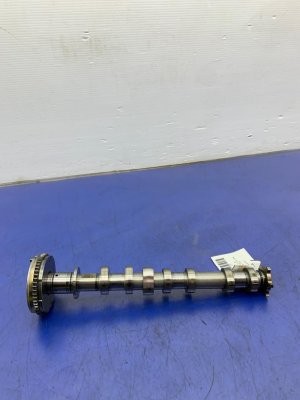
Used OEM Parts in Stock
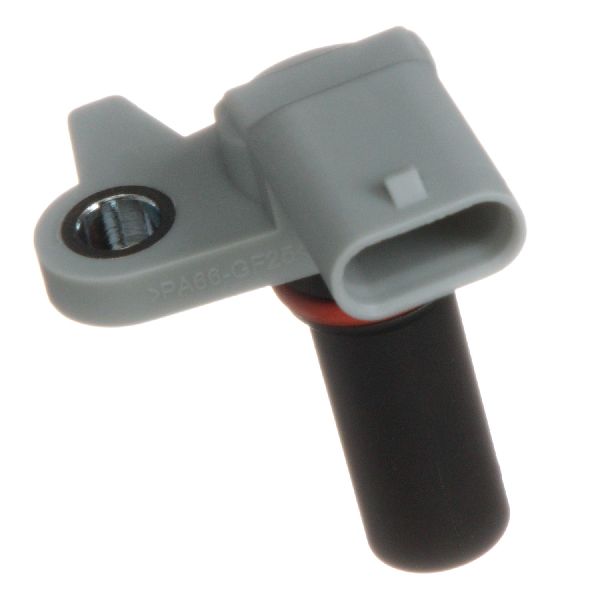
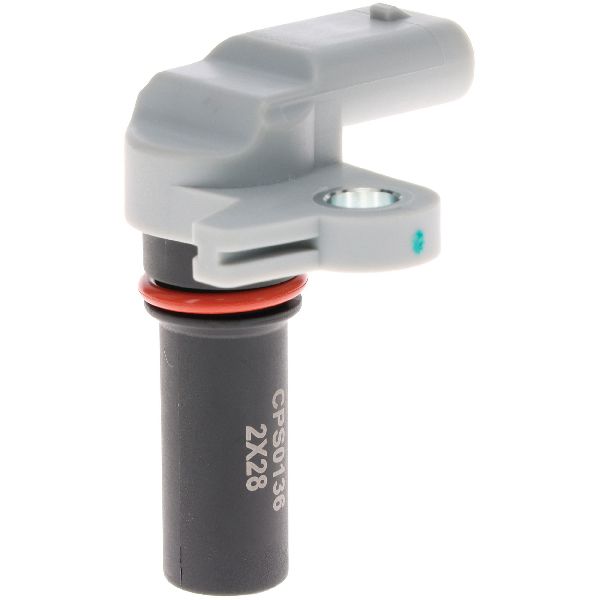
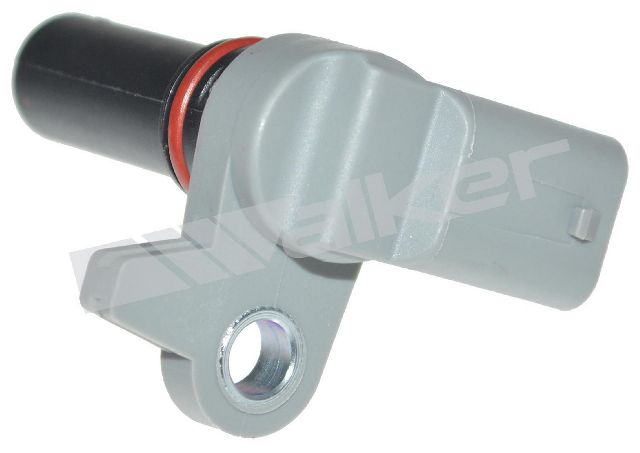
New Aftermarket Parts Available


The information in this article is provided for general reference and educational purposes only. Vehicle specifications, procedures, and part compatibility can vary by production date, trim level, and region. Always consult your vehicle's factory service manual and verify part numbers before purchasing or performing repairs. Safety-critical components such as airbags, seat belts, and braking systems should be installed by a qualified professional.
- Lincoln NAVIGATOR:
- 🧭 Diagnostic Flowchart
- 🎬 Helpful Videos
- 🛍️ Shop This Part
- What's Unique About the 2015-2021 Lincoln NAVIGATOR
- Symptoms You May Notice
- Most Likely Causes
- Rare But Worth Checking
- Diagnosis Steps
- Parts You'll Likely Need
- Related Codes That Often Appear With This One
- Technical Service Bulletins (TSBs) & Recalls
- Platform-Specific Known Issues
- Mechanic-Grade Diagnostic Values
- Scan Tool Commands That Help
- Wiring & Ground Locations
- Real Owner Repair Stories
- When the Usual Fixes Don't Work
- OEM Part Supersession History
- Model Year Variations Within This Range
- 🎟️ Get 5% Off