

P0015 on 2013-2016 Mazda CX-5 2.5L: Exhaust Cam Timing Causes and Fixes
On a 2013-2016 Mazda CX-5, code P0015 is almost always caused by low/dirty engine oil or a faulty Oil Control Valve (OCV). Before buying any parts, check your oil level and condition. This code often appears with P0524 (Low Oil Pressure), confirming an oil system issue. Mazda TSBs recommend specific oil pressure tests and cleaning procedures before replacing major components.
- Always check your engine oil level and condition first. An oil change with full synthetic 0W-20 oil may fix the problem.
- This code is very often paired with P0524 (Low Oil Pressure), which is a major clue pointing to an oil system issue, not a bad sensor.
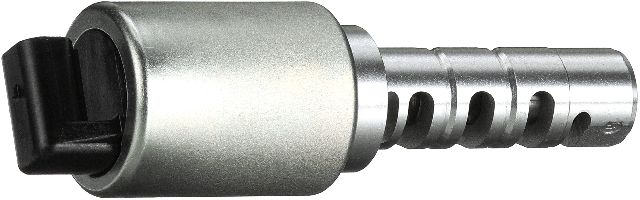
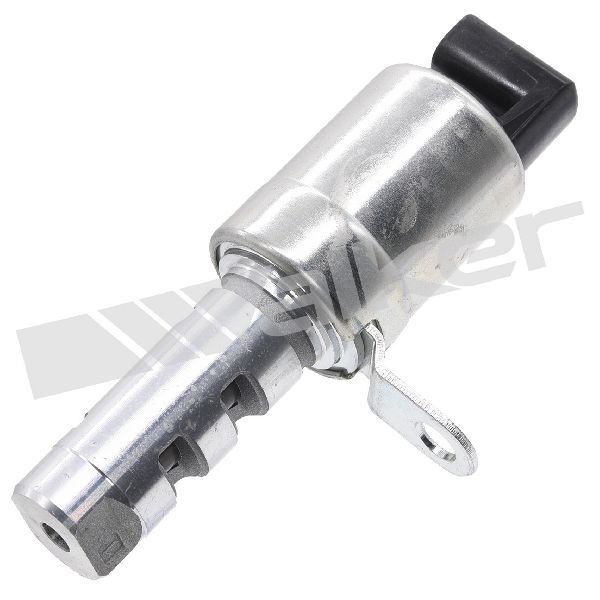
- The most common part to fail is the exhaust Oil Control Valve (OCV), part number PE01-14-420A.
- Do not immediately replace the camshaft position sensor; it is rarely the cause of this code.
- Referencing Mazda TSB 01-009/16 provides the exact diagnostic procedure recommended by the manufacturer.
What's Unique About the 2013-2016 Mazda CX-5
Mazda's SKYACTIV engines are famously sensitive to oil pressure and cleanliness for the VVT system to operate correctly. Mazda has issued multiple Technical Service Bulletins (TSBs), most notably TSB 01-009/16, that directly link P0015 with code P0524 (Engine Oil Pressure Too Low). The TSBs state the cause is often a temporary drop in oil pressure from debris getting stuck in the oil pump's pressure relief valve or the Oil Control Valve (OCV). This makes an oil system check and following the TSB's diagnostic flowchart the most critical first steps, rather than immediately suspecting a faulty sensor or phaser.
Symptoms You May Notice
- Check Engine Light is on
- Rough idle
- Poor acceleration or reduced engine power
- Stalling, especially at low RPM
- Worse fuel economy
- Rattling or knocking noise from the engine, particularly from the top end/valve cover area
- Replacing the Camshaft Position Sensor. The sensor is almost always doing its job correctly by reporting the timing error. The problem lies in the mechanical VVT system (oil pressure, OCV, phaser), not the sensor itself.
Most Likely Causes
- Low, Dirty, or Incorrect Viscosity Engine Oil 🔴 High Probability The SKYACTIV VVT system is highly sensitive to oil pressure, which is directly affected by oil level, cleanliness, and viscosity. Multiple TSBs confirm this is the primary cause. Forum users on Reddit have also reported the code clearing after a simple oil change.
How to confirm: Check the engine oil dipstick for level. Inspect the oil for a dark, sludgy, or gritty consistency. Ensure the correct oil (full synthetic 0W-20 for SKYACTIV engines) was used.
Typical fix: Perform an oil and filter change with the correct OEM-specified oil. Clear codes and test drive.
Est. part cost: $40-$80 - Faulty Engine Oil Control Valve (OCV / VVT Solenoid) 🟡 Medium Probability → Shop Engine Variable Valve Timing (VVT) Solenoid The OCV can become clogged with debris from the oil or fail electrically, causing it to stick. Mazda's TSB 01-009/16 identifies this as a common failure point when oil pressure is low.
How to confirm: After verifying oil is good, you can test the OCV. A common diagnostic trick is to swap the exhaust OCV with the identical intake OCV; if the code changes to P0012 (Intake Camshaft Position Timing Over-Retarded), the OCV is bad. You can also check its resistance with a multimeter (spec is typically 6.9-7.9 ohms at 68°F/20°C) or apply 12V to see if the internal plunger actuates.
Typical fix: Replace the exhaust Oil Control Valve. It is highly recommended to also change the engine oil and filter at the same time.
Est. part cost: $150-$320 - Debris in Oil Pump or Oil Strainer 🟡 Medium Probability → Shop Engine Oil Pump TSB 01-009/16 specifically mentions foreign objects getting stuck in the oil pump pressure relief valve, causing a pressure drop that triggers P0015 and P0524. The TSB outlines a fix that involves replacing the oil strainer with a modified part, suggesting an updated design to prevent future issues.
How to confirm: This requires a mechanical oil pressure test to confirm low pressure, as detailed in the TSB. If pressure is low, the oil pan must be dropped for visual inspection of the oil pump pick-up tube/strainer.
Typical fix: Drop and clean the oil pan. Replace the oil strainer with the modified part (Mazda Part #PE7W-14-240). Perform an oil and filter change.
Est. part cost: $20-$50 for a new strainer, plus oil and gasket.
Rare But Worth Checking
- Stretched Timing Chain: → Shop Engine Timing Chain While not a top cause for this specific code on this platform, a significantly stretched chain can cause the physical cam timing to be retarded, which the sensors will correctly report as a P0015 fault. This would likely be accompanied by rattling noises on startup.
- Faulty Camshaft Phaser (Actuator): → Shop Engine Camshaft The phaser is the mechanical gear on the end of the camshaft that actually adjusts the timing. It can get stuck in the retarded position due to internal debris or mechanical failure, but this is less common than an OCV or oil pressure issue. Diagnosis often involves pulling the valve cover for inspection.
Diagnosis Steps
- Verify the Check Engine Light is on and confirm the presence of P0015 with an OBD-II scanner. Check for any other codes, especially P0524, as this is a critical clue.
- Check the engine oil level and condition. If it is low, dirty, or the wrong type, perform an oil and filter change with full synthetic 0W-20 oil. Clear the codes and drive to see if the issue is resolved.
- If the oil is fine, follow the Mazda TSB procedure: Clear the DTC, then depress the throttle pedal and rev the engine to 4,000 RPM or more, 10 times. This may dislodge temporary debris from the OCV or oil pump relief valve.
- If the code returns, inspect the wiring and connector for the exhaust OCV (on the top of the valve cover) for any damage or corrosion.
- Test the OCV. The easiest field test is to swap the exhaust OCV with the identical intake OCV. Clear the codes and drive. If the code changes to P0012 (Intake Camshaft Position Timing Over-Retarded), the OCV you moved is faulty and needs replacement.
- If the code remains P0015 after the swap, the issue is not the OCV solenoid itself. The next step is a mechanical oil pressure test, following the exact procedure outlined in TSB 01-009/16.
- If oil pressure tests low, the oil pan must be removed to inspect, clean, and replace the oil strainer with the modified part number. Clean the oil pan thoroughly before reassembly.
- If oil pressure is within spec, the TSB may still recommend replacing the OCV and oil strainer. If the problem persists, the issue may be a faulty camshaft phaser or a stretched timing chain, which requires more advanced mechanical diagnosis.
Parts You'll Likely Need
- Engine Oil Control Valve (VVT Solenoid)
(OEM #PE01-14-420A)— This is the most common part to fail or become clogged, directly causing the P0015 code when oil level and quality are good. It is the same part for both intake and exhaust on 2.0L and 2.5L SKYACTIV engines.
Trusted brands: Mazda (OEM), Dorman, Hitachi
OEM price range: $280-$320
Aftermarket price range: $80-$150 - Engine Oil and Filter — Low, dirty, or incorrect oil is the most frequent trigger for P0015 on SKYACTIV engines due to their sensitivity to oil pressure.
Trusted brands: Mobil 1, Castrol EDGE, Valvoline SynPower
OEM price range: $60-$90
Aftermarket price range: $40-$70 - Oil Strainer (Pickup Tube Screen)
(OEM #PE7W-14-240)— Mazda TSBs recommend replacing the original strainer with this modified part to prevent debris-related oil pressure drops that cause P0015 and P0524.
Trusted brands: Mazda (OEM)
OEM price range: $20-$50
Related Codes That Often Appear With This One
- P0524 — Stands for 'Engine Oil Pressure Too Low'. Mazda TSB #01-009/16 explicitly states that P0015 and P0524 are stored together due to a drop in engine oil pressure from debris in the oil system. Their appearance together strongly points to the TSB-documented issue.
- P0017 — Stands for 'Crankshaft Position - Camshaft Position Correlation (Bank 1, Sensor B)'. This can appear if the timing is off enough to create a conflict between the crank and cam sensor readings. A user on Mazdas247 reported seeing P0015 and P0017 together, which pointed towards a more serious mechanical issue.
Technical Service Bulletins (TSBs) & Recalls
- 01-009/16 - Multi-Model (With SKYACTIV) - Rough Idle With Check Engine Light On and DTC P0015 / P0524
- 01-028/12 - 2012-2013 Mazda3 and 2013 CX-5 - Check Engine Light On With DTC P0015 / P0524
- 01-023/15 - Superseded by 01-009/16, addressed the same P0015/P0524 issue.
- 01-012/17 - i-ELOOP Battery Service Information
Platform-Specific Known Issues
- Mazda TSB 01-009/16 is the primary document for this issue. It addresses P0015 appearing with P0524, identifies the cause as a drop in oil pressure from debris in the oil pump pressure relief valve or OCV, and provides a detailed diagnostic flowchart. The fix involves specific RPM tests, an oil pressure test, and may require cleaning the oil pan and replacing the oil strainer with a modified part.
Mechanic-Grade Diagnostic Values
- Engine Oil Pressure at 650 RPM (idle) — expected: 50 kPa (7 psi) or more. Failure: Pressure below 7 psi indicates a fault in the oil pump, pickup tube, or an internal leak.
- Engine Oil Pressure at 1,500 RPM — expected: 110 - 175 kPa (16.0 - 25.3 psi). Failure: Pressure outside this range points to a problem with the oil pump or pressure regulation system.
- Engine Oil Pressure at 4,500 RPM — expected: 300 - 430 kPa (43.6 - 62.3 psi). Failure: Pressure outside this range points to a problem with the oil pump or pressure regulation system.
- Oil Control Valve (OCV) Solenoid Resistance — expected: 6.9 - 7.9 Ohms at 20°C (68°F). Failure: A reading outside this range, or an open/short circuit, indicates the solenoid has failed electrically.
- Scan Tool Live Data: Camshaft Angle Deviation — expected: Difference between VT_EX_DES (target) and VT_EX_ACT (actual) should be less than 5 degrees.. Failure: A difference greater than 5 degrees while driving between 1,500 and 2,000 RPM confirms a timing deviation and directs the technician to replace the OCV and/or oil strainer per the TSB.
Scan Tool Commands That Help
- Mazda M-MDS / IDS: Datalogger PID Monitoring — The official Mazda diagnostic tool is used to monitor critical PIDs like OIL_TEMP, VT_EX_DES (Exhaust Valve Timing Target), and VT_EX_ACT (Exhaust Valve Timing Actual) to perform the diagnostic steps outlined in TSB 01-009/16.
- FORScan: Live Data Monitoring — FORScan is a powerful aftermarket tool for Ford/Mazda vehicles. While specific bidirectional tests for the OCV are limited on this platform, FORScan can be used to monitor the same critical PIDs as the dealer tool (target vs. actual cam angle, OCV duty cycle) during a test drive to confirm the fault.
Wiring & Ground Locations
- G03 — Left front of the engine compartment.. This is a primary ground point for the engine control system. A corroded or loose connection at G03 can cause erratic voltage to sensors and solenoids, including the PCM and OCV, potentially triggering false codes.
- Battery Tray Ground — A ground wire that runs from the harness to a bolt on the engine mount bracket, located below the battery tray.. This is a critical chassis-to-engine ground. Forum users have found this ground wire left disconnected after previous repairs, leading to various electrical issues. Ensuring it is clean and secure is a key diagnostic step.
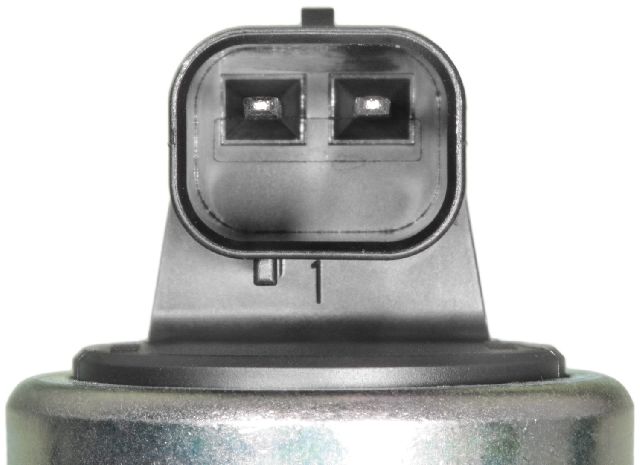
- OCV Connector — The 2-pin electrical connector on the Oil Control Valve, located on the top of the valve cover.. This is where voltage and resistance tests are performed. One pin (Terminal A or B) receives 12V power, and the other is the control line (ground-side switched) from the PCM. Wiggling this connector while the engine is running can help identify intermittent connection issues.
Real Owner Repair Stories
- Reddit user @Eagle2435, also documented in Go-Parts article (2014 Mazda CX-5 2.5L) — Persistent P0015 code that would not clear, even after multiple major repairs.
❌ Tried (didn't work) Replaced timing chain and tensioners, Replaced VVT solenoid (OCV), Replaced exhaust camshaft phaser (VVT actuator), Replaced oil pump, Replaced oil pressure control solenoid
✅ What actually fixed it A complete engine replacement was the final solution. The owner and technicians suspected an untraceable internal crack in the engine block or head was causing a localized loss of oil pressure to the VVT system, which could not be diagnosed without a full teardown.
OEM Part Supersession History
PE01-14-420→PE01-14-420A— Standard part revision by the manufacturer, likely for improved durability, sealing, or internal performance.
Heads up: The parts are interchangeable, but PE01-14-420A is the current and recommended replacement part.Unknown (Original Oil Strainer)→PE7W-14-240— Mazda TSB 01-009/16 calls for replacing the original oil strainer with this 'modified' part to help prevent debris-related oil pressure drops.
Heads up: When performing the TSB repair for P0015/P0524, this modified strainer should be used instead of the original design.
Model Year Variations Within This Range
- 2016.5: Mazda released a mid-year update known as the '2016.5' model. While mechanically identical regarding this fault, it changed standard features. For example, the Touring trim gained standard navigation and heated seats, and the base Sport trim received a standard backup camera. These changes do not affect the diagnosis or repair of P0015 but are important for identifying a specific vehicle's feature set.
- 2013: The 2013 model year was the debut for the CX-5. The 2.5L SKYACTIV engine became more widely available starting in the 2014 model year, being optional or standard on higher trims. The 2013 model was more commonly equipped with the 2.0L engine, though the P0015 diagnosis is similar.
Diagnostic Flowchart
Other Known Issues on This Vehicle
Issues unrelated to this code that are worth knowing about as an owner of this generation:
- LED Daytime Running Light (DRL) Failure 🟠 Medium — Common on 2016 models, leading to a recall. (Ref: Recall 4320A / NHTSA 20V063000. A sealing gasket releases sulfur, corroding the DRL circuit.)
- Corroding/Failing Rear Liftgate Struts 🟠 Medium — Common enough to trigger a recall, especially in regions using road salt. (Ref: Recall 9916H. Insufficient corrosion coating on the struts can cause them to break, leading to the liftgate falling unexpectedly.)
- Intake Valve Carbon Buildup 🟠 Medium — Inherent to all direct-injection (GDI) engines, including SKYACTIV. Can cause misfires (e.g., P030x) and rough idle, typically noticeable after 50,000+ miles.
- Cracked/Fragile Windshields 🟡 Low — Numerous owner complaints about windshields cracking easily from small impacts or temperature changes.
- Faulty Mass Airflow (MAF) Sensor 🟡 Low — Some reports of MAF sensor failure leading to stalling or jerky driving.
- Loose Front Strut Lower Mounting Bolts 🔴 High — Very rare, but subject to a recall affecting a small number of vehicles. (Ref: Recall 9316D. Bolts may not have been tightened to spec at the factory, potentially causing a loss of steering control.)
Used vs. New Parts: Buying Guide for This Vehicle
When a used part is the smart pick: For this specific repair, sourcing used parts is generally not recommended. The primary failure points (OCV, oil strainer) are sensitive to oil debris and wear. The cost savings of a used OCV do not outweigh the high risk of it being clogged or failing shortly after installation.
Donor-vehicle mileage cap: roughly under 60000 miles for the part to have meaningful remaining life.
What to inspect on the donor part:
- If considering a used part is unavoidable, request the VIN of the donor vehicle to check its service history for regular oil changes.
- Visually inspect a used OCV for any sludge, debris in the oil screen, or physical damage before purchasing.
OEM-only on this vehicle (don't cheap out):
- Oil Strainer: Only the modified OEM part (PE7W-14-240) should be used to comply with the TSB and ensure proper filtration and flow.
- Camshaft Phaser (Actuator): Due to the complexity and precision required, an OEM phaser is strongly recommended if it needs replacement to avoid repeat failures.
Aftermarket brands forum-validated for this vehicle:
- Hitachi: Forum discussions suggest Hitachi is the original equipment manufacturer (OEM) for the VVT solenoids. Purchasing a Hitachi-branded OCV is often identical to the Mazda part at a lower cost.
Brands owners have reported issues with on this vehicle:
- Generic/No-Name (Amazon/eBay): Users report a high failure rate with unbranded, low-cost VVT solenoids, often causing the code to return shortly after installation. The savings are not worth the repeated labor.
Real Owner Stories
Aggregated from forums and TSBs cited above. Mileages and costs reflect what owners reported in those sources.
2013-2016 Mazda CX-5 SKYACTIV 2.5L
Symptoms: Check Engine Light on with code P0015, possibly with rough idle or poor acceleration.
What fixed it: A simple oil and filter change using the correct full synthetic 0W-20 oil cleared the code.
Source hint: Reddit forum user report
2013-2016 Mazda CX-5 SKYACTIV 2.5L
Symptoms: Rough idle with Check Engine Light on, showing codes P0015 and P0524.
What fixed it: The TSB-guided repair involved performing an oil pressure test, which confirmed low pressure. The fix was to drop the oil pan, clean it, and replace the oil strainer with the modified part (PE7W-14-240).
Source hint: Mazda TSB 01-009/16
2015 CX-5 2.5L
Symptoms: Engine knocking along with codes P0015 and P0017.
What fixed it: The owner was advised to bench test the OCV and inspect the VVT phaser, indicating a potential deeper mechanical issue beyond simple oil or solenoid problems. The final fix was not detailed in the report.
Source hint: Mazdas247.com forum thread
Related OBD-II Codes
Frequently Asked Questions
I have a 2014 CX-5 with a P0015 code. Does Mazda have a Technical Service Bulletin (TSB) for this issue?
My mechanic says I need a new oil strainer for my P0015 code. Is there an updated part for the 2013-2016 CX-5?
What is the correct engine oil for my 2015 Mazda CX-5 2.5L to avoid code P0015?
How can I easily test the Oil Control Valve (OCV) on my CX-5 at home?
My scanner shows both P0015 and P0524 on my 2016 CX-5. Are these codes related?
Is there a simple procedure I can try before replacing parts for P0015 on my CX-5?
We Have This Part in Stock


The information in this article is provided for general reference and educational purposes only. Vehicle specifications, procedures, and part compatibility can vary by production date, trim level, and region. Always consult your vehicle's factory service manual and verify part numbers before purchasing or performing repairs. Safety-critical components such as airbags, seat belts, and braking systems should be installed by a qualified professional.
- Mazda CX-5:
- 🧭 Diagnostic Flowchart
- 🛍️ Shop This Part
- What's Unique About the 2013-2016 Mazda CX-5
- Symptoms You May Notice
- Most Likely Causes
- Rare But Worth Checking
- Diagnosis Steps
- Parts You'll Likely Need
- Related Codes That Often Appear With This One
- Technical Service Bulletins (TSBs) & Recalls
- Platform-Specific Known Issues
- Mechanic-Grade Diagnostic Values
- Scan Tool Commands That Help
- Wiring & Ground Locations
- Real Owner Repair Stories
- OEM Part Supersession History
- Model Year Variations Within This Range
- Other Known Issues on This Vehicle
- Used vs. New Parts: Buying Guide for This Vehicle
- Real Owner Stories
- 2013-2016 Mazda CX-5 SKYACTIV 2.5L
- 2013-2016 Mazda CX-5 SKYACTIV 2.5L
- 2015 CX-5 2.5L
- Related OBD-II Codes
- Frequently Asked Questions
- 🎟️ Get 5% Off