

P0015 on 2012-2013 Mazda 3: Exhaust Cam Timing Over-Retarded Causes and Fixes
On a 2012-2013 Mazda 3, especially with the SKYACTIV-G engine, P0015 is almost always caused by an oil-related issue. Before replacing parts, check the engine oil level and condition. The code is frequently paired with P0524 (Engine Oil Pressure Too Low). The most common failed part is the oil control valve (OCV), which can become clogged with debris. The part costs around $150-$300.
- P0015 on a 2012-2013 Mazda 3 is very often an oil-related problem, not a sensor failure.
- Always check your engine oil level and condition first. An oil change with the correct 0W-20 (for SKYACTIV) oil might fix the problem.
- The code is frequently accompanied by P0524 (Low Oil Pressure), which is a major clue pointing to the oil system.
- The most common part to replace is the exhaust Oil Control Valve (OCV), part number PE01-14-420A.
- If the OCV replacement doesn't work, a mechanical oil pressure test is necessary to check the health of the oil pump.
What's Unique About the 2012-2013 Mazda MAZDA3
For the 2012-2013 Mazda 3, particularly models with the SKYACTIV-G engine, this code is famously linked to oil pressure problems. Numerous Technical Service Bulletins (TSBs) issued by Mazda directly connect P0015 with code P0524 (Engine Oil Pressure Too Low). The issue is often caused by debris temporarily getting stuck in the oil pump's pressure relief valve or the oil control valve (OCV), leading to a drop in oil pressure that prevents the variable valve timing system from working correctly. The TSBs provide a specific diagnostic flow chart for technicians to follow, which prioritizes checking oil pressure before replacing parts.
Diagnostic Flowchart
Tap your situation to follow the diagnostic path that matches what you're seeing on this vehicle.
Symptoms You May Notice
- Check Engine Light is on
- Rough idle.
- Engine may stall, especially at low speeds or idle
- Reduced engine power and poor acceleration
- Decreased fuel economy
- Difficulty starting the engine
- Rattling noise from the engine on startup.
- Replacing the camshaft position sensor. While the sensor reports the problem, it is rarely the cause of it. The issue is typically mechanical or hydraulic (oil pressure), not an electrical sensor failure.
Most Likely Causes
- Low or Dirty Engine Oil 🔴 High Probability The SKYACTIV engine's variable valve timing (VVT) system is highly dependent on clean oil at the correct pressure to function. The TSBs for this vehicle directly link P0015 to oil pressure issues, making an oil check the first and most critical diagnostic step.
How to confirm: Check the engine oil level on the dipstick. Inspect the oil's color and consistency. If it's low, dark, or sludgy, it needs to be changed.
Typical fix: Perform an oil and filter change using the manufacturer-specified oil viscosity (e.g., 0W-20 for SKYACTIV).
Est. part cost: $30-$70 - Faulty Exhaust Oil Control Valve (OCV) / VVT Solenoid 🔴 High Probability → Shop Engine Variable Valve Timing (VVT) Solenoid Mazda TSBs identify that foreign material can get stuck in the OCV, causing a drop in oil pressure and triggering this code. The solenoid itself can also fail electrically or become clogged internally. The diagnostic procedure in the TSBs involves checking the OCV if oil pressure is within spec but the cam timing deviation is greater than 5 degrees.
How to confirm: A mechanic can command the solenoid on and off with a scan tool (like the Mazda M-MDS) to check its response and monitor the actual vs. desired cam angle. It can also be removed and inspected for debris on its screen and tested for resistance and actuation by applying 12V.
Typical fix: Replace the exhaust-side oil control valve. Mazda's repair procedure often calls for replacing the OCV if the cam angle deviation is over 5 degrees, even if oil pressure is normal.
Est. part cost: $150-$300 - Failing Oil Pump or Clogged Oil Strainer 🟡 Medium Probability → Shop Engine Oil Pump TSBs mention that debris can get stuck in the oil pump's pressure relief valve, causing low pressure. A clogged oil pickup screen (strainer) can also starve the pump of oil. Mazda later specified a 'modified' oil strainer in some TSB repair procedures to address this.
How to confirm: A mechanical oil pressure test must be performed to confirm if the oil pressure is below specification. The TSB specifies checking pressure at idle (650 rpm), 1500 rpm, and 4500 rpm. For example, pressure should be 7 psi or more at idle.
Typical fix: If oil pressure is low, the oil pan must be removed to inspect/clean the oil strainer and replace the oil pump. Later TSBs call for replacing the original oil strainer with a modified part.
Est. part cost: $200-$500 for an oil pump - Stretched Timing Chain or Faulty Cam Phaser ⚪ Low Probability → Shop Engine Timing Chain While less common than oil-related issues for this specific code on this platform, a stretched timing chain can cause the actual cam timing to lag behind the commanded position, triggering P0015. This is a more likely cause on higher-mileage vehicles or those with poor oil change history.
How to confirm: This is an involved diagnosis. A mechanic would typically remove the valve cover to check for chain slack or use a scan tool to compare crankshaft and camshaft sensor readings for a persistent, large discrepancy that doesn't resolve with OCV replacement.
Typical fix: Replace the timing chain, guides, and tensioners. The cam phaser (actuator) may also require replacement if it is found to be stuck or damaged.
Est. part cost: $400-$800 for a full timing kit
Diagnosis Steps
- Verify the Check Engine Light is on and P0015 is the stored code using an OBD-II scanner. Check for any other codes, especially P0524.
- Check the engine oil level and condition. If low, top it off. If old or dirty, perform an oil and filter change with the correct viscosity oil (0W-20 for SKYACTIV).
- Follow the TSB diagnostic procedure: Delete the DTC, then rev the engine to 4,000 RPM or more 10 times to try and dislodge any temporary debris.
- Perform a mechanical oil pressure test. The engine must be fully warmed up (oil temp > 194°F / 90°C). Check pressure at idle (650 RPM), 1500 RPM, and 4500 RPM. Compare to specifications (e.g., >7 psi at idle, 43-62 psi at 4500 RPM).
- If oil pressure is low, the TSB directs replacement of the oil pump and, in later versions, the oil strainer with a modified part.
- If oil pressure is within specification, use a scan tool to monitor the difference between desired (VT_EX_DES) and actual (VT_EX_ACT) exhaust cam angle between 1,500 and 2,000 RPM.
- If the cam angle deviation is greater than 5 degrees, replace the exhaust Oil Control Valve (OCV). If the deviation is within 5 degrees, the TSB may only recommend cleaning the oil pan and replacing the strainer.
- After any repair, clean the oil pan, change the engine oil, and verify the fix.
Parts You'll Likely Need
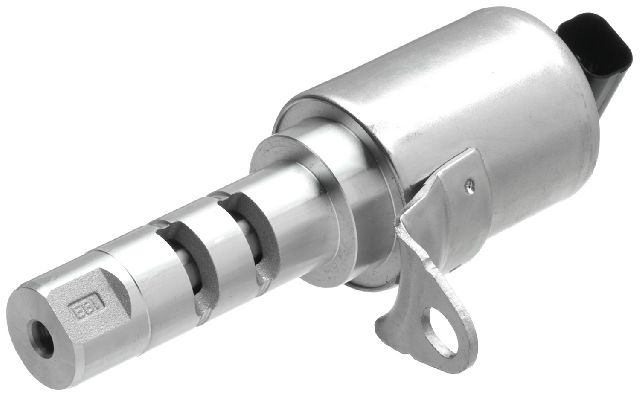
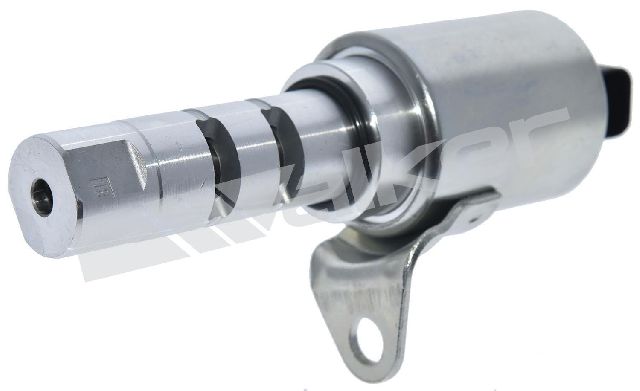
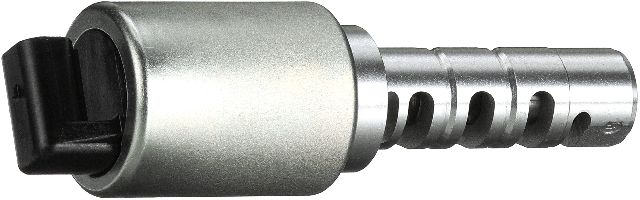
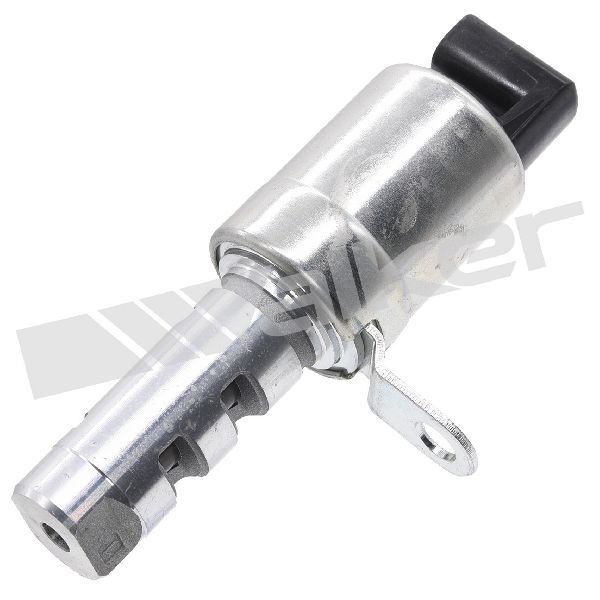
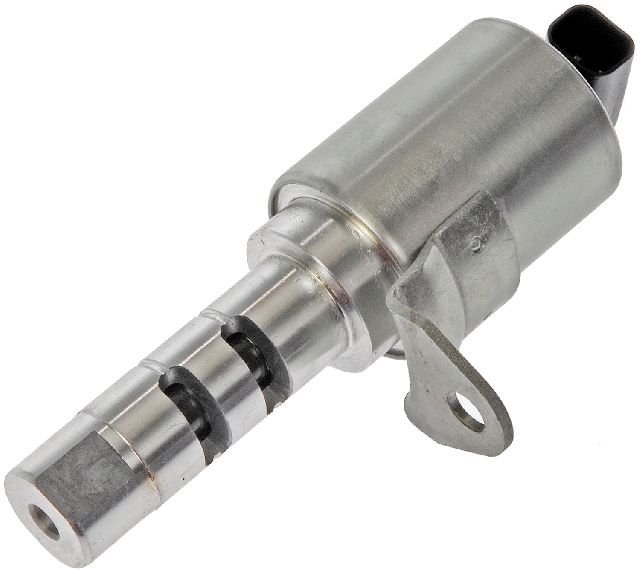
- Engine Oil Control Valve (VVT Solenoid)
(OEM #PE01-14-420A)— This is the most common part to fail or clog, directly causing the timing issue as documented in Mazda TSBs. It is often replaced if oil pressure is good but the cam timing deviation is high. The OEM part number PE01-14-420A supersedes PE01-14-420.
Trusted brands: Mazda (OEM), Dorman (918-174), Hitachi, Standard Motor Products (VVT459)
OEM price range: $280-$400
Aftermarket price range: $80-$150 - Engine Oil and Filter — The VVT system is sensitive to oil condition and viscosity. Fresh, correct-spec oil is the first and most important step in diagnosis and is required as part of any TSB-guided repair for this issue.
Trusted brands: Mobil 1, Castrol, Valvoline, Mazda Genuine 0W-20
OEM price range: $50-$90
Aftermarket price range: $30-$70 - Oil Strainer
(OEM #PE7W-14-240 or PEDD-14-240)— Mazda TSBs were updated to include the replacement of the oil strainer with a modified part as part of the repair procedure, even if the oil pump itself is not replaced. This suggests the original strainer design was susceptible to clogging.
Trusted brands: Mazda (OEM)
OEM price range: $40-$80
Aftermarket price range: $20-$50
Related Codes That Often Appear With This One
- P0524 — Stands for 'Engine Oil Pressure Too Low'. Mazda has issued multiple TSBs stating that these two codes frequently appear together on SKYACTIV engines due to debris in the oil system causing a pressure drop. The official repair procedure from Mazda has different diagnostic paths depending on whether P0015 appears alone or with P0524.
Technical Service Bulletins (TSBs) & Recalls
- 01-016-19-3627: Rough idle with check engine light on and DTC P0015 / P0524 stored in memory.
- 01-005/18: Supersedes many previous TSBs and covers a wide range of SKYACTIV models including the 2012-2018 Mazda3, CX-3, CX-5, and Mazda6 for the P0015/P0524 issue.
- 01-009/16: Multi-model TSB for SKYACTIV engines with P0015/P0524, updating repair procedures.
- 01-023/15: Rough Idle with MIL on and DTC P0015/P0524.
- 01-003/13: Specifically mentions 2012-2013 Mazda3 2.0L SKYACTIV for rough idle with P0015/P0524 due to foreign objects in the oil system.
- 01-028/12: An early TSB covering the same P0015/P0524 issue on 2012-2013 Mazda3 and 2013 CX-5.
Platform-Specific Known Issues
- Mazda has released multiple Technical Service Bulletins (e.g., 01-003/13, 01-009/16, 01-016/19) for 2012-2013 Mazda 3 models with the SKYACTIV engine regarding P0015 appearing with P0524. The cause is cited as a drop in engine oil pressure from foreign material getting stuck in the oil pump pressure relief valve or the Oil Control Valve (OCV). The prescribed repair involves a specific diagnostic tree: check oil pressure, and depending on the result, either replace the oil pump, replace the OCV, or simply clean the pan and replace the oil strainer with an updated part.
Helpful Videos
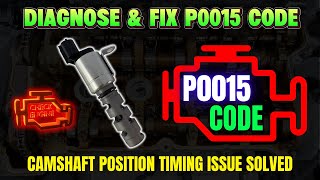
![How to Fix P0015 Engine Code in 4 Minutes [2 DIY Methods / Only $6.62]](https://img.youtube.com/vi/kO0eG5jKmzg/mqdefault.jpg)
We Have This Part in Stock


The information in this article is provided for general reference and educational purposes only. Vehicle specifications, procedures, and part compatibility can vary by production date, trim level, and region. Always consult your vehicle's factory service manual and verify part numbers before purchasing or performing repairs. Safety-critical components such as airbags, seat belts, and braking systems should be installed by a qualified professional.
- Mazda MAZDA3:
- 🧭 Diagnostic Flowchart
- 🎬 Helpful Videos
- 🛍️ Shop This Part
- What's Unique About the 2012-2013 Mazda MAZDA3
- Symptoms You May Notice
- Most Likely Causes
- Diagnosis Steps
- Parts You'll Likely Need
- Related Codes That Often Appear With This One
- Technical Service Bulletins (TSBs) & Recalls
- Platform-Specific Known Issues
- 🎟️ Get 5% Off