

P0015 on 2014-2017 Mazda MAZDA6: Exhaust Timing Over-Retarded Causes and Fixes
On a 2014-2017 Mazda6, P0015 is almost always caused by low or dirty engine oil, or debris in the oil system. Before buying parts, check your oil level and condition. This code frequently appears with P0524 (Engine Oil Pressure Too Low), confirming the oil-related nature of the problem. Mazda has issued multiple TSBs outlining a specific diagnostic procedure involving an oil pressure test that often leads to replacing a modified oil strainer and sometimes the oil control valve (OCV) or oil pump.
- P0015 on your Mazda6 is very likely an oil pressure or oil debris issue, often accompanied by code P0524.
- Always check your oil level and condition first before attempting any repairs.
- Mazda has acknowledged this problem with multiple TSBs that provide a clear, step-by-step diagnostic procedure.
- The fix often involves dropping the oil pan to clean it and replace the oil strainer with an updated, modified part.
- Do not immediately replace the camshaft sensor; it is usually reporting the problem correctly.
What's Unique About the 2014-2017 Mazda MAZDA6
The Skyactiv-G engine in this Mazda6 is particularly sensitive to oil pressure and cleanliness. Mazda has issued multiple Technical Service Bulletins (TSBs) specifically for the 2014-2017 models that link P0015 directly to low oil pressure (P0524). These bulletins state the cause is often a drop in oil pressure from debris getting stuck in the oil pump's pressure relief valve or the Oil Control Valve (OCV). The TSBs detail a specific repair path that often involves replacing the original oil strainer with a modified part, indicating a potential design update to improve oil flow and prevent clogging. Some forum discussions speculate that the required low-viscosity 0W-20 oil may contribute to these oil pressure sensitivities over time.
Diagnostic Flowchart
Tap your situation to follow the diagnostic path that matches what you're seeing on this vehicle.
Symptoms You May Notice
- Check Engine Light is on
- Rough idle.
- Reduced engine power and acceleration.
- Decreased fuel economy.
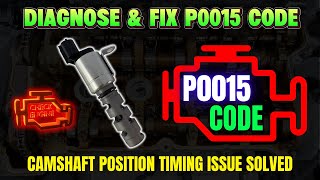
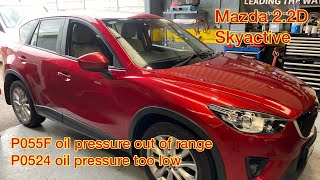
- Engine may hesitate or stall. 🎬 Watch: A quick overview of P0015 symptoms and common fixes.
- Loud top-end engine knocking or rattling noise.
- Replacing the camshaft position sensor. The sensor is usually working correctly; it is accurately reporting the timing problem. The issue lies in the mechanical or hydraulic parts that control the timing.
Most Likely Causes
- Low, dirty, or incorrect viscosity engine oil 🔴 High Probability The Skyactiv VVT system is operated by oil pressure. Insufficient or contaminated oil is the most common reason for the system to malfunction, as documented in manufacturer TSBs.
How to confirm: Check the engine oil dipstick for level and inspect the oil's color and consistency. If it's low, black, or sludgy, it needs to be changed.
Typical fix: Top off the oil or perform a complete oil and filter change using the manufacturer-specified oil (e.g., SAE 0W-20 for Skyactiv engines).
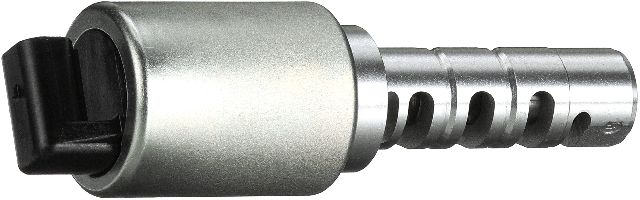
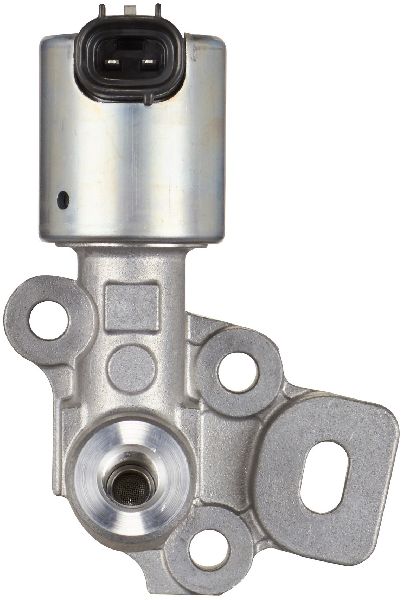
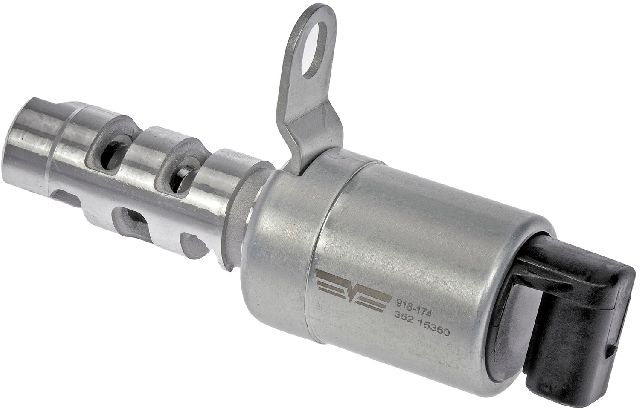
Est. part cost: $30-$70 - Faulty Exhaust Oil Control Valve (OCV) / VVT Solenoid 🟡 Medium Probability → Shop Engine Variable Valve Timing (VVT) Solenoid TSBs indicate that debris can get stuck in the OCV, causing it to malfunction. It can also fail electrically or become clogged over time. The TSB diagnostic procedure may call for its replacement if oil pressure is normal but cam timing deviation exceeds 5 degrees.
How to confirm: Remove the valve and inspect for sludge or debris. You can test its resistance with a multimeter (typically 6.9-7.9 ohms). You can also apply 12V power to see if the internal plunger actuates. 🎬 See how to diagnose and fix camshaft timing issues.
Typical fix: Clean or replace the exhaust OCV. Mazda's part number is PE01-14-420.
Est. part cost: $50-$150 - Clogged or Faulty Oil Strainer 🟡 Medium Probability → Shop Engine Oil Pump Mazda TSBs specifically mention that debris in the oil pan can clog the oil pump strainer, leading to low pressure and this code. Mazda later issued a 'modified' oil strainer, suggesting the original design was susceptible to this issue. The TSB repair procedure often involves replacing the strainer regardless of oil pressure readings.
How to confirm: This requires an oil pressure test. If pressure is low, or even if it's normal but the code persists, the TSBs direct technicians to drop the oil pan to inspect and replace the strainer.
Typical fix: Remove the oil pan, clean the pan, and replace the oil strainer with the modified part (e.g., PEY1-14-240).
Est. part cost: $40-$80
Rare But Worth Checking
- Worn Timing Chain or Failed Tensioner: → Shop Engine Timing Chain If the engine has high mileage, the timing chain can stretch, or the tensioner can fail, causing timing to be consistently retarded. This is a more complex and expensive repair.
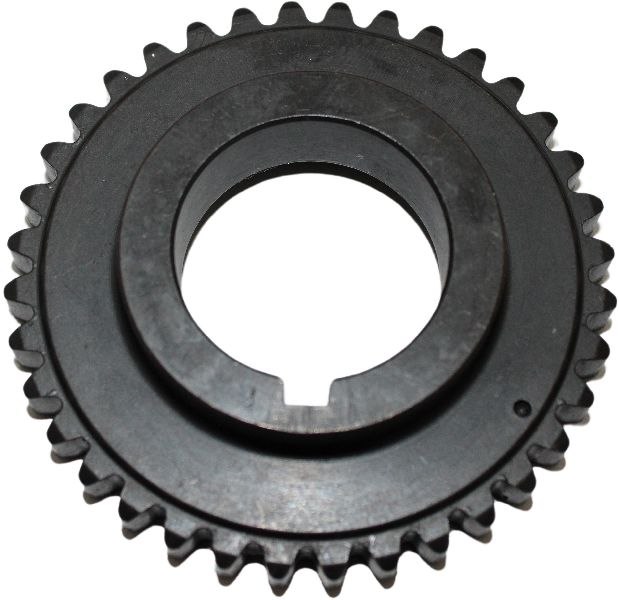
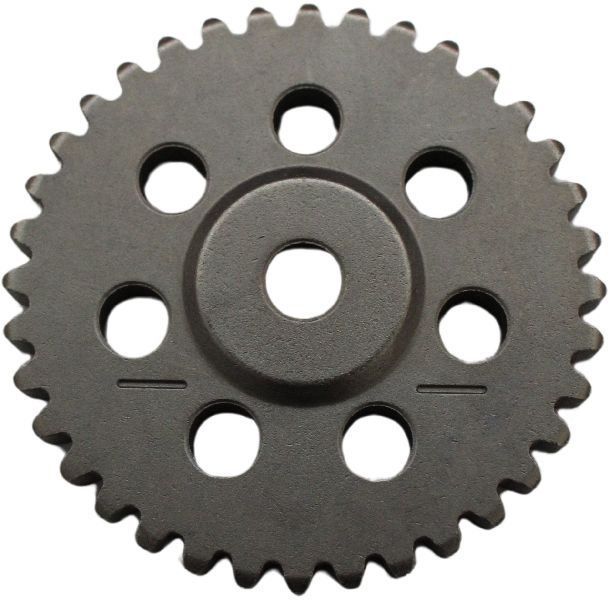
- Failed VVT Actuator (Cam Phaser): The actuator is the mechanical gear on the end of the camshaft. It can get stuck or fail internally, but this is less common than an OCV failure.
- Failing Oil Pump: → Shop Engine Oil Pump While debris in the relief valve is common, the pump itself can fail. TSBs direct replacement of the oil pump (Part No. PY01-14-100) if a formal oil pressure test shows pressure is below specification.
- Internal Oil Passage Blockage or Leak: In very rare cases, even after replacing the OCV, strainer, and pump, the code can persist. A forum user on Reddit reported this on a 2014 CX-5, suspecting a crack in the cylinder head was causing an internal oil pressure leak to the VVT system, ultimately requiring engine replacement.
Diagnosis Steps
- Check the engine oil level and condition. If low, top it off. If dirty or past its service interval, perform an oil and filter change with the correct viscosity oil (SAE 0W-20). Clear the code and see if it returns.
- If the code returns, scan for other codes. If P0524 is present, this strongly suggests a systemic oil pressure problem as outlined in Mazda TSBs.
- Follow the TSB diagnostic procedure: Delete the DTC, then depress the throttle pedal and momentarily rev the engine to 4,000 RPM or more, 10 times. This can sometimes dislodge temporary debris.
- Perform an engine oil pressure test with a mechanical gauge. The TSB specifies checking pressure at 650, 1,500, and 4,500 RPM after the engine is warmed up to 194°F (90°C).
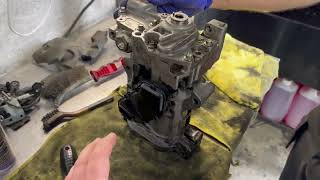
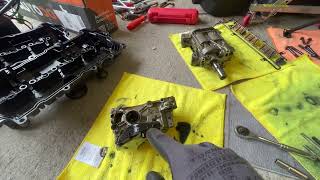
- If oil pressure is *abnormal* (below spec), the TSB directs replacement of the oil pump (PY01-14-100) and the oil strainer, followed by cleaning the oil pan. 🎬 Watch: Step-by-step guide to replacing the Mazda oil strainer.
- If oil pressure is *normal*, use a diagnostic tool to check the difference between the desired (VT_EX_DES) and actual (VT_EX_ACT) exhaust valve timing angle between 1,500 and 2,000 RPM.
- If the timing deviation is *over 5 degrees*, replace the exhaust OCV (PE01-14-420) and the oil strainer. If the deviation is *within 5 degrees*, replace only the oil strainer. In both cases, the oil pan should be cleaned.
- If all the above steps fail to resolve the code, the issue may be a stretched timing chain, a faulty VVT actuator (phaser), or a more severe internal engine issue, which requires more in-depth mechanical diagnosis.
Parts You'll Likely Need
- Exhaust Oil Control Valve (VVT Solenoid)
(OEM #PE01-14-420)— This valve controls oil flow to the cam phaser. It's a common failure point, either by getting clogged with debris or failing electrically. TSBs call for its replacement if oil pressure is good but cam timing is off by more than 5 degrees.
Trusted brands: Mazda OE, Denso, Dorman
OEM price range: $120-$180
Aftermarket price range: $50-$100 - Engine Oil and Filter — Low or dirty oil is the most frequent cause of P0015 on this vehicle. An oil change is the first and most important diagnostic step.
Trusted brands: Mobil 1, Castrol, Valvoline
Aftermarket price range: $30-$70 - Oil Pump Strainer (Modified)
(OEM #PEY1-14-240 (replaces PE07-14-240))— Mazda TSBs frequently call for replacing the oil strainer with a modified version, suggesting the original design was prone to clogging from debris and causing oil pressure drops.
Trusted brands: Mazda OE
OEM price range: $40-$80
Aftermarket price range: $20-$50 - Oil Pump
(OEM #PY01-14-100)— If an oil pressure test confirms low pressure across the RPM range, the oil pump itself is the likely culprit and must be replaced according to TSB guidelines.
Trusted brands: Mazda OE
OEM price range: $150-$250
Aftermarket price range: $80-$160
Related Codes That Often Appear With This One
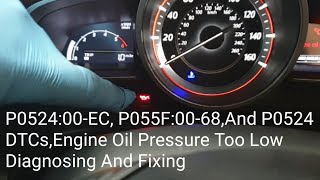
- P0524 — Stands for 'Engine Oil Pressure Too Low'. Mazda TSBs explicitly state that P0015 and P0524 are often stored together, as low oil pressure from debris in the system is the root cause for the camshaft timing issue.
- P0017 — Stands for 'Crankshaft Position - Camshaft Position Correlation Bank 1 Sensor B'. This code can appear alongside P0015, indicating a more significant timing discrepancy between the crank and exhaust cam, as seen in a forum post for a 2015 CX-5.
Technical Service Bulletins (TSBs) & Recalls
- 01-016-19-3627: Rough idle with check engine light on and DTC P0015 / P0524 stored in memory caused by a drop in engine oil.
- 01-023-15-3084B: Rough idle with MIL on and DTC P0015 / P0524 stored in memory caused by a drop in engine oil.
- 01-008/17: A superseding TSB that consolidates previous bulletins, outlining the diagnostic flowchart for P0015/P0524, including oil pressure checks and criteria for replacing the OCV, oil strainer, or oil pump.
Platform-Specific Known Issues
- Mazda has released multiple Technical Service Bulletins (e.g., 01-016-19-3627, 01-009/16, 01-008/17) regarding P0015 appearing with P0524. The cause is identified as a drop in oil pressure due to debris in the oil system, requiring a specific diagnostic flow involving an oil pressure test. The repair often involves replacing the oil strainer with a modified part, and in some cases, the OCV or the entire oil pump.
Mechanic-Grade Diagnostic Values
- Exhaust Oil Control Valve (OCV) Solenoid Resistance — expected: 6.9 - 7.9 Ohms at 68°F (20°C). Failure: A reading outside this range, or an open/short circuit (no reading), indicates a failed solenoid.
- Engine Oil Pressure (Warmed Up to 194°F/90°C) — expected: TSB specifies checking at three points: 650 RPM, 1,500 RPM, and 4,500 RPM. While the TSB doesn't list the exact PSI specs, it provides a flowchart based on whether the pressure is 'Abnormal' or 'Normal'. Abnormal pressure leads to oil pump replacement.. Failure: Oil pressure that is below the manufacturer's specification at the tested RPMs. This is deemed 'Abnormal' in the TSB diagnostic flow.
- Live Scan Tool Data: Camshaft Timing Deviation — expected: The difference between desired (VT_EX_DES) and actual (VT_EX_ACT) exhaust valve timing should be less than 5 degrees between 1,500 and 2,000 RPM.. Failure: A deviation of more than 5 degrees indicates a problem with the OCV or oil flow, triggering OCV replacement per the TSB.
Scan Tool Commands That Help
- Mazda M-MDS (or equivalent like FORScan): Monitor PIDs: VT_EX_DES (Exhaust valve opening angle - target) and VT_EX_ACT (Exhaust valve opening angle - actual). — Used during the diagnostic process after confirming oil pressure is normal. This command helps quantify the timing deviation to determine if the OCV needs replacement as per TSB guidelines.
- Advanced Bidirectional Scan Tool (e.g., iCarsoft, Autel): VVT Solenoid Activation Test (Advance/Retard Command) — This is a direct way to test the OCV's mechanical function. With the engine off, a technician can command the solenoid to open and close, listening for an audible click. This confirms the solenoid is not seized, which is a primary cause of P0015.
Wiring & Ground Locations
- Main Engine Ground Strap — Typically a heavy cable connecting the engine block to the vehicle's chassis/frame.. A poor engine ground can cause a variety of electrical issues, including incorrect readings from sensors and improper actuator function. While not a direct cause of P0015's hydraulic nature, ensuring a clean, tight engine ground is a foundational step in any electrical diagnosis.
- OCV Connector — A 2-pin connector on the top of the Oil Control Valve, located on the front/side of the cylinder head.. This is the connection point for testing the OCV's resistance and for receiving the control signal from the PCM. One pin should receive power, and the other is a pulse-width modulated ground signal from the PCM to control the valve's position.
- Chassis Ground Points — Multiple points throughout the vehicle where harnesses are bolted to the body, often near the battery, on the inner fenders, and near the transmission.. The PCM and its sensors rely on solid ground connections. A corroded or loose ground point for the engine harness could potentially affect the signal to or from the OCV or camshaft position sensor.
OEM Part Supersession History
PE07-14-240, PE01-14-240→PEY1-14-240, PE01-14-240A— The original oil pump strainer was prone to allowing debris to pass or becoming clogged, leading to oil pressure drops. The modified part has an updated design to improve filtration and prevent this issue, as called for in multiple TSBs.
Helpful Videos
![How to Fix P0015 Engine Code in 4 Minutes [2 DIY Methods / Only $6.62]](https://img.youtube.com/vi/kO0eG5jKmzg/mqdefault.jpg)




We Have This Part in Stock


The information in this article is provided for general reference and educational purposes only. Vehicle specifications, procedures, and part compatibility can vary by production date, trim level, and region. Always consult your vehicle's factory service manual and verify part numbers before purchasing or performing repairs. Safety-critical components such as airbags, seat belts, and braking systems should be installed by a qualified professional.
- Mazda MAZDA6:
- 🧭 Diagnostic Flowchart
- 🎬 Helpful Videos
- 🛍️ Shop This Part
- What's Unique About the 2014-2017 Mazda MAZDA6
- Symptoms You May Notice
- Most Likely Causes
- Rare But Worth Checking
- Diagnosis Steps
- Parts You'll Likely Need
- Related Codes That Often Appear With This One
- Technical Service Bulletins (TSBs) & Recalls
- Platform-Specific Known Issues
- Mechanic-Grade Diagnostic Values
- Scan Tool Commands That Help
- Wiring & Ground Locations
- OEM Part Supersession History
- 🎟️ Get 5% Off