

P0015 on 2011-2016 Scion tC: Exhaust Camshaft Timing Over-Retarded Causes and Fixes
On a 2011-2016 Scion tC, code P0015 is most often caused by a faulty exhaust Variable Valve Timing (VVT) solenoid or low/dirty engine oil. Replacing the VVT solenoid is a common fix, costing around $40-$80 for an aftermarket part and is a straightforward DIY job.
- First, check your engine oil. Low or dirty oil is a very common cause for P0015 and the easiest thing to fix.
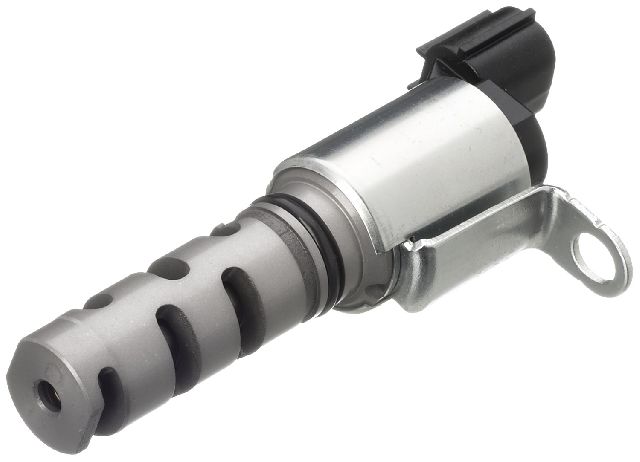
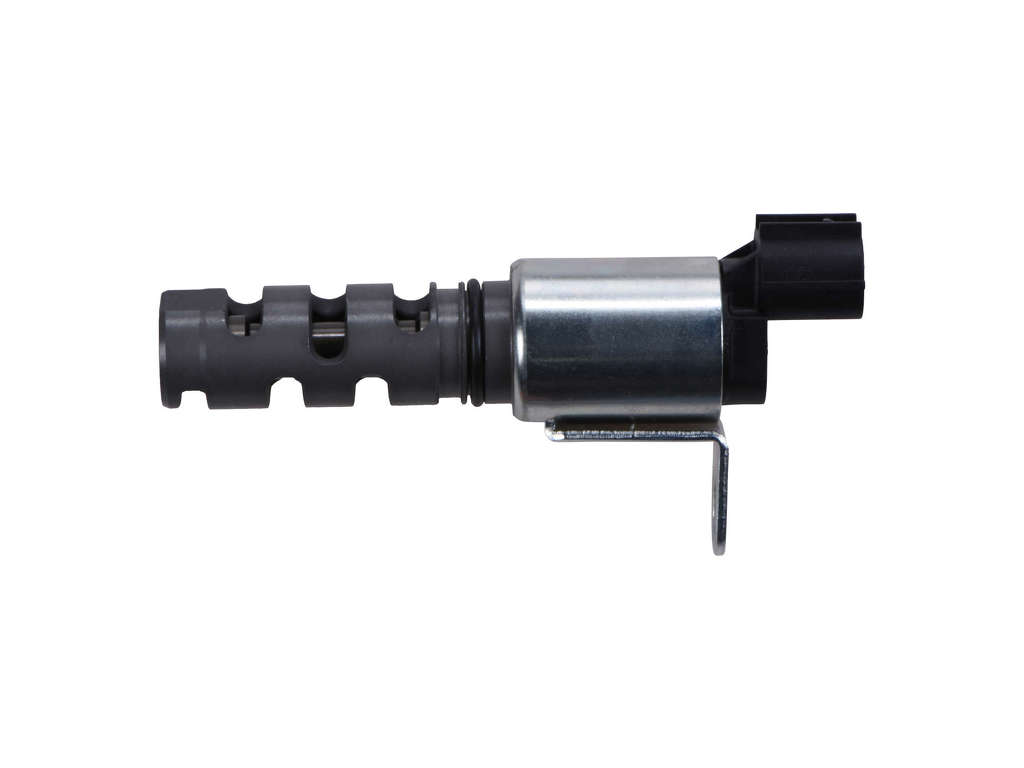
- The most likely failed part is the exhaust VVT solenoid (oil control valve). It's relatively inexpensive and easy to replace.
- A simple and effective diagnostic trick is to swap the exhaust and intake VVT solenoids to see if the trouble code follows the part, changing from P0015 to P0012.
What's Unique About the 2011-2016 Scion tC
The 2AR-FE engine in the second-generation Scion tC features Dual VVT-i, meaning it has variable timing on both intake and exhaust camshafts for better efficiency and power. While generally reliable, this system's performance is highly dependent on clean engine oil and proper oil pressure. For this specific P0015 code, the issue is isolated to the exhaust side of the VVT system. The most common failure point is not a major mechanical component, but rather the electronically controlled oil control valve (solenoid) that directs oil to the camshaft phaser. Toyota issued a TSB (T-SB-0012-11) for the closely related Camry and RAV4 with the same engine for P0015, indicating a known issue with the exhaust camshaft timing gear assembly in some production years.
Symptoms You May Notice
- Check Engine Light is on
- Rough or unstable idle
- Reduced engine power and poor acceleration
- Hesitation during acceleration
- Decreased fuel economy
- Engine may stall at low speeds or when stopping
- Rattling noise from the engine on startup or while running
- Replacing the camshaft position sensor. While possible, a faulty sensor is less likely to be the cause than the VVT solenoid. A bad sensor often triggers other specific sensor circuit codes (like P0345-P0349) rather than a timing correlation code.
Most Likely Causes
- Low or Dirty Engine Oil 🔴 High Probability The VVT system is hydraulic and extremely sensitive to oil volume, pressure, and cleanliness. Sludge or debris from infrequent oil changes can easily clog the small passages in the oil control valve (solenoid) and phaser.
How to confirm: Check the engine oil dipstick for low level and inspect the oil's color and consistency. If it is black, gritty, or below the 'add' line, this is a likely contributing factor. 🎬 See how to fix a P0015 code using two simple DIY methods.
Typical fix: Perform an oil and filter change using the manufacturer-recommended oil viscosity (SAE 0W-20). This simple step resolves the issue a significant amount of the time.
Est. part cost: $30-$60 - Faulty Exhaust VVT Solenoid (Oil Control Valve) 🔴 High Probability This solenoid is a very common failure point. It can become clogged with oil sludge, its internal screen can tear, or it can fail electronically, preventing it from properly directing oil flow to the cam phaser.
How to confirm: Remove the solenoid and inspect its screen for debris. You can test its function by applying a 12V power source to its terminals; a healthy solenoid will make an audible 'click'. A more definitive test is to swap the exhaust solenoid with the identical intake solenoid and see if the code changes to P0012 (Intake Over-Retarded).
Typical fix: Replace the exhaust camshaft oil control valve assembly. Cleaning is often a temporary fix at best.
Est. part cost: $40-$150 - Stretched Timing Chain or Faulty Tensioner ⚪ Low Probability → Shop Engine Timing Chain While the 2AR-FE's timing chain is designed to be maintenance-free, severe neglect (infrequent oil changes) or very high mileage (typically over 150,000 miles) can lead to stretching or tensioner failure, causing slack in the chain.
How to confirm: This is a more complex diagnosis. A key symptom is a persistent rattling noise from the front of the engine. A mechanic would need to remove the valve cover and/or timing cover to physically inspect the chain for slack and check timing marks.
Typical fix: Replace the timing chain, guides, and tensioner. This is a labor-intensive job.
Est. part cost: $200-$500
Rare But Worth Checking
- Faulty Camshaft Timing Gear (Phaser): → Shop Engine Camshaft The gear assembly that the chain rides on can fail internally, getting stuck in the retarded position. This is a known issue on the 2AR-FE, sometimes preceded by a startup rattle. TSB T-SB-0012-11 was issued for early Camry/RAV4 models with this engine to replace the exhaust cam gear for code P0015.
- Clogged Oil Control Valve Filter: → Shop Engine Variable Valve Timing (VVT) Solenoid There is a small, cylindrical screen filter for the VVT system located on the cylinder head that can become clogged with debris, starving the system of oil. This is a checkable item per the service manual and can be cleaned or replaced. On some 2AR-FE applications, it is located behind the power steering pump.
Diagnosis Steps
- Verify Oil Level and Condition: Pull the dipstick. If the oil is low, top it off, clear the code, and drive to see if it returns. If the oil is old or dirty, perform a complete oil and filter change with SAE 0W-20 synthetic oil. This is the easiest and often most effective first step.
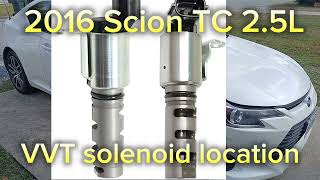
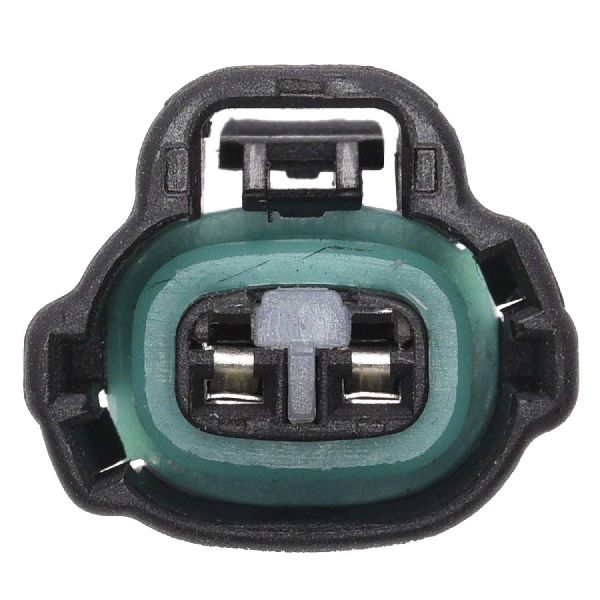
- Inspect VVT Solenoid Wiring: Locate the exhaust VVT solenoid (oil control valve) on the top of the valve cover. 🎬 Watch: See exactly where the solenoids are located and how to remove them. Ensure its electrical connector is secure, clean, and free of corrosion or oil contamination.
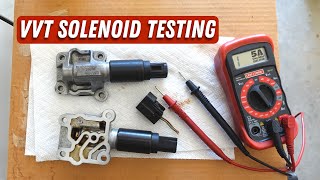
- Test the VVT Solenoid: With the engine off, disconnect the solenoid and test its resistance with a multimeter. It should be between 6.9 and 7.9 ohms at 68°F (20°C). Alternatively, apply 12V to the pins and listen for a click. 🎬 Watch: A quick guide on three easy ways to test your VVT solenoid. No click means the solenoid is stuck or has failed internally.
- Swap the Solenoids: The intake and exhaust VVT solenoids on the 2AR-FE are identical and interchangeable. Swap their positions. Clear the codes and drive. If the code changes to P0012 (Intake Camshaft Position Timing Over-Retarded), you have confirmed the solenoid you moved to the intake side is faulty. This is a highly effective, no-cost diagnostic step.
- Inspect the Solenoid and Port: When you remove the solenoid, check its filter screens for sludge or metal debris. Look into the port in the cylinder head for any visible blockages.
- Check Mechanical Timing: If the solenoid is confirmed to be working, the issue may be mechanical (phaser or timing chain). This step is best left to a professional. It involves removing the valve cover to inspect the timing chain for stretching and verifying the camshaft and crankshaft timing marks are aligned.
Parts You'll Likely Need
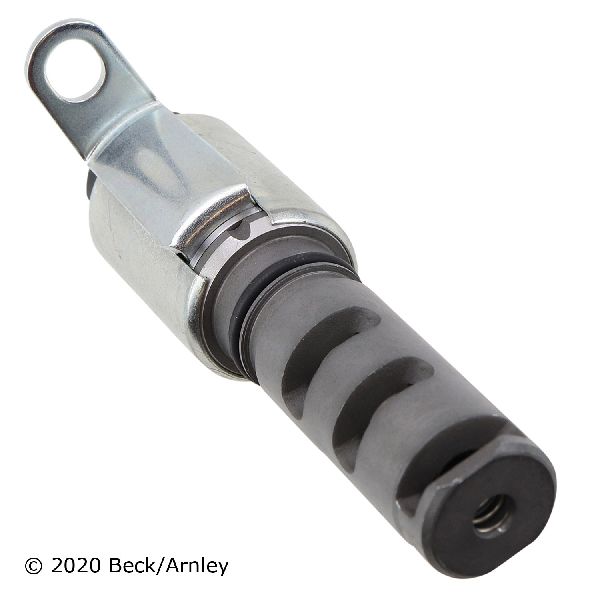
- Engine Variable Valve Timing (VVT) Solenoid / Oil Control Valve (Exhaust)
(OEM #15330-0T010 (superseded by 15330-37010))— This is the most common part to fail for code P0015. It gets clogged with oil sludge or fails electronically, preventing correct camshaft timing adjustment. The intake and exhaust solenoids are the same part.
Trusted brands: Denso (OEM supplier), Aisin, Dorman, SKP
OEM price range: $100-$150
Aftermarket price range: $40-$80
Related Codes That Often Appear With This One
- P0014 — This code is for 'B' Camshaft Position - Timing Over-Advanced. It relates to the same hardware, and seeing it alongside P0015 could indicate an erratic VVT solenoid or a more significant mechanical timing issue.
- P0017 — This code indicates a Crankshaft Position - Camshaft Position Correlation error for the exhaust cam. It often appears with P0015 and points towards a mechanical timing problem like a stretched chain or a failing VVT phaser, as noted in Toyota TSB T-SB-0012-11.
Technical Service Bulletins (TSBs) & Recalls
- source_type: tsb | id_or_name: T-SB-0012-11 (Rev1) | relevance: Issued for 2010-2011 Camry and 2009-2011 RAV4 models with the 2AR-FE engine. It directly addresses MIL ON with DTC P0015 and/or P0017, and/or an engine rattle. The prescribed fix is to replace the exhaust camshaft timing gear assembly.
- source_type: tsb | id_or_name: T-SB-0041-13 (Rev1) | relevance: Issued for a wide range of Toyota vehicles with 1AR-FE and 2AR-FE engines from 2009-2013. It addresses a brief knock/rattle noise from the engine for ~1 second at cold startup. The fix is to replace the intake camshaft timing gear assembly. While it targets the intake side, it confirms the known issue with VVT gear lock pins which can affect both cams.
Platform-Specific Known Issues
- Owner Experience: P0015 at 126k Miles on a 2011 RAV4: An owner on Reddit with a 2AR-FE engine reported a persistent startup rattle and eventually a timing code. After replacing the intake VVT phaser (for a different issue) and re-timing the engine, the noise persisted, highlighting that these issues can be complex and that even after replacing parts, underlying oil pressure or debris problems can remain.
Mechanic-Grade Diagnostic Values
- VVT Solenoid (Oil Control Valve) Resistance — expected: 6.9 to 7.9 Ohms at 68°F (20°C). Failure: A reading outside this range, or an open/short circuit, indicates a faulty solenoid coil.
- VVT Solenoid (Oil Control Valve) Bench Test — expected: Valve moves quickly and makes an audible 'click' when 12V is applied to the terminals.. Failure: No movement or a sluggish response indicates the valve is stuck internally, likely from sludge.
Scan Tool Commands That Help
- Toyota Techstream: Active Test: 'Control the VVT Exhaust Linear (Bank 1)' — This command allows a technician to manually operate the exhaust VVT solenoid while the engine is running. By observing changes in engine speed (or lack thereof), you can confirm if the solenoid is responding to commands from the ECM and if the hydraulic circuit is functioning.
Wiring & Ground Locations
- ECM Ground Points (E01, E02, E03, E04) — These are ground points for the Engine Control Module, typically located on the engine block or cylinder head. For the 2AZ-FE (a close predecessor), E01 is a primary ground. Schematics for the 2AR-FE show multiple grounds terminating at the ECM.. A poor ground connection for the ECM can cause erratic behavior in sensor readings and actuator commands, potentially leading to incorrect timing calculations and false codes. Verifying these grounds are clean and tight is a crucial step in advanced electrical diagnosis.
Real Owner Repair Stories
- BobIsTheOilGuy Forum User (Toyota with 2AR-FE engine (model not specified)) — Startup rattle noise, sometimes accompanied by violent shaking.
❌ Tried (didn't work) Initial assumption was timing chain tensioner noise.
✅ What actually fixed it A Toyota technician advised that on newer models, replacing the intake camshaft gear (phaser) often resolves the startup rattle. The issue is described as the locking pin in the VVT actuator getting stuck, causing the cam to be in the wrong position on startup. While this story refers to the intake side, the same locking pin mechanism exists on the exhaust phaser, which is the subject of TSB T-SB-0012-11 for code P0015.
OEM Part Supersession History
15330-37010→15330-0T010— Standard part number update/revision by Toyota. The parts are interchangeable.
Heads up: Some parts vendors list 15330-37010 as being replaced by 15330-0T010, while others show the reverse. Both part numbers refer to the same VVT solenoid for the 2AR-FE and are functionally identical for this application.
Model Year Variations Within This Range
- 2014-2016: The Scion tC received a facelift for the 2014 model year, which included revised styling, a retuned suspension, and a stiffer body structure. However, the 2.5L 2AR-FE engine and its VVT system remained unchanged from the 2011-2013 models, so the causes and fixes for P0015 are identical across the entire 2011-2016 range.
- 2011 (early production): For 2011 models with an automatic transmission built through December 2010, a specific ECM part number (89661-21530) was used. While not directly related to P0015 causes, if the ECM itself is suspected and requires replacement, this production date split is critical to know.
Diagnostic Flowchart
Other Known Issues on This Vehicle
Issues unrelated to this code that are worth knowing about as an owner of this generation:
- Excessive Oil Consumption 🟠 Medium — More common on earlier 2AZ-FE engines, but some 2AR-FE owners report issues, often after 75,000+ miles, potentially linked to piston ring design and long oil change intervals.
- Water Pump Failure 🟠 Medium — The water pump may develop leaks from its seals or weep hole, leading to coolant loss and potential overheating. It's a known, though not universal, failure point.
- VVT-i Gear Rattle on Cold Startup 🟡 Low — A brief (~1 second) rattle from the engine on a cold start is a well-documented issue caused by the VVT phaser's lock pin failing to engage immediately. It is often a precursor to VVT system codes. (Ref: T-SB-0041-13)
- Balance Shaft Rattle 🟠 Medium — A rattling noise at idle or on acceleration can be caused by a failing engine balance shaft assembly, which requires oil pan removal to replace.
- Manual Transmission Input Shaft Bearing Failure 🟠 Medium — On manual transmission models, a whining or whirling noise that disappears when the clutch is pressed in is a classic sign of a failing input shaft bearing.
Used vs. New Parts: Buying Guide for This Vehicle
When a used part is the smart pick: A used VVT solenoid from a low-mileage donor vehicle can be a cost-effective option, as it is an externally mounted part that is easy to replace if it fails. However, given the relatively low cost of a new, quality aftermarket part, buying new is often the safer bet.
Donor-vehicle mileage cap: roughly under 80000 miles for the part to have meaningful remaining life.
What to inspect on the donor part:
- Check the screen on the solenoid for any tears, debris, or heavy sludge.
- Ensure the electrical connector is not cracked or damaged.
- Ask for the VIN of the donor car to verify it had a 2AR-FE engine and check its service history if possible.
OEM-only on this vehicle (don't cheap out):
- Camshaft Timing Gear (Phaser): Due to the known issues with the internal locking pin, using a new OEM or OEM-supplier (Aisin) part is highly recommended to ensure you get the updated design and avoid repeating the repair.
- Timing Chain Tensioner: This is a critical component where failure can cause catastrophic engine damage. The cost savings of a used part do not justify the risk.
Aftermarket brands forum-validated for this vehicle:
- Denso (OEM supplier for many Toyota electronics)
- Aisin (OEM supplier for many Toyota engine components)
- Standard Motor Products (SMP)
- NTK/WVE
Brands owners have reported issues with on this vehicle:
- Dorman: While Dorman makes a wide variety of parts, forum and general mechanic consensus often suggests avoiding their electronic components and sensors, including VVT solenoids, due to higher reported failure rates compared to OEM or OEM-supplier brands.
- No-name/unbranded parts from online marketplaces: These often have questionable quality control and may fail prematurely.
Real Owner Stories
Aggregated from forums and TSBs cited above. Mileages and costs reflect what owners reported in those sources.
2011 RAV4 2AR-FE — 126000 miles
Symptoms: A persistent startup rattle and eventually a timing code.
What fixed it: The owner replaced the intake VVT phaser and re-timed the engine, but noted the noise persisted, highlighting that these issues can be complex.
Source hint: Owner Experience: P0015 at 126k Miles on a 2011 RAV4
2010-2011 Camry/RAV4 2AR-FE
Symptoms: Check Engine Light (MIL) ON with DTC P0015 and/or P0017, and/or an engine rattle.
What fixed it: The prescribed fix is to replace the exhaust camshaft timing gear assembly.
Source hint: T-SB-0012-11 (Rev1)
Related OBD-II Codes
Frequently Asked Questions
What is the very first thing I should check on my Scion tC if I get a P0015 code?
I hear a rattling noise on startup in my 2AR-FE engine. Is this related to the P0015 code?
How can I test the exhaust VVT solenoid on my tC without buying any special tools?
I found TSB T-SB-0012-11, but it only lists the Camry and RAV4. Does it apply to my 2011-2016 Scion tC?
Is it okay to just clean the VVT solenoid (Oil Control Valve) instead of replacing it?
My mechanic suspects a stretched timing chain. How common is this on the 2AR-FE engine?
Helpful Videos
![How to Fix P0015 Engine Code in 4 Minutes [2 DIY Methods / Only $6.62]](https://img.youtube.com/vi/kO0eG5jKmzg/mqdefault.jpg)
We Have This Part in Stock


The information in this article is provided for general reference and educational purposes only. Vehicle specifications, procedures, and part compatibility can vary by production date, trim level, and region. Always consult your vehicle's factory service manual and verify part numbers before purchasing or performing repairs. Safety-critical components such as airbags, seat belts, and braking systems should be installed by a qualified professional.
- Scion tC:
- 🧭 Diagnostic Flowchart
- 🎬 Helpful Videos
- 🛍️ Shop This Part
- What's Unique About the 2011-2016 Scion tC
- Symptoms You May Notice
- Most Likely Causes
- Rare But Worth Checking
- Diagnosis Steps
- Parts You'll Likely Need
- Related Codes That Often Appear With This One
- Technical Service Bulletins (TSBs) & Recalls
- Platform-Specific Known Issues
- Mechanic-Grade Diagnostic Values
- Scan Tool Commands That Help
- Wiring & Ground Locations
- Real Owner Repair Stories
- OEM Part Supersession History
- Model Year Variations Within This Range
- Other Known Issues on This Vehicle
- Used vs. New Parts: Buying Guide for This Vehicle
- Real Owner Stories
- 2011 RAV4 2AR-FE — 126000 miles
- 2010-2011 Camry/RAV4 2AR-FE
- Related OBD-II Codes
- Frequently Asked Questions
- 🎟️ Get 5% Off