

P0015 on 2009-2013 Toyota Corolla: Exhaust Camshaft Timing Causes and Fixes
On a 2009-2013 Corolla, P0015 is most often caused by low or dirty engine oil, or a failing exhaust VVT solenoid (also called an Oil Control Valve). Always check your oil first; if the level and quality are good, the solenoid is the next likely part to replace, costing around $40-$80 for an aftermarket part. A clogged OCV filter screen is another common culprit specific to this engine.
- Always check your engine oil level and condition first. P0015 is very often caused by low, old, or dirty oil.
- The most likely failed part is the exhaust VVT solenoid (Oil Control Valve). It's affordable and easy to replace with basic tools.
- Do NOT replace the camshaft position sensor. This code indicates the sensor is working correctly and detecting a real timing problem.
- On the 2ZR-FE engine, a hidden mesh filter under the cam cap can get clogged. If a new solenoid doesn't fix the issue, checking this filter is the next logical step.
- If you hear a rattling noise from the engine, stop driving. This could indicate a stretched timing chain, which is a much more serious and expensive repair.
What's Unique About the 2009-2013 Toyota Corolla
The 2ZR-FE engine in this Corolla uses Toyota's Dual VVT-i, adjusting both intake and exhaust cams. This system is highly dependent on oil pressure. A key, and often overlooked, point of failure on this specific engine is a small, mesh OCV (Oil Control Valve) filter located under the main camshaft cap. This filter can become clogged with sludge, starving the VVT solenoids of oil pressure and triggering codes like P0015, even if the solenoid itself is functional. Some early 2009 models were also subject to a TSB (T-SB-0182-09) for carbon buildup that could cause a P0015 code on a cold start, requiring an ECM reflash.
Symptoms You May Notice
- Check Engine Light is on
- Rough or uneven idle
- Poor acceleration and loss of engine power
- Hesitation during acceleration
- Decreased fuel economy
- Engine may stall
- Rattling or knocking noise from the engine, especially on startup.
- Replacing the camshaft position sensor is a very common misdiagnosis. The P0015 code means the sensor is working correctly and reporting a mechanical timing issue. If the sensor were bad, you would likely see codes like P0340-P0349.
Most Likely Causes
- Low or Dirty Engine Oil 🔴 High Probability The VVT-i system is hydraulic and extremely sensitive to oil volume, pressure, and cleanliness. Oil sludge is a common cause of blockages. Using oil other than the specified 0W-20 can also impair VVT function.
How to confirm: Check the oil dipstick for level and inspect the oil's color and consistency. If it's low or looks like dark sludge, this is your likely starting point.
Typical fix: Change the engine oil and filter using the manufacturer-specified viscosity (0W-20).
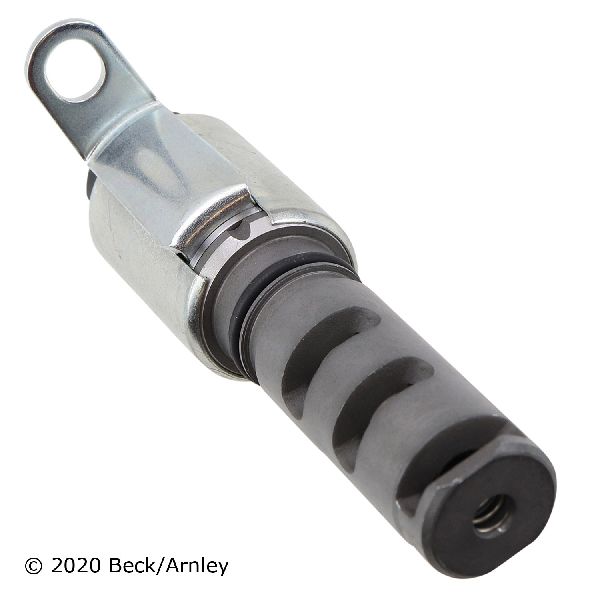
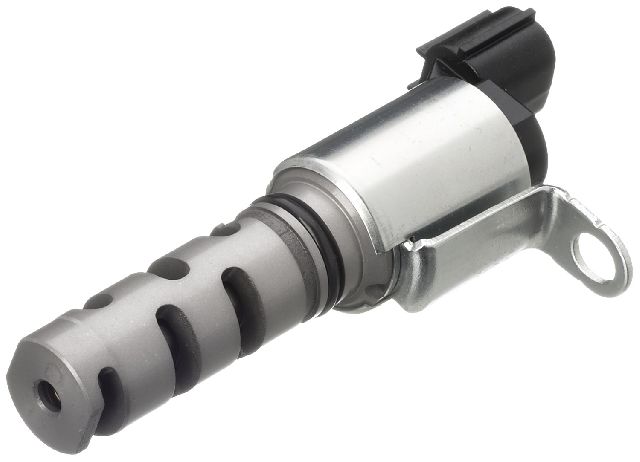
Est. part cost: $30-$60 - Faulty Exhaust Oil Control Valve (VVT Solenoid) 🔴 High Probability → Shop Engine Variable Valve Timing (VVT) Solenoid This solenoid controls oil flow to the cam phaser. It can become clogged with debris from dirty oil or fail electrically over time.
How to confirm: Remove the solenoid (one 10mm bolt). Inspect its mesh screens for debris. You can test it by applying 12V power to its terminals; a healthy solenoid will make a distinct 'click' as the plunger moves. Resistance should be between 6.9 and 7.9 ohms at 68°F (20°C).
Typical fix: Clean the solenoid with brake or carburetor cleaner and test again. If it's still stuck or fails the electrical test, replace it.
Est. part cost: $40-$150 - Clogged OCV Filter Screen 🟡 Medium Probability The 2ZR-FE engine has a small mesh filter for the OCVs located under the main camshaft bearing cap. It is designed to protect the solenoids but can get clogged with sludge, restricting oil flow.
How to confirm: This requires removing the valve cover and the main camshaft bearing cap to access and inspect the filter. If it is full of sludge or debris, it is restricting oil flow.
Typical fix: Carefully remove and clean the filter screen with brake cleaner or compressed air. Reinstall and torque the cam cap to factory specifications. Some owners soak the filter in degreaser overnight for a thorough cleaning.
Est. part cost: $0 (if cleaning), $5-$15 (for a new filter) - Stretched Timing Chain or Faulty Tensioner ⚪ Low Probability → Shop Engine Timing Chain While Toyota timing chains are generally durable, high mileage (over 150,000 km) can lead to stretching, causing a deviation between crank and cam timing that the VVT system cannot compensate for.
How to confirm: This is a complex diagnosis. It often involves listening for a characteristic rattling noise on startup or during idle. A definitive check requires removing the valve cover and timing cover to inspect chain slack and timing marks.
Typical fix: Replace the timing chain, guides, and tensioner. This is a labor-intensive job.
Est. part cost: $150-$400
Rare But Worth Checking
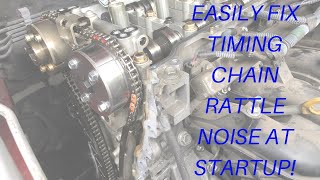
- Faulty Camshaft Phaser (VVT Actuator): → Shop Engine Camshaft The gear on the end of the camshaft itself can fail, getting stuck in the retarded position. A brief knocking or rattling noise on cold starts can be an early symptom of a failing VVT gear, as noted in TSB T-SB-0087-09 for the 2009 Corolla. 🎬 Watch: Step-by-step VVTI cam gear replacement This is less common than an OCV failure and much more expensive to fix, as it requires timing chain removal.
- Faulty ECM (Engine Control Module): It is extremely rare for the ECM to be the cause. TSB T-SB-0182-09 does call for an ECM reflash on some 2009 models to correct logic for carbon buildup issues that can trigger P0015, but outright ECM failure is unlikely. This should only be considered after all other possibilities, including wiring, have been exhaustively checked.
Diagnosis Steps
- Check Engine Oil: Verify the oil level is full and the oil is clean. If it's low, top it off. If it's old or dirty, perform an oil and filter change with 0W-20 synthetic oil. Clear the code and drive to see if it returns.
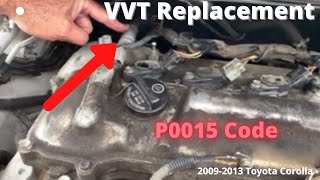
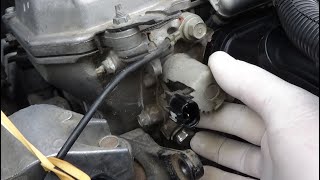
- Inspect and Test the Exhaust OCV: 🎬 Watch: How to replace the VVT solenoid Locate the exhaust VVT solenoid (OCV) on the cylinder head. Disconnect the electrical connector and check for damage or oil contamination. Remove the 10mm bolt and pull the solenoid out.
- Test the OCV: Check the solenoid's resistance with a multimeter (should be 6.9-7.9 ohms at 68°F/20°C). Apply 12V to the terminals to confirm it clicks. Inspect its filter screens for sludge. Clean with brake cleaner or replace as needed.
- Inspect the OCV Filter: If the OCV seems fine, the next step for this specific engine is to check the small mesh filter located under the camshaft bearing cap. This requires removing the valve cover for access. Clean or replace this filter if it's clogged.
- Check Live Data: Using an OBD-II scanner that can read live data, compare the desired vs. actual exhaust cam angle. If the actual angle doesn't change as you rev the engine, it confirms a mechanical or hydraulic issue.
- Check for TSBs: For 2009 models, check if TSB T-SB-0182-09 applies. This TSB addresses P0015 on cold starts due to carbon buildup and requires an ECM reflash.
- Advanced Mechanical Checks: If all the above steps fail to resolve the issue, the problem is likely more serious, such as a stretched timing chain or a faulty cam phaser (actuator). This level of diagnosis is best left to a professional.
Parts You'll Likely Need
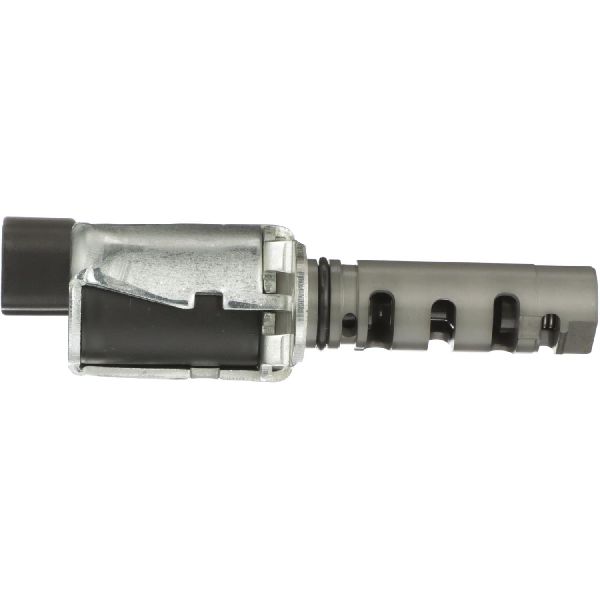
- Engine Variable Valve Timing (VVT) Solenoid / Oil Control Valve (Exhaust)
(OEM #15370-37010 (Superseded by 15370-0T010))— This is the most common component to fail or become clogged, directly causing the P0015 code. It is relatively inexpensive and easy to replace.
Trusted brands: Denso (OEM), Aisin, Dorman
OEM price range: $100-$180
Aftermarket price range: $40-$80 - Engine Oil and Filter — Low or dirty oil is the leading cause of all VVT-related trouble codes. Using the correct viscosity (0W-20) is critical.
Trusted brands: Mobil 1, Castrol, Valvoline
OEM price range: $50-$80
Aftermarket price range: $30-$60 - OCV Filter / Strainer
(OEM #15678-21010)— This small filter, specific to the 2ZR-FE and other Toyota engines, can become clogged with sludge and is a frequent cause of VVT codes. It's a cheap part to replace while the valve cover is off.
Trusted brands: Toyota (OEM)
OEM price range: $5-$15
Aftermarket price range: $3-$10
Related Codes That Often Appear With This One
- P0014 — 'B' Camshaft Position - Timing Over-Advanced. Seeing both P0014 and P0015 can indicate an erratic OCV or a more serious mechanical issue causing the cam timing to swing wildly.
- P0300-P0304 — Misfire codes. If the cam timing is sufficiently retarded, it can lead to incomplete combustion and trigger misfire codes for one or more cylinders. TSB T-SB-0182-09 specifically links P0015 with misfire codes on cold starts for some 2009 models.
Technical Service Bulletins (TSBs) & Recalls
- T-SB-0182-09: For some 2009 Corolla/Matrix models, this TSB addresses a no-start, extended crank, or MIL ON with P0015 and/or misfire codes after a cold soak. The fix involves an ECM recalibration and adding a fuel tank additive to address carbon buildup.
- T-SB-0087-09: Describes a brief knocking/rattling noise from the 2ZR engine on a cold start caused by a faulty camshaft timing gear assembly (VVT actuator). The fix is to replace the gear. While not directly for P0015, a failing gear can eventually cause this code.
Platform-Specific Known Issues
- A user on CarKiller.com with a 2010 Corolla at 70k miles reported P0015 accompanied by an abnormal engine noise from the passenger side, a rattle on startup, and noticeable vibration at idle. This points to a classic set of symptoms for this code on this platform.
Mechanic-Grade Diagnostic Values
- Exhaust VVT Solenoid (OCV) Resistance — expected: 6.9 to 7.9 Ω at 68°F (20°C). Failure: A reading outside this range, or OL (Open Loop), indicates a faulty solenoid coil.
- VVT Solenoid (OCV) Voltage — expected: One pin should have 12V (battery voltage) with the key in the ON position.. Failure: No voltage indicates a wiring issue, blown fuse, or problem with the ECM power supply.
Scan Tool Commands That Help
- Toyota Techstream / Professional Bidirectional Scanner: Active Test for VVT System / VVT Solenoid — After verifying oil level and solenoid resistance, this command can be used to manually activate the exhaust VVT solenoid at idle. A healthy system will cause the engine to stumble or stall when the solenoid is commanded ON, proving the solenoid is mechanically moving and that oil pressure is being delivered to the phaser. No change in idle suggests a stuck solenoid, a wiring issue, or a hydraulic blockage (like a clogged OCV filter).
Wiring & Ground Locations
- Engine Ground Strap — There is a primary engine-to-body ground strap typically located on the passenger side of the engine bay, connecting the engine block or mount to the chassis frame rail or inner fender well.. A poor or corroded ground connection can cause erratic behavior in engine sensors and actuators, including the VVT solenoids and the ECM itself. While not a direct cause, verifying this ground is clean and tight is a crucial step in diagnosing any electrical fault.
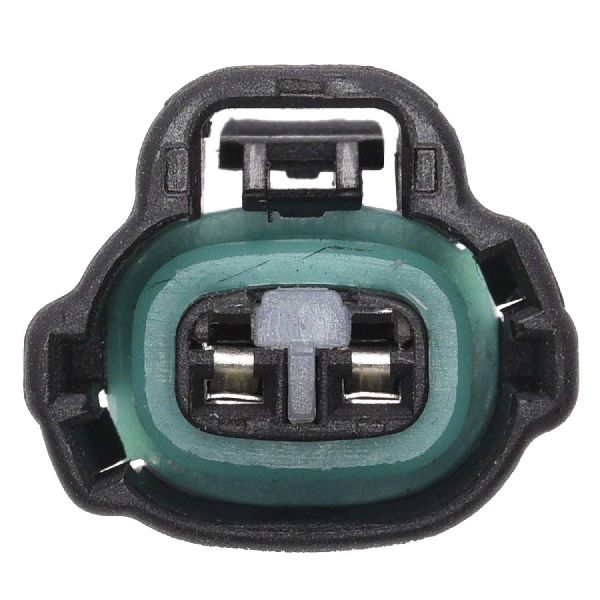
- VVT Solenoid Connector — The exhaust VVT solenoid is located on the top of the cylinder head, on the exhaust (rear) side of the engine. The connector is a two-wire plug that attaches directly to the top of the solenoid.. The connector and its wiring are exposed to significant heat and vibration. Wires can become brittle and break, or the connector itself can become contaminated with oil, leading to a poor connection and triggering a timing code. The connector harness is available as a separate repair part.
- ECM Ground Points (E1, E2, E4) — Wiring diagrams for the 2009 Corolla show multiple ground points for the engine control system. Key grounds are often designated as E1 (left kick panel), E2 (left side of dash), and E4 (right kick panel).. The ECM controls the VVT solenoid via a ground-side duty cycle. A faulty ground at the ECM's location can disrupt this signal and cause VVT system malfunctions.
Real Owner Repair Stories
- CarKiller.com user post (2010 Toyota Corolla, 70k miles) — Check Engine Light with P0015, abnormal engine noise from passenger side, rattle on startup, noticeable vibration at idle.
❌ Tried (didn't work) The post is a question asking for a diagnosis.
✅ What actually fixed it A responding administrator suggested the cause was likely a worn timing chain, a bad tensioner, or a failure in the variable valve timing system, and that a good mechanic could diagnose the specific cause.
OEM Part Supersession History
15370-37010→15370-0T010— Part numbers are often superseded due to manufacturing process improvements, material changes for durability, or consolidation of parts. The specific reason for this change is not publicly documented but is a standard practice by Toyota.
Heads up: The new part number (15370-0T010) is the correct and direct replacement for the original. There are no known incompatibility issues when replacing the old part with the new one.
Model Year Variations Within This Range
- 2009: Some 2009 models were subject to Technical Service Bulletin T-SB-0182-09. This addressed P0015, sometimes with misfire codes, occurring on a cold start. The issue was related to carbon buildup and required an ECM software update (recalibration) rather than a mechanical part replacement.
Diagnostic Flowchart
Other Known Issues on This Vehicle
Issues unrelated to this code that are worth knowing about as an owner of this generation:
- Excessive Engine Oil Consumption 🔴 High — Common in early 2ZR-FE engines (especially 2009-2011), often due to faulty piston ring design. Some owners report adding a quart of oil every 1,000-2,000 miles. (Ref: Warranty Enhancement Program ZE7 (primarily for the 2AZ-FE engine, but the issue is widely reported for the 2ZR-FE as well).)
- Water Pump Failure 🟠 Medium — Water pumps are known to fail prematurely, sometimes as early as 30,000-50,000 miles. Symptoms include a whining/buzzing noise, pink coolant residue near the passenger side of the engine, and overheating.
- Faulty VVT Camshaft Gear (Rattle on Startup) 🟠 Medium → Shop Engine Camshaft — A brief rattle or knock from the engine upon a cold start can indicate a failing camshaft timing gear assembly. (Ref: T-SB-0087-09)
- Sticky / Melting Dashboard 🟡 Low — While more famous on other Toyota models like the Camry and Avalon, some Corolla owners in hot, humid climates have reported dashboards becoming sticky or melting over time, causing a dangerous glare on the windshield. (Ref: Warranty Enhancement Program ZE6 (Did not officially include the Corolla, but the issue is similar to covered vehicles).)
- Sticking Accelerator Pedal 🔴 High — Part of a massive recall, the accelerator pedal mechanism could become sticky, preventing it from returning to idle smoothly. (Ref: Toyota Recall 09V388000, 10V017000)
Used vs. New Parts: Buying Guide for This Vehicle
When a used part is the smart pick: For this repair, a used VVT solenoid (Oil Control Valve) from a reputable auto recycler can be a cost-effective option, especially if it comes from a low-mileage donor vehicle. Given the ease of replacement (a single bolt), the labor risk is low if the used part doesn't work.
Donor-vehicle mileage cap: roughly under 80000 miles for the part to have meaningful remaining life.
What to inspect on the donor part:
- Ask for the mileage of the donor vehicle; lower is always better.
- Inspect the mesh screens on the solenoid. They should be clean, free of metallic debris, and not torn.
- Check the electrical connector for any signs of corrosion, cracking, or oil contamination.
- Avoid parts from engines that show visible signs of heavy oil sludge around the oil cap or valve cover area.
OEM-only on this vehicle (don't cheap out):
- OCV Filter / Strainer (The part is extremely cheap new, making a used one pointless).
- Timing Chain and related components (This is a high-labor job; using new, high-quality parts is critical to avoid premature failure).
Aftermarket brands forum-validated for this vehicle:
- Denso (OEM supplier for Toyota)
- Aisin (OEM supplier for Toyota)
Brands owners have reported issues with on this vehicle:
- No-name, unbranded solenoids from online marketplaces can be a gamble with high failure rates and incorrect resistance values. Stick to known brands for better reliability.
Real Owner Stories
Aggregated from forums and TSBs cited above. Mileages and costs reflect what owners reported in those sources.
2010 Toyota Corolla 1.8L — 70000 miles
Symptoms: Abnormal engine noise from the passenger side, a rattle on startup, and noticeable vibration at idle.
What fixed it: The suggested resolution involved addressing a VVT system issue or a worn timing chain/tensioner.
Source hint: CarKiller.com - 'Toyota corolla 2010 engine noise from passenger side with error code P0015'
2009 Toyota Corolla 1.8L
Symptoms: Oil consumption problems and MIL ON with P0015.
What fixed it: A dealer reflashed the ECU per a TSB to address oil consumption by altering valve timing.
Source hint: BobIsTheOilGuy.com - '2009 Toyota Corolla Oil consumption problem'
Related OBD-II Codes
Frequently Asked Questions
My 2009 Corolla has a P0015 code and won't start after a cold night. Is there a specific fix for this?
I hear a brief rattle when I start my 2010 Corolla. Could this be related to the P0015 code?
Can using the wrong oil weight cause P0015 on my 1.8L Corolla?
Is there a hidden filter I should check for the VVT system on the 2ZR-FE engine?
What are the specific electrical specs I should look for when testing my exhaust VVT solenoid?
Does the 2ZR-FE engine have a known issue with oil loss that might cause this code?
Helpful Videos

We Have This Part in Stock


The information in this article is provided for general reference and educational purposes only. Vehicle specifications, procedures, and part compatibility can vary by production date, trim level, and region. Always consult your vehicle's factory service manual and verify part numbers before purchasing or performing repairs. Safety-critical components such as airbags, seat belts, and braking systems should be installed by a qualified professional.
- Toyota Corolla:
- 🧭 Diagnostic Flowchart
- 🎬 Helpful Videos
- 🛍️ Shop This Part
- What's Unique About the 2009-2013 Toyota Corolla
- Symptoms You May Notice
- Most Likely Causes
- Rare But Worth Checking
- Diagnosis Steps
- Parts You'll Likely Need
- Related Codes That Often Appear With This One
- Technical Service Bulletins (TSBs) & Recalls
- Platform-Specific Known Issues
- Mechanic-Grade Diagnostic Values
- Scan Tool Commands That Help
- Wiring & Ground Locations
- Real Owner Repair Stories
- OEM Part Supersession History
- Model Year Variations Within This Range
- Other Known Issues on This Vehicle
- Used vs. New Parts: Buying Guide for This Vehicle
- Real Owner Stories
- 2010 Toyota Corolla 1.8L — 70000 miles
- 2009 Toyota Corolla 1.8L
- Related OBD-II Codes
- Frequently Asked Questions
- 🎟️ Get 5% Off