

P0016 on 2013-2017 Audi Q5 3.0L TFSI: Crank/Cam Correlation, Causes, and Fixes
On the Audi Q5 3.0T, code P0016 almost always indicates a stretched timing chain or failed timing chain tensioners. This is a major, engine-out repair costing several thousand dollars. A rattling noise on cold starts is the key symptom, and the issue is so common that Audi issued a TSB and faced a class-action lawsuit.
- Do not ignore a rattling noise on cold starts. It is the primary warning sign of failing timing chain tensioners.
- P0016 on this engine is a serious code that points to a mechanical timing problem, not a simple sensor failure.
- Always check engine oil level and condition first, as low or dirty oil can cause this issue.
- The repair is expensive and complex due to the engine's design. Get a quote from a trusted independent specialist familiar with German vehicles.
- Do not waste money replacing camshaft or crankshaft sensors unless they have been definitively tested and proven faulty.
What's Unique About the 2013-2017 Audi Q5
The 3.0L TFSI V6 is an interference engine with its timing chains located at the rear, against the firewall. This design makes timing service extremely labor-intensive, typically requiring engine removal for a complete job. This engine platform is also known for premature timing chain tensioner wear, which is the most common cause of P0016. Audi has issued a Technical Service Bulletin (TSB 2039995/1) for failing upper tensioners that cause a distinct rattle on cold starts. The issue was widespread enough to prompt a class-action investigation.
Symptoms You May Notice
- Check Engine Light is on
- Engine rattling noise for 1-3 seconds on cold startup
- Rough or unstable idle
- Noticeable loss of engine power, especially at low RPM
- Difficulty starting the engine, or requiring a long crank
- Reduced fuel economy
- EPC light may flash intermittently
- Replacing the camshaft and crankshaft position sensors without diagnosing the root mechanical timing issue. The sensors are often just reporting the problem, they are not the cause.
- Performing an oil change and assuming it will fix a mechanically stretched chain or failed tensioner. While important, it's not a cure for mechanical wear.
Most Likely Causes
- Worn Timing Chain Tensioners / Stretched Timing Chain 🔴 High Probability → Shop Engine Timing Chain The original upper timing chain tensioners are a known weak point on this engine, prone to losing hydraulic pressure and allowing chain slack. Audi released updated parts to address this, as detailed in TSB 2039995/1.
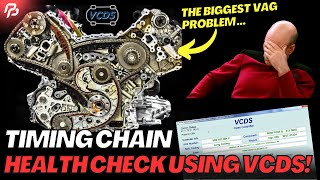
How to confirm: Listen for a 1-3 second rattle from the back of the engine on a cold start. A mechanic can use a scan tool like VCDS to check cam phase deviation in Advanced Measuring Values. 🎬 Watch: How to check timing chain stretch using VCDS Values approaching or exceeding 8-11 degrees indicate significant stretch. A visual inspection of the tensioner extension through a small inspection port is also a definitive check; more than six notches showing indicates a replacement is needed.
Typical fix: Replace all timing chains, guides, and tensioners. This is typically an engine-out service. Some specialists have documented replacing only the upper tensioners with the engine in the car, but this is very difficult and may not be possible on a stock vehicle. 🎬 Watch: Replacing upper tensioners with the engine in the car
Est. part cost: $800-$1500 for a complete OEM-quality kit. - Low or Dirty Engine Oil 🟡 Medium Probability The hydraulic timing chain tensioners rely on clean oil at the correct pressure to function. Neglected oil changes or using the wrong specification oil can lead to sludge and oil pressure issues, preventing the tensioners from properly tensioning the chain.
How to confirm: Check the engine oil level and service history. If the oil is very low, black, or sludgy, or if extended oil change intervals were followed, this could be a major contributing factor.
Typical fix: Perform an engine oil and filter change with the correct OEM-spec synthetic oil (VW 502 00). If the code returns, the issue is almost certainly mechanical wear in the timing system.
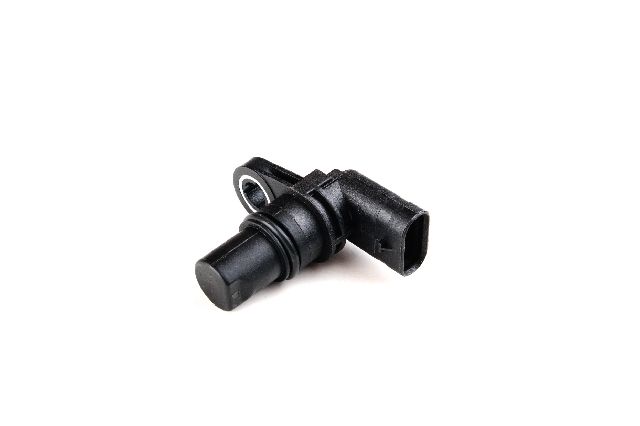
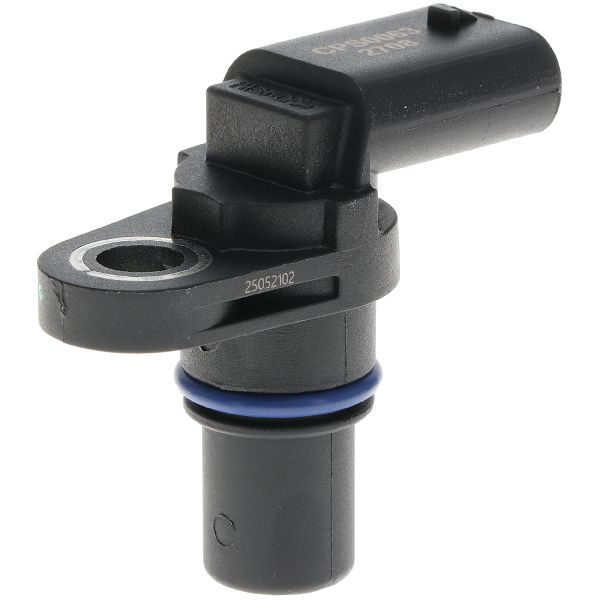
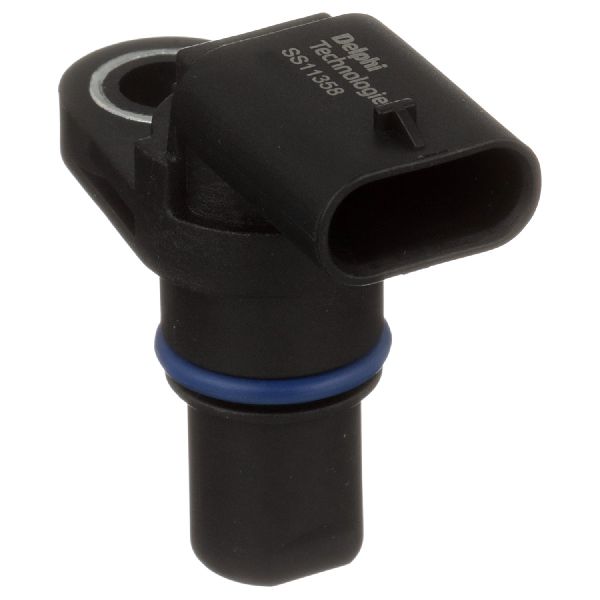
Est. part cost: $100-$150 - Failed Camshaft Position Sensor (Bank 1 Intake) ⚪ Low Probability → Shop Engine Camshaft Position Sensor
How to confirm: Swap the Bank 1 intake camshaft sensor with the Bank 1 exhaust sensor. Clear the codes and drive the vehicle. If the code changes to P0017 (Camshaft Position Correlation Bank 1 Sensor B), the sensor is faulty. This is a common misdiagnosis; the sensor is usually just accurately reporting the mechanical fault.
Typical fix: Replace the faulty camshaft position sensor. Use a quality OEM brand like Bosch.
Est. part cost: $50-$150
Rare But Worth Checking
- Failed Camshaft Adjuster (Phaser) or Adjuster Magnet: → Shop Engine Camshaft The VVT adjuster on the camshaft can get stuck due to oil sludge or internal failure, causing a timing correlation fault. The N205 solenoid (adjuster magnet) that controls it can also fail. This is less common than chain/tensioner issues but is still possible.
- Sheared Crankshaft Tone Ring / Damaged Reluctor Wheel: → Shop Engine Crankshaft Physical damage or movement of the tone ring that the crankshaft position sensor reads can cause incorrect signals, leading to a P0016 code. This is rare and usually follows a major engine event or improper service, such as installing the crank gear incorrectly during a timing job.
- Clogged Oil Passages / Failing Oil Control Valve (Solenoid): → Shop Engine Variable Valve Timing (VVT) Solenoid Sludge or debris can block the small oil passages leading to the camshaft phasers or the oil control valve itself, preventing proper VVT operation and triggering a correlation code.
Diagnosis Steps
- Verify engine oil level and condition. Ensure the correct VW 502 00 spec oil is being used. Top up or change if necessary.
- Use a high-quality OBD-II scanner (like VCDS for VW/Audi) to read all fault codes and view live data for camshaft phase adaptation in Advanced Measuring Values. A healthy, warm engine at idle should show values under 4 degrees; values approaching or exceeding 8-11 degrees strongly indicate a stretched chain.
- Listen carefully for a rattling noise from the rear of the engine during a cold start. This is the classic symptom of failing tensioners.
- As a test, swap the Bank 1 intake camshaft sensor with the Bank 2 intake sensor (or exhaust sensor). If the code follows the sensor (e.g., changes to P0018), the sensor is faulty. This is unlikely to be the root cause.
- Have a qualified mechanic perform a visual inspection of the timing chain tensioner extension through the inspection port. This is a definitive check for chain stretch.
- If the above steps point to a timing issue, prepare for a mechanical inspection of the timing chains, guides, and tensioners, which requires significant engine disassembly 🎬 See a full 3.0T timing chain replacement walkthrough and likely engine removal.
Parts You'll Likely Need
- Timing Chain Kit (Chains, Tensioners, Guides)
(OEM #06E109218AKKT (FCP Euro Kit Example))— This is the most common cause of P0016 on the 3.0T engine due to known issues with tensioner wear and subsequent chain stretch. A complete kit is required for the repair. Updated tensioner part numbers include 06E109217AM (Left) and 06E109218AP (Right).
Trusted brands: Iwis (OEM supplier), FCP Euro, INA, Febi Bilstein
OEM price range: $1000-$1500
Aftermarket price range: $700-$1100 - Camshaft Position Sensor
(OEM #06E905163)— While not the most common cause, a faulty sensor can trigger this code and is a common misdiagnosis. It should be properly tested before replacement.
Trusted brands: Bosch (OEM), NTK, VEMO
OEM price range: $100-$150
Aftermarket price range: $40-$80 - Associated Gaskets and Seals — An engine-out timing job requires replacing numerous single-use gaskets, seals, and stretch bolts, including valve cover gaskets, rear main seal, timing cover seals, and coolant pipe seals.
Trusted brands: Victor Reinz, Elring
OEM price range: $300-$500
Aftermarket price range: $200-$350
Related Codes That Often Appear With This One
- P0018 — This is the same correlation fault but for Bank 2 (driver's side). It's common to see faults on both banks (P0016 & P0018) if the main timing chain is stretched, as this affects the timing of both cylinder heads.
- P0300, P0301-P0306 — These are random and specific cylinder misfires. Incorrect camshaft timing directly affects valve operation and combustion, leading to misfires, especially at idle.
- P0088 — Fuel Rail/System Pressure Too High. On the 3.0T TFSI engine, the high-pressure fuel pump (HPFP) is driven by a camshaft lobe. If the cam timing is off, it can affect HPFP operation and trigger fuel pressure codes. A P0016 can sometimes be accompanied by a P0088.
Technical Service Bulletins (TSBs) & Recalls
- TSB #2039995/1 (also listed as 15-15-26): Addresses rattling noises from the timing chain drive for 1-3 seconds after a cold start.
Platform-Specific Known Issues
- A known issue with upper timing chain tensioners causes a 1-3 second rattle on cold starts. Audi TSB #2039995 / 15-15-26 addresses this by recommending replacement with updated tensioners.
- A class-action lawsuit was filed against Audi concerning premature timing chain tensioner failure on 3.0L TFSI engines from these model years. The lawsuit alleged the defect could cause metal flakes to circulate in the engine oil.
- Owner experience from Audizine forum member 'Naptown' details a successful DIY timing chain job on a 2014 Q5 3.0T, confirming the high labor but ultimate resolution of the P0016 code. He emphasizes the need for special locking tools and patience.
- A YouTube video from 'Nuts & Bolts with Tone' provides a detailed walkthrough of the timing chain replacement on a 3.0T, highlighting the complexity and confirming the necessity of engine removal for a proper job.
Mechanic-Grade Diagnostic Values
- Camshaft Phase Position (Timing Chain Stretch) — expected: Using VCDS Advanced Measuring Values, a healthy warm engine at idle should show values between 0 and -4 degrees for 'Camshaft adjustment: inlet phase: bank 1' (ENG103031) and 'bank 2' (ENG99898).. Failure: Values approaching or exceeding -8 degrees indicate significant chain stretch. A fault code for correlation is typically set around -11 degrees.
- Camshaft Adjuster Solenoid (N205) Resistance — expected: Between 10-18 Ohms. Some sources cite a wider range of 6.9-7.9 Ohms, but note that a solenoid can test good for resistance and still be mechanically stuck.. Failure: A reading of open circuit (infinite resistance) or a dead short (near zero resistance) indicates a failed solenoid coil.
- Camshaft Position Sensor (G40) Voltage Supply — expected: With the ignition on (engine off), there should be a 5-volt reference signal at the sensor's electrical connector.. Failure: No voltage at the connector points to a wiring issue, a bad fuse, or a problem with the Engine Control Module (ECM), not the sensor itself.
Scan Tool Commands That Help
- VCDS (VAG-COM): Advanced Measuring Values for Camshaft Adjustment — This is the primary diagnostic step to quantify timing chain stretch without disassembly. By searching for 'Camshaft adjustment' or specific ENG-codes (e.g., ENG103031), you can see the phase deviation in degrees.
- VCDS (VAG-COM): Basic Settings - Test of Camshaft Adjustment Intake — This function actively commands the camshaft adjusters to move, allowing a technician to observe if the system responds. It can help differentiate between a failed solenoid, a stuck mechanical phaser, or an oil pressure issue.
Wiring & Ground Locations
- Bank 1 Camshaft Position Sensor (G40) — Located on the passenger side (Bank 1) of the engine, on the upper timing chain cover at the rear of the cylinder head.. This is the primary sensor ('Sensor A') that reports the timing data for the P0016 code. Its wiring and connection integrity are critical.
- Bank 2 Camshaft Position Sensor (G163) — Located on the driver's side (Bank 2) of the engine, on the upper timing chain cover at the rear of the cylinder head.. While not directly for P0016, its location is important for sensor swap tests and for diagnosing the companion P0018 code.
- Engine Ground Connection — There is a key ground wire connection on the valve cover for each bank that grounds the ignition coils and other sensors.. A loose or corroded ground can cause erratic sensor readings, potentially leading to false correlation codes. Ensure these are clean and tight during any service.
Real Owner Repair Stories
- AudiWorld Forums User (2011 Audi 3.0T) — P0016 and P0018 codes present, but the car runs fine with no noticeable issues.
❌ Tried (didn't work) The owner was quoted for a full timing chain and guide replacement by the dealer.
✅ What actually fixed it The user is advised by other forum members that this is the classic sign of stretched timing chains and that the dealer's recommendation to replace the chains, tensioners, and guides is the correct, albeit expensive, solution. - YouTube video by 'Motorvate's Garage' (2013 Audi Q5 3.0T) — Intermittent P0016 and P0088 (High Fuel Pressure) codes.
❌ Tried (didn't work) Initial scan tool data for cam phase did not show a fault, which could be misleading.
✅ What actually fixed it The mechanic performed a visual inspection of the timing chain tensioner through the inspection port and counted 'like nine notches' exposed, far exceeding the limit of six. This confirmed a stretched chain. The final fix was a complete timing chain and tensioner replacement, which resolved the codes. The video shows the new tensioner with very few threads exposed, confirming the stretch of the old parts.
OEM Part Supersession History
Unknown early versions→06E109218AP (Right/Passenger Side), 06E109217AM (Left/Driver Side)— The original upper timing chain tensioners were prone to losing hydraulic pressure, causing chain slack on startup. The updated parts have an improved design to mitigate this issue.
Model Year Variations Within This Range
- 2015-2017: Around 2015/2016, some 3.0T engines were updated to the 'CREC' engine code from the earlier 'CTUB'. While mechanically very similar, there can be differences in software and some ancillary components. For example, certain performance tunes are specific to the CREC engine and will not work on earlier models. It's crucial to verify the engine code when ordering parts or software.
- 2013-2014: Earlier models in this range are more likely to have the original, failure-prone upper timing chain tensioners from the factory. Audi began phasing in improved tensioners around late 2013.
Diagnostic Flowchart
Other Known Issues on This Vehicle
Issues unrelated to this code that are worth knowing about as an owner of this generation:
- PCV Valve Failure 🟠 Medium — Common after 60,000-80,000 miles. Can cause a high-pitched whistle, oil consumption, and oil/coolant mixing. (Ref: An extended warranty (AWA-19-03) was issued for some models, but Q5 owners report difficulty getting coverage.)
- Water Pump & Thermostat Failure 🟠 Medium → Shop Engine Water Pump — Plastic components are prone to cracking and leaking, often occurring between 50,000 and 100,000 miles. Often replaced preventatively during other major services like a PCV or timing job.
- Carbon Buildup on Intake Valves 🟠 Medium — As a direct-injection engine, this is an inevitable maintenance item. Typically requires cleaning (walnut blasting) every 40,000-60,000 miles to prevent misfires and power loss.
- Supercharger Intercooler Leaks 🟡 Low — The intercooler cores located under the supercharger can develop leaks, leading to coolant loss and potentially higher intake air temperatures.
- Secondary Air Injection Port Clogging 🟡 Low — Carbon can clog the secondary air ports in the cylinder heads, leading to 'insufficient flow' faults. Some models had a warranty extension for cleaning. (Ref: Warranty extension for some models.)
Used vs. New Parts: Buying Guide for This Vehicle
When a used part is the smart pick: For this specific P0016 repair, using used parts for the core timing components (chains, tensioners, guides, phasers) is strongly discouraged. The failure is due to wear and design flaws, so a used part carries the same risk. Used parts are only viable for external components that might be removed during the repair, such as sensors, engine covers, or brackets, if they are damaged.
Donor-vehicle mileage cap: roughly under 50000 miles for the part to have meaningful remaining life.
What to inspect on the donor part:
- For external sensors or modules, verify the part number exactly matches the original.
- Look for a donor vehicle with documented low mileage and no signs of front-end collision or fire.
- Avoid any parts with visible corrosion, cracked plastic, or damaged wiring connectors.
OEM-only on this vehicle (don't cheap out):
- Timing Chain Kit (Chains, Tensioners, Guides)
- Camshaft Adjusters (Phasers)
- Single-use stretch bolts and critical gaskets (rear main seal, timing covers)
Aftermarket brands forum-validated for this vehicle:
- Iwis (often the OEM supplier for chains)
- INA (often the OEM supplier for tensioners and bearings)
- Victor Reinz / Elring (for gaskets and seals)
Brands owners have reported issues with on this vehicle:
- Unbranded, no-name timing kits from online marketplaces. The risk of premature failure and catastrophic engine damage is too high to justify the cost savings.
Real Owner Stories
Aggregated from forums and TSBs cited above. Mileages and costs reflect what owners reported in those sources.
2014 Audi Q5 3.0T
Symptoms: Successful DIY timing chain job performed to resolve P0016 code; emphasized the complexity of the task.
What fixed it: Full timing chain replacement using special locking tools.
Source hint: Audizine forum member 'Naptown'
2014 Audi Q5 3.0T — 115000 miles
Symptoms: Startup noise from cam adjusters beginning, though no codes had been thrown yet.
What fixed it: Identified as the progression of failing tensioners common to the 3.0T engine.
Source hint: Reddit (r/Audi) user discussion
2013-2017 Audi Q5 3.0L TFSI
Symptoms: Rattling noises from the timing chain drive for 1-3 seconds after a cold start.
What fixed it: Replacement of timing chain tensioners with updated parts as per manufacturer recommendations.
Source hint: TSB #2039995/1 (15-15-26)
2013-2017 Audi Q5 3.0L TFSI
Symptoms: P0016 code present; owner noted that even with a history of dealer tensioner replacement, the code persisted.
What fixed it: Mechanical repair of the timing chain system, as the chain had already stretched despite previous tensioner work.
Source hint: AudiWorld Forums user 'jlbell'
Related OBD-II Codes
Frequently Asked Questions
My 2014 Q5 3.0T makes a rattling noise for about two seconds when I first start it in the morning. Is there an official Audi fix for this?
I have a P0016 code on my Q5; can I just swap the sensors to see if one is bad?
What VCDS values should I look for to see if my timing chain is stretched?
Is there a way to physically check the tensioner without removing the engine?
Is the P0016 issue on the 3.0L engine part of a legal dispute?
Can I fix the P0016 code by just changing my oil?
Helpful Videos
Used OEM Parts in Stock
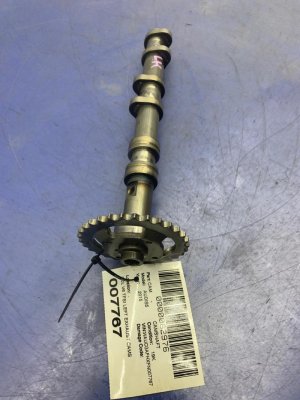
New Aftermarket Parts Available

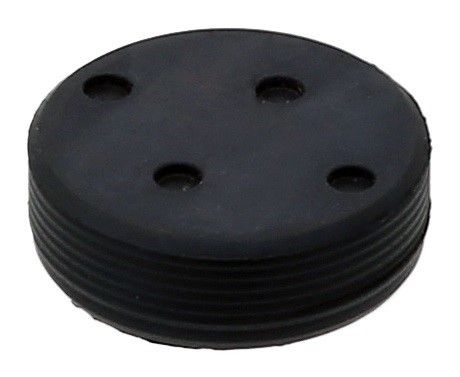
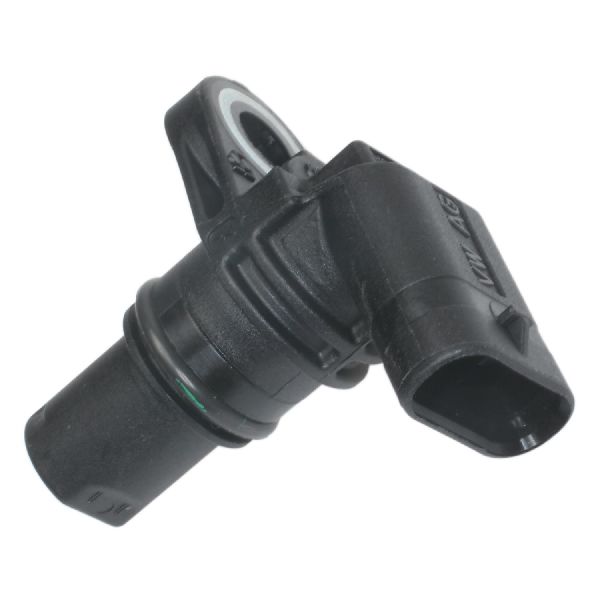

The information in this article is provided for general reference and educational purposes only. Vehicle specifications, procedures, and part compatibility can vary by production date, trim level, and region. Always consult your vehicle's factory service manual and verify part numbers before purchasing or performing repairs. Safety-critical components such as airbags, seat belts, and braking systems should be installed by a qualified professional.
- Audi Q5:
- 🧭 Diagnostic Flowchart
- 🎬 Helpful Videos
- 🛍️ Shop This Part
- What's Unique About the 2013-2017 Audi Q5
- Symptoms You May Notice
- Most Likely Causes
- Rare But Worth Checking
- Diagnosis Steps
- Parts You'll Likely Need
- Related Codes That Often Appear With This One
- Technical Service Bulletins (TSBs) & Recalls
- Platform-Specific Known Issues
- Mechanic-Grade Diagnostic Values
- Scan Tool Commands That Help
- Wiring & Ground Locations
- Real Owner Repair Stories
- OEM Part Supersession History
- Model Year Variations Within This Range
- Other Known Issues on This Vehicle
- Used vs. New Parts: Buying Guide for This Vehicle
- Real Owner Stories
- 2014 Audi Q5 3.0T
- 2014 Audi Q5 3.0T — 115000 miles
- 2013-2017 Audi Q5 3.0L TFSI
- 2013-2017 Audi Q5 3.0L TFSI
- Related OBD-II Codes
- Frequently Asked Questions
- 🎟️ Get 5% Off