

P0016 on 2004-2007 Buick Rainier: Crank/Cam Correlation Causes and Fixes
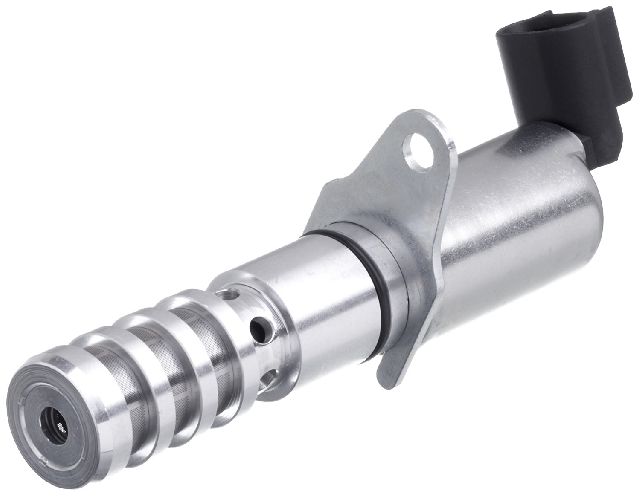
On the 2004-2007 Buick Rainier with the 4.2L I6 engine, code P0016 is most often caused by a faulty Camshaft Position Actuator Solenoid (VVT Solenoid) or dirty/low engine oil. The solenoid's screens get clogged with sludge, disrupting the hydraulic pressure needed for variable valve timing. Replacing the solenoid is a common, relatively inexpensive DIY fix that costs between $25 and $60 for a quality aftermarket part.
- For the 4.2L I6 engine, always check the oil level and condition first.
- The Camshaft Position Actuator Solenoid (VVT Solenoid) is the most common and easiest part to replace for a P0016 code.
- Swapping the intake and exhaust VVT solenoids is a definitive, no-cost diagnostic test.
- Do not replace the cam or crank sensors unless all mechanical and VVT system issues have been ruled out.
- A rattling noise combined with P0016 should lead to an inspection of the crankshaft balancer bolt torque, per TSB PIP4581B.
What's Unique About the 2004-2007 Buick RAINIER
The Buick Rainier from this era, particularly models with the 4.2L I6 (LL8) engine, has specific known weaknesses that trigger P0016. The most common culprit is a failing Camshaft Position Actuator Solenoid (also called CPAS), which gets clogged by oil sludge or fails electrically. Oil getting into the solenoid's electrical connector is a tell-tale sign of failure. Additionally, GM issued a Technical Service Bulletin (TSB PIP4581B) for these vehicles pointing to a loose crankshaft balancer bolt as a cause, often accompanied by a rattling noise, especially after recent engine repairs. On higher mileage engines, stretched timing chains are also a well-documented cause.
Diagnostic Flowchart
Tap your situation to follow the diagnostic path that matches what you're seeing on this vehicle.
Symptoms You May Notice
- Check Engine Light is on
- Rough idle or engine misfires, sometimes only when coming to a stop.
- Engine cranks but does not start, or has a long crank time.
- Reduced engine power and sluggish acceleration.
- Rattling or knocking noises from the front of the engine, especially on a cold start.
- Noticeably worse fuel economy.
- Engine stalls when braking or at idle.
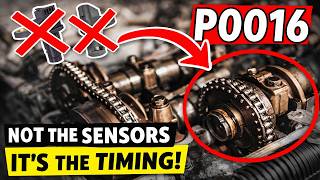
- Replacing the camshaft position sensor or crankshaft position sensor without first checking the oil, VVT solenoid, and mechanical timing. The sensors are often just the messengers reporting the problem. 🎬 See why P0016 usually isn't caused by a bad sensor.
- Replacing the timing chain when the actual problem was a much cheaper and easier to fix VVT solenoid or a loose crankshaft bolt.
Most Likely Causes
- Faulty Camshaft Position Actuator Solenoid (VVT Solenoid/CPAS) 🔴 High Probability → Shop Engine Camshaft This is a very common failure point on the 4.2L LL8 engine. The solenoid's small oil passages and mesh screens can become clogged with sludge from infrequent oil changes, or the solenoid can fail electrically, sometimes leaking oil into its own connector.
How to confirm: Scan for related codes like P0013, P0014, or P0017. Remove the solenoid (one 10mm bolt, located on the driver's side of the cylinder head near the power steering pump) and inspect the screens for debris or tears. A popular diagnostic step is to swap the intake and exhaust solenoids (they are identical) and see if the code changes to P0017. If it does, the solenoid is confirmed bad.
Typical fix: Replace the Camshaft Position Actuator Solenoid. Cleaning is a temporary fix at best; replacement with a quality ACDelco or Delphi part is recommended.
Est. part cost: $25-$60 - Low, Dirty, or Incorrect Viscosity Engine Oil 🟡 Medium Probability The VVT system is entirely dependent on clean oil at the correct pressure to function. The LL8 engine is known to develop sludge if oil changes are neglected, which directly clogs the VVT solenoid and phaser passages.
How to confirm: Check the oil level and condition on the dipstick. If the oil is dark, gritty, or below the 'add' line, this is a likely contributor. In some cases, owners find thick sludge when removing the oil cap or VVT solenoid.
Typical fix: Perform an oil and filter change using the manufacturer-specified oil weight (SAE 5W-30). Some owners recommend a mild engine flush or a short oil change interval to clean out sludge.
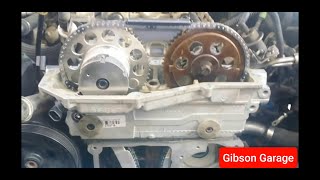
Est. part cost: $30-$70 - Stretched Timing Chain or Worn Timing Components 🟡 Medium Probability → Shop Engine Timing Chain Over many miles (typically 100k+), the timing chain on the LL8 engine can stretch. This introduces slack that the hydraulic tensioner cannot compensate for, altering the cam-to-crank relationship and setting the code.
How to confirm: This is a complex diagnosis. A persistent rattling noise on startup is a strong indicator. The definitive method is using an oscilloscope to compare cam and crank sensor waveforms against a known-good pattern to see the timing deviation. Physical inspection requires significant engine disassembly to check the tensioner extension and chain slack.
Typical fix: Replace the timing chain, tensioner, and guides. This is a labor-intensive job often costing over $1000 at a shop.
Est. part cost: $200-$500 - Loose Crankshaft Balancer Bolt ⚪ Low Probability → Shop Engine Crankshaft A specific GM TSB (PIP4581B) identifies this as a potential cause, especially after any repair requiring the balancer's removal. If the bolt is not torqued correctly (110 ft-lbs plus 180 degrees), the harmonic balancer, which holds the crankshaft sensor's reluctor ring, can wobble or shift, causing an erratic signal and a P0016 code.
How to confirm: Listen for a distinct rattle from the front of the engine. Visually inspect the crankshaft pulley/balancer for wobble while the engine is running (use extreme caution). The ultimate confirmation is to check the torque on the crankshaft balancer bolt, which requires locking the flywheel to prevent engine rotation.
Typical fix: Re-torque the crankshaft balancer bolt to the manufacturer's specification using a new bolt, as outlined in TSB PIP4581B and other service information.
Est. part cost: $10-$20 (for a new torque-to-yield bolt, which is required).
Rare But Worth Checking
- Failed Camshaft Phaser (Actuator Sprocket): → Shop Engine Camshaft The mechanical gear (phaser) that the solenoid controls can fail internally, getting stuck, or its locking pin can break. This is less common than a solenoid failure and is a much more involved and expensive repair, often done along with a timing chain replacement.
- Faulty Crankshaft or Camshaft Position Sensor: → Shop Engine Camshaft Position Sensor While possible, these sensors are often replaced unnecessarily. They are usually accurately reporting a real mechanical timing issue. Consider this only after ruling out all other causes. If the crankshaft sensor is replaced, a CASE (Crankshaft Angle Sensor Error) relearn procedure must be performed with a capable scan tool like a Tech 2 for the engine to run correctly.
Diagnosis Steps
- Check the engine oil level and condition. If it's low or dirty, perform an oil and filter change, clear the code, and re-test.
- Scan for any other trouble codes. Codes like P0014 or P0017 are strong clues pointing to the VVT system.
- For the 4.2L engine, locate the Camshaft Position Actuator Solenoid on the driver's side of the engine. Unplug it and check the connector for oil contamination, a sign of a bad seal.
- Remove the solenoid (one 10mm bolt). Inspect its mesh screens for sludge or tears. Clean with contact cleaner or brake cleaner and test its operation with a 12V source. If it's sluggish, clogged, or doesn't work, replace it.
- A highly recommended diagnostic step is to swap the intake solenoid with the identical exhaust solenoid. Clear the codes and run the engine. If the code changes to P0017 (Exhaust Cam Correlation), you have definitively proven the solenoid is faulty.
- Listen for engine rattles. If a rattle is present, especially after a recent repair, suspect a loose crankshaft balancer bolt per TSB PIP4581B and verify its torque.
- If the problem persists, advanced diagnostics are needed. Use an oscilloscope to compare the live waveforms of the cam and crank sensors to a known-good pattern to verify the actual engine timing. A deviation confirms a mechanical issue like a stretched chain.
- If waveforms confirm a timing discrepancy, perform a physical inspection of the timing chain, guides, and tensioner for wear or damage. This is a labor-intensive step.
Parts You'll Likely Need
- Camshaft Position Actuator Solenoid (VVT Solenoid)
(OEM #12615873 (supersedes 12602516, 12576768))— This is the most frequent cause of P0016 on the 4.2L LL8 engine due to clogging or electrical failure.
Trusted brands: ACDelco (OEM), Standard Motor Products (SMP), Dorman, Delphi
Related Codes That Often Appear With This One
- P0017 — This code indicates the same correlation error but for the exhaust camshaft. Seeing both P0016 and P0017 strongly points to a base timing issue like a stretched chain or a problem with the crankshaft reluctor ring/sensor.
- P0014 — This code indicates 'Camshaft Position B - Timing Over-Advanced'. It often appears with P0016 and points directly to a problem with the VVT solenoid or phaser, often due to sludge or electrical failure.
- P1345 — This is an older GM-specific code for Crankshaft/Camshaft correlation that was used on earlier models of this engine platform (pre-2004). It is functionally the same as P0016 and is mentioned in related TSBs.
- P0335 — This code indicates a fault in the crankshaft position sensor circuit itself. If you see this with P0016, it could point to a wiring issue, a damaged reluctor wheel on the harmonic balancer, or a truly faulty crank sensor.
Technical Service Bulletins (TSBs) & Recalls
- PIP4581B: Engine Rattle Noise After R And R Of The Crankshaft Balancer - Inspect Bolt Torque. This TSB is critical as it directly links P0016/P0017 to an improperly torqued crankshaft balancer bolt, a non-obvious cause that can be misdiagnosed as a major timing job.
- PI00156C: SES Light with a P1345 or P0016 and a Possible Rough Idle. This document discusses mistimed engines or damaged exhaust camshaft actuators after internal engine repairs.
Platform-Specific Known Issues
- Owner Experience: Solenoid Fixed P0016 and Low Oil Pressure Warning: On GMTNation, a user with an '04 Envoy XUV with over 200k miles reported P0014 and P0016 codes along with a 'low oil pressure' warning at idle. Another member advised that the codes were likely due to a clogged Camshaft Position Actuator Solenoid (CPAS) and that the low pressure warning was likely a separate, but common, oil pressure switch failure. The advice was to replace the CPAS (ACDelco Part # 12615873) first, as it's the most common cause for the timing codes.
- Owner Experience: P0016 After Replacing Many Parts: A user on GMTNation was chasing a persistent P0016 code that would only appear when the engine was warm and coming to a stop. They had already replaced the timing chain, phaser, VVT solenoid, both cam and crank sensors, and even the PCM. The first suggestion from other members was to ensure a 'CASE relearn' was performed, as it is mandatory after replacing the crank sensor or doing major timing work.
- Owner Experience: Sludge as the Root Cause: A Trailblazer owner on GMTNation chased a P0016 code by replacing sensors and cleaning the solenoid. The code kept returning. Upon further inspection, they discovered 'very thick hard sludge' in the engine. A moderator warned that an engine flush could be risky, as it might dislodge sludge and block critical oil passages. The recommended path was a series of short-interval oil changes and a definite replacement of the Camshaft Position Actuator Solenoid (CPAS), as it would likely be full of sludge.
Mechanic-Grade Diagnostic Values
- Camshaft Position Actuator Solenoid (VVT Solenoid) Resistance — expected: 6 to 12 Ohms. Failure: A reading of 0 Ohms (short circuit) or infinite/OL (open circuit) indicates a failed solenoid.
- Crankshaft Position Sensor (CKP) Resistance — expected: 500 to 900 Ohms. Failure: A reading outside this range confirms the sensor is bad and needs replacement.
- Camshaft Position Sensor (CMP) Voltage — expected: With key on, engine off, the reference wire should have 5V and the signal wire should have 5V.. Failure: When a metal object is passed over the sensor tip, the signal voltage should drop to 0V. If it doesn't, the sensor is likely faulty.
- Scan Tool Live Data: Camshaft Position Variance — expected: At idle, the desired and actual camshaft position should both read 0 degrees.. Failure: If the 'actual' value climbs (e.g., to 15 degrees) while the 'desired' value remains at 0, it indicates the phaser is moving without being commanded, suggesting an internal phaser or oil pressure issue.
Scan Tool Commands That Help
- GM Tech 2 / GDS2: Crankshaft Position Variation Learn — This procedure is mandatory after replacing the crankshaft position sensor, replacing the ECM, or performing major engine work. Failure to perform the 'relearn' can cause the ECM to retain incorrect timing data, potentially leading to a false P0016 code or other performance issues.
- GM Tech 2 / GDS2 or capable bidirectional scanner: Camshaft Position Actuator Control — This allows a technician to command the VVT solenoid on and off while the engine is running. If the engine hesitates or stalls when the solenoid is activated, it confirms the solenoid and phaser are mechanically responding to commands. If there is no change in engine operation, it points to a faulty solenoid, clogged oil passages, or a stuck phaser.
Wiring & Ground Locations
- G103 / G104 — On the driver's side of the engine block, forward of the starter motor. G103 is also cited as being on the radiator support.. These are primary engine-to-chassis grounds. A loose or corroded connection here can cause erratic signals from the crankshaft and camshaft sensors, which rely on a stable ground reference. This can lead to false correlation codes like P0016.
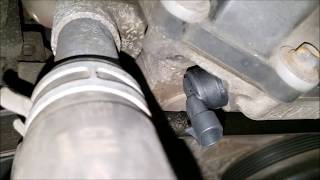
- Crankshaft Position Sensor Connector — On the left (driver's) side of the engine block, below the starter motor.. This connector is in a location susceptible to heat and oil contamination. A poor connection here will cause a loss of the primary timing signal for the ECM.
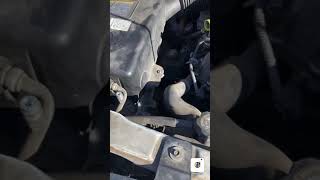
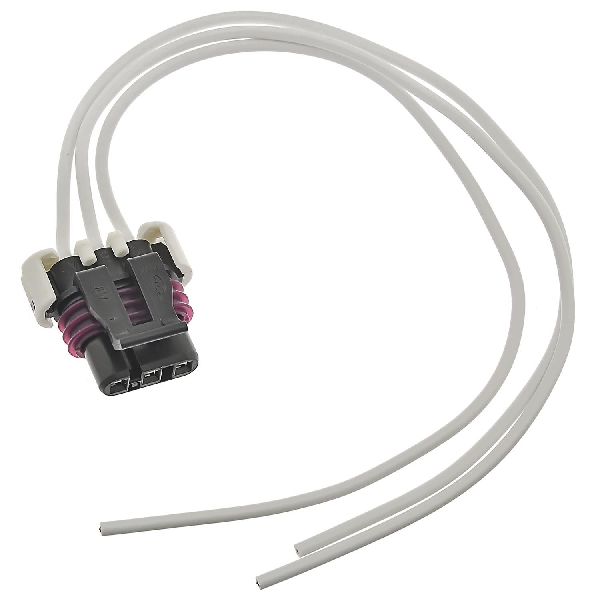
- Camshaft Position Actuator Solenoid Connector — On the driver's side of the cylinder head, near the power steering pump.. The internal seal on the solenoid often fails, allowing engine oil to leak directly into this connector, causing a poor connection and solenoid malfunction. Check for oil inside the connector.
Real Owner Repair Stories
- GMTNation Forum (2004 Trailblazer 4.2L) — P0016 code returns only when the engine is fully warm and coming to a stop. Engine runs perfectly otherwise.
❌ Tried (didn't work) Replaced timing chain, Replaced camshaft phaser, Replaced VVT solenoid, Replaced camshaft sensor, Replaced crankshaft sensor, Replaced PCM
✅ What actually fixed it The user reported that after replacing nearly every related component, the problem persisted. Another user suggested the cause could be a broken internal locking pin on the camshaft phaser, which can happen during installation, or an issue with the crankshaft alignment pin if the harmonic balancer was loose. While the original poster did not confirm the final fix, another thread with identical symptoms (stalling at idle when warm with P0016) pointed to a failing camshaft phaser gear that would move uncontrollably at idle, as seen on live scan tool data. - Reddit r/MechanicAdvice (2004 GMC Envoy 4.2L with 144k miles) — Persistent P0016 code for years, preventing the vehicle from passing state emissions testing. Engine idles and runs fine.
❌ Tried (didn't work) Replaced VVT solenoid by a professional shop.
✅ What actually fixed it The user was still in the diagnostic process, but was advised that the next logical steps were to replace both the camshaft and crankshaft position sensors and then perform a Crankshaft Position Variation (CASE) relearn procedure, as the sensors themselves could be the fault after the common solenoid replacement failed to resolve the issue.
OEM Part Supersession History
12568078, 12576768, 12597025, 12602516→12615873— Standard part evolution for improved durability, material changes, or manufacturing process updates.
Heads up: All previous part numbers are replaced by 12615873. Using the latest genuine GM or ACDelco part is recommended for best performance and to avoid issues seen with some lower-quality aftermarket versions.
Model Year Variations Within This Range
- 2006-2007 vs 2004-2005: The camshaft phaser (VVT gear) design was changed around 2006. While the new phaser can be used on older models with the original PCM, it's a known difference. Additionally, the fuel system changed from a return-style to a returnless system, and the coolant temperature sensor location moved, which is critical information for anyone swapping an engine between these year ranges.
Helpful Videos
We Have This Part in Stock


The information in this article is provided for general reference and educational purposes only. Vehicle specifications, procedures, and part compatibility can vary by production date, trim level, and region. Always consult your vehicle's factory service manual and verify part numbers before purchasing or performing repairs. Safety-critical components such as airbags, seat belts, and braking systems should be installed by a qualified professional.
- Buick RAINIER:
- 🧭 Diagnostic Flowchart
- 🎬 Helpful Videos
- 🛍️ Shop This Part
- What's Unique About the 2004-2007 Buick RAINIER
- Symptoms You May Notice
- Most Likely Causes
- Rare But Worth Checking
- Diagnosis Steps
- Parts You'll Likely Need
- Related Codes That Often Appear With This One
- Technical Service Bulletins (TSBs) & Recalls
- Platform-Specific Known Issues
- Mechanic-Grade Diagnostic Values
- Scan Tool Commands That Help
- Wiring & Ground Locations
- Real Owner Repair Stories
- OEM Part Supersession History
- Model Year Variations Within This Range
- 🎟️ Get 5% Off