

P0016 on 2011-2017 Buick Regal: Ecotec Timing Chain Causes and Fixes
On a 2011-2017 Buick Regal with the 2.4L (RPO: LAF, LEA, LUK) or 2.0L Turbo (RPO: LHU) Ecotec engine, P0016 almost always indicates a stretched timing chain or failed tensioner/guides. This is a well-documented, widespread issue. It is a critical, major repair costing $1,200-$2,700 that must be fixed immediately to prevent catastrophic engine failure.
- P0016 on a 2011-2017 Regal is a serious code that almost always points to a stretched timing chain, not a simple sensor failure.
- Do not continue to drive the vehicle. A timing chain failure can cause catastrophic, non-repairable engine damage.
- Check your engine oil immediately. Low oil levels accelerate wear on timing components.
- The proper fix is a complete timing chain kit replacement, which is a complex and expensive job best left to a professional.
- When diagnosing, check the VVT solenoid screens for plastic debris, as this is a strong sign of broken timing chain guides.
What's Unique About the 2011-2017 Buick Regal
The Buick Regal of this generation uses GM's Ecotec engines (2.4L and 2.0L Turbo), which are widely known for premature timing chain stretch and tensioner failure. While P0016 on another vehicle might point to a simple sensor fault, on these specific Regal models, it is very frequently the first sign of this serious mechanical issue. The problem is so prevalent that broken timing chain guide debris is often found clogging the camshaft actuator solenoid screens during diagnosis, which is a tell-tale sign of the failure.
Symptoms You May Notice
- Check Engine Light is on
- Engine rattles or makes a 'marbling' noise, especially on cold startup, near the front of the engine 🎬 Watch: Hear what a failing Ecotec timing chain sounds like.
- Reduced engine power or sluggish acceleration
- Rough or unstable idle, sometimes surging
- Engine stalls unexpectedly
- Engine cranks but fails to start, especially if the chain has jumped multiple teeth or broken.
- Replacing only the camshaft or crankshaft position sensors without checking the mechanical timing. The sensors are often reporting a real problem, not failing themselves.
- Replacing only the camshaft actuator (VVT) solenoids. While they can fail, they are often a symptom of debris from a failing timing chain system, and the P0016 code will return if the root cause isn't addressed.
- Swapping the identical electrical connectors for the intake cam actuator and the park lock solenoid during reassembly. TSB 19-NA-150 warns this will immediately set a P0016 code.
Most Likely Causes
- Stretched Timing Chain / Failed Tensioner & Guides 🔴 High Probability → Shop Engine Timing Chain The Ecotec engines in this platform have a well-documented history of premature timing chain system failures, often due to weak tensioner design and brittle plastic guides.
How to confirm: A mechanic can remove the valve cover to inspect for chain slack between the cam sprockets. A definitive test involves using an oscilloscope to compare cam and crank sensor signals against a known-good waveform. Finding plastic debris on the VVT solenoid screens is a strong indicator of guide failure. The ultimate confirmation is a full teardown to inspect timing marks. 🎬 Watch: Step-by-step timing chain replacement for 2011-2017 Regal models.
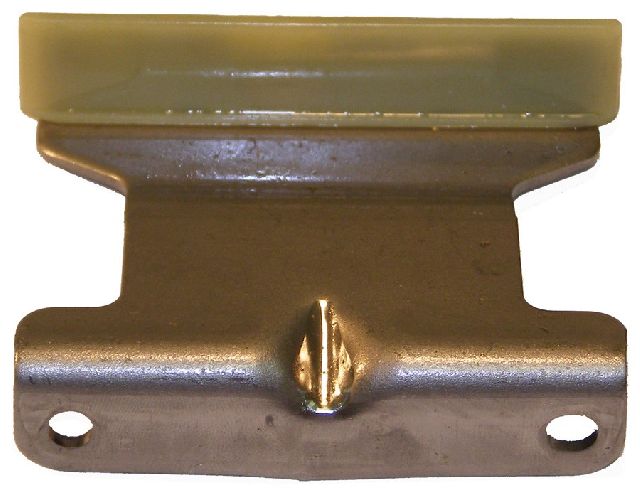
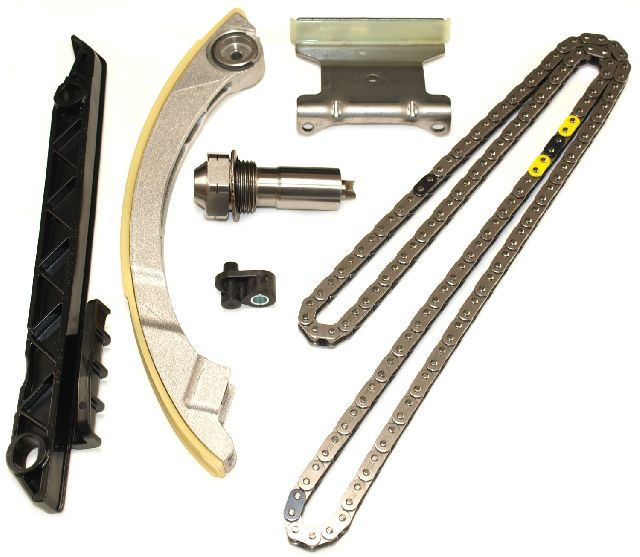
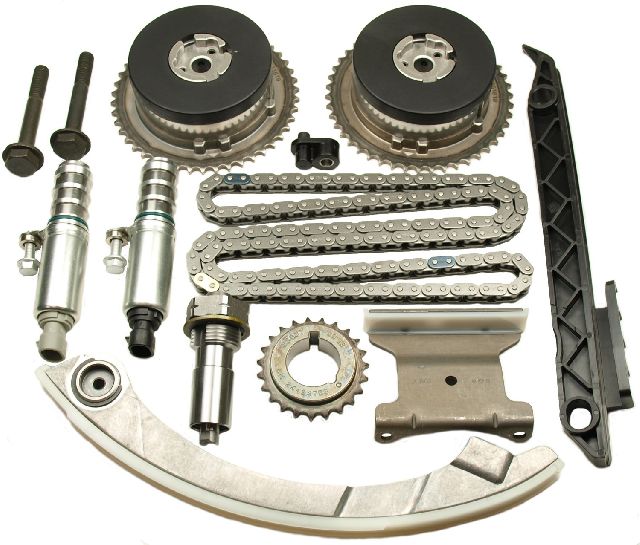
Typical fix: Replace the entire timing chain kit, including all chains, guides, and tensioners. Use the latest updated OEM part (e.g., ACDelco 12680750) or a quality aftermarket kit. It's also wise to replace the balance shaft chain kit at the same time.
Est. part cost: $250-$600 - Low or Dirty Engine Oil 🟡 Medium Probability The 2.4L Ecotec engine is known for high oil consumption due to piston ring issues, which can lead to low oil levels. Low or dirty oil starves the hydraulic timing chain tensioner, accelerating wear on the entire system and causing it to fail prematurely.
How to confirm: Check the oil level on the dipstick and inspect its condition. If it's very low or looks like dark sludge, this is a likely contributor. A history of the oil light coming on is a major red flag.
Typical fix: Perform an oil and filter change with the correct 5W-30 synthetic oil. However, if the P0016 code is already present, damage to the timing components has likely already occurred, and an oil change alone will not fix it but is a necessary first step.
Est. part cost: $40-$80 - Failed Camshaft Actuator Solenoid (VVT Solenoid) ⚪ Low Probability → Shop Engine Camshaft Debris from failing plastic timing chain guides can break off and clog the fine mesh screens on the solenoids, causing them to stick or respond slowly. The solenoid itself can also fail electrically.
How to confirm: Remove the intake (rear) and exhaust (front) solenoids from the valve cover. Inspect the screens for metallic shavings or pieces of plastic. They can be tested for function using a scan tool or by swapping them to see if the code changes to P0017. A multimeter can also be used to check resistance, which should be stable and between 8-13 ohms.
Typical fix: Replace the faulty solenoid. It is often recommended to replace them in pairs (intake and exhaust). If debris is found, the timing chain system must be inspected.
Est. part cost: $40-$100 - Faulty Camshaft or Crankshaft Position Sensor ⚪ Low Probability → Shop Engine Crankshaft Position Sensor
How to confirm: Use a multimeter to test the sensor's resistance or a scan tool to monitor its live data output for dropouts. Swapping the intake and exhaust cam sensors (if they are identical) can see if the code changes to P0017, pointing to a bad sensor. However, these sensors are usually reliable and are accurately reporting a real mechanical issue.
Typical fix: Replace the failed sensor.
Est. part cost: $30-$70
Rare But Worth Checking
- Slipped Camshaft Reluctor Ring: → Shop Engine Camshaft GM issued a Technical Service Bulletin (PIP4548F) for this issue. The reluctor ring, which the camshaft sensor reads, is press-fit and can spin on the camshaft, especially after an overheat event. This will cause a timing correlation code even if the chain is perfectly timed. The fix is to replace the entire camshaft.
- Excessive Crankshaft End Play: → Shop Engine Crankshaft In a documented case on a similar Ecotec engine, P0016 returned after all common parts were replaced. The root cause was excessive crankshaft end play (movement) due to worn thrust bearings. This caused the air gap for the crankshaft position sensor to vary, creating an inconsistent signal and triggering the code. This is a major engine-out repair.
Diagnosis Steps
- Check the engine oil level and condition. A low or sludgy oil level is a major red flag. Top off or change if necessary.
- Scan the ECM for all stored trouble codes. Note if P0017 is also present, as this strongly points to a base timing issue.
- Remove the camshaft actuator solenoids (VVT solenoids) and inspect their screens for debris. This is a key, quick check for timing guide failure.
- Using a capable scan tool, monitor the desired vs. actual camshaft position angles. A large deviation that doesn't correct itself points to a mechanical issue.
- If possible, use an oscilloscope to compare the signal patterns from the crankshaft and camshaft position sensors. Compare this to a known-good waveform to visually confirm the timing misalignment. This is the most accurate non-invasive test.
- If a timing issue is suspected, remove the valve cover for a visual inspection of the timing chain. Check for excessive slack between the camshaft sprockets and look for broken guide material.
- If the chain appears tight and no cause is found, investigate rare possibilities like a slipped reluctor ring (per TSB PIP4548F) before committing to a full timing job.
Parts You'll Likely Need
- Timing Chain Kit
(OEM #12680750)— This is the most common failure point for code P0016 on this vehicle. A complete kit ensures all worn components are replaced. Using the latest superseded part number is critical to get updated, more durable components.
Trusted brands: ACDelco (OEM), Cloyes, Melling
OEM price range: $350-$550
Aftermarket price range: $200-$400 - Camshaft Position Actuator Solenoid
(OEM #12655420 (Intake), 12655421 (Exhaust))— These often get clogged with debris from failing timing chain guides or can fail electrically. Note that intake and exhaust part numbers are different.
Trusted brands: ACDelco, Delphi
OEM price range: $40-$60
Aftermarket price range: $25-$45 - Camshaft Position Sensor
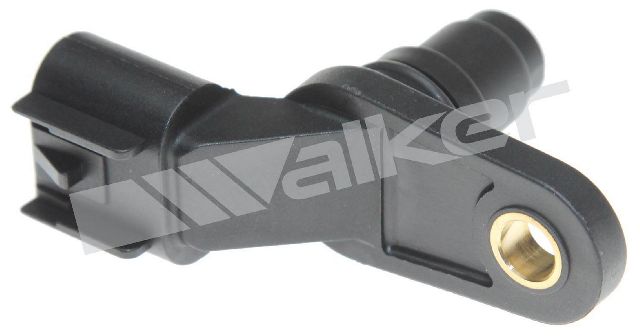
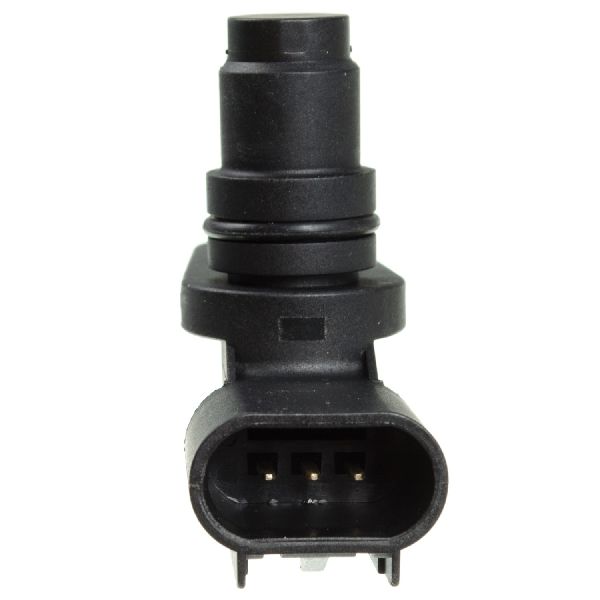
(OEM #12674704)— While less common than a mechanical failure, the sensor itself can fail, sending an incorrect signal to the ECM. Often replaced as a 'just in case' item during a larger repair.
Trusted brands: ACDelco, Bosch
OEM price range: $45-$70
Aftermarket price range: $25-$50
Related Codes That Often Appear With This One
- P0017 — This code is for the exhaust camshaft correlation ('Bank 1, Sensor B'). Since a stretched timing chain affects the timing of both camshafts, P0016 and P0017 very frequently appear together and strongly indicate a base timing problem.
- P0011 — This code indicates 'Intake Camshaft Position Timing - Over-Advanced'. It can be triggered by the same faults, such as a sticking VVT solenoid or a stretched chain causing erratic timing.
- P0087 / P228D — These are fuel pressure codes. On direct-injection Ecotec engines, the high-pressure fuel pump is driven by a lobe on the camshaft. If the cam timing is incorrect due to a stretched chain, it can directly affect the fuel pump's operation and trigger these codes.
Technical Service Bulletins (TSBs) & Recalls
- Bulletin #PIP4548F: Concerns DTCs P0016/P0017 on a properly timed engine or a crank/no-start condition. Caused by a camshaft reluctor ring that has spun on the camshaft, often after an engine overheat. The reluctor is press-fit and not keyed. The fix requires full camshaft replacement.
- Addresses a plugged or frozen PCV orifice in the intake manifold on 2.4L engines (LAF, LEA, LUK). This can cause high crankcase pressure, leading to oil leaks (especially the rear main seal), contributing to oil loss that starves and damages timing components.
- Addresses premature wear on the balance shaft chain for some 2010-2011 models with the 2.4L engine. While not the main timing chain, this is often replaced at the same time due to the labor overlap.
- Highlights a critical reassembly error where two identical electrical connectors (for the intake cam actuator solenoid and the intake actuator park lock solenoid) can be swapped. This will cause an immediate P0016 code even if all parts are new and timing is perfect.
- An informational bulletin regarding V6 timing chain kits that advises technicians not to replace guides and sprockets unnecessarily if the sole issue is a stretched chain causing correlation codes. This suggests that in some professional contexts, only the chains and tensioners are deemed necessary.
Platform-Specific Known Issues
- The 2.4L and 2.0L Ecotec engines are widely known for issues with timing chain stretch and tensioner failure.
- High oil consumption on 2.4L models can starve the timing components of lubrication, accelerating wear. This was addressed by GM Special Coverage Adjustment 14882 for related PCV issues.
Mechanic-Grade Diagnostic Values
- Camshaft Actuator Solenoid (VVT Solenoid) Resistance — expected: 8-13 Ohms, stable reading.. Failure: A reading that is infinite (Open Loop), near zero, or bounces around erratically when wiggling the connector indicates a faulty solenoid.
- Scan Tool: Desired vs. Actual Camshaft Position Angles — expected: At idle, the desired and actual values for the intake cam should be very close to 0 degrees.. Failure: A large, persistent deviation between the desired and actual angles that the ECM cannot correct indicates a mechanical timing problem (stretched chain) or a stuck phaser.
Scan Tool Commands That Help
- GM GDS2 / Professional Scan Tool: Camshaft Position Actuator Control — This bidirectional command allows a technician to manually command the VVT solenoid on and off to verify its mechanical operation. You should hear a click from the solenoid and see a change in the actual cam position angle PID if it's working.
- GM GDS2 / Professional Scan Tool: Live Data: Desired vs. Actual Camshaft Position — This is the primary data to monitor during diagnosis. If the ECM commands a change and the actual value doesn't respond, it points to a stuck solenoid, clogged oil passage, or faulty phaser. If the values are mismatched at idle, it points to a base timing (chain) issue.
Wiring & Ground Locations
- Engine Block Ground (Primary) — On many GM vehicles, a primary negative battery cable ground attaches to the engine block on the passenger side, often near or behind the A/C compressor.. A poor engine ground can cause floating voltages and erratic signals from all engine sensors, including the crank and cam sensors, leading to false correlation codes.
- Cylinder Head / Bellhousing Grounds — A critical ground point is often located on the rear of the passenger side cylinder head or on a top transmission bellhousing bolt.. These grounds are essential for the ECM and various sensors. Corrosion or looseness at this location is a known cause of difficult-to-diagnose electronic issues.
Real Owner Repair Stories
- Automotive Insight YouTube Channel (2012 Buick Regal 2.0L Turbo) — Check Engine Light with codes P0016 and P0017, plus drivability concerns.
❌ Tried (didn't work) The customer had previously replaced one of the two VVT solenoids.
✅ What actually fixed it Upon removing the VVT solenoids, the mechanic found plastic debris on the solenoid screen. This was the key indicator pointing to broken timing chain guides. A full timing chain job, including replacing the chains, guides, and tensioners, resolved the codes. The chain had jumped time due to a failed tensioner. - NHTSA ODI #11354914 — An owner reported that their vehicle was diagnosed with a detached timing chain. The diagnostic scan revealed five codes including P0016, P0017, P0014, P0131, and P0171. Upon leaving the dealer, the vehicle failed to start and required a tow.
- NHTSA ODI #11208170 — A report describes a vehicle experiencing P0016 and P0017 codes alongside a P0299 turbo boost code and P0010. The owner also noted a transmission fluid leak and the Stabilitrak light illuminating intermittently.
- NHTSA ODI #10937265 — An owner observed P0016 and P0017 codes at approximately 82,000 miles. Concurrent with the check engine light, the owner noticed issues with the shifting performance of the automatic transmission.
OEM Part Supersession History
12637327→55504588— Part number update for the crankshaft position sensor reluctor ring.55555803→55574780— Part number update for a crankshaft position sensor reluctor ring. This part may require programming or special setup procedures.
Model Year Variations Within This Range
- 2010-2011 (LAF) vs 2012+ (LEA): When swapping a newer 2.4L LEA engine into a 2010-2011 vehicle originally equipped with the LAF engine, the intake camshaft and intake cam sprocket (phaser) MUST be transferred from the old LAF engine to the new LEA engine. The reluctor wheel design is different, and the LAF's ECM cannot correctly read the signal from the LEA's cam, which will cause persistent timing codes even with a perfectly healthy engine.
Diagnostic Flowchart
Real Owner Stories
Aggregated from forums and TSBs cited above. Mileages and costs reflect what owners reported in those sources.
2012 Buick Regal 2.0L Turbo
Symptoms: Check engine light with codes P0016 and P0017.
What fixed it: Complete timing chain replacement after finding a broken plastic chain guide and plastic debris clogging the VVT solenoid screen.
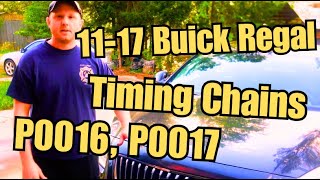
Source hint: YouTube video titled '2011-2017 Buick Regal P0016, P0017 - Timing Chain Replacement.'
2008 Saturn Vue 2.4L Ecotec
Symptoms: Codes P0016 and P0017 present.
What fixed it: Pulled the valve cover to inspect for chain slack and discovered a broken upper timing chain guide.
Source hint: Reddit r/MechanicAdvice thread titled 'Help Confirming Timing Issue (codes p0016 and P0017 on Ecotec 2.4)'
Unknown Ecotec Vehicle
Symptoms: Ran the engine completely out of oil, triggering a P0016 code.
What fixed it: Removed the timing cover and found pieces of the timing guide had fallen out, confirming mechanical failure after replacing sensors did not resolve the issue.
Source hint: Reddit r/MechanicAdvice thread titled 'P0016 Code Troubles'
2011 Buick Regal 2.4L
Symptoms: Car will not stay running, throwing codes P0013, P0016, and P0017.
What fixed it: Advised by a professional that checking the timing chain is the first and most critical step, as it is the most common cause for this combination of codes on the 2.4L engine.
Source hint: 2CarPros Forum thread titled '2011 Buick Regal Car Will Not Stay Running'
Related OBD-II Codes
Frequently Asked Questions
Does Special Coverage 14882 apply to my 2.4L Ecotec engine with a P0016 code?
I just replaced the timing chain on my Buick Regal but still have a P0016 code. What did I do wrong?
My engine overheated recently and now I have a P0016 code, but the timing chain is tight. What else could it be?
Should I replace the balance shaft chain when fixing the P0016 timing chain issue?
Can low oil really cause a P0016 code on my 2.4L Regal?
I found plastic shavings on my VVT solenoid screens. What does this mean?
Helpful Videos

We Have This Part in Stock


The information in this article is provided for general reference and educational purposes only. Vehicle specifications, procedures, and part compatibility can vary by production date, trim level, and region. Always consult your vehicle's factory service manual and verify part numbers before purchasing or performing repairs. Safety-critical components such as airbags, seat belts, and braking systems should be installed by a qualified professional.
- Buick Regal:
- 🧭 Diagnostic Flowchart
- 🎬 Helpful Videos
- 🛍️ Shop This Part
- What's Unique About the 2011-2017 Buick Regal
- Symptoms You May Notice
- Most Likely Causes
- Rare But Worth Checking
- Diagnosis Steps
- Parts You'll Likely Need
- Related Codes That Often Appear With This One
- Technical Service Bulletins (TSBs) & Recalls
- Platform-Specific Known Issues
- Mechanic-Grade Diagnostic Values
- Scan Tool Commands That Help
- Wiring & Ground Locations
- Real Owner Repair Stories
- OEM Part Supersession History
- Model Year Variations Within This Range
- Real Owner Stories
- 2012 Buick Regal 2.0L Turbo
- 2008 Saturn Vue 2.4L Ecotec
- Unknown Ecotec Vehicle
- 2011 Buick Regal 2.4L
- Related OBD-II Codes
- Frequently Asked Questions
- 🎟️ Get 5% Off