

P0016 on 2013-2018 Cadillac ATS: Crank/Cam Correlation Causes and Fixes
On the 2013-2018 Cadillac ATS, especially those with the 3.6L V6 engine, code P0016 is most often caused by a stretched timing chain and worn tensioners. This is a well-documented and serious issue requiring professional repair, with costs often exceeding $2,000 due to high labor. While less common, the 2.0L Turbo can also suffer from this code, pointing to similar potential causes.
- P0016 on a Cadillac ATS, especially the 3.6L V6, strongly suggests a stretched timing chain.
- Do not immediately assume the camshaft/crankshaft sensors are bad; they are often not the root cause.
- Always check engine oil level and condition first, as low or dirty oil can cause timing system malfunctions.
- This is a severe code. Driving with it can lead to catastrophic engine failure.
- Repair is complex and expensive, almost always requiring a professional technician specializing in engine work.
What's Unique About the 2013-2018 Cadillac ATS
While P0016 can occur on any vehicle, GM's 3.6L V6 engines (LFX/LGX) used in the ATS are particularly known for premature timing chain stretching. This is a well-documented issue across many GM vehicles using this engine family, and several Technical Service Bulletins (TSBs) have been issued that point directly to loose or worn timing chains as the primary cause for P0016 and related codes. Therefore, on an ATS with this code, a mechanical timing issue is a much higher probability than a simple sensor failure. The issue was more pronounced on the LFX's predecessor, the LLT, but the LFX (especially early 2012-2013 models) can still be susceptible, often due to extended oil change intervals.
Diagnostic Flowchart
Tap your situation to follow the diagnostic path that matches what you're seeing on this vehicle.
Symptoms You May Notice
- Check Engine Light is on
- Rough or unstable idle
- Engine rattling noise, especially on a cold start for 2-5 seconds
- Reduced engine power and poor acceleration
- Difficulty starting the engine, or requires multiple cranks
- Poor fuel economy
- Engine surging or fluctuating idle
- Replacing only the camshaft or crankshaft position sensors without verifying the mechanical timing. On this platform, the root cause is frequently the timing chain itself.
- Replacing only the VVT solenoids when the timing chain is already significantly stretched. While solenoids can be a cause, they are often replaced in a failed attempt to fix the more serious underlying chain issue.
Most Likely Causes
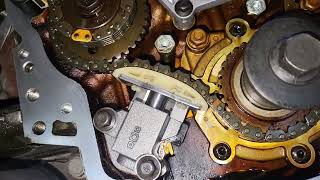
- Stretched Timing Chain(s) and/or Worn Tensioners 🔴 High Probability → Shop Engine Timing Chain The 3.6L V6 engines in particular have a documented history of premature timing chain wear. TSB #PIP3423P directly links P0016 to loose timing chains or tensioners. The original chains were identified as being prone to stretching, and long oil change intervals exacerbate the wear.
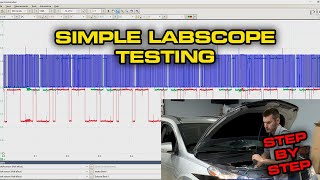
How to confirm: A technician can use a professional scan tool to view camshaft deviation data; a persistent variance points to a mechanical issue. A lab scope can be used to compare the cam and crank sensor waveforms against a known-good pattern to confirm timing electronically without major disassembly. Definitive diagnosis requires physical inspection of the chains and tensioners by removing the engine front cover, which is very labor-intensive.
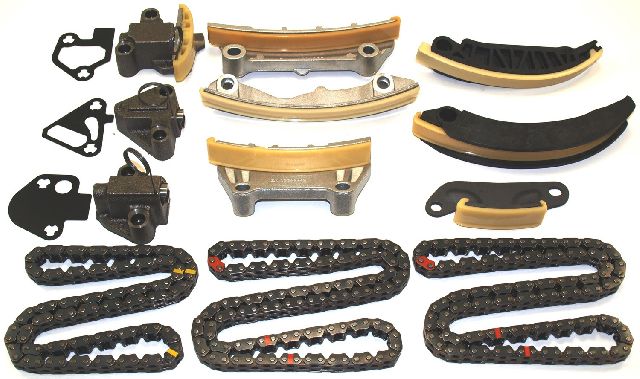
Typical fix: Replace all three timing chains (primary and two secondary), all tensioners, and all guides with a complete, high-quality kit. It is strongly recommended to replace the water pump and VVT solenoids at the same time since the labor overlaps.
Est. part cost: $300-$700 - Low or Dirty Engine Oil 🟡 Medium Probability The timing chain tensioners and camshaft phasers are hydraulically operated by engine oil pressure. The 3.6L LFX engine is known to consume oil, and the factory oil life monitor can suggest overly long change intervals (8,000-12,000 miles). Low or degraded oil can starve the tensioners, leading to chain slack and timing correlation errors.
How to confirm: Check the oil level on the dipstick and inspect its condition. If it's low, black, or sludgy, this is a likely contributing factor. An oil change should be the first step in any diagnosis.
Typical fix: Perform an oil and filter change with a high-quality full synthetic oil of the correct viscosity specified by GM. If the code returns, the underlying mechanical issue (likely stretched chains) remains and must be addressed.
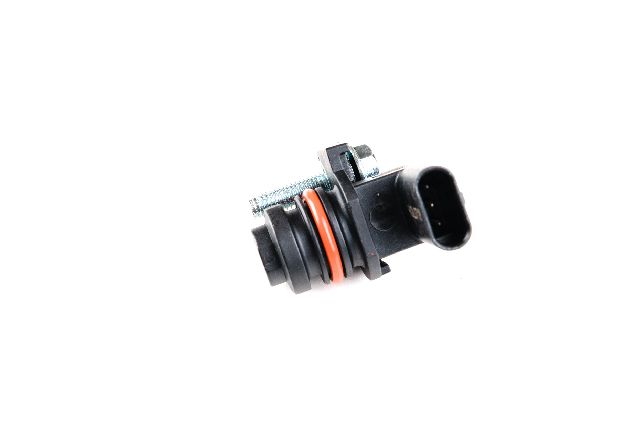
Est. part cost: $50-$100 - Faulty Camshaft Position Actuator Solenoid (VVT Solenoid) 🟡 Medium Probability → Shop Engine Camshaft These solenoids control oil flow to the camshaft phasers. They can become clogged with sludge from old oil or fail electrically, causing incorrect camshaft timing and triggering the code. They are a common failure point and a relatively simple replacement before attempting a timing chain job.
How to confirm: A scan tool can command the solenoid on and off to check for response. They can also be removed, cleaned, and tested for resistance (typically 6.9-7.9 ohms at 68°F). Swapping the Bank 1 intake solenoid with the exhaust or with a Bank 2 solenoid can see if the code follows the part.
Typical fix: Replace the Bank 1 intake camshaft position actuator solenoid. Many owners replace all four as preventative maintenance.
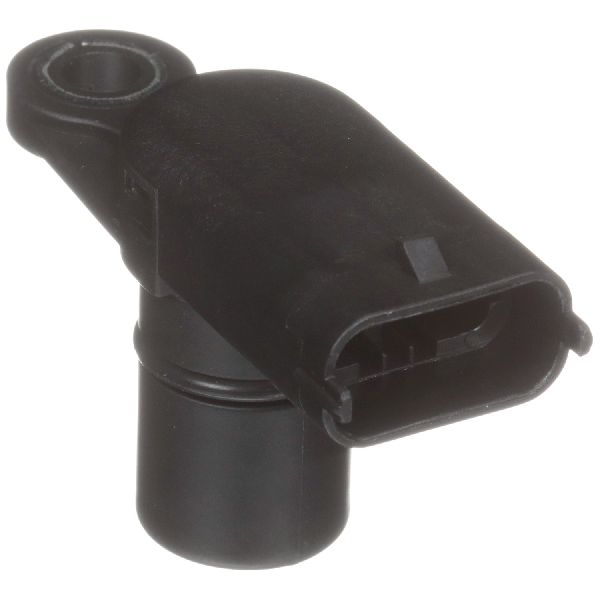
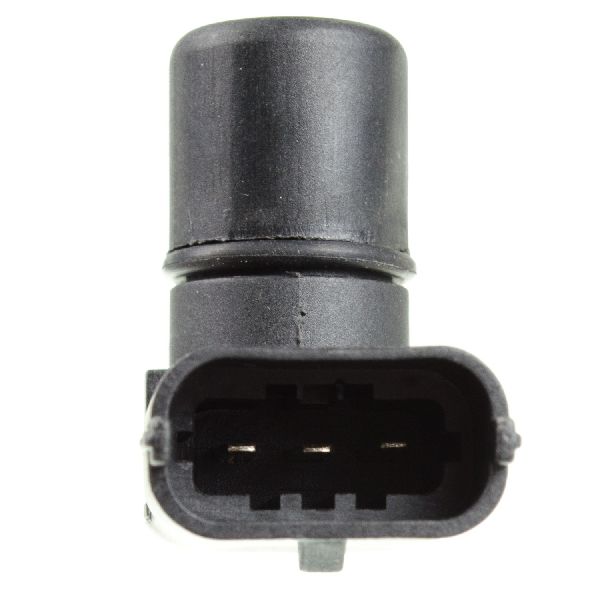
Est. part cost: $40-$120 - Faulty Camshaft or Crankshaft Position Sensor ⚪ Low Probability → Shop Engine Crankshaft Position Sensor
How to confirm: Test the sensor's voltage and resistance with a multimeter against the manufacturer's specifications. A lab scope is the best tool to analyze the sensor's signal pattern for dropouts or inconsistencies. It's more likely the timing is mechanically off than that the sensor itself has failed.
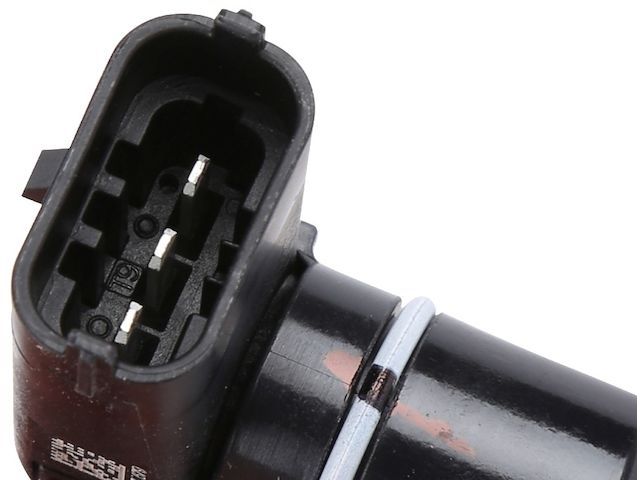
Typical fix: Replace the faulty sensor. P0016 points to the Bank 1 intake camshaft position sensor ('Sensor A') or the crankshaft position sensor.
Est. part cost: $30-$90
Rare But Worth Checking
- Damaged or Slipped Crankshaft Reluctor Ring/Tone Ring: → Shop Engine Crankshaft The reluctor ring on the crankshaft, which the sensor reads, can physically move or slip from its pressed-on position. This is a known, though rare, issue on the 3.6L V6. TSB #PIP3423P provides instructions for measuring its position to confirm if it has moved. This is a catastrophic failure requiring crankshaft replacement.
- Faulty Engine Control Module (ECM): In very rare cases, the ECM itself may be faulty and incorrectly report a P0016 code. This should only be considered after all other possibilities have been exhaustively ruled out.
Diagnosis Steps
- Verify engine oil level and condition. Perform an oil and filter change with high-quality synthetic oil if low, old, or dirty.
- Use an OBD-II scanner to check for any other related trouble codes. Codes for sensors (e.g., P0010) might point to an electrical issue, whereas multiple correlation codes (P0008, P0017) strengthen the timing chain diagnosis.
- With a professional scan tool, monitor the desired vs. actual camshaft position angles for Bank 1. A significant and persistent deviation points to a mechanical timing issue.
- Inspect and test the Bank 1 intake camshaft position actuator solenoid. Swap it with another solenoid to see if the code migrates.
- Use a lab scope to capture and compare the crankshaft and camshaft sensor waveforms to a known-good pattern. A shifted waveform is definitive proof of a timing issue without engine disassembly.
- Inspect the wiring and connectors for the camshaft and crankshaft sensors for any damage or corrosion.
- If a slipped reluctor wheel is suspected, a borescope may be used to inspect it through the crankshaft position sensor hole, per TSB PIP3423P.
- If other tests are inconclusive, perform a physical inspection of the timing chains, guides, and tensioners. This is a labor-intensive step that requires partial engine disassembly.
Parts You'll Likely Need
- Engine Timing Chain Kit
(OEM #12700437, 12700436)— This is the most common failure for P0016 on the 3.6L V6. A complete kit ensures all worn components (chains, tensioners, guides) are replaced. Using a high-quality OEM or reputable aftermarket kit is critical to prevent a repeat failure.
Trusted brands: ACDelco, Cloyes
OEM price range: $400-$600
Aftermarket price range: $250-$450 - Camshaft Position Actuator Solenoid
(OEM #12655420 (Intake), 12655421 (Exhaust) for LFX/LGX)— A common and relatively easy part to replace that can get clogged or fail, causing timing issues. Often replaced as a first step or during the timing chain job.
Trusted brands: ACDelco, Delphi
OEM price range: $70-$120
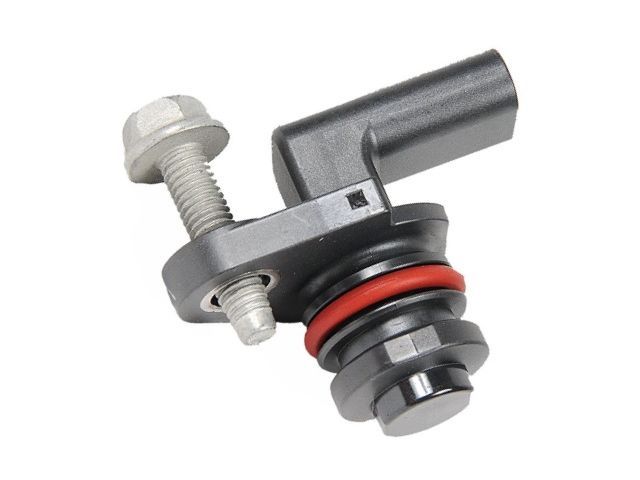
Aftermarket price range: $40-$80 - Camshaft Position Sensor
(OEM #12674702 (for LFX/LGX))— While less common than mechanical failure, a faulty sensor can trigger this code and is a potential fix.
Trusted brands: ACDelco, Bosch
OEM price range: $40-$80
Aftermarket price range: $25-$50
Related Codes That Often Appear With This One
- P0008 — A more general Engine Position System Performance code for Bank 1, often triggered by the same stretched timing chain issue.
- P0017 — Indicates a correlation issue with the Bank 1 *exhaust* camshaft. If the primary or a secondary timing chain is stretched, it can affect both intake and exhaust cam timing on that bank.
- P0018 / P0019 — These are the equivalent codes for Bank 2 (P0018 for intake, P0019 for exhaust). If all three timing chains are worn or the primary chain is very stretched, it's possible to see codes for both banks simultaneously.
Technical Service Bulletins (TSBs) & Recalls
- PIP3423P: Advises technicians to inspect for loose timing chains or a slipped crankshaft reluctor wheel for P0016 and related codes across a wide range of GM vehicles with the HFV6 engine family.
- 23-NA-091: Provides information for technicians on P0016 appearing after engine repairs, highlighting the complexity of the timing procedure.
- PIP5730B: Communicates additional diagnostic information for DTCs P0016 and P0018.
Platform-Specific Known Issues
- Premature timing chain stretch is a widely recognized issue on the GM 3.6L V6 (LFX) engine, leading directly to codes like P0016, P0008, and P0017.
- TSB #PIP3423P specifically instructs technicians to inspect for loose timing chains or a slipped crankshaft reluctor wheel when P0016 is present.
- TSB #23-NA-091 notes that P0016 can appear after engine repairs, indicating the timing procedure is critical and can be done incorrectly.
- Owner experiences on forums confirm that while changing oil and solenoids is a common first step, the ultimate fix for a persistent P0016 on a higher-mileage 3.6L is almost always the timing chains.
- For the 2.0L Turbo (LTG), while not as common as on the V6, P0016 can still indicate timing chain issues, but diagnosis should also include checking the turbocharger system and VVT components thoroughly.
Mechanic-Grade Diagnostic Values
- Camshaft Position Actuator Solenoid (VVT Solenoid) Resistance — expected: 6.9 to 7.9 Ohms at 68°F (20°C). Failure: A reading outside this range, or an open/short circuit, indicates a faulty solenoid.
- Crankshaft Reluctor Wheel Position Measurement (LFX V6) — expected: 25mm to 26mm. Failure: A measurement outside this range indicates the reluctor wheel has slipped on the crankshaft. The measurement is taken from the machined surface of the crankshaft throw to the edge of the open space in the reluctor.
Scan Tool Commands That Help
- Professional Scan Tool (e.g., GM GDS2): Crankshaft Position Variation Learn / CASE Relearn — This procedure is required after replacing a crankshaft position sensor, timing chain, or ECM to calibrate the sensor's readings to the specific variations of the crankshaft reluctor wheel, preventing misfire detection and correlation codes.
Wiring & Ground Locations
- Bank 1 Intake Camshaft Actuator vs. Park Lock Solenoid Connectors — On the 3.6L LGX engine, the intake camshaft actuator solenoid is on top of the engine, while the intake actuator park lock solenoid is on the front of the engine.. According to GM Service Bulletin #19-NA-150, these two connectors are identical and can be swapped during reassembly after engine repairs. Swapping them will cause a rough idle and set a P0016 code. The connectors can only be identified by checking the wire colors against the service information schematic.
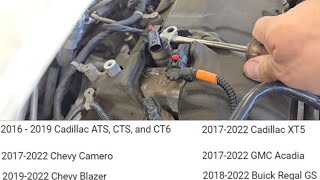
- Camshaft Position Sensor Connector — Connects to the camshaft position sensor, typically located on the valve cover or cylinder head.. This is a 3-wire connector. Damage to the connector or wiring harness can interrupt the signal from the sensor to the ECM, causing a P0016 code. Pigtail connectors are available for repair without replacing the entire harness.
OEM Part Supersession History
12646386 (Timing Chain)→12646387— Unknown, likely an update for durability or material composition.12635447 (Timing Chain)→12675579, then 12680750— Part numbers have been updated over time, likely reflecting design improvements to combat stretching issues.
Model Year Variations Within This Range
- 2013-2015 (3.6L V6): These models use the 3.6L LFX V6 engine. This engine has the timing chain located at the front of the engine and is the version more commonly associated with premature timing chain stretch issues that lead to P0016.
- 2016-2018 (3.6L V6): These models use the updated 3.6L LGX V6 engine. The LGX is a significant redesign, featuring a more durable, rear-mounted timing chain system, a variable displacement oil pump, and improved VVT control. While still possible, P0016 from a stretched chain is considered less common on the LGX than the LFX. The LFX and LGX are not interchangeable.
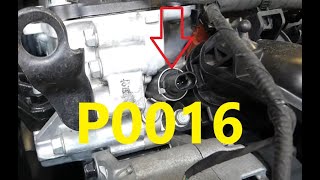
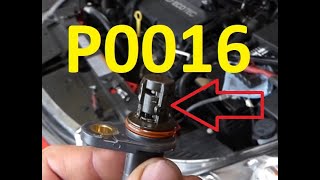
Helpful Videos
![How to Fix CADILLAC P0016 Engine Code in 6 Minutes [4 DIY Methods / Only $6.81]](https://img.youtube.com/vi/ifgKFu7bci4/mqdefault.jpg)


We Have This Part in Stock

The information in this article is provided for general reference and educational purposes only. Vehicle specifications, procedures, and part compatibility can vary by production date, trim level, and region. Always consult your vehicle's factory service manual and verify part numbers before purchasing or performing repairs. Safety-critical components such as airbags, seat belts, and braking systems should be installed by a qualified professional.
- Cadillac ATS:
- 🧭 Diagnostic Flowchart
- 🎬 Helpful Videos
- 🛍️ Shop This Part
- What's Unique About the 2013-2018 Cadillac ATS
- Symptoms You May Notice
- Most Likely Causes
- Rare But Worth Checking
- Diagnosis Steps
- Parts You'll Likely Need
- Related Codes That Often Appear With This One
- Technical Service Bulletins (TSBs) & Recalls
- Platform-Specific Known Issues
- Mechanic-Grade Diagnostic Values
- Scan Tool Commands That Help
- Wiring & Ground Locations
- OEM Part Supersession History
- Model Year Variations Within This Range
- 🎟️ Get 5% Off