

P0016 on 2012-2019 Cadillac Escalade ESV: Crank-Cam Correlation Causes and Fixes
P0016 on a Cadillac Escalade ESV most often indicates a stretched timing chain or a failed timing chain tensioner, especially if you hear a rattling noise on startup. In rarer, more severe cases, it can be caused by a slipped crankshaft reluctor wheel, which requires major engine repair. Always check engine oil level and condition first, as low or dirty oil can cause VVT system issues.
- P0016 on a 2012-2019 Escalade indicates a serious mechanical engine timing issue, not a bad sensor.
- The most likely cause is a worn timing chain system, often signaled by a rattling noise when starting the engine cold.
- Always check engine oil level and condition first, as low or dirty oil can affect the VVT system and trigger this code.
- A rare but documented cause is a slipped crankshaft reluctor wheel, which is a very expensive, engine-out repair.
- Do not replace the cam or crank sensors to fix this code; they are almost always reporting a real problem.
What's Unique About the 2012-2019 Cadillac ESCALADE ESV
For this generation of Escalade, P0016 is a particularly serious code that points to known mechanical failure points. Unlike many vehicles where a sensor is a likely culprit, on the 6.2L V8, the cause is almost always a deeper mechanical issue. A GM Technical Service Bulletin (TSB #PIP5102) specifically points to the possibility of the crankshaft reluctor wheel slipping on 2012-2013 models, a severe fault requiring crankshaft replacement. More commonly, the issue is a stretched timing chain, a known wear item on these engines that can be exacerbated by the Active Fuel Management (AFM) system's operational stresses.
Diagnostic Flowchart
Tap your situation to follow the diagnostic path that matches what you're seeing on this vehicle.
Generation note: The 2012-2019 range covers two Escalade generations. The 2012-2014 models (GMT900 platform) use the 6.2L L94 V8. The 2015-2019 models (K2XX platform) use the updated 6.2L L86 V8. While the fundamental causes of P0016 are similar, specific part numbers for timing components and VVT solenoids will differ between these engines. For example, the L94 uses a single VVT solenoid, while the L86 has separate intake and exhaust solenoids.
Symptoms You May Notice
- Check Engine Light is on
- Engine rattling or slapping noise, especially on cold startup for 2-5 seconds
- Rough or unstable idle
- Engine cranks but has difficulty starting or is a no-start
- Reduced engine power and poor acceleration
- Engine stalling
- Engine misfires, which may trigger a P0300 code
- Replacing the Camshaft Position Sensor (CMP) or Crankshaft Position Sensor (CKP). These sensors are almost always functioning correctly and are simply reporting the mechanical timing error. Replacing them will not fix the underlying problem. In fact, the CMP sensor on these engines can be very difficult to remove without breaking it, potentially complicating the repair.
Most Likely Causes
- Stretched Timing Chain and/or Worn Tensioner/Guides 🔴 High Probability → Shop Engine Timing Chain The timing chain tensioner and plastic guides are common wear points on the 6.2L V8. Once they wear or break, the chain develops slack, leading to incorrect timing correlation and a distinct startup rattle. Neglected oil changes accelerate this wear.
How to confirm: Listen for a rattling noise from the front of the engine for 2-5 seconds on a cold start. A mechanic can use a scan tool to view cam/crank correlation data or perform a physical inspection by removing the engine's front cover to check for chain slack and broken guide pieces.
Typical fix: Replace the timing chain, tensioner, guides, and sprockets as a complete kit. It is also wise to replace the water pump and oil pump at the same time due to the extensive labor overlap. The oil pan must be dropped to access the oil pump pickup tube.
Est. part cost: $200-$500 for a quality aftermarket kit. - Low or Dirty Engine Oil 🟡 Medium Probability The Variable Valve Timing (VVT) system uses oil pressure to adjust camshaft timing via phasers. If the oil is low, dirty, the wrong viscosity (GM specifies SAE 0W-20 for L86), or the filter is clogged, the camshaft phasers may not respond correctly, causing a timing correlation error.
How to confirm: Check the engine oil dipstick for proper level and inspect the oil's condition. If it's low or appears dark and sludgy, this could be the cause. An oil change is the first and cheapest diagnostic step.
Typical fix: Perform an oil and filter change using the manufacturer-specified grade of oil (typically an ACDelco or equivalent synthetic) and a quality filter. If the issue persists, the problem is likely mechanical.
Est. part cost: $50-$100 - Failed VVT Solenoid (Camshaft Position Actuator Solenoid) ⚪ Low Probability This solenoid controls oil flow to the cam phaser. It can become clogged with sludge from poor oil maintenance or fail electrically, causing it to get stuck and prevent proper cam timing adjustment.
How to confirm: A mechanic can command the solenoid with a scan tool to check its response. It can also be removed and tested for resistance and operation. Swapping the intake and exhaust solenoids (if identical) to see if the code changes to P0017 is a valid diagnostic step.
Typical fix: Replace the Bank 1 intake VVT solenoid. OEM part numbers vary by engine: L94 (2012-14) often uses GM #12682000, while the L86 (2015-19) uses a different design, such as GM #12662736 for the intake.
Est. part cost: $40-$90
Rare But Worth Checking
- Slipped Crankshaft Reluctor Wheel: → Shop Engine Crankshaft This is a severe but documented failure. GM TSB #PIP5102 specifically calls this out for 2012-2013 models with L94 engines. The reluctor wheel is press-fit onto the crankshaft and provides the signal for the CKP sensor. If it moves even slightly, it will set P0016. The only fix is to replace the entire crankshaft, an engine-out procedure. A similar TSB, #PIP3423L, also mentions this possibility for other GM engines.
- Swapped Electrical Connectors: On L86 engines (2015-2019), TSB #19-NA-150 notes that the electrical connectors for the Bank 1 intake cam actuator solenoid and the intake actuator park lock solenoid are identical. If they are swapped during a previous repair, it will immediately set a P0016 code. 🎬 Watch: Diagnosing P0016 after major engine work on a 6.2L. The fix is to verify wire colors against the schematic and swap the connectors back.
Diagnosis Steps
- Check Engine Oil: Verify the oil level is full and the oil is clean and of the correct viscosity (e.g., SAE 0W-20 for L86). If low or dirty, perform an oil change and re-evaluate.
- Scan for Codes: Use an OBD-II scanner to confirm P0016 and check for any other related codes like P0017, P0018, P0019, or P0300.
- Listen for Noise: On a cold engine, listen for a distinct rattle from the front of the engine during the first few seconds of startup. A rattle strongly suggests a timing chain/tensioner issue.
- Scan Tool Data Analysis: Use a professional scan tool to monitor live data. Observe the 'Camshaft Angle Variance' or similar PID. At idle, it should be close to 0 degrees. If it shows a consistent deviation, it points to a mechanical timing issue.
- VVT Solenoid Test: Use the scan tool's bidirectional controls to command the Bank 1 intake VVT solenoid on and off. Listen for a click and watch for a change in camshaft angle to confirm it's working.
- Physical Inspection: If a mechanical issue is suspected, the next step is removing the engine's front cover to inspect the timing chain for slack, check the guides for damage, and verify the timing marks on the cam and crank sprockets are aligned.
- Crankshaft Reluctor Inspection: If the timing chain appears correct, the next step is to inspect the crankshaft reluctor wheel for movement, as per TSB #PIP5102. This may be possible with a borescope through the CKP sensor hole to avoid oil pan removal.
Parts You'll Likely Need
- Engine Timing Chain Kit
(OEM #Varies by engine. L94 (2012-14) may use a kit around ACDelco #12639249. L86 (2015-19) may use ACDelco #12690122.)— This is the most common fix. A complete kit replaces all wear items (chain, tensioner, guides, sprockets) at once.
Trusted brands: ACDelco, Cloyes, Melling
OEM price range: $300-$450
Aftermarket price range: $200-$350 - Camshaft Position Actuator Solenoid (VVT Solenoid)
(OEM #L94 (2012-14): 12682000; L86 (2015-19) Intake: 12662736)— A less common but possible cause of incorrect cam phasing due to being clogged or failed.
Trusted brands: ACDelco, Delphi, Dorman
OEM price range: $60-$90
Aftermarket price range: $40-$70 - Crankshaft
(OEM #Varies significantly by year and specific application.)— Required only in the rare case of a slipped crankshaft reluctor wheel, as the reluctor is not serviced separately from the crankshaft.
Trusted brands: GM Genuine Parts
OEM price range: $800-$1500
Aftermarket price range: N/A
Related Codes That Often Appear With This One
- P0017 — This code is for Crank/Cam correlation on the Bank 1 *exhaust* camshaft. If the timing chain has stretched, it can affect the timing of both the intake and exhaust cams on that bank, setting both codes.
- P0018 / P0019 — These are the equivalent correlation codes for Bank 2 (driver's side). It is less common to see them with P0016 unless there is a severe, systemic issue like a jumped main timing chain or a slipped crank reluctor that affects both banks.
- P0300 — This is a code for random/multiple cylinder misfires. A timing correlation issue will cause poor combustion, leading to misfires. TSB #15-06-01-002C and its revisions discuss misfire issues that can be related to the valvetrain.
Technical Service Bulletins (TSBs) & Recalls
- PIP5102: Provides information about DTC P0016 being caused by a moved crankshaft reluctor on 2012-2013 models, requiring crankshaft replacement.
- 19-NA-150: Warns of swapped electrical connectors on the Bank 1 intake cam actuator and park lock solenoids causing P0016 on 2015+ models.
- 15-06-01-002 (and revisions): Details diagnosis for engine misfires (P0300) and ticking noises, which can be related to collapsed AFM lifters, a condition that sometimes accompanies timing issues.
- PIP3423L: A broader TSB for many GM V6 engines that also mentions inspecting for a moved crankshaft reluctor wheel as a potential cause for P0016 after timing chain issues are ruled out.
Platform-Specific Known Issues
- TSB #PIP5102 documents that for 2012-2013 models, P0016 can be caused by a crankshaft reluctor that has moved, necessitating crankshaft replacement.
- A brief (2-5 second) rattle on cold startup is a very common precursor to P0016, indicating wear in the timing chain tensioner and guides.
- On 2015+ models with the L86 engine, TSB #19-NA-150 warns that swapping the identical connectors for the cam actuator and park lock solenoids after a repair will cause P0016.
- RepairPal estimates the cost for timing chain tensioner replacement on a 2012-2014 Escalade ESV to be $1,712-$2,231, while for a 2015-2019 model, it's $2,132-$2,909, reflecting the different labor involved.
Mechanic-Grade Diagnostic Values
- VVT Solenoid (Camshaft Oil Control Valve) Internal Resistance — expected: 6.9 to 7.9 Ohms at 68°F (20°C). Failure: A reading outside this range, or an open/infinite reading, indicates a faulty solenoid.
- Cam/Crank Waveform Correlation at Idle — expected: Using an oscilloscope, the high signal of the Bank 1 intake camshaft position sensor should align with the 17th tooth of the crankshaft sensor signal after the missing tooth gap.. Failure: If these two points on the waveforms do not align at idle, it confirms a mechanical timing misalignment.
Scan Tool Commands That Help
- GDS2 / Tech2 (or equivalent professional scanner): Intake Camshaft Position Actuator Solenoid Control — Use this bidirectional control to command the VVT solenoid on and off while the engine is idling. A healthy solenoid and phaser will cause the engine to stumble or stall, confirming the hydraulic and electrical portions of the circuit are working.
- GDS2 / Tech2 (or equivalent professional scanner): Crankshaft Position Variation Learn — This procedure is required after replacing the crankshaft position sensor, ECM, or crankshaft itself. Failure to perform the relearn can cause other DTCs (like P0336) and misfire detection issues, complicating the diagnosis of P0016.
Wiring & Ground Locations
- G102 — Lower left front of the engine (applies to 2012-2014 L94 models).. This is a primary engine ground. A poor connection here can cause erratic behavior from various engine sensors, including the cam and crank sensors.
- X154 and X159 Connectors — On the front engine cover (applies to 2015-2019 L86 models).. These are junction connectors for the engine harness. TSBs #PIP5335D and #PIP5553A note that the harness can chafe against the connector bolt or develop corrosion inside, causing an intermittent open/short in the camshaft position sensor circuit.
- Crankshaft Position (CKP) Sensor — Right rear of the engine block, above the starter (L94 models). Lower driver's side of the block, above the oil pan rail (L86 models).. The wiring to the CKP sensor can be damaged by heat from the exhaust or during transmission/starter service, leading to a loss of the crank signal.
Real Owner Repair Stories
- Camaro5 Forums user 'secrethero89' (2011 Camaro V6 (engine family has similar P0008/P0016 issues)) — Check Engine Light with codes P0008, P0009, and P0016. Sluggish performance and extreme power loss.
❌ Tried (didn't work) Complete timing chain kit replacement., Replacement of all four VVT sprockets (cam phasers).
✅ What actually fixed it The crankshaft reluctor wheel had slipped by 1.5 teeth. A mechanic was able to carefully force the wheel back into its correct position without removing the crankshaft and applied a small tack weld to prevent future movement. This resolved all codes and restored engine power.
OEM Part Supersession History
12588151→12682000— Updated design for the Camshaft Position Actuator Solenoid Valve for Gen IV V8 engines (like the L94).
Model Year Variations Within This Range
- 2012-2014 (L94 Engine): This is a Gen IV LS-based engine with port injection. It features both Variable Valve Timing (VVT) and Active Fuel Management (AFM). It uses a single-bolt, single VVT phaser design.
- 2015-2019 (L86 Engine): This is a Gen V LT-based engine with direct injection, branded 'EcoTec3'. It shares significant architecture with the C7 Corvette's LT1 engine but is tuned for truck use. It features an offset water pump and a block-mounted vacuum pump. The VVT system is more advanced, using separate intake and exhaust phasers.
Helpful Videos
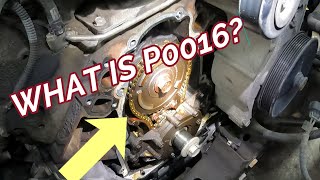

![2014+ Chevy LS LT VVT Oil Control Solenoid Cam Sensor and Actuator Replacement [the easy way] 2022](https://img.youtube.com/vi/IB2gmTp_wWc/mqdefault.jpg)
Used OEM Parts in Stock
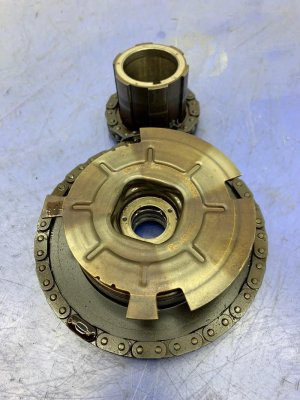
New Aftermarket Parts Available

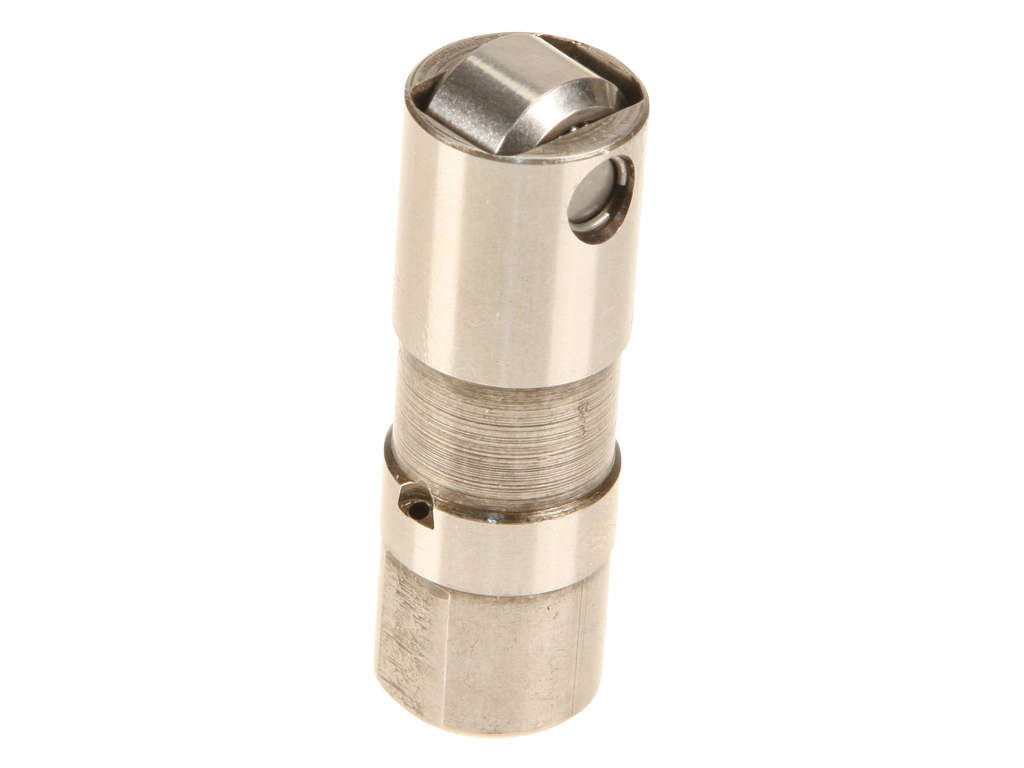


The information in this article is provided for general reference and educational purposes only. Vehicle specifications, procedures, and part compatibility can vary by production date, trim level, and region. Always consult your vehicle's factory service manual and verify part numbers before purchasing or performing repairs. Safety-critical components such as airbags, seat belts, and braking systems should be installed by a qualified professional.
- Cadillac ESCALADE ESV:
- 🧭 Diagnostic Flowchart
- 🎬 Helpful Videos
- 🛍️ Shop This Part
- What's Unique About the 2012-2019 Cadillac ESCALADE ESV
- Symptoms You May Notice
- Most Likely Causes
- Rare But Worth Checking
- Diagnosis Steps
- Parts You'll Likely Need
- Related Codes That Often Appear With This One
- Technical Service Bulletins (TSBs) & Recalls
- Platform-Specific Known Issues
- Mechanic-Grade Diagnostic Values
- Scan Tool Commands That Help
- Wiring & Ground Locations
- Real Owner Repair Stories
- OEM Part Supersession History
- Model Year Variations Within This Range
- 🎟️ Get 5% Off