

P0016 on 2020-2023 Cadillac XT6: Crank/Cam Correlation Causes and Fixes
P0016 on a 2020-2023 Cadillac XT6 indicates the crankshaft and Bank 1 intake camshaft are out of sync. This is a serious code that should be addressed immediately. Common causes include stretched timing chains (a known but less frequent issue on the 3.6L LGX compared to its predecessors), faulty VVT solenoids (specifically the 'park lock' solenoid), or low/dirty engine oil. Do not drive the vehicle until it has been diagnosed to avoid potential severe engine damage.
- P0016 is a serious code on the Cadillac XT6 that requires immediate attention to prevent severe engine damage.
- Do not continue to drive the vehicle if this code is present.
- For the 3.6L V6 engine, the most likely cause is a stretched timing chain, which is a major repair.
- Before beginning expensive repairs, check engine oil level and quality, and be aware of specific TSBs related to swapped connectors and faulty VVT park lock solenoids.
- Diagnosis should be performed by a professional, as the root cause is often a complex mechanical issue rather than a simple sensor failure.
What's Unique About the 2020-2023 Cadillac XT6
The Cadillac XT6 was offered with two different engines: a 2.0L Turbo I4 (LSY) and a 3.6L V6 (LGX). While P0016 can occur on both, the 3.6L V6 family has a well-documented history of timing chain stretch, making it a primary suspect for this code, though the LGX has a redesigned, more robust timing system than its LLT/LFX predecessors. GM has issued several Technical Service Bulletins (TSBs) relevant to this code on these engines, pointing to specific, sometimes non-obvious, causes like faulty 'park lock' solenoids or swapped electrical connectors after a repair, which can complicate diagnosis.
Diagnostic Flowchart
Tap your situation to follow the diagnostic path that matches what you're seeing on this vehicle.
Symptoms You May Notice
- Check Engine Light is on
- Rough or unstable idle
- Rattling or clattering noise from the front of the engine, especially on cold starts
- Reduced engine power and acceleration
- Poor fuel economy
- Engine may stall or fail to start in severe cases
- Extended cranking time before the engine starts
- Replacing the camshaft or crankshaft position sensors without first diagnosing the timing system or checking for TSBs. The code indicates a correlation problem, not necessarily a faulty sensor.
- Immediately assuming a stretched timing chain on the LGX engine without first checking for the simpler and common issues like the park lock solenoid (TSB PIP5730B) or swapped connectors (TSB 23-NA-091).
Most Likely Causes
- Stretched Timing Chain or Worn Timing Components 🔴 High Probability → Shop Engine Timing Chain While the 3.6L LGX V6 features a redesigned and more durable timing system than older GM V6s, it is not immune to wear. Neglected oil changes or running the engine with low oil can accelerate wear on the chains and tensioners, leading to slack. On the 2.0L LSY, a TSB for the related XT4 (PIP5652A) notes that a collapsed tensioner can cause chain slack and trigger this code.
How to confirm: A technician can use a scan tool to monitor desired vs. actual camshaft position angles. A significant deviation that cannot be explained by other factors points to a timing chain issue. Physical inspection is the ultimate confirmation but is labor-intensive. An oscilloscope can also be used to compare cam and crank sensor waveforms to a known good pattern.
Typical fix: Replacement of the timing chains, tensioners, and guides. This is a major repair. 🎬 Watch: Step-by-step guide for replacing the 3.6L V6 timing chain.
Est. part cost: $300-$600 - Faulty Intake Camshaft Position Actuator Park Lock Solenoid 🟡 Medium Probability → Shop Engine Camshaft TSB #PIP5730B specifically identifies this part as a cause for P0016 on the 3.6L LGX engine. The solenoid can stick or physically come apart, causing the code often without any other driveability symptoms. This is a known 'pattern failure' for this engine.
How to confirm: A technician will remove and inspect the solenoid. Per the TSB, if only one bank has a code, the solenoids can be swapped between banks to see if the code follows to the other side. This is a great diagnostic step to avoid unnecessary, expensive repairs. 🎬 See this guide on testing and fixing P0016 correlation codes.
Typical fix: Replacement of the faulty park lock solenoid(s).
Est. part cost: $40-$80 - Low or Dirty Engine Oil 🟡 Medium Probability The Variable Valve Timing (VVT) system, which adjusts camshaft timing, is hydraulically operated by engine oil pressure. Low, old, or incorrect viscosity oil can prevent the cam phasers from operating correctly, leading to a correlation code. The LGX engine in particular can be sensitive to oil type and condition.
How to confirm: Check the oil level on the dipstick and review vehicle service history. If the oil is low or the change interval is overdue, this is a likely contributor.
Typical fix: Perform an oil and filter change using the manufacturer-specified oil (e.g., ACDelco dexos-approved synthetic oil). Clear codes and re-test.
Est. part cost: $50-$100 - Swapped Electrical Connectors After a Repair ⚪ Low Probability TSB #23-NA-091 warns that on the 3.6L V6, the electrical connectors for the Bank 1 intake camshaft actuator solenoid and the intake actuator park lock solenoid are identical and can be accidentally swapped during engine service. This will immediately cause a hard P0016 code and a rough idle.
How to confirm: A technician must carefully inspect the wire colors on the connectors and compare them to the vehicle's wiring diagram to ensure they are plugged into the correct components. This should be the first check if the code appeared immediately after another repair was performed.
Typical fix: Swap the connectors back to their correct positions and clear the code.
Est. part cost: $0 - Faulty Camshaft or Crankshaft Position Sensor ⚪ Low Probability → Shop Engine Crankshaft Position Sensor
How to confirm: While possible, a sensor failure is less common than mechanical or hydraulic issues for this code. The code indicates a correlation problem, not necessarily a faulty sensor. A technician can test the sensor's output with a multimeter or oscilloscope and inspect its wiring for damage.
Typical fix: Replacement of the failed sensor.
Est. part cost: $30-$100
Diagnosis Steps
- Verify the code with a professional OBD-II scanner and check for any other stored codes.
- Check the engine oil level and condition. If low, dirty, or overdue for a change, perform an oil and filter change with the correct specification oil (e.g., 5W-30 dexos approved).
- Review vehicle service history for recent engine repairs. If any were performed, immediately investigate the possibility of swapped connectors per TSB #23-NA-091.
- Inspect the wiring and connectors for the camshaft position sensor, crankshaft position sensor, and VVT solenoids for any signs of damage or corrosion.
- Following the guidance in TSB #PIP5730B, inspect the Intake Camshaft Position Actuator Park Lock Solenoid for damage or sticking. If possible, swap the solenoids between banks to see if the code moves.
- Use a scan tool with live data to monitor the desired vs. actual camshaft position angles for Bank 1. A large and persistent deviation points towards a mechanical timing issue.
- If available, use an oscilloscope to compare the crankshaft and camshaft sensor signals to a known-good waveform to definitively verify the timing relationship.
- If the above steps do not identify the cause, a physical inspection of the timing chain, guides, and tensioners is required. This is a labor-intensive step.
Parts You'll Likely Need
- Timing Chain Kit
(OEM #12713649 (LGX))— This is a probable fix for the 3.6L V6 engine if simpler causes are ruled out. The kit ensures all wear items (chains, guides, tensioners) are replaced.
Trusted brands: ACDelco
OEM price range: $400-$600
Aftermarket price range: $250-$450 - Intake Camshaft Position Actuator Park Lock Solenoid Valve
(OEM #12681275)— A known issue documented in TSB #PIP5730B that can cause P0016 without other symptoms. A relatively cheap and easy part to replace as a diagnostic step.
Trusted brands: ACDelco
OEM price range: $60-$90
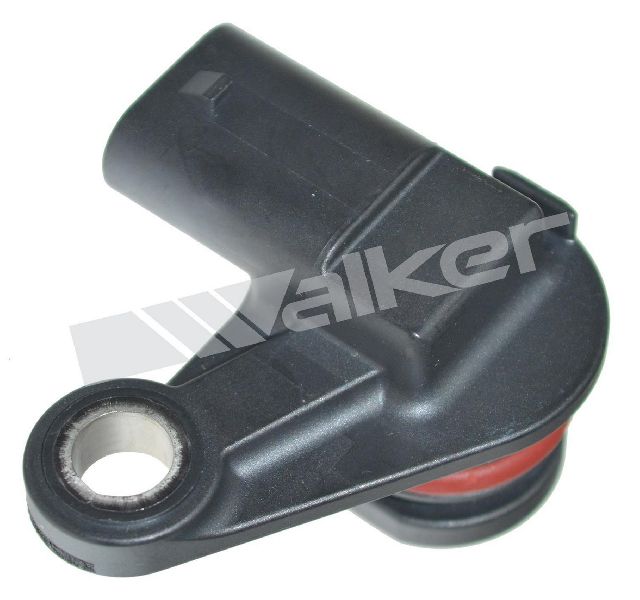
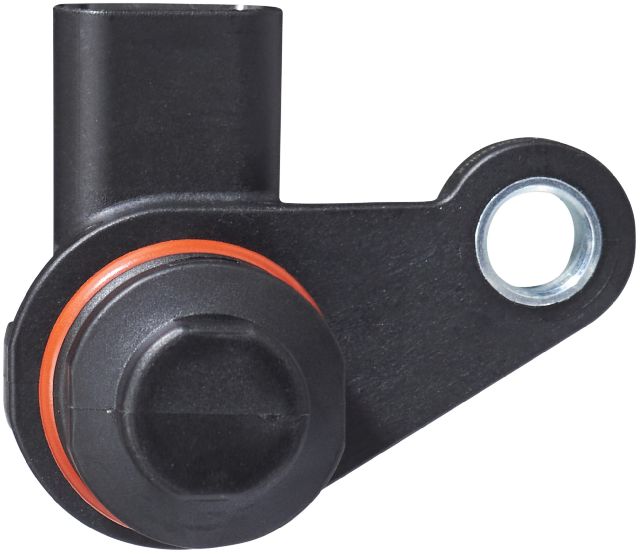
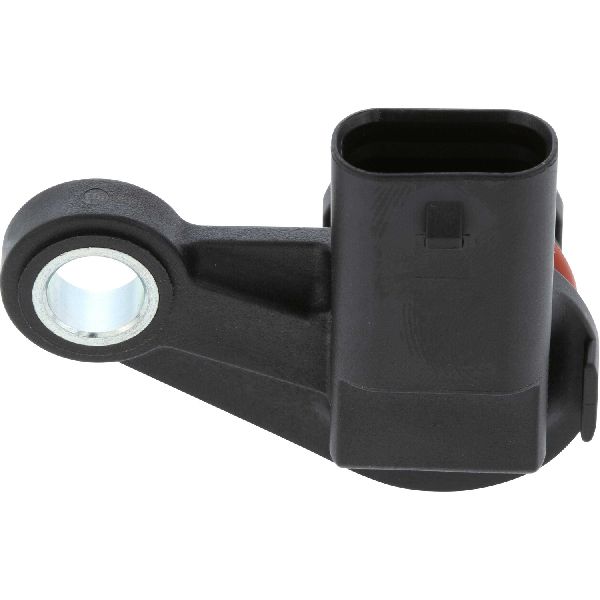
Aftermarket price range: $30-$50 - Camshaft Position Sensor — A less common but possible cause. It's often replaced as part of a larger timing job, but should be tested before being replaced on its own.
Trusted brands: ACDelco, Bosch, Delphi
OEM price range: $50-$80
Aftermarket price range: $25-$50
Related Codes That Often Appear With This One
- P0018 — This is the same correlation error but for Bank 2 (the front cylinder bank on the V6). Seeing P0016 and P0018 together strongly suggests a problem common to both banks, like a primary timing chain issue, low oil pressure, or swapped connectors as noted in TSB #23-NA-091.
- P0017 — This code indicates a correlation issue with the exhaust camshaft (Sensor 'B') on Bank 1. If the timing chain has stretched or jumped, it often affects both intake and exhaust cam timing on the same bank.
Technical Service Bulletins (TSBs) & Recalls
- 23-NA-091: Information on Rough Idle, Malfunction Indicator Lamp (MIL) Illuminated After Engine Repairs with DTCs P0016 and/or P0018 Set.
- PIP5730B: Diagnostic Assistance For P0011, P0016, P0018, and P0021 On The Gen 2 HFV6 Engine, pointing to the park lock solenoid.
Platform-Specific Known Issues
- On the 3.6L LGX V6, TSB #23-NA-091 highlights that after engine repairs, two identical electrical connectors (Bank 1 intake cam actuator and park lock solenoid) can be swapped, causing an immediate P0016 code and rough idle.
- TSB #PIP5730B points to a sticking or broken Intake Camshaft Position Actuator Park Lock Solenoid as a specific cause for P0016 on the 3.6L LGX, which may not present other drivability problems.
- On the 2.0L LSY engine, related TSBs for other models (like the XT4) suggest a collapsed timing chain tensioner can be a cause for this code.
Mechanic-Grade Diagnostic Values
- Camshaft Position (CMP) Actuator Solenoid (VVT Solenoid) Resistance — expected: 8 to 12 Ohms. Failure: A reading outside this range, or an open/short circuit, indicates a faulty solenoid.
- Engine Oil Pressure at Idle (3.6L LGX) — expected: At least 25 PSI at normal operating temperature. Failure: Pressure significantly below 25 PSI can cause VVT system malfunctions and lead to correlation codes.
- Crankshaft Reluctor Wheel Position (3.6L LGX) — expected: 25 to 26 mm from the end of the machined surface of the crankshaft throw to the edge of the open space in the reluctor wheel.. Failure: A measurement outside this range indicates the reluctor wheel has slipped on the crankshaft, which is a critical failure requiring crankshaft replacement.
Scan Tool Commands That Help
- GDS2 (GM Dealer Scan Tool): Camshaft Position Actuator Solenoid Control — This bidirectional command allows a technician to manually command the VVT solenoid ON and OFF while monitoring engine RPM. A healthy solenoid will produce an audible click and a noticeable change in engine idle quality or RPM, confirming the solenoid is mechanically responding. This helps differentiate a stuck solenoid from an electrical circuit fault.
- GDS2 / Professional Scan Tool: Crankshaft Position Variation Relearn — This procedure is required after replacing the crankshaft position sensor or the ECM. It synchronizes the sensor with the actual crankshaft reluctor wheel. Failure to perform this relearn can cause other performance issues and potentially related codes.
Wiring & Ground Locations
- Bank 1 Intake Camshaft Actuator Solenoid Connector vs. Park Lock Solenoid Connector — On the 3.6L V6, the intake actuator solenoid is on top of the engine, while the park lock solenoid is on the front of the engine for Bank 1.. Per TSB #23-NA-091, these two connectors are identical and can be swapped. A technician must verify wire colors against a schematic to confirm they are correct, as a swap will immediately set P0016 and/or P0018.
- G107 (3.6L LFX - similar architecture) — On the front of the right (Bank 1) cylinder head.. This is a primary engine ground. A loose or corroded ground can cause erratic sensor readings and trigger false correlation codes. While from a slightly older engine, its location is likely similar on the LGX and is a critical check for any electrical diagnosis.
Real Owner Repair Stories
- YouTube user 'The Flat Rate Mechanic' (2012 GMC Acadia with 3.6L V6 (LFX, predecessor to LGX but with similar timing design)) — Check engine light on, rough running, rattling noise from engine. Codes P0018 and P0019 were present (Bank 2 equivalent of P0016/P0017).
❌ Tried (didn't work) The diagnosis immediately pointed to a timing issue due to the rattling noise and codes.
✅ What actually fixed it The timing chain was found to be extremely loose upon removing the valve cover. The final fix was a complete timing chain kit replacement, including all chains, guides, and tensioners. The engine ran well with no codes after the repair.
OEM Part Supersession History
12669993→12681275— Part revision or manufacturer change for the Intake Camshaft Position Actuator Park Lock Solenoid Valve.
Heads up: The part number 12681275 is listed for multiple GM engines, sometimes as a rocker arm, but is also the correct number for the park lock solenoid in this application per TSB PIP5730B. Ensure the part description matches the intended component when ordering.
Helpful Videos
We Have This Part in Stock

The information in this article is provided for general reference and educational purposes only. Vehicle specifications, procedures, and part compatibility can vary by production date, trim level, and region. Always consult your vehicle's factory service manual and verify part numbers before purchasing or performing repairs. Safety-critical components such as airbags, seat belts, and braking systems should be installed by a qualified professional.
- Cadillac XT6:
- 🧭 Diagnostic Flowchart
- 🎬 Helpful Videos
- 🛍️ Shop This Part
- What's Unique About the 2020-2023 Cadillac XT6
- Symptoms You May Notice
- Most Likely Causes
- Diagnosis Steps
- Parts You'll Likely Need
- Related Codes That Often Appear With This One
- Technical Service Bulletins (TSBs) & Recalls
- Platform-Specific Known Issues
- Mechanic-Grade Diagnostic Values
- Scan Tool Commands That Help
- Wiring & Ground Locations
- Real Owner Repair Stories
- OEM Part Supersession History
- 🎟️ Get 5% Off