

P0016 on 2006-2010 Chevrolet Cobalt: Crank/Cam Correlation Causes and Fixes
P0016 on a Chevy Cobalt usually indicates a stretched timing chain, a failed tensioner, or a bad camshaft actuator solenoid. A startup rattle is a key symptom of a timing chain issue, which is a common and serious problem for these Ecotec engines. In many cases, this code points directly to the need for a timing chain replacement.
- P0016 on a 2006-2010 Cobalt points to a timing issue between the crank and intake cam.
- The most likely cause is a stretched timing chain, especially if you hear a rattling noise when starting the engine.
- A faulty camshaft actuator (VVT) solenoid is another common and much cheaper/easier part to replace, so it's worth checking first.
- Always check your engine oil level and condition; low or dirty oil can cause this code.
- Do not immediately replace the cam/crank sensors, as they are rarely the root cause for this specific code on this car.
What's Unique About the 2006-2010 Chevrolet COBALT

The Ecotec engines in this generation of Cobalt are known for timing chain issues. The chains can stretch and the plastic guides can break, causing slack that leads to correlation codes like P0016. This is often accompanied by a distinct rattling noise on a cold start, as mentioned in TSB #PIP4716F. While camshaft actuator solenoids can also fail, the high probability of a timing chain problem is a specific concern for this platform. The issue is so prevalent that many forum users and mechanics immediately suspect the timing chain when P0016 appears.
Diagnostic Flowchart

Tap your situation to follow the diagnostic path that matches what you're seeing on this vehicle.
Symptoms You May Notice

- Check Engine Light is on
- Engine rattles on startup, especially when cold.
- Rough or unstable idle
- Reduced engine power and poor acceleration.
- Engine stalls or is hard to start.
- Worse fuel economy
- Engine won't start at all in severe cases.
- Replacing the camshaft or crankshaft position sensors when the actual problem is a stretched timing chain or a faulty VVT solenoid. Always investigate the mechanical timing and VVT system before replacing sensors for this code, as it's a correlation code, not a sensor circuit code.
- Replacing only the VVT solenoids when the underlying issue is a stretched timing chain. If a startup rattle is present, the chain should be the primary suspect.
Most Likely Causes

- Stretched Timing Chain or Failed Tensioner/Guides 🔴 High Probability → Shop Engine Timing Chain The Ecotec engines of this era are widely documented to have issues with timing chain stretch and guide failure. Low oil levels or poor oil quality accelerate wear on the tensioner and plastic guides. A startup rattle is a classic symptom. 🎬 Listen to an example of the Cobalt engine rattle here.
How to confirm: Listen for a rattling noise from the front of the engine on cold starts. A physical inspection is required for definitive confirmation, which involves removing the valve cover and/or timing cover to check for chain slack and broken guides. A mechanic can also use a lab scope to compare crankshaft and camshaft sensor signals to diagnose timing deviation without major disassembly.
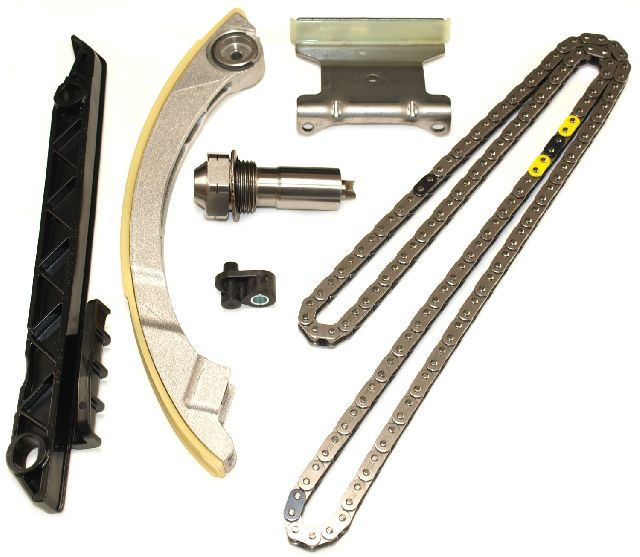
Typical fix: Replace the timing chain, tensioner, sprockets, and all guides as a complete kit. It is critical to replace all components, as a new chain on old sprockets will wear out quickly.
Est. part cost: $100-$250 - Faulty Camshaft Position Actuator Solenoid (VVT Solenoid) 🔴 High Probability → Shop Engine Camshaft These solenoids control oil flow to the cam phasers. They can become clogged with dirty or sludgy oil or fail electrically, which is a common issue on many VVT-equipped vehicles.
How to confirm: Check oil level and condition first. You can test the solenoid's resistance (should be 8-13 ohms) or swap the intake and exhaust solenoids (if they are identical) to see if the code changes to P0017. They are easily accessible on top of the engine. A scan tool can also command the solenoids to check for response.
Typical fix: Replace the faulty solenoid. 🎬 Watch this guide on diagnosing and replacing VVT solenoids. It is often recommended to replace both intake and exhaust solenoids at the same time. Clean the solenoid passages in the cylinder head before installing the new parts.
Est. part cost: $20-$50 per solenoid - Low or Dirty Engine Oil 🟡 Medium Probability The VVT system and timing chain tensioner are both dependent on clean oil at the correct pressure to function. Low or sludgy oil can clog the small passages in the actuator solenoids and starve the timing components of lubrication, accelerating wear and causing this code.
How to confirm: Check the oil level and condition on the dipstick. If the oil is low, black, or sludgy, this is a likely contributor to the problem.
Typical fix: Perform an oil and filter change using the manufacturer-specified oil viscosity (SAE 5W-30). Clear the code and see if it returns. This is often the first and cheapest diagnostic step.
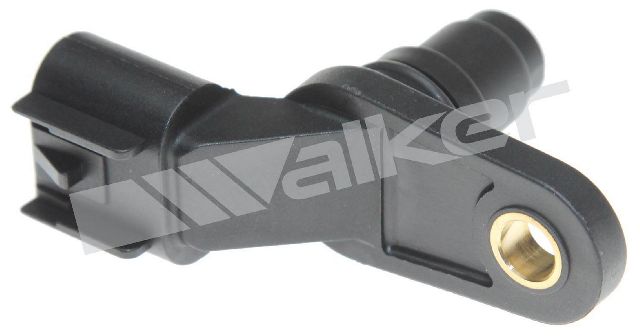
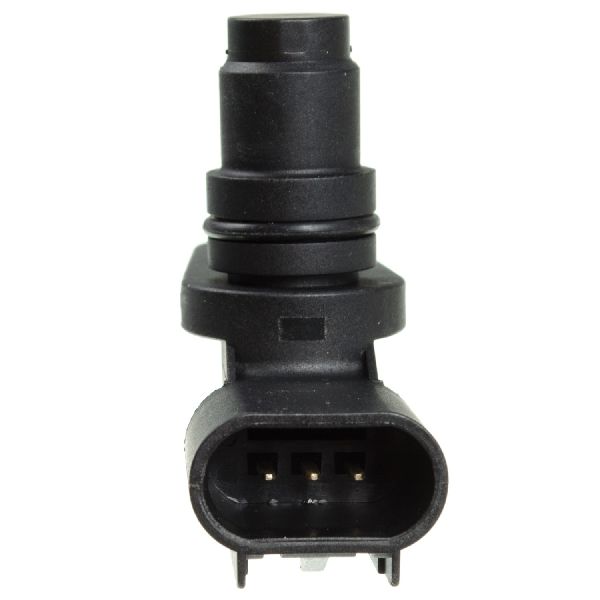
Est. part cost: $30-$70 - Faulty Camshaft or Crankshaft Position Sensor ⚪ Low Probability → Shop Engine Crankshaft Position Sensor While sensors can fail, it is less common for them to cause a P0016 code than mechanical timing or VVT solenoid issues. Usually, a bad sensor would trigger its own specific circuit code (e.g., P0335). It's rare for both cam and crank sensors to fail simultaneously.
How to confirm: Test the sensor with a multimeter or use a scan tool to monitor its live data. A visual inspection for damaged wiring is also recommended. Many owners replace these sensors only to find the P0016 code returns, indicating the problem was elsewhere.
Typical fix: Replace the failed sensor.
Est. part cost: $20-$60
Rare But Worth Checking
- Slipped Camshaft Reluctor Ring: → Shop Engine Camshaft As noted in TSB #PIP4548F, the reluctor ring on the camshaft is press-fit and can spin, especially after an engine overheat. This will cause a correlation code even if the timing chain is perfectly aligned. In one forum thread, a user confirmed this was their issue after replacing all other components; the reluctor had rotated just slightly. The fix requires replacing the entire camshaft.
- Failed Engine Control Module (ECM): In rare cases, the ECM itself can fail and send incorrect signals to the cam actuators, causing them to stay open and trigger timing codes. One owner on CobaltSS.net reported this as the final solution after replacing the timing chain and actuators to no avail. The shop determined a bad actuator had shorted and damaged the ECM driver circuit. This is usually diagnosed after all other mechanical and electrical causes have been ruled out.
Diagnosis Steps
- Check the engine oil level and condition. Top off or change the oil if necessary. This is the first and easiest step.
- Scan for any other trouble codes. Address any sensor-specific or VVT solenoid circuit codes first.
- Listen for a rattling noise from the engine during a cold start. A rattle lasting a few seconds strongly suggests a timing chain issue due to slack before oil pressure builds.
- Inspect the camshaft position actuator (VVT) solenoids. They are located on top of the valve cover and held by a single 10mm bolt each.
- Test the solenoids by checking resistance (8-13 ohms is typical) or by swapping the intake and exhaust solenoids to see if the code follows the solenoid (changes to P0017).
- If solenoids and oil are good, the next step is to suspect a mechanical timing issue.
- Remove the valve cover to visually inspect the timing chain for obvious slack and check the timing marks on the cam sprockets. Check for broken plastic from the guides.
- If slack is present or a guide is broken, the timing chain kit needs to be replaced. This is an advanced repair. 🎬 See a full walkthrough of the Ecotec timing chain replacement.
- If timing appears correct after a new chain installation and the code persists, investigate the rare possibility of a slipped reluctor ring as described in TSB #PIP4548F.
Parts You'll Likely Need
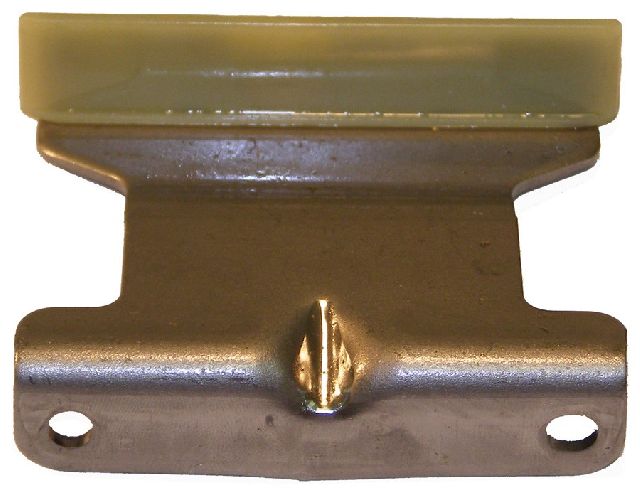
- Timing Chain Kit
(OEM #12680750)— This is the most probable cause of P0016 on these engines, especially if a startup rattle is present. A kit ensures all worn components (chain, guides, tensioner, sprockets) are replaced for a lasting repair.
Trusted brands: ACDelco, Cloyes
OEM price range: $150-$300
Aftermarket price range: $100-$250 - Camshaft Position Actuator Solenoid
(OEM #12655420 (Exhaust), 12655421 (Intake))— These solenoids are a common failure point and can get clogged by dirty oil, causing timing correlation issues. They are easily accessible and relatively inexpensive to replace.
Trusted brands: ACDelco, Dorman
OEM price range: $40-$60
Aftermarket price range: $20-$50
Related Codes That Often Appear With This One
- P0017 — This code indicates a correlation issue with the exhaust camshaft. It's common to see both P0016 and P0017 together when there is a significant timing chain issue affecting the entire system, or if both VVT solenoids are failing.
- P0011 — This code indicates the intake camshaft timing is over-advanced. It can be caused by a stuck VVT solenoid or a timing chain problem, which are root causes shared with P0016.
- P0014 — This code indicates the exhaust camshaft timing is over-advanced and often appears with P0017 for the same reasons P0011 appears with P0016.
Technical Service Bulletins (TSBs) & Recalls
- PIP4548F: Advises inspection for a moved camshaft reluctor ring if P0016/P0017 codes are present on a properly timed engine or in a crank/no-start situation. This can happen after an engine overheat.
- PIP4716F: Links P0016 with a sharp rattle noise from the engine at startup and advises inspecting the engine belt.
Platform-Specific Known Issues
- Timing Chain Stretch: The Ecotec engines in the 2006-2010 Cobalt are well-known for premature timing chain wear, leading to slack, noise, and timing correlation codes.
- Camshaft Reluctor Ring Slippage: TSB #PIP4548F notes that the reluctor ring, which the camshaft sensor reads, can move on the camshaft, especially after an overheat. This will cause P0016/P0017 even with a new, correctly installed timing chain.
- Balance Shaft Chain Failure (2.4L LE5): On the 2.4L engine, there is a separate chain for the balance shafts. The guides for this chain can also fail, and since it's in the same area as the main timing chain, it's often recommended to replace both kits at the same time.
Mechanic-Grade Diagnostic Values
- Camshaft Position Actuator Solenoid Resistance — expected: 8 to 13 Ohms. Failure: A reading outside this range, or one that is erratic and jumps around, indicates a faulty solenoid. One technician measured a bad solenoid at over 72,000 Ohms.
- Scan Tool Camshaft Position Desired vs. Actual Angle — expected: The 'Actual' value should closely track the 'Desired' value as engine RPM and load change.. Failure: If the ECM commands a change but the actual angle does not respond, it points to a stuck phaser or a faulty actuator solenoid. If the values are erratic or consistently mismatched at idle, it can indicate a stretched chain or incorrect base timing.
Scan Tool Commands That Help
- GDS2 / Tech2 (or equivalent professional scan tool): Camshaft Position Actuator Solenoid Control — This bidirectional control allows a technician to command the intake and exhaust solenoids on and off while monitoring the camshaft position angles. This directly tests the solenoid's and phaser's mechanical response, helping to isolate a failed solenoid from a wiring or ECM driver issue without removing parts.
- GDS2 / Tech2 (or equivalent professional scan tool): Crankshaft Position System Variation Learn — This procedure is required after replacing the crankshaft, crankshaft position sensor, or ECM. It compensates for minor variations in the crankshaft reluctor wheel to ensure accurate misfire detection and timing. While not a direct fix for a mechanical P0016, failing to perform this relearn after relevant repairs can cause other issues or prevent the ECM from accurately assessing timing.
Wiring & Ground Locations
- G101 / G106 — G101 is on the lower front of the engine block. It jumpers to G106, located on the front center of the frame cross rail, under the crank pulley.. This is a primary ground for the Engine Control Module (ECM) and Transmission Control Module (TCM). A poor connection here can cause erratic ECM behavior and faulty sensor readings, potentially leading to incorrect correlation codes.
- Main Engine/Transmission Ground — A main ground strap runs from the front of the transmission case to the vehicle frame.. This is the main ground path for the entire powertrain. Corrosion or a loose connection here can cause a wide range of electrical issues, including problems with the charging system and erratic sensor signals that could contribute to a P0016 code.
- G103 — Located on the cowl at the left rear of the engine compartment, above the brake booster.. This ground serves the Body Control Module (BCM) and the Data Link Connector (DLC). While not a direct cause, a poor ground here can interfere with scan tool communication during diagnosis.
Real Owner Repair Stories
- CobaltSS.net forum user (2007 Pontiac GXP (2.4L LE5 engine)) — P0016 code, camshafts were 'parked' (not advancing/retarding).
❌ Tried (didn't work) Replaced camshaft position sensor, Replaced camshaft actuator solenoid, Replaced crankshaft position sensor
✅ What actually fixed it The reluctor wheel on the exhaust camshaft had spun slightly. Although it looked fine on visual inspection, when compared side-by-side with a new camshaft, the rotation was noticeable. Replacing the exhaust camshaft resolved the P0016 code.
When the Usual Fixes Don't Work
- While timing chains and VVT solenoids are the most common culprits for P0016, there are documented cases where the root cause was much deeper. In one instance involving a 2.4L Ecotec, a technician replaced the cam sensor, crank sensor, and both VVT actuator solenoids, but the code persisted. The final solution was replacing the entire exhaust camshaft because the press-fit reluctor ring had spun slightly on the shaft, a failure confirmed in GM TSB #PIP4548F. This highlights that even with correct mechanical timing and functioning electronics, a physically displaced reluctor ring can create a correlation error that the ECM cannot resolve.
OEM Part Supersession History
Various older designs→GM Part #12608580— GM has had at least three designs for the Ecotec timing chain tensioner. The first design had a two-piece body and a rubber O-ring. The second was similar but without the O-ring. The final, current design (12608580) is a one-piece body with a smaller piston and no O-ring.
Heads up: The newest design supersedes all previous versions and should be used for replacement. Aftermarket manual tensioners are also available for high-performance applications where high-lift cams or upgraded valve springs might cause the stock hydraulic tensioner to collapse at high RPM.
Model Year Variations Within This Range
- 2006-2008 (L61) vs 2009-2010 (LAP) vs 2006-2008 (LE5): The base 2.2L engine was the L61 until it was updated to the LAP for 2009, which added variable valve timing (VVT). The 2.4L LE5 engine had VVT for its entire run (2006-2008). Therefore, a P0016 code on a 2006-2008 2.2L L61 is highly unusual as it lacks the VVT system components (phasers, solenoids) that are common causes. For an L61, the code would point more directly to a base timing issue (stretched chain, slipped reluctor). The LAP and LE5 engines share the same VVT system, making their diagnosis for P0016 identical.
Helpful Videos
We Have This Part in Stock


The information in this article is provided for general reference and educational purposes only. Vehicle specifications, procedures, and part compatibility can vary by production date, trim level, and region. Always consult your vehicle's factory service manual and verify part numbers before purchasing or performing repairs. Safety-critical components such as airbags, seat belts, and braking systems should be installed by a qualified professional.
- Chevrolet COBALT:
- 🧭 Diagnostic Flowchart
- 🎬 Helpful Videos
- 🛍️ Shop This Part
- What's Unique About the 2006-2010 Chevrolet COBALT
- Symptoms You May Notice
- Most Likely Causes
- Rare But Worth Checking
- Diagnosis Steps
- Parts You'll Likely Need
- Related Codes That Often Appear With This One
- Technical Service Bulletins (TSBs) & Recalls
- Platform-Specific Known Issues
- Mechanic-Grade Diagnostic Values
- Scan Tool Commands That Help
- Wiring & Ground Locations
- Real Owner Repair Stories
- When the Usual Fixes Don't Work
- OEM Part Supersession History
- Model Year Variations Within This Range
- 🎟️ Get 5% Off