

P0016 on 2015-2019 Chevrolet Impala: Crank/Cam Timing Correlation Fixes
On the 2015-2019 Impala with the 3.6L V6 (LFX) engine, P0016 almost always means the timing chains have stretched and need to be replaced. This is a complex, expensive repair often costing $1,500-$2,500. For the 2.5L I4 (LKW) engine, the cause is less consistently the timing chain and can also point to faulty VVT solenoids. In either case, replacing sensors will not fix this mechanical issue.
- P0016 on a 2015-2019 Impala, especially with the 3.6L V6, is a strong indicator of a stretched timing chain.
- Do not waste money replacing camshaft or crankshaft sensors before confirming the mechanical timing is correct.
- This is a serious issue. Do not continue to drive the vehicle, as you risk catastrophic engine failure.
- The repair is complex and expensive, requiring a full timing chain kit and significant labor.
- Using high-quality oil and adhering to regular oil change intervals is the best preventative measure to prolong the life of the timing components.
What's Unique About the 2015-2019 Chevrolet IMPALA
The 10th generation Impala, particularly models with the 3.6L V6 (LFX) engine, has a well-documented history of premature timing chain stretching. This is a known design and materials issue across many GM vehicles that use this engine family (High Feature V6). 🎬 Watch: A deep dive into the LFX engine's long-term reliability. The problem was often linked to an early chain design and long oil change intervals recommended by the Oil Life Monitor (OLM) system, which allowed for oil degradation and accelerated wear. While the code can appear for other reasons, the high probability of chain failure on this specific V6 makes it the immediate and primary suspect, a fact supported by multiple manufacturer technical service bulletins.
Diagnostic Flowchart
Tap your situation to follow the diagnostic path that matches what you're seeing on this vehicle.
Symptoms You May Notice
- Check Engine Light is on
- Rattling, scraping, or chain-like noise from the engine, especially on cold starts or between 1500-2500 RPM
- Rough or unstable idle
- Reduced engine power and sluggish acceleration
- Engine misfires, sometimes setting a P0300 code.
- In severe cases, the engine may crank but fail to start
- Poor fuel economy
- Replacing the camshaft position sensor without verifying mechanical timing. The sensor is reporting a real problem; it is rarely the cause of the problem itself on this engine.
- Replacing the crankshaft position sensor for the same reason as the camshaft sensor.
- Replacing only one component, like a single tensioner or solenoid, when the entire timing system is worn.
Most Likely Causes
- Stretched Timing Chains 🔴 High Probability → Shop Engine Timing Chain The 3.6L V6 LFX engine is notorious for premature timing chain wear due to a combination of chain link design, long oil change intervals, and potential oil pressure issues. The issue is so common that GM has issued multiple service bulletins and faced class-action lawsuits.
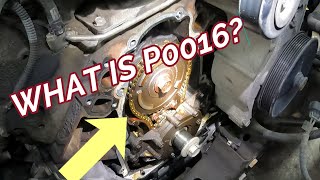
How to confirm: A technician can use a scan tool to view cam/crank correlation data. A definitive diagnosis requires physical inspection for chain slack, which involves removing the engine's front timing cover. Broken plastic from the guides may also be found in the oil pan.
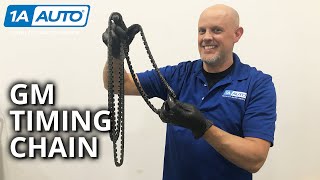
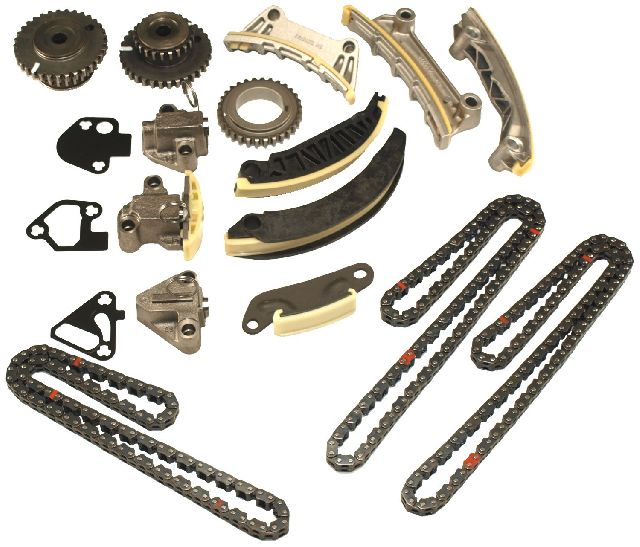
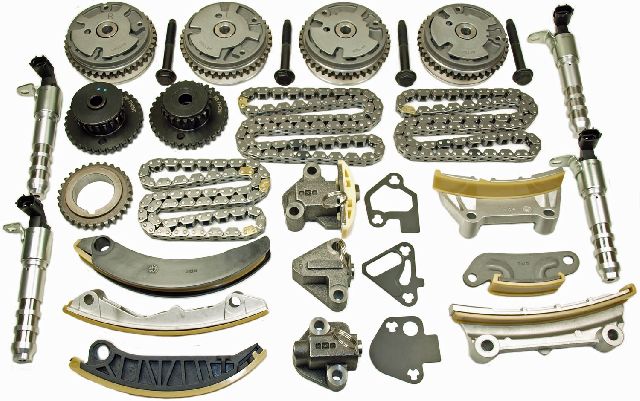
Typical fix: Replace all three timing chains, all tensioners, and all guides with the latest updated parts from GM/ACDelco. It is also recommended to replace the water pump and front crankshaft seal at the same time.
Est. part cost: $250-$500 - Failed Timing Chain Tensioner(s) 🔴 High Probability → Shop Engine Timing Chain The hydraulic tensioners keep the chains tight. They can fail due to wear, sludge from dirty oil, or loss of oil pressure, leading to chain slack. They are considered a wear item and are always replaced with the chains.
How to confirm: Diagnosed during the physical inspection for a timing chain replacement. A failed tensioner allows visible slack in the chain. Sometimes pieces of a broken tensioner guide can be found in the oil pan.
Typical fix: Replace as part of a complete timing chain kit.
Est. part cost: $50-$150 - Low or Dirty Engine Oil 🟡 Medium Probability The timing chain tensioners and VVT phasers are hydraulic and rely on clean oil at the correct pressure to function. The LFX engine can consume oil, and the original Oil Life Monitor (OLM) calibration allowed for extended drain intervals, which can lead to low oil levels and degraded oil quality, starving the tensioners and accelerating wear.
How to confirm: Check the oil level on the dipstick and inspect its condition. If the oil is very low or appears like dark sludge, this is a likely contributor.
Typical fix: Perform an oil and filter change with the correct specification oil (dexos1). However, if the code persists, the timing components have likely already sustained permanent damage and require replacement.
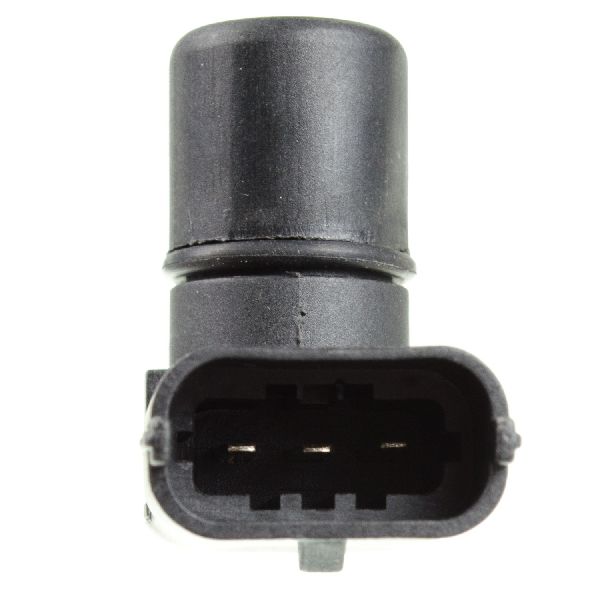
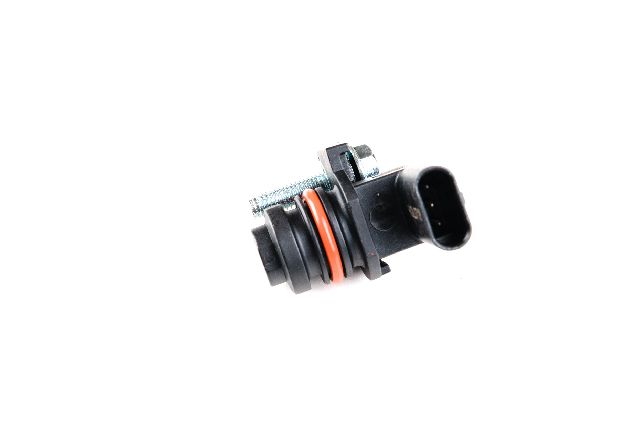
Est. part cost: $40-$80 - Faulty Camshaft or Crankshaft Position Sensor ⚪ Low Probability → Shop Engine Crankshaft Position Sensor
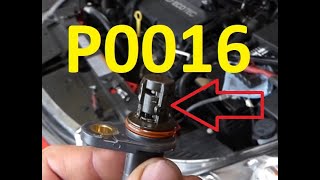
How to confirm: Test the sensor's output with a multimeter or oscilloscope. Swap the suspect sensor with a known good one (e.g., from the other bank) to see if the code changes. This is rarely the cause on this platform.
Typical fix: Replace the faulty sensor.
Est. part cost: $30-$70
Rare But Worth Checking
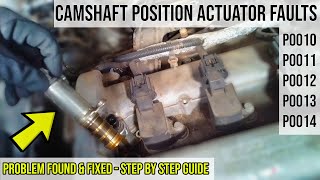
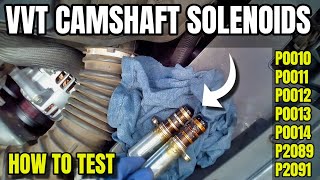
- Clogged VVT Solenoid (Camshaft Position Actuator Solenoid): The Variable Valve Timing (VVT) solenoids control oil flow to the cam phasers. Sludge or debris from infrequent oil changes can clog their internal screens, causing incorrect cam timing. They are relatively easy to access and inspect/clean before committing to a full timing job. A faulty solenoid will often set other codes like P0010 or P0013.
- Slipped Crankshaft Reluctor Wheel: → Shop Engine Crankshaft TSB PIP3423P notes that the reluctor wheel, which the crankshaft sensor reads, can physically move on the crankshaft. This will cause persistent timing codes even after a timing chain replacement. Diagnosis requires measuring the wheel's position relative to the crankshaft throw, which may be possible with a borescope through the crank sensor hole. The fix requires crankshaft replacement.
- Damaged Camshaft Reluctor Wheel/Phaser: → Shop Engine Camshaft The reluctor wheel is what the camshaft sensor reads. If it's damaged or has shifted on the camshaft, it can cause correlation codes. This is typically found during a full timing chain service. TSB PIP4548F discusses this issue on some 4-cylinder GM engines.
Diagnosis Steps
- Check engine oil level and condition. If low or dirty, perform an oil and filter change with a quality dexos1-approved oil, clear the codes, and see if P0016 returns.
- Use an OBD-II scanner to confirm P0016 and look for other related codes (P0008, P0017, P0018, P0019, P0300).
- Inspect the VVT solenoids on Bank 1 (firewall side on V6). Remove them and check for debris on the screens. They can be cleaned or replaced if clogged or failing a resistance test.
- If possible, use an advanced scan tool to monitor the desired vs. actual camshaft position angles. A significant, persistent deviation that does not correct itself points to a mechanical timing issue.
- If the above steps do not resolve the issue, a physical inspection of the timing chains is required. This is a labor-intensive step involving removal of the front timing cover.
- During inspection, check for excessive chain slack, broken plastic guides, and worn tensioners. If any of these are found, a full timing chain kit replacement is necessary.
- If timing chains are replaced and the code returns, investigate the possibility of a slipped crankshaft reluctor wheel as per TSB PIP3423P.
Parts You'll Likely Need
- Engine Timing Chain Kit (3.6L LFX)
(OEM #12651450 (often superseded by newer kits like 12700436 or 12693218))— This is the definitive fix for the most common cause of P0016 on the 3.6L V6. A complete kit ensures all worn components (chains, guides, tensioners) are replaced with updated parts.
Trusted brands: ACDelco (GM Original Equipment), Cloyes, Melling
OEM price range: $300-$450
Aftermarket price range: $150-$300 - Engine Timing Chain Kit (2.5L LKW) — If the timing chain is confirmed to be the cause on the 4-cylinder engine, a complete kit is also the correct repair.
Trusted brands: ACDelco, Cloyes
OEM price range: $200-$350
Aftermarket price range: $100-$200 - Camshaft Position Sensor — Replaced only if it has been tested and confirmed to be faulty, which is rare. It's often replaced unnecessarily.
Trusted brands: ACDelco, Delphi, Bosch
OEM price range: $40-$70
Aftermarket price range: $20-$50
Related Codes That Often Appear With This One
- P0008 — Indicates a general engine position system performance error for Bank 1. It is a very common companion code to P0016 and strongly points to a stretched timing chain.
- P0017 — Indicates a crank/cam correlation error on the Bank 1 EXHAUST camshaft. It's common to see both intake (P0016) and exhaust (P0017) codes on the same bank when the chain is loose.
- P0018 / P0019 — These are the equivalent correlation codes for Bank 2 (the front/radiator side bank). Seeing all four codes (P0016, P0017, P0018, P0019) strongly suggests a primary timing chain issue affecting the entire engine.
- P0300 — A random misfire code. Incorrect valve timing from a stretched chain disrupts the air/fuel mixture and ignition, leading to misfires.
Technical Service Bulletins (TSBs) & Recalls
- PIP3423P: A critical TSB for the HFV6 engine family. It states that if timing codes (P0016, etc.) are present and chains/tensioners seem okay, the crankshaft reluctor wheel may have slipped, requiring crankshaft replacement.
- 12-06-01-009F: Provides part numbers for updated timing chain service kits and repair procedures for numerous GM vehicles with the 3.6L V6 engine experiencing codes like P0016 due to stretched chains.
- Special Coverage Adjustment #11340B: While for earlier models, this document shows GM's acknowledgement of premature timing chain wear on the 3.6L engine family, extending warranty coverage and mandating an ECM reprogram to shorten oil change intervals.
Platform-Specific Known Issues
- The 3.6L LFX V6 engine used in these Impalas is widely known for premature timing chain failure. The issue was so prevalent in earlier versions of this engine family (LLT) that class-action lawsuits were filed.
Mechanic-Grade Diagnostic Values
- Camshaft Position Actuator Solenoid (VVT Solenoid) Coil Resistance — expected: 5 to 20 Ohms, with many new parts measuring between 8-13 Ohms.. Failure: A reading of infinite resistance (Open Line) or near-zero resistance (short).
- Camshaft Position Actuator Solenoid (VVT Solenoid) Harness Voltage — expected: Approximately battery voltage (12V) on one pin with the key on, engine off.. Failure: No voltage indicates a wiring or fuse issue upstream of the solenoid.
- Engine Oil Pressure (3.6L LFX) — expected: As low as 20-25 PSI at warm idle, rising with RPM.. Failure: Significantly lower pressure, especially when warm, can starve hydraulic tensioners and phasers, contributing to P0016.
Scan Tool Commands That Help
- GDS2 (GM Global Diagnostic System 2): Camshaft Position Actuator Test / Control Functions — This bidirectional control allows a technician to command the Bank 1 intake VVT solenoid to activate while observing the 'Camshaft Position Angle' PID. If the solenoid is commanded ON and the angle does not change, it confirms a fault in the solenoid, oil passages, or the phaser itself, helping to isolate the problem without disassembly.
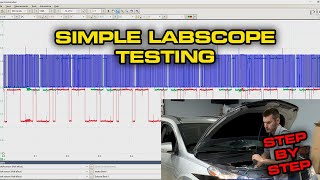
- Lab Scope / Oscilloscope: Crankshaft vs. Camshaft Waveform Comparison — This is the most definitive non-intrusive test. By comparing the live waveform patterns from the crankshaft sensor and the Bank 1 camshaft sensor to a known-good pattern, a technician can electronically prove that the mechanical timing has shifted due to a stretched chain. A stretched chain will cause the camshaft signal to appear retarded (shifted to the right on the timeline) relative to the crankshaft signal.
Wiring & Ground Locations
- G102 / G103 — On the LFX engine family, critical grounds are typically located at the left rear of the engine compartment, sometimes on the cowl above the brake booster or on the rear of the cylinder head.. The Engine Control Module (ECM) and its sensors rely on clean, secure ground connections. A corroded or loose ground at these locations can introduce electrical noise or incorrect reference voltages, potentially affecting the accuracy of the cam and crank sensor signals, although a mechanical fault is still the primary suspect for P0016.
- Engine Harness Chafe Points — The main engine wiring harness can rub against the back of the cylinder heads or where it is secured to the engine block.. While not a widely documented cause for P0016 specifically, harness chafing can lead to intermittent shorts or opens in the cam/crank sensor circuits. This would typically set sensor-specific circuit codes (e.g., P0335, P0340) but could theoretically contribute to correlation issues in rare cases.
Real Owner Repair Stories
- Reddit r/MechanicAdvice user (2013 Ford F-150 3.5L EcoBoost (Engine family with similar timing chain issues)) — P0016 code returned 5-10 minutes after a full timing chain and phaser replacement.
❌ Tried (didn't work) Complete timing chain and phaser replacement with the latest revised parts.
✅ What actually fixed it The user's post was a request for help after the initial repair failed. This highlights a critical scenario where P0016 returns even after the most common, expensive fix is performed. The likely culprits in such a case are an incorrectly performed timing procedure (off by one tooth), a faulty new part (phaser or solenoid), or a rare issue like a slipped crankshaft reluctor wheel.
OEM Part Supersession History
12651450→12679117, 12693218, and most recently 12700436— GM has released multiple revisions of the 3.6L V6 timing chain kit to improve the durability of the chains and guides to combat premature stretching.
Heads up: Using an older kit version is not recommended as it will be prone to the same premature failure. Always use the latest available OEM part number for this repair.
Model Year Variations Within This Range
- 2012-2013 vs 2014+: While the 2015-2019 Impala falls into the later group, it's important to note that GM began introducing improved timing chain designs around 2013. Vehicles from 2012-2013 with the LFX may still have the earlier, more problematic chain design carried over from the LLT engine. While less common on 2015+ models, the issue was not entirely eliminated, and failure is still the most probable cause of P0016.
Helpful Videos

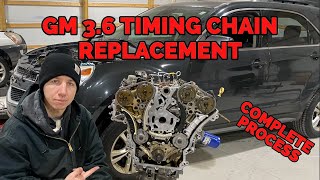
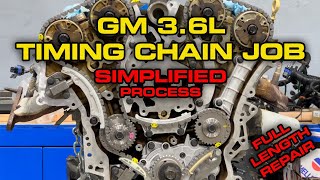

We Have This Part in Stock
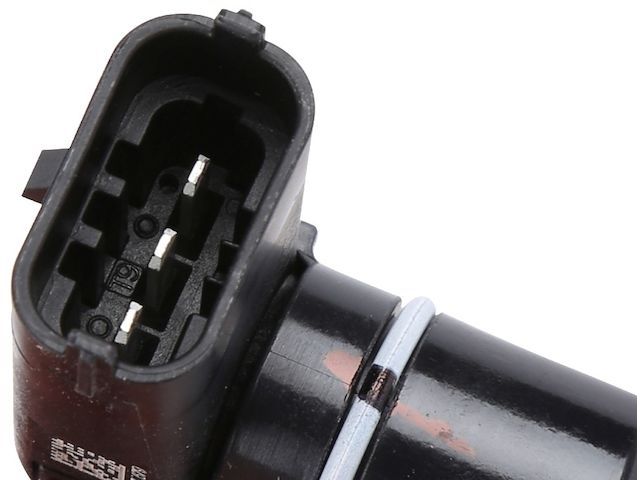
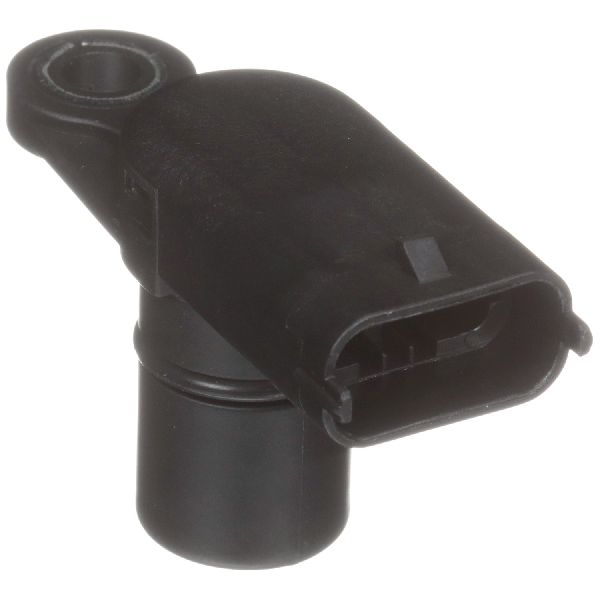

The information in this article is provided for general reference and educational purposes only. Vehicle specifications, procedures, and part compatibility can vary by production date, trim level, and region. Always consult your vehicle's factory service manual and verify part numbers before purchasing or performing repairs. Safety-critical components such as airbags, seat belts, and braking systems should be installed by a qualified professional.
- Chevrolet IMPALA:
- 🧭 Diagnostic Flowchart
- 🎬 Helpful Videos
- 🛍️ Shop This Part
- What's Unique About the 2015-2019 Chevrolet IMPALA
- Symptoms You May Notice
- Most Likely Causes
- Rare But Worth Checking
- Diagnosis Steps
- Parts You'll Likely Need
- Related Codes That Often Appear With This One
- Technical Service Bulletins (TSBs) & Recalls
- Platform-Specific Known Issues
- Mechanic-Grade Diagnostic Values
- Scan Tool Commands That Help
- Wiring & Ground Locations
- Real Owner Repair Stories
- OEM Part Supersession History
- Model Year Variations Within This Range
- 🎟️ Get 5% Off