

P0016 on 2015-2018 Ford C-MAX: Crank-Cam Correlation Causes and Fixes
Code P0016 on a 2015-2018 Ford C-MAX most often points to a sticking Variable Camshaft Timing (VCT) solenoid, usually caused by old or dirty engine oil. The most common fix is to replace the Bank 1 intake VCT solenoid and perform an oil and filter change. This is a known issue highlighted in Ford Technical Service Bulletins, which even suggest cycling the solenoid with a scan tool to dislodge debris as a first step. [SSM 48423]
- P0016 on your C-MAX is a serious code that indicates an engine timing problem.
- The most likely cause is a sticking intake VCT solenoid due to dirty engine oil. Always check your oil and change it if necessary as a first step.
- Replacing the intake VCT solenoid is the most common repair and is a manageable DIY job for many.
- A rattling noise from the engine could signal a more severe timing chain issue, which requires professional repair.
- Ignoring this code can lead to reduced performance, poor fuel economy, and potentially severe engine damage.
What's Unique About the 2015-2018 Ford C-MAX
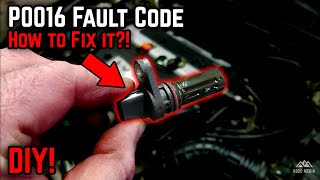
The 2.0L engine in the Ford C-MAX Hybrid uses a Variable Camshaft Timing (VCT) system that is highly dependent on clean engine oil and proper oil pressure to function. Ford has issued multiple Technical Service Bulletins (TSBs) for this and similar engines, acknowledging that small debris in the oil can cause the VCT solenoids to stick. [SSM 48423, SSM 47170] This makes this platform particularly prone to timing codes like P0016 if oil change intervals are not strictly followed. 🎬 Watch: Understanding P0016 symptoms and common causes TSB SSM 48423 specifically advises technicians to cycle the affected VCT solenoid 10 times using a scan tool to attempt to clear debris before replacing any parts.
Diagnostic Flowchart
Tap your situation to follow the diagnostic path that matches what you're seeing on this vehicle.
Symptoms You May Notice
- Check Engine Light is on
- Engine runs rough or idles erratically
- Stalling or hesitation during acceleration
- Noticeable reduction in engine power
- Hard starting (engine cranks longer than usual)
- Decreased fuel mileage
- Rattling noise from the engine on a cold start (may indicate timing chain issues)
- Engine fails to start entirely in severe cases
- Replacing the camshaft or crankshaft sensors when the actual problem is a sticking VCT solenoid or dirty oil.
- Assuming a major timing chain failure before checking the oil and VCT solenoid, which are far more common and easier to fix.
- Replacing the timing chain when the issue is a faulty VCT phaser/actuator.
- Overlooking a faulty aftermarket oil filter as the cause of low oil pressure to the VCT system, especially if the code appeared shortly after an oil change.
Most Likely Causes
- Low, Old, or Dirty Engine Oil 🔴 High Probability The VCT system uses oil pressure to adjust cam timing. Ford TSBs SSM 48423 and SSM 47170 directly state that debris in the oil can cause VCT solenoids to stick, triggering this code. This is the most common and cheapest starting point for a fix.
How to confirm: Check the oil level on the dipstick and inspect its color and consistency. If the oil is dark, sludgy, or below the minimum level, it needs to be changed.
Typical fix: Perform a complete engine oil and filter change using the manufacturer-specified grade of oil (e.g., SAE 5W-20 Synthetic Blend for this engine). Clear codes and test drive. Using a high-quality OEM filter (Motorcraft) is critical.
Est. part cost: $40-$80 - Faulty Intake VCT Solenoid (Oil Control Valve) 🔴 High Probability → Shop Engine Variable Valve Timing (VVT) Solenoid This is the component that gets clogged or stuck by dirty oil, as mentioned in Ford's TSBs. It's the most common part failure for this code after ruling out the oil itself.
How to confirm: After verifying oil is clean and full, TSB 48423 suggests using a scan tool to command the solenoid on/off 10 times to see if it frees up. It can also be removed for visual inspection of its screens for debris or tested for resistance (typically 7-14 ohms).
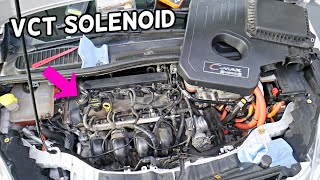
Typical fix: Replace the Bank 1 (intake) VCT solenoid. It is located in the valve cover, making it relatively accessible.
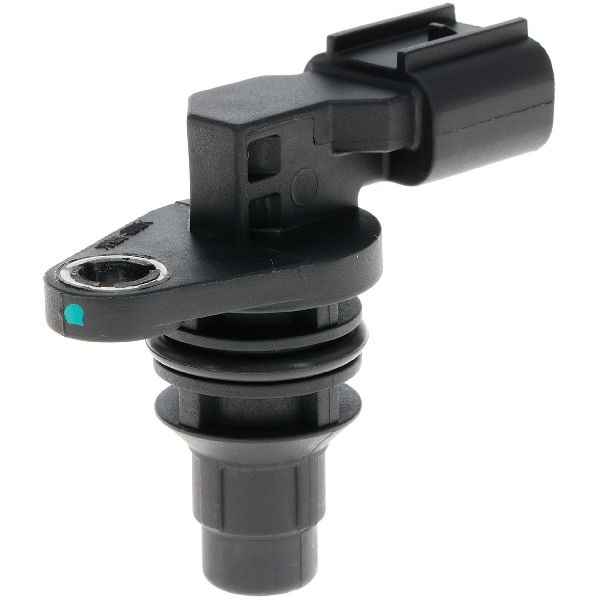
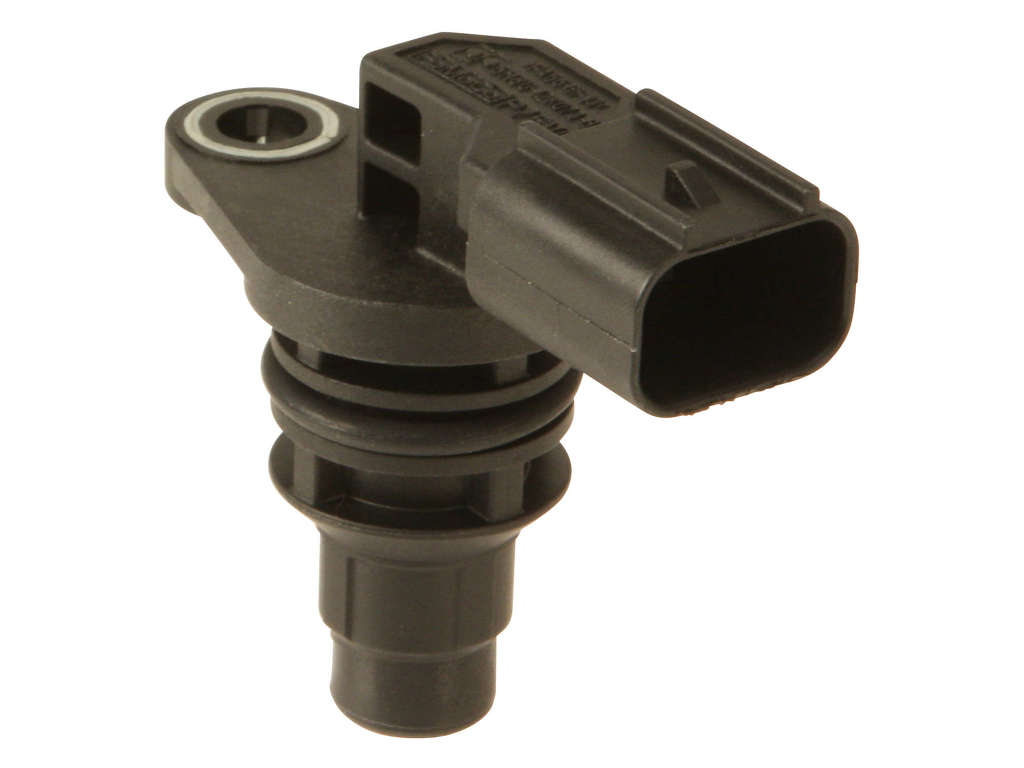
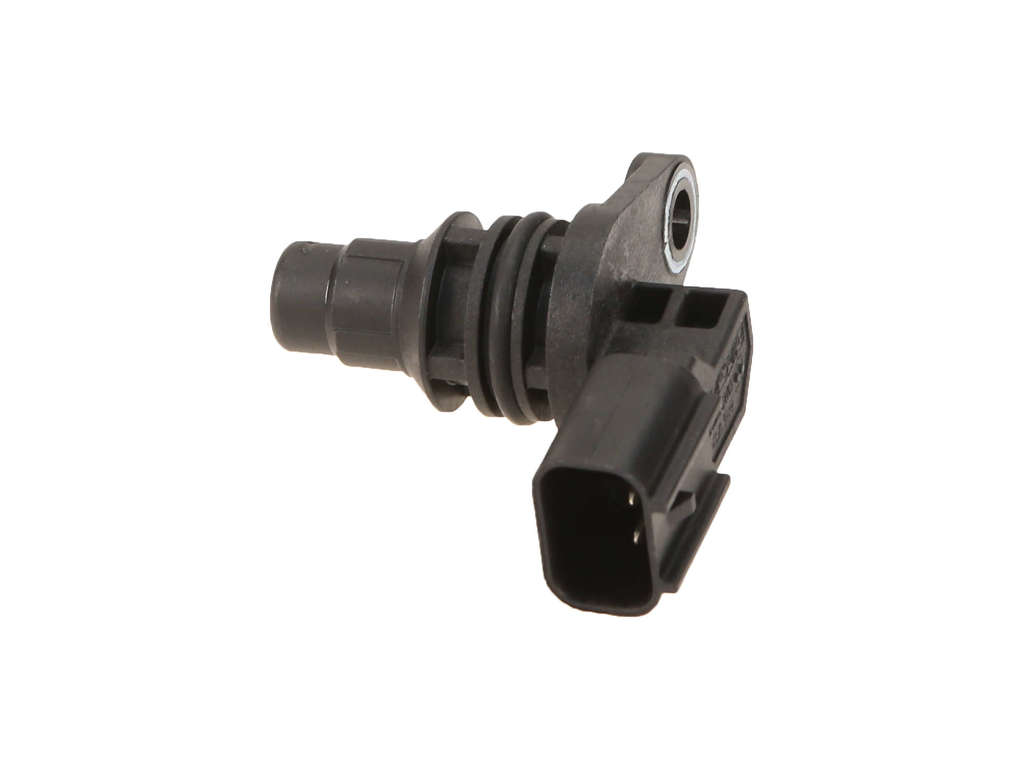
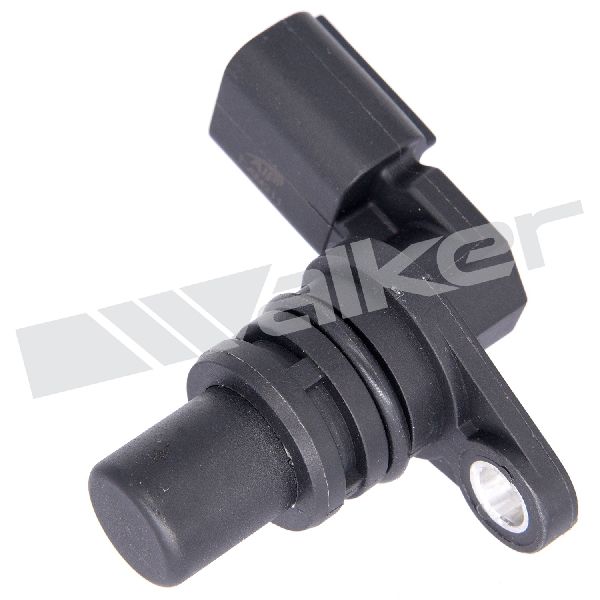
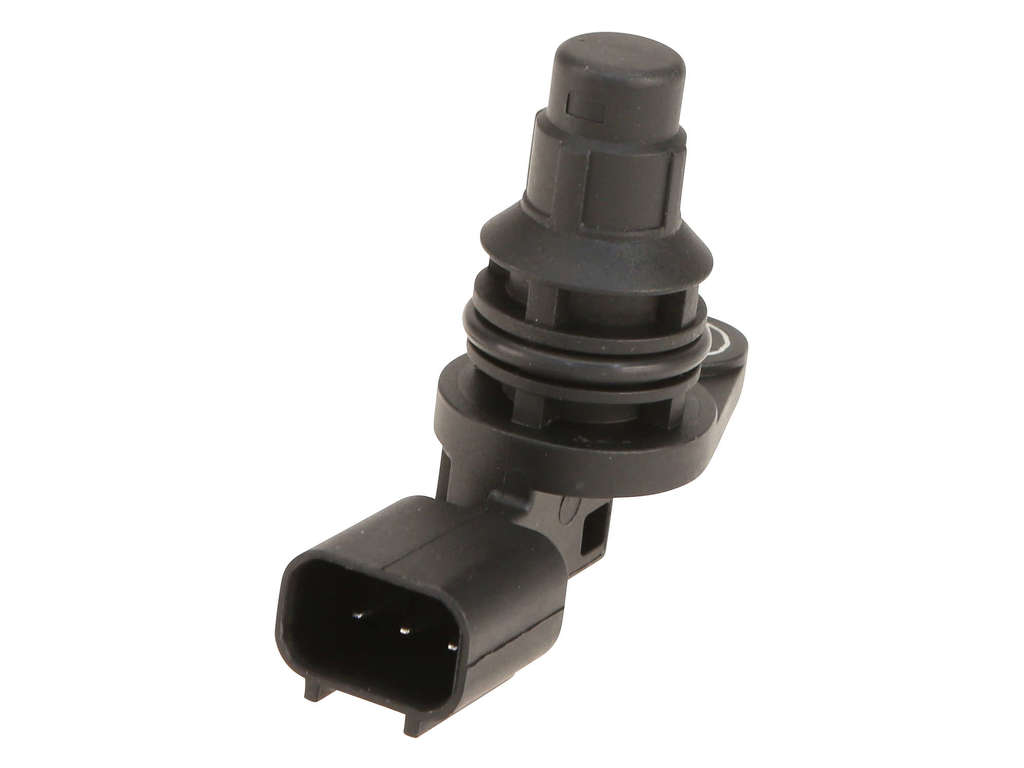
Est. part cost: $30-$70 - Failed Camshaft Position (CMP) Sensor 🟡 Medium Probability → Shop Engine Camshaft Position Sensor
How to confirm: Test the sensor's output with a multimeter or oscilloscope. Check for any related sensor-specific fault codes. A visual inspection for oil contamination is also recommended.
Typical fix: Replace the Bank 1 intake camshaft position sensor.
Est. part cost: $25-$60 - Stretched Timing Chain or Failed Tensioner ⚪ Low Probability → Shop Engine Timing Chain While less common than oil-related issues, timing chains can stretch over time, and tensioners can fail, causing slack in the chain. This becomes a higher probability on vehicles with higher mileage (over 100,000 miles).
How to confirm: This is a mechanical issue often indicated by a persistent rattling noise from the side of the engine, especially on cold starts. Confirmation requires removing the valve cover and physically inspecting the timing marks and chain tension.
Typical fix: Replace the timing chain, guides, and tensioner. This is a labor-intensive job with costs potentially ranging from $1,300 to $1,800 or more.
Est. part cost: $200-$500
Rare But Worth Checking
- Failed Camshaft Phaser: → Shop Engine Camshaft The phaser is the gear that the VCT solenoid controls. It can fail mechanically, but this is much less common than a solenoid failure. Diagnosis usually occurs after all other causes are ruled out.
- Damaged Wiring or Connectors: Frayed wires or a loose connection to the crankshaft sensor, camshaft sensor, or VCT solenoid can mimic a component failure. Always perform a visual inspection of the harness.
- Failed Crankshaft Position (CKP) Sensor: → Shop Engine Crankshaft Position Sensor While possible, a failed CKP sensor often causes more severe issues like a no-start condition and may be accompanied by other codes.
- Faulty Aftermarket Oil Filter: A low-quality or incorrect aftermarket oil filter can have a faulty internal bypass valve, causing improper oil pressure and flow to the VCT system, triggering P0016 even with fresh oil.
Diagnosis Steps
- Check Engine Oil: Verify the oil level is correct and the oil is clean. If it's low, dirty, or past its service interval, perform an oil and filter change using a high-quality OEM filter (e.g., Motorcraft), clear the code, and see if it returns. This is the first and most important step.
- Scan for Other Codes: Use an OBD-II scanner to check for any other pending or active codes that could point to a specific sensor or circuit failure.
- Inspect Wiring: Visually inspect the wiring harnesses and connectors for the intake VCT solenoid, camshaft position sensor, and crankshaft position sensor for any signs of damage, corrosion, or loose connections.
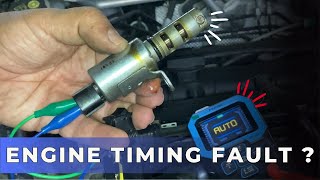
- Test the VCT Solenoid: Following Ford's TSB 48423, use a capable scan tool (like Ford IDS) to command the intake VCT solenoid on and off 10 times to check for response and potentially clear debris. If the code persists, remove the solenoid and inspect its screen for sludge. Test its internal resistance with a multimeter (should be around 7-14 ohms).
- Test Sensors: Test the CMP and CKP sensors' signals with a multimeter or, for a more definitive test, an oscilloscope. Compare the resulting waveforms to a known-good pattern for your specific engine to confirm they are signaling correctly and in sync.
- Inspect Mechanical Timing: If all electronic components and oil are good, the final step is to perform a mechanical inspection. This involves removing the valve cover to check the timing chain for slack and verify the timing marks on the cams and crank are aligned. This step is best performed by a qualified mechanic.
Parts You'll Likely Need
- Variable Camshaft Timing (VCT) Solenoid
(OEM #CJ5Z-6M280-A)— This is the most common failure point for code P0016 on this engine, as identified in Ford TSBs. It sticks due to oil contaminants. [SSM 48423, 8]
Trusted brands: Motorcraft, Dorman, Cloyes
OEM price range: $50-$70
Aftermarket price range: $30-$60 - Engine Oil and Filter — Clean oil is critical for VCT system operation. An oil change is a required first step and may resolve the issue on its own. Using an OEM Motorcraft filter is recommended to avoid oil pressure issues.
Trusted brands: Motorcraft, Mobil 1, Castrol
OEM price range: $40-$80
Aftermarket price range: $30-$60 - Camshaft Position Sensor
(OEM #6M8Z-6B288-D)— If the sensor itself fails, it will send incorrect data to the PCM, triggering the code. The part number 6M8Z-6B288-D is listed as a replacement for the 2.0L Hybrid engine.
Trusted brands: Motorcraft, Bosch, Duralast
OEM price range: $40-$70
Aftermarket price range: $25-$50
Related Codes That Often Appear With This One
- P0011 — Intake Camshaft Position Timing - Over-Advanced. This code is closely related and can also be caused by a sticking VCT solenoid.
- P0017 — Crankshaft Position - Camshaft Position Correlation (Bank 1, Sensor B). This indicates a similar issue but on the exhaust camshaft, suggesting a more systemic oil-related problem or a broader timing issue.
Technical Service Bulletins (TSBs) & Recalls
- SSM 54366: Notes that various timing DTCs (including P0016) may be exhibited and directs technicians to Pinpoint Test HK in the PC/ED manual.
- SSM 48423: States P0016 may be due to small debris causing the VCT solenoid to stick and advises cycling the solenoid with a scan tool before replacement.
- SSM 47170: An earlier version of SSM 48423 with the same guidance regarding debris in the VCT solenoid.
Platform-Specific Known Issues
- Ford has issued multiple Technical Service Bulletins (including SSM 48423 and SSM 47170) that state P0016 can be caused by 'small debris causing the VCT solenoid to stick.' This confirms a known pattern of failure related to oil contamination.
- A specific diagnostic step recommended by Ford in TSB 48423 is to use a scan tool to cycle the VCT solenoid 10 times to attempt to clear debris before replacing it, which highlights how common debris-related issues are.
- Owner forums contain multiple accounts of this code appearing. One 2016 C-Max owner reported a collection of symptoms including rough running, stalling, and lack of power, with the suspected cause being a stretched timing chain.
Mechanic-Grade Diagnostic Values
- VCT Solenoid Internal Resistance — expected: 7 to 14 Ohms. Failure: A reading of OL (Open Loop/infinite) indicates a broken internal coil. A reading significantly below 7 Ohms may indicate a short circuit.
- VCT Solenoid Connector Voltage (KOEO) — expected: Approximately 12V (Battery Voltage). Failure: No voltage or significantly low voltage points to a problem in the power supply wiring, fuse, or PCM power relay.
- Camshaft Position Sensor (3-wire) Voltage (KOEO) — expected: Approximately 5V on the reference wire and 5V on the signal wire (measured to ground).. Failure: No voltage on the reference wire suggests a PCM or wiring issue. If reference voltage is present but the signal voltage does not change during engine cranking, the sensor is likely faulty.
- Scan Tool PID: VCTADVERR (VCT Advance Error) — expected: Should be close to 0 degrees at idle.. Failure: Excessive variation or a consistent non-zero value while the concern is present suggests a VCT system problem.
Hidden / Shadow Codes Worth Checking
- Mode 6 Data: While not a 'shadow code', Mode 6 on a Ford-specific scanner like IDS can reveal statistical data on VCT system performance and misfire counts per cylinder that have not yet met the threshold to trigger a formal DTC. This can help identify an emerging problem. (see via A capable scan tool that can access OBD-II Mode 6, such as the Ford Integrated Diagnostic System (IDS) or FORScan.)
Scan Tool Commands That Help
- Ford IDS (or equivalent): VCT Solenoid On/Off Test (Pinpoint Test HK11) — As per TSB SSM 48423, this bidirectional command should be used after checking oil to attempt to dislodge debris from a potentially sticking VCT solenoid before replacing it. Cycling it 10 times is recommended.
- Ford IDS (or equivalent): Live Data Logging (PIDs: VCTADVERR, VCT_DUTY) — During a test drive, monitoring the VCT error and solenoid duty cycle PIDs can help determine if the PCM is commanding a change and if the camshaft is responding correctly. A large error value despite a high duty cycle command points to a mechanical or hydraulic issue (stuck solenoid, bad phaser, low oil pressure).
Wiring & Ground Locations
- Main Battery Ground — In the engine compartment, to the right of the battery near the engine compartment fuse box.. A poor main ground can cause erratic behavior in electronic components, including the PCM and its sensors (CMP, CKP), potentially leading to false correlation codes. Ensuring this connection is clean and tight is a basic electrical check.
- PCM / Sensor Connectors — Connectors for the CMP, CKP, and VCT solenoids are located on the engine, typically on or near the valve cover (CMP, VCT) and near the crankshaft pulley (CKP).. The signals for this code are entirely dependent on the integrity of these connectors and their wiring. The official Electrical Wiring Diagrams manual for the 2015 C-Max contains specific pinouts and harness routing for detailed circuit testing.
Real Owner Repair Stories
- Ford Fusion Forum user report (similar 2.0L engine) (Ford Fusion with 2.0L EcoBoost engine) — Persistent P0016 code that appeared immediately after an oil change.
❌ Tried (didn't work) Initial diagnosis pointed towards VCT solenoids or timing components.
✅ What actually fixed it The root cause was a faulty aftermarket oil filter. The filter's internal bypass valve had failed, causing improper oil pressure and flow to the VCT system. Replacing the filter with a genuine Motorcraft part and performing another oil change resolved the code completely.
When the Usual Fixes Don't Work
- While the most common causes are oil-related or a faulty VCT solenoid, a notable case on a similar Ford 2.0L engine showed that a P0016 code appearing immediately after an oil change was caused by a defective aftermarket oil filter's bypass valve, not the oil itself or the electronic components. This highlights the importance of using high-quality, OEM-spec filters.
OEM Part Supersession History
6M8Z-6B288-B, 6M8Z-6B288-C, 6M8Z-12K073-AA, DU-85, DU-96→6M8Z-6B288-D— Part has been revised and consolidated by the manufacturer over time.CJ5Z-6M280-A→N/A— This appears to be the current, stable part number for the VCT solenoid.
Model Year Variations Within This Range
- 2015-2018: For the US-market 2.0L Atkinson-Cycle Hybrid engine specified, there were no significant changes to the VCT system, timing components, or related sensors during this period that would affect the diagnosis or common causes of a P0016 code.
Helpful Videos
![How to Fix P0016 Engine Code in 6 Minutes [4 DIY Methods / Only $6.94]](https://img.youtube.com/vi/extiOvtV8_Y/mqdefault.jpg)

We Have This Part in Stock


The information in this article is provided for general reference and educational purposes only. Vehicle specifications, procedures, and part compatibility can vary by production date, trim level, and region. Always consult your vehicle's factory service manual and verify part numbers before purchasing or performing repairs. Safety-critical components such as airbags, seat belts, and braking systems should be installed by a qualified professional.
- Ford C-MAX:
- 🧭 Diagnostic Flowchart
- 🎬 Helpful Videos
- 🛍️ Shop This Part
- What's Unique About the 2015-2018 Ford C-MAX
- Symptoms You May Notice
- Most Likely Causes
- Rare But Worth Checking
- Diagnosis Steps
- Parts You'll Likely Need
- Related Codes That Often Appear With This One
- Technical Service Bulletins (TSBs) & Recalls
- Platform-Specific Known Issues
- Mechanic-Grade Diagnostic Values
- Hidden / Shadow Codes Worth Checking
- Scan Tool Commands That Help
- Wiring & Ground Locations
- Real Owner Repair Stories
- When the Usual Fixes Don't Work
- OEM Part Supersession History
- Model Year Variations Within This Range
- 🎟️ Get 5% Off