

P0016 on 2015-2019 Ford Fiesta: Crank-Cam Correlation Causes and Fixes
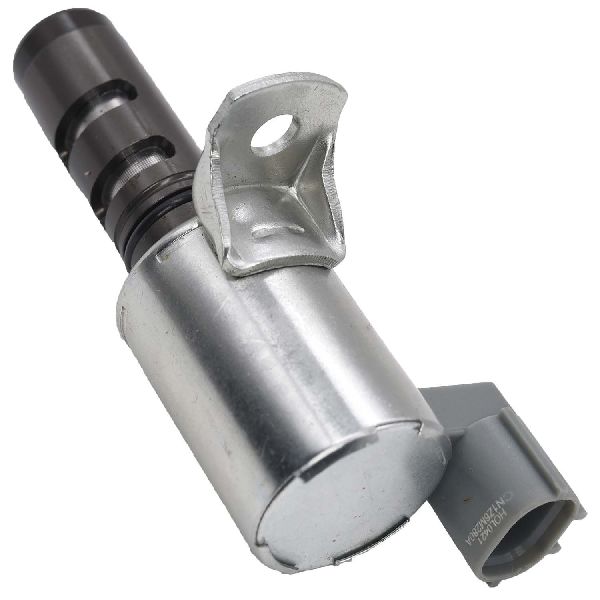
On a 2015-2019 Ford Fiesta, P0016 is most often caused by a sticking Variable Camshaft Timing (VCT) solenoid (Part No. CM5Z-6M280-C) due to dirty oil or debris, a fix confirmed by Ford TSBs. This is a ~1-hour repair costing about $125-$175. However, it can also indicate a stretched timing belt on the 1.6L engine or, more critically, a degrading 'wet belt' on the 1.0L engine, which clogs the oil system and leads to low oil pressure, a much more serious and expensive repair.
- P0016 on a Fiesta is a serious code that should be addressed immediately to avoid engine damage.
- Always check your engine oil level and condition first; it's the easiest and cheapest potential fix.
- The most likely cause is a sticking VCT solenoid, a relatively simple repair.
- If you have the 1.6L engine, be aware of the timing belt's age and service history.
- If you have the 1.0L EcoBoost engine, this code could signal a very expensive wet belt failure is imminent.
What's Unique About the 2015-2019 Ford FIESTA

The Ford Fiesta from this era uses two very different engines with unique failure points for this code. For the common 1.6L Ti-VCT engine, the cause is often a simple sticking VCT solenoid, as noted in Ford Technical Service Bulletins like SSM 48423. However, for the 1.0L EcoBoost engine, P0016 can be a critical symptom of the infamous 'wet belt' degrading. This belt runs in oil, and using incorrect oil (anything other than WSS-M2C948-B 5W-20) or extending service intervals can cause it to break down. Belt debris then clogs the oil pump pickup strainer, causing low oil pressure that prevents the VCT phasers from operating correctly, triggering timing correlation faults. Forum discussions on FordOwnersClub.com frequently cite this failure path as the root cause for P0016 on the 1.0L engine.
Diagnostic Flowchart

Tap your situation to follow the diagnostic path that matches what you're seeing on this vehicle.
Symptoms You May Notice

- Check Engine Light is on
- Engine runs rough or idles poorly
- Difficulty starting the engine, or extended cranking
- Reduced engine power and acceleration
- Stalling or hesitating, especially under load
- Decreased fuel mileage
- Rattling or ticking noise from the engine on startup, which may fade after a few seconds.
- Replacing the camshaft position sensor immediately. While it's a possibility, the issue is more often mechanical (timing belt/chain) or hydraulic (VCT solenoid/oil pressure), especially on this vehicle. Always check oil and timing first.
- On the 1.0L EcoBoost, replacing VCT solenoids or phasers without first checking oil pressure. If the root cause is a clogged oil pickup from a degrading wet belt, the new components will fail to operate correctly and the code will return.
Most Likely Causes

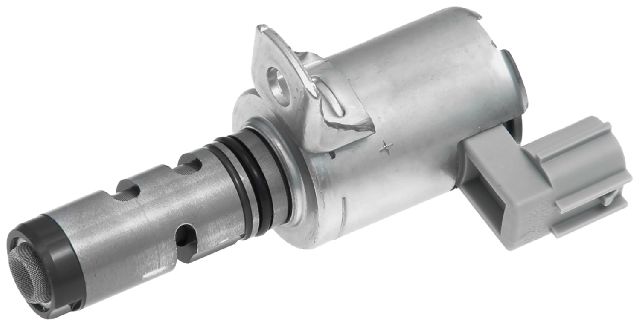
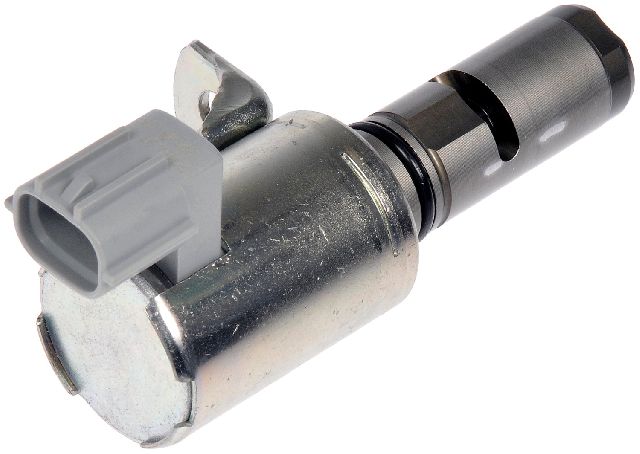
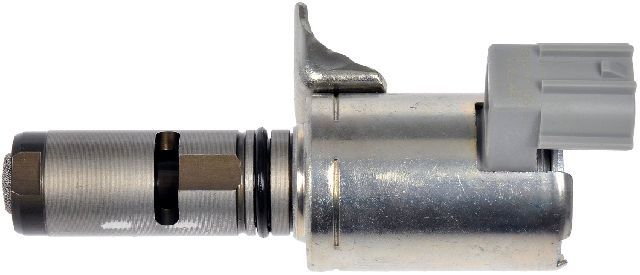
- Sticking or Failed VCT Solenoid 🔴 High Probability → Shop Engine Variable Valve Timing (VVT) Solenoid Ford TSBs #SSM 48423 and #SSM 47170 specifically state that small debris in the oil can cause the VCT solenoid to stick, triggering this code. The TSB even recommends a diagnostic procedure to cycle the solenoid 10 times with a scan tool to attempt to clear the debris before replacement.
How to confirm: Check oil level and quality first. Test the solenoid's resistance with a multimeter (should be 6.9-7.9 ohms at 68°F/20°C). A scan tool can command the VCT system to check for response. You can also swap the identical intake and exhaust solenoids; if the code changes to P0017 (exhaust cam correlation), the solenoid is confirmed faulty.
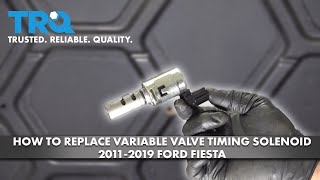
Typical fix: Replace the faulty VCT solenoid(s). 🎬 Watch: Step-by-step guide to replacing the VCT solenoid. It's highly recommended to change the engine oil and filter at the same time using the correct Ford-spec oil.
Est. part cost: $40-$90 - Overdue or Slipped Timing Belt (1.6L Ti-VCT Engine) 🟡 Medium Probability → Shop Engine Timing Chain The 1.6L engine uses a rubber timing belt with a finite service life. Ford's recommended interval has varied, with some sources stating 150,000 miles and others a more conservative 8 years/100,000 miles. Age is a critical factor, and a weakened tensioner can allow the belt to jump a tooth, causing a correlation error.
How to confirm: Physical inspection of the timing belt and marks. This requires removing the timing cover and using the correct Ford-specific locking tools to verify alignment of the crank and cam pulleys. A Reddit user reported getting a P0016 code immediately after a timing belt change where the mechanic was off by one tooth.
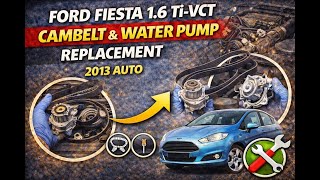
Typical fix: Replace the timing belt, tensioner, and water pump as a complete kit. This is a labor-intensive job that requires special tools.
Est. part cost: $100-$250 for a full kit - Degrading Wet Belt and Oil Starvation (1.0L EcoBoost Engine) 🟡 Medium Probability The 1.0L EcoBoost's timing belt runs in oil. Using incorrect oil (anything other than Ford spec WSS-M2C948-B) or extending service intervals causes the belt to break down. Debris clogs the oil pump pickup strainer, causing low oil pressure, which prevents the VCT phasers from operating correctly. This is a widely-documented failure mode on owner forums.
How to confirm: An oil pressure test is the first step. At operating temp, pressure should be at least 14.5 psi (1 bar) at idle and 29 psi (2 bar) at 2,000 RPM. If pressure is low, a mechanic must drop the oil pan to inspect the oil pickup tube for visible rubber debris from the belt. A user on FordOwnersClub.com detailed this exact diagnostic path for P0016/P0017 codes.
Typical fix: This is a major repair requiring replacement of both wet belts (timing and oil pump), cleaning the oil pan, and replacing the oil pickup tube. The VCT solenoids and phasers may also be damaged from oil starvation and require replacement. Never use an engine flush on this engine as it can accelerate belt degradation.
Est. part cost: $300-$500 for all belts, seals, and gaskets - Low or Dirty Engine Oil ⚪ Low Probability The VCT system is hydraulically operated by engine oil. If the oil level is too low or the oil is dirty and sludgy, the VCT solenoids and phasers cannot function properly, leading to a correlation fault. This is the simplest potential cause and the first thing to check.
How to confirm: Check the engine oil dipstick for level and inspect the oil's condition. For the 1.0L EcoBoost, ensure the oil used meets Ford's WSS-M2C948-B specification.
Typical fix: Perform an engine oil and filter change using the correct viscosity oil specified by Ford (5W-20 for both 1.6L and 1.0L EcoBoost).
Est. part cost: $40-$70
Rare But Worth Checking
- Failed Camshaft or Crankshaft Position Sensor: → Shop Engine Crankshaft Position Sensor While less common than mechanical or oil-related issues, a sensor can fail or have an oil-contaminated connector, leading to a correlation fault without a specific sensor circuit code. A user on a Fiesta forum fixed their P0016/P0017/P0340 codes by replacing cheap aftermarket sensors with higher-quality Delphi brand sensors after a timing job. They are relatively inexpensive and easy to replace, making them a potential diagnostic step if other causes are ruled out.
- Failed Camshaft Phaser: → Shop Engine Camshaft The mechanical actuator (phaser) on the end of the camshaft can get stuck or fail internally, often causing a startup rattle. This is a more involved and expensive repair than a solenoid and is usually diagnosed after replacing the solenoid doesn't fix the issue. It's a more likely culprit if a rattling noise is persistent.
- Incorrect Timing Set After Repair: These engines, particularly the 1.6L Ti-VCT and 1.0L EcoBoost, do not use traditional keyways on the crankshafts. Setting the timing requires specific locking tools. If a timing belt service was recently performed and P0016 appears, it is highly probable the timing was set incorrectly. A user on a Ford Focus forum with a 1.6L EcoBoost reported this exact scenario after a mechanic performed the job without the correct crankshaft pulley alignment tool.
Diagnosis Steps
- Check Engine Oil: Verify the oil level is correct and the oil is clean. For the 1.0L EcoBoost, confirm the oil meets Ford spec WSS-M2C948-B. If low, dirty, or incorrect, perform an oil and filter change, clear the code, and test drive.
- Scan for Other Codes: Use an OBD-II scanner to check for any other related codes, such as P0017 (exhaust cam) or sensor circuit codes (P0340), which can help narrow the diagnosis.
- Inspect VCT Solenoids: Locate the two VCT solenoids on the top of the valve cover. Check their wiring for damage. A simple diagnostic is to swap the intake and exhaust solenoids. If the code changes from P0016 to P0017, the solenoid is bad.
- (1.0L EcoBoost Only) Check Oil Pressure: This is a critical, non-negotiable step for the 1.0L engine. Use a mechanical gauge. If pressure is below 14.5 psi at hot idle, the oil pan must be removed to inspect for a clogged oil pickup screen before any other parts are replaced.
- Verify Mechanical Timing: This is the most involved step and requires special tools. The timing cover must be removed to visually inspect the timing belt and align the timing marks on the crankshaft and camshaft sprockets. This step is essential if a timing service was recently performed or if the belt is near its service interval.
Parts You'll Likely Need
- Engine Variable Valve Timing (VVT) Solenoid
Related Codes That Often Appear With This One
- P0017 — This is the same correlation error but for the exhaust camshaft ('Sensor B'). If both P0016 and P0017 are present, it strongly points to a base timing issue like a slipped timing belt or a systemic problem like low oil pressure (on the 1.0L EcoBoost), as both cams are out of sync with the crank.
- P0340 — This code indicates a problem with the camshaft position sensor circuit itself. It can appear with P0016 if the sensor is failing, the wiring is damaged, or if cheap aftermarket sensors are used.
Technical Service Bulletins (TSBs) & Recalls
- SSM 48423: VCT solenoid may stick due to small debris.
- SSM 54366: References diagnostic procedures for VCT codes.
- SSM 47170: VCT solenoid may stick due to small debris.
Platform-Specific Known Issues
- TSB SSM 48423 / SSM 47170: Notes that on various 2015-2020 Ford vehicles, codes like P0016 may be caused by small debris causing the VCT solenoid to stick. Recommends cycling the solenoid with a scan tool before replacement.
- Forum Citation (1.0L EcoBoost): A thread on FordOwnersClub.com titled 'P0016 p0017 ford fiesta 1.0 ecoboost petrol' provides a real-world example of a user being correctly advised to check for wet belt degradation and a clogged oil pump after replacing sensors did not fix the issue.
- Forum Citation (1.6L Ti-VCT): A Reddit thread on r/FordFiesta titled 'P0016 after timing belt change' shows a user who got the code after a DIY timing belt job, with the community correctly diagnosing that the timing was likely off by one tooth.
Mechanic-Grade Diagnostic Values
- VCT Advanced Error PID (Bank 1) — expected: Should hover around 0° (±5° is acceptable for short periods). Failure: A consistent reading outside the ±5° range while in closed loop operation indicates a timing correlation error.
- 1.0L EcoBoost Oil Pressure (Mechanical Gauge) — expected: At least 14.5 psi (1 bar) at hot idle and 29 psi (2 bar) at 2,000 RPM.. Failure: Pressure below these specifications strongly suggests a clogged oil pump pickup strainer from a degrading wet belt.
- 1.0L EcoBoost Oil Pressure Switch — expected: The engine only has a low-pressure switch, not a variable pressure sensor.. Failure: The switch only activates at very low pressure (approx. 3.6 psi), so the absence of an oil light does not mean pressure is sufficient for VCT operation. A mechanical gauge test is mandatory.
Scan Tool Commands That Help
- Ford IDS (or equivalent high-level scan tool): Monitor PID: VCT_ADV_ERR1 (VCT Advanced Error Bank 1) — Use during idle and a road test to see if the PCM is detecting a discrepancy between commanded and actual camshaft position in real-time.
- Ford IDS (or equivalent high-level scan tool): Monitor PID: VCT_SOL1_DC (VCT Solenoid 1 Duty Cycle) — To see how hard the PCM is trying to control the phaser. An unusually high duty cycle with little change in cam angle can indicate a stuck phaser or low oil pressure.
- Ford IDS (or equivalent high-level scan tool): VCT Solenoid Bidirectional Control — To manually command the solenoid on and off to check for a response. Per TSB SSM 48423, cycling it 10 times may clear debris. A lack of response or engine RPM change indicates a faulty solenoid or circuit.
Wiring & Ground Locations
- VCT Solenoid Connector — Top of the engine valve cover, connecting to the VCT solenoid.. Provides power and control to the solenoid. Pin 1 (Blue/Green wire) is power from fuse F16 in the battery junction box. Pin 2 is the ground control signal from the PCM. Verifying power on Pin 1 and checking the control signal on Pin 2 is a key electrical diagnostic step.
- G104 — Left front of the engine compartment.. This is a primary engine compartment ground point. A poor connection here can cause erratic behavior from various sensors and modules, including the PCM, potentially leading to false correlation codes. Ensuring this ground is clean and tight is a crucial step when diagnosing electrical faults.
- Camshaft Position Sensor Connector — On the cylinder head, near the camshafts.. This is a 3-wire connector that sends the camshaft's position signal to the PCM. Damage to the connector or wiring harness pigtail can interrupt this signal, directly causing a P0016 code.
Real Owner Repair Stories
- Reddit user Techie_Pocket in r/FordFiesta (2012 Ford Fiesta S 5-speed, 86k miles) — Pending P0016 code appeared immediately after a timing belt service. The car ran perfectly fine, with no noticeable performance issues.
❌ Tried (didn't work) The owner was confused because the car was driving better than ever.
✅ What actually fixed it Another user commented that they had the exact same issue (P0016 and P0017) and the cause was the timing belt being off by one tooth. The fix required tearing it down again and correctly aligning the timing using the proper tools. - Ford Owners Club forum thread (2014 Ford Fiesta 1.0L EcoBoost) — P0016 and P0017 codes appeared.
❌ Tried (didn't work) Replacing the two camshaft position sensors. The codes returned after one day.
✅ What actually fixed it Multiple experienced users advised that these codes on the 1.0L EcoBoost are almost always caused by low oil pressure from a degrading wet belt clogging the oil pump strainer. The confirmed diagnostic path is to drop the oil sump, inspect for rubber debris, and if found, replace both wet belts (timing and oil pump) and clean or replace the oil pump.
OEM Part Supersession History
CM5Z-6M280-A→CM5Z-6M280-C— Part revision by manufacturer.
Heads up: CM5Z-6M280-C is the correct updated part for this application. Do not confuse with similar part numbers like CJ5Z-6M280-A (for 2.0L/2.5L engines) or 7T4Z-6M280-C (for 3.5L/3.7L engines).
Helpful Videos
We Have This Part in Stock


The information in this article is provided for general reference and educational purposes only. Vehicle specifications, procedures, and part compatibility can vary by production date, trim level, and region. Always consult your vehicle's factory service manual and verify part numbers before purchasing or performing repairs. Safety-critical components such as airbags, seat belts, and braking systems should be installed by a qualified professional.
- Ford FIESTA:
- 🧭 Diagnostic Flowchart
- 🎬 Helpful Videos
- 🛍️ Shop This Part
- What's Unique About the 2015-2019 Ford FIESTA
- Symptoms You May Notice
- Most Likely Causes
- Rare But Worth Checking
- Diagnosis Steps
- Parts You'll Likely Need
- Related Codes That Often Appear With This One
- Technical Service Bulletins (TSBs) & Recalls
- Platform-Specific Known Issues
- Mechanic-Grade Diagnostic Values
- Scan Tool Commands That Help
- Wiring & Ground Locations
- Real Owner Repair Stories
- OEM Part Supersession History
- 🎟️ Get 5% Off