

P0016 on 2015-2018 Ford Focus: Crank/Cam Correlation Causes and Fixes
P0016 on a 2015-2018 Ford Focus indicates a timing misalignment between the crankshaft and camshaft. The most common causes are low/dirty oil, a faulty Variable Camshaft Timing (VCT) solenoid, or a stretched timing chain/belt. For the 2.0L GDI, a VCT solenoid replacement is a frequent fix, costing around $40-$100 for the part. For the 1.0L EcoBoost, this code can be a severe warning of a degrading 'wet belt' causing oil pressure loss.
- Start with the basics: Check your engine oil level and condition first. A simple oil change can sometimes fix this code.
- The VCT solenoid is a likely culprit. It's a common failure point on these engines and is much easier and cheaper to replace than timing components.
- A rattling noise on startup is a strong indicator of a stretched timing chain, which is a more serious mechanical issue.
- Do not immediately replace the cam or crank sensors; they are less likely to be the cause than oil-related or mechanical timing problems.
- If timing chain or belt work is required, ensure the correct special tools are used to lock the cams and crank, as improper timing can cause this code and engine damage.
What's Unique About the 2015-2018 Ford FOCUS

For this generation of Ford Focus, the P0016 code is frequently linked to the Variable Camshaft Timing (VCT) system. Ford has issued multiple Technical Service Bulletins (TSBs) acknowledging that small debris in the engine oil can cause the VCT solenoids to stick, leading to this and other related timing codes. This makes checking the oil condition and the VCT solenoids a critical first step. On the 1.0L EcoBoost engine specifically, P0016 is a known and critical symptom of the timing belt-in-oil ('wet belt') degrading. Belt material clogs the oil pump pickup screen, leading to low oil pressure, which in turn causes the timing correlation fault.
Diagnostic Flowchart

Tap your situation to follow the diagnostic path that matches what you're seeing on this vehicle.
Symptoms You May Notice

- Check Engine Light is on
- Rough or erratic idle
- Engine stalls or hesitates, especially under load
- Reduced engine power and acceleration
- Decreased fuel economy
- Engine cranks but may not start
- Rattling noise from the engine, especially on cold startup, that may last a few seconds
- Replacing the camshaft or crankshaft position sensors when the root cause is a stretched timing chain, a bad VCT solenoid, or simply dirty oil.
- On the 1.0L EcoBoost, replacing VCT components without first checking for oil pressure loss due to a clogged oil pickup strainer from a degrading wet belt.
Most Likely Causes

- Low or Dirty Engine Oil 🔴 High Probability The VCT system is hydraulic and relies on clean oil at the correct pressure. Ford TSBs #SSM 48423 and #SSM 47170 specifically mention debris in oil causing VCT issues. Using incorrect oil viscosity can also cause this problem.
How to confirm: Check the oil level on the dipstick and inspect its color and consistency. If it's low, black, sludgy, or smells of fuel, it needs to be changed.
Typical fix: Perform an engine oil and filter change using the correct Ford-specified oil (e.g., WSS-M2C948-B 5W-20 for the 1.0L EcoBoost). Clear codes and see if P0016 returns.
Est. part cost: $40-$80 - Faulty Variable Camshaft Timing (VCT) Solenoid 🔴 High Probability → Shop Engine Camshaft As noted in Ford TSBs, these solenoids can stick due to debris or fail electrically, preventing proper camshaft adjustment. This is a very common failure point on both the 2.0L and 1.0L engines.
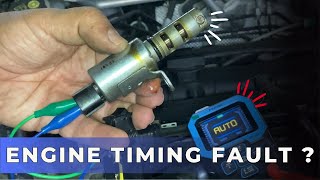
How to confirm: A mechanic can command the solenoid with a scan tool to check its response, as described in pinpoint test HK11 from TSB #SSM 48423. 🎬 Watch: A detailed explanation of Ford VCT solenoid diagnostics. A common DIY diagnostic is to swap the intake and exhaust solenoids (if identical) and see if the code changes to P0017; if it does, the solenoid is faulty. It can also be removed and tested for resistance (typically 7-14 ohms).
Typical fix: Replace the faulty VCT solenoid(s). 🎬 See this walkthrough on removing and installing the VCT solenoid. It's recommended to change the engine oil at the same time.
Est. part cost: $40-$100 per solenoid - Stretched Timing Chain (2.0L GDI) or Degrading Wet Belt (1.0L EcoBoost) 🟡 Medium Probability → Shop Engine Timing Chain On the 2.0L GDI, the timing chain can stretch over time, and the hydraulic tensioner can weaken. On the 1.0L EcoBoost, the 'wet belt' is known to degrade, especially if incorrect oil is used or oil changes are extended. Belt material clogs the oil pickup tube, starving the engine of oil pressure and triggering timing codes.
How to confirm: A characteristic startup rattle is a key symptom. For the 1.0L, a mechanic must drop the oil pan to inspect the oil pickup strainer for belt debris. For the 2.0L, a mechanic may need to remove the valve cover to physically inspect the chain for slack.
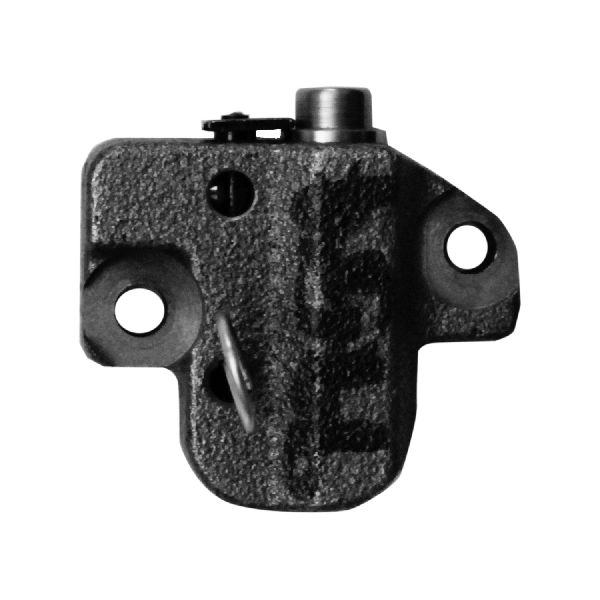
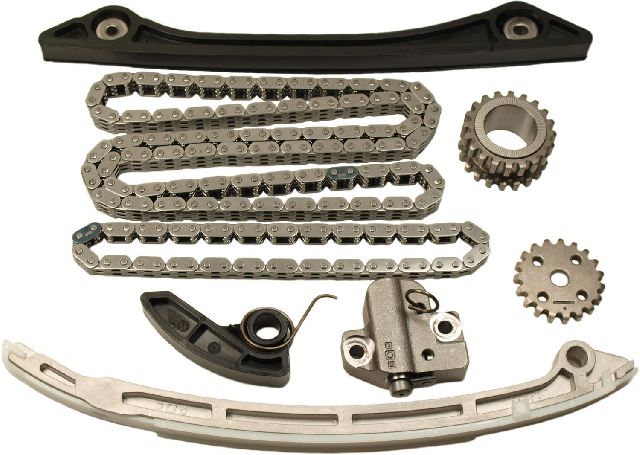
Typical fix: For the 2.0L, replace the timing chain, tensioner, and guides as a kit. For the 1.0L, replace the wet belt, tensioner, and crucially, clean the oil pan and replace the oil pump pickup/strainer.
Est. part cost: $150-$400 for a kit - Faulty Camshaft or Crankshaft Position Sensor ⚪ Low Probability → Shop Engine Crankshaft Position Sensor While sensors can fail, it's less common for them to cause a P0016 code than mechanical or oil-related issues. A sensor failure usually triggers its own specific circuit code (e.g., P0340).
How to confirm: Test the sensor's output signal with an oscilloscope or check for a consistent signal with a multimeter. Visually inspect the sensor and its wiring for damage.
Typical fix: Replace the failed sensor.
Est. part cost: $30-$70
Rare But Worth Checking
- Damaged Camshaft Phaser/Actuator: → Shop Engine Camshaft The VCT phaser itself, which is the gear on the end of the camshaft, can fail mechanically or become clogged with sludge, preventing it from changing the camshaft timing correctly. This is a more complex and expensive repair than the solenoid and is often done during a timing chain service.
- Slipped or Damaged Reluctor Ring: The tone or reluctor rings, which the crank and cam sensors read, can sometimes be damaged or slip on their respective shafts, causing incorrect readings even if the mechanical timing is perfect. This is an uncommon but possible cause.
- Incorrect Timing After a Recent Repair: If the P0016 code appears immediately after a timing belt or chain service, it is highly likely the timing was set incorrectly. These engines often lack keyways on the crankshaft and require special locking tools to set the timing properly.
Diagnosis Steps
- Check Engine Oil: Verify the oil level is correct and the oil is clean. If low or dirty, perform an oil and filter change with the Ford-spec oil. Clear the code and see if it returns.
- Scan for Other Codes: Use an OBD-II scanner to check for any other codes that could point to a specific sensor or circuit failure.
- Inspect and Test VCT Solenoids: Locate the VCT solenoids on the top of the engine. Inspect wiring. Use a scan tool to actively command the solenoid on and off to see if it's stuck (per TSB #SSM 48423). A popular DIY test is to swap the intake and exhaust solenoids; if the code changes to P0017, the solenoid you moved is bad.
- (1.0L EcoBoost Specific) Inspect Oil Pickup: If oil pressure is suspected to be low (often accompanied by a startup rattle), the next step is to remove the oil pan and inspect the oil pump pickup tube/strainer for blockage from degraded wet belt material.
- Inspect Sensors: Visually inspect the camshaft and crankshaft position sensors and their wiring for any signs of damage or oil contamination. Test with a multimeter or oscilloscope if suspected.
- Mechanical Timing Check: If the above steps do not resolve the issue, the problem is likely mechanical. This requires removing the valve cover (2.0L) to inspect the timing chain for slack or damage. This step is labor-intensive and best left to a professional.
- Inspect Reluctor Rings: During the timing chain service, inspect the reluctor rings on the camshafts and crankshaft for any damage or movement.
Parts You'll Likely Need
- Engine Variable Timing (VCT) Solenoid
(OEM #CM5Z-6M280-C (for 2.0L GDI), CM5Z-6M280-G (for 1.0L EcoBoost))— This is a very common failure point on Ford engines, as documented by TSBs. It's relatively inexpensive and easy to replace. The part number CM5Z-6M280-C supersedes CM5Z-6M280-A.
Trusted brands: Motorcraft, Dorman
OEM price range: $60-$100
Aftermarket price range: $40-$70 - Timing Chain Kit (2.0L GDI) — If the chain has stretched or the tensioner has failed, a complete kit is required to restore proper engine timing. This is a significant job.
Trusted brands: Motorcraft, Cloyes
OEM price range: $250-$400
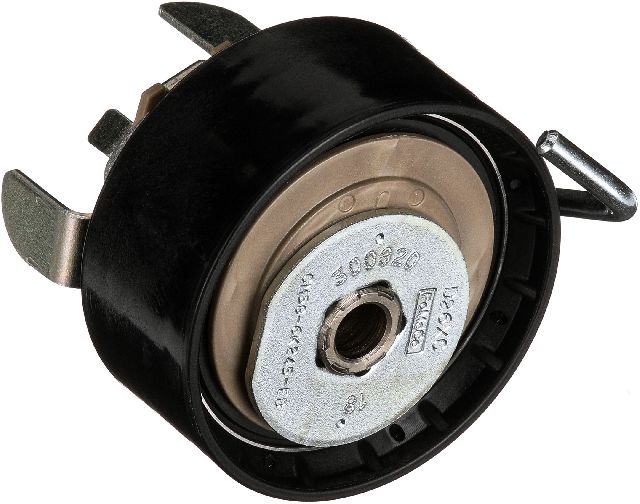
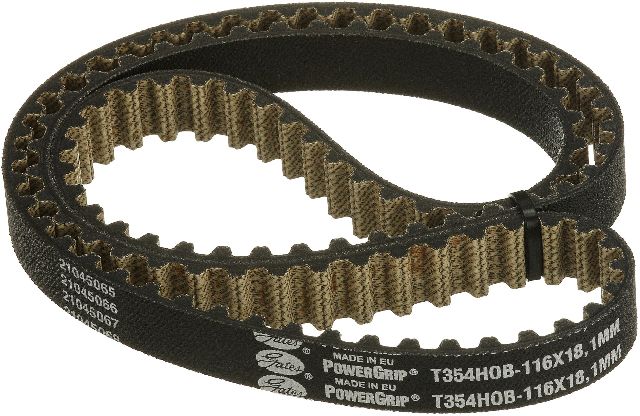
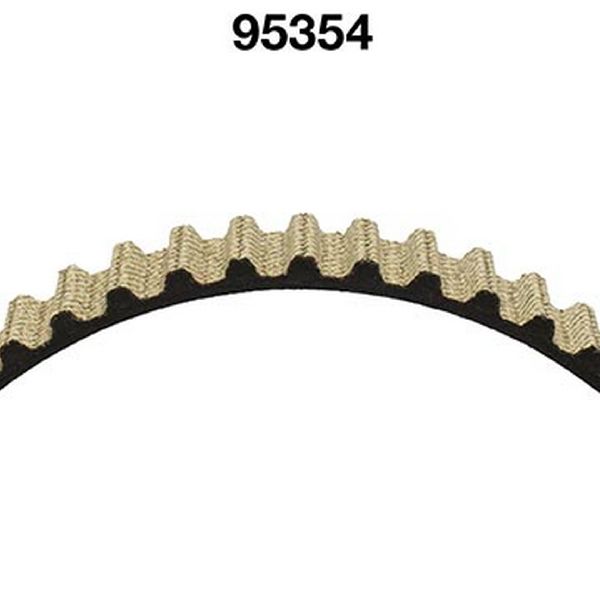
Aftermarket price range: $150-$250 - Timing Belt Kit (1.0L EcoBoost) — If the 'wet belt' has degraded, it must be replaced. The service must include cleaning the oil pan and replacing the oil pickup strainer to restore oil pressure.
Trusted brands: Motorcraft, Gates
OEM price range: $200-$350
Aftermarket price range: $150-$250
Related Codes That Often Appear With This One
- P0017 — This is the correlation code for the exhaust camshaft (Bank 1, Sensor B). If both P0016 and P0017 appear, it points more strongly to a base timing issue (chain/belt), oil pressure problem affecting both VCT phasers, or incorrect timing set during a repair.
- P0011, P0012, P0014, P0015 — These codes relate to camshaft timing being over-advanced or over-retarded. They are often caused by the same VCT solenoid and oil-related issues, as mentioned in Ford TSBs #SSM 54366, #SSM 48423, and #SSM 47170.
- P0299 — On EcoBoost engines, this turbocharger underboost code can sometimes appear alongside P0016 if a stretched timing chain is causing overall poor engine performance.
Technical Service Bulletins (TSBs) & Recalls
- SSM 54366: General diagnostic direction for multiple VCT-related codes, including P0016.
- SSM 48423: Highlights that debris may cause the VCT solenoid to stick and advises cycling the solenoid with a scan tool before replacement.
- SSM 47170: An earlier version of SSM 48423 with the same guidance regarding debris in VCT solenoids.
Platform-Specific Known Issues
- TSB #SSM 48423 / #SSM 47170: Ford notes that on some 2015-2020 vehicles, DTCs including P0016 may be set due to small debris causing the VCT solenoid to stick. The bulletin advises against component replacement before performing pinpoint test HK11, which involves using a scan tool to cycle the affected VCT solenoid 10 times to attempt to clear the debris.
- TSB #SSM 54366: This bulletin also lists P0016 for 2015-2021 Ford vehicles and directs technicians to a specific pinpoint test (HK) in the service manual for diagnosis, reinforcing a systematic approach rather than immediate parts replacement.
- 1.0L EcoBoost Wet Belt Degradation: A widely discussed issue where the timing belt, which runs in engine oil, breaks down. This sheds material that clogs the oil pump pickup strainer, causing low oil pressure. This oil starvation is a primary trigger for timing correlation codes like P0016 on this specific engine and can lead to catastrophic engine failure if not addressed.
Mechanic-Grade Diagnostic Values
- VCT Solenoid Resistance — expected: 7 to 14 ohms. Failure: A reading outside this range indicates a faulty solenoid coil.
- Camshaft Position (CMP) Sensor Power Supply Voltage — expected: ~5 volts (Key On, Engine Off). Failure: No voltage or significantly lower voltage points to a wiring or PCM issue.
- Camshaft Position (CMP) Sensor Signal Voltage (while cranking/running) — expected: Fluctuating between 0 and 5 volts. Failure: A flatline signal (stuck at 0V or 5V) indicates a failed sensor or wiring issue.
- Live Data PID: VCTADVERR (VCT Advance Error) — expected: Near 0 degrees at idle. Failure: A consistent reading of several degrees (e.g., 7-12 degrees) at idle strongly suggests a base mechanical timing issue (stretched chain/belt).
- Crankshaft Position (CKP) Sensor Retaining Bolt Torque — expected: 8 Nm (71 lb-in). Failure: An improperly torqued sensor can lead to incorrect air gap and faulty readings.
Scan Tool Commands That Help
- Ford IDS, FORScan: VCT Solenoid On/Off Command (e.g., VCT11, VCT2) — This bidirectional command is used to manually cycle the VCT solenoid with the engine running. A noticeable change in idle quality confirms the solenoid is mechanically functioning; no change suggests it is stuck or has failed electrically. This is a primary diagnostic step recommended in Ford TSBs.
- Ford IDS, FORScan: KAM (Keep Alive Memory) Reset — After replacing a VCT solenoid or performing timing repairs, resetting the KAM clears the learned adaptive values. This forces the PCM to relearn the VCT system parameters, which can be crucial for resolving the code post-repair.
Wiring & Ground Locations
- Main Chassis Ground — On the driver's side strut tower, adjacent to the battery. The main negative battery cable connects here.. A poor main ground can cause floating voltages and erratic behavior in sensitive electronics, including the PCM and its sensors. Cleaning this point is a fundamental first step in diagnosing any electrical issue.
- Engine Block to Chassis Ground — Underneath the vehicle, runs from the bottom of the engine block near the transmission up to the frame rail, typically beneath the air box.. This is the primary ground path for sensors mounted directly on the engine block, including the crankshaft position sensor. Corrosion or a loose connection here can directly cause faulty sensor readings.
- PCM Connector C175B — This is one of the main connectors at the Powertrain Control Module (PCM).. The signals from the camshaft and crankshaft position sensors travel through this connector. Checking for pin-fitment issues or corrosion here is a necessary step if sensor or wiring harness issues are suspected.
Real Owner Repair Stories
- SHO Forum member 'seasoned_shrimp' (2013 Ford Taurus SHO (3.5L EcoBoost, but logic applies to other Ford engines with P0016)) — P0016 code present for months with no major performance issues other than a slight rumble at idle. Remote start was disabled by the active code.
❌ Tried (didn't work) Replacing both camshaft position sensors.
✅ What actually fixed it A full timing chain replacement. The user noted that upon inspection, the original chain was significantly stretched.
OEM Part Supersession History
CM5Z-6M280-A→CM5Z-6M280-C— This is a common supersession for the VCT solenoid on the 2.0L GDI engine. While Ford doesn't publish the exact reason, updated parts often feature improved internal components or filter screens to better resist failure from oil debris.
Heads up: The new part (CM5Z-6M280-C) is a direct replacement for the old one and is fully compatible.
Helpful Videos

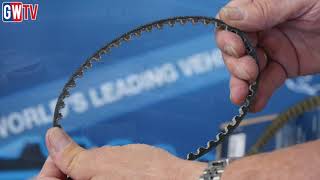
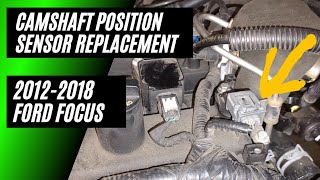
We Have This Part in Stock


The information in this article is provided for general reference and educational purposes only. Vehicle specifications, procedures, and part compatibility can vary by production date, trim level, and region. Always consult your vehicle's factory service manual and verify part numbers before purchasing or performing repairs. Safety-critical components such as airbags, seat belts, and braking systems should be installed by a qualified professional.
- Ford FOCUS:
- 🧭 Diagnostic Flowchart
- 🎬 Helpful Videos
- 🛍️ Shop This Part
- What's Unique About the 2015-2018 Ford FOCUS
- Symptoms You May Notice
- Most Likely Causes
- Rare But Worth Checking
- Diagnosis Steps
- Parts You'll Likely Need
- Related Codes That Often Appear With This One
- Technical Service Bulletins (TSBs) & Recalls
- Platform-Specific Known Issues
- Mechanic-Grade Diagnostic Values
- Scan Tool Commands That Help
- Wiring & Ground Locations
- Real Owner Repair Stories
- OEM Part Supersession History
- 🎟️ Get 5% Off