

P0016 on 2015-2020 Ford Fusion: Crank/Cam Correlation Causes and Fixes
P0016 on a 2015-2020 Ford Fusion usually indicates a problem with the Variable Camshaft Timing (VCT) system, often a stuck VCT solenoid due to oil debris. A solenoid replacement costs around $80-$95 for the part and is a relatively simple DIY fix. However, it can also point to a more serious stretched timing chain, particularly on EcoBoost engines, which may be preceded by a cold-start rattle.
- P0016 on a 2015-2020 Fusion means the crankshaft and intake camshaft are out of sync.
- Before suspecting major repairs, check the engine oil level and condition. Low or dirty oil is a common culprit.
- The most likely specific part failure is a sticking Variable Camshaft Timing (VCT) solenoid, a known issue highlighted in Ford TSBs.
- While less likely, the code can also be caused by a stretched timing chain, which is a much more serious and expensive repair.
- Do not ignore this code, as it can lead to poor performance, stalling, and potential engine damage.
What's Unique About the 2015-2020 Ford FUSION

For this generation of Ford Fusion, the P0016 code is frequently linked 🎬 Watch: A quick overview of P0016 causes and fixes to the Variable Camshaft Timing (VCT) system. Ford has issued multiple Technical Service Bulletins (TSBs) acknowledging that small debris in the engine oil can cause the VCT solenoids to stick, leading to this and other related timing codes. This makes checking the oil condition and the VCT solenoids a primary diagnostic step. The TSBs even recommend a specific diagnostic procedure (Pinpoint Test HK11) to cycle the solenoid 10 times with a scan tool to try and clear the debris before replacement. While this affects all engines, the EcoBoost variants (1.5L, 2.0L) are also known to suffer from stretched timing chains that can trigger this code, often accompanied by a rattling noise on cold starts.
Diagnostic Flowchart

Tap your situation to follow the diagnostic path that matches what you're seeing on this vehicle.
Symptoms You May Notice

- Check Engine Light is on
- Rough or erratic idle
- Reduced engine power and acceleration
- Engine is hard to start or cranks but won't start
- Decreased fuel economy
- Rattling noise from the engine on cold startup, especially near the timing cover, which may quiet down as oil pressure builds
- Replacing the camshaft or crankshaft position sensors when the actual fault is a stuck VCT solenoid or a stretched timing chain.
- Replacing the timing chain when the issue is a much simpler and cheaper VCT solenoid.
Most Likely Causes

- Sticking or Failed VCT Solenoid 🔴 High Probability → Shop Engine Variable Valve Timing (VVT) Solenoid Ford TSBs #SSM 47170 and #SSM 48423 specifically state that debris in the oil can cause VCT solenoids to stick, triggering this code. The official diagnostic procedure even includes attempting to cycle the solenoid with a scan tool to dislodge debris before replacing it.
How to confirm: A mechanic can command the solenoid on and off with a scan tool to check for response. You can also remove the solenoid and test its resistance with a multimeter (typically 7 to 14 ohms) or apply 12V power to see if the internal plunger actuates with a click.
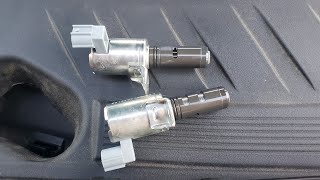
Typical fix: Replace the faulty VCT solenoid(s). 🎬 See this walkthrough on how to replace the VVT solenoid It's highly recommended to change the engine oil and filter at the same time to remove the debris that caused the failure.
Est. part cost: $80-$95 - Low or Dirty Engine Oil 🟡 Medium Probability The VCT system is hydraulically operated by engine oil. Low levels, incorrect viscosity, or contaminated oil can impede the function of the VCT phasers and solenoids, causing timing correlation errors.
How to confirm: Check the engine oil level on the dipstick and inspect its color and consistency. If the oil is low, black, or sludgy, it needs to be changed.
Typical fix: Perform an engine oil and filter change using the manufacturer-specified oil viscosity (e.g., SAE 5W-20 or 5W-30 depending on the engine).
Est. part cost: $40-$80 - Stretched Timing Chain 🟡 Medium Probability → Shop Engine Timing Chain This issue is noted more frequently on the EcoBoost engines. Over time, the chain can stretch, causing slack that the tensioner cannot compensate for, leading to a correlation fault. A rattling noise on cold starts is a classic symptom. 🎬 Listen: What a timing chain rattle sounds like on startup
How to confirm: This requires removing the valve cover to visually inspect the timing chain tensioner. If the tensioner is fully extended, the chain is stretched. A more definitive check involves verifying the physical timing marks on the cams and crank.
Typical fix: Replace the timing chain, tensioners, and guides. This is a labor-intensive job often costing over $1,000.
Est. part cost: $200-$400 - Failed Camshaft or Crankshaft Position Sensor ⚪ Low Probability → Shop Engine Crankshaft Position Sensor
How to confirm: Inspect the sensor and its wiring for damage. A more definitive test involves using an oscilloscope to check the sensor's signal pattern or testing its internal resistance with a multimeter against factory specs.
Typical fix: Replace the faulty sensor. This is often misdiagnosed, so other causes should be ruled out first.
Est. part cost: $30-$70
Rare But Worth Checking
- Failed Camshaft Phaser: → Shop Engine Camshaft The phaser itself can get stuck or fail internally, preventing it from adjusting the cam timing correctly. This is a more involved repair than the solenoid and may produce a rattling sound on startup.
- Clogged Oil Passages: Sludge or debris can block the small oil passages leading to the VCT solenoids or cam phasers, starving them of the oil pressure needed to operate.
- Damaged Reluctor Wheel/Tone Ring: The tone ring on the crankshaft or camshaft, which the sensor reads, can become damaged, bent, or slip, causing incorrect readings even if the sensors and mechanical timing are good.
Diagnosis Steps
- Verify the engine oil level and condition. Change the oil and filter if it's low, dirty, or the wrong viscosity. This is the simplest and first step.
- Scan for any other trouble codes that may provide more context (e.g., specific sensor circuit codes).
- Using a diagnostic scan tool with live data capability (like FORScan), monitor the desired vs. actual camshaft position angles (VCT_INT_ACT vs VCT_INT_DSD) and the error PID (VCT_INT_ERR) to see the discrepancy in real-time.
- As per Ford TSBs, use the scan tool to command the Bank 1 intake VCT solenoid on and off (Pinpoint Test HK11). Listen for an audible click from the solenoid and a change in engine idle. If the engine hesitates or stalls, the solenoid is likely functioning.
- If the solenoid doesn't respond, inspect its wiring and connector for oil contamination or damage. If the wiring is good, remove and test the solenoid itself for resistance and actuation with a 12V source.
- If the solenoid and oil are good, the next step is to suspect mechanical timing. Listen for a chain rattle on a cold start. For visual confirmation, remove the valve cover to check the timing chain for slack and inspect the position of the timing chain tensioner.
- If the timing components are intact, the final checks involve inspecting the camshaft and crankshaft sensors and their reluctor rings for damage or misalignment.
Parts You'll Likely Need
- Engine Variable Valve Timing (VVT) Solenoid
(OEM #9L8Z-6M280-C (for 2.5L))— This is the most cited cause in Ford's own service bulletins for the P0016 code, as they can stick due to oil debris.
Trusted brands: Motorcraft, Dorman, Standard Motor Products (SMP)
OEM price range: $80-$110
Aftermarket price range: $45-$90 - Timing Chain Kit — If the chain has stretched, it is the root cause of the timing correlation error. A kit typically includes the chain, guides, and tensioner. This is a more common failure on EcoBoost engines.
Trusted brands: Motorcraft, Cloyes
OEM price range: $300-$450
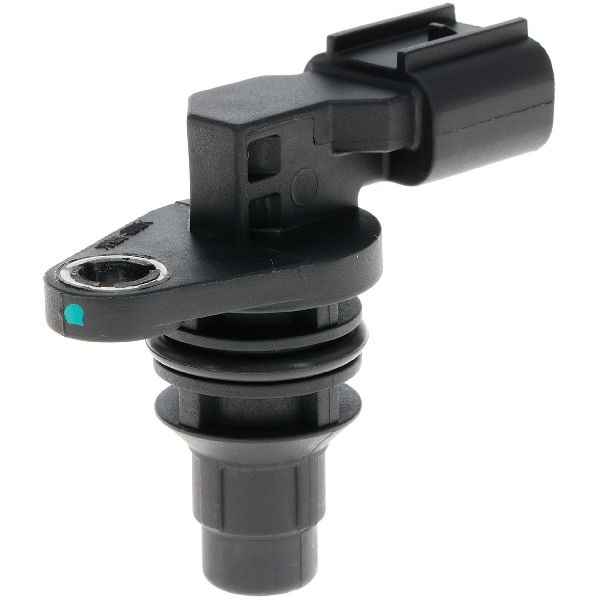
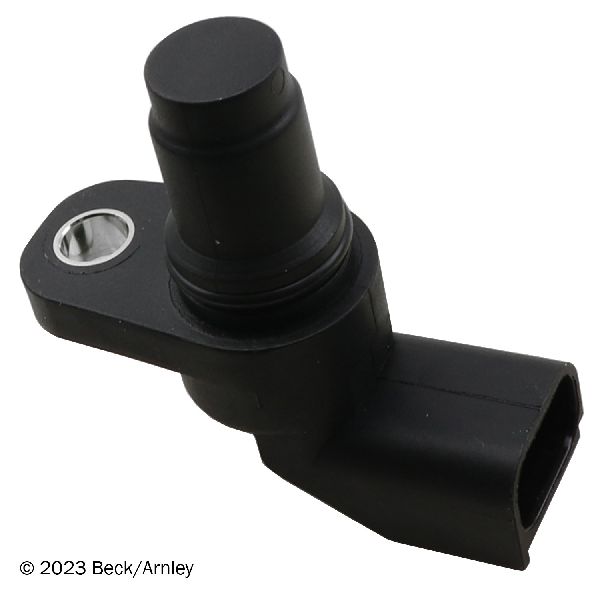
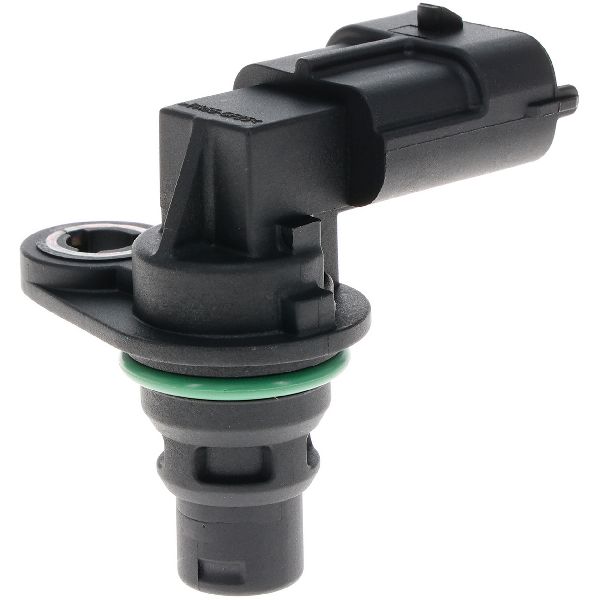
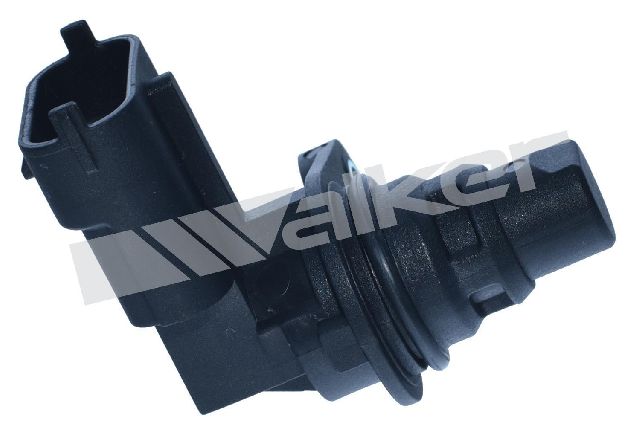
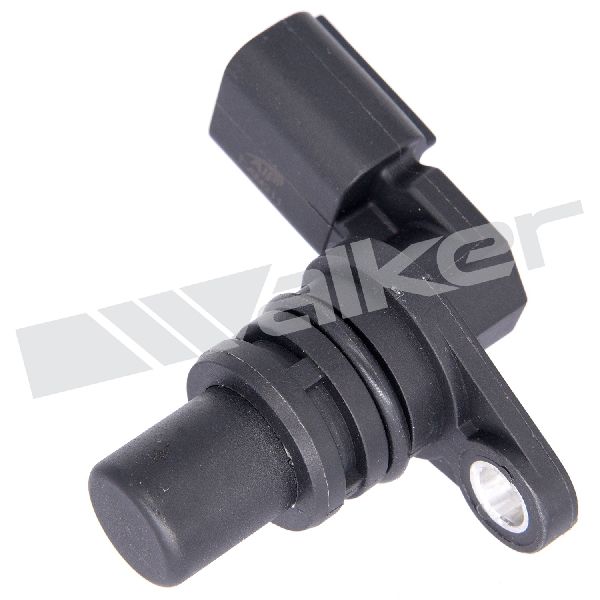
Aftermarket price range: $150-$250 - Camshaft Position Sensor — While less common, a faulty sensor can send incorrect data to the PCM, triggering the code. It's often replaced as part of diagnostics if other causes are ruled out.
Trusted brands: Motorcraft, Bosch, NGK
OEM price range: $50-$80
Aftermarket price range: $25-$50
Related Codes That Often Appear With This One
- P0011 — Relates to 'A' Camshaft Position Timing - Over-Advanced (Bank 1). Both are VCT-related and often point to the same set of potential failures.
- P0012 — Relates to 'A' Camshaft Position Timing - Over-Retarded (Bank 1). Both are VCT-related and often point to the same set of potential failures.
- P0017 — Indicates a correlation issue with the exhaust camshaft (Sensor 'B') on the same bank, suggesting a broader timing problem like a stretched chain or systemic oil pressure issue.
Technical Service Bulletins (TSBs) & Recalls
- SSM 47170: Notes that various VCT codes including P0016 may be caused by small debris making the VCT solenoid stick.
- SSM 48423: Supersedes and repeats the guidance from SSM 47170
Platform-Specific Known Issues
- TSB #SSM 47170 and #SSM 48423 specifically mention that P0016 on these vehicles may be due to small debris causing the VCT solenoid to stick.
- The TSBs recommend a specific diagnostic step: use a scan tool to cycle the VCT solenoid 10 times to attempt to clear debris before replacing the part (Pinpoint Test HK11).
- On EcoBoost engines (1.5L, 2.0L), a cold-start rattle is a strong indicator that P0016 is caused by a stretched timing chain, a known issue on other Ford vehicles with these engines.
Mechanic-Grade Diagnostic Values
- VCT Solenoid Internal Resistance — expected: 7 to 14 Ohms. Failure: A reading outside this range indicates a faulty solenoid coil.
- Camshaft Position Sensor (CMP) Resistance (2-wire inductive type) — expected: Approximately 300-450 Ohms. Failure: A significant deviation or an open circuit (infinite resistance) suggests a failed sensor.
- VCT Solenoid Power Supply Voltage — expected: Battery Voltage (approx. 12V) with key on, engine off. Failure: No voltage indicates a wiring or fuse issue upstream of the solenoid.
- FORScan Live Data - VCT Error (e.g., VCT_INT_ERR1) — expected: Close to 0 degrees at stable idle. Failure: A large, persistent error value indicates the phaser is not reaching its commanded position, pointing to a solenoid, phaser, or oil pressure problem.
Hidden / Shadow Codes Worth Checking
- Mode 6, Test ID $81: This test monitor in the generic OBD-II data relates to Variable Camshaft Timing (VCT) system monitoring. It can show raw data on how far the cam timing is deviating from its target, even before a full-blown DTC like P0016 is set as 'confirmed'. (see via A scan tool that can display OBD-II Mode 6 data. The values are often in hexadecimal and require translation to understand the degrees of error.)
Scan Tool Commands That Help
- FORScan / Ford IDS: VCT Solenoid On/Off Command (part of Pinpoint Test HK) — This is a key bidirectional test. When commanded at idle, a working solenoid and phaser should cause a noticeable change in engine idle speed or may even cause a stall. No change suggests the solenoid is stuck or not receiving the signal.
- FORScan / Ford IDS: PCM Reset / Relearn Procedure — After replacing timing components (chain, phasers, solenoids), a PCM reset is necessary to clear learned adaptations and allow the system to relearn the new components' positions and response times.
Real Owner Repair Stories
- Reddit user @AxelHeredia in r/MechanicAdvice (2012 GMC Terrain 2.4L (Note: Different vehicle, but identical P0016 cause and diagnostic path)) — Car would not start after running fine, then started with a loud popping sound, then shut off and set P0016. Engine oil was found to be completely dry.
❌ Tried (didn't work) Refilling the engine with oil., Replacing both the camshaft and crankshaft position sensors.
✅ What actually fixed it After removing the timing cover, the user found that pieces of the timing chain guide had broken off. The ultimate fix was replacing the timing chain and guides.
OEM Part Supersession History
9L8Z-6M280-A→9L8Z-6M280-B, then 9L8Z-6M280-C— Part revision and improvement by the manufacturer.
Heads up: The latest part, 9L8Z-6M280-C, replaces the previous versions and should be used for repairs. This part is listed for the 2.5L Duratec engine.
Model Year Variations Within This Range
- 2017-2020: The 2017 model year introduced a mid-cycle refresh for the Fusion. While the core engines (1.5L, 2.0L, 2.5L) remained fundamentally the same, interior electronics were updated. This included replacing the conventional gear shifter with a rotary dial and upgrading the infotainment system to SYNC 3. These changes do not directly affect the P0016 code's causes but are notable variations within the vehicle range.
Helpful Videos
We Have This Part in Stock

The information in this article is provided for general reference and educational purposes only. Vehicle specifications, procedures, and part compatibility can vary by production date, trim level, and region. Always consult your vehicle's factory service manual and verify part numbers before purchasing or performing repairs. Safety-critical components such as airbags, seat belts, and braking systems should be installed by a qualified professional.
- Ford FUSION:
- 🧭 Diagnostic Flowchart
- 🎬 Helpful Videos
- 🛍️ Shop This Part
- What's Unique About the 2015-2020 Ford FUSION
- Symptoms You May Notice
- Most Likely Causes
- Rare But Worth Checking
- Diagnosis Steps
- Parts You'll Likely Need
- Related Codes That Often Appear With This One
- Technical Service Bulletins (TSBs) & Recalls
- Platform-Specific Known Issues
- Mechanic-Grade Diagnostic Values
- Hidden / Shadow Codes Worth Checking
- Scan Tool Commands That Help
- Real Owner Repair Stories
- OEM Part Supersession History
- Model Year Variations Within This Range
- 🎟️ Get 5% Off