

P0016 on 2015-2021 Ford Mustang: Crank/Cam Timing Correlation Causes and Fixes
For a 2015-2021 Ford Mustang, code P0016 is most often caused by a sticking Variable Camshaft Timing (VCT) solenoid due to dirty oil or debris, as noted in Ford's own service bulletins. Before major repairs, change the oil and filter and consider replacing the Bank 1 intake VCT solenoid, which costs about $30-$70 for the part. Ford's diagnostic procedure (TSB SSM 48423) even advises using a scan tool to cycle the solenoid 10 times to clear debris before replacement.
- Always start diagnosis by checking the engine oil level and condition. Clean oil is crucial for the VCT system.
- The most likely and easiest fix is replacing the Bank 1 (passenger side) intake VCT solenoid, as recommended by Ford's own service bulletins.
- Do not immediately assume a sensor is bad; P0016 usually indicates a mechanical or hydraulic problem that the sensor is correctly detecting.
- If you hear a rattling noise from the engine, especially at startup, suspect a more serious mechanical issue like a stretched timing chain, and seek professional diagnosis promptly.
- This code is serious and should not be ignored, as it can lead to significant engine damage if the underlying cause is a failing timing component.
What's Unique About the 2015-2021 Ford MUSTANG
On the S550 Mustang platform, this code is frequently linked to the Variable Camshaft Timing (VCT) system. Ford has issued multiple Technical Service Bulletins (TSBs) acknowledging that debris in the oil can cause the VCT solenoids to stick, leading to this code. While a stretched timing chain can be the cause, especially on higher-mileage 5.0L Coyote and 2.3L EcoBoost engines, the VCT solenoids are a well-documented and more probable starting point for diagnosis. The 2.3L EcoBoost also has a non-keyed crankshaft pulley, where improper service can cause it to slip, inducing a P0016 code. For 2018+ 5.0L 'Gen 3' Coyote V8s, this code can be associated with a known cam phaser rattle issue covered by Ford TSBs.
Diagnostic Flowchart
Tap your situation to follow the diagnostic path that matches what you're seeing on this vehicle.
Symptoms You May Notice
- Check Engine Light illuminated
- Rough or unstable idle
- Reduced engine power and acceleration
- Engine is hard to start or fails to start
- Engine stalling, especially at low speeds
- Decreased fuel economy
- Rattling noise from the engine, especially on cold startup
- Replacing the camshaft or crankshaft position sensor immediately without checking oil or VCT solenoids. The sensors are often reporting 🎬 See this breakdown of P0016 causes and potential solutions. a real mechanical problem, not failing themselves.
- Assuming a timing chain replacement is needed without first diagnosing the much cheaper and more common VCT solenoid failure.
Most Likely Causes
- Dirty or Low Engine Oil 🔴 High Probability The VCT system is hydraulically actuated by engine oil. Ford's recommended oil change intervals can be too long for some driving styles, leading to oil breakdown and sludge formation that clogs the fine mesh screens on the VCT solenoids and passages in the cam phasers.
How to confirm: Check the oil dipstick for low level and inspect the oil's color and consistency on the dipstick and under the oil cap. If it's dark, thick, or past its change interval, it's the first suspect. An oil change is the cheapest first step.
Typical fix: Perform an oil and filter change using the correct viscosity full synthetic oil (e.g., 5W-20 for 2.3L, 5W-20 or 5W-30 for 5.0L depending on year/spec) and a high-quality filter like Motorcraft.
Est. part cost: $40-$80 - Failing Variable Camshaft Timing (VCT) Solenoid 🔴 High Probability → Shop Engine Camshaft Ford TSBs #SSM 48423, #SSM 47170, and #SSM 49821 directly state that small debris can cause the VCT solenoid to stick, triggering this code. This is a very common failure point across multiple Ford engines.
How to confirm: Use a bidirectional scan tool to command the Bank 1 intake VCT solenoid on and off; a change in engine idle should be observed. Per TSB #SSM 48423, you should cycle the solenoid 10 times to attempt to clear debris. You can also swap the intake and exhaust solenoids on Bank 1 and see if the code changes to P0015 (exhaust correlation).
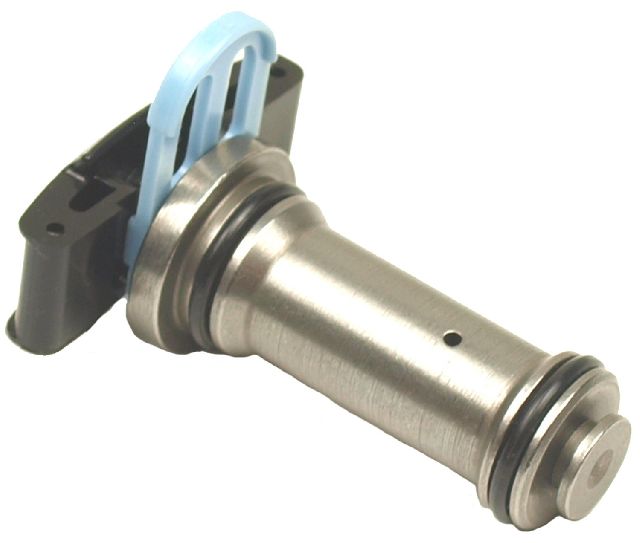
Typical fix: Replace the Bank 1 intake VCT solenoid. It is located on the front of the passenger-side valve cover.
Est. part cost: $30-$70 - Stretched Timing Chain or Failed Tensioner/Guides 🟡 Medium Probability → Shop Engine Timing Chain Both the 5.0L Coyote and 2.3L EcoBoost engines are known to have timing chain stretch and guide wear issues over time, particularly with high mileage or infrequent oil changes. Bank 1 is physically the furthest point in the chain's path from the crankshaft, making it more susceptible to showing correlation errors when the chain stretches.
How to confirm: Listen for a rattling or tapping noise from the front of the engine, especially on cold starts. A definitive diagnosis requires removing the valve cover and/or timing cover to physically inspect the chain for slack and check the tensioner's extension.
Typical fix: Replace the timing chain, tensioners, and guides. This is a labor-intensive job often done as a complete kit. 🎬 Watch: Detailed walkthrough of a Coyote 5.0L timing chain replacement.
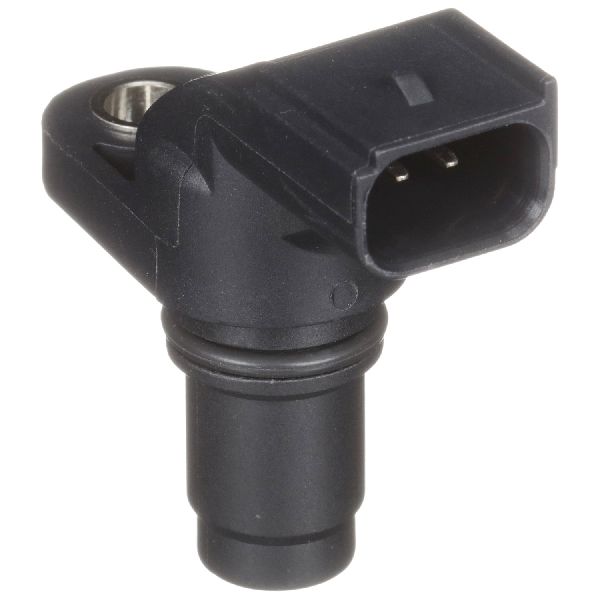
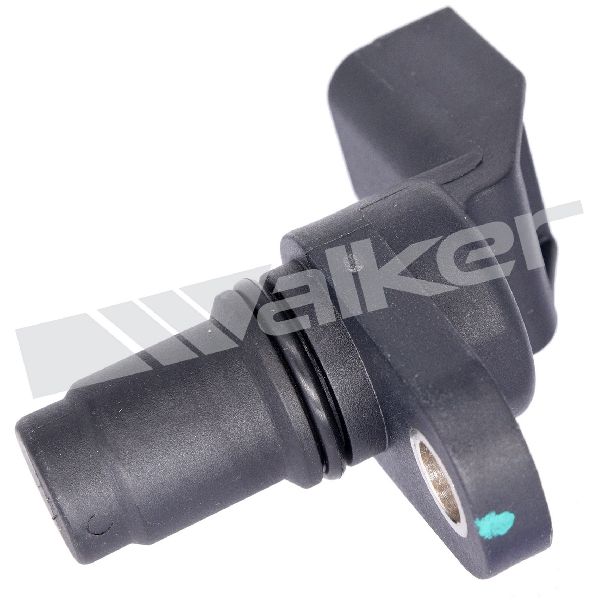
Est. part cost: $250-$600 - Failed Camshaft Position Sensor ⚪ Low Probability → Shop Engine Camshaft Position Sensor While sensors can fail, it's less common than the mechanical or oil-related issues above. The code indicates a correlation error, not necessarily a sensor circuit failure (which would typically set a different code like P0340).
How to confirm: Check the sensor's wiring and connector for damage. Use an oscilloscope to check the sensor's waveform against a known good pattern. Swapping with a known good sensor is also a valid diagnostic step, as described by users on Mustang6g.com.
Typical fix: Replace the Bank 1 intake camshaft position sensor.
Est. part cost: $25-$60
Rare But Worth Checking
- Failed Cam Phaser: → Shop Engine Timing Gear The VCT phaser itself can become clogged with debris or mechanically fail, getting stuck in one position. This usually produces a knocking or ticking sound and is a more complex repair than the solenoid. On 2018+ 5.0L engines, phaser rattle is a known issue covered by Ford TSB 18-2354 and Customer Satisfaction Program 21N03.
- Damaged Crankshaft Reluctor Wheel / Harmonic Balancer: → Shop Engine Harmonic Balancer The reluctor wheel (tone ring) that the crankshaft sensor reads can be damaged or slip. On the 2.3L EcoBoost, the harmonic balancer is not keyed to the crankshaft and is held by friction. Improper torque or reuse of the bolt can cause it to lose its precise position, resulting in a timing correlation code even if the mechanical timing is perfect.
- Wiring Issues: A damaged wire or loose pin in the connector for either the camshaft sensor or the VCT solenoid can cause an intermittent signal, leading to the P0016 code. Forum members have reported finding pinched wires or loose pins as the root cause.
Diagnosis Steps
- Check engine oil level and condition. If low, dirty, or overdue, perform an oil and filter change with the correct Ford-spec synthetic oil. Clear codes and test drive.
- Use a scan tool to check for other DTCs. Freeze frame data can show engine conditions when the code was set.
- Inspect the wiring and connector for the Bank 1 intake camshaft position sensor and the VCT solenoid for any damage, corrosion, or oil contamination.
- Use a bidirectional scan tool to monitor the VCT system. Per TSB #SSM 48423, command the Bank 1 intake VCT solenoid (VCT11) and cycle it 10 times to attempt to clear debris. Listen for a change in engine idle.
- While using the scan tool, monitor the
VCTADVERRPID. A value that is not near zero at idle (e.g., 7-12 degrees) strongly suggests a base timing issue like a jumped tooth, even if the engine runs. - If the solenoid is unresponsive or the code returns immediately, swap the Bank 1 intake and exhaust VCT solenoids. Clear codes and see if the fault changes to P0015. If it does, the solenoid is faulty.
- If the problem persists, replace the Bank 1 intake VCT solenoid.
- If the code still returns, the issue is likely mechanical. Listen for timing chain rattle on cold starts. The next step is to remove the valve cover to inspect the timing chain, guides, and phasers for obvious damage or slack.
- For a definitive mechanical diagnosis, a full timing inspection is needed, which involves removing the front timing cover to verify all timing marks align perfectly. This is an advanced procedure.
Parts You'll Likely Need
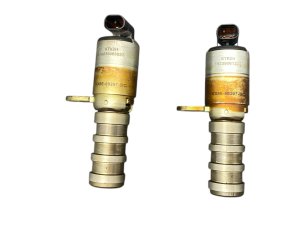
- Variable Camshaft Timing (VCT) Solenoid (Bank 1 Intake)
(OEM #Motorcraft AT4Z-6M280-A (For 5.0L Right Side Intake) or FR3Z-6M280-A (For 2.3L))— This is the most common cause according to Ford TSBs, where debris causes the solenoid to stick.
Trusted brands: Motorcraft, Dorman
OEM price range: $50-$70
Aftermarket price range: $30-$50 - Timing Chain Kit — If the VCT system is functioning correctly, a stretched chain or failed tensioner is the next most likely mechanical cause, especially on higher mileage engines.
Trusted brands: Motorcraft, Cloyes
OEM price range: $400-$600
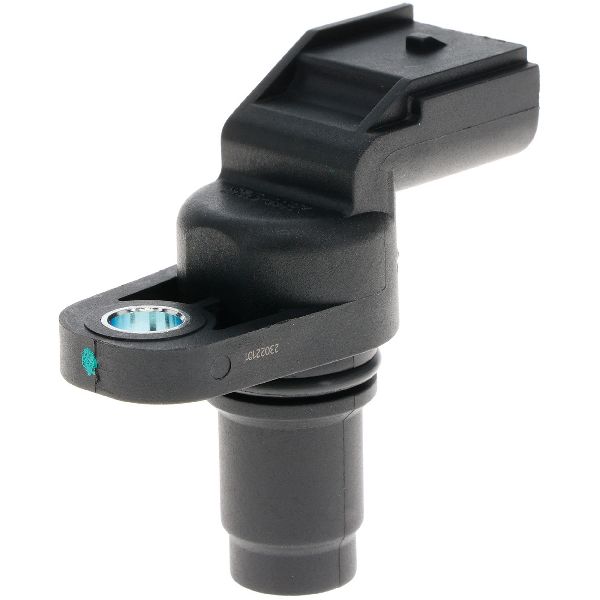
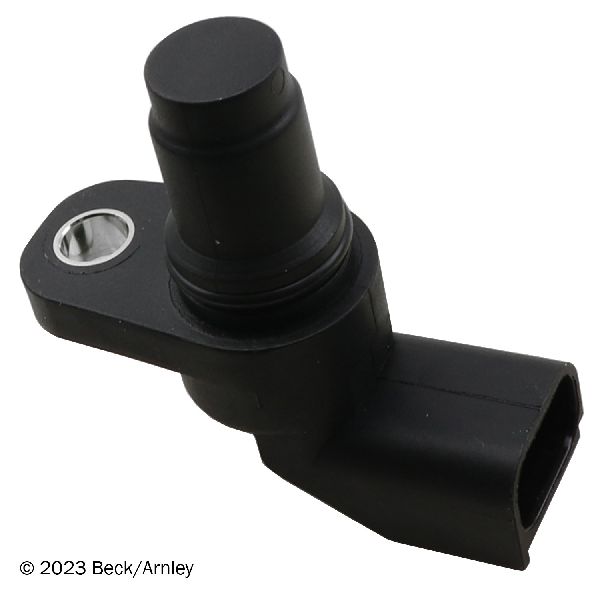
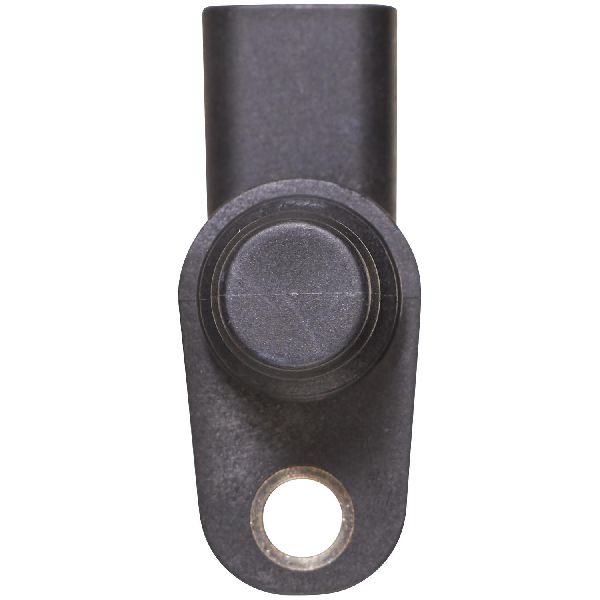
Aftermarket price range: $250-$400 - Camshaft Position Sensor
(OEM #Motorcraft DU-87 (For 5.0L) or G2MZ-6B288-A (For 2.3L))— While less common, a failing sensor can cause this code and is a relatively inexpensive part to replace during diagnosis.
Trusted brands: Motorcraft, Bosch, NTK
OEM price range: $40-$60
Aftermarket price range: $25-$40
Related Codes That Often Appear With This One
- P0017, P0018, P0019 — These are correlation codes for the other camshafts. Seeing them together can point to a systemic issue like a jumped timing chain affecting multiple cams, or severe oil contamination.
- P0300, P0301-P0308 — Misfire codes are common because incorrect cam timing leads to inefficient combustion in one or more cylinders.
- P0011, P0012, P0014, P0015 — These codes indicate that a camshaft is over-advanced or over-retarded. They often appear alongside P0016 and point specifically to a problem with the VCT system's ability to control cam phasing, often due to a stuck solenoid or failing phaser.
Technical Service Bulletins (TSBs) & Recalls
- TSB SSM 48423: Notes that for 2015-2020 Mustangs (and other Fords), P0016 and other VCT codes may be caused by small debris causing the VCT solenoid to stick. The diagnostic procedure advises cycling the solenoid with a scan tool 10 times before replacement.
- TSB SSM 47170: An earlier version of the above TSB, also pointing to debris in the VCT solenoid as a primary cause for P0016 and related codes.
- TSB SSM 49821 / SSM 54366: Later bulletins that supersede the earlier ones, continuing to group P0016 with other VCT-related DTCs and pointing towards a common diagnostic path starting with the VCT solenoids.
- TSB 16-0038: Although for the 3.5L GTDI, this TSB shows a pattern in Ford's diagnosis. It explicitly states that if P0011 and P0016 are present together, the fix is to replace the bank 1 intake VCT solenoid, reinforcing the diagnostic logic.
Platform-Specific Known Issues
- TSB #SSM 48423 and #SSM 47170 note that for 2015-2020 Mustangs, P0016 may be caused by small debris causing the VCT solenoid to stick. The diagnostic procedure advises cycling the solenoid with a scan tool before replacement.
- On the 2.3L EcoBoost, the crankshaft pulley (harmonic balancer) is not keyed. If the main crank bolt is improperly torqued or serviced, the pulley can slip, throwing off the crankshaft position sensor's reading and causing a P0016 code even if the internal timing is correct.
- For the 5.0L Coyote V8, especially 2018+ models, a 'ticking' or 'rattling' noise from the cam phasers is a known issue that can be related to timing correlation codes like P0016.
Mechanic-Grade Diagnostic Values
- VCT Solenoid Internal Resistance — expected: 7 to 15 Ohms. Failure: A reading of 0 Ohms (short circuit), infinite Ohms (open circuit), or a value significantly outside the expected range.
- Camshaft Position Sensor (3-wire Hall effect) Signal Voltage — expected: Switches between ~5V and 0V as the engine is cranked or a metal object is passed over the sensor tip.. Failure: Voltage does not switch, is stuck at 0V, or stuck at 5V.
- Scan Tool PID: VCTADVERR (VCT Advance Error) — expected: Near 0 degrees at warm idle and steady RPM. May show a small deviation (e.g., 0.25 degrees) on startup.. Failure: A consistent, large error (e.g., 7-12 degrees) at idle indicates a base timing problem (jumped tooth) or a completely stuck phaser.
Hidden / Shadow Codes Worth Checking
- Mode 6, Misfire Monitor (TID $53, CID $01-$0C): Ford's onboard diagnostic system tracks misfire counts for each cylinder even if they are not frequent enough to set a P030x trouble code. This data can reveal which specific cylinders are affected by the incorrect cam timing from P0016. (see via A capable scan tool that can access OBD-II Mode $06 data, such as FORScan. The data shows misfire counts for the current and last 10 driving cycles.)
Scan Tool Commands That Help
- Ford IDS, FORScan, or other professional bidirectional scanner: VCT Solenoid On/Off Command (often listed as VCT11 for Bank 1 Intake) — This command is used to manually activate the VCT solenoid while the engine is running to see if it affects engine idle. A change in idle indicates the solenoid is mechanically functioning. No change suggests it is stuck or electrically failed. This is a primary diagnostic step recommended in Ford TSBs.
Wiring & Ground Locations
- G201 — Passenger side kick panel, near the PCM.. This is a primary ground for the Powertrain Control Module (PCM). A poor connection here can cause erratic sensor readings and incorrect diagnostic codes, including timing correlation faults.
- Engine to Frame/Battery Ground — Main ground connections are located on the studs of the driver's side motor mount.. A poor main engine ground can affect the signals from all engine-mounted sensors, including the crank and cam position sensors, leading to false correlation codes.
- G105 — On the bottom of the engine, close to the starter motor.. This ground's proximity to the starter and lower engine area makes it susceptible to corrosion, which can impact sensor readings.
Real Owner Repair Stories
- Mustang6g.com forum user 'DruDru_97' (2016 Mustang EcoBoost (heavily modified with built motor, keyed crank, new timing chain)) — P0016 code, rough running, sputtering, loss of power.
❌ Tried (didn't work) Resetting ECU, realigning crank position sensor, inspecting wiring.
✅ What actually fixed it The user replaced the cam sensors, which cleared the P0016 code but immediately resulted in new codes for the camshaft position sensor circuits (P0340, P0344, P0365, P0369), indicating the diagnostic path was complex and likely involved a faulty new sensor or a persistent wiring issue rather than a mechanical timing problem (as the timing components were new and the crank was keyed). - S197Forum.com user (S197 Mustang (older generation, but relevant diagnosis)) — P0016 code after a short engine run and shutdown, rough idle, muffled exhaust sound.
❌ Tried (didn't work) Replacing both VCT solenoids, replacing the battery, replacing the alternator.
✅ What actually fixed it The issue was not resolved by replacing common electrical and VCT components. The final conclusion from other forum members was that a base mechanical timing check was required, as the code persisted despite all electrical components reading correctly, indicating a probable jumped timing chain tooth.
"I Checked Everything" — The Actual Cause
- In the context of P0016, the equivalent of a 'smoke test clean' scenario is when a technician verifies the physical timing marks are perfectly aligned, yet the code persists. In this case, the actual cause is often a non-mechanical issue. One common culprit is a loose pin in the VCT solenoid or camshaft sensor connector, causing an intermittent signal. Another cause can be the crankshaft reluctor wheel having shifted slightly, especially on the 2.3L EcoBoost's non-keyed crank pulley, or a failing sensor providing a distorted but present signal that an oscilloscope would be needed to identify.
When the Usual Fixes Don't Work
- While VCT solenoids are the most common cause, there are numerous documented cases where replacing them does not fix the P0016 code. In a case involving a modified 2016 EcoBoost, the owner had already installed a new timing set and a keyed crankshaft, eliminating the most common mechanical failure points. Despite this, the P0016 code appeared. Replacing the cam position sensors then led to a different set of sensor circuit codes, demonstrating that the root cause was electrical (faulty sensor or wiring) and not the VCT solenoid or mechanical timing. This highlights the importance of not stopping diagnosis at the most common fix.
OEM Part Supersession History
BR3Z-6M280-A→BR3Z-6M280-F— Part revision by manufacturer, likely for improved durability or performance.
Heads up: The 2018+ 5.0L engines use different VCT solenoids entirely.
Model Year Variations Within This Range
- 2018-2021: The 5.0L 'Gen 3' Coyote V8 introduced in 2018 has different VCT phasers and solenoids compared to the 2015-2017 'Gen 2' engine. These 2018+ models are known for a distinct cam phaser rattle ('BBQ tick'), which is directly related to VCT operation and can cause codes like P0016. Ford addressed this with TSB 18-2354 and a customer satisfaction program (21N03) involving phaser replacement. The VCT solenoids for the 2018+ 5.0L are part numbers HL3Z-6M280-A and BR3Z-6M280-F.
Helpful Videos
Used OEM Parts in Stock
New Aftermarket Parts Available

The information in this article is provided for general reference and educational purposes only. Vehicle specifications, procedures, and part compatibility can vary by production date, trim level, and region. Always consult your vehicle's factory service manual and verify part numbers before purchasing or performing repairs. Safety-critical components such as airbags, seat belts, and braking systems should be installed by a qualified professional.
- Ford MUSTANG:
- 🧭 Diagnostic Flowchart
- 🎬 Helpful Videos
- 🛍️ Shop This Part
- What's Unique About the 2015-2021 Ford MUSTANG
- Symptoms You May Notice
- Most Likely Causes
- Rare But Worth Checking
- Diagnosis Steps
- Parts You'll Likely Need
- Related Codes That Often Appear With This One
- Technical Service Bulletins (TSBs) & Recalls
- Platform-Specific Known Issues
- Mechanic-Grade Diagnostic Values
- Hidden / Shadow Codes Worth Checking
- Scan Tool Commands That Help
- Wiring & Ground Locations
- Real Owner Repair Stories
- "I Checked Everything" — The Actual Cause
- When the Usual Fixes Don't Work
- OEM Part Supersession History
- Model Year Variations Within This Range
- 🎟️ Get 5% Off