

P0016 on 2010-2019 Ford Taurus 3.5L: Timing Chain, Water Pump, and VCT Solenoid Fixes
On the 3.5L V6 Taurus, P0016 almost always means a stretched timing chain, usually caused by a failing internal water pump leaking coolant into the oil. This is a major, expensive repair costing $2,000-$4,000+, with some dealer quotes approaching $7,000. A less common cause is a sticking VCT solenoid, which is a much cheaper fix and should be investigated first, especially if no startup rattle is present.
- P0016 on this engine is a serious code that should be addressed immediately to prevent catastrophic engine failure.
- Before any other diagnosis, check the engine oil. If it looks milky or like 'chocolate milk', the water pump has failed and a full timing job is required.
- A rattling noise from the engine on cold starts is a strong indicator of a stretched timing chain.
- If the oil is clean and there is no rattle, the problem may be a much cheaper and easier to fix sticking VCT solenoid.
- Do not simply replace the camshaft sensor; it is almost never the root cause of this code.
What's Unique About the 2010-2019 Ford Taurus
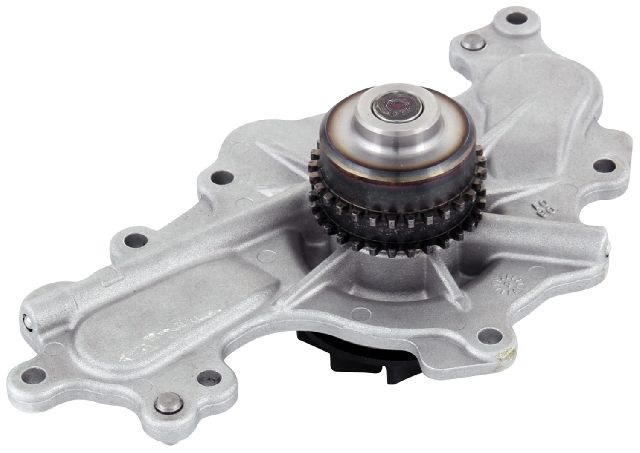
The 3.5L Cyclone V6 has a critical design flaw: the water pump is located internally and is driven by the timing chain. When the water pump's seal fails, it doesn't leak coolant onto the ground; it leaks directly into the engine oil pan. This coolant contamination destroys the oil's ability to lubricate by reducing its viscosity, leading to rapid and severe wear of the timing chain, guides, and tensioners. This chain stretch is the most common reason a Taurus with this engine will set a P0016 code.
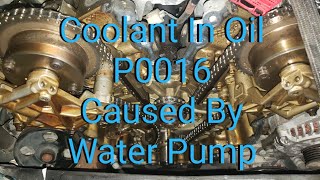
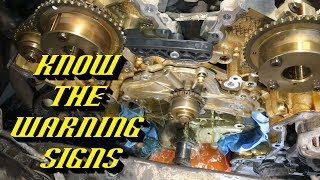
Generation note: The 2010-2019 model years all belong to the sixth generation Ford Taurus. While there was a facelift in 2013 that updated styling and increased horsepower slightly, the fundamental 3.5L Cyclone V6 engine design and its internal water pump remained the same 🎬 Watch: How this internal water pump design can destroy your engine., making this guide applicable to the entire year range.
Symptoms You May Notice
- Check Engine Light is on
- Engine runs rough, idles poorly, or stalls
- Reduced engine power and sluggish acceleration
- Engine is hard to start or requires extended cranking
- A distinct rattling or scraping noise from the engine for a few seconds on a cold startup.
- Engine oil on the dipstick appears milky, frothy, or like 'chocolate milk'
- Unexplained and steady loss of coolant with no visible external leaks
- Replacing only the camshaft position sensor. The sensor is accurately reporting a timing correlation problem; it is almost never the cause of the problem itself.
- Replacing the timing chain but not the internal water pump. If the oil shows any sign of coolant contamination, the new timing chain will be quickly damaged by the same issue, leading to the code returning in a short time.
- Replacing timing components but not the VCT solenoids. If oil contamination was the root cause, the solenoids are likely clogged with debris and may stick, causing the code to return even with a new chain.
Most Likely Causes
- Stretched Timing Chain due to Internal Water Pump Failure 🔴 High Probability → Shop Engine Timing Chain This is a well-documented, primary failure pattern for the Ford 3.5L Cyclone engine family. The timing-chain-driven water pump's seal fails internally, leaking coolant into the oil, which then destroys the timing components.
How to confirm: Check the engine oil dipstick and oil filler cap. If the oil is milky, grey, or looks like chocolate milk, this is a definitive sign of coolant contamination from the water pump. A rattling noise on cold starts also strongly indicates a loose timing chain. A scan tool reading of +6 degrees or more for the VCT_INT_ACT1 PID at idle is another strong indicator of a stretched chain.
Typical fix: This requires a complete timing system overhaul. All timing chains (primary and secondary), guides, and tensioners must be replaced. Critically, the water pump MUST also be replaced at the same time to prevent immediate repeat failure. It is also highly recommended to replace the VCT solenoids and cam phasers during this extensive job.
Est. part cost: $400-$800 for a complete OEM-quality timing and water pump kit. - Sticking or Failed VCT Solenoid 🟡 Medium Probability → Shop Engine Variable Valve Timing (VVT) Solenoid Ford has issued multiple Technical Service Bulletins (TSBs), such as SSM 47170 and SSM 50067, noting that small debris from normal wear or from contaminated oil can cause the VCT (Variable Camshaft Timing) solenoids to stick, triggering timing correlation codes.
How to confirm: First, perform an oil and filter change, as dirty oil is the primary cause. If the code returns, a mechanic can use a bidirectional scan tool to command the Bank 1 intake VCT solenoid on and off to see if it responds correctly (as suggested in TSB SSM 47170). If there's no response or the code immediately returns, it has likely failed. Resistance can also be checked and should be between 6.9-7.9 Ohms.
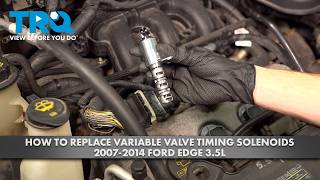
Typical fix: Replace the Bank 1 (rear bank) intake VCT solenoid. The valve cover must be removed for access. 🎬 See this step-by-step guide on replacing the VCT solenoids.
Est. part cost: $40-$100 for an aftermarket solenoid, $70-$150 for an OEM Motorcraft part. - Low or Dirty Engine Oil ⚪ Low Probability
How to confirm: Check the oil level on the dipstick and inspect its condition. If the level is very low or the oil is old and sludgy, it can impede the function of the hydraulic VCT system.
Typical fix: Perform a complete oil and filter change using the manufacturer-specified grade of oil (5W-20).
Est. part cost: $50-$100
Rare But Worth Checking
- Failed Camshaft Phaser: → Shop Engine Camshaft The phaser is the gear on the end of the camshaft that adjusts the timing. While less common than a solenoid failure, it can get clogged with debris or fail mechanically, causing a constant timing error. TSB 15-0131 for the related 3.5L EcoBoost engine recommends replacing all phasers along with the timing chain to fix startup rattles.
- Failed Crankshaft or Camshaft Position Sensor: → Shop Engine Camshaft Position Sensor It is rare for the sensor itself to cause a correlation code without also setting a sensor-specific circuit code. However, a sensor providing intermittent or incorrect data can be a root cause. Owners frequently replace this part first, but it seldom fixes the P0016 code.
- Damaged Reluctor Wheel/Tone Ring: The toothed wheel on the crankshaft or camshaft that the sensor reads can become damaged, bent, or slip on its keyway. This is rare and typically only happens during other major engine repairs or if the crankshaft bolt was improperly torqued, but it will cause persistent correlation codes that won't be fixed by replacing sensors or timing components.
Diagnosis Steps
- Inspect Engine Oil: This is the most critical first step. Check the oil level and condition. If it's low, top it off. If it's dirty, change it. If it appears milky or frothy ('chocolate milk'), stop immediately. This indicates coolant contamination and points directly to a failed internal water pump and compromised timing chain.
- Listen for Noise: Start the engine when it's cold (after sitting for 6+ hours). A distinct mechanical rattle or chain slap noise from the front of the engine (passenger side) that lasts for 2-5 seconds is a classic symptom of a stretched timing chain and worn tensioners.
- Scan Tool Analysis: If the oil is clean, use an advanced scan tool (like FORScan). Monitor the VCT PIDs. Per Ford's own diagnostic guidance (TSB 17-0026), if the VCT_INT_ACT1 PID shows a value of +6 degrees or more at a stable, warm idle, it strongly indicates a worn primary timing chain that needs replacement.
- Test the VCT Solenoid: Use the scan tool's bidirectional controls to command the Bank 1 intake VCT solenoid on and off (as described in TSB SSM 47170). You should hear an audible click from the solenoid and see a change in the engine's idle. If there's no response, or the code returns immediately after clearing, the solenoid is likely stuck or has failed. You can also test its internal resistance with a multimeter; it should be between 6.9-7.9 Ohms.
- Mechanical Inspection: If the solenoid tests good but the timing error PID is high or a startup rattle is present, the diagnosis is a mechanical timing issue. The front engine cover and valve cover must be removed for a direct inspection of the timing chain, guides, and tensioners for wear, slack, or damage.
Parts You'll Likely Need
- Engine Timing Chain and Water Pump Kit
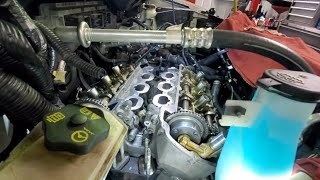
(OEM #Primary Chain: AT4Z-6268-A. A full kit is recommended.)— This is the definitive fix for the most common cause of P0016 on this engine. The kit should include the primary chain, secondary chains, all guides, all tensioners, and the internal water pump. 🎬 Watch: A complete walkthrough of the timing chain and water pump installation.
Trusted brands: Motorcraft, Cloyes, Dayco
OEM price range: $500-$800
Aftermarket price range: $300-$500 - Engine Variable Valve Timing (VVT) Solenoid
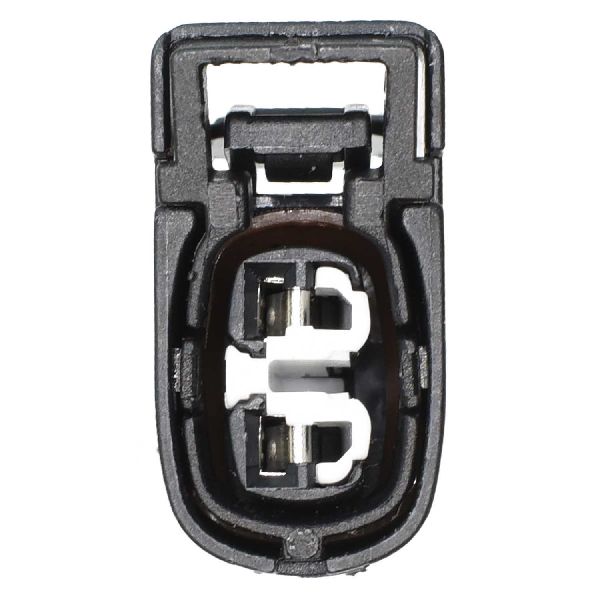
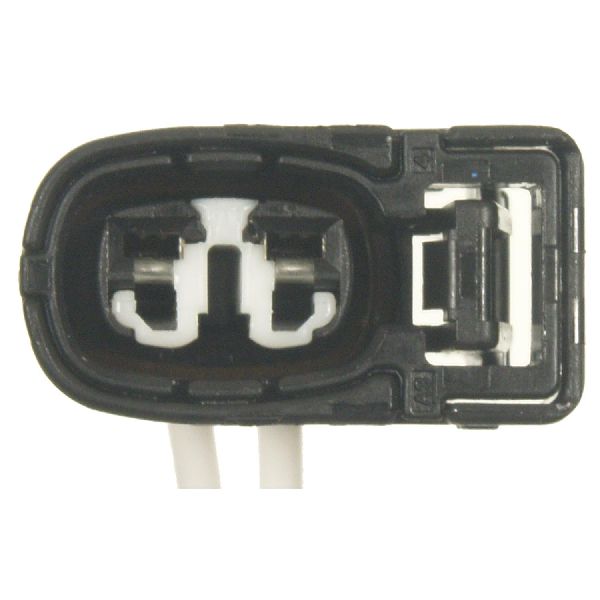
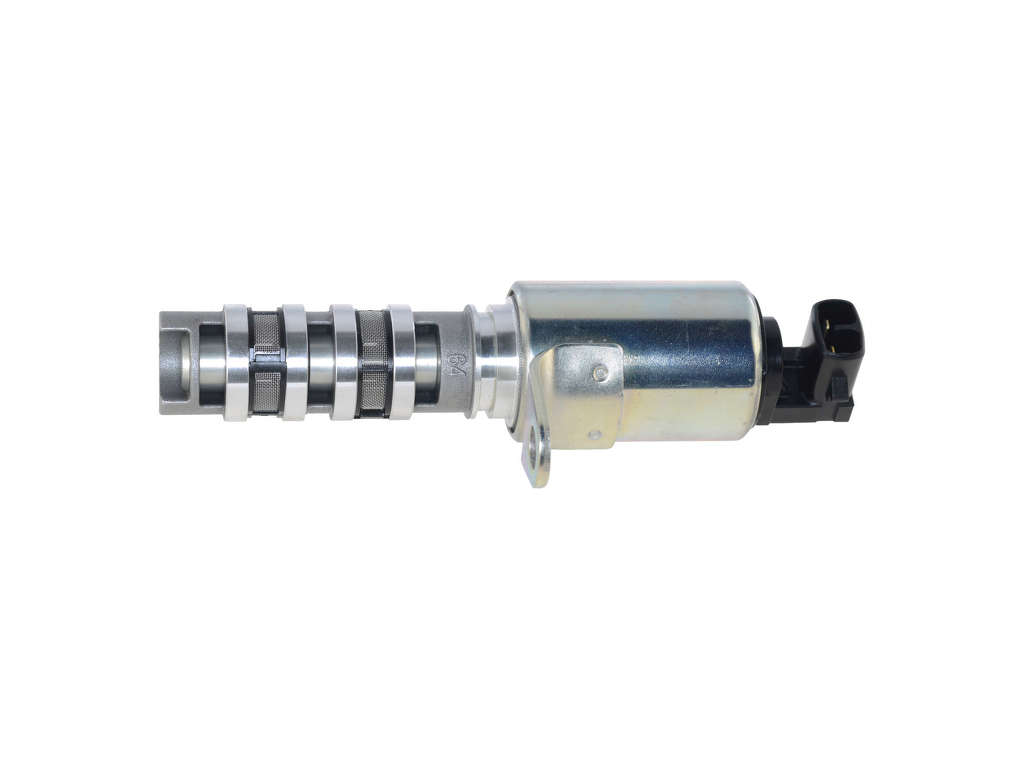
(OEM #AT4Z-6M280-A (Fits multiple positions/applications, verify by VIN))— This is the fix for the second most common cause, a sticking solenoid due to oil debris. It controls oil flow to the cam phaser.
Trusted brands: Motorcraft, Dorman
OEM price range: $80-$150
Aftermarket price range: $40-$100 - Engine Oil and Filter — Clean, correct-viscosity oil is essential for the VCT system to function. An oil change is the first step in diagnosis and is required after a major timing job.
Trusted brands: Motorcraft, Mobil 1
OEM price range: $70-$120
Aftermarket price range: $50-$100
Related Codes That Often Appear With This One
- P0017 — Crankshaft Position - Camshaft Position Correlation (Bank 1, Sensor B - Exhaust). If the timing chain has stretched or jumped, it often affects both the intake and exhaust cam timing on the same bank. Seeing P0016 and P0017 together makes a mechanical timing fault highly likely.
- P0018/P0019 — These are the correlation codes for Bank 2. If a major timing event occurs, such as the primary chain jumping a tooth or severe oil contamination, it can throw off the timing for both banks.
- P0011 — 'Bank 1 Camshaft Position - Timing Over-Advanced'. This code is also related to the VCT system on Bank 1 and can be caused by the same sticking VCT solenoid or phaser issues.
Technical Service Bulletins (TSBs) & Recalls
- SSM 47170 / SSM 48423 — These bulletins note that various VCT codes, including P0016, can be caused by small debris in the oil causing a VCT solenoid to stick. The recommended procedure is to use a scan tool to cycle the solenoid multiple times to attempt to clear the debris before replacing the part.
- TSB 17-0026 (for F-150) — While written for the F-150 with the 3.5L GTDI engine, this TSB provides a crucial diagnostic data point applicable to the naturally aspirated 3.5L as well: if the VCT_INT_ACT1 PID (Parameter ID) on a scan tool reads +6 degrees or more at idle, it indicates a worn/stretched primary timing chain requiring replacement.
- TSB 15-0131 (for F-150) — Addresses a cold start rattle (2-5 seconds) on 3.5L GTDI engines by recommending the replacement of the primary timing chain and all four VCT phasers. This corroborates that chain stretch is a known issue in the engine family.
Platform-Specific Known Issues
- Owner Experience: The Slippery Slope of P0016 Diagnosis: On the SHO Forum, a 2014 Taurus SHO owner with 66,000 miles documented their troubleshooting journey for a persistent P0016 code. They started with the cheapest fixes: a camshaft position sensor replacement and an oil change. When the code remained, they replaced the VCT solenoid. Upon removing the valve cover for that job, they noticed visible slack in the timing chain, confirming that the expensive timing chain job was necessary all along. This highlights a common and costly diagnostic path where owners and shops replace cheaper parts first, only to eventually discover the root cause is the stretched chain.
Mechanic-Grade Diagnostic Values
- VCT Solenoid Internal Resistance — expected: 6.9-7.9 Ohms. Failure: A reading of 0 Ohms (short), infinite/OL (open), or a value significantly outside the specified range.
- Camshaft Position Sensor (3-wire Hall Effect) Voltage - Power Wire — expected: ~5V with key on, engine off.. Failure: No voltage or significantly low voltage indicates a wiring or PCM issue.
- Camshaft Position Sensor (3-wire Hall Effect) Voltage - Ground Wire — expected: 0V (Good ground continuity). Failure: Voltage present on the ground wire indicates a bad ground.
- Camshaft Position Sensor (3-wire Hall Effect) Voltage - Signal Wire — expected: Produces a fluctuating voltage or square wave when the engine is running/cranking.. Failure: A static or absent signal indicates a failed sensor or wiring issue.
- Engine Oil Pressure at Idle (Warmed Up) — expected: Minimum 10-15 psi (69–103 kPa).. Failure: Pressure below the minimum threshold can starve the VCT system and cause timing codes.
Hidden / Shadow Codes Worth Checking
- Mode 6, TID $53: Mode 6 is not a 'code' but a system monitor test result. For VCT systems, Test ID $53 can show statistical data on timing deviations that help confirm a correlation problem, sometimes before it becomes a constant fault hard-setting the P0016 code. (see via Requires a professional scan tool like Ford's IDS or an advanced tool like FORScan to access and interpret VCT-related Mode 6 Test IDs.)
Scan Tool Commands That Help
- Ford IDS / FORScan: VCT Solenoid On/Off Bidirectional Control — This is a key functional test. When commanding the Bank 1 intake solenoid on at idle, the engine should stumble or run rough. If there is no change, it points to a stuck solenoid, a clogged oil passage, or a wiring issue.
- Ford IDS / FORScan: Reset All Adaptations / Clear KAM (Keep Alive Memory) — This is critical to perform AFTER replacing timing components or VCT solenoids. The PCM stores learned timing values, and failing to clear them can cause the code to return immediately even with new parts, as the PCM is still operating on the old, incorrect data.
Wiring & Ground Locations
- G105 — Located at the right, center, rear of the engine compartment.. This is a primary ground point for the engine control system. A loose or corroded connection at G105 can affect the PCM or related sensors, potentially causing erratic signals and triggering correlation codes.
- Main Ground Strap — Located on the transmission case, below the brake booster.. A poor main engine/transmission ground can cause a wide range of difficult-to-diagnose electronic issues, including faulty sensor readings that could contribute to or trigger a P0016 code.
- Bank 1 Camshaft Position Sensor Connector — On the back of the cylinder head for the rear bank (closest to the firewall). Access is tight.. This is the connector for the sensor that triggers the P0016 code. The wiring harness in this area should be inspected for chafing, damage, or corrosion on the pins, which could interrupt the signal to the PCM.
Real Owner Repair Stories
- SHO Forum user 'Ta2dResqr' (2014 Ford Taurus SHO, 66,000 miles) — P0016 Check Engine Light.
❌ Tried (didn't work) Replaced the camshaft position sensor., Performed an oil change., Checked all wiring harnesses., Replaced the VVT solenoid.
✅ What actually fixed it During the VVT solenoid replacement, slack was noticed in the timing chain. The final, confirmed fix was a complete timing chain replacement. Another user in the same thread confirmed an identical P0016 on a 52k mile vehicle was fixed with a timing chain and water pump replacement. - Reddit user on r/FordTaurus (2017 Ford Taurus SHO, 72,000 miles) — P0016 Check Engine Light.
❌ Tried (didn't work) A dealer technician manually cycled the VCT solenoid 10 times with a scan tool to attempt to clear debris, but the concern was still present.
✅ What actually fixed it The dealer diagnosed failed VCT units and recommended a full timing chain replacement. The owner received a quote for nearly $7,000, confirming the high cost and the common diagnosis of a full timing job for this code.
OEM Part Supersession History
7T4Z-6M280-A, 7T4Z-6M280-B→7T4Z-6M280-C— Updated design for improved reliability and performance against oil debris.
Heads up: This part number is for the naturally aspirated 3.5L/3.7L engines. The VCT solenoid AT4Z-6M280-A is also common but fits different positions or applications. It is critical to verify the correct part number by VIN and specific solenoid position (Intake/Exhaust, Bank 1/2) as they are not all interchangeable.
Model Year Variations Within This Range
- 2010-2019: While the core engine design and the internal water pump issue remained consistent, Ford made numerous running changes to the timing components. When performing a timing job, it is crucial to use a kit specified for the vehicle's year or the latest superseded OEM parts, as designs for chains, guides, and phasers were updated to improve durability.
- 2013-2019: The 2013 model year facelift included a power increase for the base 3.5L V6 from 263 hp to 288 hp, achieved through the implementation of Twin Independent Variable Camshaft Timing (Ti-VCT). While the root causes of P0016 remain the same, this means all four camshafts have phasers and VCT solenoids, slightly increasing the complexity of the system compared to earlier single VCT versions.
Diagnostic Flowchart
Other Known Issues on This Vehicle
Issues unrelated to this code that are worth knowing about as an owner of this generation:
- Power Transfer Unit (PTU) Failure (AWD Models) 🔴 High — Common, especially on vehicles over 60,000 miles. The PTU fluid is considered 'lifetime' by Ford but it overheats, breaks down, and leads to gear/bearing failure.
- Electronic Throttle Body (ETB) Failure 🟠 Medium — A well-documented issue where internal contamination causes the vehicle to suddenly enter 'limp mode' with reduced power. (Ref: Customer Satisfaction Programs 16B32 / 17B28 (expired).)
- Internal Water Pump Failure 🔴 High → Shop Engine Water Pump — This is the primary cause of P0016 but is also a major standalone issue. The pump can fail and leak coolant externally from a weep hole, or internally into the oil, often between 80,000 and 120,000 miles.
- Transmission Failure (6F50/6F55) 🔴 High — Some 2015-2016 models were noted for internal transmission failures causing loss of Reverse, 3rd, or 5th gear. Other model years can also experience torque converter or solenoid body issues.
Used vs. New Parts: Buying Guide for This Vehicle
When a used part is the smart pick: For this specific P0016 repair, using used parts is generally not recommended for the primary failure components. However, if diagnosis points to a faulty Camshaft Position Sensor (which is a rare cause), a used sensor from a low-mileage donor vehicle is a reasonable and cost-effective choice.
Donor-vehicle mileage cap: roughly under 75000 miles for the part to have meaningful remaining life.
What to inspect on the donor part:
- For a sensor, ensure the plastic housing has no cracks and the connector pins are clean and straight.
- Check the donor vehicle's VIN to ensure it didn't have an open recall for the same issue.
- Avoid parts from vehicles that show signs of a front-end collision or engine fire.
OEM-only on this vehicle (don't cheap out):
- Timing Chain Kit: This is a critical wear item. The failure of these components is the primary cause of P0016. Using used parts is extremely risky and will likely lead to a repeat failure in a short time.
- Internal Water Pump: This part is the root cause of most timing chain failures on this engine. Never use a used water pump; always install a new, high-quality OEM or aftermarket unit during a timing service.
Aftermarket brands forum-validated for this vehicle:
- Timing Kits: Cloyes is a highly regarded aftermarket brand for timing components and often supplies OEM parts. Dayco is also a known supplier.
- VCT Solenoids: Dorman and Standard Motor Products (SMP) are generally considered reliable aftermarket alternatives to OEM Motorcraft parts.
Brands owners have reported issues with on this vehicle:
- Unbranded, 'white-box' timing kits from online marketplaces. These kits often use inferior materials for chains and plastic guides, which can fail prematurely and cause catastrophic engine damage. Given the high labor cost of this job, saving a small amount on a no-name kit is not worth the risk.
Real Owner Stories
Aggregated from forums and TSBs cited above. Mileages and costs reflect what owners reported in those sources.
2014 Ford Taurus SHO 3.5L V6 — 66000 miles
Symptoms: Persistent P0016 code. The owner attempted to fix it by replacing the camshaft position sensor, changing the oil, and replacing the VCT solenoid.
What fixed it: A complete timing chain replacement was required after the owner discovered visible slack in the chain while the valve cover was removed.
Source hint: SHO Forum - 'P0016 Code is getting expensive'
2017 Ford Taurus SHO 3.5L V6 — 72000 miles
Symptoms: P0016 code present; dealer diagnosed the vehicle and recommended replacing VCT units and the timing chain.
What fixed it: Replacement of VCT units and the timing chain.
Cost: $6,000-$7,000
Source hint: Reddit r/FordTaurus - 'P0016'
Related OBD-II Codes
Frequently Asked Questions
How can I tell if my P0016 code is caused by the internal water pump failure common on the 3.5L Cyclone engine?
Is there a specific scan tool value that confirms my Taurus needs a new timing chain?
My 2014 Taurus has a rattle for a few seconds when I first start it in the morning. Is this related to P0016?
Does Ford have any bulletins about debris causing this code on the 3.5L engine?
What is the correct resistance for the VCT solenoid on a 3.5L Taurus if I want to test it with a multimeter?
Can I just replace the VCT solenoid to fix P0016 on my Taurus SHO?
Helpful Videos



We Have This Part in Stock


The information in this article is provided for general reference and educational purposes only. Vehicle specifications, procedures, and part compatibility can vary by production date, trim level, and region. Always consult your vehicle's factory service manual and verify part numbers before purchasing or performing repairs. Safety-critical components such as airbags, seat belts, and braking systems should be installed by a qualified professional.
- Ford Taurus:
- 🧭 Diagnostic Flowchart
- 🎬 Helpful Videos
- 🛍️ Shop This Part
- What's Unique About the 2010-2019 Ford Taurus
- Symptoms You May Notice
- Most Likely Causes
- Rare But Worth Checking
- Diagnosis Steps
- Parts You'll Likely Need
- Related Codes That Often Appear With This One
- Technical Service Bulletins (TSBs) & Recalls
- Platform-Specific Known Issues
- Mechanic-Grade Diagnostic Values
- Hidden / Shadow Codes Worth Checking
- Scan Tool Commands That Help
- Wiring & Ground Locations
- Real Owner Repair Stories
- OEM Part Supersession History
- Model Year Variations Within This Range
- Other Known Issues on This Vehicle
- Used vs. New Parts: Buying Guide for This Vehicle
- Real Owner Stories
- 2014 Ford Taurus SHO 3.5L V6 — 66000 miles
- 2017 Ford Taurus SHO 3.5L V6 — 72000 miles
- Related OBD-II Codes
- Frequently Asked Questions
- 🎟️ Get 5% Off