

P0016 on 2015-2021 Ford Transit Connect: Crank/Cam Correlation Causes and Fixes
On a 2015-2021 Ford Transit Connect, P0016 is most often caused by a sticking Variable Camshaft Timing (VCT) solenoid due to dirty or low engine oil. An oil change with a high-quality filter is the first step. If that fails, replacing the VCT solenoids (around $30-$70 each) is the next most likely fix. If the code persists, especially if accompanied by a startup rattle, suspect a stretched timing chain.
- Always check your engine oil level and condition first. A simple oil change with 5W-20 oil can fix this code.
- The most common failed part for P0016 on this vehicle is a sticking VCT solenoid, not a cam or crank sensor.
- If you have both P0016 and P0017 codes, the problem is very likely a stretched timing chain, which is a more serious and expensive repair.
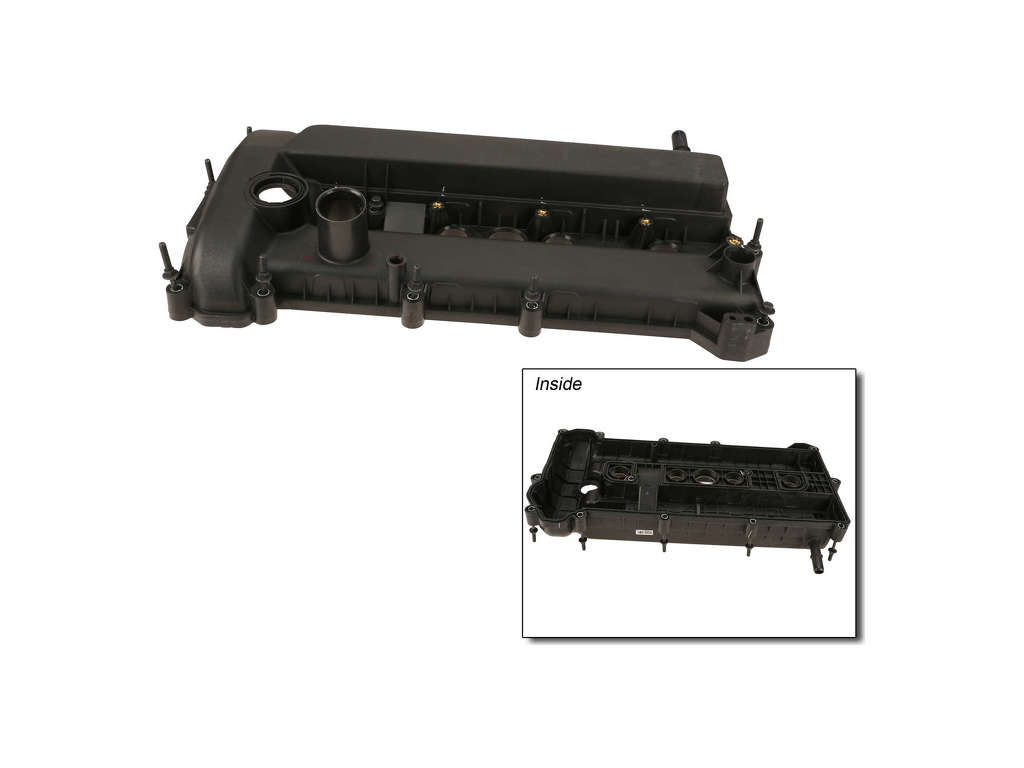
- Replacing the VCT solenoids requires removing the valve cover, so it's best to replace them in pairs and install a new valve cover gasket.
What's Unique About the 2015-2021 Ford Transit Connect
For the Ford Transit Connect with either the 2.5L or 2.0L engine, the Variable Camshaft Timing (VCT) system is particularly sensitive to oil condition and flow. Ford has issued service bulletins (like SSM 48423) acknowledging that debris in the oil can cause the VCT solenoids to stick, triggering this code before any major mechanical failure occurs. As a result, unlike in some other vehicles where P0016 immediately points to a stretched timing chain, on the Transit Connect, oil-related issues and faulty VCT solenoids are a very common and less expensive primary cause.
Symptoms You May Notice
- Check Engine Light is on
- Engine runs rough or has a rough, unstable idle
- Reduced engine power and poor acceleration, sometimes struggling to get above 40 mph
- Engine may hesitate or stall, especially at low speeds or when coming to a stop
- Decreased fuel economy
- Engine cranks but may not start, or is hard to start
- Rattling noise from the engine on cold starts, lasting a few seconds (classic sign of a stretched timing chain)
- Replacing the camshaft or crankshaft position sensors immediately. While they are part of the system, they are not the most common cause of a P0016 correlation code on this platform. The VCT solenoids and oil condition should be checked first.
- Overlooking the quality of the oil filter. A user on a Ford Fusion forum reported that a faulty aftermarket oil filter with a failed internal bypass valve caused a persistent P0016 code by creating improper oil pressure for the VCT system. The issue was resolved by switching to a Motorcraft filter.
Most Likely Causes
- Low or Dirty Engine Oil 🔴 High Probability The Ford Ti-VCT system uses oil pressure to adjust cam timing. Dirty, old, or low oil can clog the fine mesh screens on the VCT solenoids, causing them to stick. Using an incorrect or low-quality oil filter can also cause this issue.
How to confirm: Check the oil level on the dipstick and inspect its color and consistency. If it's low or dark and gritty, it needs to be changed. Check service records for the type of oil filter used.
Typical fix: Perform an engine oil and filter change using the manufacturer-recommended 5W-20 synthetic blend or full synthetic oil and a high-quality OEM (Motorcraft) filter.
Est. part cost: $30-$60 - Failing Variable Camshaft Timing (VCT) Solenoid 🔴 High Probability → Shop Engine Camshaft Ford has noted in TSBs that debris can cause these solenoids to stick. They are a very common failure point for this code on Ford engines, often being the true culprit after an oil change fails to resolve the issue. Manufacturer Bulletin #SSM 47170 confirms that P0016 may be due to small debris causing the VCT solenoid to stick and advises checking this before attempting component replacement.
How to confirm: Use a bidirectional scan tool (like FORScan) to command the solenoid on and off while monitoring engine RPM for changes; this is the procedure recommended by Ford's TSB SSM 48423. A common DIY method is to swap the intake and exhaust solenoids; if the code changes to P0017 (exhaust correlation), the solenoid is bad.
Typical fix: Replace the faulty VCT solenoid. It's highly recommended to replace both intake and exhaust solenoids at the same time since they are located under the valve cover and use the same part number.
Est. part cost: $30-$70 per solenoid - Stretched Timing Chain or Failed Tensioner 🟡 Medium Probability → Shop Engine Timing Chain Over time, especially on vehicles with over 100,000 miles, the timing chain can stretch, or the hydraulic tensioner can weaken, causing slack and altering the cam/crank correlation.
How to confirm: This is a more involved diagnosis. A startup rattle is a key symptom. A mechanic can use a scan tool to check cam/crank deviation degrees at idle; a significant deviation (e.g., >5-6 degrees) suggests a stretched chain. Physical inspection requires removing the valve cover or timing cover to check for slack.
Typical fix: Replace the timing chain, tensioner, and guides as a kit. This is a significant, labor-intensive repair.
Est. part cost: $150-$400 for a full kit
Rare But Worth Checking
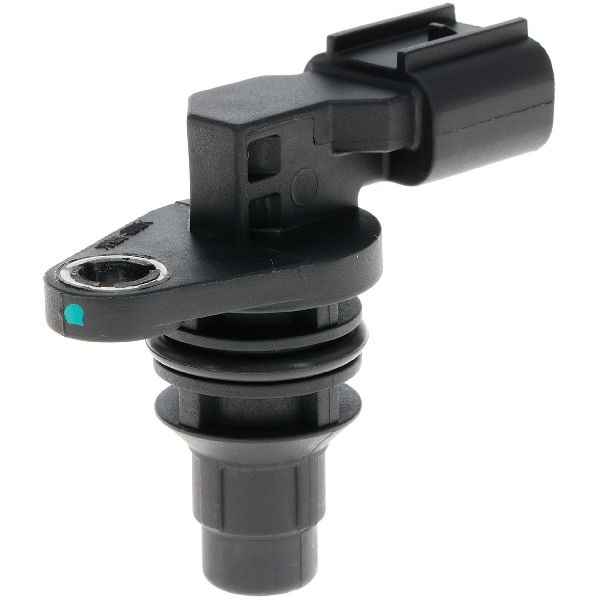
- Faulty Camshaft or Crankshaft Position Sensor: → Shop Engine Crankshaft Position Sensor While possible, sensor failure is less common than VCT solenoid or oil issues for this specific code. Usually, a failing sensor will trigger its own specific circuit code (e.g., P0340, P0335) in addition to P0016. Owners in forums often replace these first without success.
- Damaged Reluctor Wheel/Tone Ring: The tone rings on the crankshaft or camshaft, which the sensors read, can become damaged or slip, leading to incorrect signals. This is rare and typically only occurs after major engine work or a catastrophic failure.
- Failed Camshaft Phaser: → Shop Engine Camshaft The phaser is the gear at the end of the camshaft that is hydraulically adjusted by the VCT solenoid. It can fail mechanically (e.g., get stuck), but this is less common than a solenoid failure. If the timing chain is being replaced, replacing the phasers is often recommended.
Diagnosis Steps
- Check Engine Oil: Verify the oil level is correct and the oil is clean. Perform an oil and filter change with Ford-spec 5W-20 oil and a Motorcraft filter, clear the code, and test drive. This is the cheapest first step and can fix the issue if caused by a clogged filter or dirty oil.
- Scan for Other Codes: Use an OBD-II scanner to see if other codes are present, which can help narrow down the diagnosis (e.g., P0017, P0011, P0012).
- Inspect Wiring: Visually check the wiring harnesses and connectors for the camshaft position sensor, crankshaft position sensor, and VCT solenoids for any damage, corrosion, or loose connections.
- Test VCT Solenoids: Per TSB SSM 48423, use a bidirectional scan tool (like FORScan) to command the affected VCT solenoid to cycle 10 times to try and clear debris. If the code returns, test resistance (should be 5-14 Ohms) or swap the intake and exhaust solenoids to see if the code changes to P0017.
- Reset Keep Alive Memory (KAM): After replacing VCT solenoids or timing components, it is critical to use a scan tool to clear the KAM. This forces the PCM to relearn the new component positions from scratch.
- Mechanical Timing Check: If all else fails, the issue is likely mechanical. Listen for a startup rattle. This involves inspecting the timing chain for stretching and the tensioner for excessive extension. This is an advanced step best left to a professional.
Parts You'll Likely Need
- Variable Camshaft Timing (VCT) Solenoid
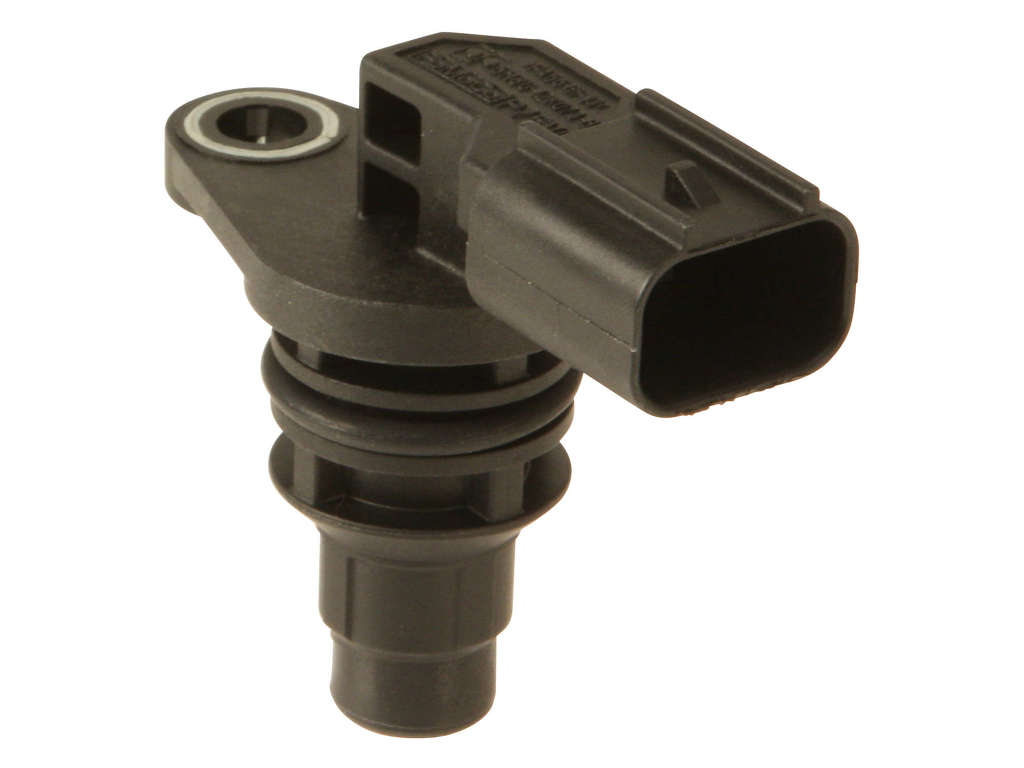
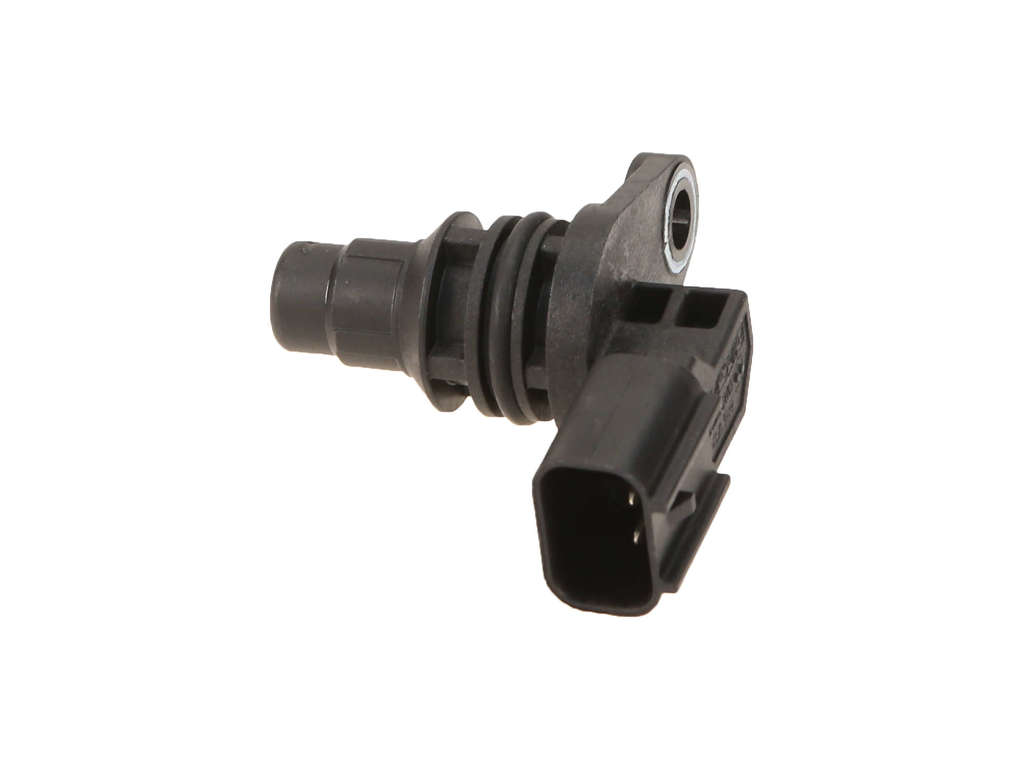
(OEM #CJ5Z-6M280-A (may be superseded by CJ5Z-6M280-B))— This is the most frequent cause of P0016 on this vehicle, as they get clogged with oil debris and stick. Both intake and exhaust solenoids use the same part number.
Trusted brands: Motorcraft, Dorman, NGK
OEM price range: $40-$60
Aftermarket price range: $20-$45 - Valve Cover Gasket Set
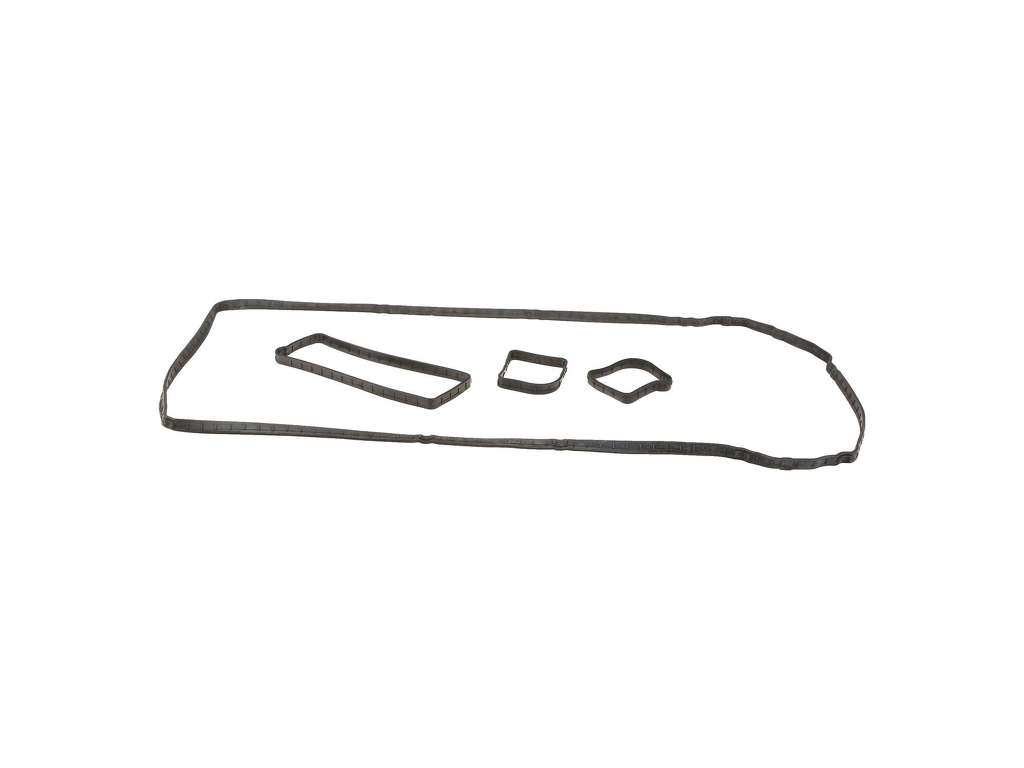
(OEM #1S7Z-6584-BA)— Required for replacing the VCT solenoids, which are located under the valve cover. A set should include spark plug tube seals.
Trusted brands: Motorcraft, Fel-Pro (e.g., VS50639R-1)
OEM price range: $40-$60
Aftermarket price range: $20-$40 - Timing Chain Kit
(OEM #1L5Z-6268-AA (Chain only, not a full kit))— If the VCT system is functioning correctly, a stretched timing chain is the next most likely cause, especially on vehicles with over 100,000 miles.
Trusted brands: Motorcraft, Cloyes (e.g., K376GQ for 2.5L)
OEM price range: $300-$500
Aftermarket price range: $150-$300
Related Codes That Often Appear With This One
- P0017 — This is the correlation code for the exhaust camshaft. If both P0016 and P0017 appear together, it strongly points towards a base timing issue like a stretched timing chain affecting both cams, rather than a single faulty component.
- P0011 — This code means 'Camshaft Position Timing - Over-Advanced'. It can be triggered alongside P0016 if the VCT solenoid is stuck in the advanced position.
- P0012 — This code means 'Camshaft Position Timing - Over-Retarded'. It can appear with P0016 if the VCT solenoid is stuck in the retarded position or if oil flow is restricted.
Technical Service Bulletins (TSBs) & Recalls
- TSB SSM 48423: Notes that on various 2015-2020 Ford vehicles, P0016 and other VCT codes may be caused by small debris causing the VCT solenoid to stick. Before replacing the solenoid (causal part 6M280), it advises using a scan tool to cycle the affected VCT solenoid 10 times to attempt to clear the debris, as detailed in pinpoint test HK11 of the PC/ED manual.
- Bulletin #SSM 54366: States that some 2015-2021 Ford vehicles may exhibit an illuminated MIL with P0016 and other correlation codes, directing technicians to Pinpoint test HK in the PC/ED manual for diagnosis.
- Bulletin #TSB160038: Notes that 3.5L GTDI engines may exhibit an illuminated MIL with P0016 and other codes, specifically on vehicles with under 3200 KM (2000 miles).
Platform-Specific Known Issues
- Faulty Aftermarket Oil Filter: A documented case on a related Ford platform (Fusion 2.0L) showed that a persistent P0016 was caused by a faulty aftermarket oil filter. Its internal bypass valve failed, leading to incorrect oil pressure in the VCT system. The problem was solved only after replacing the filter with a genuine Motorcraft part and changing the oil again.
- Common Repair Sequence: A common repair journey seen in owner forums follows a pattern: 1) An oil change is performed, but the code returns. 2) The owner replaces the cam/crank sensors with no success. 3) The VCT solenoids are finally replaced, which fixes the issue. This highlights the VCT solenoid as the primary culprit over the sensors.
Mechanic-Grade Diagnostic Values
- VCT Solenoid Internal Resistance — expected: 5 - 14 Ohms. Failure: A reading outside this range, such as OL (open) or very low resistance (short), indicates a faulty solenoid coil.
- VCT Solenoid Connector Voltage (Key On, Engine Off) — expected: > 10.5 Volts at Pin 1 (VPWR). Failure: Low or no voltage points to an issue in the power supply circuit from the PCM power relay or fuse.
- Scan Tool PID: VCT_INT_ACT1 (Bank 1 Intake Actual Cam Position) — expected: Should respond to engine RPM and load changes.. Failure: A reading of +6 degrees or more at idle is a strong indicator of a stretched timing chain.
- Scan Tool PID: VCTADVERR (Camshaft Timing Error) — expected: Should hover near 0 degrees at idle.. Failure: A consistent deviation of more than +/- 5 degrees for an extended period indicates the camshaft is not at its commanded position.
Scan Tool Commands That Help
- Ford IDS / FORScan: Actuator Test: Cycle VCT Solenoid — Per Ford TSB SSM 48423, this command should be used to cycle the solenoid 10 times. It can dislodge small debris causing the solenoid to stick, potentially resolving the code without part replacement. A change in engine idle during the test confirms the solenoid is responding.
- Ford IDS / FORScan: Clear Keep Alive Memory (KAM) — This should be performed after replacing any timing components, VCT solenoids, or sensors. It forces the PCM to discard learned values and relearn the new positions and response rates from scratch, which is critical for the system to function correctly after a repair.
Wiring & Ground Locations
- VCT Solenoid Connector (e.g., C168/C169 for 2.5L) — On the front of the valve cover, plugged into the top of each VCT solenoid.. This is the primary test point. Pin 1 is the power supply (VPWR) from a PCM-controlled relay, and Pin 2 is the control wire (ground signal) from the PCM. Testing voltage at Pin 1 and checking for continuity to ground on Pin 2 are key diagnostic steps.
- G105 (Ground) — Located on the left side of the engine.. A poor engine ground can cause erratic behavior in sensors and actuators controlled by the PCM, including the VCT solenoids and cam/crank sensors. Voltage drops and signal noise from a bad ground can lead to false correlation codes.
- G101 / G102 / G104 (Grounds) — Located on the left side of the engine compartment, near the battery junction box.. These are major chassis and PCM ground points. Corrosion or looseness at these locations can cause a wide range of electrical issues, including intermittent sensor readings that could trigger a P0016 code.
Real Owner Repair Stories
- Ford F150 Forum (Ford F150 with 3.5L EcoBoost (similar Ti-VCT system)) — P0016, P0012, P0022 codes appeared after a timing chain replacement. Rough idle, no power, and stalling.
❌ Tried (didn't work) Verified mechanical timing multiple times., Checked wiring harness connections.
✅ What actually fixed it The user suspected the aftermarket Cloyes phasers used in the repair were faulty out of the box. Another user in the thread warned against using non-OEM phasers, stating they have seen them fail immediately or after a few miles. The implication is that replacing the aftermarket phasers with OEM Motorcraft parts would be the fix. - Reddit r/f150 (2013 Ford F150 3.5L EcoBoost, 90k miles) — Persistent P0016 code after a complete timing chain and phaser replacement.
❌ Tried (didn't work) Replacing the stretched timing chain and phasers with a new Ford kit (BL3Z-6D256-C).., Verifying mechanical timing marks were aligned during installation., Performing PCM relearn procedure (idling until warm).
✅ What actually fixed it The user did not post a final resolution, but the thread highlights a critical diagnostic step: monitoring FORScan PIDs. The user noted specific degree readings for VCT_INT_ACT1 (13.56 deg) and VCT_INT_ACT2 (11.02 deg) but was unsure of the target values. This demonstrates a common dead-end for DIY repair without access to manufacturer specs for live data, often leading to a situation where mechanical work is done correctly but a subtle electronic or component issue remains.
OEM Part Supersession History
CJ5Z-6M280-A→CJ5Z-6M280-B (per Pass 2 info, not independently verified in Pass 3)— Likely an internal revision for improved durability or to address the known issue of sticking from debris.
Heads up: The part CJ5Z-6M280-A is specified for 2.0L, 2.3L, and 2.5L Ford engines, indicating wide compatibility across these platforms for the given model years.
Model Year Variations Within This Range
- 2019-2021: From 2019-2021, the 2.0L GDI I4 became the standard engine for non-fleet Transit Connect models. While it shares the Ti-VCT architecture with the 2.5L, its VCT solenoid connector and some specific part numbers may differ slightly. For example, an aftermarket VVT solenoid connector is listed specifically for the 2019-2021 2.0L engine.
Diagnostic Flowchart
Real Owner Stories
Aggregated from forums and TSBs cited above. Mileages and costs reflect what owners reported in those sources.
Ford Fusion 2.0L (Platform Mate)
Symptoms: Persistent P0016 code that would not clear.
What fixed it: Replaced a faulty aftermarket oil filter with a genuine Motorcraft part and changed the oil again, restoring proper VCT oil pressure.
Source hint: Documented case on a related Ford platform (Fusion 2.0L)
2016 Ford Escape
Symptoms: P0011 and P0016 codes appeared immediately after an oil change.
What fixed it: Addressed the oil service, highlighting the VCT system's extreme sensitivity to oil condition and filter quality.
Source hint: Reddit r/MechanicAdvice
Various Ford 2.0L/2.5L Vehicles
Symptoms: P0016 code returned after an initial oil change. The owner then replaced the cam and crank sensors with no success.
What fixed it: Replaced the VCT solenoids, which is the most common true culprit after oil issues are ruled out.
Source hint: Common Repair Sequence noted in owner forums
Ford Transit — ~120000 miles
Symptoms: P0016 code accompanied by timing chain stretch symptoms on a higher mileage vehicle.
What fixed it: Replacing the timing chain, tensioner, and guides as a kit.
Source hint: Ford Transit USA Forum (threads regarding mileage and timing chains)
Related OBD-II Codes
Frequently Asked Questions
Does TSB SSM 48423 apply to my 2015-2021 Transit Connect?
I just changed the oil on my Transit Connect and got a P0016 code. What happened?
Should I replace the camshaft and crankshaft sensors first on my 2.5L or 2.0L engine?
How can I test if the VCT solenoid is bad on my Transit Connect?
Why do I hear a rattling noise on cold starts with this code?
We Have This Part in Stock


The information in this article is provided for general reference and educational purposes only. Vehicle specifications, procedures, and part compatibility can vary by production date, trim level, and region. Always consult your vehicle's factory service manual and verify part numbers before purchasing or performing repairs. Safety-critical components such as airbags, seat belts, and braking systems should be installed by a qualified professional.
- Ford Transit Connect:
- 🧭 Diagnostic Flowchart
- 🛍️ Shop This Part
- What's Unique About the 2015-2021 Ford Transit Connect
- Symptoms You May Notice
- Most Likely Causes
- Rare But Worth Checking
- Diagnosis Steps
- Parts You'll Likely Need
- Related Codes That Often Appear With This One
- Technical Service Bulletins (TSBs) & Recalls
- Platform-Specific Known Issues
- Mechanic-Grade Diagnostic Values
- Scan Tool Commands That Help
- Wiring & Ground Locations
- Real Owner Repair Stories
- OEM Part Supersession History
- Model Year Variations Within This Range
- Real Owner Stories
- Ford Fusion 2.0L (Platform Mate)
- 2016 Ford Escape
- Various Ford 2.0L/2.5L Vehicles
- Ford Transit — ~120000 miles
- Related OBD-II Codes
- Frequently Asked Questions
- 🎟️ Get 5% Off