

P0016 on 2017-2020 Genesis G80: Crank/Cam Correlation Causes and Fixes
P0016 on a Genesis G80 indicates a timing mismatch between the crankshaft and the Bank 1 intake camshaft. The most common causes are low or dirty engine oil, a failing Oil Control Valve (OCV), or a stretched timing chain. Start by checking your oil; if that's not the issue, an OCV is a relatively inexpensive part to replace, while a timing chain job is a complex and costly repair.
- P0016 is a serious code that should be addressed immediately to avoid potential engine damage.
- Always check the engine oil level and condition first. Low or dirty oil is the most common and easiest-to-fix cause.
- Do not immediately replace the camshaft or crankshaft sensors. The problem is more likely mechanical (timing chain) or hydraulic (oil pressure/OCV).
- A rattling noise on startup is a strong indicator of a failing timing chain tensioner, which will lead to code P0016.
- If you are not experienced with engine mechanical work, timing chain replacement should be left to a professional.
What's Unique About the 2017-2020 Genesis G80
The Lambda V6 and Tau V8 engines in the Genesis G80 are Gasoline Direct Injection (GDI) engines with a Continuous Variable Valve Timing (CVVT) system that is highly dependent on oil pressure and cleanliness. GDI engines are prone to carbon buildup on intake valves because fuel is injected directly into the cylinder, meaning it no longer washes over and cleans the valves. Furthermore, these engines can be susceptible to sludge buildup if oil change intervals are extended, which can clog the small passages and filter screens of the Oil Control Valves (OCVs) and lead to timing correlation codes like P0016. While sensors can fail, the issue is more frequently mechanical or hydraulic, stemming from oil condition or the timing components themselves.
Symptoms You May Notice
- Check Engine Light is on
- Engine runs rough, especially at idle
- Reduced engine power and poor acceleration
- Engine may be hard to start or cranks but won't start
- Rattling noise from the engine, especially on a cold start, which may indicate timing chain issues
- Increased fuel consumption
- Engine stalling
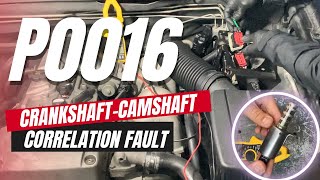
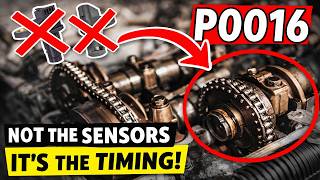
- Immediately replacing the Camshaft Position Sensor or Crankshaft Position Sensor. The P0016 code indicates a correlation problem, not necessarily a sensor failure. 🎬 Watch: Why P0016 usually isn't caused by a bad sensor The sensors are often correctly reporting a mechanical timing issue.
Most Likely Causes
- Low, Dirty, or Incorrect Viscosity Engine Oil 🔴 High Probability The CVVT system is hydraulic and requires clean oil at the correct pressure and viscosity to function. GDI engines can be harsh on oil, leading to faster breakdown and sludge formation which clogs the VVT solenoids and passages.
How to confirm: Check the oil level on the dipstick and inspect the oil's condition and color. Review service records to ensure the correct oil viscosity (full synthetic is recommended) was used and the last oil change was performed on schedule.
Typical fix: Perform an oil and filter change using a high-quality, OEM-spec full synthetic oil and a genuine OEM filter to ensure proper pressure and cleaning.
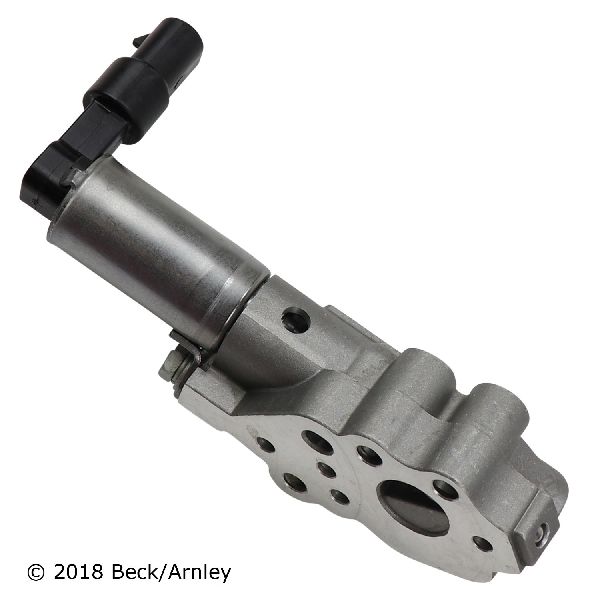
Est. part cost: $70-$120 - Faulty Oil Control Valve (OCV) / VVT Solenoid 🟡 Medium Probability → Shop Engine Variable Valve Timing (VVT) Solenoid The OCV for the Bank 1 intake camshaft can become clogged with sludge or fail electrically, preventing it from correctly regulating oil flow to the cam phaser. These solenoids are a known failure point on many Hyundai/Kia engines.
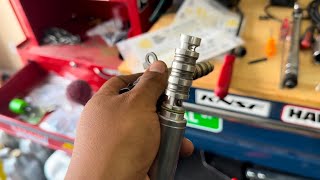
How to confirm: A common diagnostic step is to swap the Bank 1 intake OCV with the Bank 2 intake OCV. Clear the codes and drive the vehicle. If the code changes to P0018 (Bank 2 Intake Cam Correlation), the OCV is faulty. You can also test the solenoid's resistance with a multimeter; it should be between 6.9 and 7.9 ohms. 🎬 Watch: How to test a VVT solenoid with a multimeter
Typical fix: Replace the faulty Oil Control Valve. 🎬 See this walkthrough for replacing the intake oil control valve It is often recommended to replace them in pairs (both intake or all four).
Est. part cost: $50-$150 - Stretched Timing Chain or Failed Tensioner/Guides 🟡 Medium Probability → Shop Engine Timing Chain Over time, timing chains can stretch, and the hydraulic tensioners or plastic guides can wear out or fail. This is often preceded by a rattling noise on cold startups as the tensioner takes a moment to build oil pressure and tighten the slack chain.
How to confirm: This is an involved diagnosis. A mechanic can remove the valve cover to visually inspect for chain slack. An oscilloscope can also be used to compare cam and crank sensor signals to a known-good pattern to confirm a timing offset without major disassembly.
Typical fix: Replace the timing chain(s), tensioners, and guides. This is a labor-intensive job often costing over $2,000.
Est. part cost: $400-$900
Rare But Worth Checking
- Faulty Camshaft or Crankshaft Position Sensor: → Shop Engine Crankshaft Position Sensor While these sensors are often blamed, they are less likely to be the root cause than mechanical or oil-related issues. They usually trigger their own specific circuit codes (like P0340 or P0335) when they fail, but an intermittent sensor can sometimes cause a correlation code without a circuit code.
- Failed Camshaft Phaser (CVVT Actuator): → Shop Engine Camshaft The phaser itself, located on the end of the camshaft, can become stuck due to debris or internal failure. This is less common than an OCV failure but can cause the same code and requires significant labor to replace.
- Clogged Oil Passages: In cases of severe engine sludge, the oil passages leading to the cylinder head or the CVVT phasers can become restricted. This starves the system of the oil pressure it needs to operate, causing timing correlation codes. This usually requires extensive engine cleaning or teardown.
Diagnosis Steps
- Check Engine Oil: Verify the oil level is correct and the oil is clean. If the oil is low, dirty, or overdue for a change, this is the first and most crucial step. Perform an oil change with the correct viscosity full synthetic oil and an OEM filter.
- Scan for Other Codes: Check for any other stored trouble codes that could point to a specific sensor or circuit issue (e.g., P0340, P0011).
- Inspect OCV Wiring: Check the wiring and connector for the Bank 1 intake Oil Control Valve for any visible damage, corrosion, or loose connections.
- Test the OCV: The easiest way to test the OCV is to swap it with the OCV from Bank 2 (if accessible). Clear the codes and drive the vehicle. If P0016 returns, the OCV is likely not the issue. If the code changes to P0018, the OCV is faulty and should be replaced.
- Professional Diagnosis (Timing Chain): If the above steps do not resolve the issue, the problem is likely with the physical timing components. At this point, professional diagnosis is recommended. A mechanic will use an oscilloscope to analyze the cam/crank sensor waveforms or perform a physical inspection of the timing chain, tensioners, and guides. This is the definitive way to confirm a mechanical timing fault.
Parts You'll Likely Need
- Engine Oil Control Valve (OCV) / VVT Solenoid
(OEM #Intake: 24355-3L100 (or 24355-3L100); Exhaust: 24360-3CAB2 (RH/Bank 1))— This solenoid is a frequent failure point due to clogging from oil sludge or electrical failure. It's a common cause for P0016 and is relatively easy to access and replace.
Trusted brands: Hyundai/Genesis OEM, Denso, Standard Motor Products
OEM price range: $65-$150
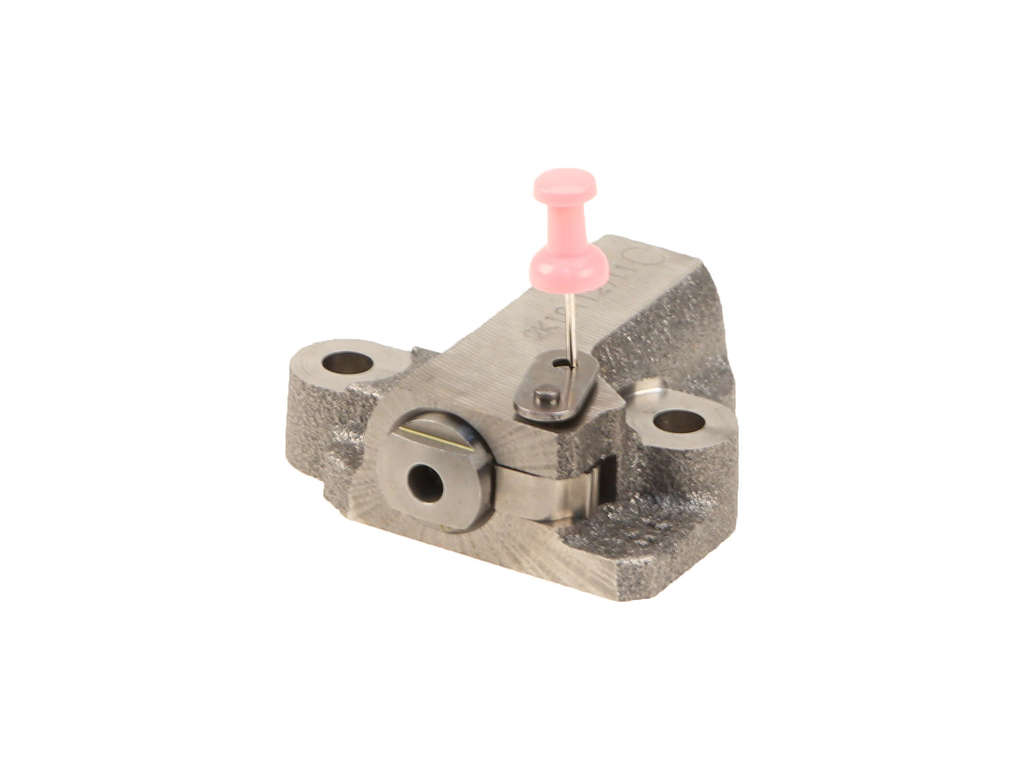
Aftermarket price range: $40-$100 - Timing Chain Kit (Chain, Tensioners, Guides)
(OEM #Primary Chain: 24321-3L100 (part of a larger kit))— If the chain has stretched or a tensioner has failed, the mechanical timing will be off, directly causing a P0016 code. This is a more severe and expensive repair.
Trusted brands: Hyundai/Genesis OEM
OEM price range: $400-$900
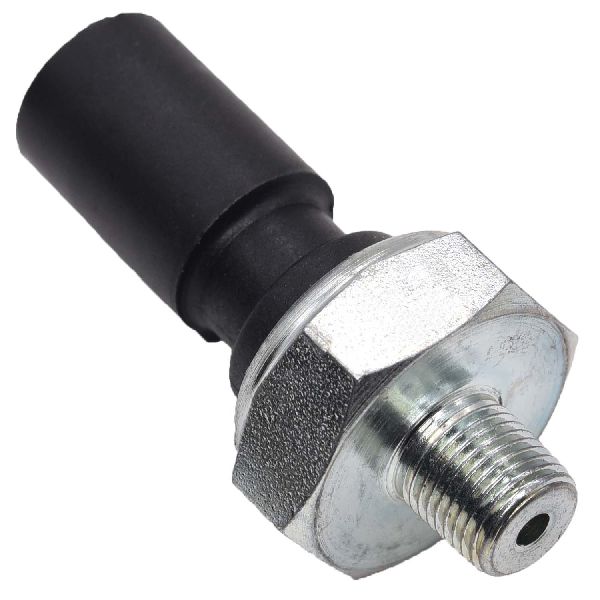
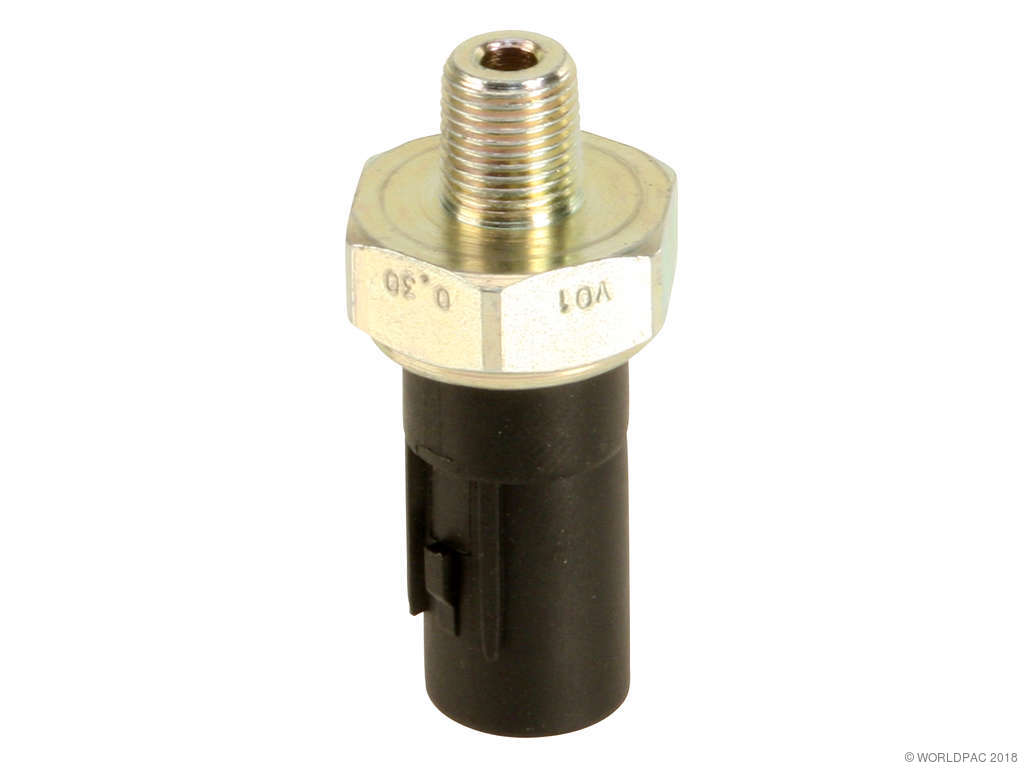
Aftermarket price range: $250-$600 - Engine Oil Pressure Switch
(OEM #94750-37100)— While not a direct cause, a faulty oil pressure switch can fail to warn the driver of a low oil pressure condition, which can lead to CVVT problems and the P0016 code. It's a cheap preventative part to consider.
Trusted brands: Hyundai/Genesis OEM
OEM price range: $35-$55
Aftermarket price range: $15-$30
Related Codes That Often Appear With This One
- P0017 — This is the correlation code for the exhaust camshaft on Bank 1. If the timing chain has jumped a tooth, it's common for both intake and exhaust cams on the same bank to be out of sync, triggering both codes.
- P0018 / P0019 — These are the equivalent correlation codes for Bank 2. Seeing codes for both banks (e.g., P0016 and P0018) points to a more severe, engine-wide timing issue, like a problem with the primary timing chain, jumped timing on the crank sprocket, or widespread oil pressure loss.
- P0340 / P0341 — These codes relate to the Bank 1 Camshaft Position Sensor circuit. If the sensor itself is failing or has a wiring issue, it can sometimes trigger the P0016 correlation code as a secondary fault.
Technical Service Bulletins (TSBs) & Recalls
- TSB# 21-01-023H-2: While not a direct fix for P0016, Hyundai/Genesis has issued TS
Platform-Specific Known Issues
- Owner Experience with P0016 and P0017: A user on the Genesis Owners forum with a 2015 Hyundai Genesis 3.8 (same Lambda II engine) reported getting codes P0016 and P0017. After replacing all four Cam Position Sensors and all four OCVs without success, the dealer diagnosed a stretched timing chain. The repair was quoted at over $4,000, highlighting that when sensor/OCV swaps don't work, the underlying cause is often the expensive timing chain job.
Mechanic-Grade Diagnostic Values
- Crankshaft to Camshaft Deviation Threshold — expected: Less than 15 degrees Crankshaft Angle (°CA). Failure: If the deviation between the CKP sensor and the Bank 1 intake CMP sensor is greater than 15°CA, the ECM will set DTC P0016.
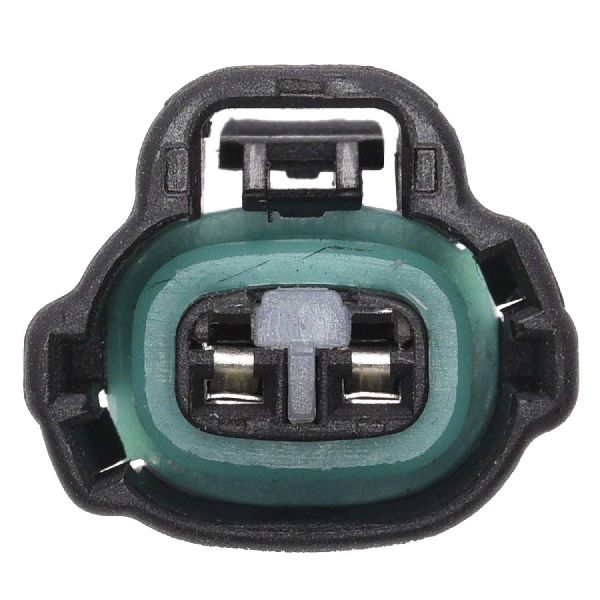
- Oil Control Valve (OCV) Connector Voltage — expected: Pin 1 to Chassis Ground: Battery Voltage (approx. 12V) with Key On, Engine Off. Pin 2 to Chassis Ground: 0 Volts.. Failure: No voltage on Pin 1 indicates an open in the power supply circuit (check fuses). Voltage on Pin 2 indicates a short to power on the control line.
- Camshaft Position Sensor (CMPS) Signal Voltage (Hall Effect Type) — expected: Digital signal switching between approx. 0V and 5V.. Failure: A HIGH signal should be above 3.8V and a LOW signal should be below 2.0V. If the LOW signal voltage is consistently above 0.6V, it may indicate excessive resistance in the sensor's ground circuit.
Scan Tool Commands That Help
- Hyundai GDS (Global Diagnostic System) or equivalent professional scanner: OCV Actuation Test — This bidirectional command forces the Oil Control Valve solenoid to cycle on and off. The technician should hear an audible 'click' from the OCV. A lack of a click indicates the solenoid is mechanically seized or has an internal electrical failure, even if its resistance is within spec.
- Hyundai GDS (Global Diagnostic System) or equivalent professional scanner: Resetting ECVVT values / Cam Position Learning Reset — This function must be performed after replacing a CVVT phaser or, in some cases, an OCV. It erases the ECM's learned camshaft position values. After the reset, the engine must be cranked for an extended period (may take 2-3 attempts) while the ECM relearns the new baseline cam positions. A delayed start immediately after this procedure is normal.
Wiring & Ground Locations
- Engine Control Module (ECM) and Sensor Connectors — Varies by engine, but Camshaft Position Sensors are on the valve covers, Crankshaft Position Sensor is on the engine block/transmission bell housing, and OCVs are on the valve covers.. A full wiring diagram (available via subscription services or as a paid PDF, e.g., 'Genesis-G80-1-DH-2017-Wiring-Diagrams.pdf') is required for deep diagnosis. Technicians must trace continuity from the sensor/solenoid connectors back to the main ECM connector to rule out harness damage, which can mimic a component failure.
- Fuse and Relay Boxes — The Genesis G80 has multiple fuse boxes: in the engine compartment, in the driver's side kick panel, and in the trunk.. The ECM and CVVT system are powered by fuses in these panels. A blown fuse, often labeled 'ECM', 'ECU', or related to ignition systems, would cause a no-start or stalling condition and could potentially be related to a short circuit that triggers this code.
OEM Part Supersession History
24355-3L100→24355-3L100— No supersession found. This part number appears to be stable for the specified vehicle and engine.
Heads up: This part is listed for the 3.3L and 3.8L Lambda engines. Ensure you are ordering for the correct bank (intake vs. exhaust) and engine, though this specific part number is widely used for the intake side.
Model Year Variations Within This Range
- 2018-2020: For the 2018 model year, Hyundai/Genesis revised the 8-speed automatic transmission programming for smoother and more responsive shifting. This change is unrelated to the P0016 engine code but is a notable variation within the generation.
Diagnostic Flowchart
Other Known Issues on This Vehicle
Issues unrelated to this code that are worth knowing about as an owner of this generation:
- ABS Module Electrical Short / Fire Risk 🔴 High — Common enough to trigger a major safety recall (NHTSA 21V160000) affecting 2017-2020 G80 models. Owners were advised to park outside until the fix was performed. (Ref: NHTSA Recall 21V160000)
- Starter Solenoid Water Intrusion 🔴 High — A recall was issued for 2017-2019 G80 models where water could enter the starter solenoid, causing an electrical short and potential fire, even when parked. (Ref: Hyundai Recall 205 / NHTSA 21V303000)
- GDI Engine Intake Valve Carbon Buildup 🟠 Medium — A universal issue for all GDI engines, including the Lambda and Tau. Significant buildup can occur by 60,000-90,000 miles, causing rough idle, misfires, and reduced power. Requires periodic chemical cleaning or more intensive walnut blasting service.
- Excessive Oil Consumption 🟠 Medium — Some owners of both the V6 and V8 engines have reported higher-than-normal oil consumption, which can lead to low oil levels that trigger CVVT faults like P0016 if not monitored closely.
- Electrical Gremlins (Infotainment/Gauges) 🟡 Low — Owners have reported intermittent issues with the infotainment system freezing, gauges giving erroneous readings, or key fobs not being detected. These are often sporadic and may require software updates or battery replacement to resolve.
Used vs. New Parts: Buying Guide for This Vehicle
When a used part is the smart pick: For this specific repair, sourcing used parts is strongly discouraged. The primary causes are related to wear and oil contamination, making used parts highly likely to have the same or other pending issues. The only exception might be a wiring harness pigtail if the original connector is damaged.
Donor-vehicle mileage cap: roughly under 15000 miles for the part to have meaningful remaining life.
What to inspect on the donor part:
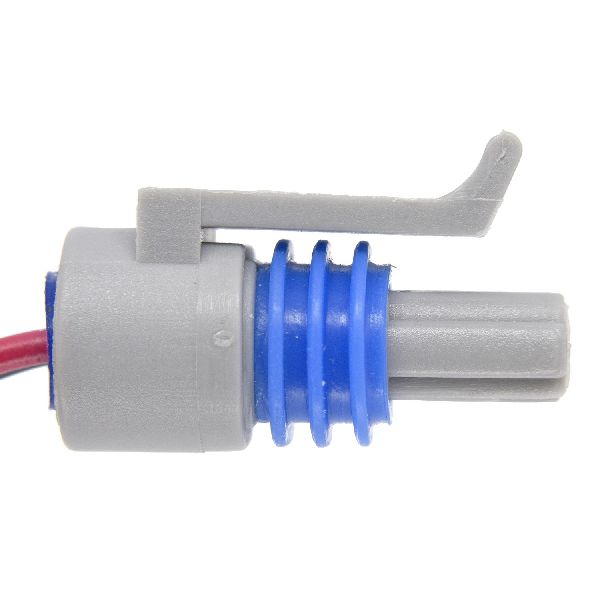
- If sourcing a connector pigtail, ensure the wiring is not brittle and the locking tabs are intact.
OEM-only on this vehicle (don't cheap out):
- Timing Chain Kit (Chains, Guides, Tensioners): The labor cost is too high to risk using anything but new OEM parts.
- Oil Filter: Strongly recommended to use a genuine Hyundai/Genesis OEM filter to ensure correct oil pressure and flow, which is critical for the CVVT system.
Aftermarket brands forum-validated for this vehicle:
- Sensors (Cam/Crank): Denso, NTK, Standard Motor Products (SMP).
- OCV / VVT Solenoids: Denso, Standard Motor Products (SMP).
Brands owners have reported issues with on this vehicle:
- Unbranded, 'white-box' parts from online marketplaces, especially for critical electronic sensors and timing components.
Real Owner Stories
Aggregated from forums and TSBs cited above. Mileages and costs reflect what owners reported in those sources.
2015 Hyundai Genesis 3.8L (Lambda II)
Symptoms: The vehicle threw codes P0016 and P0017. The owner attempted to fix it by replacing all four Cam Position Sensors and all four Oil Control Valves (OCVs), but the codes remained.
What fixed it: The dealer diagnosed a stretched timing chain, requiring a full timing chain replacement.
Cost: $4,000+
Source hint: Genesis Owners Forum - 'P0016 and P0017'
2018 Genesis G80 — 90000 miles
Symptoms: Rough idle, misfires, and reduced power; owner was investigating GDI-specific maintenance to maintain engine health.
What fixed it: Cleaning GDI carbon buildup (chemical cleaning or walnut blasting) to address engine health issues that can contribute to oil contamination and timing issues.
Source hint: CarKiller Forum - 'Cleaning GDI carbon buildup'
Related OBD-II Codes
Frequently Asked Questions
Can I use any engine oil in my G80 3.8L to clear the P0016 code?
Is there a way to test if the Oil Control Valve (OCV) is bad without buying a new one?
I hear a rattling noise on cold starts; is this related to P0016?
Does TSB# 21-01-023H-2 provide a direct fix for the P0016 code?
Could carbon buildup be causing my engine to run rough alongside the P0016 code?
Is the P0016 code related to the major ABS or starter solenoid recalls for the 2017-2020 G80?
Helpful Videos


We Have This Part in Stock

The information in this article is provided for general reference and educational purposes only. Vehicle specifications, procedures, and part compatibility can vary by production date, trim level, and region. Always consult your vehicle's factory service manual and verify part numbers before purchasing or performing repairs. Safety-critical components such as airbags, seat belts, and braking systems should be installed by a qualified professional.
- Genesis G80:
- 🧭 Diagnostic Flowchart
- 🎬 Helpful Videos
- 🛍️ Shop This Part
- What's Unique About the 2017-2020 Genesis G80
- Symptoms You May Notice
- Most Likely Causes
- Rare But Worth Checking
- Diagnosis Steps
- Parts You'll Likely Need
- Related Codes That Often Appear With This One
- Technical Service Bulletins (TSBs) & Recalls
- Platform-Specific Known Issues
- Mechanic-Grade Diagnostic Values
- Scan Tool Commands That Help
- Wiring & Ground Locations
- OEM Part Supersession History
- Model Year Variations Within This Range
- Other Known Issues on This Vehicle
- Used vs. New Parts: Buying Guide for This Vehicle
- Real Owner Stories
- 2015 Hyundai Genesis 3.8L (Lambda II)
- 2018 Genesis G80 — 90000 miles
- Related OBD-II Codes
- Frequently Asked Questions
- 🎟️ Get 5% Off