

P0016 on 2017-2022 Genesis G90 3.3T: Crank/Cam Correlation Causes and Fixes
P0016 on a Genesis G90 3.3T indicates a timing mismatch between the crankshaft and the Bank 1 intake camshaft. The most common causes are low/dirty oil, a failing oil control valve (OCV), or a stretched timing chain, often preceded by a rattling noise on cold starts. An OCV replacement is relatively inexpensive, but a timing chain job can cost over $2,000 due to the engine's complexity.
- P0016 is a serious code on the Genesis G90 that requires immediate attention to prevent severe engine damage.
- Always check the engine oil level and condition first; low or dirty oil is a primary cause.
- The most likely faulty parts are the Bank 1 intake Oil Control Valve (OCV) or the timing chain assembly (chain, tensioner, guides).
- Do not immediately replace the cam/crank sensors; they are less likely to be the root cause than mechanical or oil-related issues.
- Due to the complexity of a timing chain job and the risk of engine damage, professional diagnosis and repair are strongly recommended.
What's Unique About the 2017-2022 Genesis G90
The Genesis G90 uses the Lambda II 3.3L Twin-Turbo GDI (Gasoline Direct Injection) engine. Like many modern direct-injection engines, it is sensitive to oil quality and maintenance schedules. Sludge or debris in the oil can clog the small passages and filter screens of the Oil Control Valves (OCVs), which are responsible for adjusting the camshaft timing via the CVVT system. While the Lambda engine family is generally considered reliable, some versions are known for a startup rattle that indicates wear in the timing chain tensioners, which can lead to chain slack and trigger this correlation code if not addressed.
Symptoms You May Notice
- Check Engine Light is on
- Engine runs rough or misfires, especially at idle
- Reduced engine power and poor acceleration
- Engine is hard to start or fails to start
- Increased fuel consumption
- Rattling noise from the engine for a few seconds on cold startup, which then disappears as oil pressure builds.
- Replacing the camshaft and crankshaft sensors without proper diagnosis. While sensors can fail, the P0016 code points to a correlation problem, which is more often mechanical (timing chain, OCV) than electrical (sensor failure).
- Replacing only the timing chain tensioner after the P0016 code has already appeared. If the chain has already jumped a tooth, a new tensioner will fix the startup rattle but will not correct the timing correlation, and the code will remain.
Most Likely Causes
- Low or Dirty Engine Oil 🔴 High Probability The Continuous Variable Valve Timing (CVVT) system is hydraulically operated and relies on clean oil at the correct pressure. GDI engines can be harsh on oil, and using non-OEM oil filters with incorrect bypass valve pressures can also cause issues.
How to confirm: Check the oil level on the dipstick and inspect its condition. If it is low, excessively dark, or the service interval is long overdue, this is the primary suspect.
Typical fix: Perform an engine oil and filter change using a high-quality full synthetic oil that meets manufacturer specifications (e.g., API SP). Always use a genuine Hyundai/Genesis OEM oil filter to ensure correct oil pressure. Clear codes and re-test.
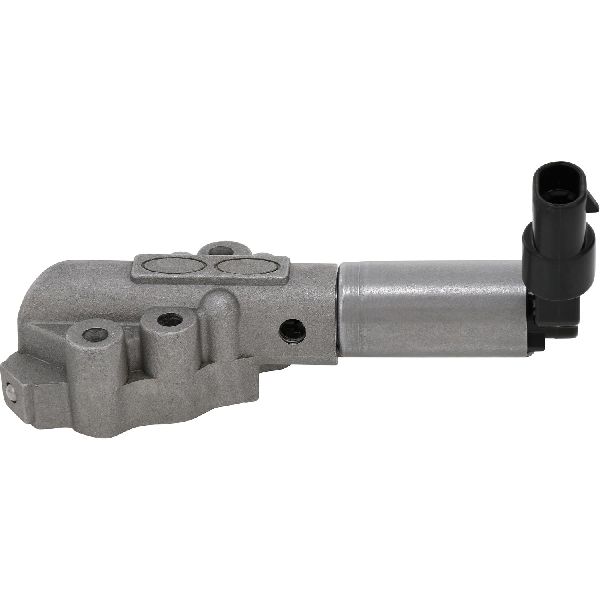
Est. part cost: $70-$120 - Faulty Oil Control Valve (OCV / CVVT Solenoid) 🟡 Medium Probability → Shop Engine Variable Valve Timing (VVT) Solenoid The OCV for the Bank 1 intake camshaft can get clogged with sludge or fail electrically. The small filter screen on the solenoid itself is known to sometimes disintegrate, sending debris into oil passages.
How to confirm: A mechanic can command the solenoid with a bi-directional scan tool. It should be removed and visually inspected for sludge or a damaged screen. Resistance can be checked with a multimeter (typically 6.9-7.9 ohms), and function can be verified by applying 12V power to see if the internal plunger actuates.
Typical fix: Replace the Bank 1 intake OCV. It is located on the valve cover of the rear cylinder bank. Given the labor to access it, replacement is often recommended over cleaning if it's suspect.
Est. part cost: $90-$160 - Stretched Timing Chain or Failed Tensioner 🟡 Medium Probability → Shop Engine Timing Chain Timing chains can stretch over many miles, but the hydraulic tensioners are a more common failure point. They can lose the ability to hold oil pressure when the engine is off, leading to slack and the characteristic 'startup rattle'. This slack can cause the chain to jump a tooth, creating a permanent correlation error.
How to confirm: This is a complex diagnosis. It is strongly suspected if a P0016 is accompanied by a cold start rattle. Confirmation requires significant labor to remove the timing cover and physically inspect the chain for slack against the guides and verify the timing marks on the crank and cam sprockets are perfectly aligned. An advanced scan tool may show a deviation of 5 degrees or more between desired and actual cam timing, indicating stretch.
Typical fix: Replace the primary timing chain, all three hydraulic tensioners, and all plastic chain guides. This is a major, labor-intensive job.
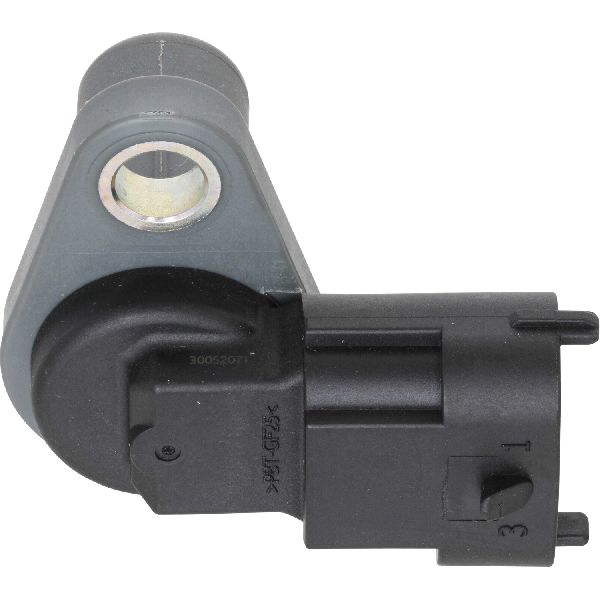
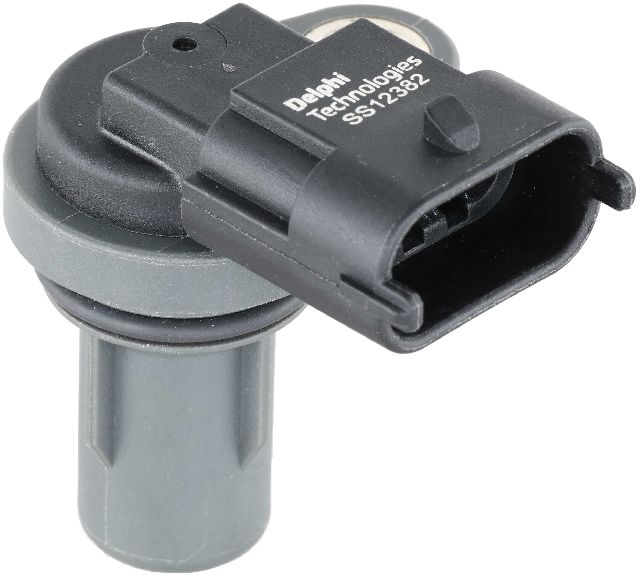
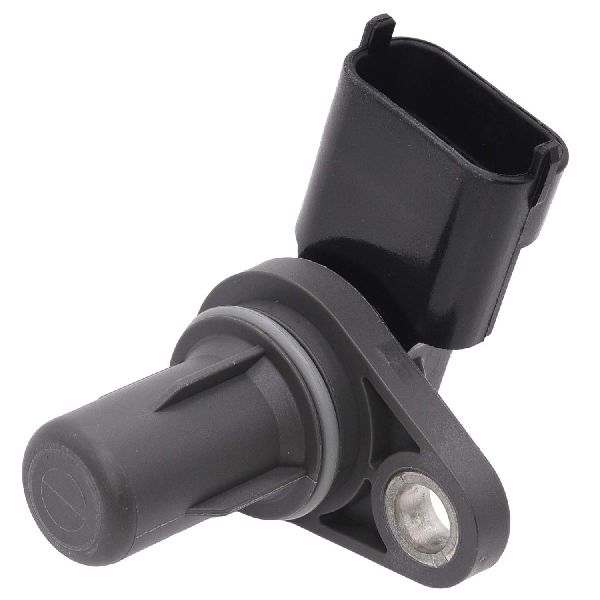
Est. part cost: $500-$900 - Faulty Camshaft or Crankshaft Position Sensor ⚪ Low Probability → Shop Engine Crankshaft Position Sensor While sensors can fail, it's less common for a sensor to cause a P0016 code than a mechanical timing or oil-related problem. The code indicates a correlation *error* between two valid (but disagreeing) signals, not necessarily a sensor circuit fault.
How to confirm: Use an oscilloscope to compare the signal patterns from the crankshaft sensor and the Bank 1 intake camshaft sensor. A faulty sensor will produce a noisy, erratic, or missing signal compared to the other known-good sensors.
Typical fix: Replace the specific sensor that is failing (Crankshaft Position Sensor or Bank 1 Intake Camshaft Position Sensor).
Est. part cost: $60-$120
Rare But Worth Checking
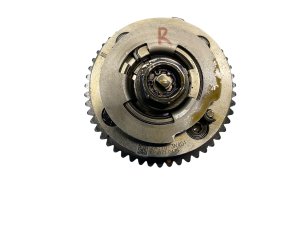
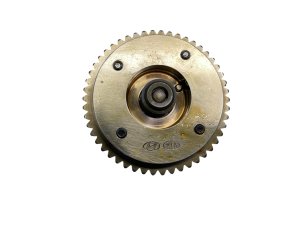
- Damaged Camshaft Phaser (CVVT Actuator): → Shop Engine Camshaft The gear on the end of the camshaft that actually adjusts the timing can fail internally or its locking pin can break, causing it to be stuck or make noise on startup. This is a more expensive repair than the OCV and is often replaced during a full timing chain job.
- Slipped Reluctor Ring: The tone ring that the crankshaft or camshaft sensor reads can shear its key or spin on the shaft, causing the sensor to send a signal that is accurate for the ring's position but incorrect for the engine's actual timing. This is a rare mechanical failure that is difficult to diagnose.
Diagnosis Steps
- Verify Oil Level and Condition: Check the engine oil. If it's low, dirty, or the wrong viscosity, perform an oil and filter change with OEM parts. This is the cheapest and most common starting point. Clear the code and see if it returns.
- Scan for Other Codes: Use an OBD-II scanner to check for any other related trouble codes (e.g., P0017, P0340) that could provide more clues.
- Listen for Startup Rattle: Let the vehicle sit for several hours. Upon starting, listen carefully for a 1-3 second rattle from the engine's front cover. The presence of this noise strongly suggests a timing chain tensioner issue.
- Test the Oil Control Valve (OCV): Remove the Bank 1 intake OCV from the rear valve cover. Check its screen for debris or damage. Test its resistance and check for mechanical plunger movement by applying 12V power.
- Analyze Sensor Data: Using an advanced scan tool, graph the desired vs. actual camshaft angle for Bank 1 Intake. If the actual angle does not follow the desired angle, it points to a problem with the OCV or phaser. A deviation of 5 degrees or more can indicate a stretched timing chain. An oscilloscope can also compare the raw crank/cam sensor signals.
- Mechanical Timing Inspection: If all else fails, this is the definitive step. Remove the engine's front timing cover to physically inspect the timing chain for stretching, the tensioner for failure, and the guides for damage. Verify all timing marks on the sprockets and chain are correctly aligned. This is a high-labor step.
Parts You'll Likely Need
- Engine Oil Control Valve (CVVT Solenoid), Intake
(OEM #24378-3L100)— This solenoid controls oil flow to the Bank 1 intake cam phaser and is a common failure point, either by clogging or electrical fault.
Trusted brands: Hyundai/Genesis OE
OEM price range: $120-$180
Aftermarket price range: $70-$120 - Timing Chain Kit
(OEM #Primary Chain: 24321-3L100, Main Tensioner: 24410-3CGA3. A full kit includes multiple chains, guides, and tensioner arms.)— If the chain has stretched or the tensioner has failed, a complete kit is required to restore proper timing and prevent future issues. Part numbers for a full kit can be verified with a dealer.
Trusted brands: Hyundai/Genesis OE
OEM price range: $500-$700
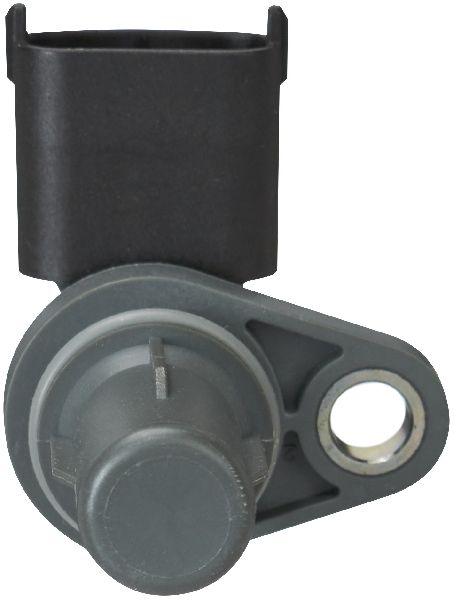
Aftermarket price range: $300-$500 - Intake Camshaft Position Sensor (Bank 1) — If diagnosis confirms a sensor failure, this is the part to replace for Bank 1 Intake. It's less common but possible.
Related Codes That Often Appear With This One
- P0017 — This code is for Crank/Cam Correlation on Bank 1, but for the 'B' sensor (Exhaust). If the timing chain has jumped, it's common for both intake and exhaust cams on the same bank to be out of time.
- P0018 / P0019 — These are the equivalent correlation codes for Bank 2 (front bank). Seeing them alongside P0016 could indicate a more severe timing issue affecting the entire engine, such as a jumped main timing chain or widespread oil sludge.
- P0340 — This is a circuit code for the Bank 1 Camshaft Position Sensor. If there's a wiring issue or a completely failed sensor, it could potentially lead to the P0016 correlation code being set.
Technical Service Bulletins (TSBs) & Recalls
- SSM 9003655: While not a full TSB, this service message notes that codes like P0016 can be caused by small debris causing the VCT (VVT) solenoid to stick. This points directly to oil contamination as a root cause recognized by the manufacturer.
- Contextual TSBs (Campaigns 953, 966, etc.): Hyundai/Genesis have issued multiple service campaigns (e.g., TSB# 21-01-023H-2) to update the ECU's engine monitoring logic. This update is designed to detect early signs of engine bearing failure by setting a P1326 code, often before catastrophic damage occurs. While not a fix for P0016, it highlights the engine family's sensitivity to internal mechanical issues.
Platform-Specific Known Issues
- Startup Rattle is a Telltale Sign: Numerous owner accounts across the 3.3T platform (G90, Stinger, G70) and related Lambda engines confirm that a distinct rattling or chain-slapping noise for 1-3 seconds on a cold start is a classic symptom of a failing timing chain tensioner. The tensioner is hydraulic and can bleed down when the engine is off, allowing chain slack. When the engine starts, the chain rattles against its guides until oil pressure builds up and tightens the tensioner. Ignoring this sound often leads to the P0016 code as the chain eventually stretches or jumps time.
- Bank 1 Access Difficulty: On the transversely mounted 3.3L V6 in the G90, Bank 1 (cylinders 1-3-5) is the rear bank, closer to the firewall. This makes accessing components on Bank 1, including the 'Sensor A' (Intake) OCV and camshaft sensor, significantly more difficult and labor-intensive than accessing Bank 2 components at the front of the engine bay. This can increase labor costs for diagnosis and repair of a P0016 code.
Mechanic-Grade Diagnostic Values
- Oil Control Valve (OCV) Coil Resistance — expected: 6.9–7.9 Ohms for Denso supplied part; 6.7–7.7 Ohms for Delphi supplied part (measured at 68°F / 20°C).. Failure: A reading of infinity (open circuit) or near zero (short circuit) indicates a failed OCV that needs replacement.
- Scan Tool Live Data: Desired vs. Actual Camshaft Angle (Bank 1 Intake) — expected: Actual angle should closely track the desired angle commanded by the PCM, with a difference near 0 degrees at idle.. Failure: A consistent deviation of 5 degrees or more between the desired and actual values, even after an oil change and confirming OCV function, strongly suggests a stretched timing chain.
Scan Tool Commands That Help
- Genesis GDS (or advanced bidirectional scanner): CVVT System Active Test / Actuator Test — This function allows a technician to command the Bank 1 Intake OCV to actuate independent of the engine's commands. It is used to verify if the OCV solenoid is responding electrically and if the camshaft phaser is mechanically capable of changing timing when commanded. This helps isolate a faulty OCV from a mechanical phaser or oil pressure problem.
Wiring & Ground Locations
- Primary Under-Hood Ground Point — On the driver's side of the engine bay, on the chassis frame rail, covered by a small black plastic cap. It is a dedicated metal post for connecting a jumper cable's negative clamp.. While not a specific sensor ground, this is the main chassis ground point in the engine bay. Verifying it is clean and tight is a fundamental first step in diagnosing any electrical issue, including ensuring sensors have a stable ground reference.
Real Owner Repair Stories
- SHO Forum user 'seasoned_shrimp' (Ford SHO (different vehicle, but same P0016 cause and effect on a V6 GDI engine)) — Slight rumble different than normal idle, P0016 code present.
❌ Tried (didn't work) Replacing the camshaft and crankshaft position sensors.
✅ What actually fixed it A full timing chain replacement. The original chain was found to be significantly stretched. The user noted that a scan tool showing a 5+ degree difference between desired and actual cam timing is a strong indicator of chain stretch.
OEM Part Supersession History
24410-3CGA0, 24410-3CGA1, 24410-3CGA2→24410-3CGA3— Revisions to the main timing chain tensioner to improve durability and prevent loss of hydraulic pressure, which causes startup rattle and chain slack.
Heads up: The newest part number (24410-3CGA3) should always be used when replacing the tensioner.
Diagnostic Flowchart
Real Owner Stories
Aggregated from forums and TSBs cited above. Mileages and costs reflect what owners reported in those sources.
Genesis Coupe 3.8L Lambda
Symptoms: Rattle noise when starting the car, specifically a cold start rattle.
What fixed it: Identified as a timing chain tensioner issue by the community.
Source hint: genesiscoupe subreddit - 'Rattle noise when starting car'
Vehicle with P0016
Symptoms: P0016 code accompanied by a cold rattle on startup that disappears once oil pressure builds.
What fixed it: Dealer diagnosed a broken internal adjuster.
Source hint: MBWorld.org Forums - 'Need advice please! P0016, cold rattle on startup, oh no!'
Hyundai Genesis V6
Symptoms: Annoying rattling sound on cold startup.
What fixed it: Mechanic visually demonstrated slack in the timing chain caused by a bad tensioner.
Source hint: YouTube - 'Found the Problem! Hyundai Genesis Cold StartUp...Making this Annoying Sound.'
Vehicle with P0016
Symptoms: P0016 code and a rattling noise on startup.
What fixed it: A full timing job was required because the chain had already jumped a tooth; replacing the tensioner alone only fixed the rattle.
Source hint: Quora - 'I have a P0016 code on my car and gives a rattling noise on startup...'
Related OBD-II Codes
Frequently Asked Questions
Does SSM 9003655 apply to my Genesis G90 for the P0016 code?
I hear a 1-3 second rattle on cold starts with my 3.3T engine. Is this related to P0016?
Why is the labor cost so high to diagnose the Bank 1 OCV on my G90?
Will the ECU update from Campaign 953 or 966 fix my P0016 code?
Can I just replace the timing chain tensioner to fix the P0016 code and the startup rattle?
What is the correct resistance for the Bank 1 Oil Control Valve on the 3.3L T-GDI?
Used OEM Parts in Stock
New Aftermarket Parts Available


The information in this article is provided for general reference and educational purposes only. Vehicle specifications, procedures, and part compatibility can vary by production date, trim level, and region. Always consult your vehicle's factory service manual and verify part numbers before purchasing or performing repairs. Safety-critical components such as airbags, seat belts, and braking systems should be installed by a qualified professional.
- Genesis G90:
- 🧭 Diagnostic Flowchart
- 🛍️ Shop This Part
- What's Unique About the 2017-2022 Genesis G90
- Symptoms You May Notice
- Most Likely Causes
- Rare But Worth Checking
- Diagnosis Steps
- Parts You'll Likely Need
- Related Codes That Often Appear With This One
- Technical Service Bulletins (TSBs) & Recalls
- Platform-Specific Known Issues
- Mechanic-Grade Diagnostic Values
- Scan Tool Commands That Help
- Wiring & Ground Locations
- Real Owner Repair Stories
- OEM Part Supersession History
- Real Owner Stories
- Genesis Coupe 3.8L Lambda
- Vehicle with P0016
- Hyundai Genesis V6
- Vehicle with P0016
- Related OBD-II Codes
- Frequently Asked Questions
- 🎟️ Get 5% Off